USDA hardiness zone
Zone 8a
Warm temperate zone where citrus is marginal but figs, persimmons, pomegranates excel.
On the zone ramp
- Lowest winter temp
- 10°F to 15°F USDA boundary
- Growing season
- 240 days
- Avg chill hours
- ~600 below 45°F
- Hardiness rank
- 15 of 26 temperate
- Compatible crops
- 80
- Sample region
- Southern Georgia
Growing in zone 8a
Zone 8a spans a broad arc from coastal South Carolina and Georgia through central Texas, with minimum winter temperatures ranging from 10 to 15 degrees F. The growing season runs approximately 240 days, a long window that favors fruit trees with extended harvest periods but also means relentless summer heat from June through September.
The zone's defining constraint is chill hours. Figs, American persimmons, and pomegranates thrive reliably because they are indifferent to cold accumulation; they simply wake when warmth arrives and tolerate summer heat without complaint. Apple varieties bred for northern climates will underperform here. Most require 800 to 1,000 chill hours that zone 8a accumulates only in cool winters, if at all. The practical chill-hour budget for most zone 8a sites is 400 to 700 hours, which steers growers toward low-chill peaches, Japanese plums, and fire blight-resistant pear selections.
Humidity is the other force shaping what succeeds. Fungal pressure is significant across much of the zone, particularly for peaches (brown rot) and pears (fire blight). Coastal sites face the highest disease pressure; inland Texas sites contend more with heat and drought than with humidity. Both environments reward growers who plant disease-resistant selections over those who plan to spray their way through susceptible varieties.
Frost timing in zone 8a
In zone 8a, the last spring frost typically falls between late February and late March. Coastal Carolina sites often clear frost risk by mid-February; inland sites in southern Georgia or central Texas can hold risk through mid-March. First fall frost generally arrives between mid-November and early December, well past the harvest window for most fruit crops.
For fruit growers, the spring date carries the real consequences. Bloom precedes leafout on stone fruits, and a late frost after peaches or Japanese plums have flowered can eliminate the entire crop in a single night. Low-chill selections that respond quickly to mild winters face the highest exposure because they bloom earlier than high-chill varieties. Knowing the frost-free date for a specific location matters more than the zone average; the range within zone 8a spans three to four weeks depending on elevation, distance from the coast, and urban heat effects. The frost-date data on ZonePlant narrows that range to the zip-code level.
Common challenges
- ▸ Insufficient chill hours for some apple varieties
- ▸ Pierce's disease in grapes
- ▸ Heat stress on cool-season crops
Best practices
Select varieties calibrated to the actual chill-hour budget. Zone 8a accumulates 400 to 700 chill hours in most years, with cooler inland sites at the upper end. Planting a variety that requires 900 hours produces sparse bloom and poor fruit set in warm winters, which are common across the zone. Growers should confirm chill-hour requirements before purchasing any apple, cherry, or plum variety; catalog entries often describe cold adaptability loosely.
Run two distinct cool-season vegetable windows rather than one extended spring. With 240 frost-free days and summer temperatures that routinely exceed 95 degrees F, cool-season crops like brassicas and lettuces bolt quickly in May. The fall window, starting in late September after the heat breaks, is often more productive than the spring window. Planting two weeks early in fall is almost always recoverable; planting two weeks late in spring rarely is.
For grape production, match variety to disease pressure. Pierce's disease is endemic across much of zone 8a, and standard vinifera grapes will not survive more than a few seasons in affected areas. Muscadine grapes and resistant bunch grape varieties are the practical choices for most zone 8a sites.
What to grow in zone 8a
80 crops from our database fit zone 8a, grouped by type. Click through for zone-specific variety recommendations.
Tree fruit
14 crops
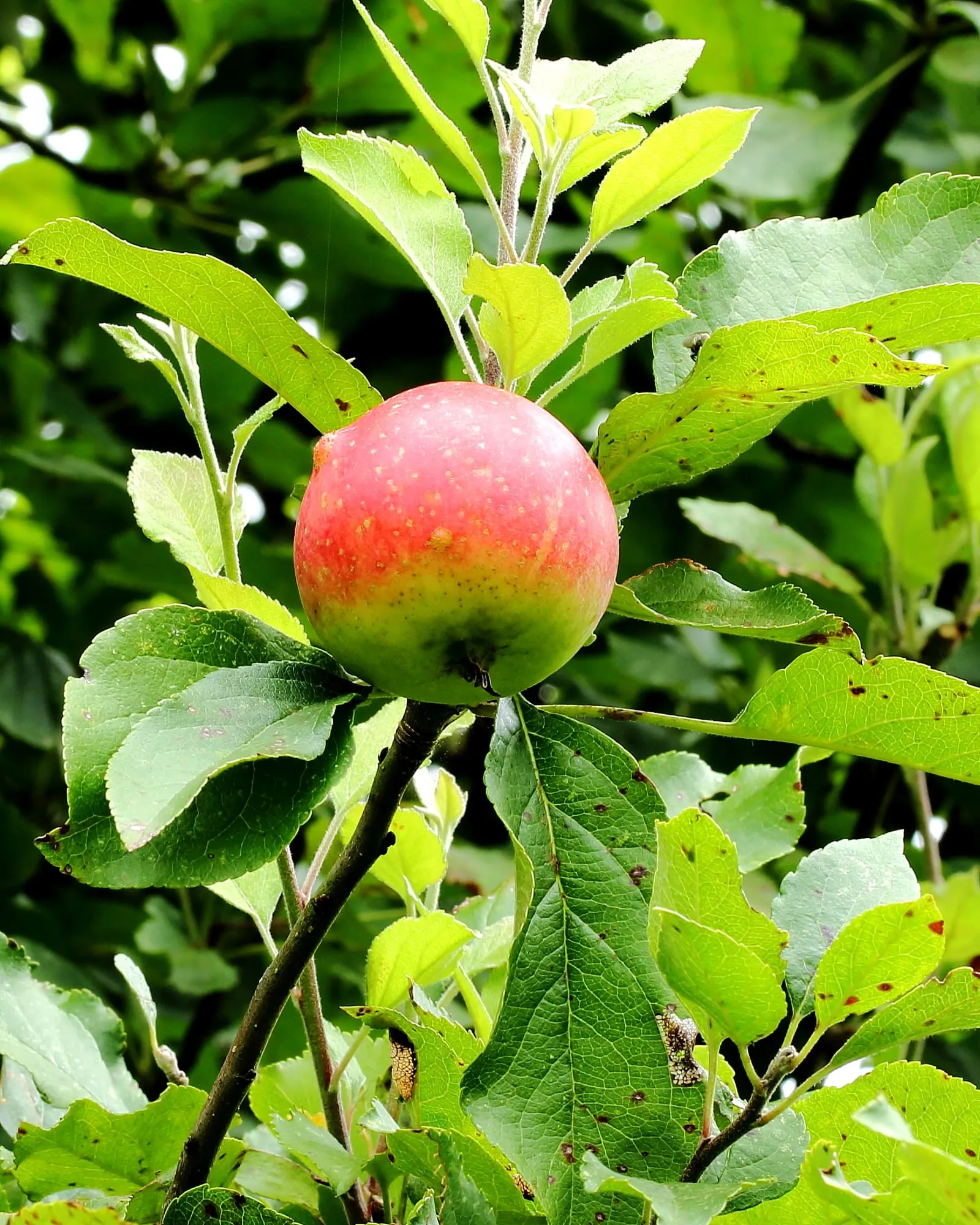 zone 8a
 Apple
Malus domestica
zones 3a–9a
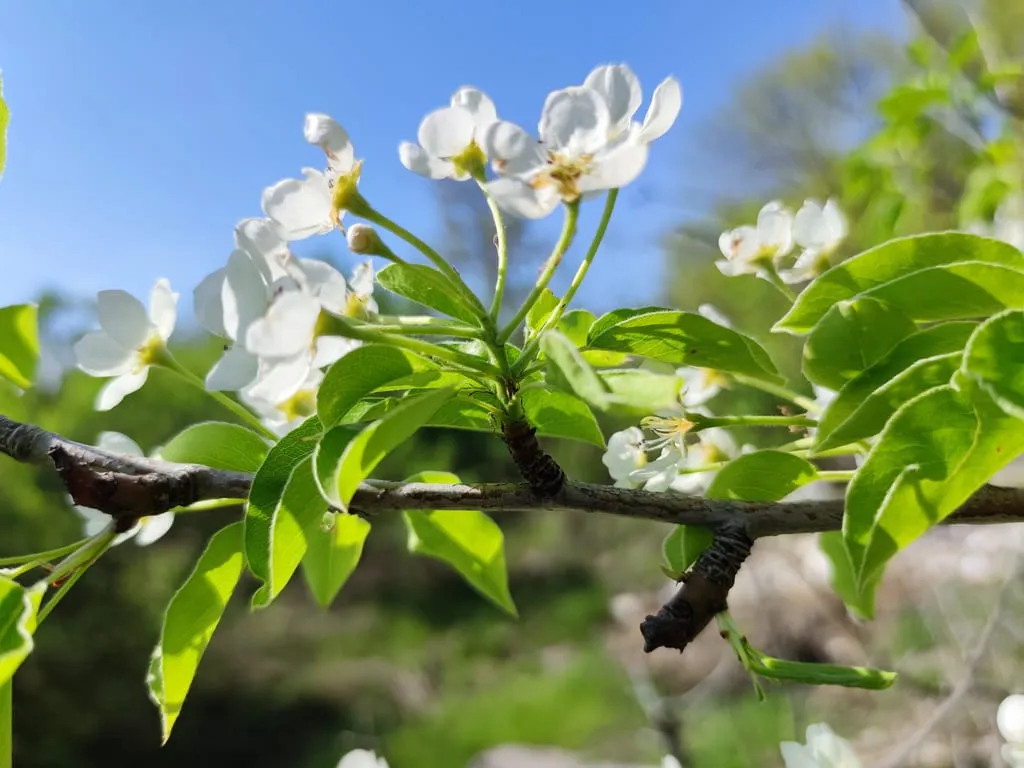 zone 8a
 Pear
Pyrus communis
zones 4a–8b
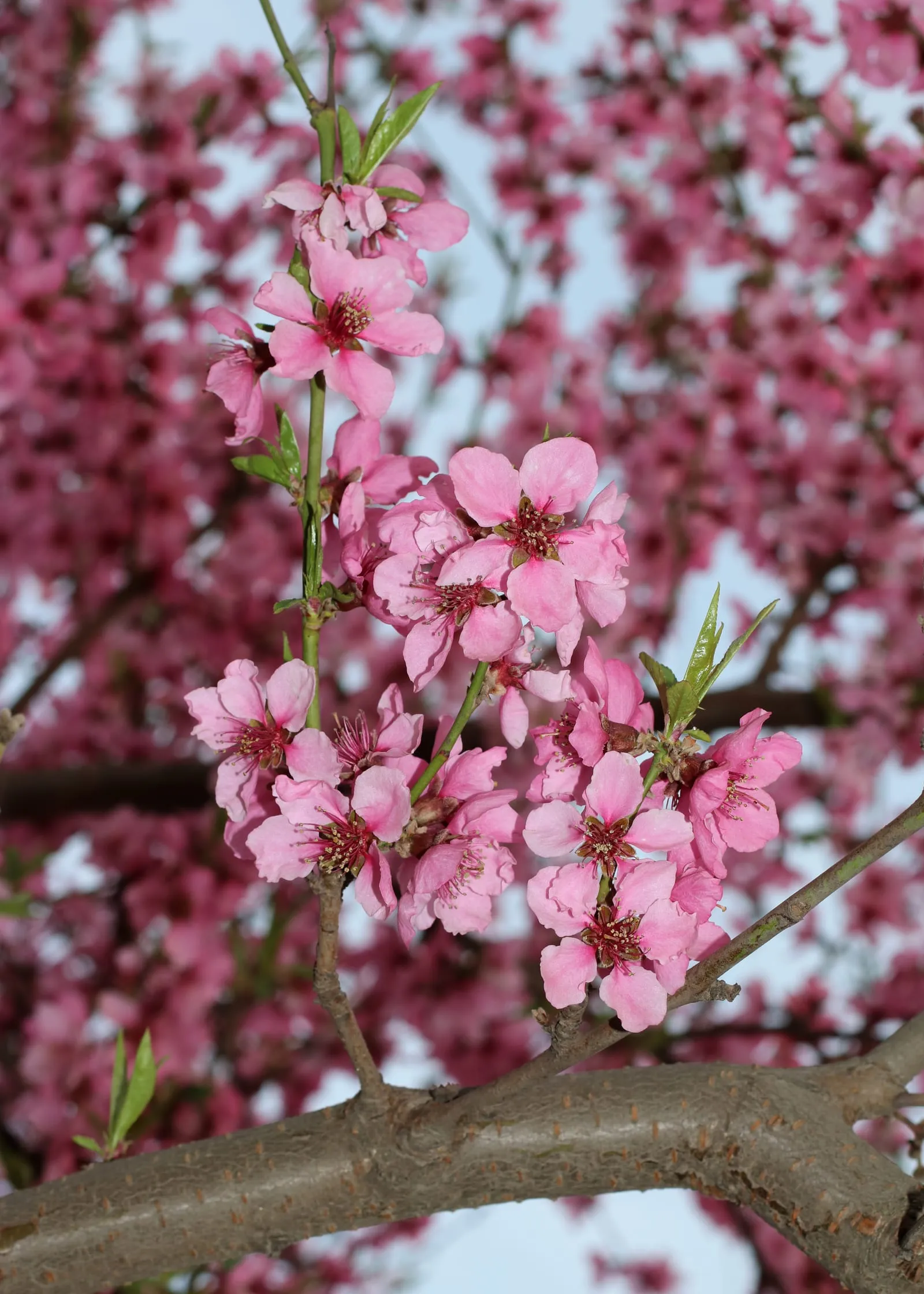 zone 8a
 Peach
Prunus persica
zones 5a–9a
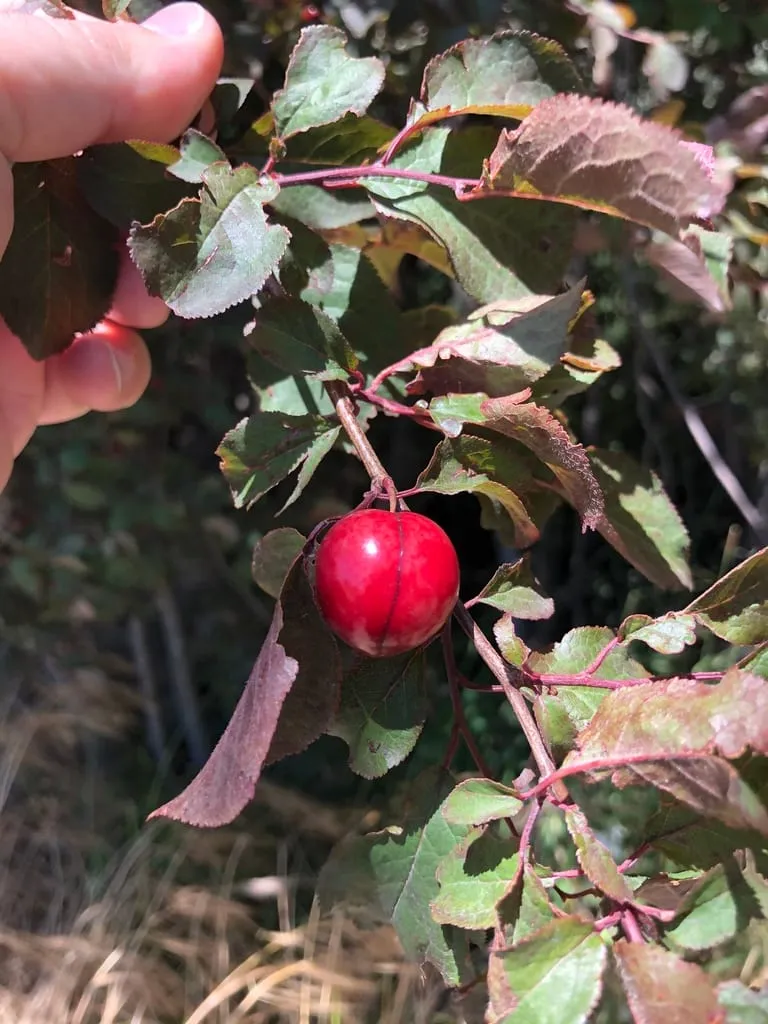 zone 8a
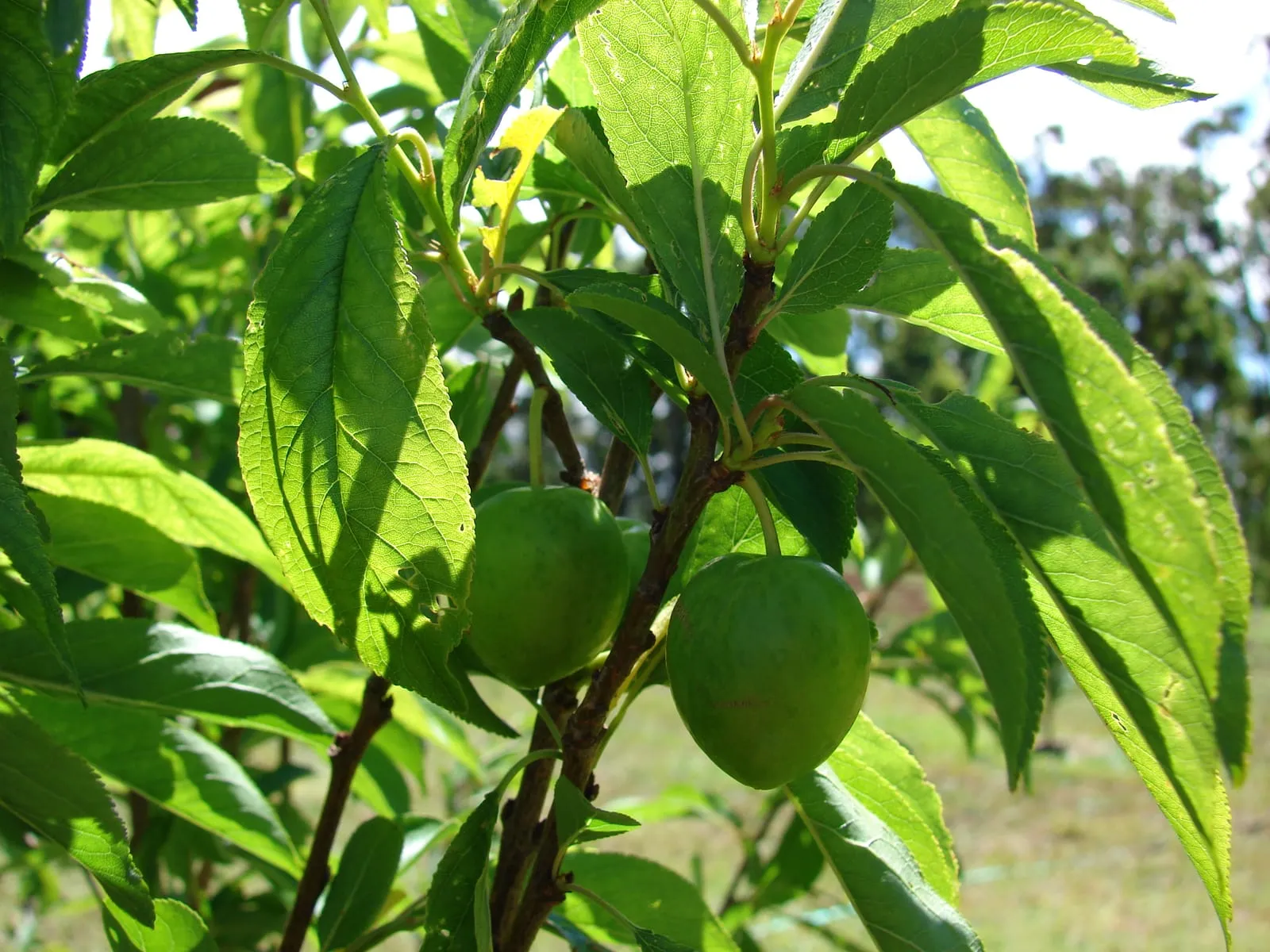
 European Plum
Prunus domestica
zones 4a–8a
 zone 8a
 Japanese Plum
Prunus salicina
zones 5b–9a
 zone 8a
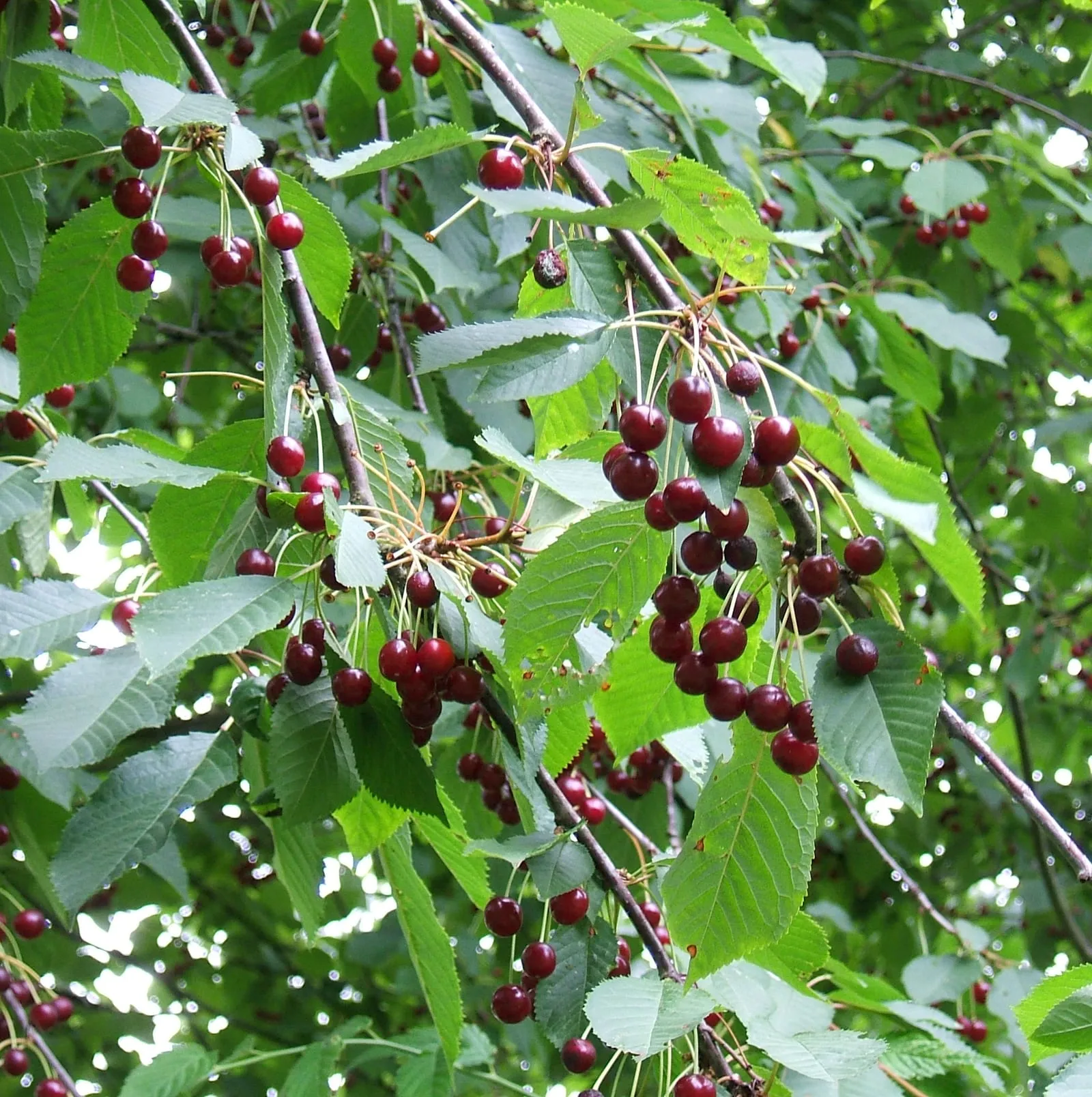
 Sweet Cherry
Prunus avium
zones 5a–8a
 zone 8a
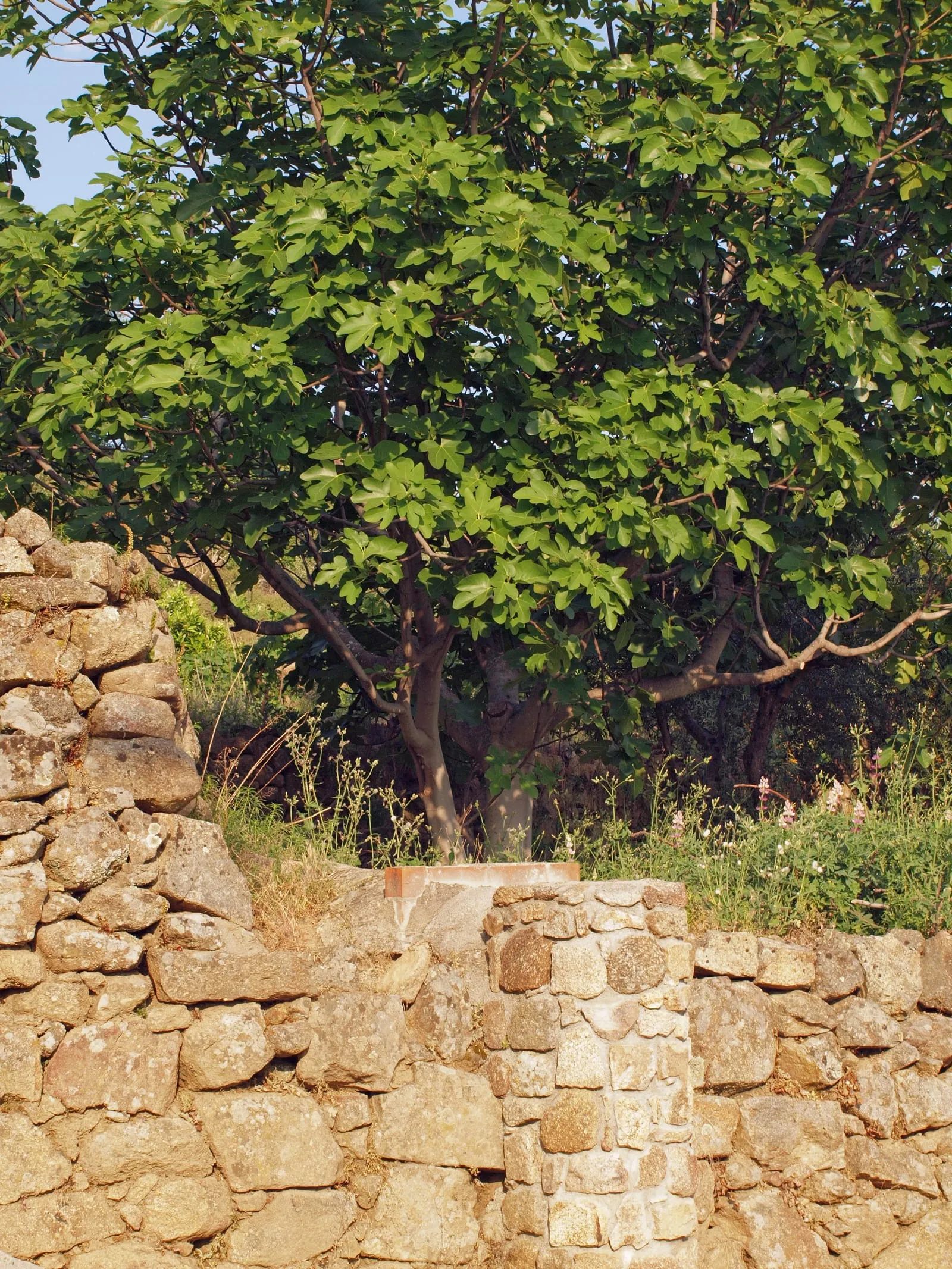
 Fig
Ficus carica
zones 7a–10b
 zone 8a
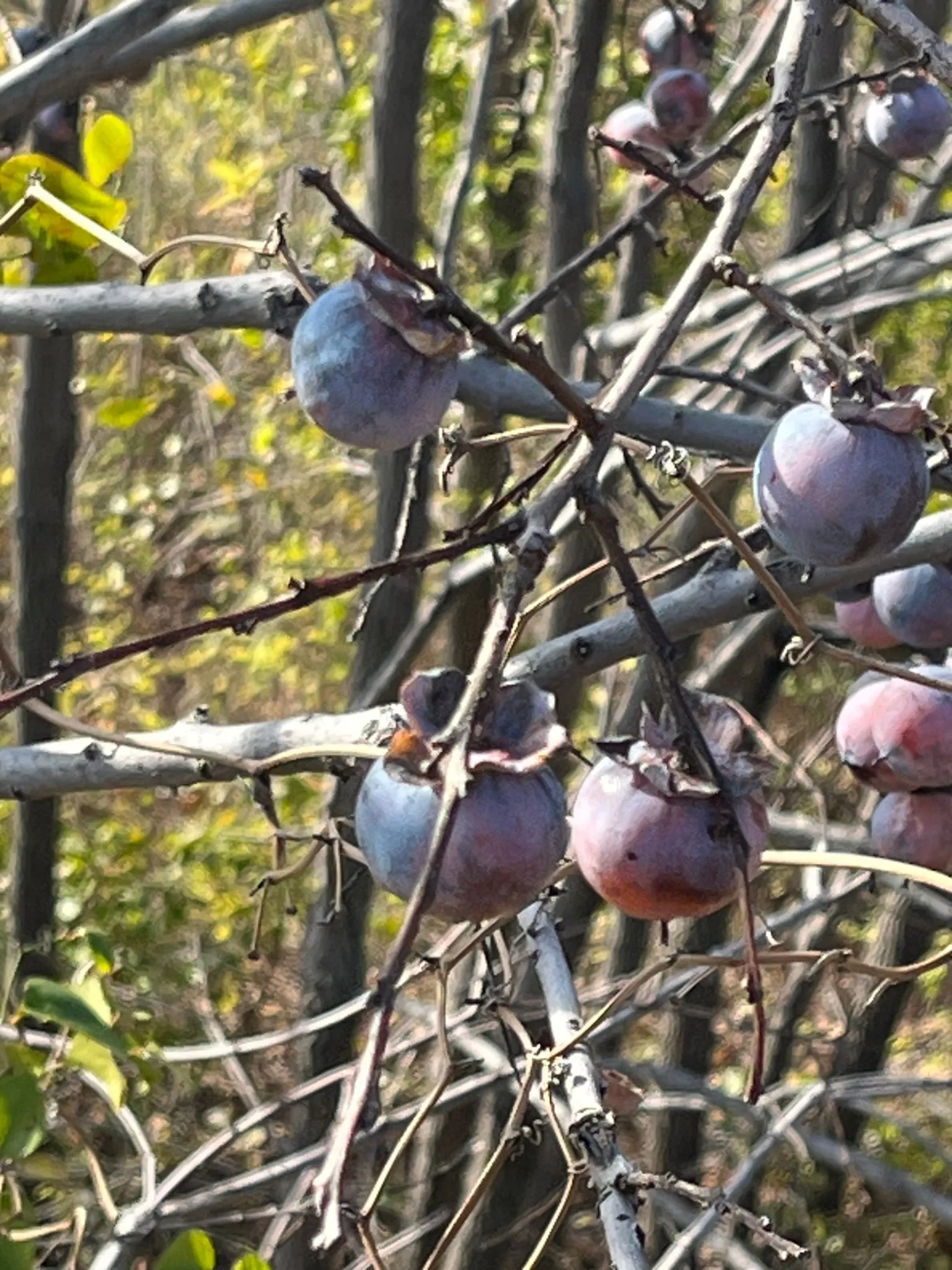
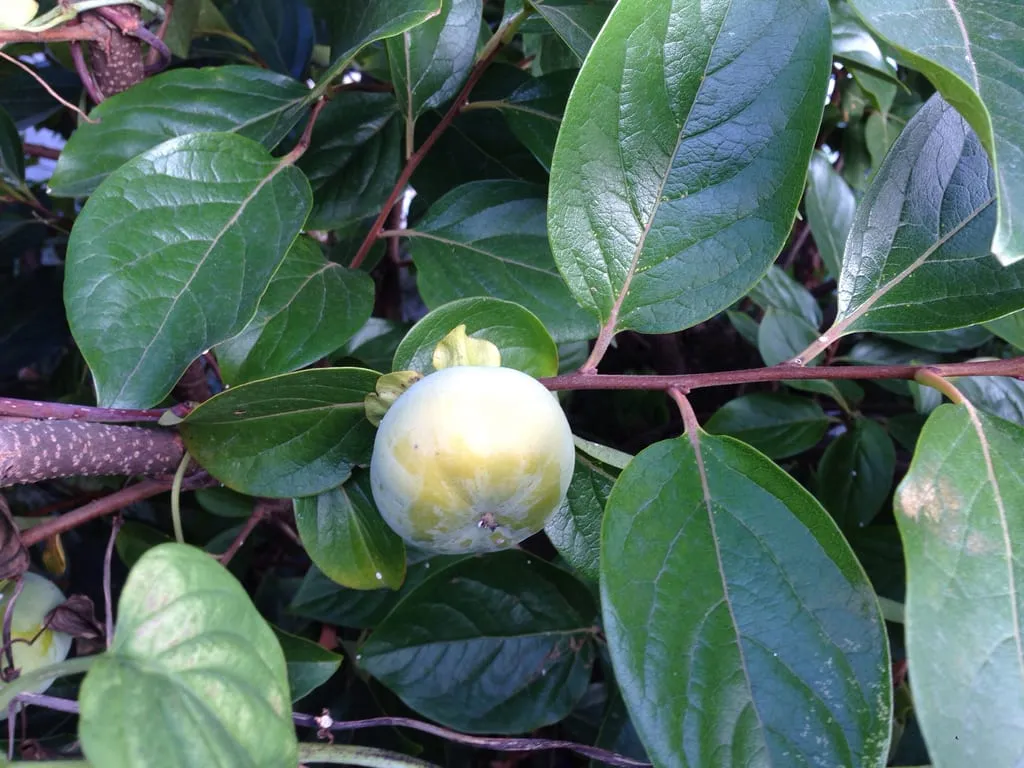
 American Persimmon
Diospyros virginiana
zones 4b–9a
 zone 8a
 Asian Persimmon
Diospyros kaki
zones 7a–10a
 zone 8a
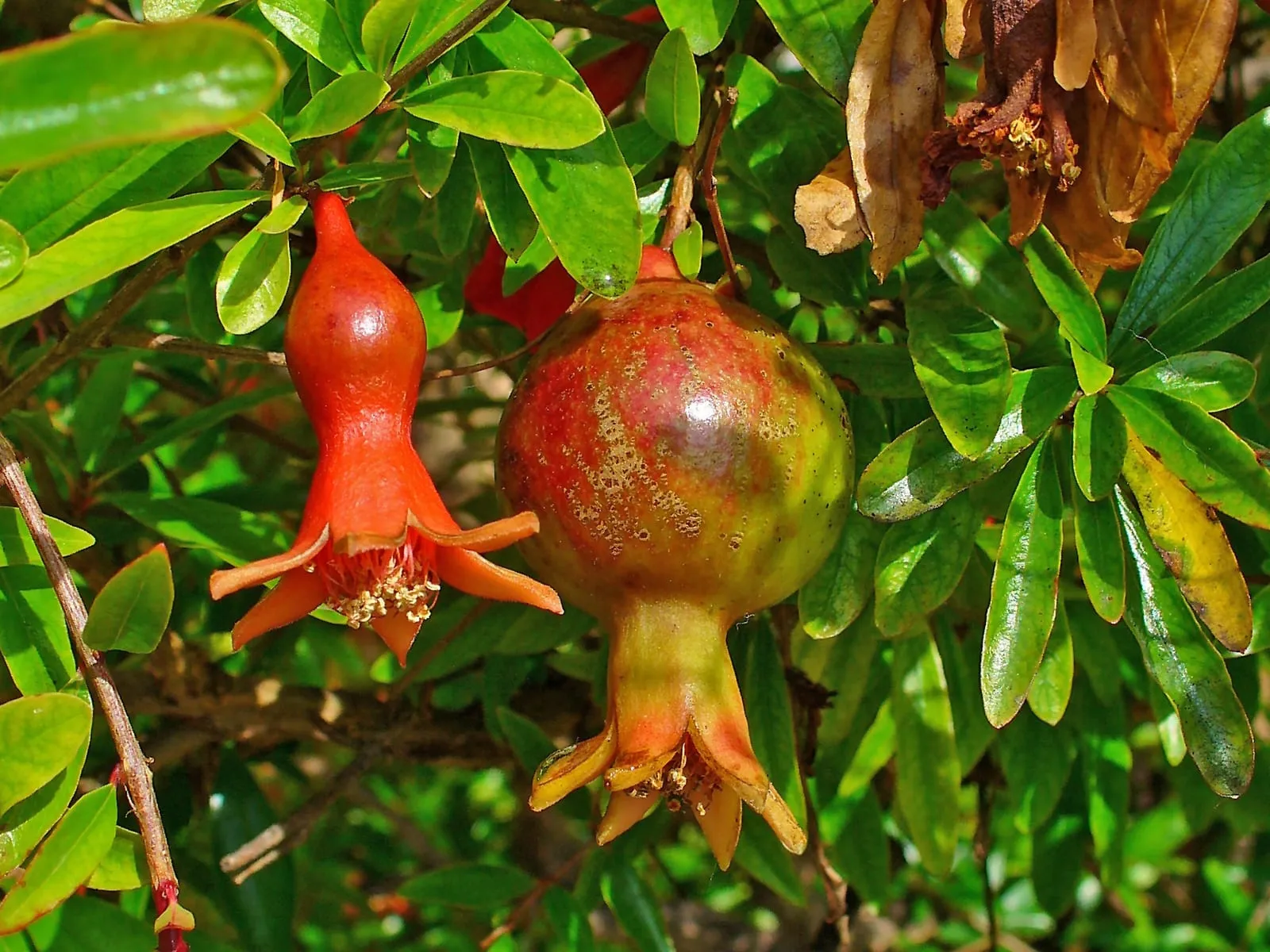
 Pomegranate
Punica granatum
zones 7b–10a
 zone 8a
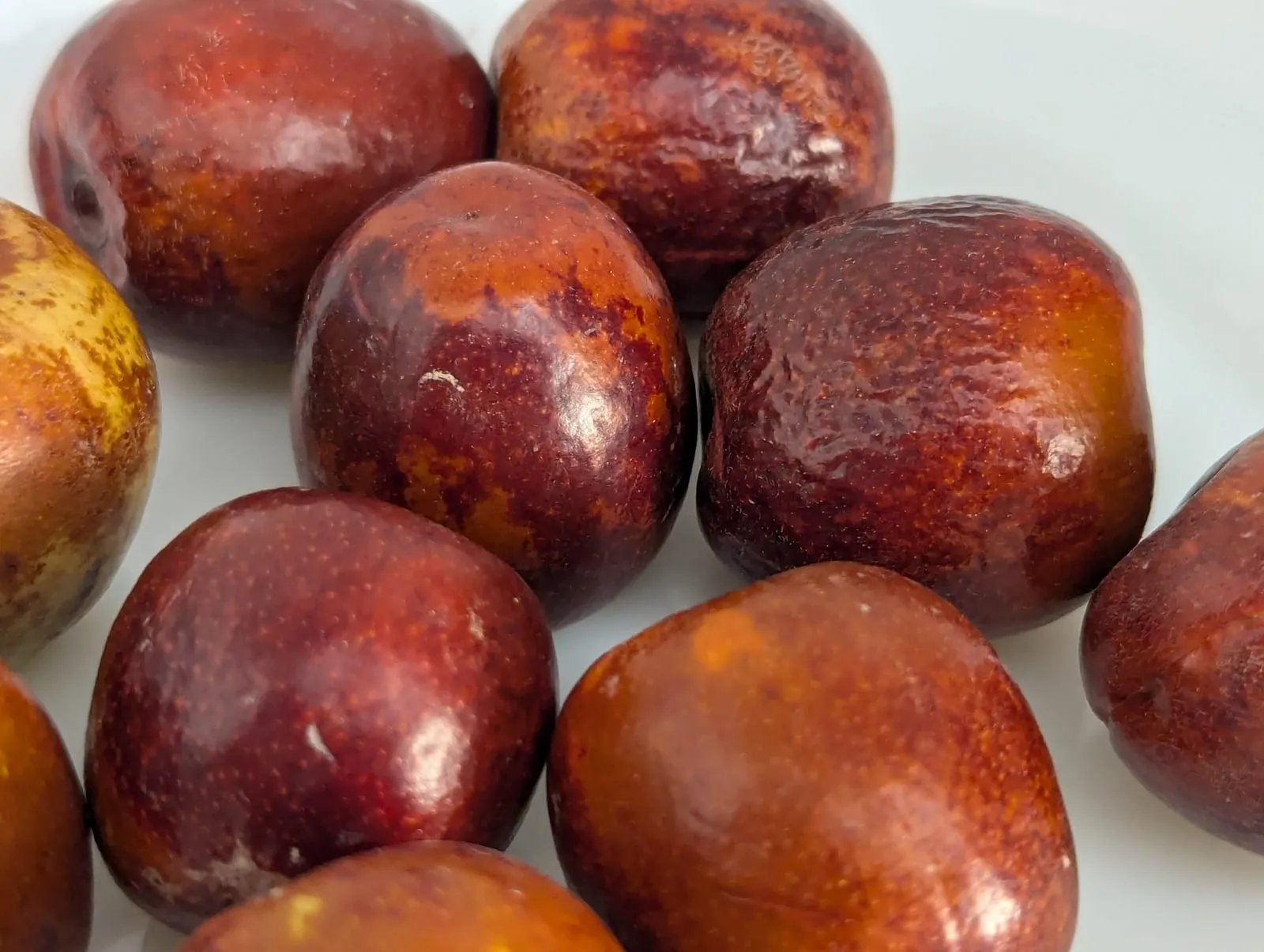
 Jujube
Ziziphus jujuba
zones 6a–9b
 zone 8a
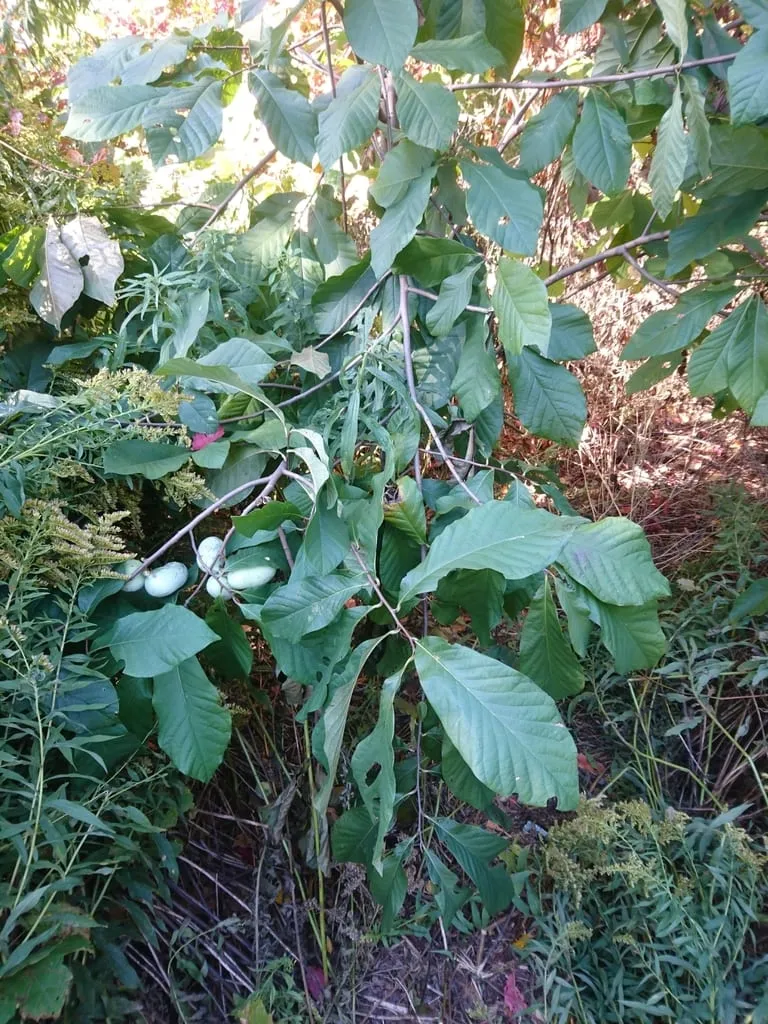
 Pawpaw
Asimina triloba
zones 5a–8b
 zone 8a
 Apricot
Prunus armeniaca
zones 5a–8a
 zone 8a
 Mulberry
Morus species
zones 4b–9a
Berries
10 crops
 zone 8a
 Rabbiteye Blueberry
Vaccinium virgatum
zones 7a–9a
 zone 8a
 Red Raspberry
Rubus idaeus
zones 3b–8a
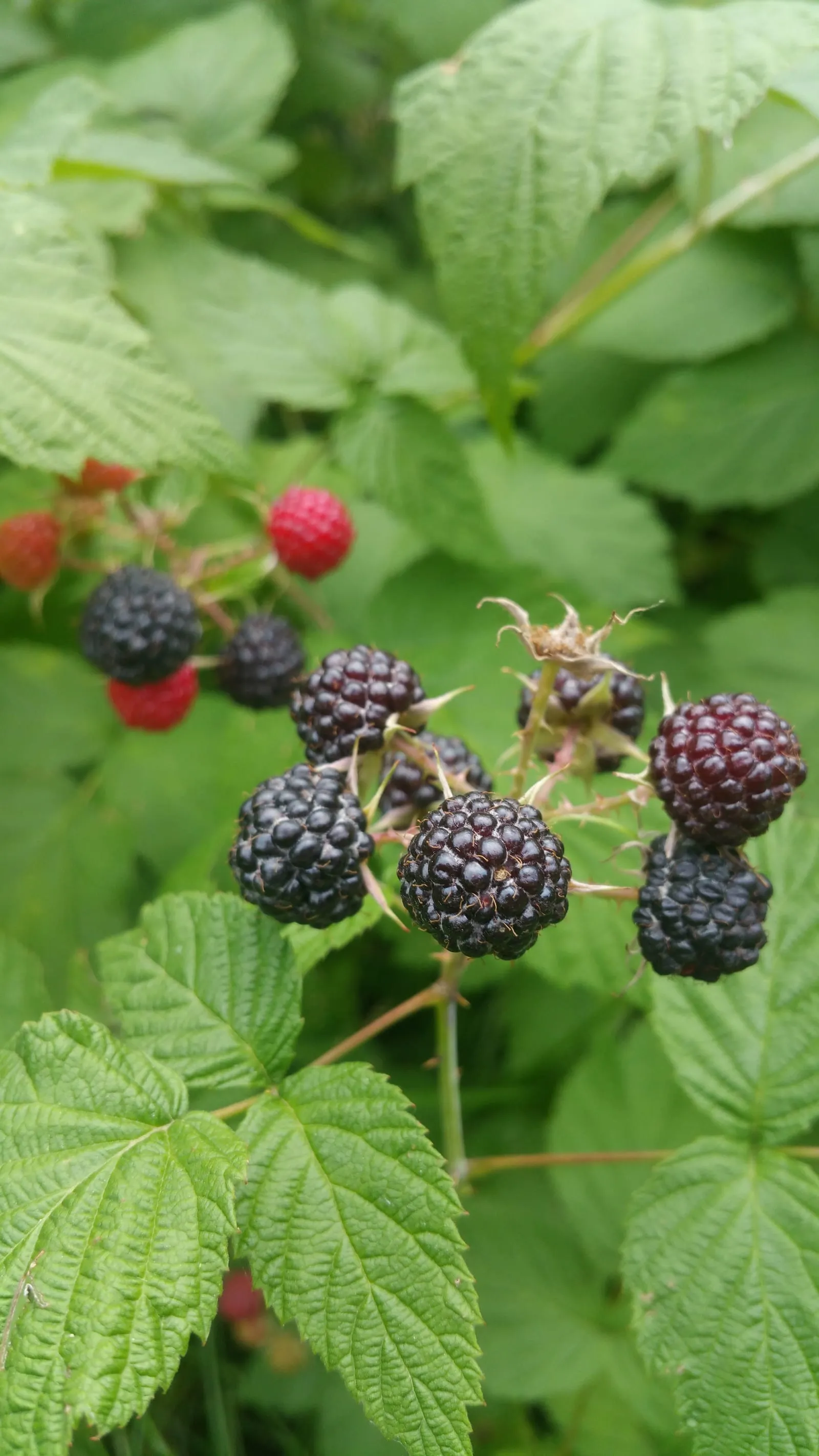 zone 8a
 Black Raspberry
Rubus occidentalis
zones 4a–8a
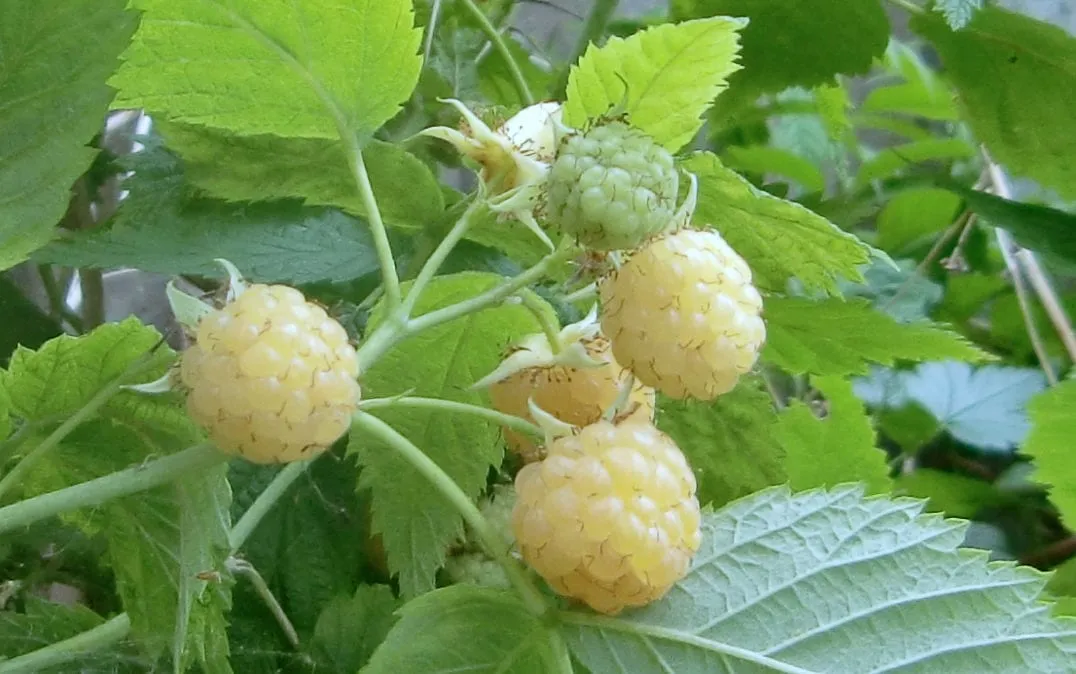 zone 8a
 Yellow Raspberry
Rubus idaeus
zones 3b–8a
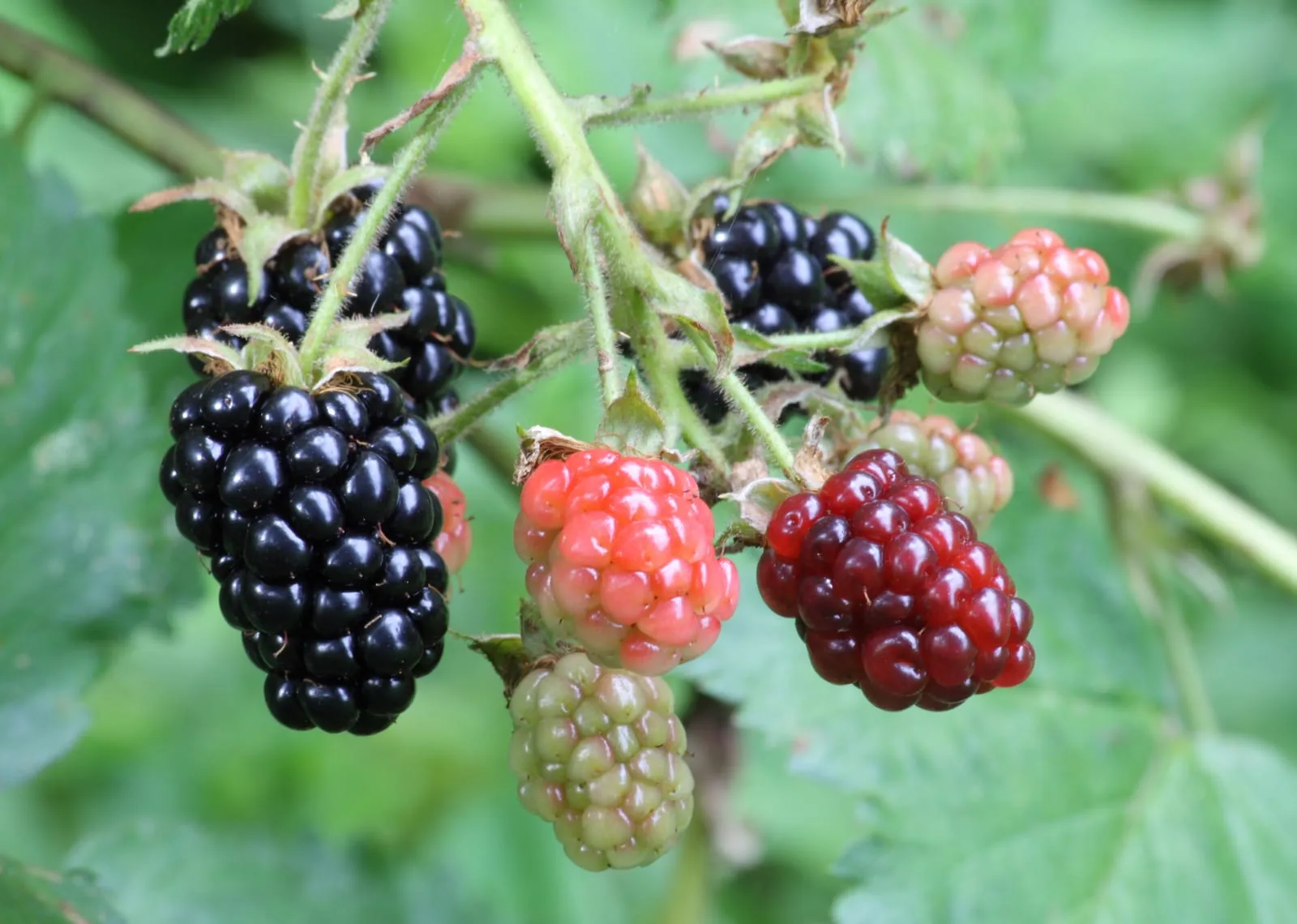 zone 8a
 Blackberry
Rubus subgenus Rubus
zones 5a–9a
 zone 8a
 June-Bearing Strawberry
Fragaria x ananassa
zones 3a–8b
zone 8a Everbearing Strawberry
Fragaria x ananassa
zones 3b–9a
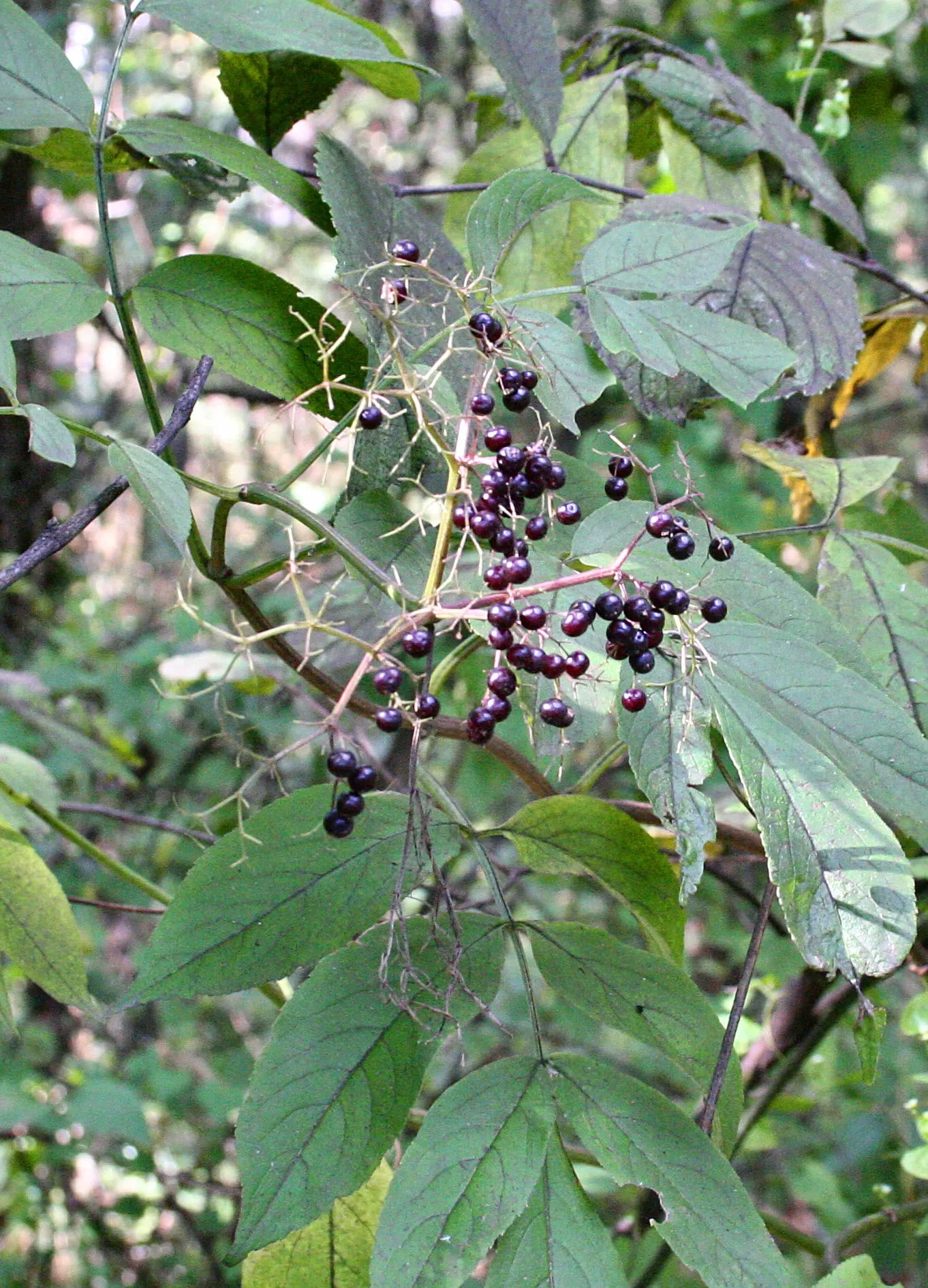 zone 8a
 Elderberry
Sambucus canadensis
zones 3b–9a
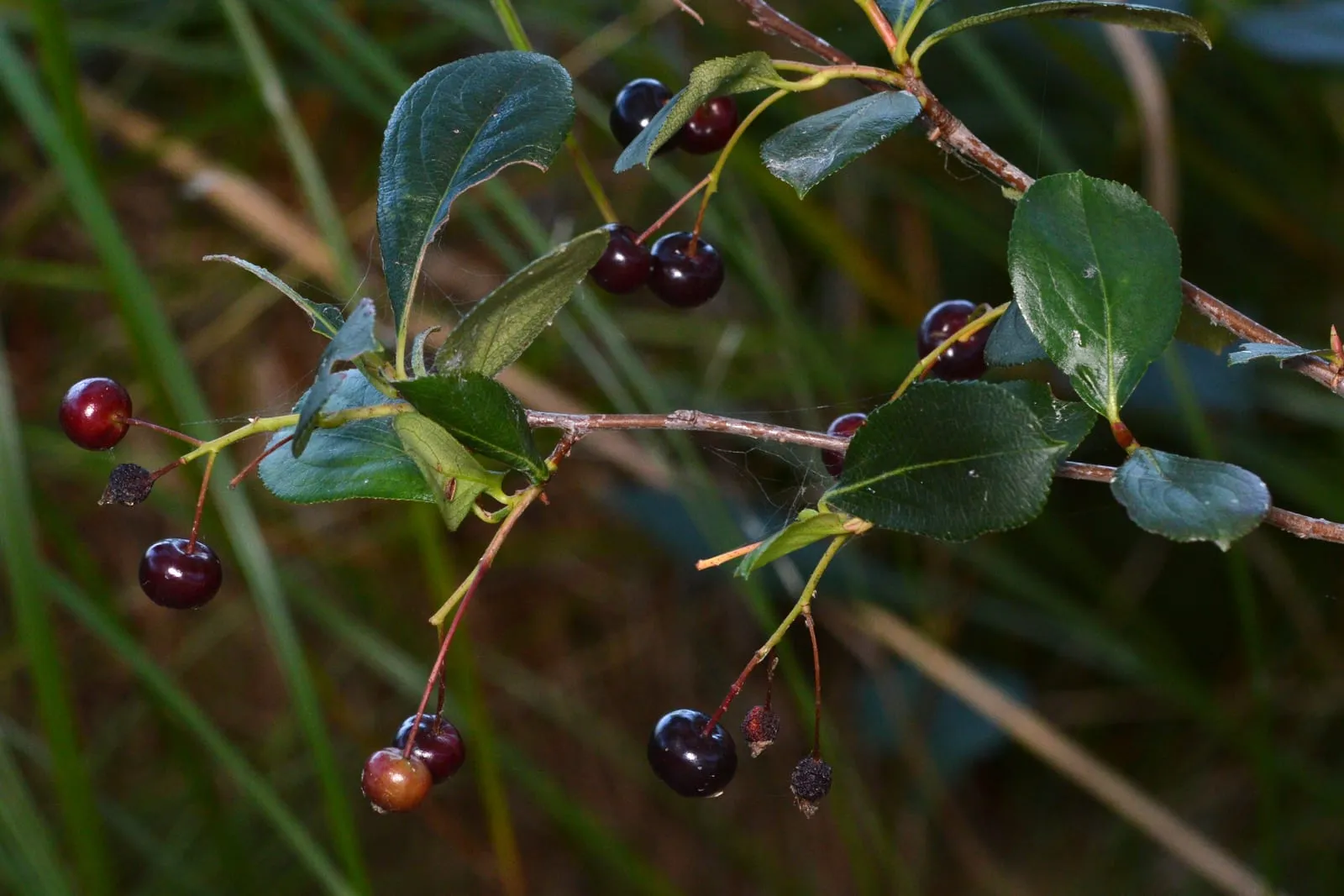 zone 8a
 Aronia (Black Chokeberry)
Aronia melanocarpa
zones 3a–8a
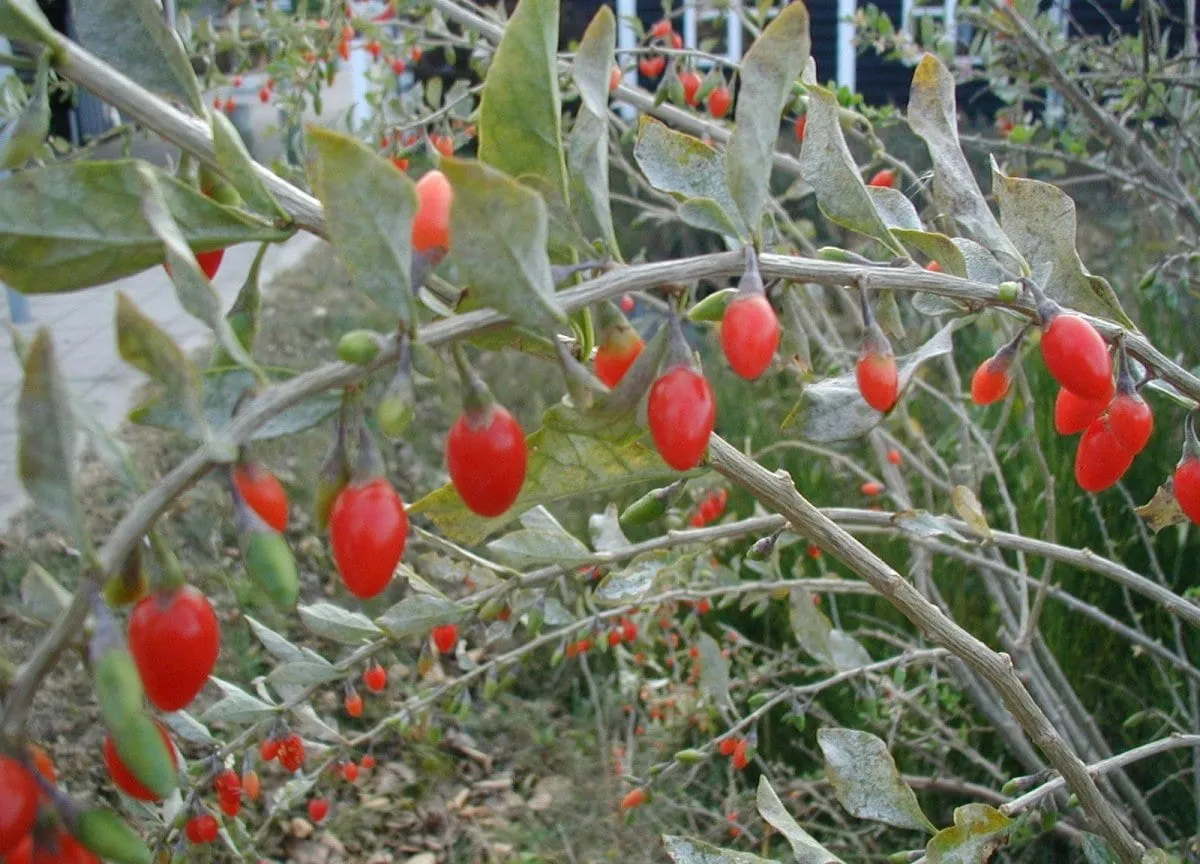 zone 8a
 Goji Berry
Lycium barbarum
zones 3b–10a
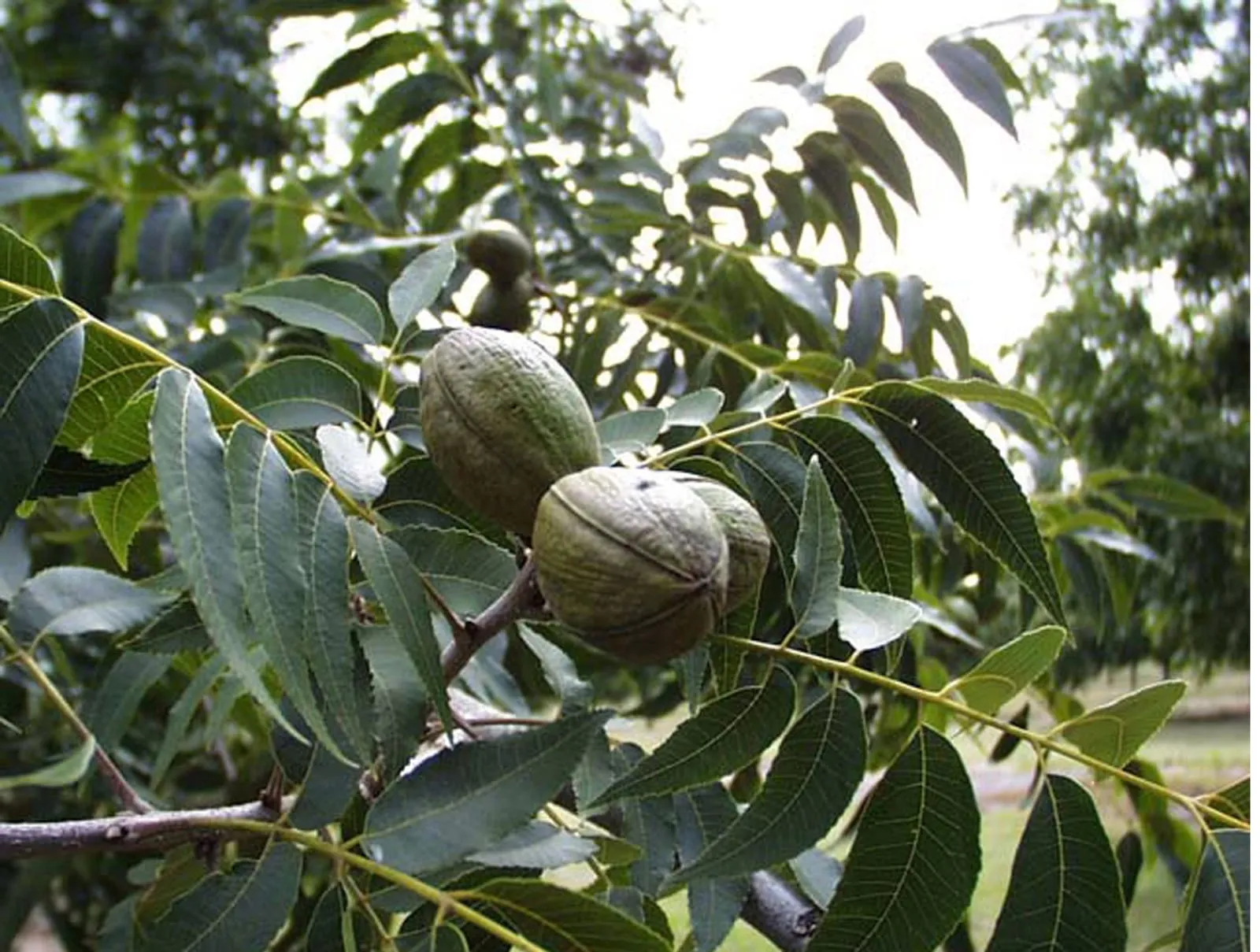
Nuts
6 crops
Vegetables
40 crops
 zone 8a
 Tomato
Solanum lycopersicum
zones 3a–10b
 zone 8a
 Sweet Pepper
Capsicum annuum
zones 4a–10b
 zone 8a
 Hot Pepper
Capsicum species
zones 4a–10b
 zone 8a
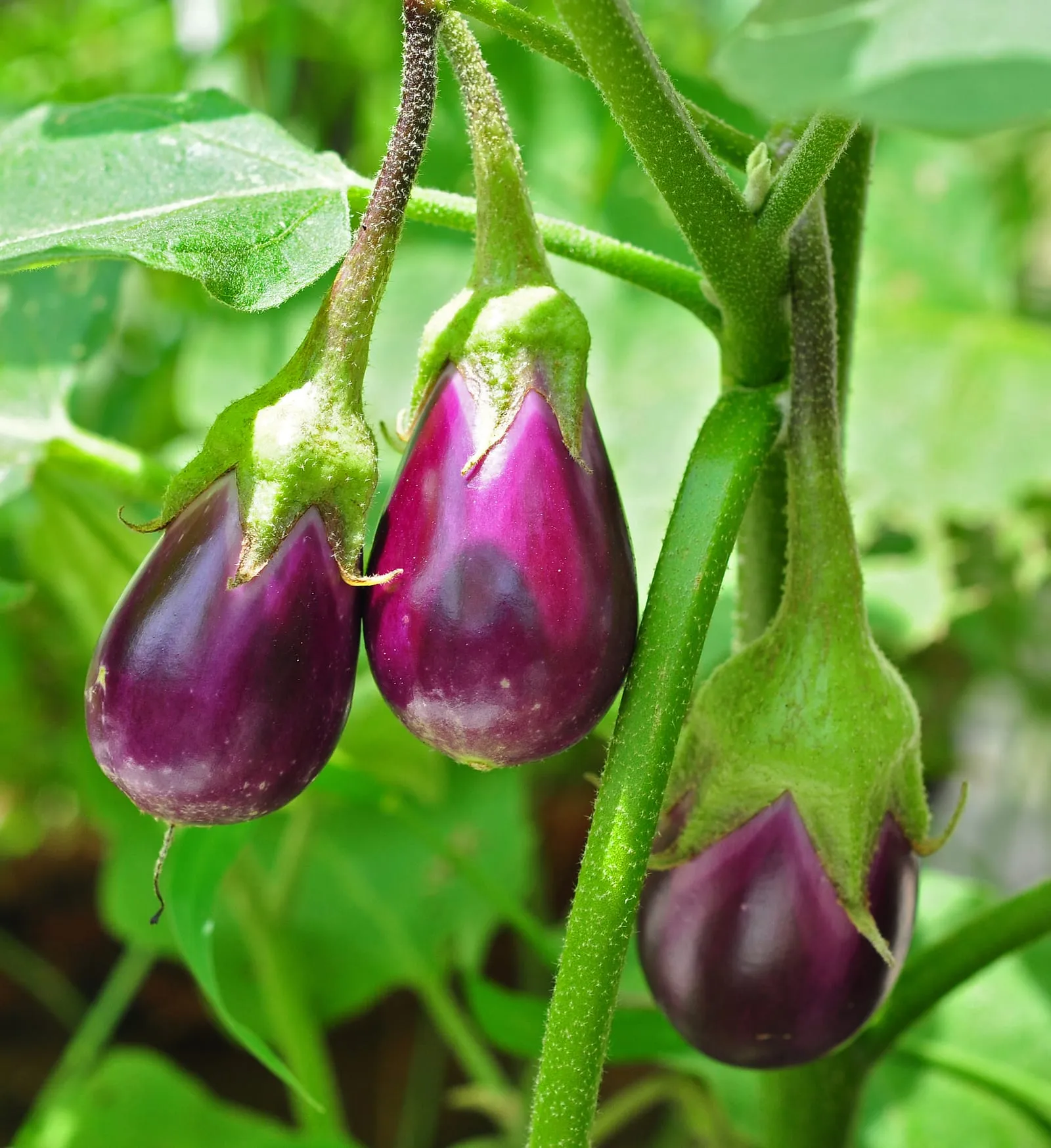
 Eggplant
Solanum melongena
zones 5a–10b
 zone 8a
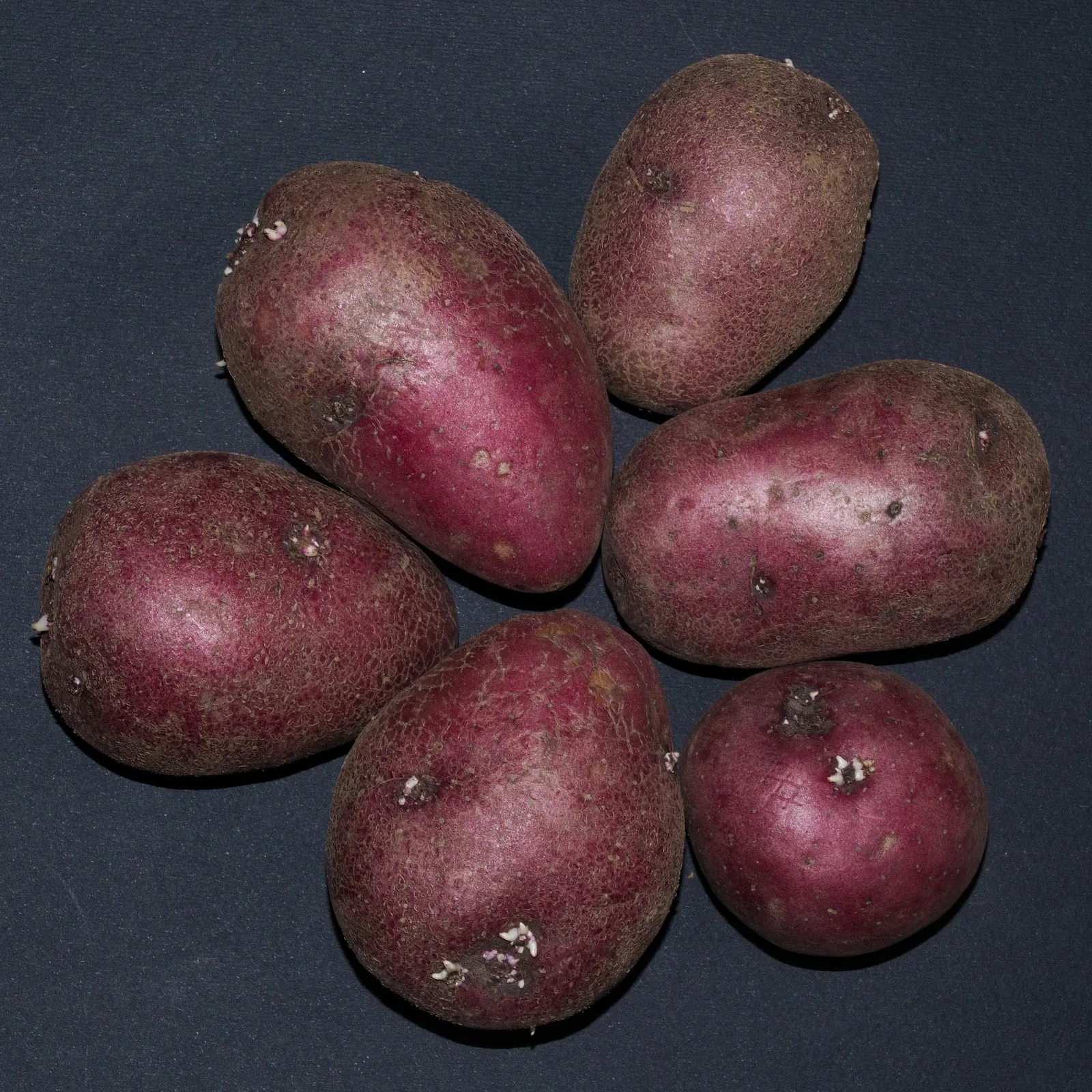
 Potato
Solanum tuberosum
zones 3a–9a
 zone 8a
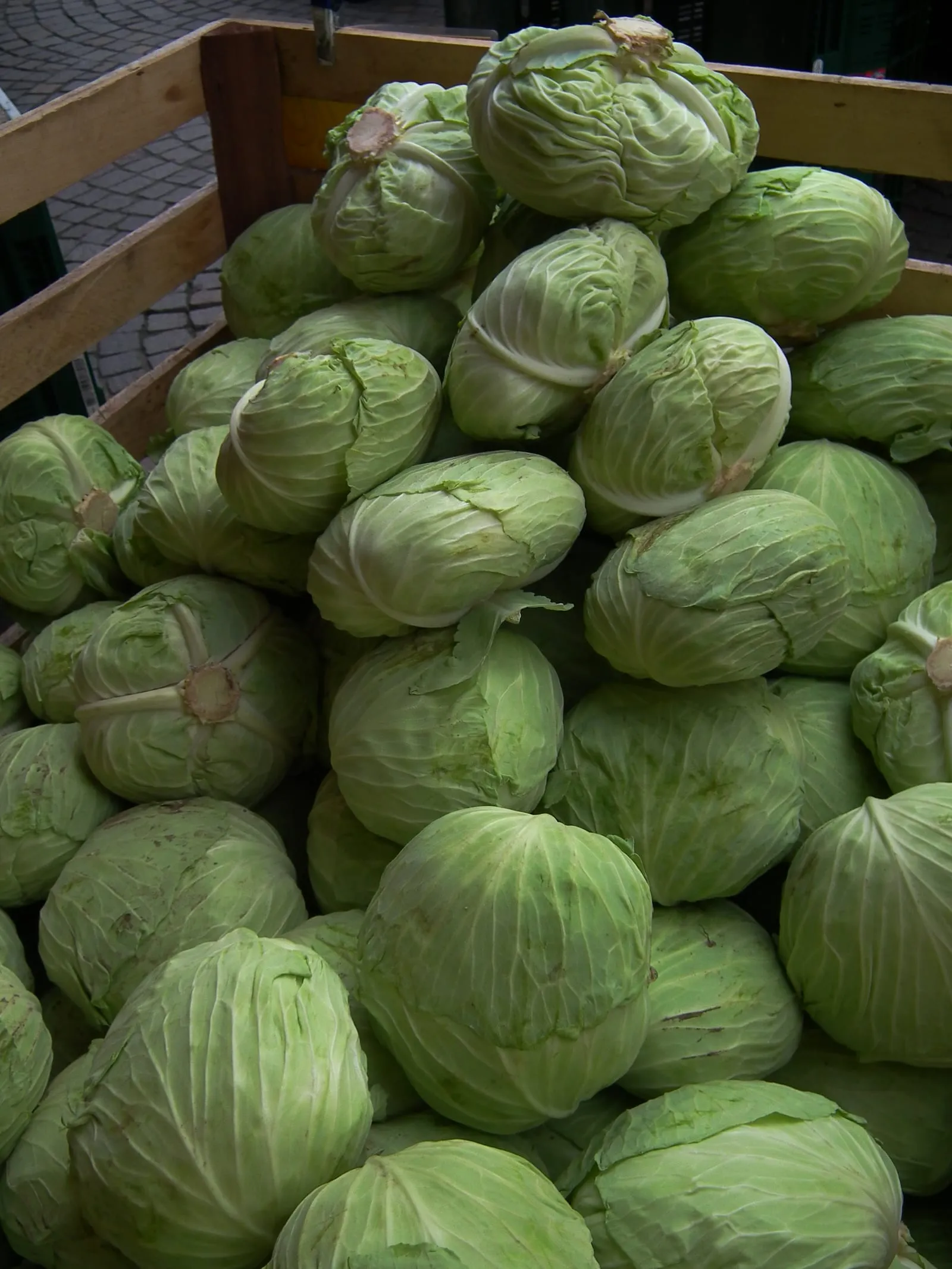
 Cabbage
Brassica oleracea var. capitata
zones 3a–9b
 zone 8a
 Broccoli
Brassica oleracea var. italica
zones 3a–9a
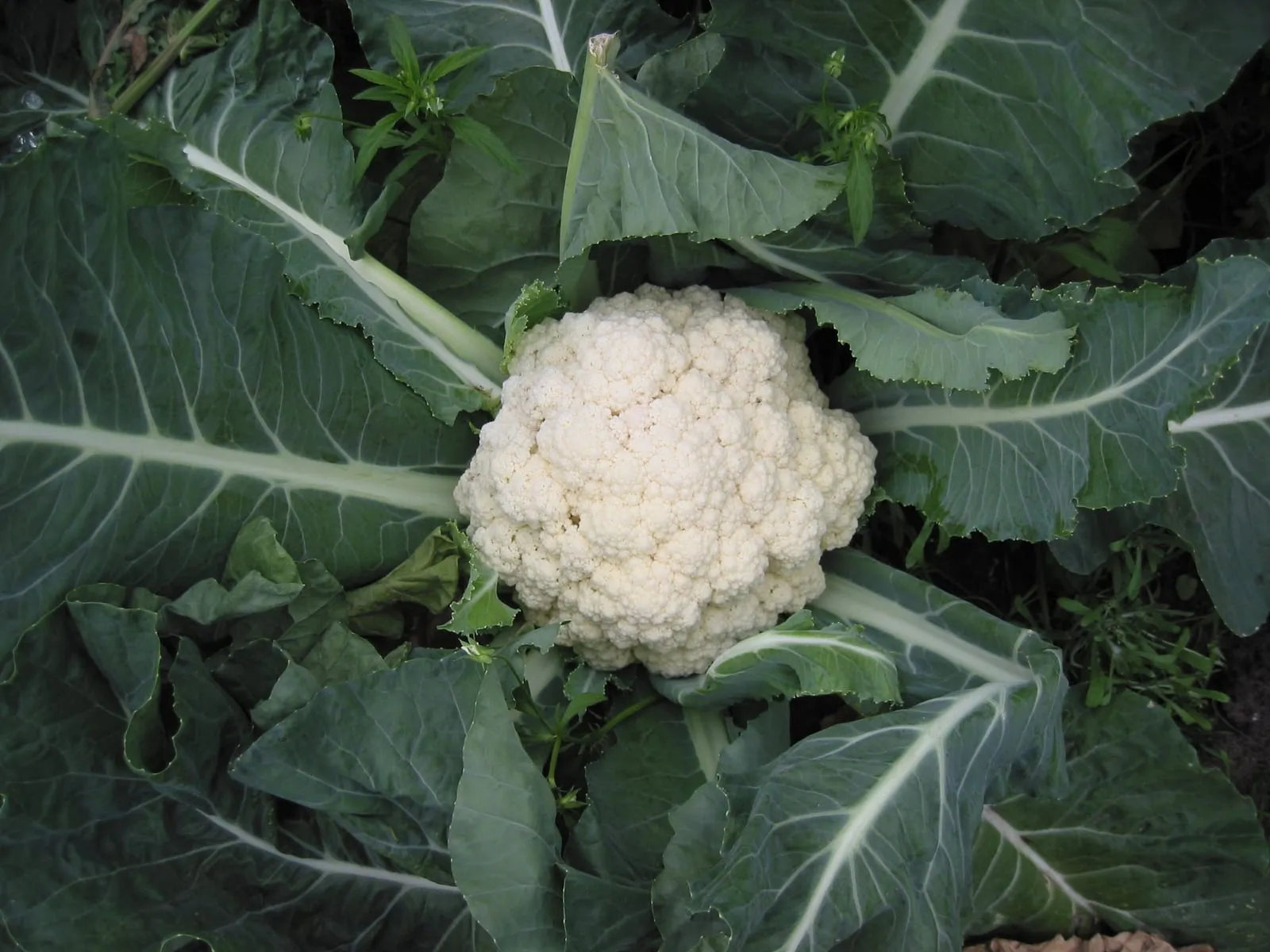 zone 8a
 Cauliflower
Brassica oleracea var. botrytis
zones 3b–9a
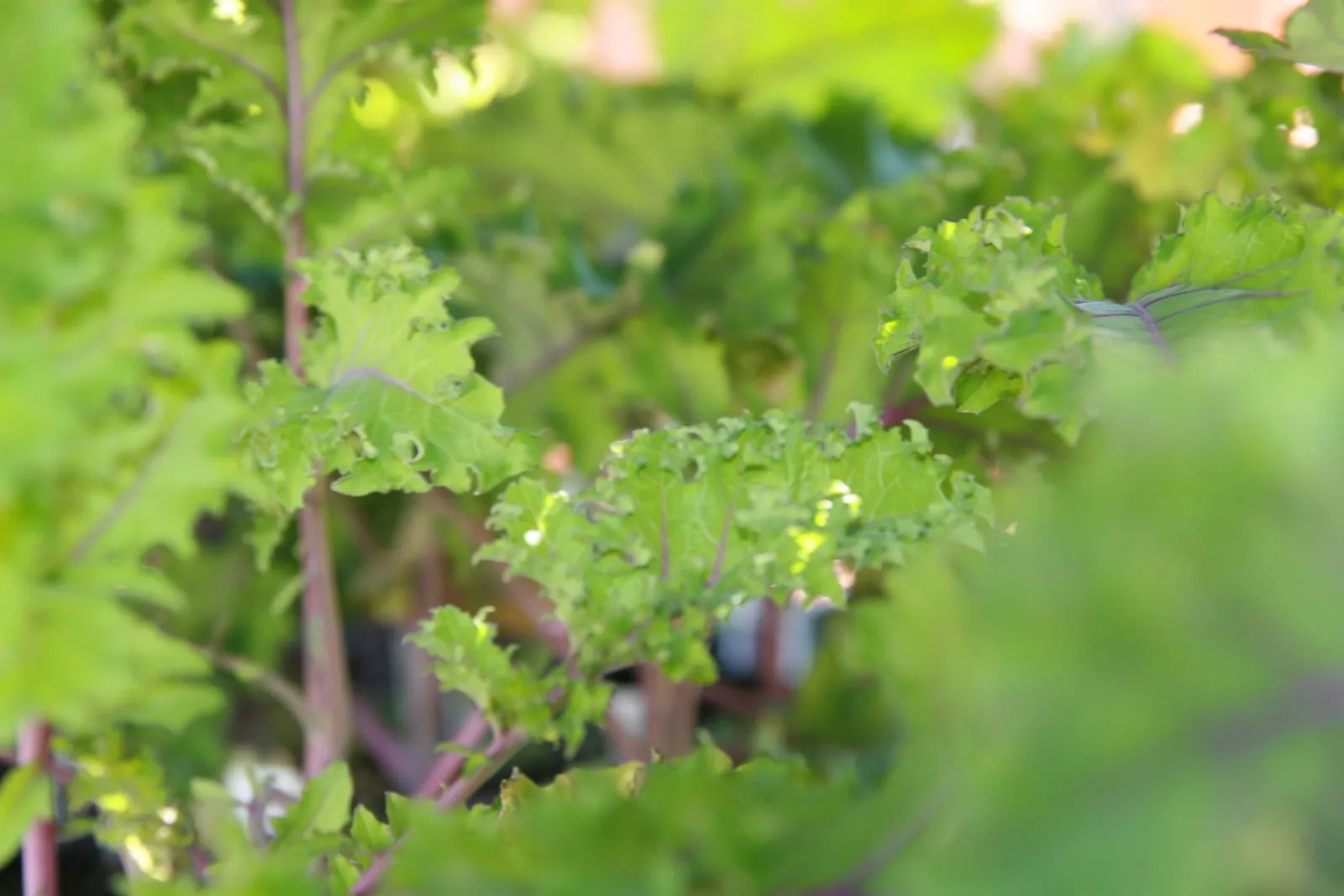 zone 8a
 Kale
Brassica oleracea var. acephala
zones 3a–9b
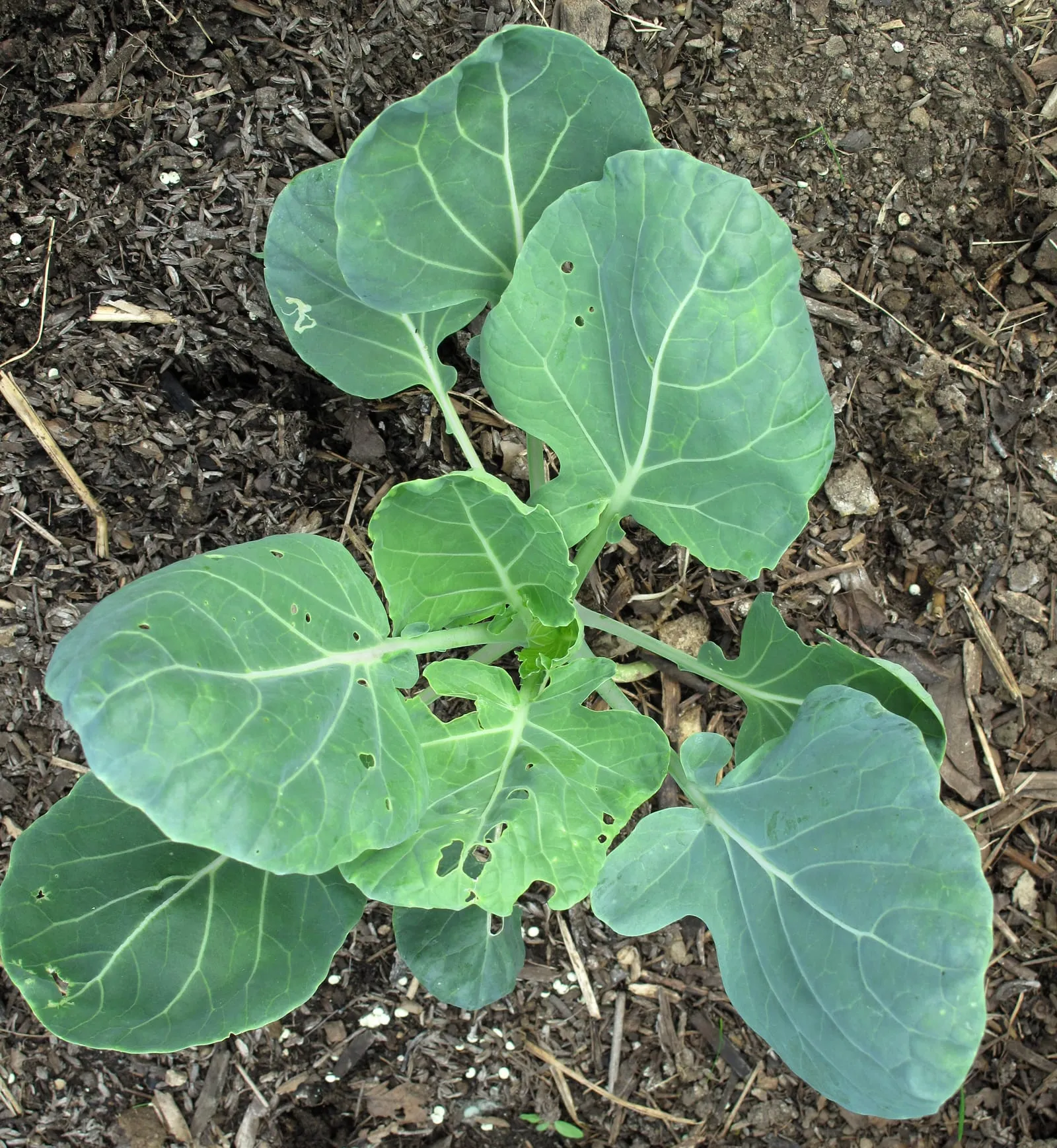 zone 8a
 Brussels Sprouts
Brassica oleracea var. gemmifera
zones 3b–8a
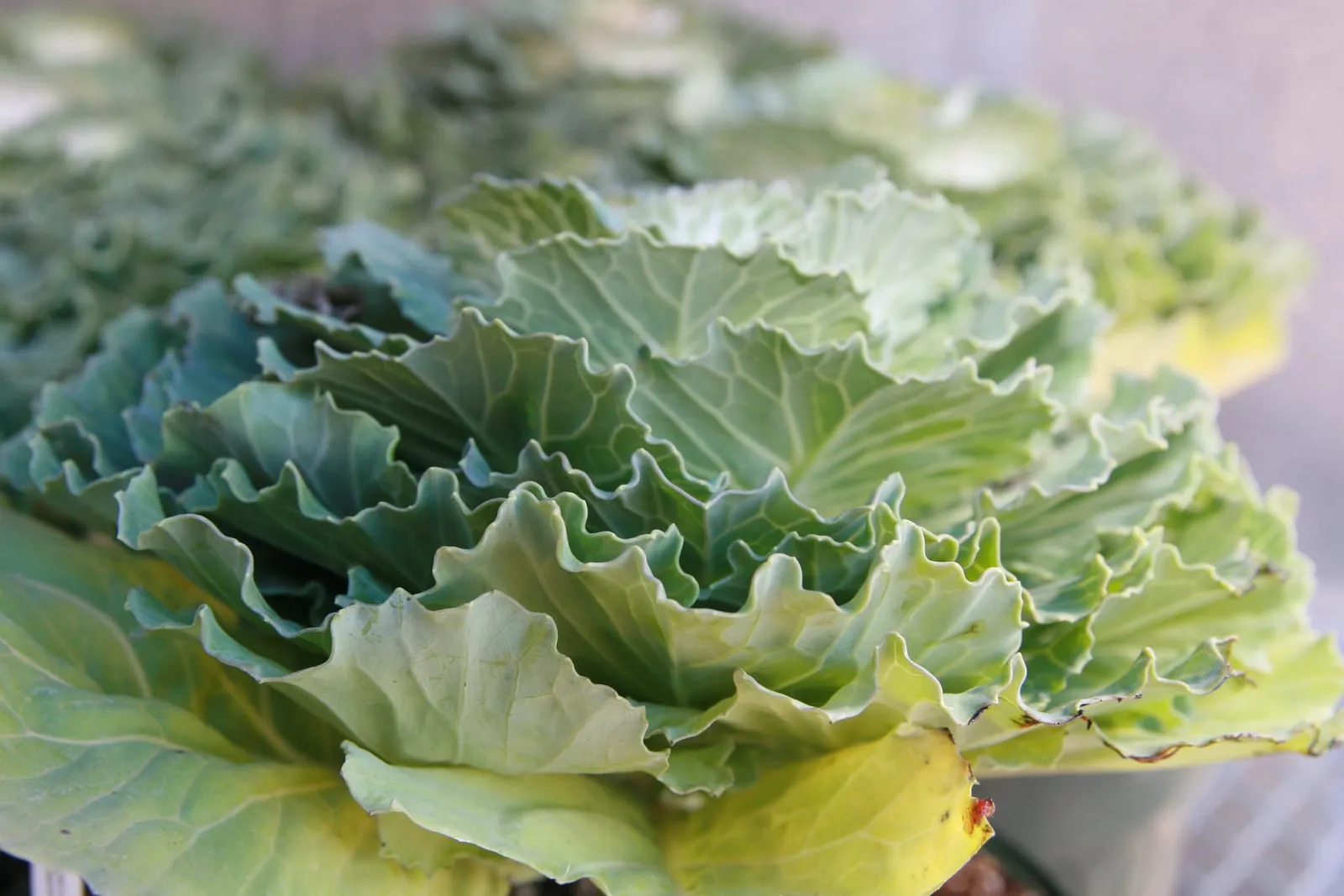 zone 8a
 Collards
Brassica oleracea var. acephala
zones 4a–9b
 zone 8a
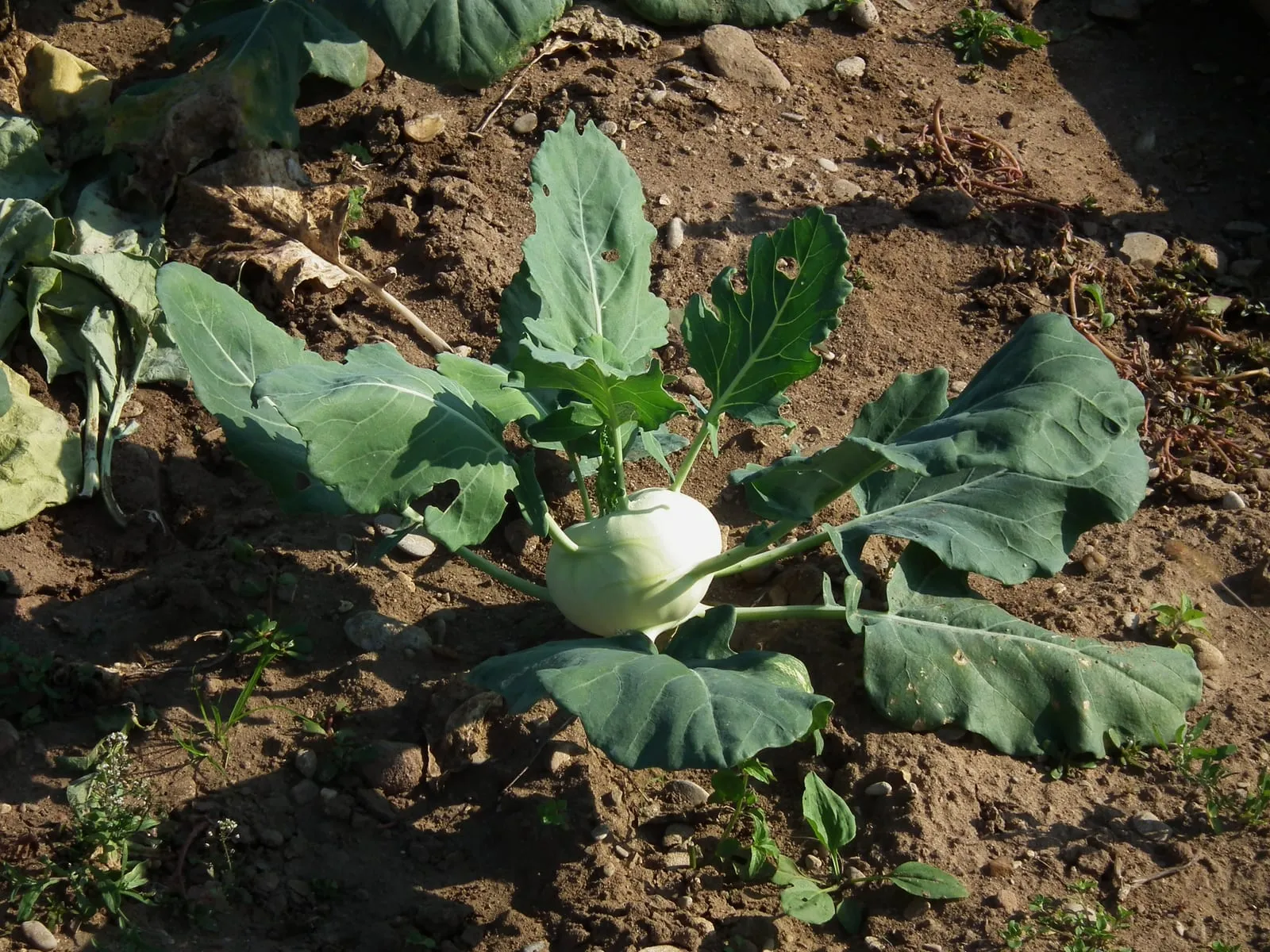
 Kohlrabi
Brassica oleracea var. gongylodes
zones 3b–8a
 zone 8a
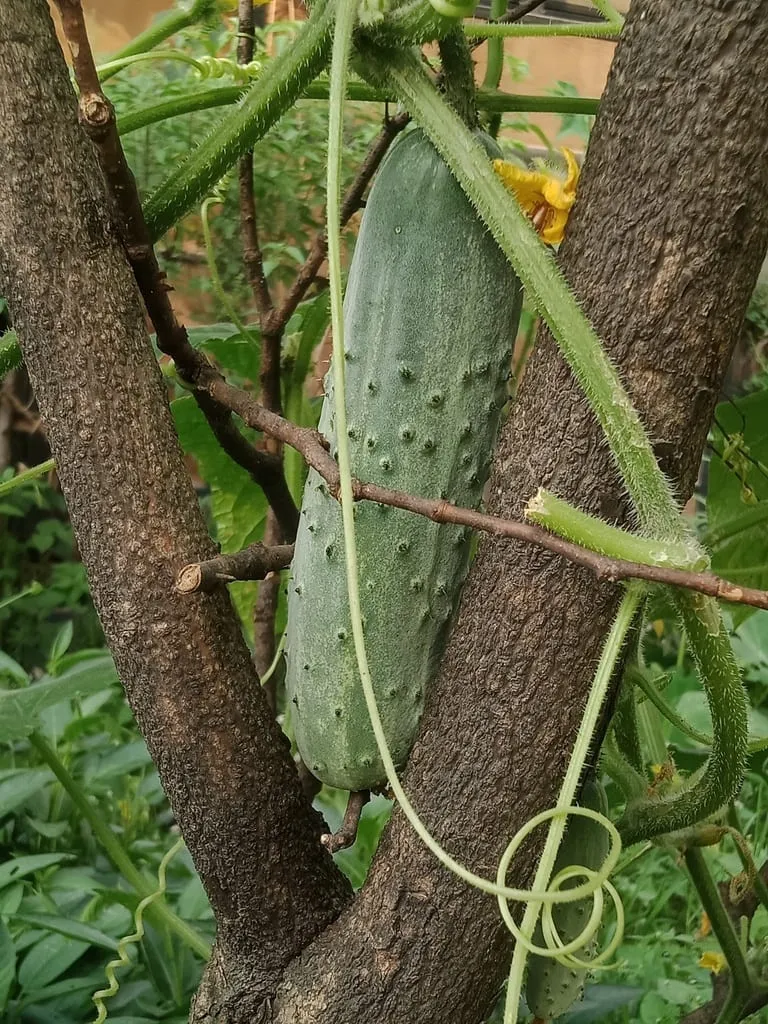
 Cucumber
Cucumis sativus
zones 3b–10a
 zone 8a
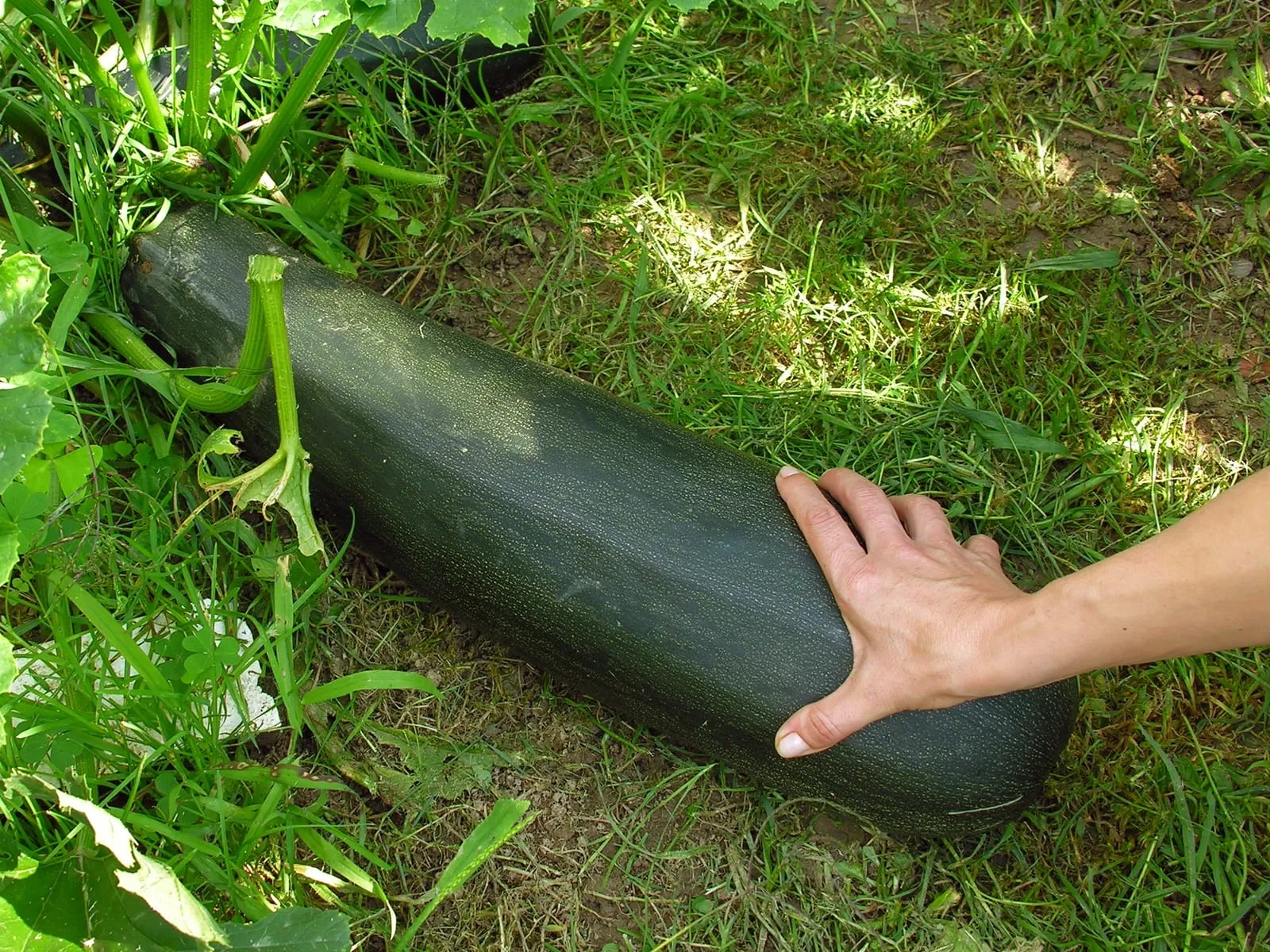
 Summer Squash
Cucurbita pepo
zones 3b–10a
 zone 8a
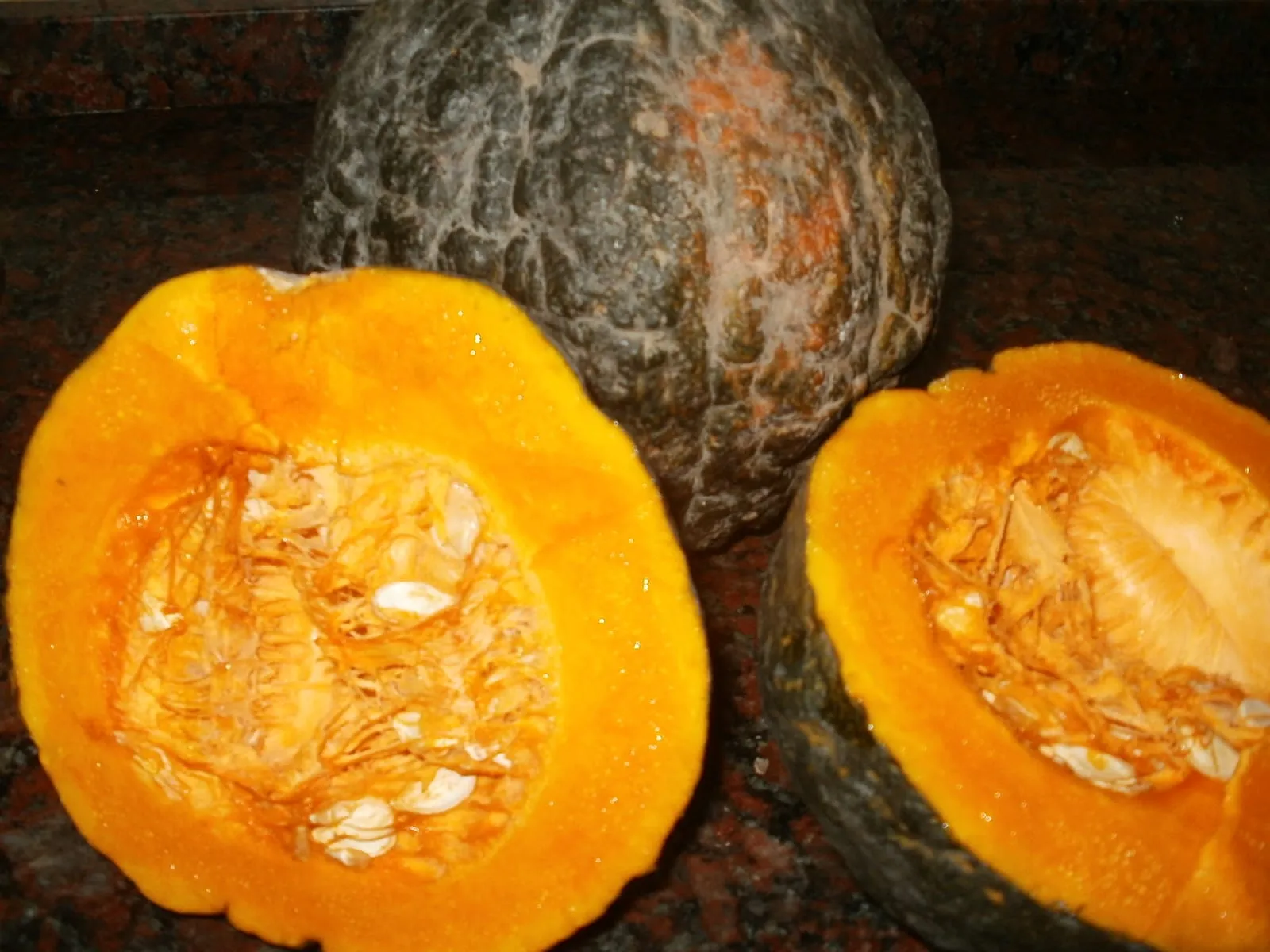
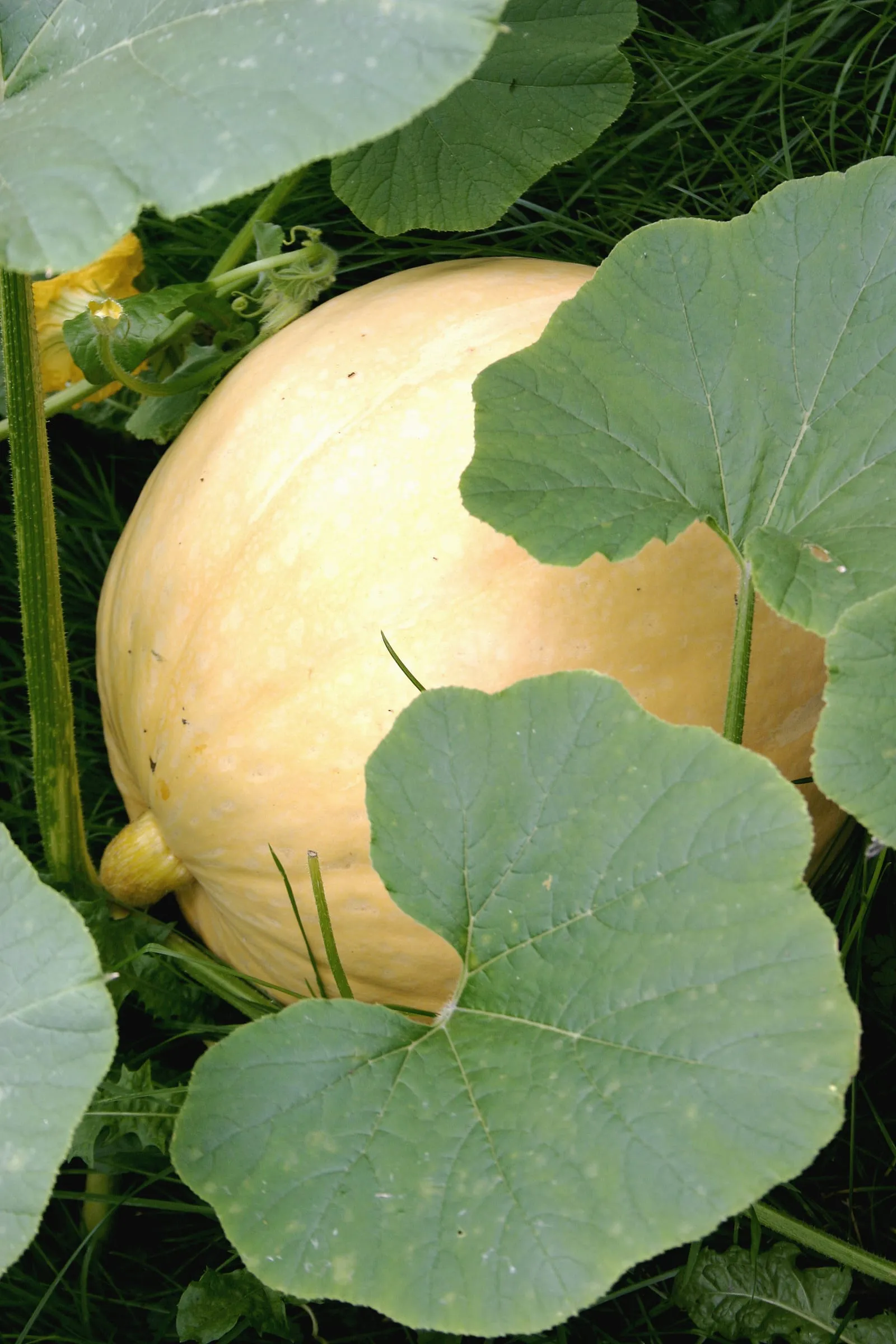
 Winter Squash
Cucurbita maxima and Cucurbita moschata
zones 4a–9a
 zone 8a
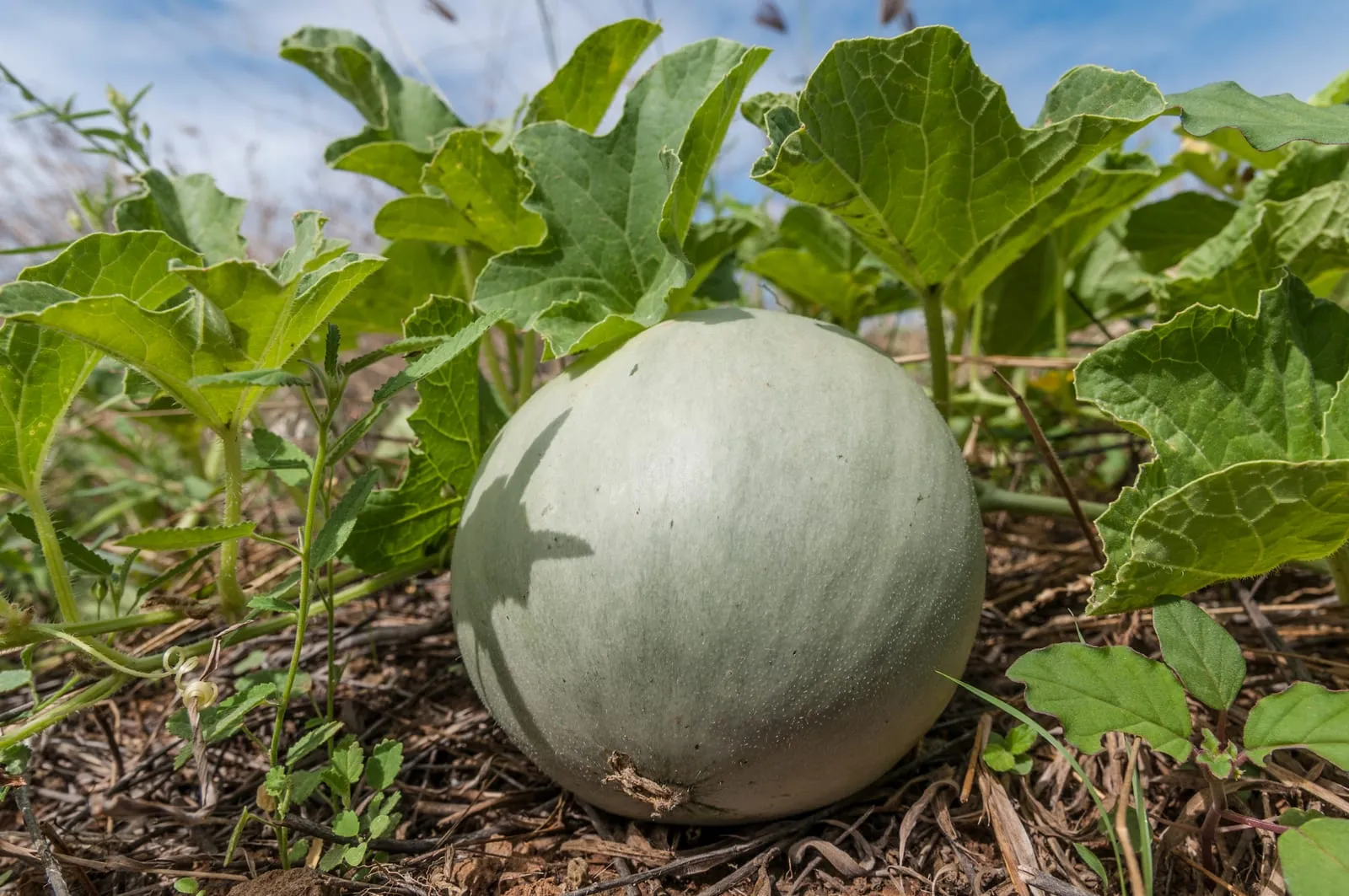
 Pumpkin
Cucurbita pepo and Cucurbita maxima
zones 4a–8b
 zone 8a
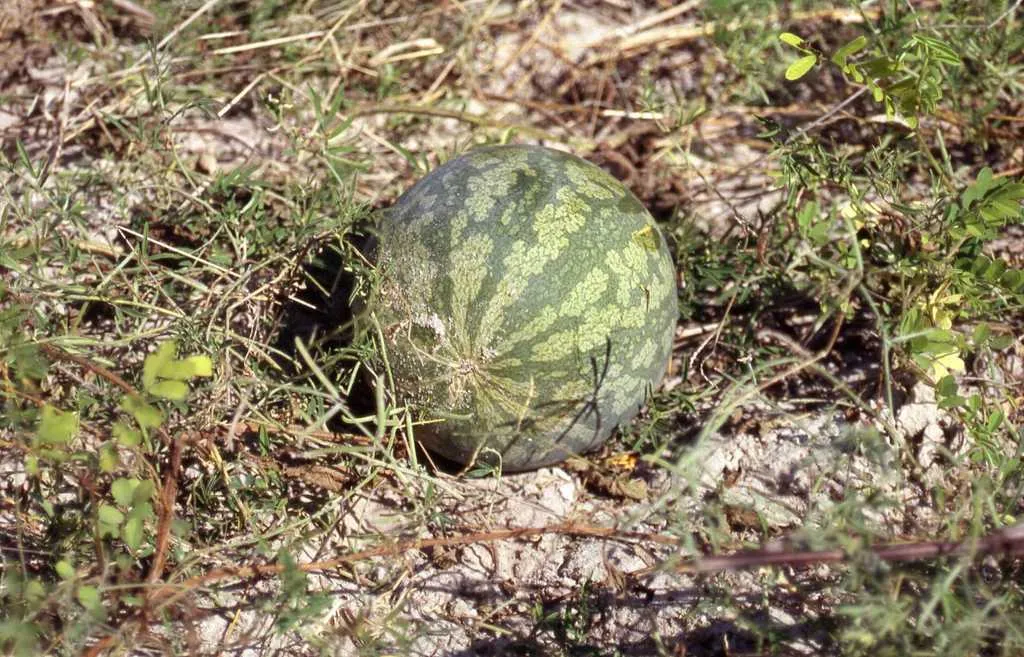
 Melon
Cucumis melo
zones 5a–10a
 zone 8a
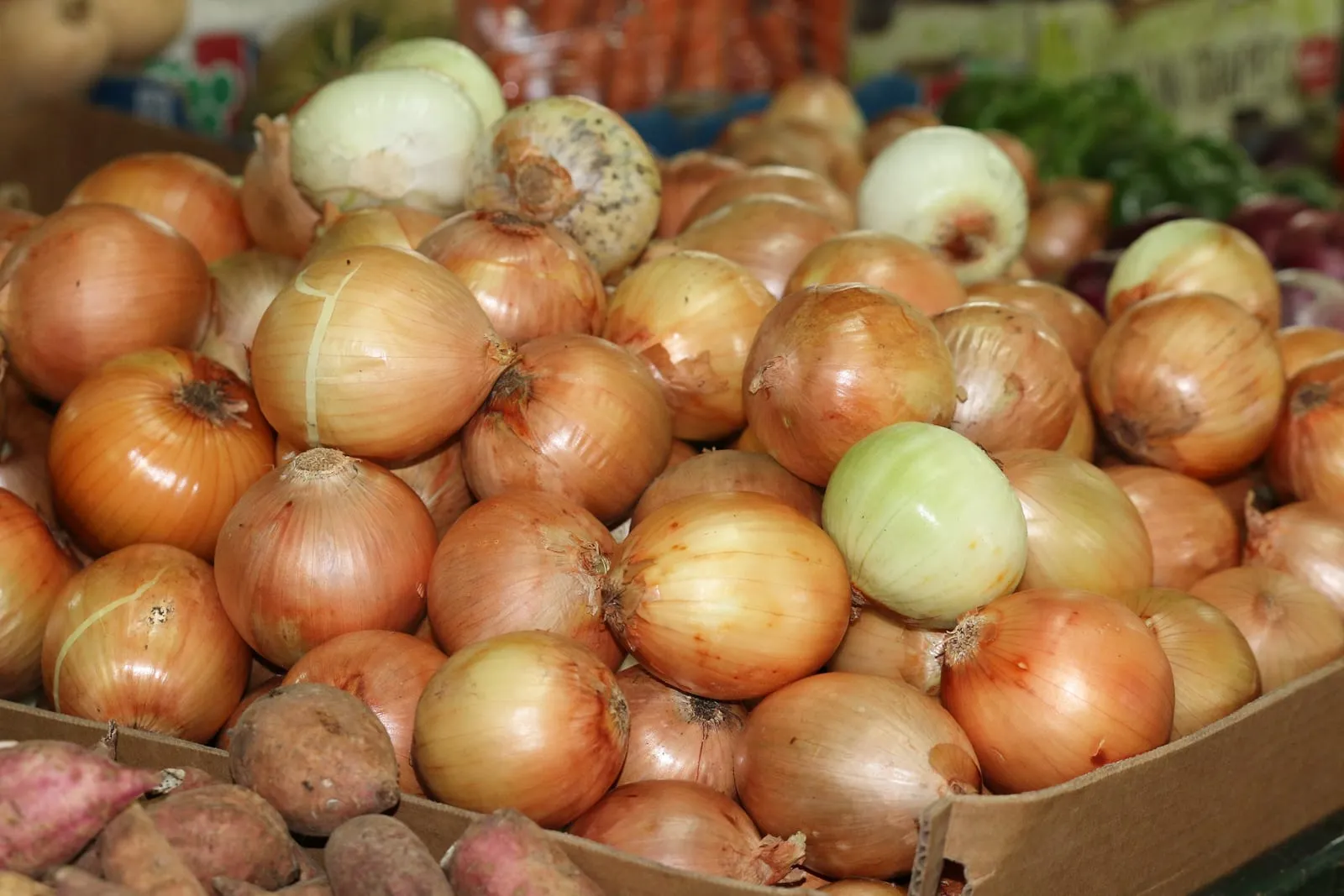
 Watermelon
Citrullus lanatus
zones 5b–10a
 zone 8a
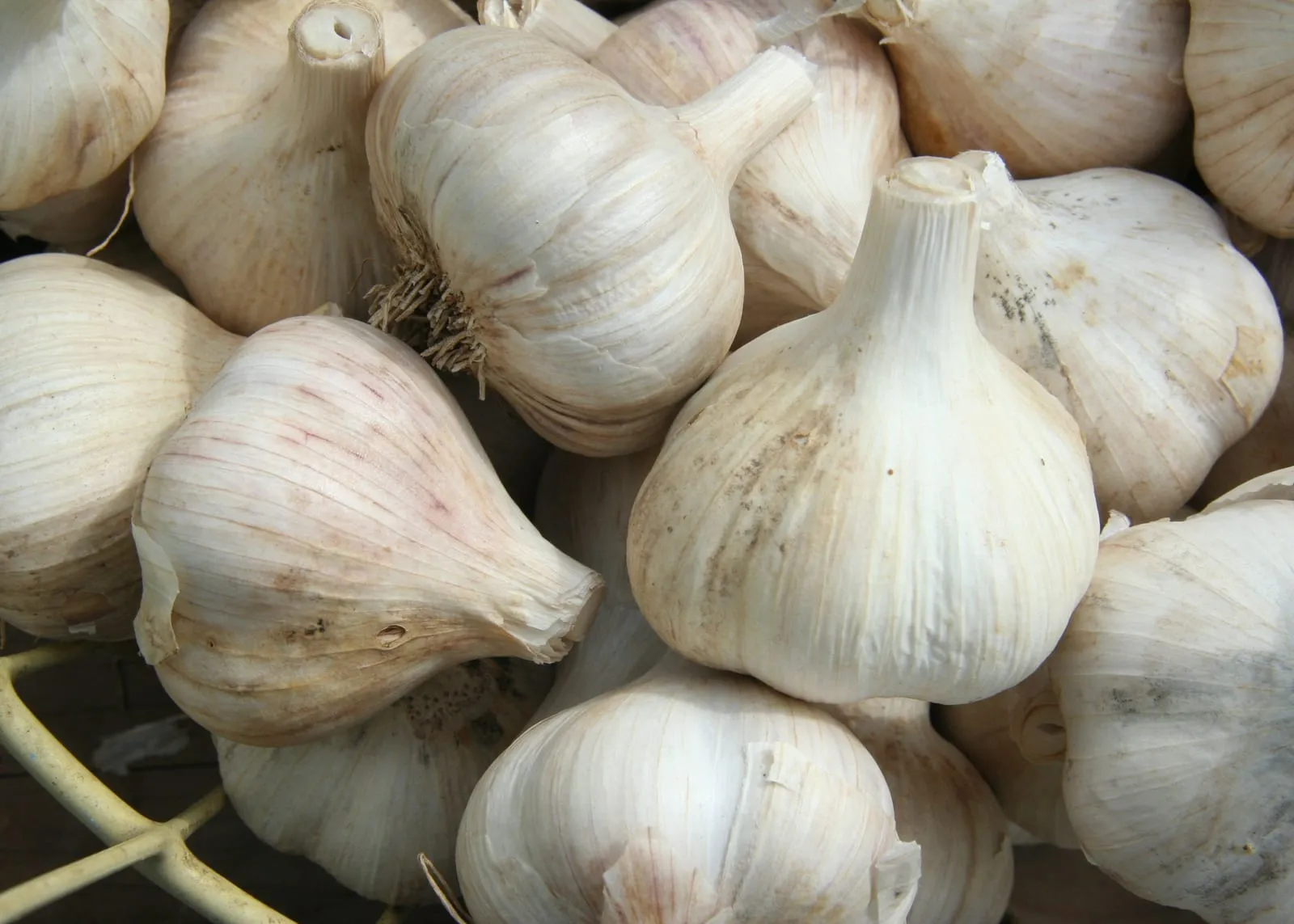
 Onion
Allium cepa
zones 3a–9b
 zone 8a
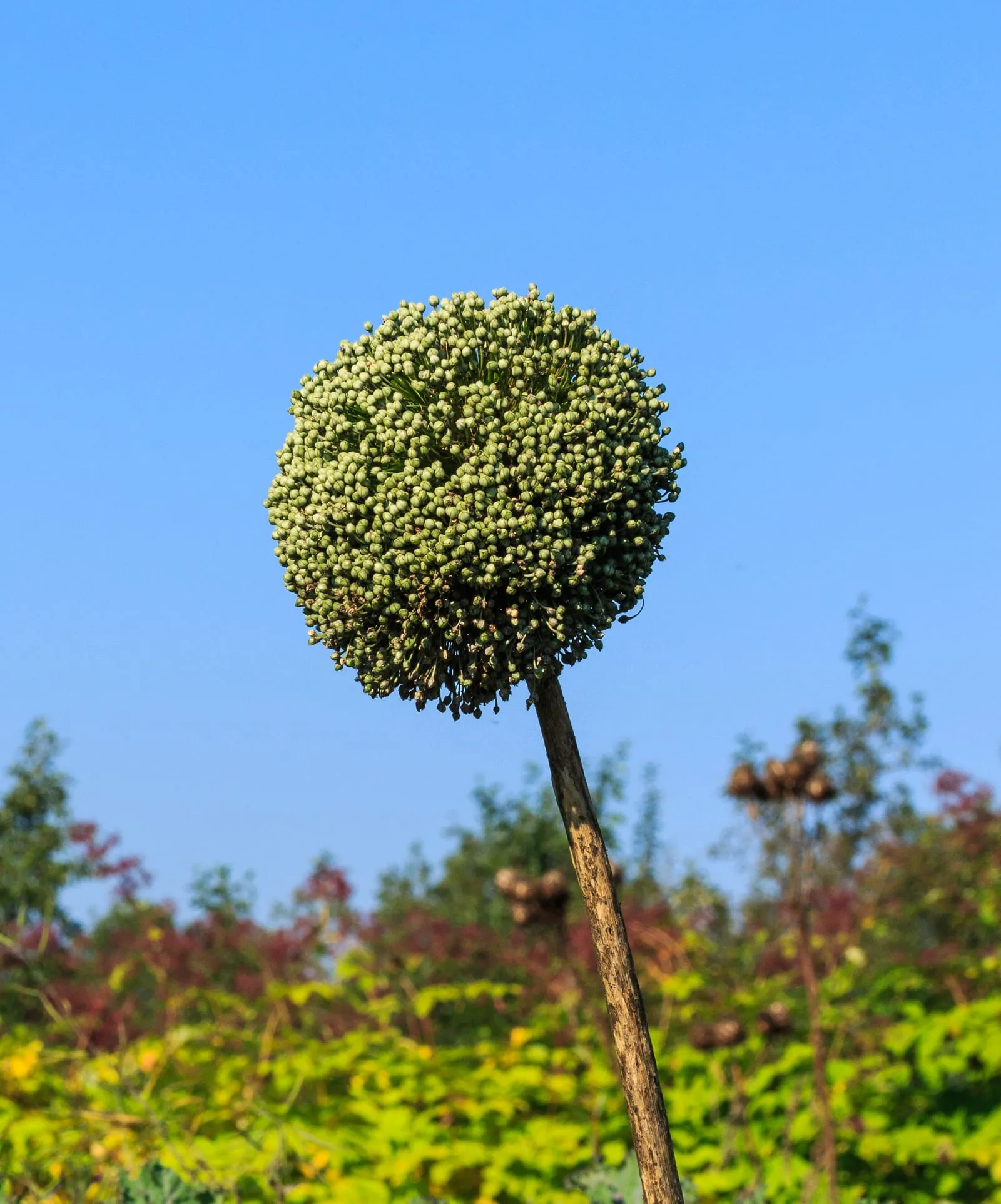
 Garlic
Allium sativum
zones 3a–9a
 zone 8a
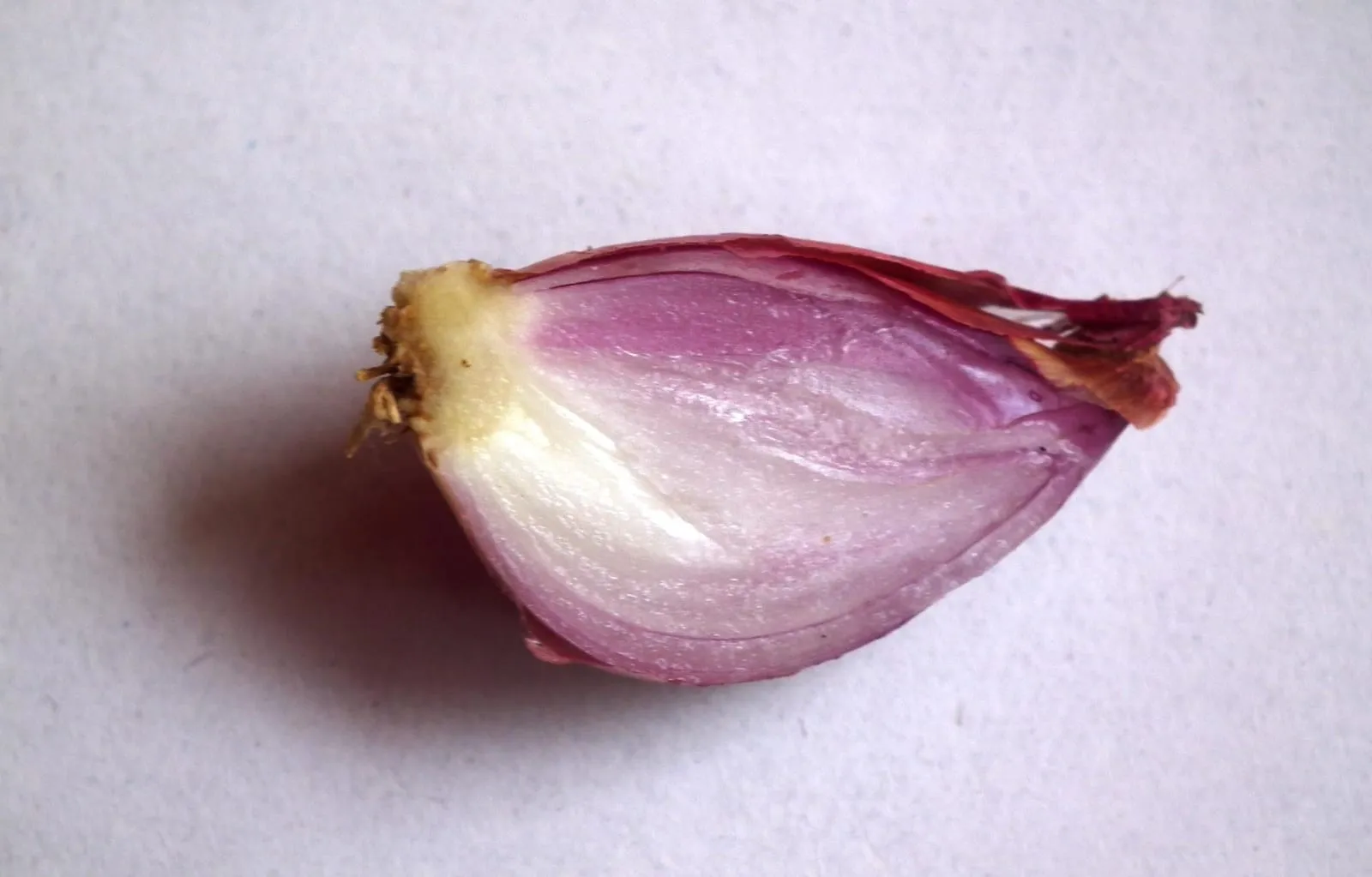
 Leek
Allium ampeloprasum
zones 3b–8b
 zone 8a
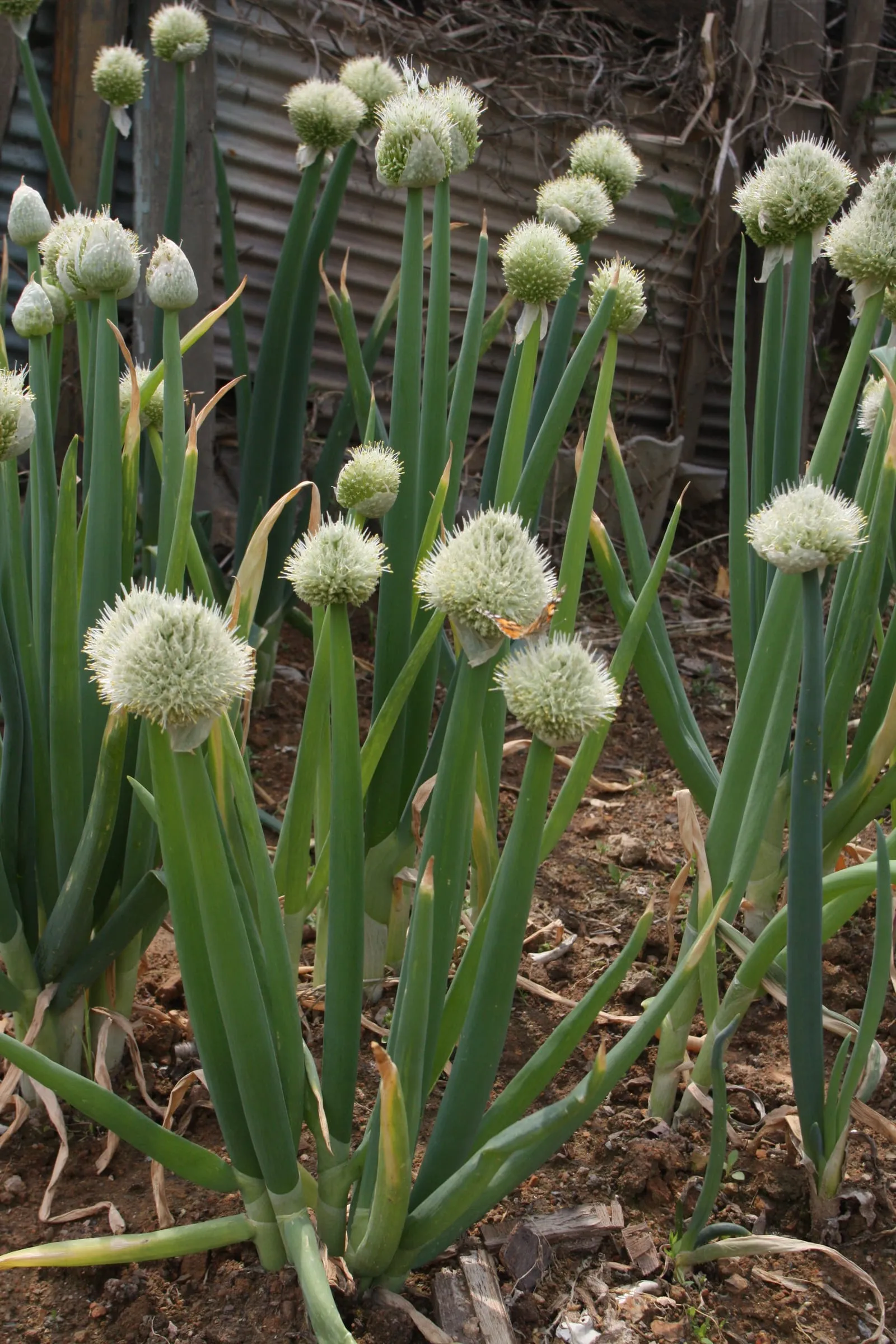
 Shallot
Allium cepa var. aggregatum
zones 3b–8a
 zone 8a
 Scallion (Bunching Onion)
Allium fistulosum
zones 3b–9b
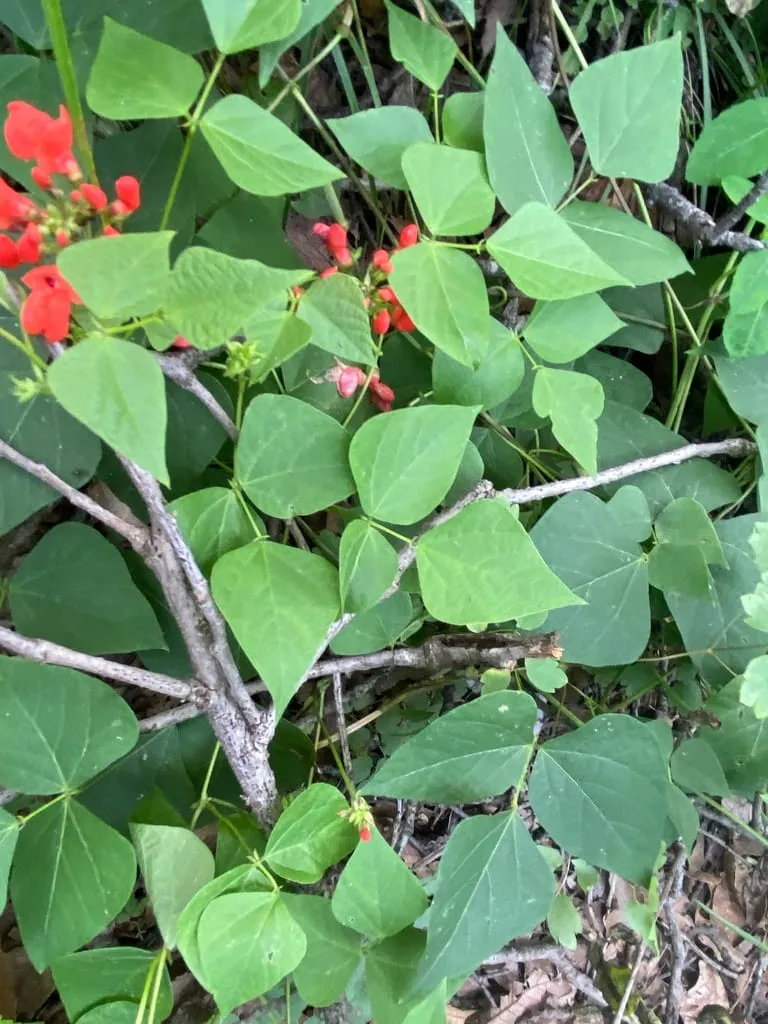 zone 8a
 Bush Bean
Phaseolus vulgaris
zones 3b–9a
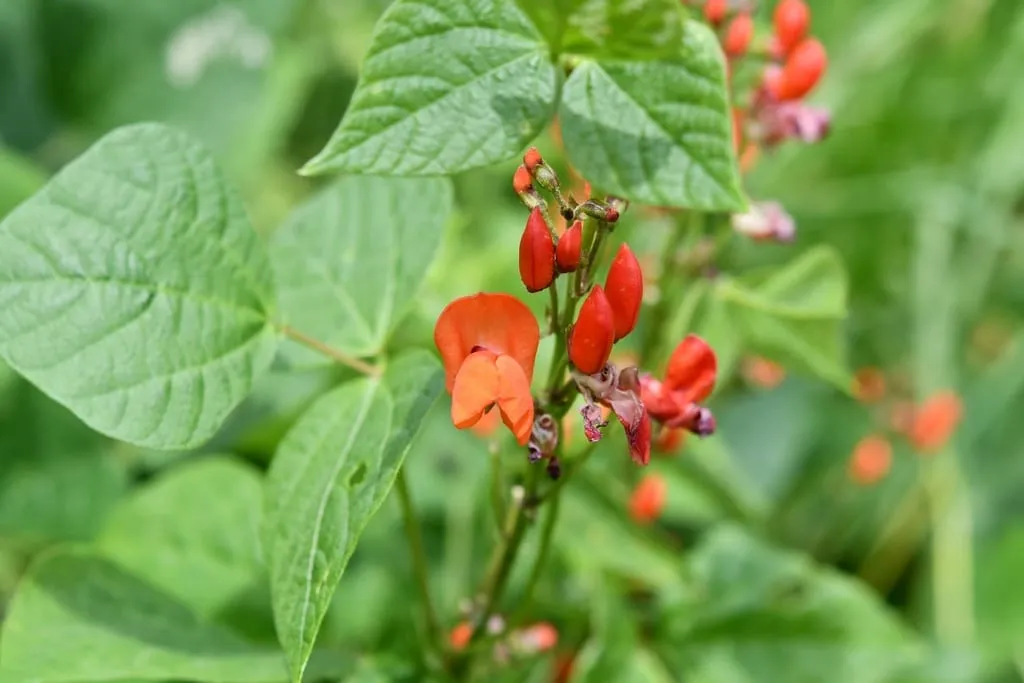 zone 8a
 Pole Bean
Phaseolus vulgaris
zones 3b–9a
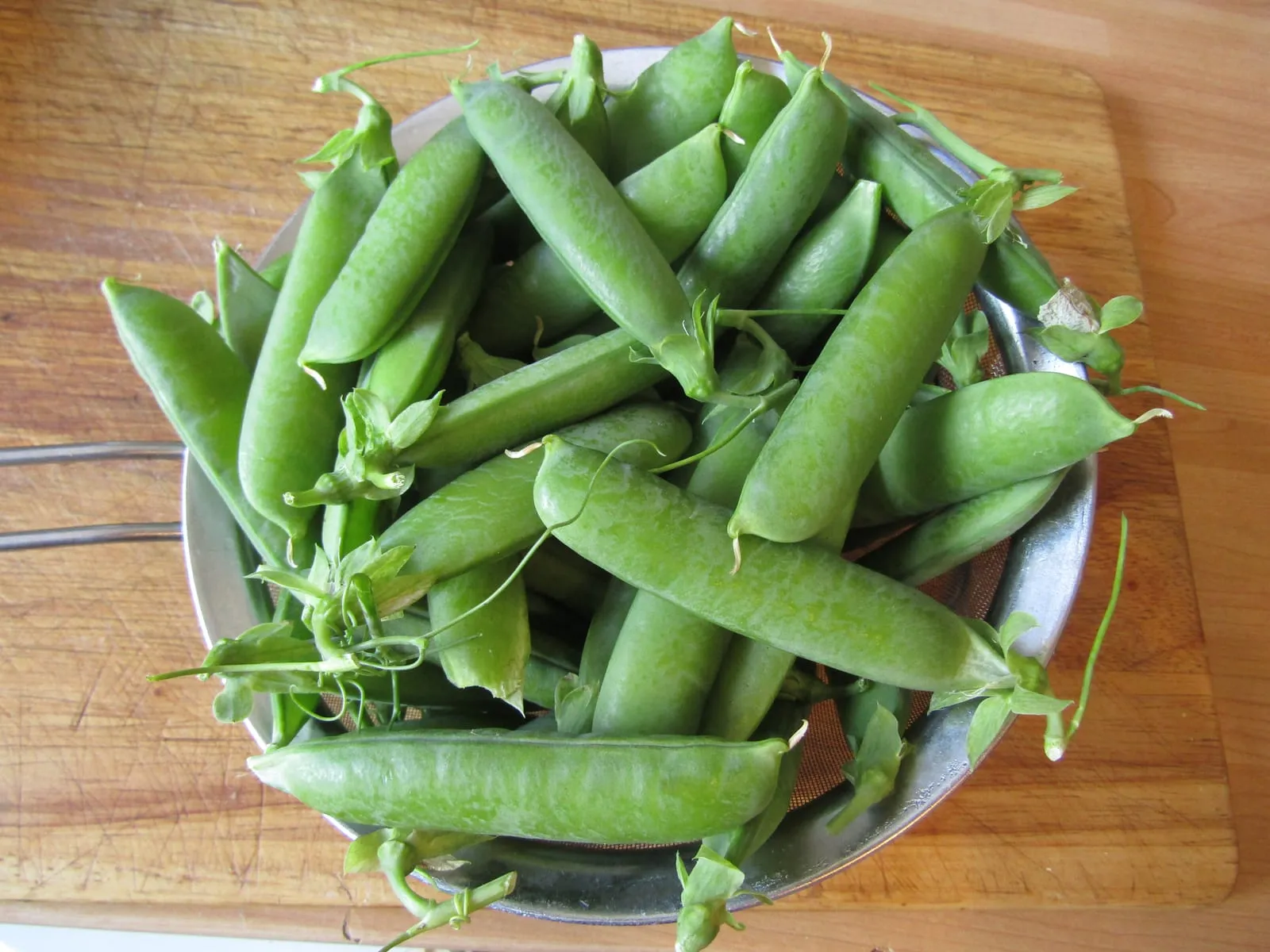 zone 8a
 Pea
Pisum sativum
zones 3a–8b
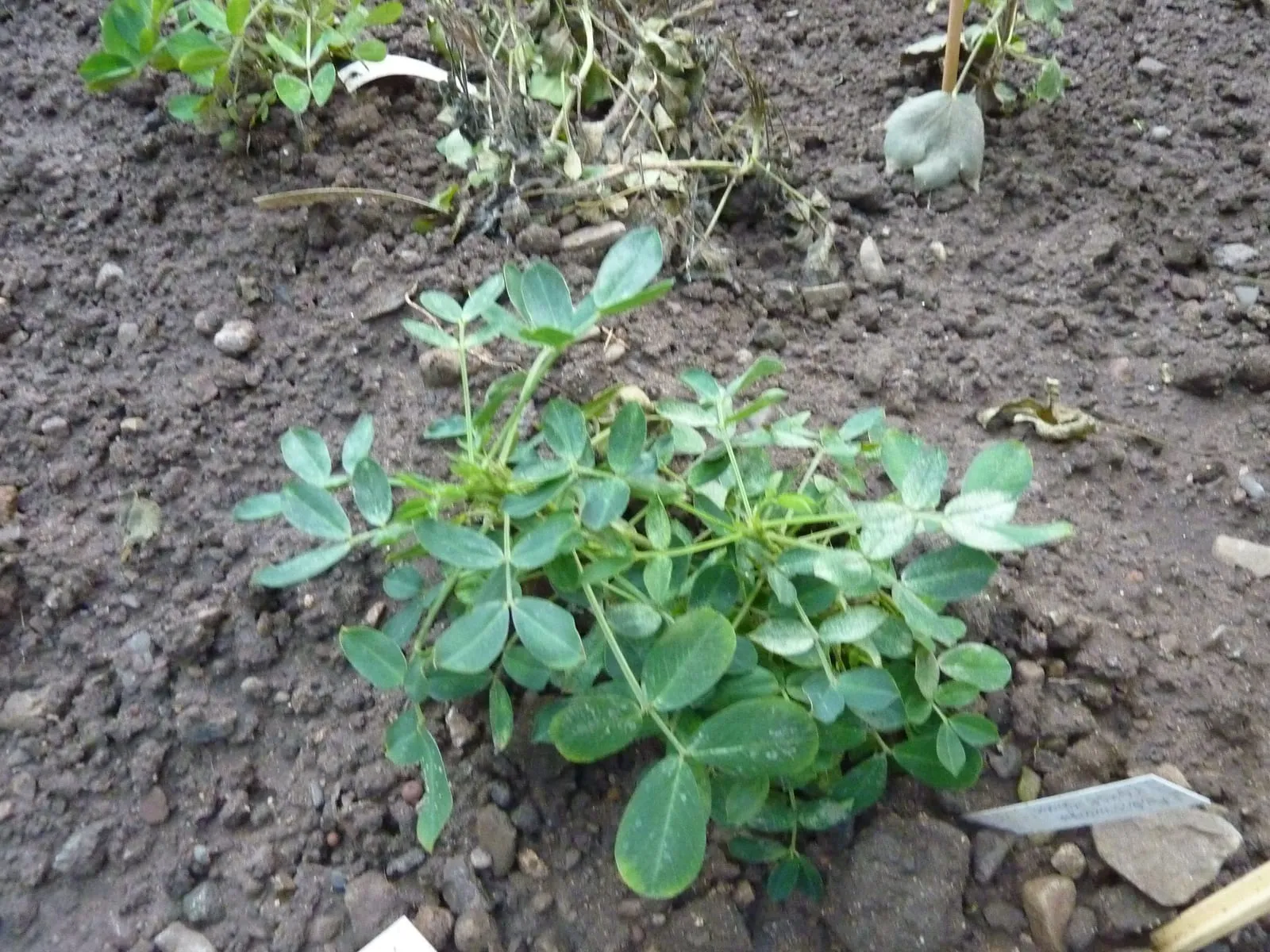 zone 8a
 Peanut
Arachis hypogaea
zones 6a–9b
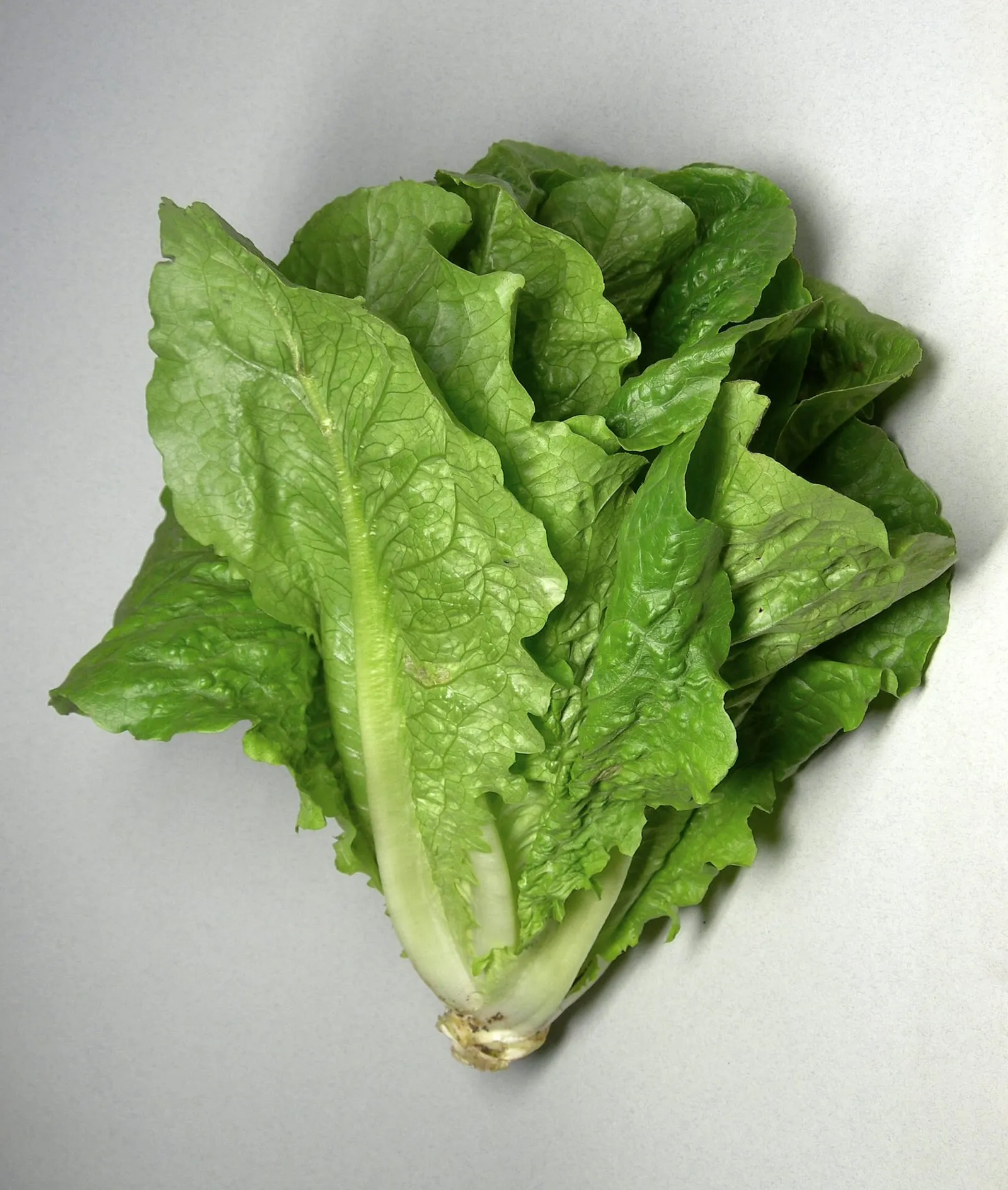 zone 8a
 Lettuce
Lactuca sativa
zones 3a–9b
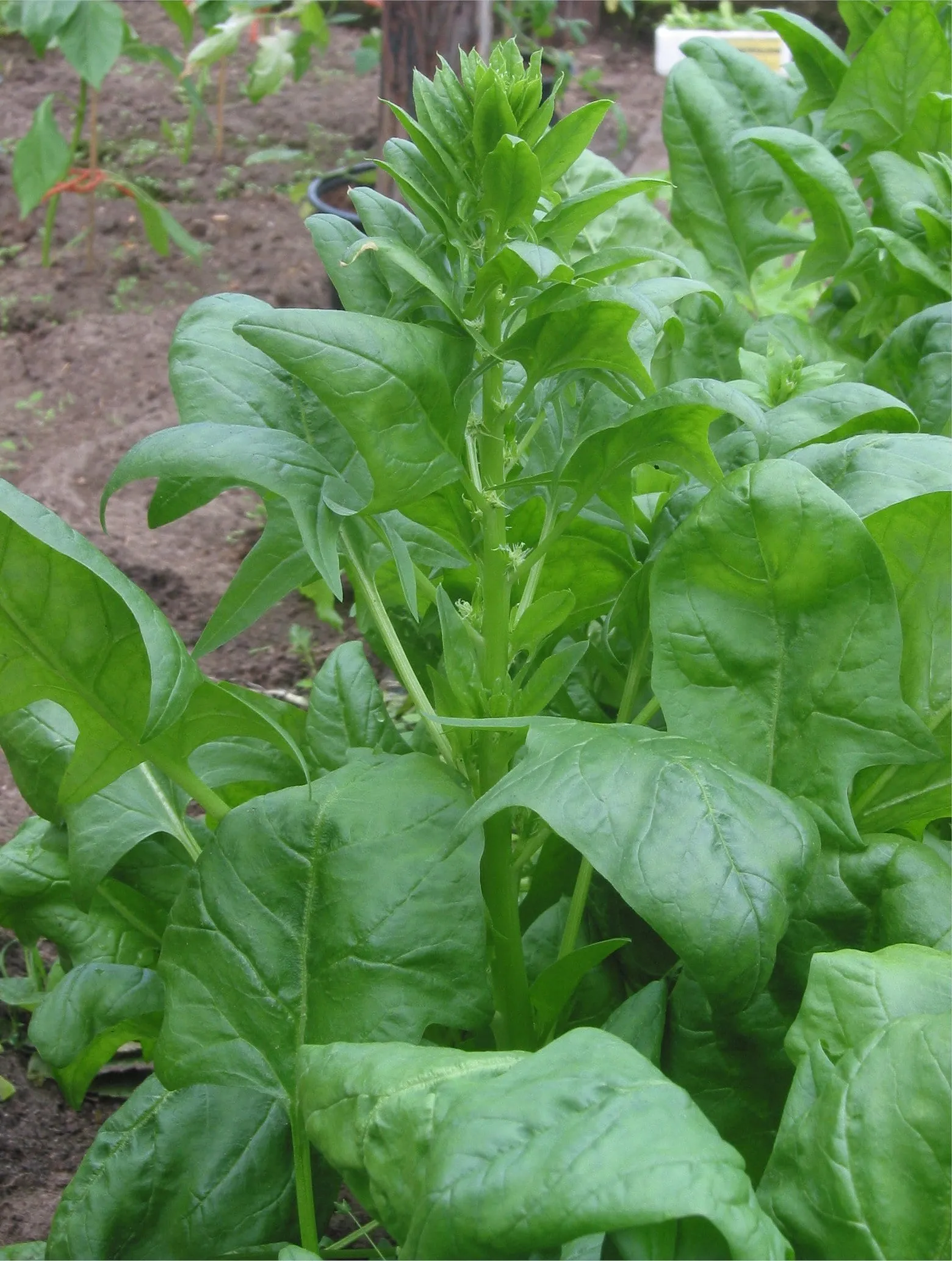 zone 8a
 Spinach
Spinacia oleracea
zones 3a–9a
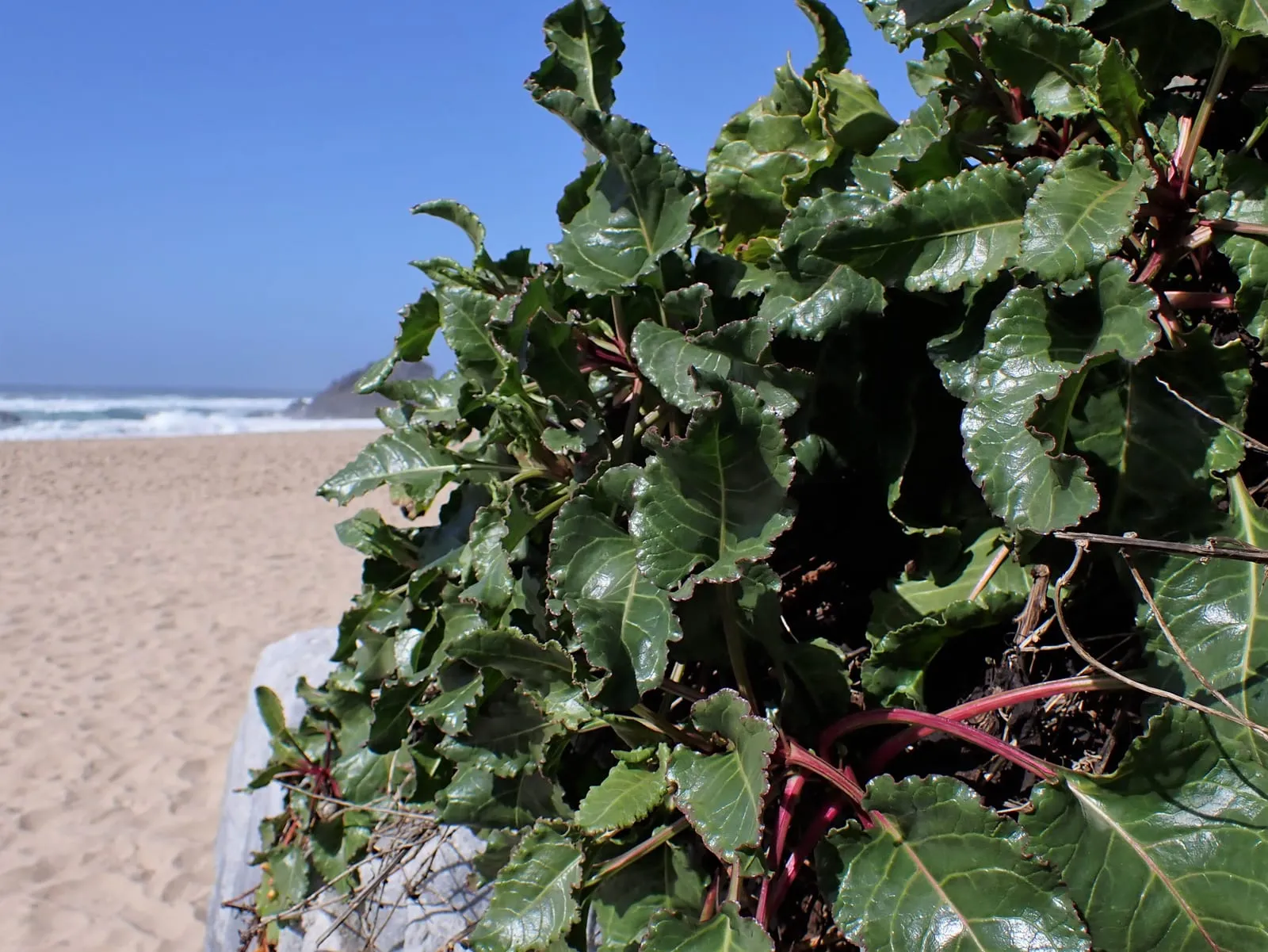 zone 8a
 Swiss Chard
Beta vulgaris subsp. vulgaris
zones 3a–9b
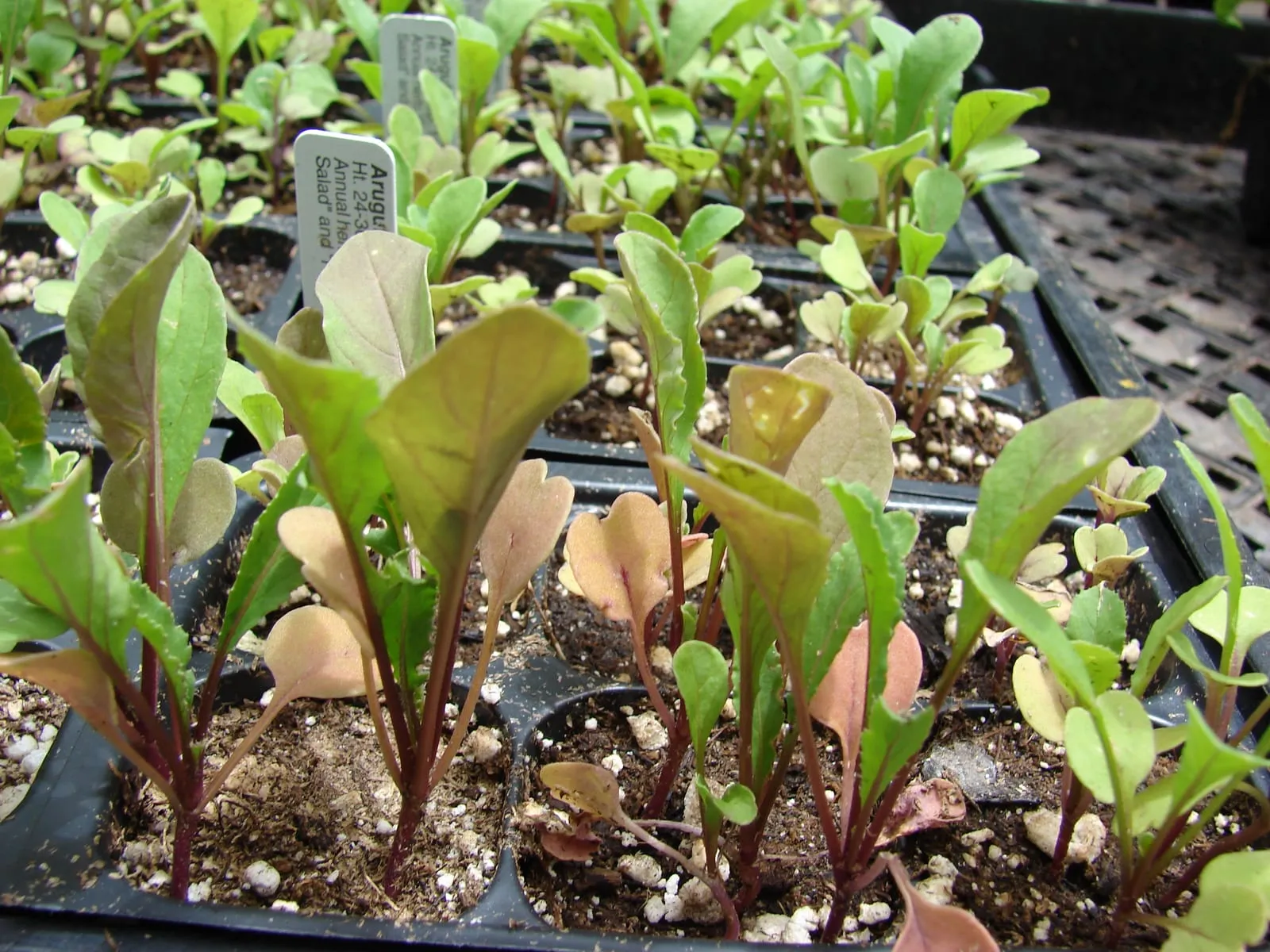 zone 8a
 Arugula
Eruca vesicaria
zones 3b–9a
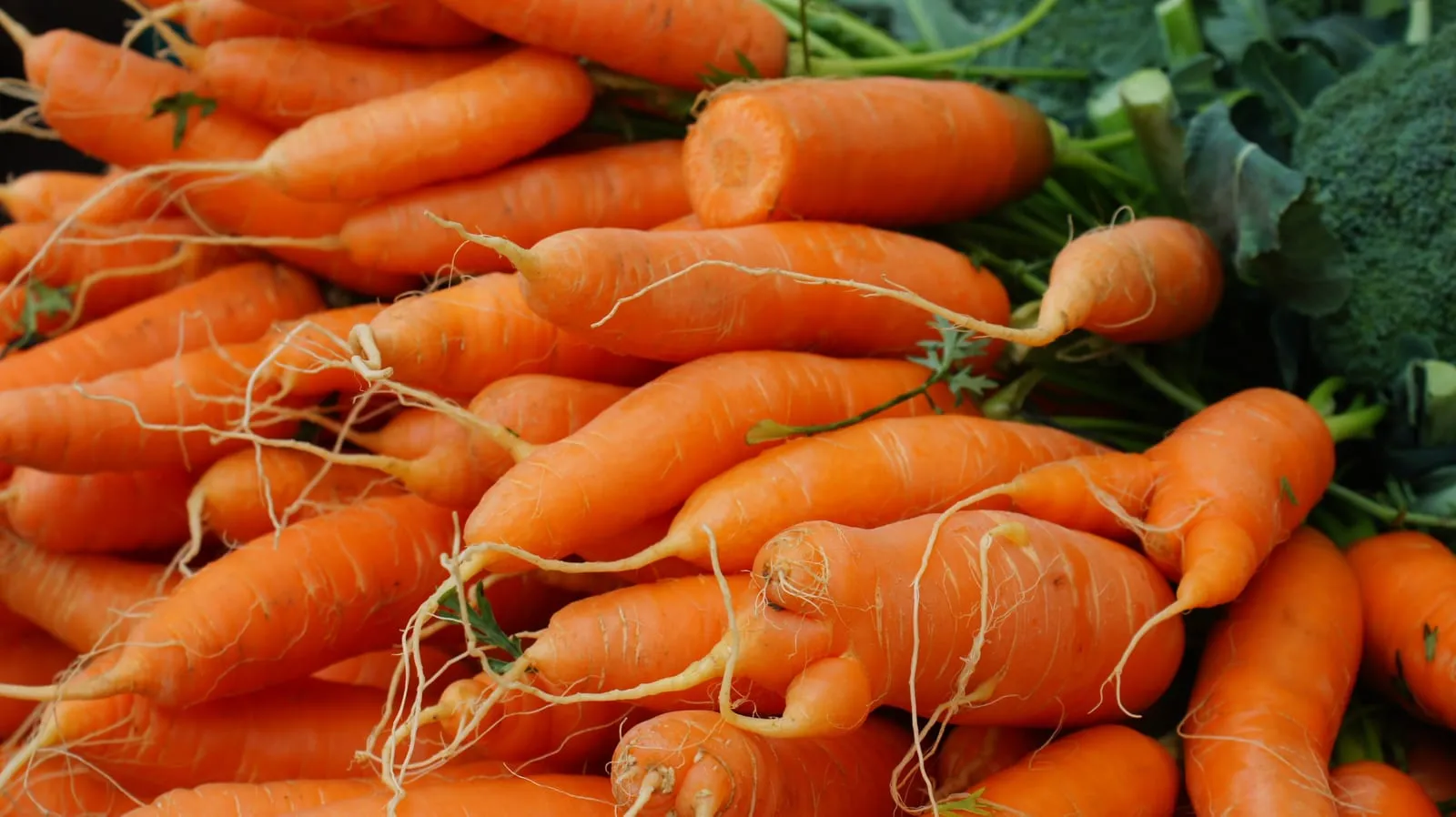 zone 8a
 Carrot
Daucus carota subsp. sativus
zones 3a–9a
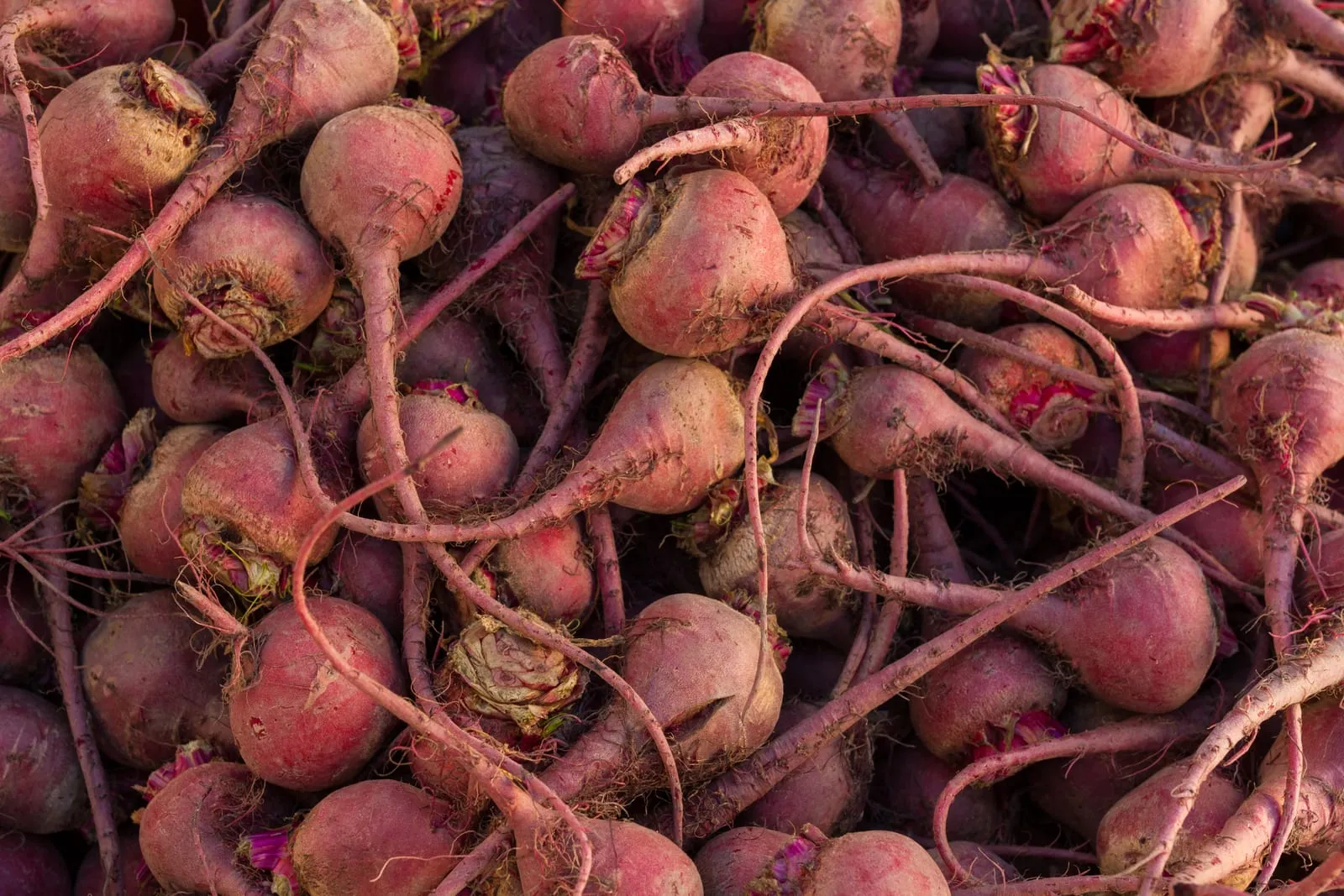 zone 8a
 Beet
Beta vulgaris
zones 3a–9a
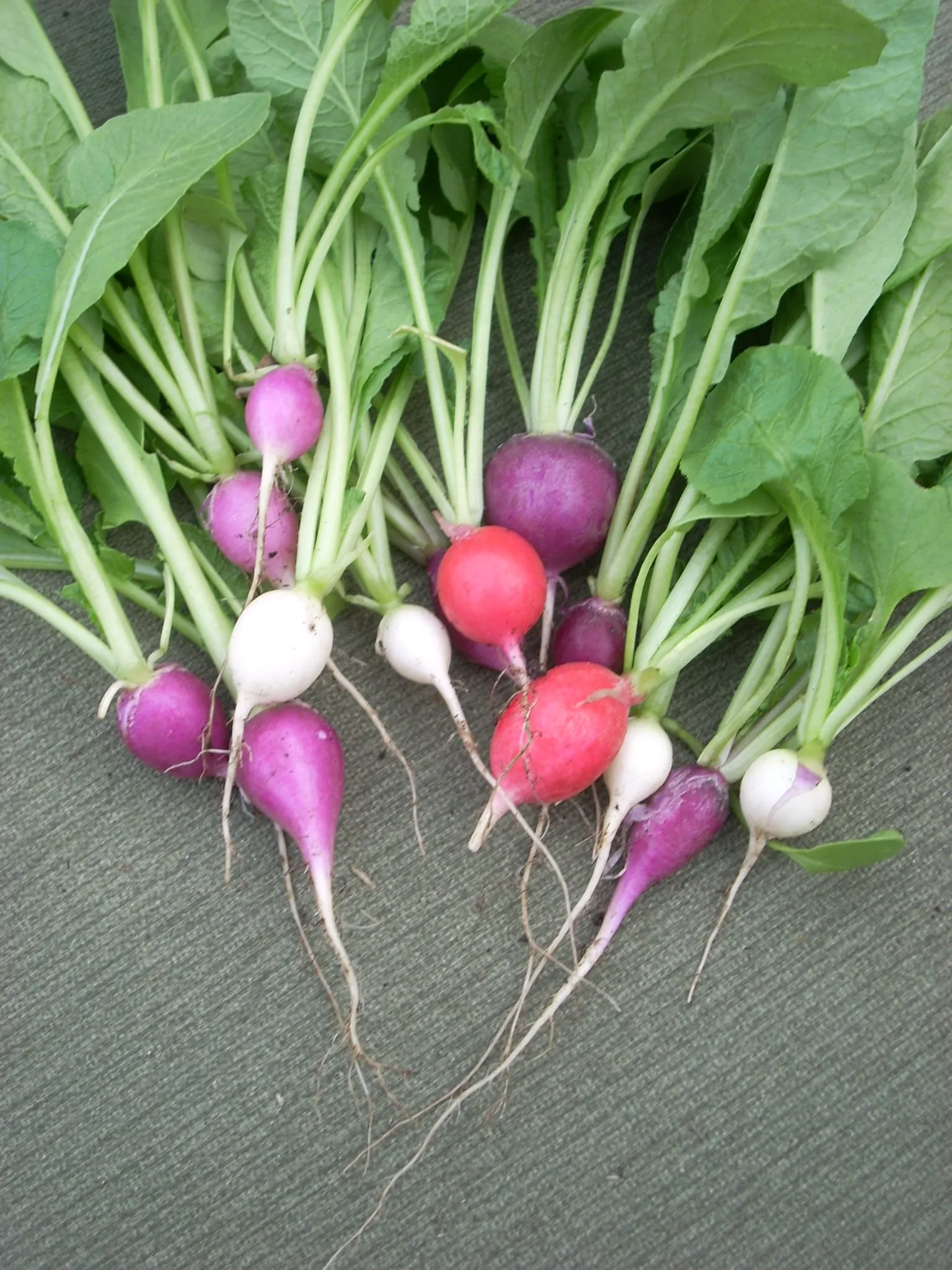 zone 8a
 Radish
Raphanus sativus
zones 3a–9a
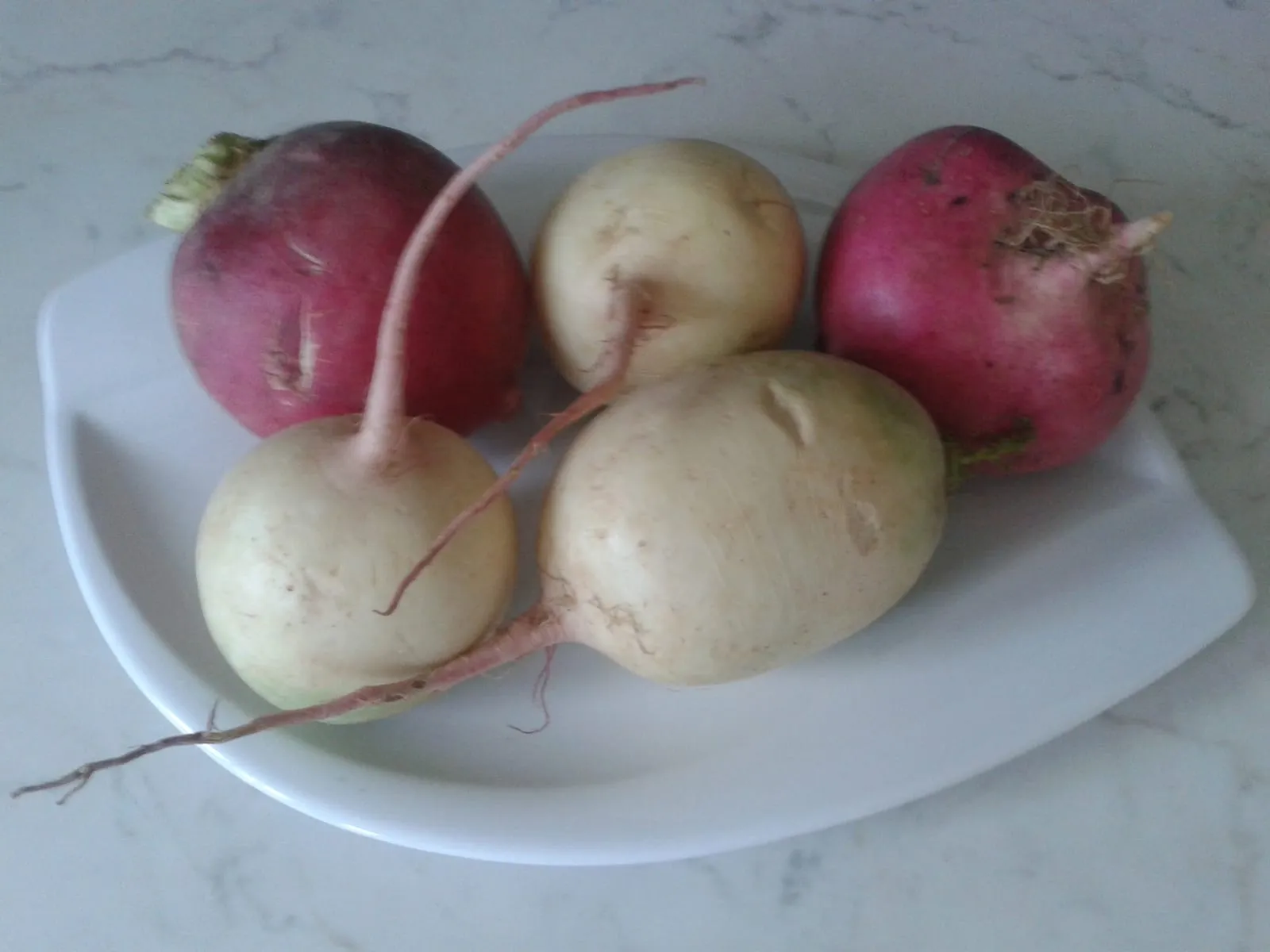 zone 8a
 Turnip
Brassica rapa subsp. rapa
zones 3a–8b
 zone 8a
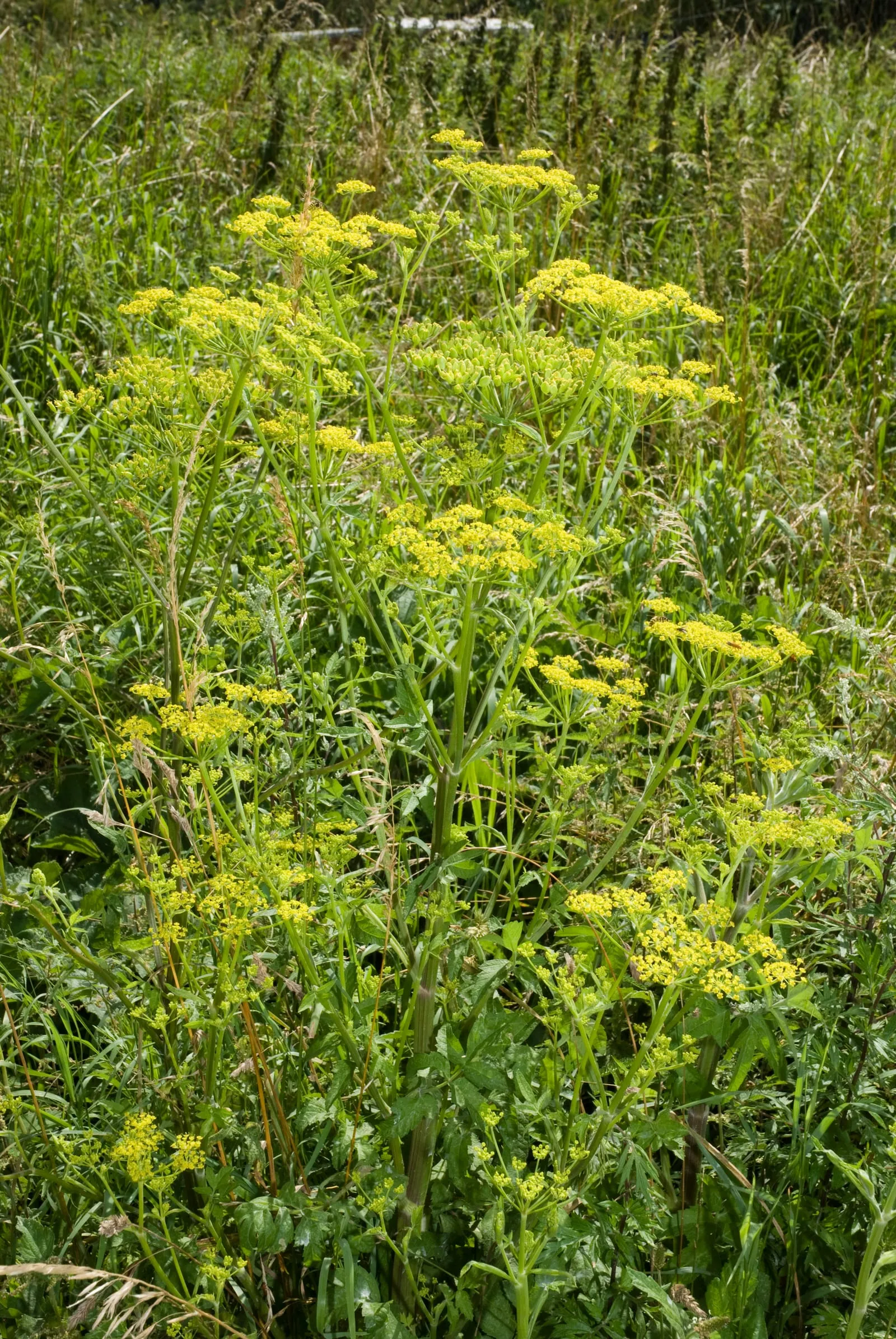
 Parsnip
Pastinaca sativa
zones 3a–8a
 zone 8a
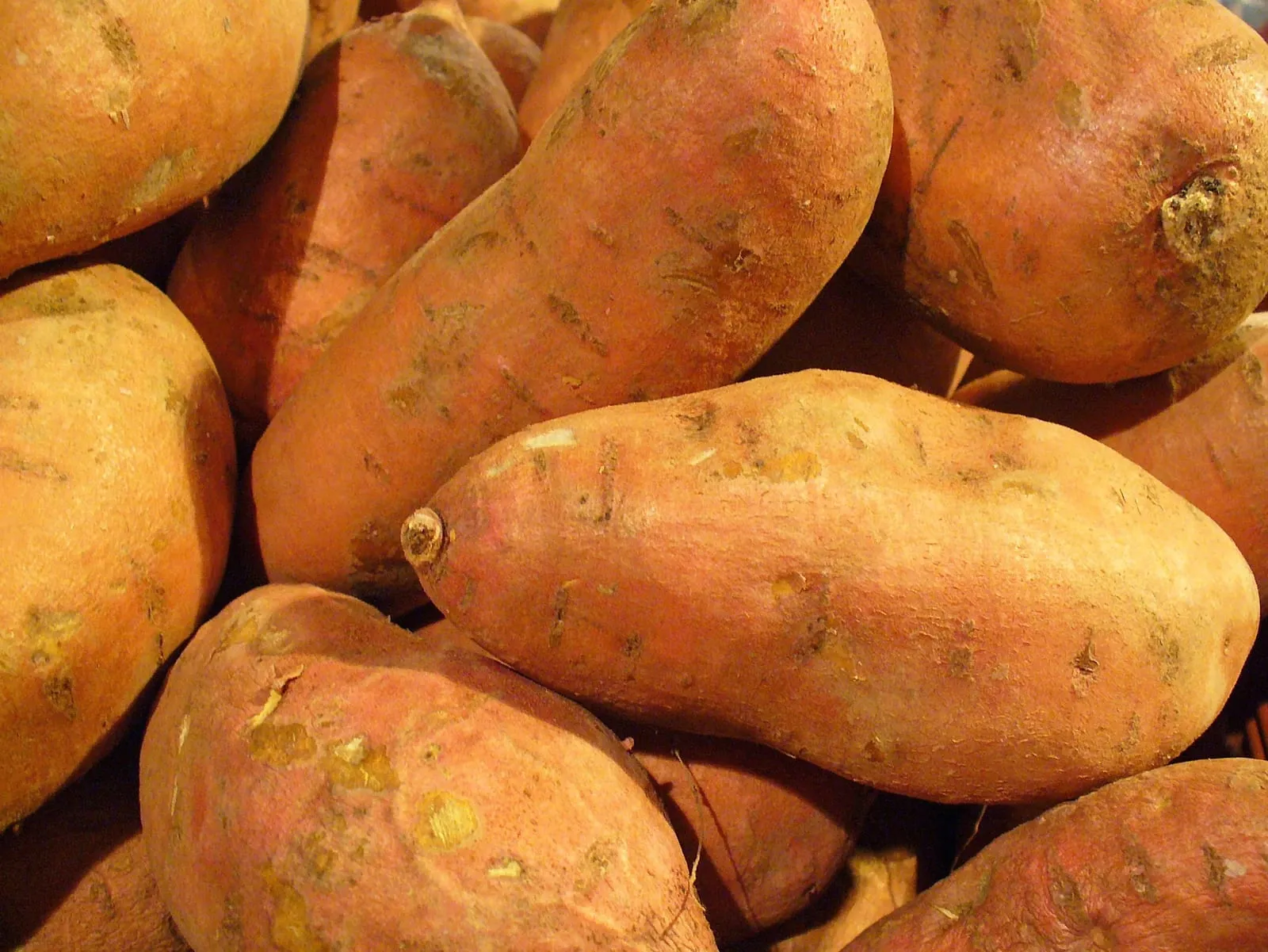
 Sweet Potato
Ipomoea batatas
zones 6a–10b
 zone 8a
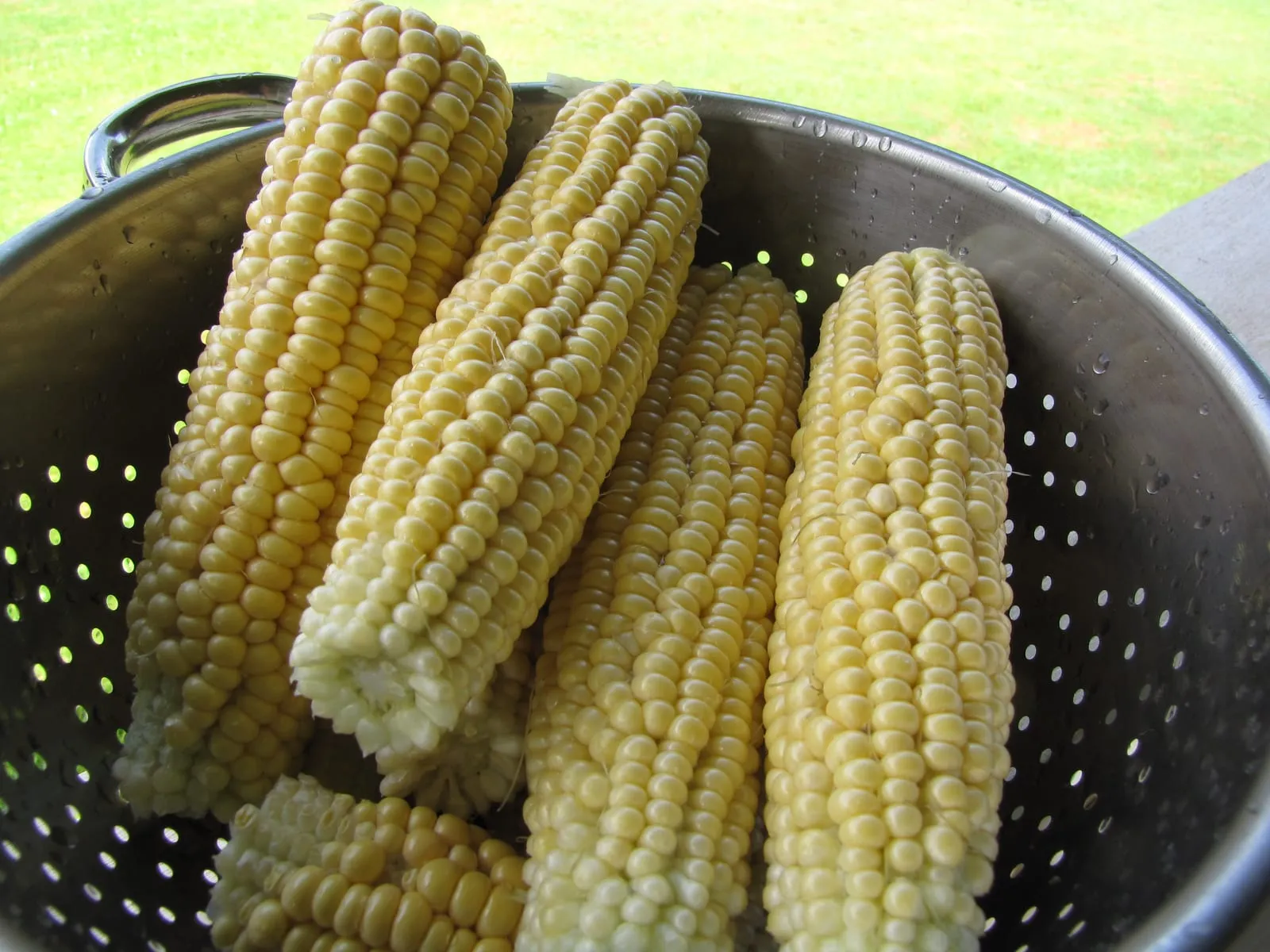
 Sweet Corn
Zea mays var. saccharata
zones 3b–9a
 zone 8a
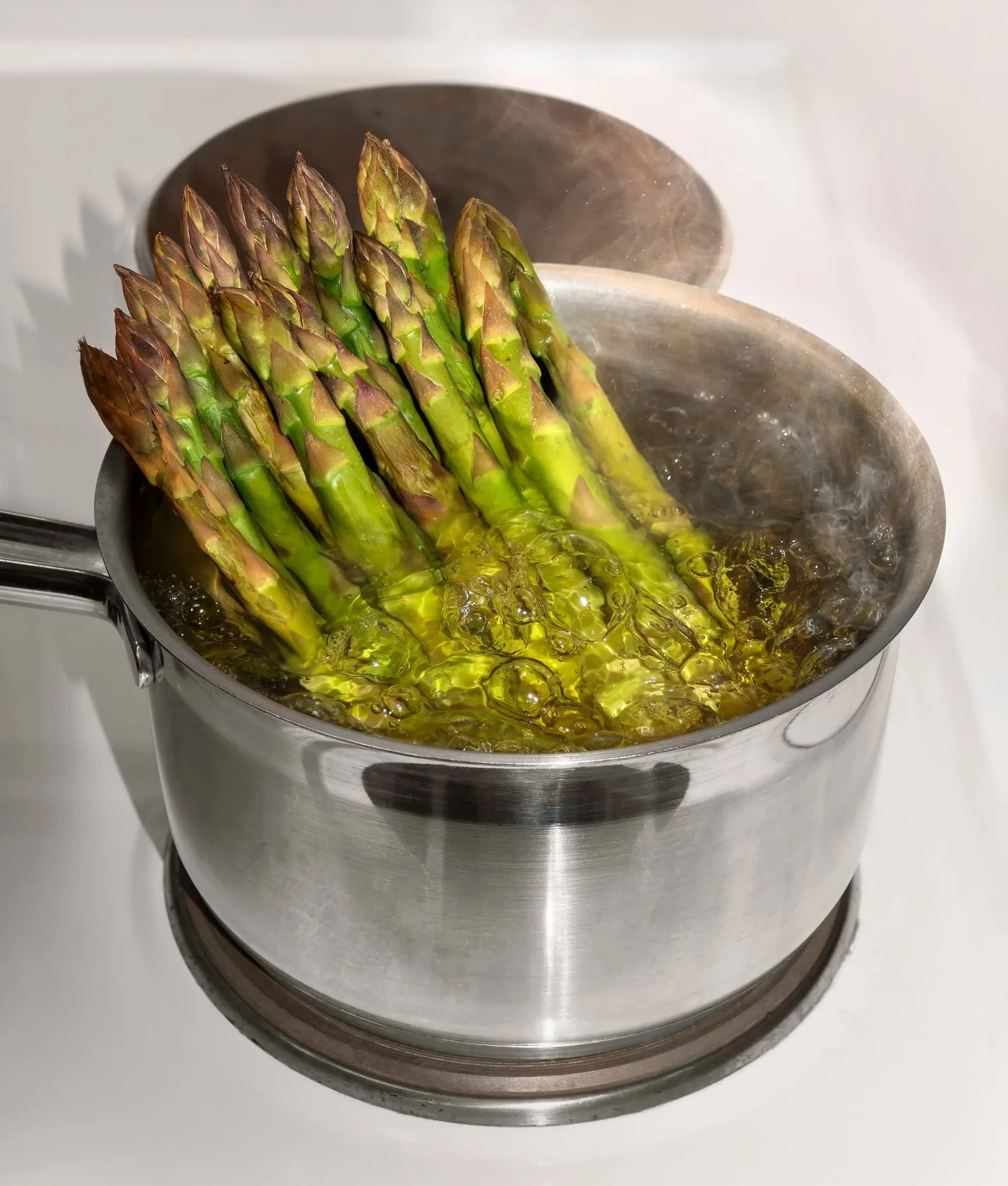
 Asparagus
Asparagus officinalis
zones 3b–8b
 zone 8a
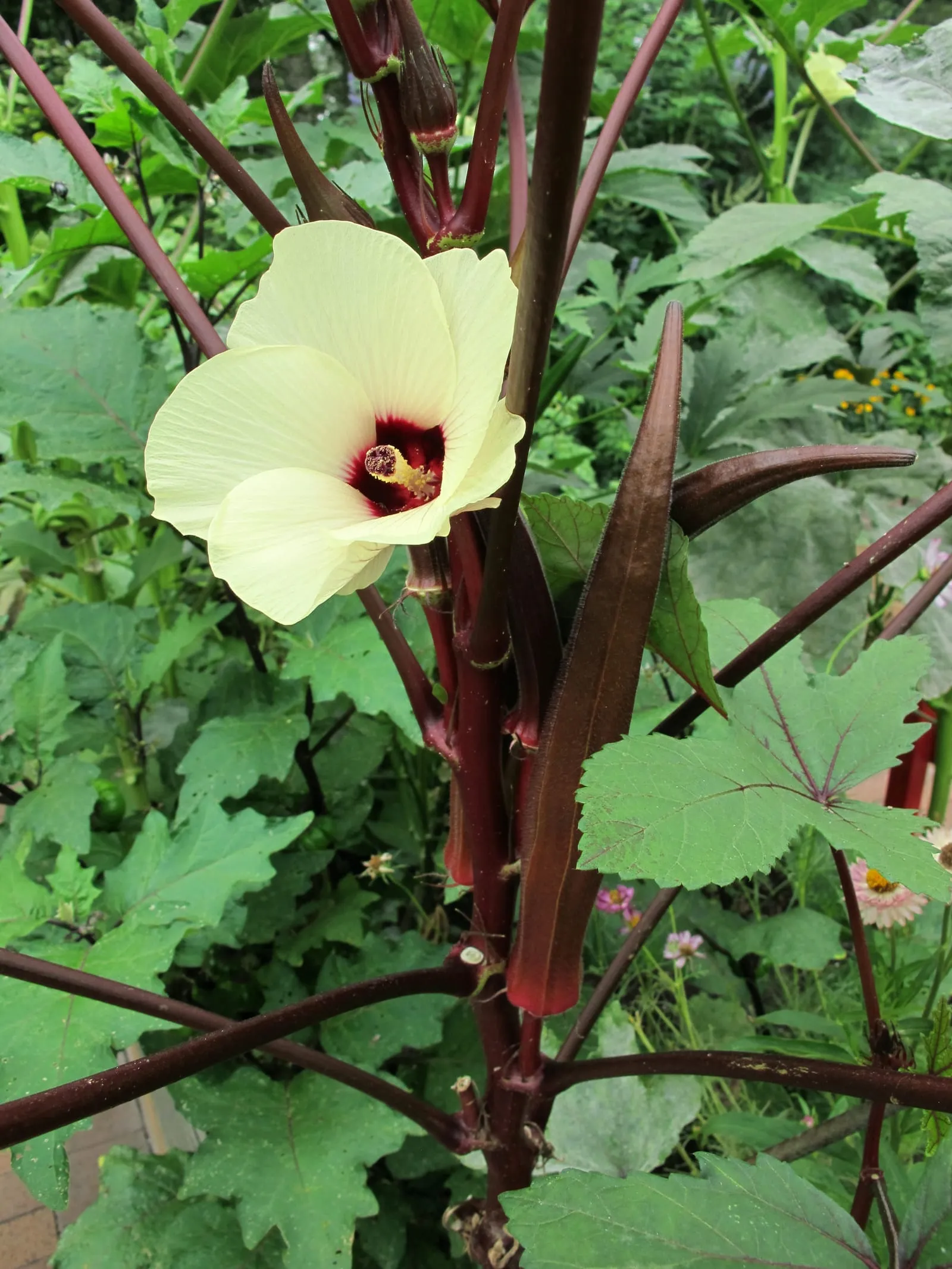
 Okra
Abelmoschus esculentus
zones 6a–10b
Herbs
10 crops
 zone 8a
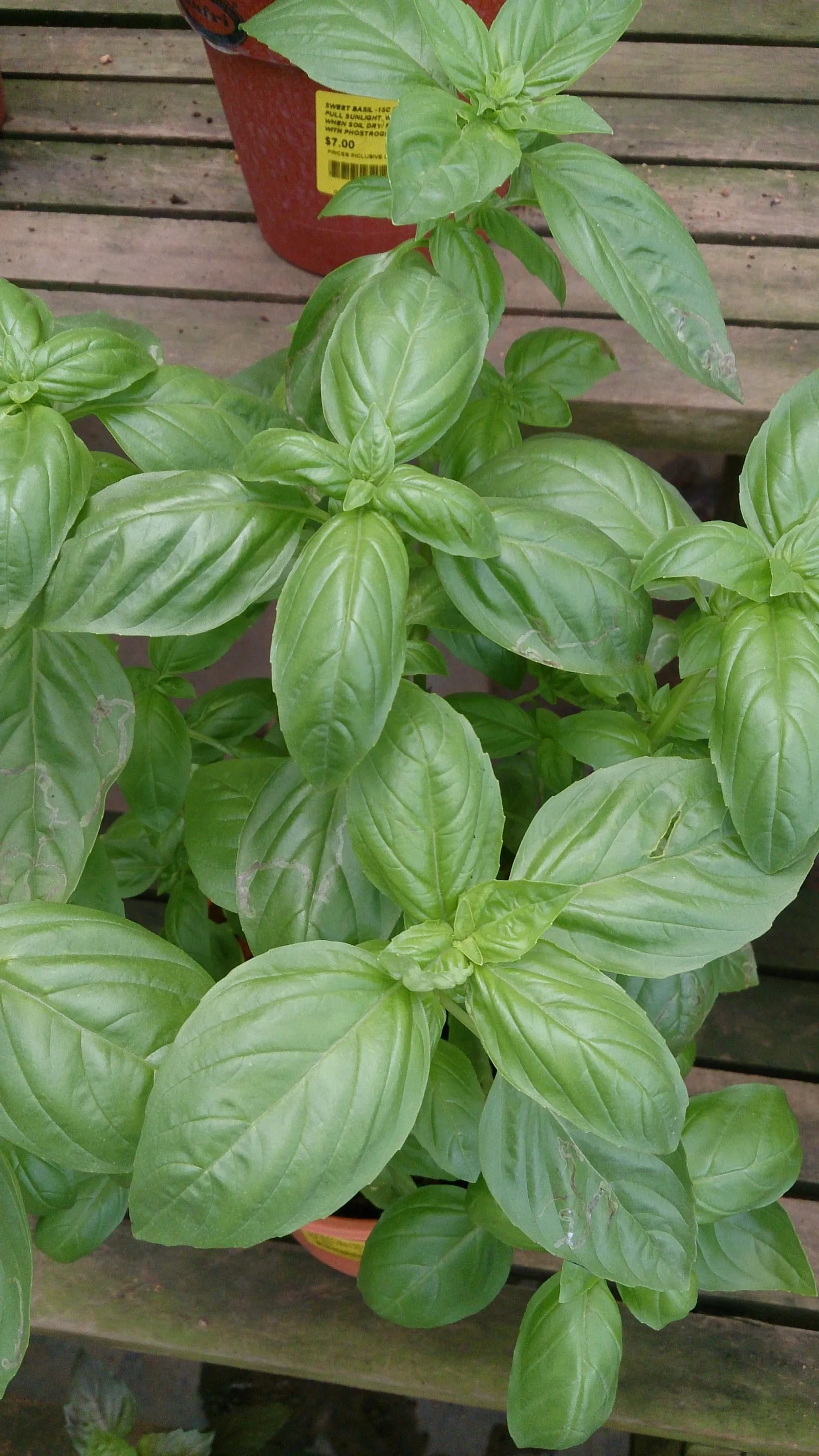
 Basil
Ocimum basilicum
zones 4a–10b
 zone 8a
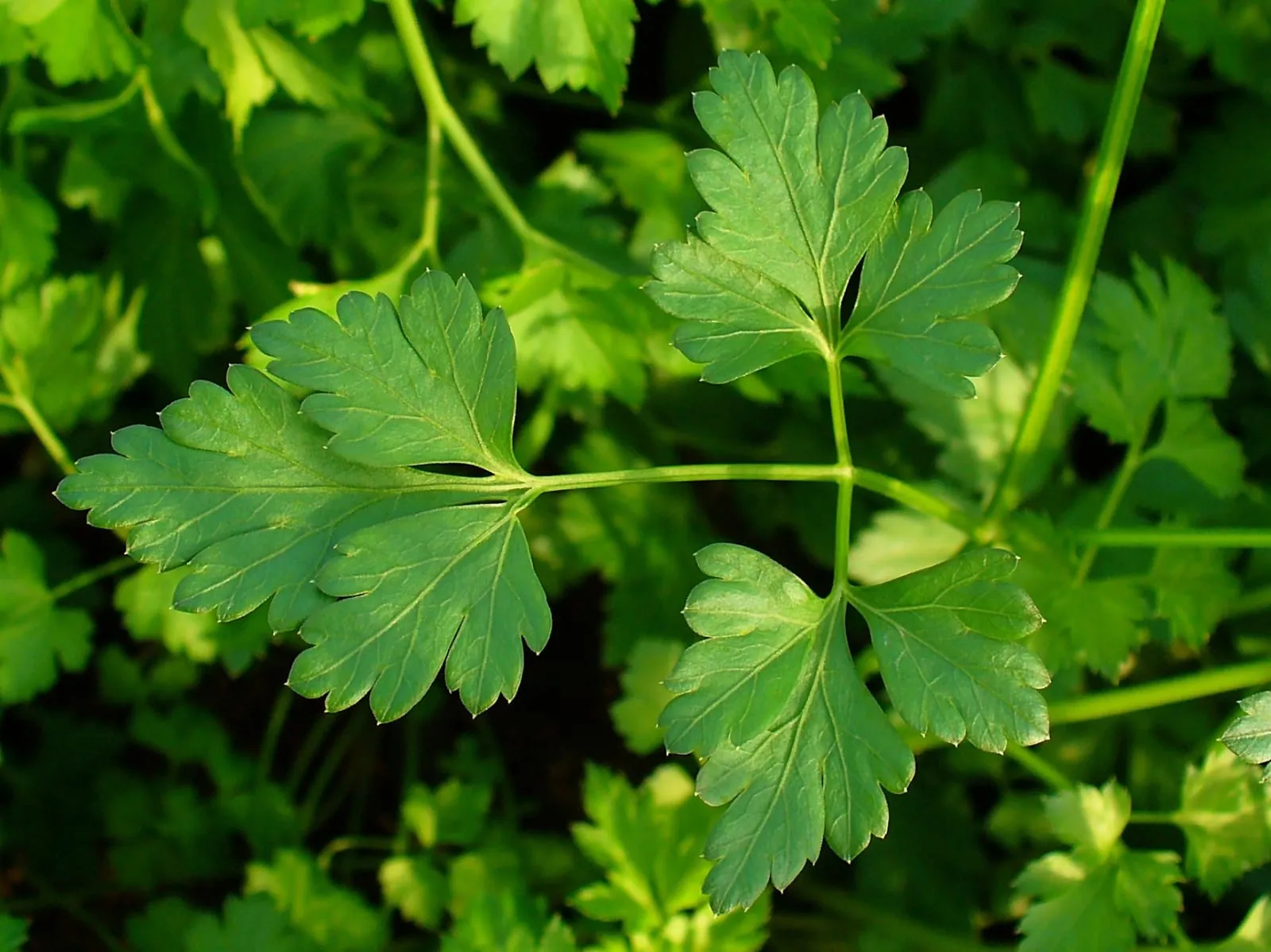
 Parsley
Petroselinum crispum
zones 3b–9b
 zone 8a
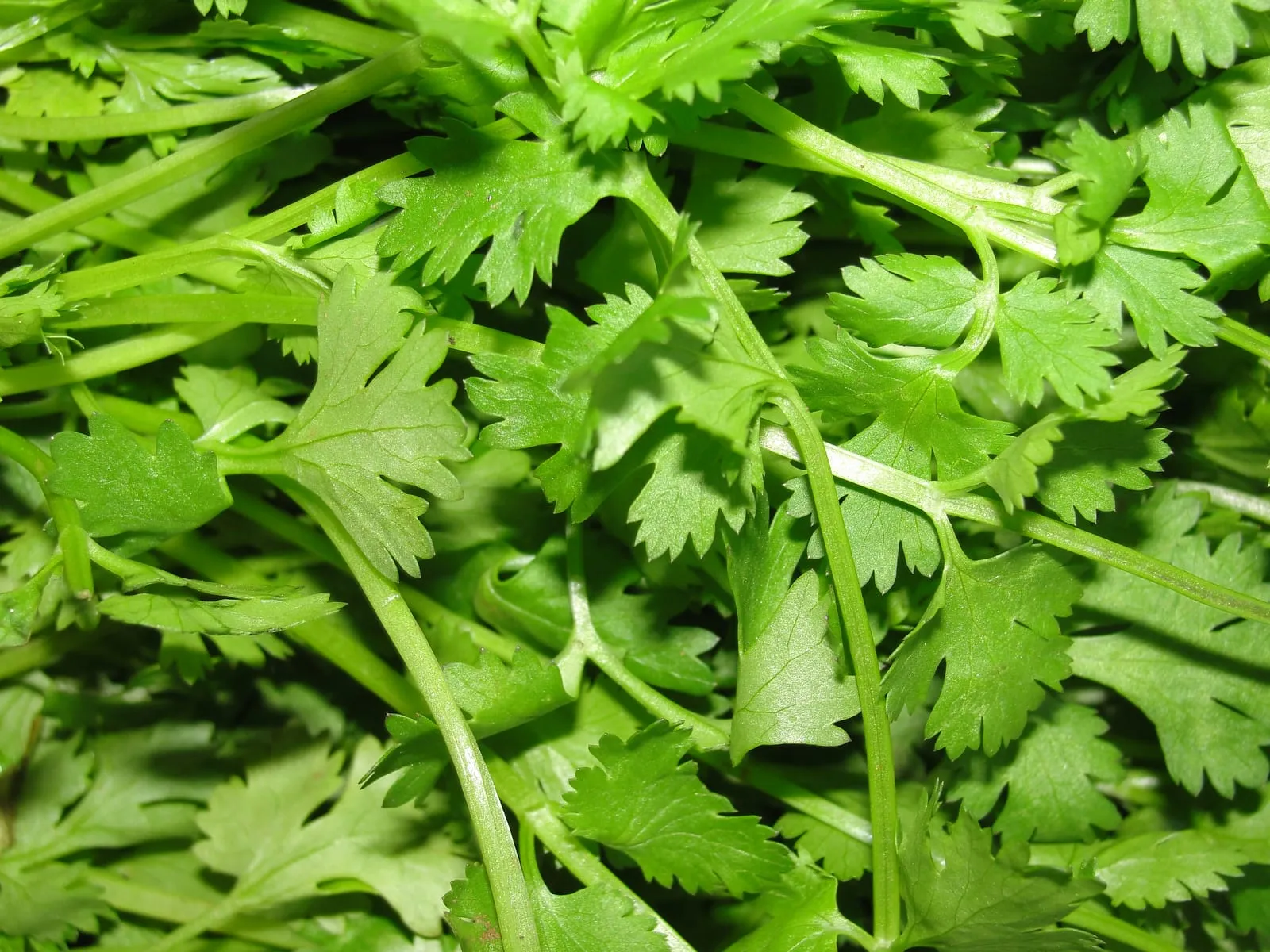
 Cilantro / Coriander
Coriandrum sativum
zones 3b–9b
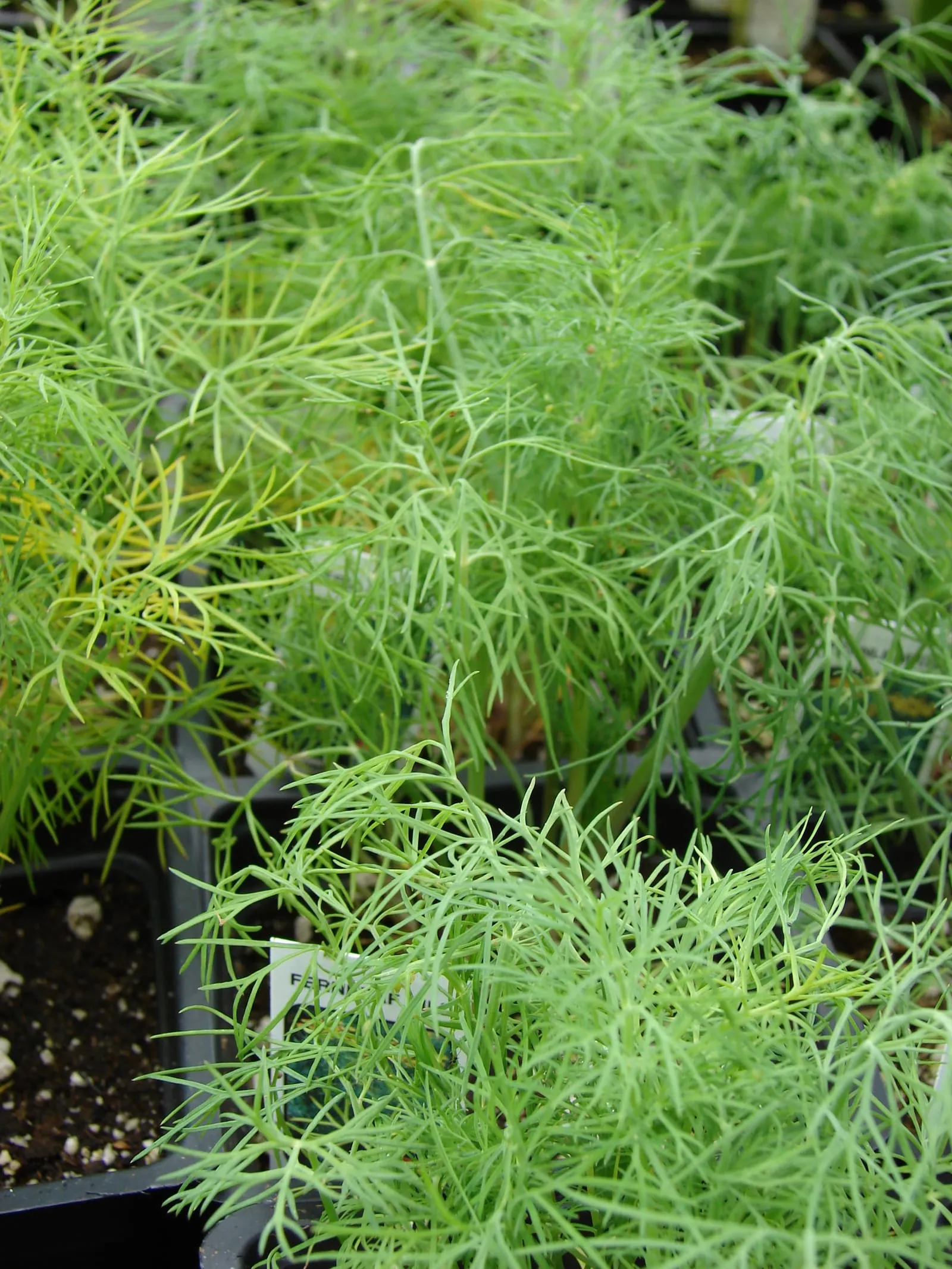 zone 8a
 Dill
Anethum graveolens
zones 3b–9a
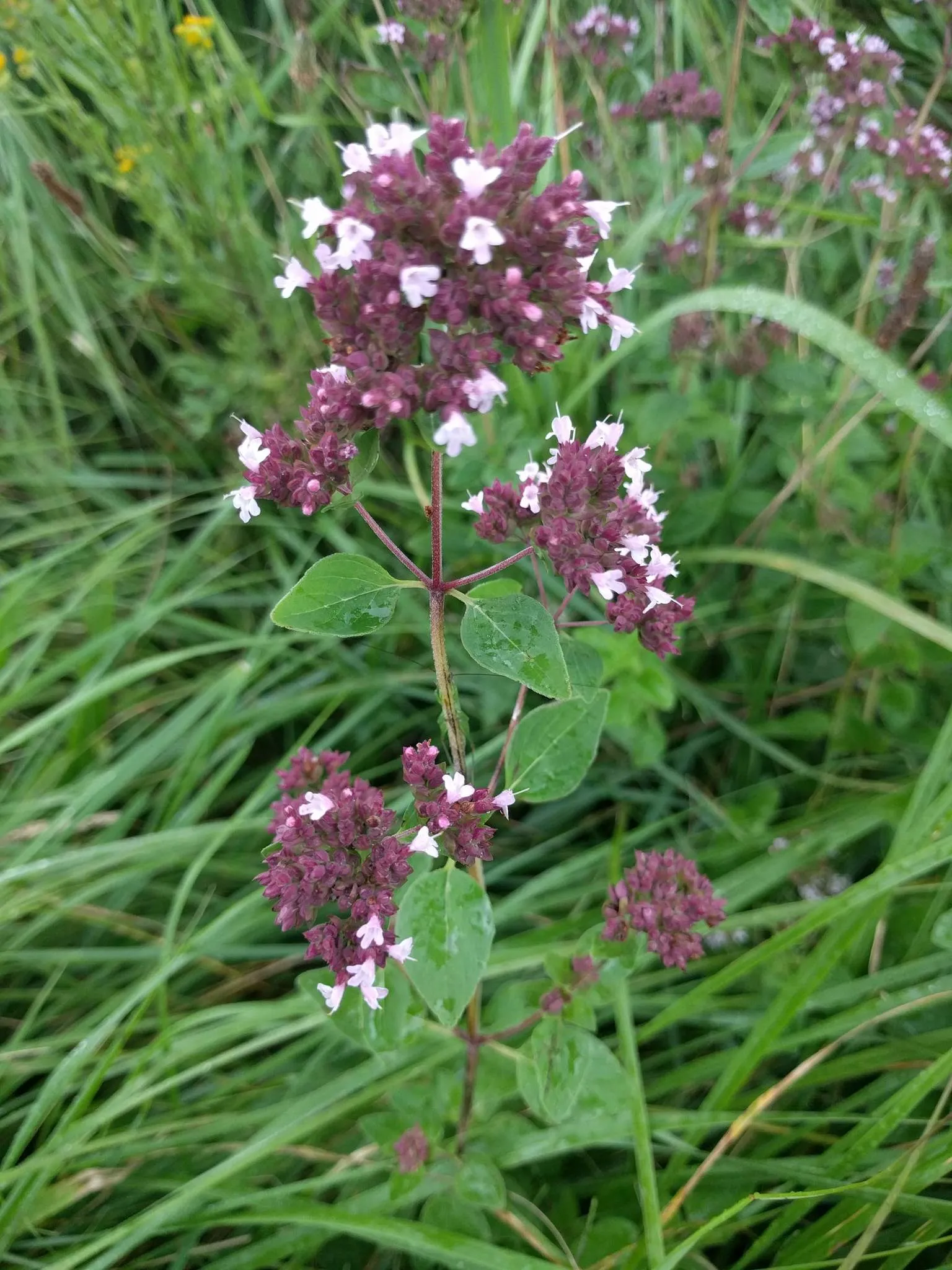 zone 8a
 Oregano
Origanum vulgare
zones 4a–9b
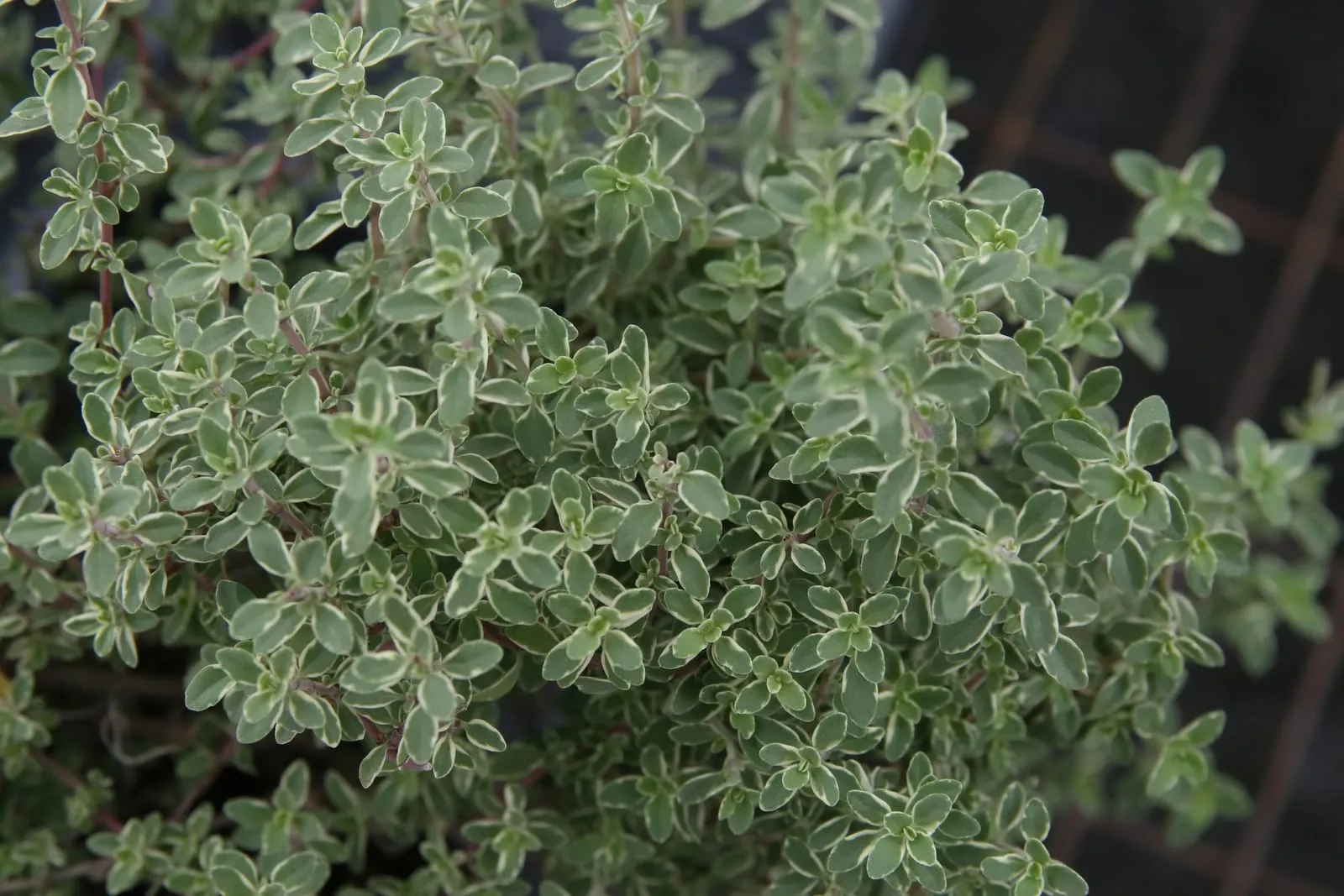 zone 8a
 Thyme
Thymus vulgaris
zones 4a–9a
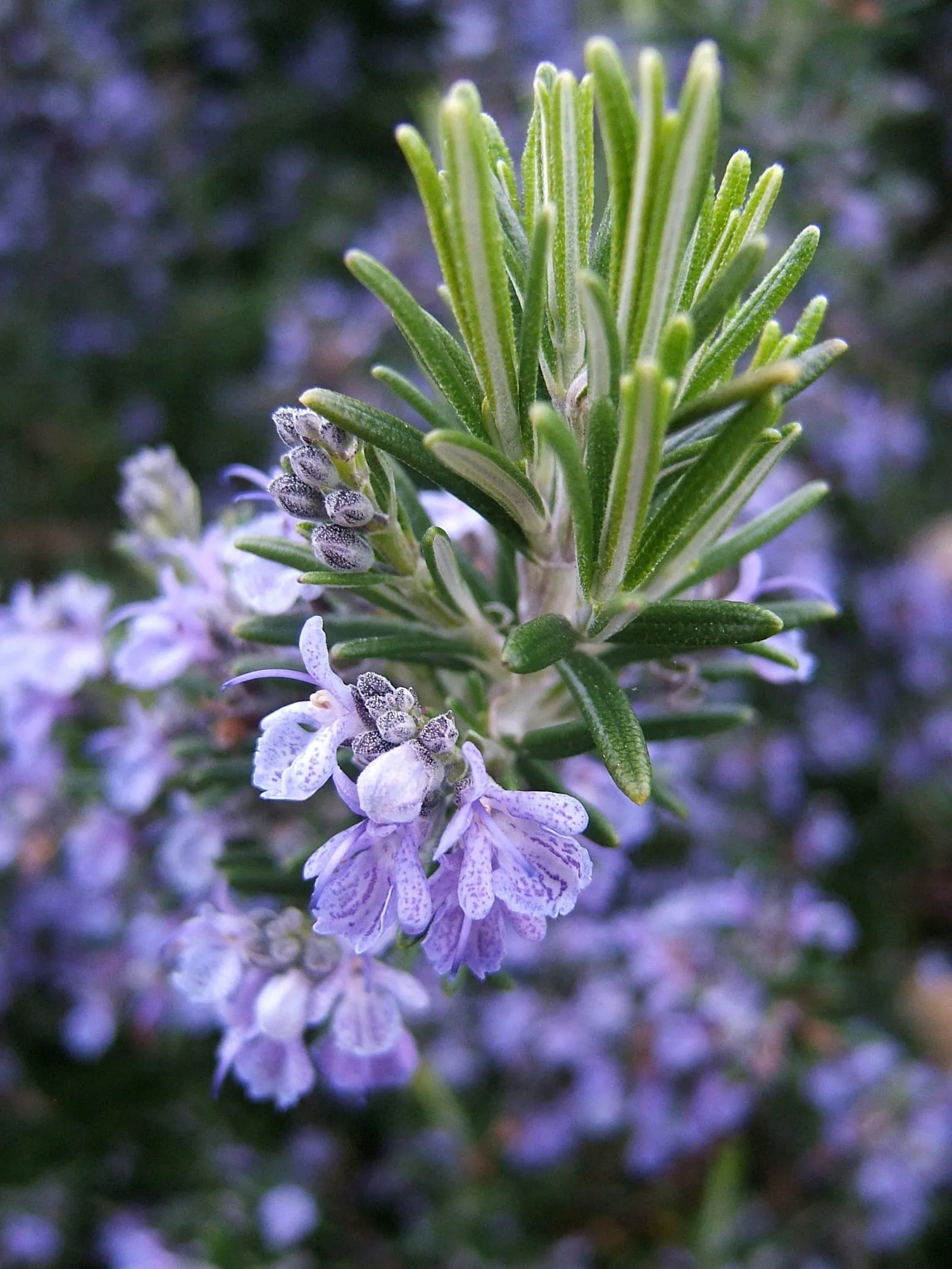 zone 8a
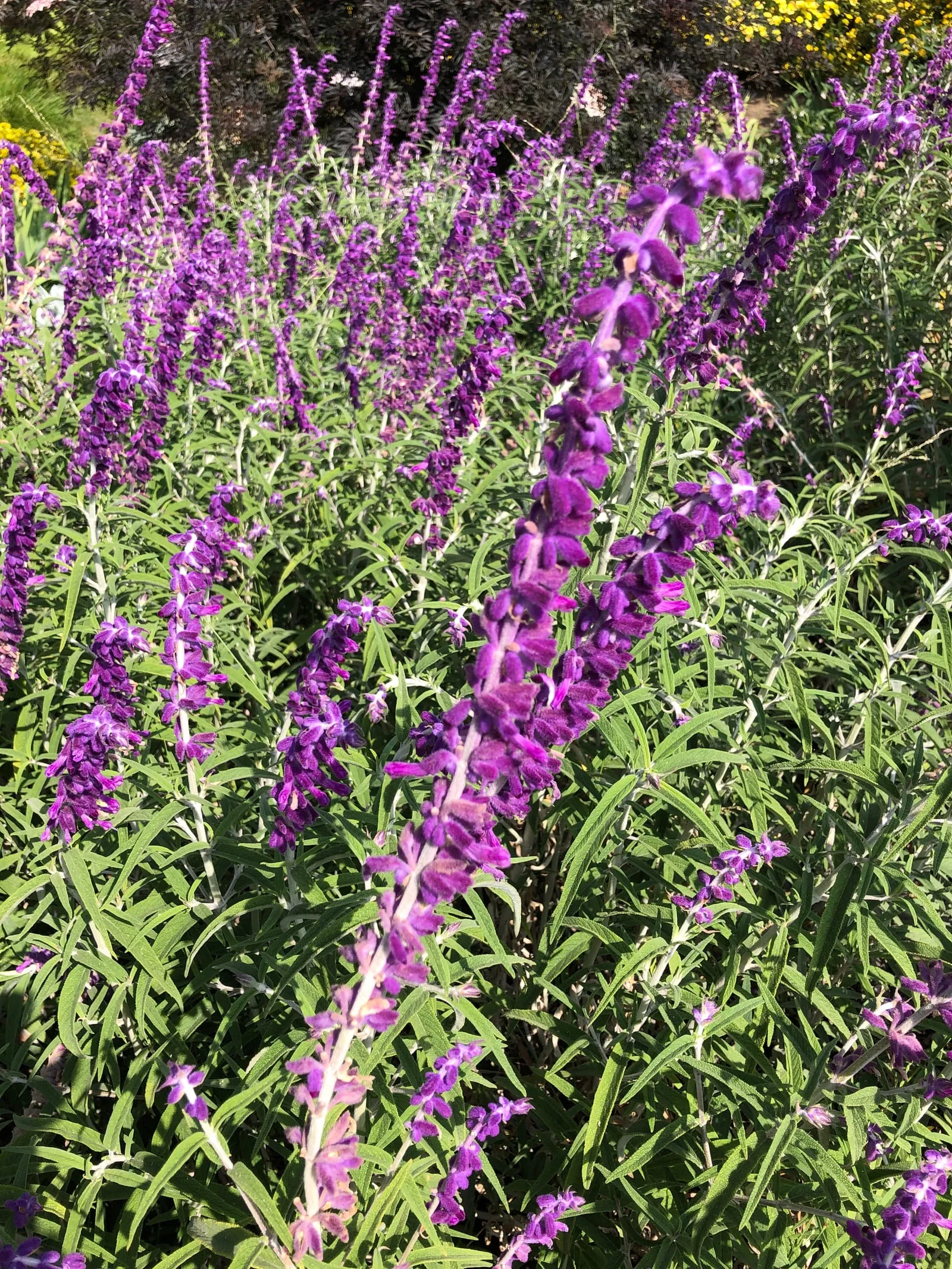
 Rosemary
Salvia rosmarinus
zones 7a–10b
 zone 8a
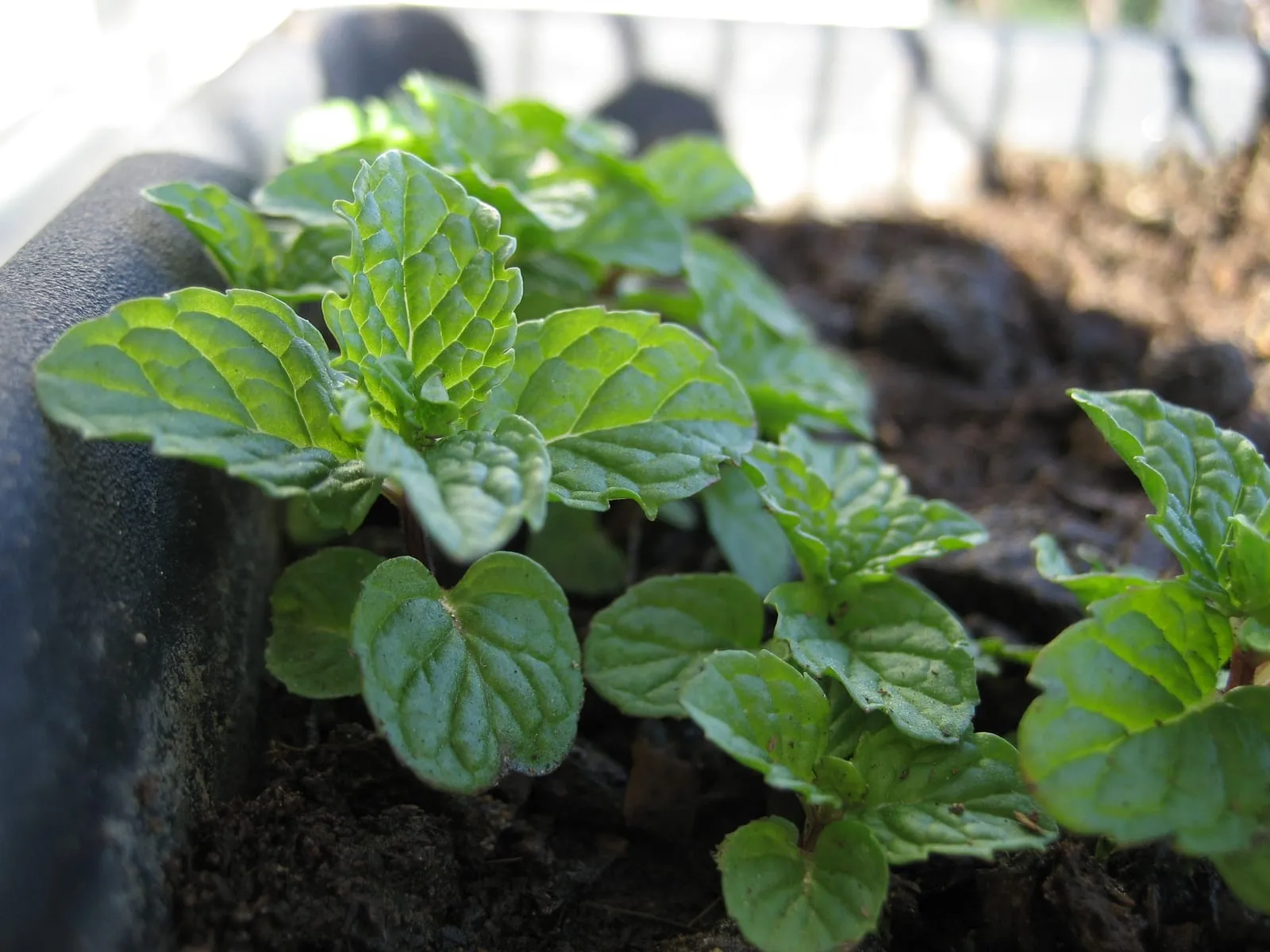
 Sage
Salvia officinalis
zones 4a–9a
 zone 8a
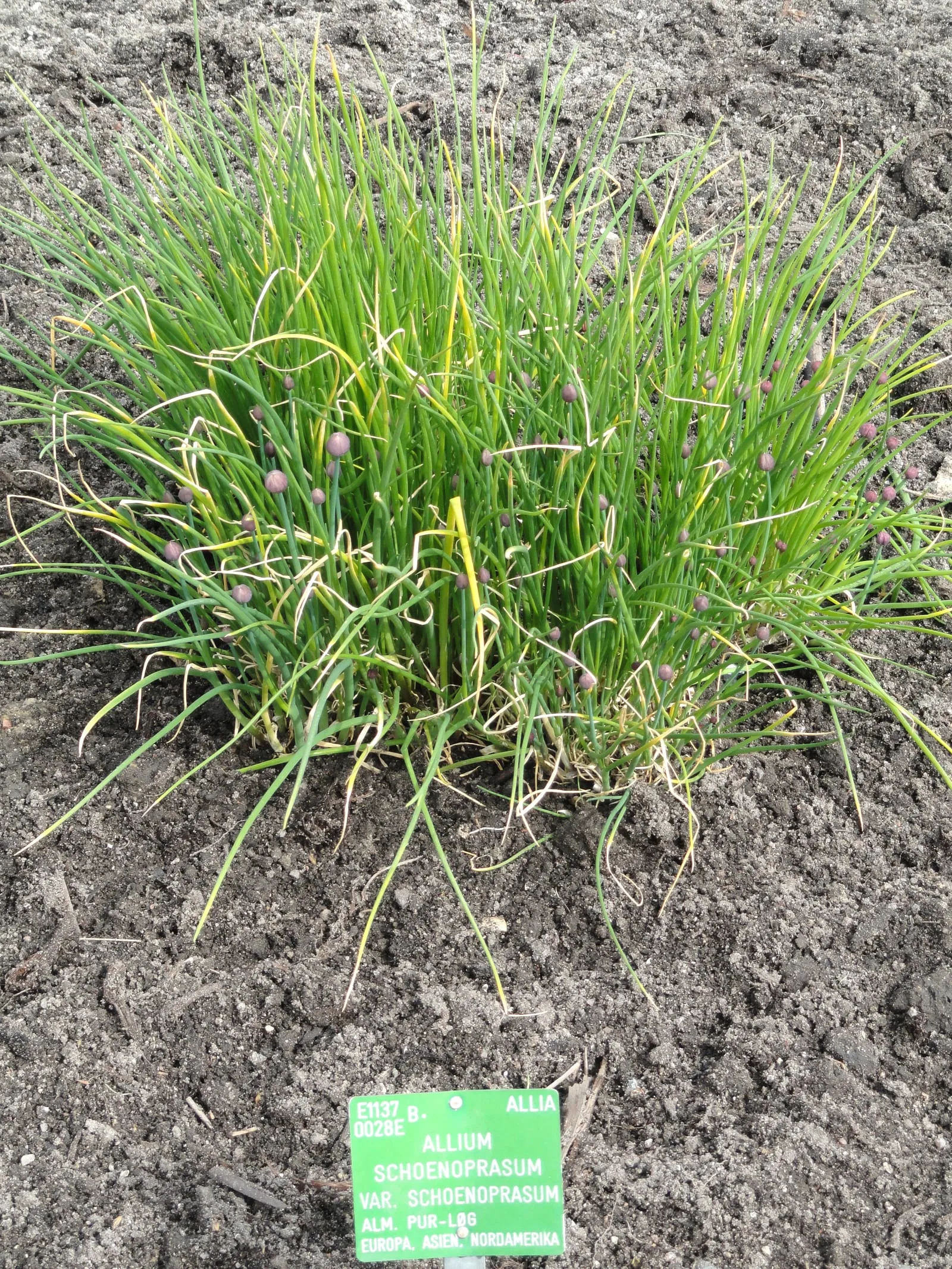
 Mint
Mentha species
zones 3b–9b
 zone 8a
 Chives
Allium schoenoprasum
zones 3a–8b
When to plant
Planting calendar for zone 8a
Year-view of seed starting, transplanting, planting, pruning, fertilizing, harvest, and pest-watch windows based on the average frost timing for zone 8a.
Week ? · loading
This week in zone 8a
Quiet week in zone 8a. this week is a good time to step back and plan ahead.
Nothing critical on the calendar this week.
401 bars · 80 crops
Calendar logic combines NOAA frost normals with crop-specific timing data. Local microclimate and weather always overrules the calendar; use this as a starting point.
Frequently asked questions
- Can I grow apples in zone 8a?
Yes, but variety selection is critical. Most popular apple varieties require 800 to 1,000 chill hours that zone 8a rarely accumulates. Low-chill selections specifically bred for warm climates are the practical choices for this zone. High-chill varieties will produce unreliably and eventually decline as cumulative stress compounds over warm winters.
- How many chill hours does zone 8a typically accumulate?
Most zone 8a locations accumulate between 400 and 700 chill hours per year, with cooler inland sites and higher elevations at the upper end. Coastal and urban sites often land below 500. Actual accumulation varies significantly from year to year, so variety selections should be conservative relative to the site's average, not its best year.
- Do figs need winter protection in zone 8a?
Generally not. With minimum temperatures between 10 and 15 degrees F, most established fig varieties survive zone 8a winters without wrapping or heavy mulching. Young plants in their first one or two winters benefit from root mulch as a precaution. Extended cold snaps below 10 degrees can cause dieback to the ground, but established figs typically resprout from the roots.
- Why do grapevines keep dying in zone 8a?
Pierce's disease is the most likely cause across much of zone 8a. Spread by sharpshooter leafhoppers, the disease is endemic through the South and kills standard vinifera grapes within two to four years. Muscadine grapes and a handful of resistant bunch grape varieties are the viable alternatives for most zone 8a sites.
- Is zone 8a warm enough for citrus?
Marginally. Satsuma mandarin and kumquat are the most cold-tolerant citrus types and can survive zone 8a winters in most years. Standard oranges and lemons are more likely to be damaged or killed by hard freezes in the 10 to 15 degree F range. Planting against a south-facing wall or using containers that can be moved indoors reduces risk considerably.
- What stone fruits perform best in zone 8a?
Peaches and Japanese plums lead the list. Both have low-chill selections bred specifically for the South that perform reliably within the 400 to 700 chill-hour range typical of zone 8a. Sweet cherries are marginal; most require chill hours the zone does not consistently deliver. European plums are similarly constrained and require careful variety vetting.
+−
+−
+−
+−
+−
+−
Related