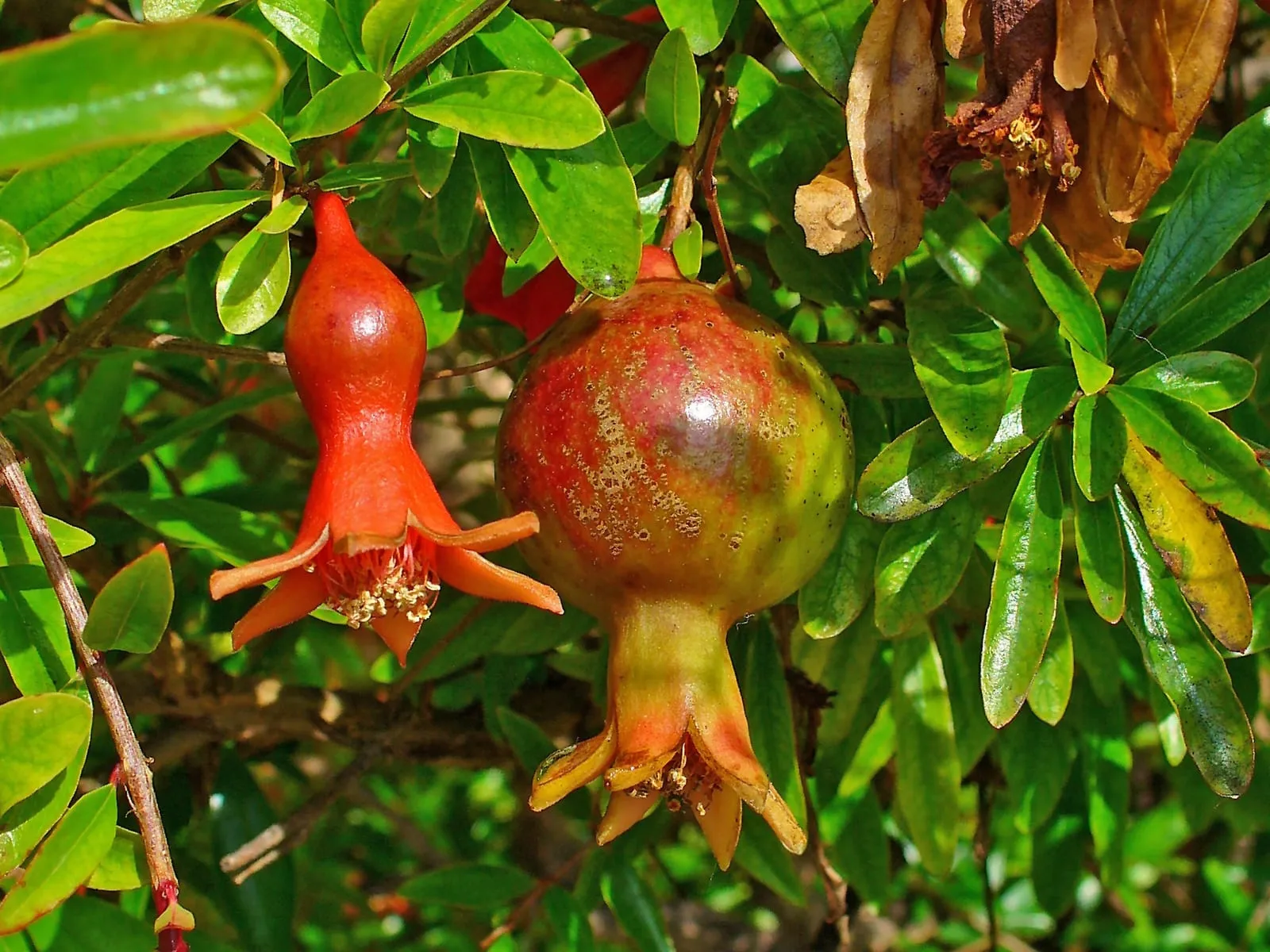
fruit tree
Pomegranate
Punica granatum
USDA hardiness range
- Zones
- 7b–10a
- Chill hours
- 100 to 200 below 45°F
- Days to harvest
- 150 to 215
- Sun
- Full
- Water
- Low
- Lifespan
- 50 to 200 years
Growing pomegranate
Pomegranate thrives in zones 7b through 10a, making it one of the more cold-tolerant options for growers in the warmest half of the USDA zone map. The low chill-hour requirement (100 to 200 hours) is a genuine advantage in climates where apples and cherries cannot set fruit reliably. In zones 9 and 10, pomegranate is nearly bulletproof as a landscape fruiting plant; in zone 7b, success depends heavily on variety selection and microclimate.
What separates productive plantings from failures at the cold edge of the range is almost always variety choice. The Russian heirlooms Salavatski and Kazake tolerate the harder freezes zone 7b can deliver; the widely sold Wonderful cultivar is better suited to zones 8a and above. Growers in 7b who plant Wonderful without protection should expect dieback in severe winters.
The low water requirement is one of pomegranate's most practical attributes. Established plants perform well in lean, dry conditions that would stress most other fruit crops. Consistent moisture during fruit development, from flowering through late summer, meaningfully improves aril size and juice content. Letting plants go bone-dry during this window reduces yield and fruit quality even on otherwise drought-tolerant plantings.
With a lifespan of 50 to 200 years, site selection carries more weight than with annual crops or short-lived shrubs. Getting the exposure, drainage, and cold-air drainage right at planting pays dividends for decades.
Recommended varieties
See all 4 →4 cultivars for home growers, with notes on flavor, ripening, and disease resistance.
| Variety | Notes | Zone fit | Disease resistance |
|---|---|---|---|
| Wonderful | Sweet-tart, bright red juicy arils with classic pomegranate flavor; the standard commercial cultivar. Fresh eating, juice, garnish, salads. | | none noted |
| Salavatski | Sweet-tart, large pink-red arils with a softer seed than Wonderful; fresh, juice. Cold-hardy Russian variety extends pomegranate to zone 7b. | | none noted |
| Kazake | Sweet, soft seeds, pink arils; pleasant fresh eating. Cold-hardy Russian heirloom; less commercial appeal but good for backyard growers in cooler zones. | | none noted |
| Parfianka | Sweet, complex wine-like flavor, soft edible seeds; fresh eating, juice. Considered one of the best-tasting pomegranates by enthusiasts. | | none noted |
Soil and site requirements
Pomegranate tolerates a wide range of soil conditions, including clay, loam, and sandy soils, but well-drained sites are non-negotiable. Standing water around roots, even briefly, invites root rot and undermines long-term vigor. If the intended site drains slowly, raised beds or berms are worth building before planting rather than after problems appear.
Soil pH tolerance is broad. Pomegranate performs acceptably from roughly 5.5 to 7.5, which means it rarely requires aggressive amendment in most US garden soils. Avoid sustained pH above 7.5 if possible; micronutrient availability (particularly iron and manganese) begins to decline above that threshold.
Full sun is a hard requirement. Less than six hours of direct sun daily reduces flowering, delays fruit maturity, and produces pale arils with lower sugar content. South-facing exposures are ideal throughout the range.
In zone 7b, microclimate management matters. Planting against a south-facing masonry wall captures radiated heat and provides several degrees of frost protection during late-winter cold snaps. Avoid low spots where cold air pools on clear nights; even a slight rise in elevation on the property can make a meaningful difference. Spacing of 12 to 15 feet between plants is standard for small orchards; closer spacing is workable but requires more aggressive pruning to maintain air circulation and light penetration through the canopy.
Common diseases
Common pests
Common challenges
Cold injury is the leading failure point for zone 7b growers. Pomegranate breaks dormancy early in spring, and a late hard frost after new growth has started can kill the season's fruiting wood. Cold-hardy variety selection and favorable microclimates reduce this risk but do not eliminate it. Established plants typically resprout from the root crown after a killing frost, so the plant usually survives, but the year's harvest is lost. Young plants in their first two winters are especially vulnerable and benefit from mulching the root zone heavily before temperatures drop below 15°F.
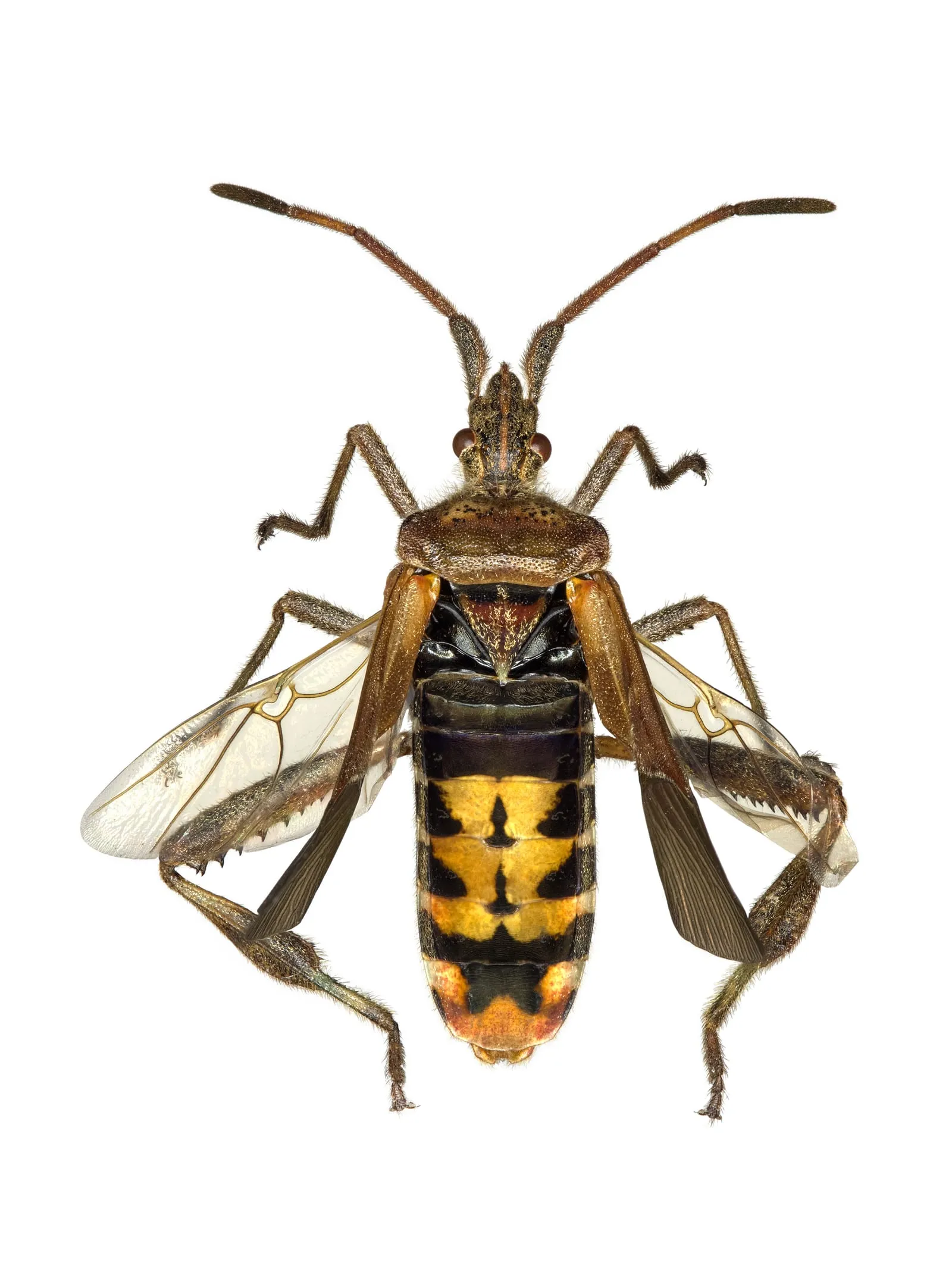
Leaf-footed bug (Leptoglossus spp.) is the most economically significant pest for backyard growers across most of the range. The insects feed on developing arils through the fruit rind, leaving them shriveled and discolored. Damage is often discovered at harvest rather than during the growing season, which makes it frustrating to manage reactively. Exclusion netting placed over fruit clusters in late summer, when populations concentrate on ripening fruit, is the most practical option for small plantings. Hand-picking in the morning hours, when the insects are slower, is labor-intensive but effective at low population levels.
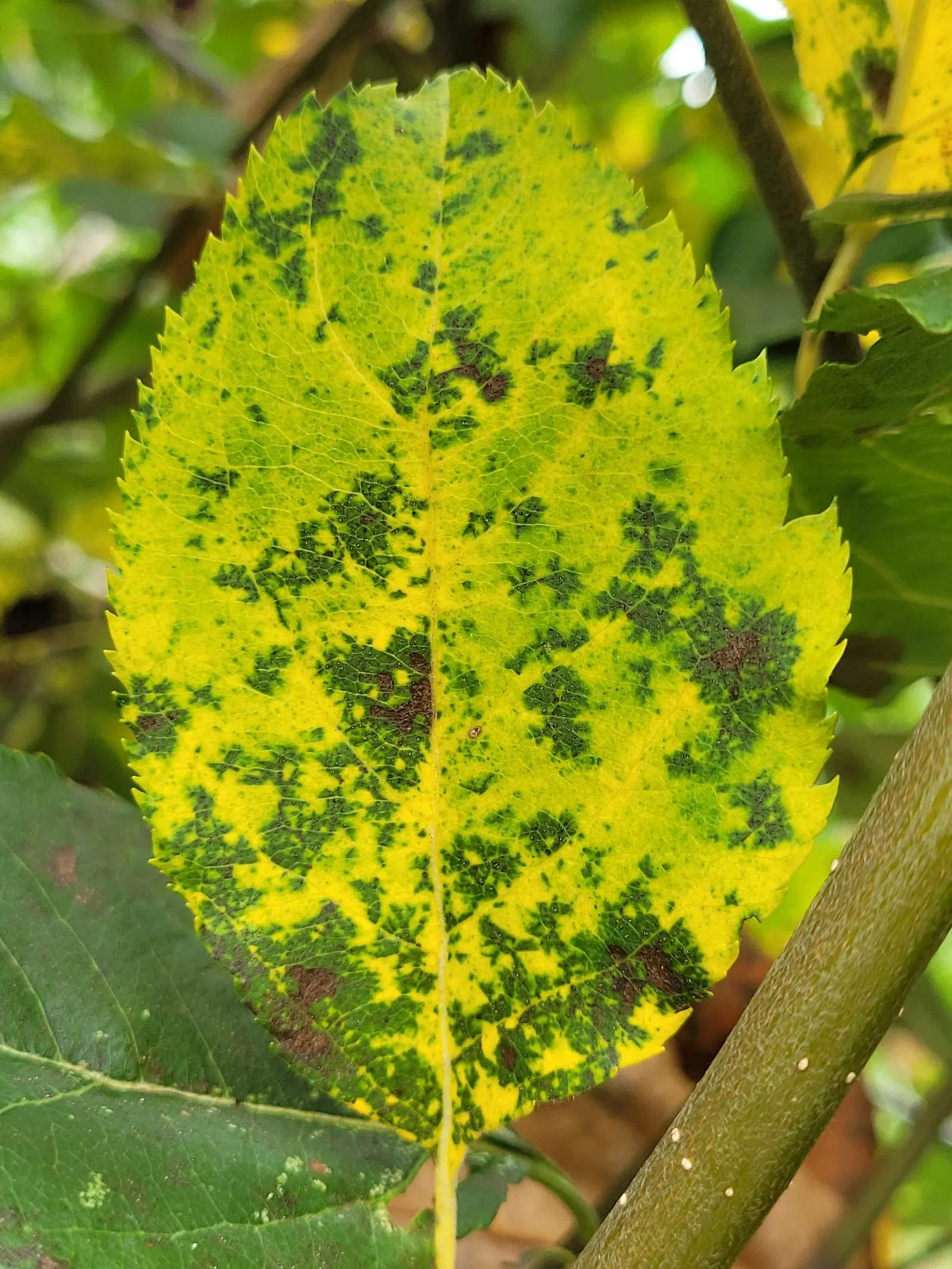
Pomegranate leaf blotch, caused by Colletotrichum fungi, produces dark spots on foliage and fruit surfaces. Severity varies considerably by year and region; warm, wet spring conditions favor infection. Good air circulation from proper spacing and pruning is the first line of management. Fungicide applications are rarely necessary in dry climates but may be warranted in the humid Southeast, particularly in years with a wet spring.
Companion plants
Frequently asked questions
- How many chill hours does pomegranate need?
Pomegranate requires between 100 and 200 chill hours (hours at or below 45°F during dormancy) to break and set fruit reliably. This low requirement makes it well suited to warm-winter climates in zones 9 and 10 where most other fruit trees cannot accumulate sufficient chill. In zones 8 and 7b, chill hours are rarely the limiting factor.
- How long does it take a pomegranate to produce fruit?
First fruit typically appears in year 2 or 3 after planting, but full productive output takes 5 or more years. Once flowering begins, days from bloom to harvest range from 150 to 215 days depending on variety and local conditions. In most of the US range, harvest falls between September and November.
- What USDA zones can grow pomegranate?
Pomegranate grows reliably in zones 8a through 10a. Cold-hardy Russian varieties such as Salavatski extend production into zone 7b, though favorable microclimates and winter root-zone protection are often needed there. Zone 6 and colder is generally not viable without significant infrastructure such as container growing with winter storage.
- Is pomegranate self-fertile?
Yes, pomegranate is self-fertile. A single plant can set fruit without a separate pollinator variety nearby. Cross-pollination between two plants can improve fruit set and overall yield, so planting two varieties is worth considering when space allows, but it is not required for a productive harvest.
- What is the most common disease problem in pomegranate?
Pomegranate leaf blotch, caused by Colletotrichum fungi, is the most widely encountered disease. It produces dark lesions on leaves and fruit surfaces and is most severe during warm, wet spring weather. Adequate plant spacing for air circulation is the primary preventive. Fungicide applications are generally reserved for humid-climate plantings with a history of significant infection.
- Which variety is best for zone 7b?
Salavatski and Kazake are the standard recommendations for zone 7b. Both are cold-hardy Russian heirlooms that tolerate harder freezes than Wonderful. Salavatski produces large pink-red arils with a softer seed; Kazake is sweet with soft seeds and pleasant for fresh eating. Wonderful, the dominant commercial cultivar, is better suited to zones 8a and warmer.
- How drought-tolerant is pomegranate once established?
Established pomegranate is among the more drought-tolerant fruiting plants available for temperate climates, performing well on minimal supplemental irrigation in most zones. Consistent moisture from flowering through late summer improves aril size and juice content, so some irrigation during dry spells benefits fruit quality even on otherwise low-input plantings.
+−
+−
+−
+−
+−
+−
+−
Sources
Image: "Punica granatum 004", by H. Zell, via Wikimedia Commons, licensed under CC-BY. Source.

Pomegranate by zone
Related