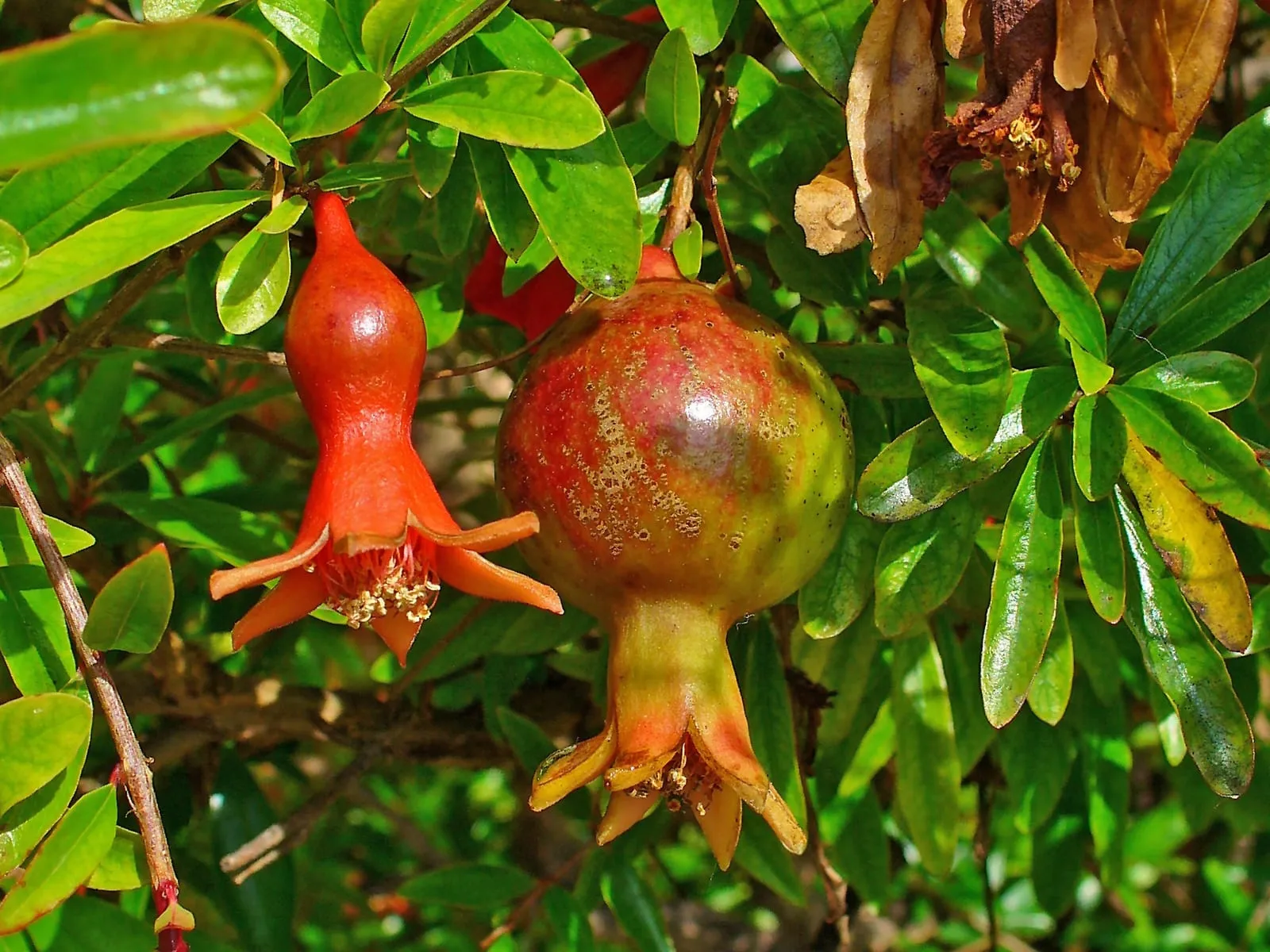
fruit tree in zone 9a
Growing pomegranate in zone 9a
Punica granatum
- Zone
- 9a 20°F to 25°F
- Growing season
- 290 days
- Chill needed
- 100 to 200 below 45°F
- Suitable varieties
- 3
- Days to harvest
- 150 to 215
The verdict
Zone 9a is a genuine sweet spot for pomegranate, not a marginal case. The crop requires 100 to 200 chill hours annually, and most zone 9a locations accumulate 200 to 400 hours in a typical winter, meaning the requirement is met with room to spare. Growers in the warmest pockets of the zone (coastal or urban heat island sites) should verify local chill hour accumulation before planting, as low-chill years can reduce fruit set.
The 290-day growing season is well-matched to pomegranate's long fruit development window. All three regionally proven varieties, Wonderful, Salavatski, and Parfianka, perform reliably here. Wonderful is the commercial benchmark; Salavatski and Parfianka tend to produce softer arils and are worth planting if fresh eating is the priority. None of the zone's listed challenges (insufficient chill for stone fruit, hurricane exposure, citrus disease pressure) directly constrains pomegranate performance.
Recommended varieties for zone 9a
3 cultivars suited to this zone, with disease-resistance and zone-fit annotations.
| Variety | Notes | Zone fit | Disease resistance |
|---|---|---|---|
| Wonderful fits zone 9a | Sweet-tart, bright red juicy arils with classic pomegranate flavor; the standard commercial cultivar. Fresh eating, juice, garnish, salads. | | none noted |
| Salavatski fits zone 9a | Sweet-tart, large pink-red arils with a softer seed than Wonderful; fresh, juice. Cold-hardy Russian variety extends pomegranate to zone 7b. | | none noted |
| Parfianka fits zone 9a | Sweet, complex wine-like flavor, soft edible seeds; fresh eating, juice. Considered one of the best-tasting pomegranates by enthusiasts. | | none noted |
Critical timing for zone 9a
Pomegranate bloom in zone 9a typically runs from late April through early June, with individual flowers opening over several weeks. Zone 9a last-frost dates generally fall between late January and mid-February, placing bloom well outside the frost window. Late radiative frost events in February are the only realistic risk, and by bloom time that risk is essentially zero.
Fruit development takes 5 to 7 months from pollination. Depending on variety and exact location, harvest runs from late September through November. The 290-day season provides ample margin for full ripening before the first fall frost, which in zone 9a typically arrives no earlier than late November or December, if at all.
Common challenges in zone 9a
- ▸ Limited stone fruit options due to insufficient chill
- ▸ Hurricane and tropical storm exposure
- ▸ Citrus disease pressure
Disease pressure to watch for
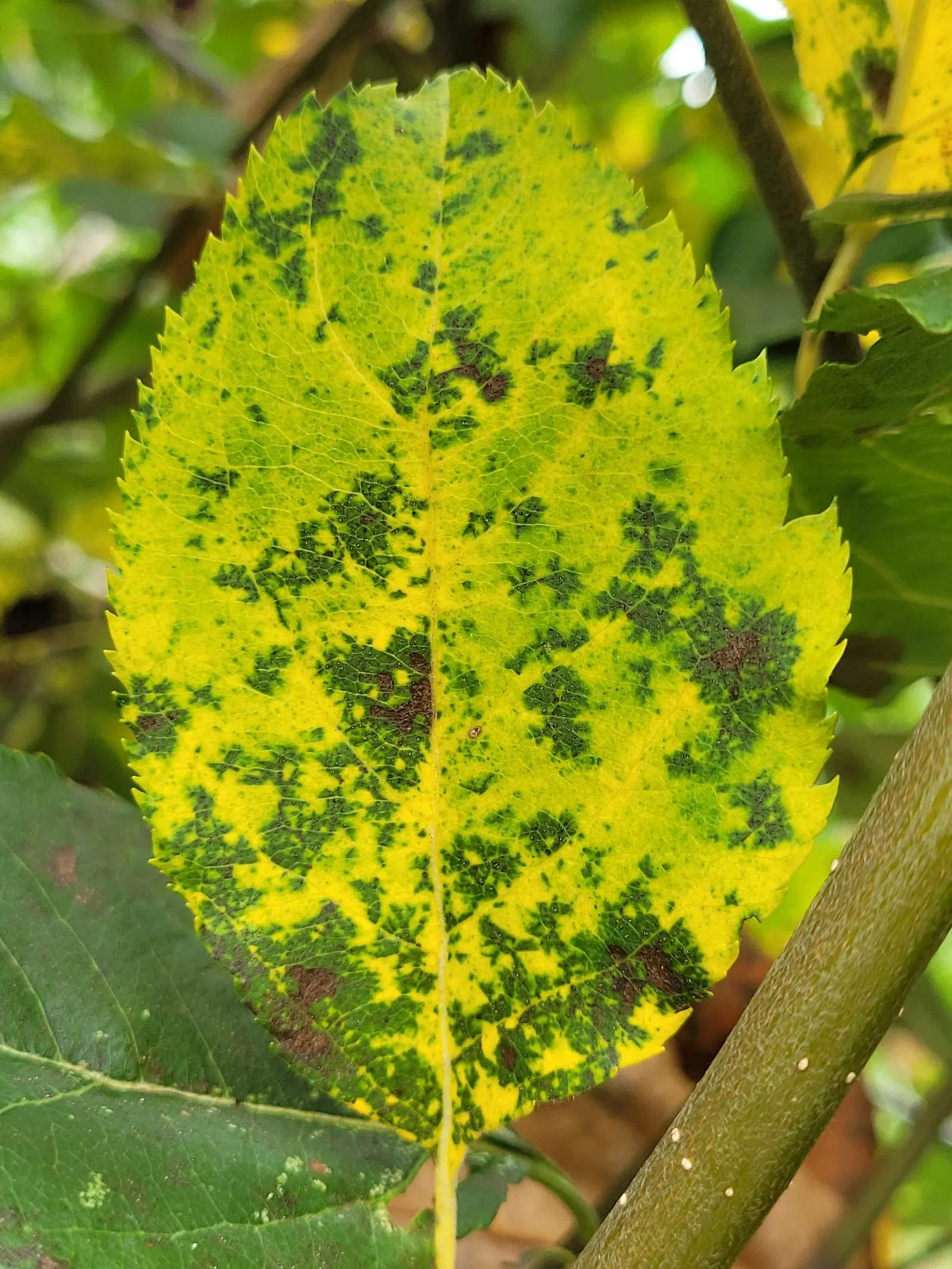
Modified care for zone 9a
Winter protection is not a practical concern in zone 9a. Pomegranate tolerates temperatures down to roughly 10 to 15°F once established, and the zone's minimum range of 20 to 25°F stays comfortably above that threshold.
The adjustments that matter here involve wind and humidity. In coastal or Gulf-adjacent portions of zone 9a with hurricane and tropical storm exposure, trees should be pruned to an open vase or multi-trunk form to reduce wind loading, and newly planted trees should be staked for the first two years. Pomegranate Leaf Blotch, caused by Pseudocercospora punicae, can intensify in the humid summers common to this zone. Pruning for good canopy airflow and avoiding overhead irrigation are the primary management levers; fungicide applications are rarely necessary for backyard plantings if air circulation is adequate.
Frequently asked questions
- Does pomegranate get enough chill hours in zone 9a?
In most zone 9a locations, yes. Pomegranate needs 100 to 200 chill hours, and zone 9a typically accumulates 200 to 400 hours. Growers in unusually warm microclimates, such as dense urban areas or south-facing coastal sites, should check local chill hour records before planting.
- Which pomegranate variety performs best in zone 9a?
Wonderful is the most widely tested and reliably productive variety across zone 9a. Parfianka and Salavatski are strong alternatives if soft-seeded, fresh-eating fruit is the goal. All three are well-suited to the zone's heat and growing season length.
- When should pomegranate be harvested in zone 9a?
Harvest typically runs from late September through November, depending on variety. Fruit is ready when the skin shifts from bright red to a deeper, slightly matte color and produces a metallic sound when tapped. Leaving fruit on the tree too long after peak ripeness increases splitting risk.
- Does hurricane risk threaten pomegranate trees in zone 9a?
Strong winds can cause branch breakage and fruit drop in mature trees and can uproot newly planted ones. Pruning to an open canopy form, staking young trees, and harvesting fruit before peak hurricane season (August through October) reduces the risk considerably.
+−
+−
+−
+−
Pomegranate in adjacent zones
Image: "Punica granatum 004", by H. Zell, via Wikimedia Commons, licensed under CC-BY Source.

Related