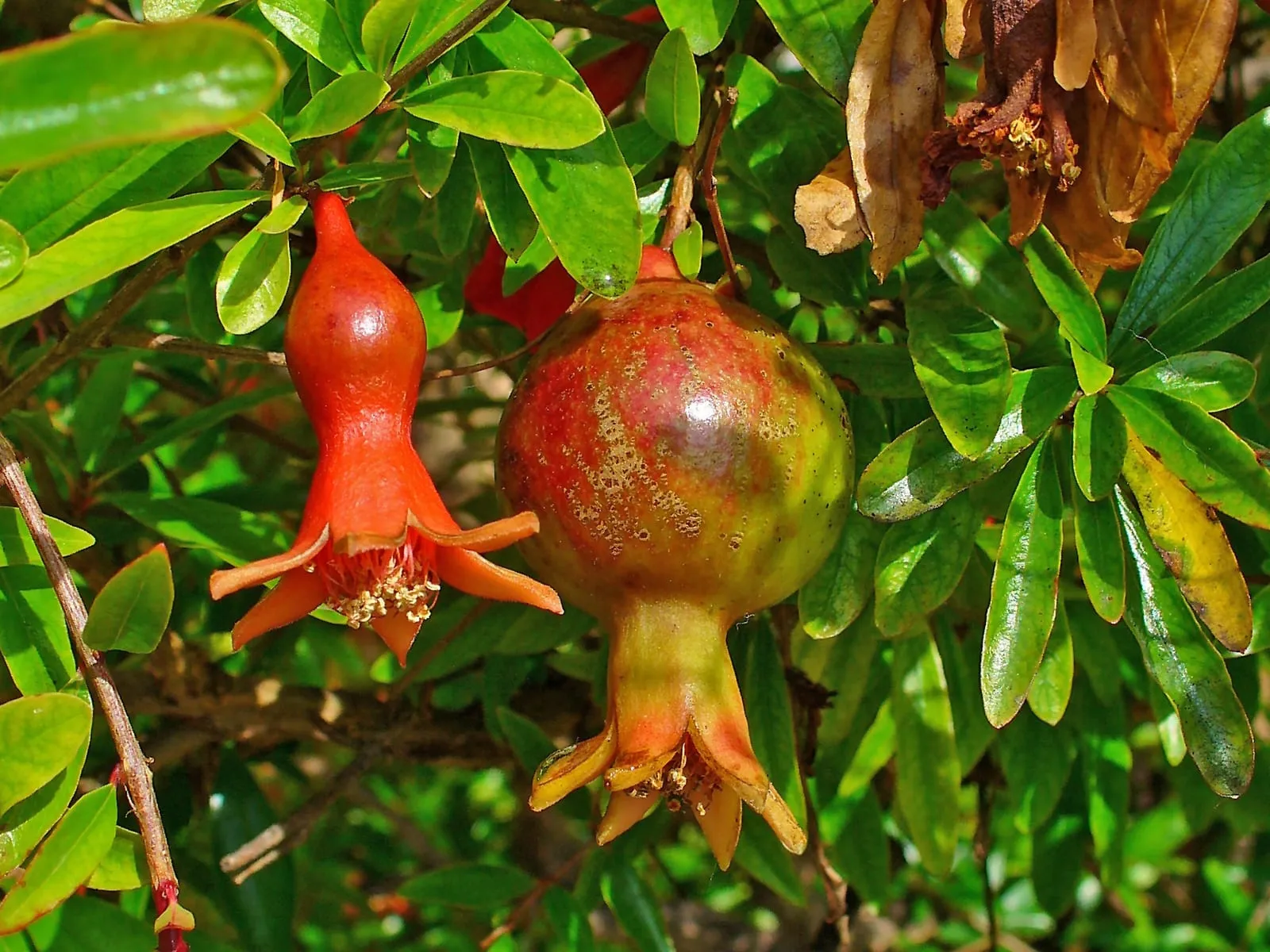
fruit tree in zone 8b
Growing pomegranate in zone 8b
Punica granatum
- Zone
- 8b 15°F to 20°F
- Growing season
- 260 days
- Chill needed
- 100 to 200 below 45°F
- Suitable varieties
- 4
- Days to harvest
- 150 to 215
The verdict
Zone 8b is a genuine sweet spot for pomegranate, not a marginal case. The crop requires 100 to 200 chill hours to break dormancy and set fruit reliably, and zone 8b winters consistently deliver that range without the excess that can delay spring growth in colder zones. The 260-day growing season accommodates pomegranate's long fruit development window, which typically runs 5 to 7 months from bloom to harvest, without the race-against-frost pressure that growers in zone 7 face.
Variety selection is wide open here. Wonderful, the standard commercial variety, performs well. Salavatski and Parfianka, both softer-seeded options prized for fresh eating, ripen fully in zone 8b's long season. Kazake, often recommended for zones with lower chill hour accumulation, is also suitable but offers no particular advantage over the others in this zone.
Nematodes in sandy soils are a real concern and worth factoring into site selection before planting, not after.
Recommended varieties for zone 8b
4 cultivars suited to this zone, with disease-resistance and zone-fit annotations.
| Variety | Notes | Zone fit | Disease resistance |
|---|---|---|---|
| Wonderful fits zone 8b | Sweet-tart, bright red juicy arils with classic pomegranate flavor; the standard commercial cultivar. Fresh eating, juice, garnish, salads. | | none noted |
| Salavatski fits zone 8b | Sweet-tart, large pink-red arils with a softer seed than Wonderful; fresh, juice. Cold-hardy Russian variety extends pomegranate to zone 7b. | | none noted |
| Kazake fits zone 8b | Sweet, soft seeds, pink arils; pleasant fresh eating. Cold-hardy Russian heirloom; less commercial appeal but good for backyard growers in cooler zones. | | none noted |
| Parfianka fits zone 8b | Sweet, complex wine-like flavor, soft edible seeds; fresh eating, juice. Considered one of the best-tasting pomegranates by enthusiasts. | | none noted |
Critical timing for zone 8b
Pomegranate blooms in zone 8b from mid-May through early July, with the first flush of flowers appearing around mid-May as soil temperatures stabilize. Zone 8b's average last frost falls between late February and mid-March, giving the plant 6 to 8 weeks to push new growth before bloom begins. The frost-to-bloom margin is comfortable; late frost events that threaten open flowers are uncommon but not impossible in early-maturing seasons.
Harvest runs from late September through November depending on variety. Wonderful and Salavatski typically reach full maturity in October. Parfianka tends to ripen slightly earlier. Fruits left on the tree past peak ripeness in warm autumns can split, particularly after rain following dry periods, so monitoring through October is worthwhile.
Common challenges in zone 8b
- ▸ Low chill hours limit apple variety selection
- ▸ Citrus greening risk
- ▸ Nematodes in sandy soils
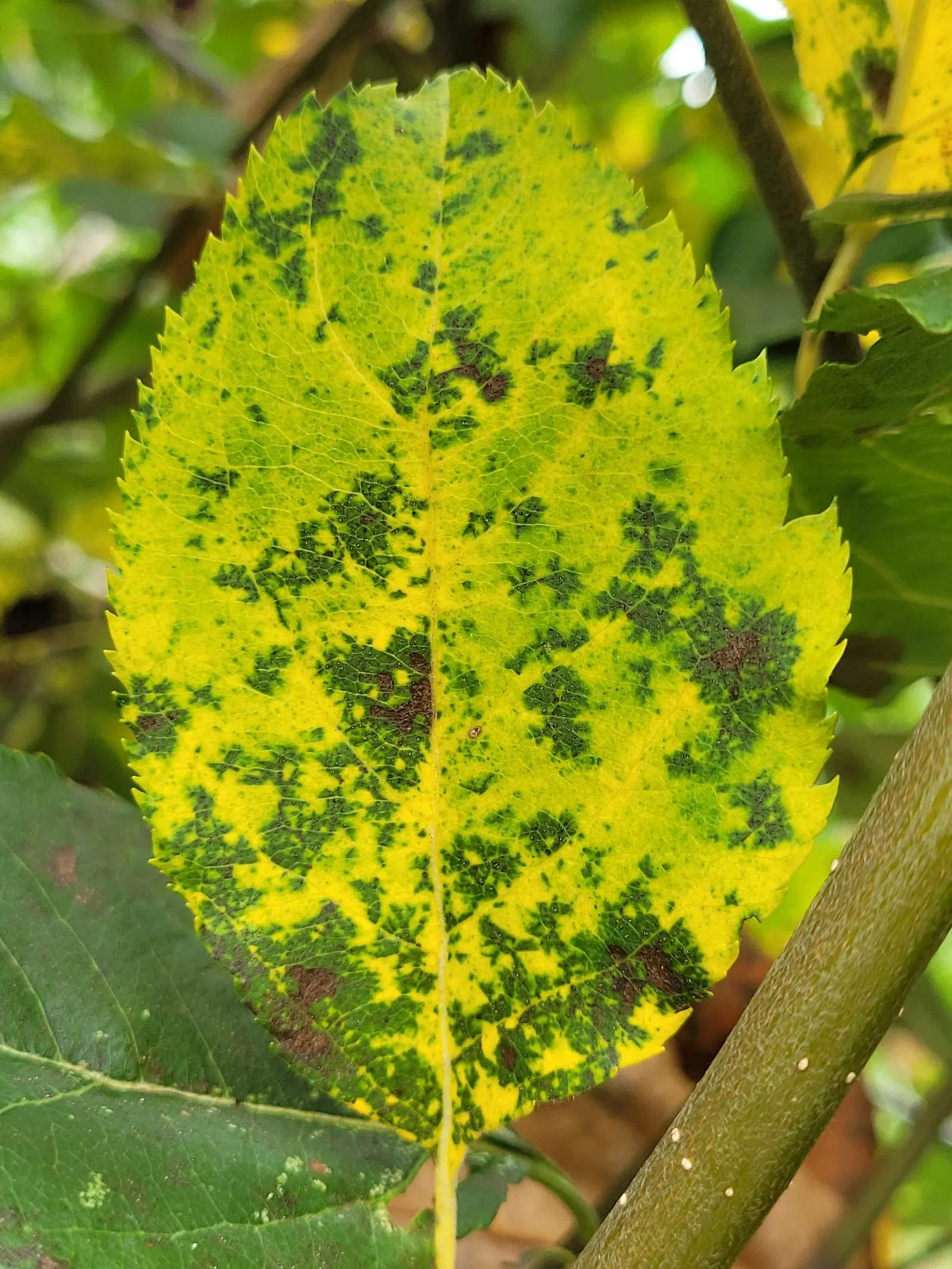
Disease pressure to watch for
Modified care for zone 8b
Pomegranate grown in zone 8b requires less modification than it does in colder zones, but a few adjustments apply. Nematodes in sandy soils can cause significant root damage; growers on light, sandy ground should incorporate organic matter at planting and consider cover crops in surrounding beds to suppress nematode populations over time. Bare sandy soil around the root zone is the highest-risk scenario.
Summer heat in zone 8b can stress young trees during establishment. Mulching 3 to 4 inches deep around the root zone reduces soil temperature fluctuation and retains moisture through dry stretches. Established trees are drought-tolerant but produce better fruit with consistent irrigation through fruit development.
Pomegranate Leaf Blotch, a fungal disease, is the primary foliar concern in humid parts of zone 8b. Good air circulation through open-center pruning reduces infection pressure more reliably than reactive sprays.
Frequently asked questions
- Is zone 8b warm enough to grow pomegranate without winter protection?
Yes. Pomegranate tolerates temperatures down to roughly 10 to 15°F once established, and zone 8b minimum temperatures of 15 to 20°F fall within that range. Young trees in their first winter benefit from a layer of mulch over the root zone, but established trees rarely need additional protection in zone 8b.
- Which pomegranate variety performs best in zone 8b?
Wonderful is the most widely tested and produces reliably in zone 8b. Parfianka and Salavatski are strong alternatives for growers who prefer softer seeds and more nuanced flavor. All three ripen fully within the zone's growing season. Kazake works but offers no particular advantage here over the others.
- How long does it take a pomegranate tree to bear fruit in zone 8b?
Most grafted trees produce their first meaningful crop 2 to 3 years after planting. Seedling-grown trees take longer, often 5 to 7 years, and fruit quality is unpredictable. Grafted named varieties are strongly preferred for anyone who wants reliable production on a reasonable timeline.
- What causes pomegranate fruit to split in zone 8b?
Splitting is most often caused by irregular watering during fruit development, specifically dry periods followed by rain or heavy irrigation near harvest. Keeping soil moisture consistent through late summer reduces the incidence. Fruit left on the tree past peak ripeness is also more prone to splitting.
+−
+−
+−
+−
Pomegranate in adjacent zones
Image: "Punica granatum 004", by H. Zell, via Wikimedia Commons, licensed under CC-BY Source.

Related