USDA hardiness zone
Zone 8b
Warm zone supporting subtropical and low-chill temperate fruits.
On the zone ramp
- Lowest winter temp
- 15°F to 20°F USDA boundary
- Growing season
- 260 days
- Avg chill hours
- ~600 below 45°F
- Hardiness rank
- 16 of 26 temperate
- Compatible crops
- 68
- Sample region
- Northern Florida
Growing in zone 8b
Zone 8b covers Northern Florida, coastal Texas, and Southern Arizona, where winters are short and mild and the growing season stretches to around 260 days. The dominant constraint is not cold, but the absence of it. Fruit trees require a sustained period of cool temperatures to break dormancy reliably, and zone 8b typically delivers only 300-500 chill hours per season, depending on location and year. That rules out most standard apple, cherry, and pear selections and pushes growers toward cultivars bred specifically for low-chill climates.
Conditions within this zone vary considerably. Northern Florida is humid with sandy, nematode-prone soils and increasing citrus greening pressure. Coastal Texas shares similar humidity but with different pest profiles and periodic temperature extremes. Southern Arizona is drier, with wide day-to-night temperature swings in winter that can partially boost chill hour accumulation relative to the zone average.
What grows without much management: figs and pomegranates set fruit reliably without chill hour concerns. Persimmons, both American and Asian varieties, are consistently productive. Low-chill peach and Japanese plum selections bred for southern climates perform well when matched to local chill hour averages. Annual vegetables benefit from a zone that supports two full growing seasons in most locations.
Frost timing in zone 8b
The last spring frost in zone 8b falls between late January and mid-February in most locations. Coastal areas in Florida and Texas often see no hard frost at all in mild winters. Southern Arizona locations within this zone may run slightly later due to elevation. The first fall frost typically arrives in late November to early December, giving a frost-free window of roughly 260 days.
For fruit growers, the spring frost date is largely a background variable. Varieties adapted to this zone bloom late enough that frost rarely catches them, and the mild winters mean fewer dramatic freeze events overall. The real planning constraint is chill hours, not frost timing. Apple varieties requiring 800 or more hours of winter cold will not set fruit reliably here regardless of when frosts arrive. Selection should focus on cultivars rated for 200-400 hours. Late-blooming varieties that hedge against late frosts in colder zones are largely irrelevant in zone 8b; chill-hour tolerance drives the variety decision almost entirely.
Common challenges
- ▸ Low chill hours limit apple variety selection
- ▸ Citrus greening risk
- ▸ Nematodes in sandy soils
Best practices
Track chill hours, not frost dates. Most planting decisions hinge on winter chill hour accumulation rather than frost timing. County extension offices in Florida, Texas, and Arizona publish seasonal chill hour summaries, and tools like the UC Davis Chill Portal provide modeled accumulation data by location. Standard chill hours count temperatures between 32°F and 45°F; the Dynamic Model also accounts for how warm spells can partially erase accumulated chill. Knowing the local average before selecting varieties prevents years of disappointing harvests.
Choose rootstocks with nematode resistance. Sandy soils in Northern Florida and parts of coastal Texas support high populations of root-knot nematodes that steadily degrade susceptible trees. For peaches and plums, Nemaguard and Flordaguard rootstocks offer meaningfully better tolerance than standard Lovell or Halford. No rootstock is fully immune, but the difference in tree longevity is significant in heavily infested soils.
Thin fruit aggressively in late spring. The long, hot growing season accelerates fruit development, and heavy crop loads under sustained heat push fruit to color before sugars develop fully. Thinning peaches and plums to one fruit per six to eight inches of shoot length by late spring improves both fruit size and eating quality.
What to grow in zone 8b
68 crops from our database fit zone 8b, grouped by type. Click through for zone-specific variety recommendations.
Tree fruit
11 crops
 zone 8b
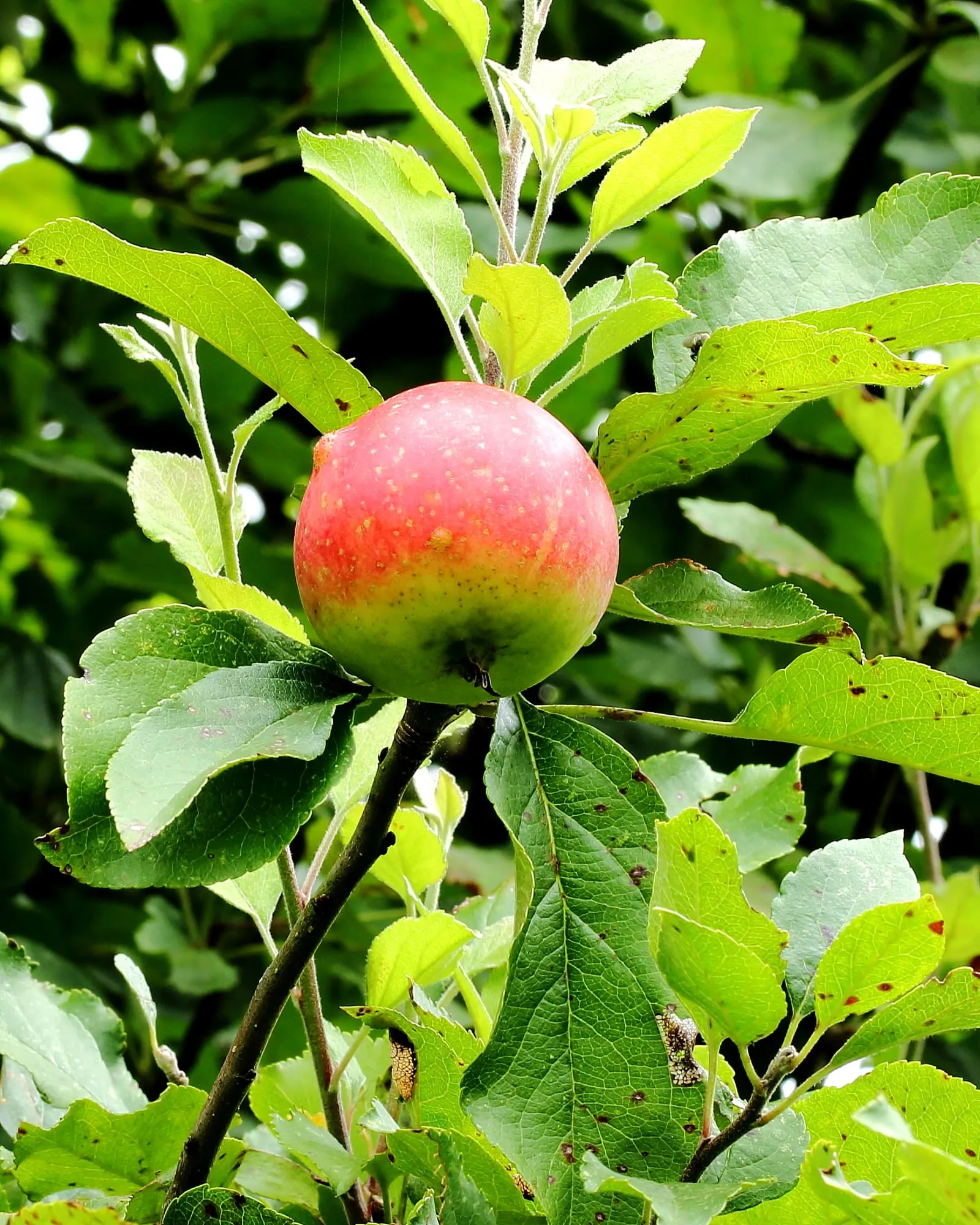
 Apple
Malus domestica
zones 3a–9a
 zone 8b
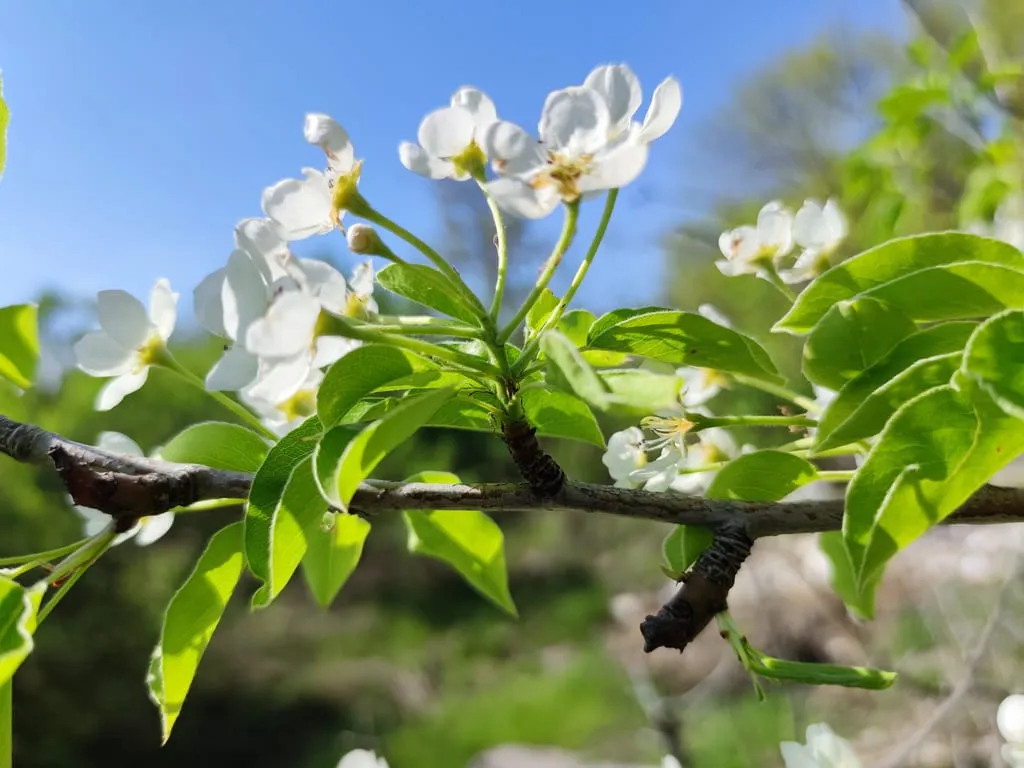
 Pear
Pyrus communis
zones 4a–8b
 zone 8b
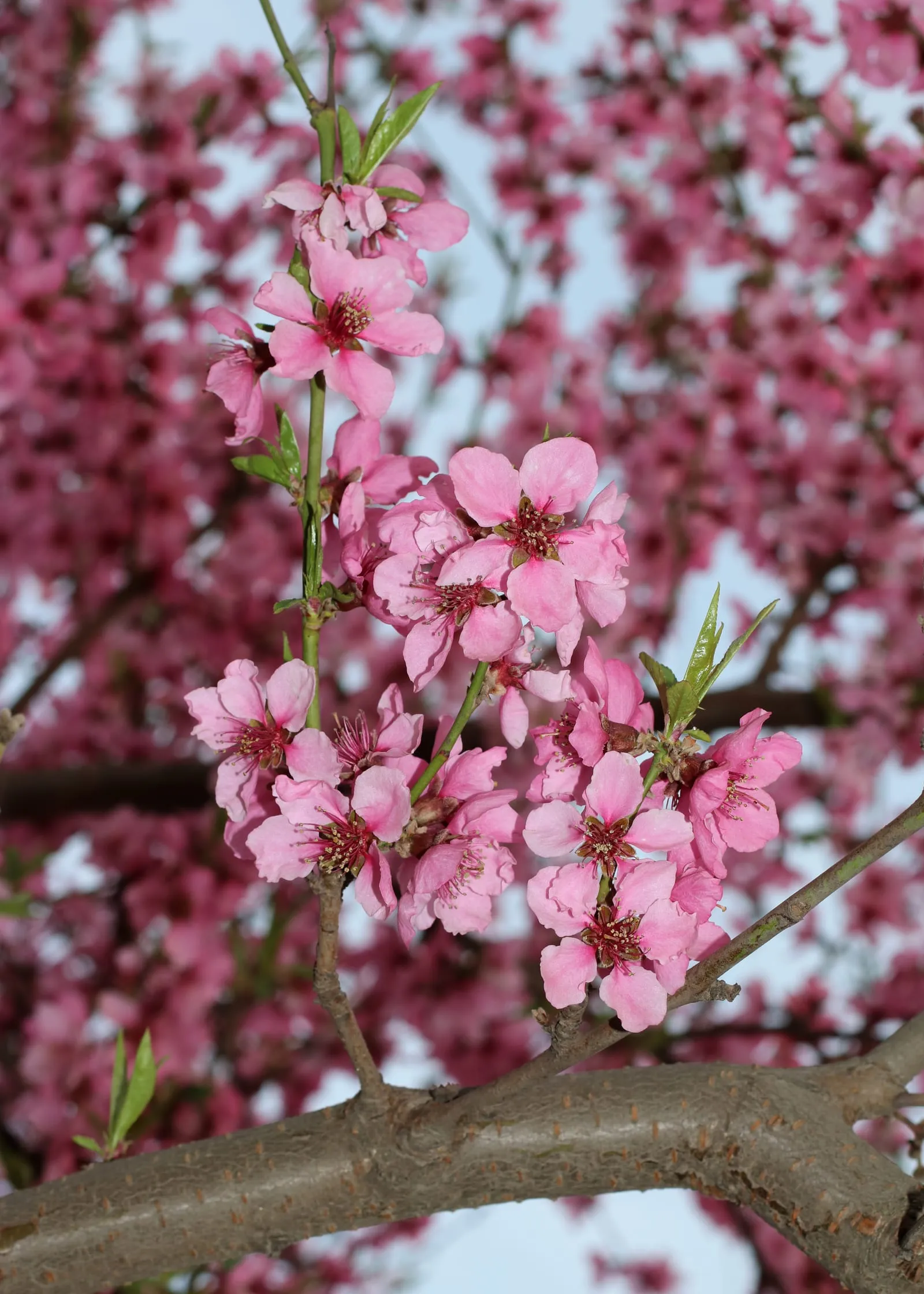
 Peach
Prunus persica
zones 5a–9a
 zone 8b
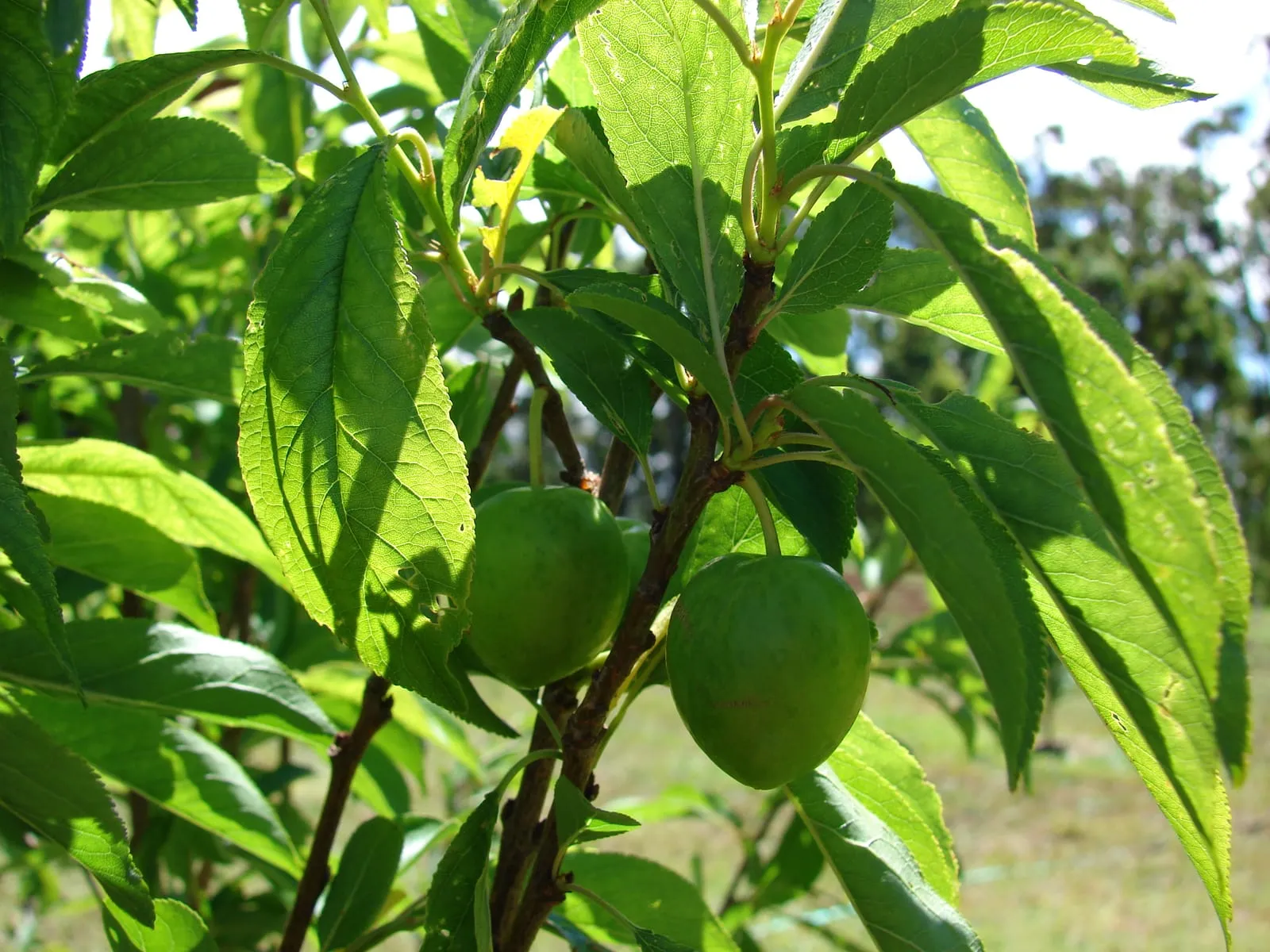
 Japanese Plum
Prunus salicina
zones 5b–9a
 zone 8b
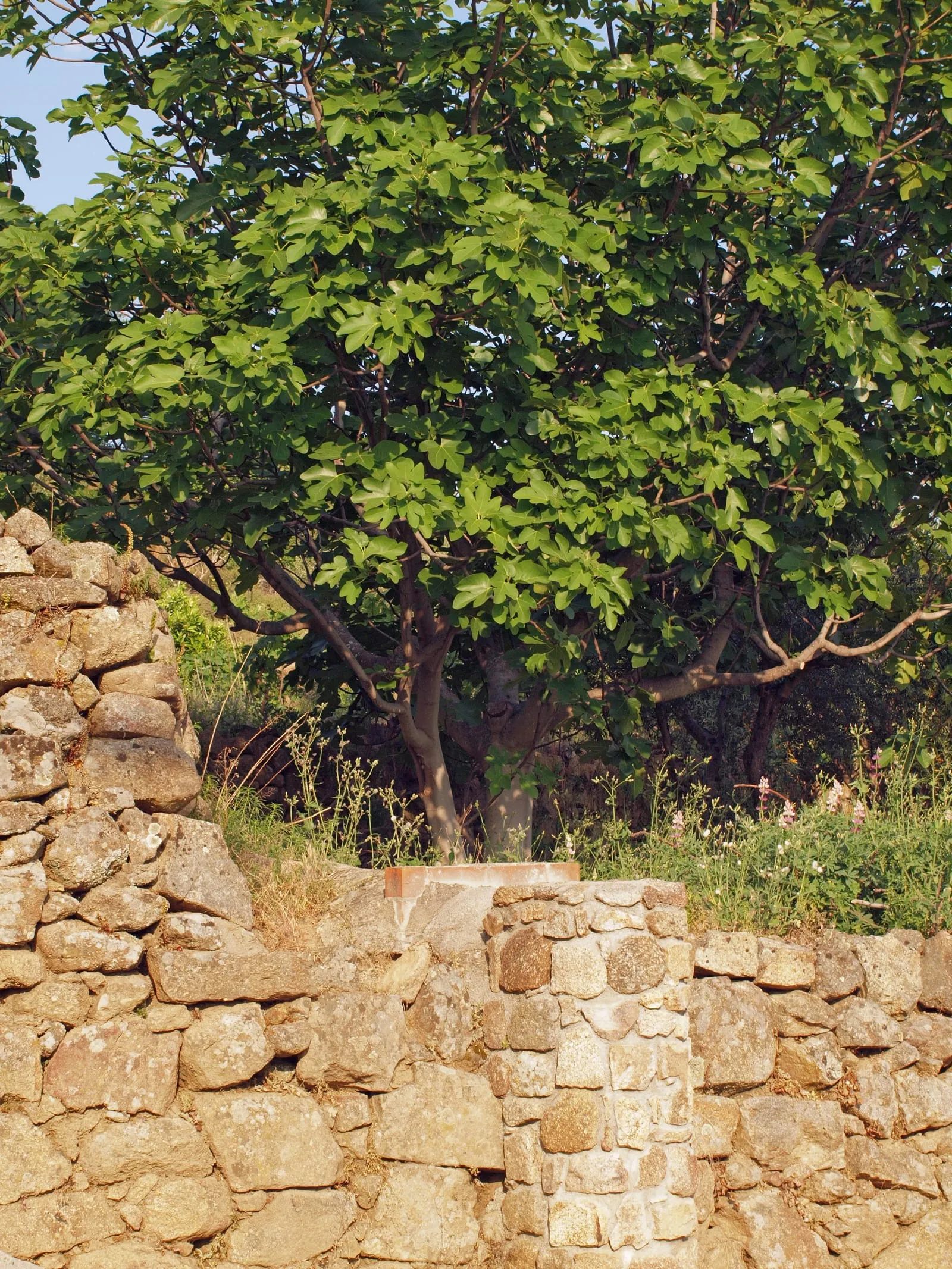
 Fig
Ficus carica
zones 7a–10b
 zone 8b
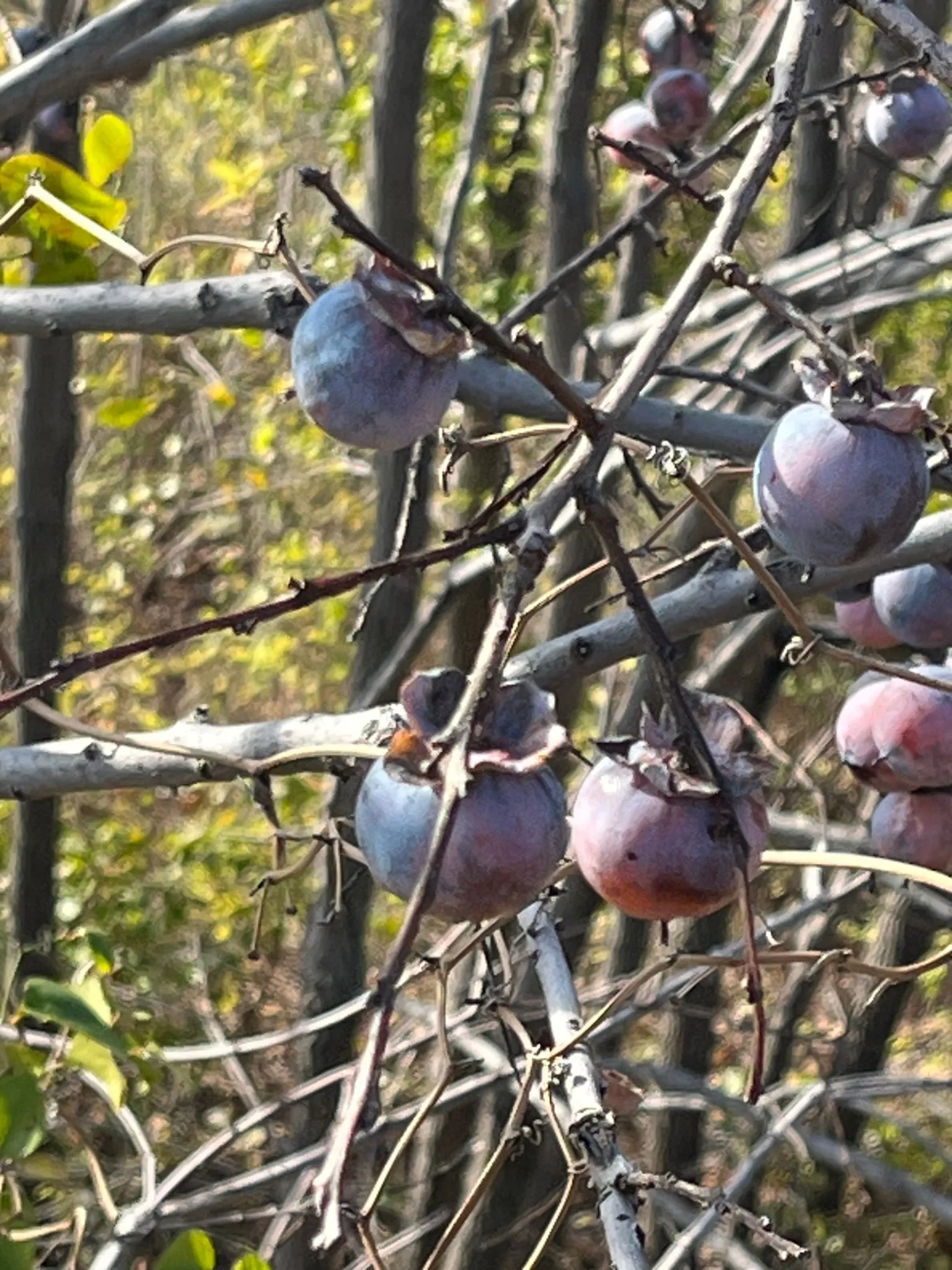
 American Persimmon
Diospyros virginiana
zones 4b–9a
 zone 8b
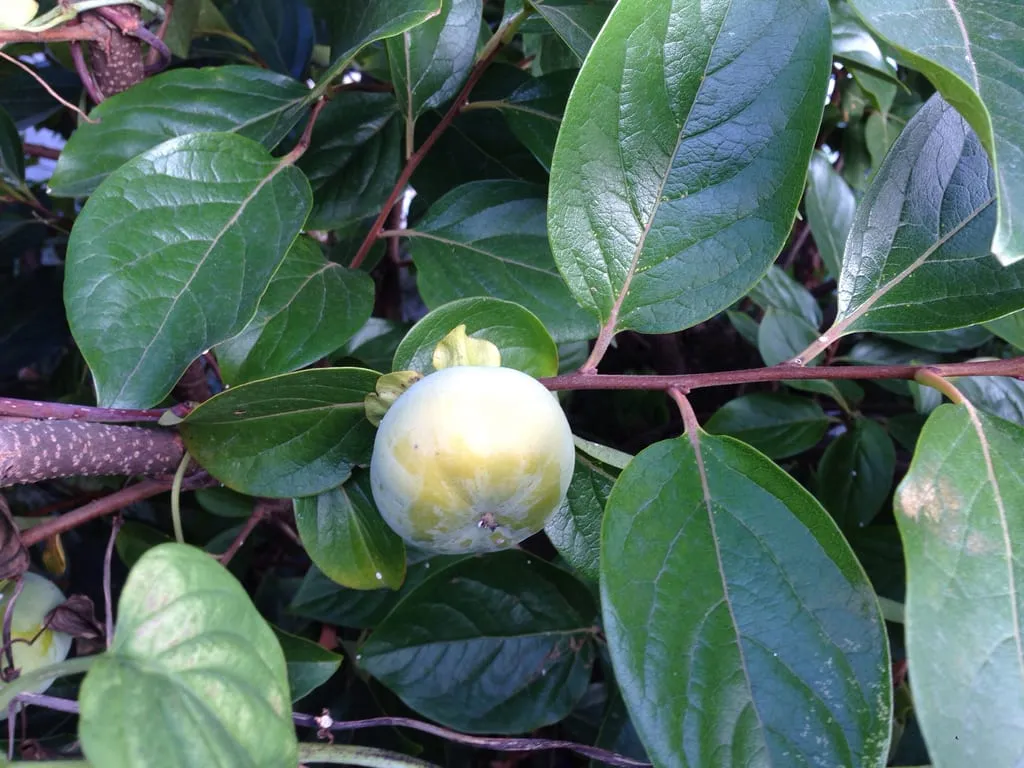
 Asian Persimmon
Diospyros kaki
zones 7a–10a
 zone 8b
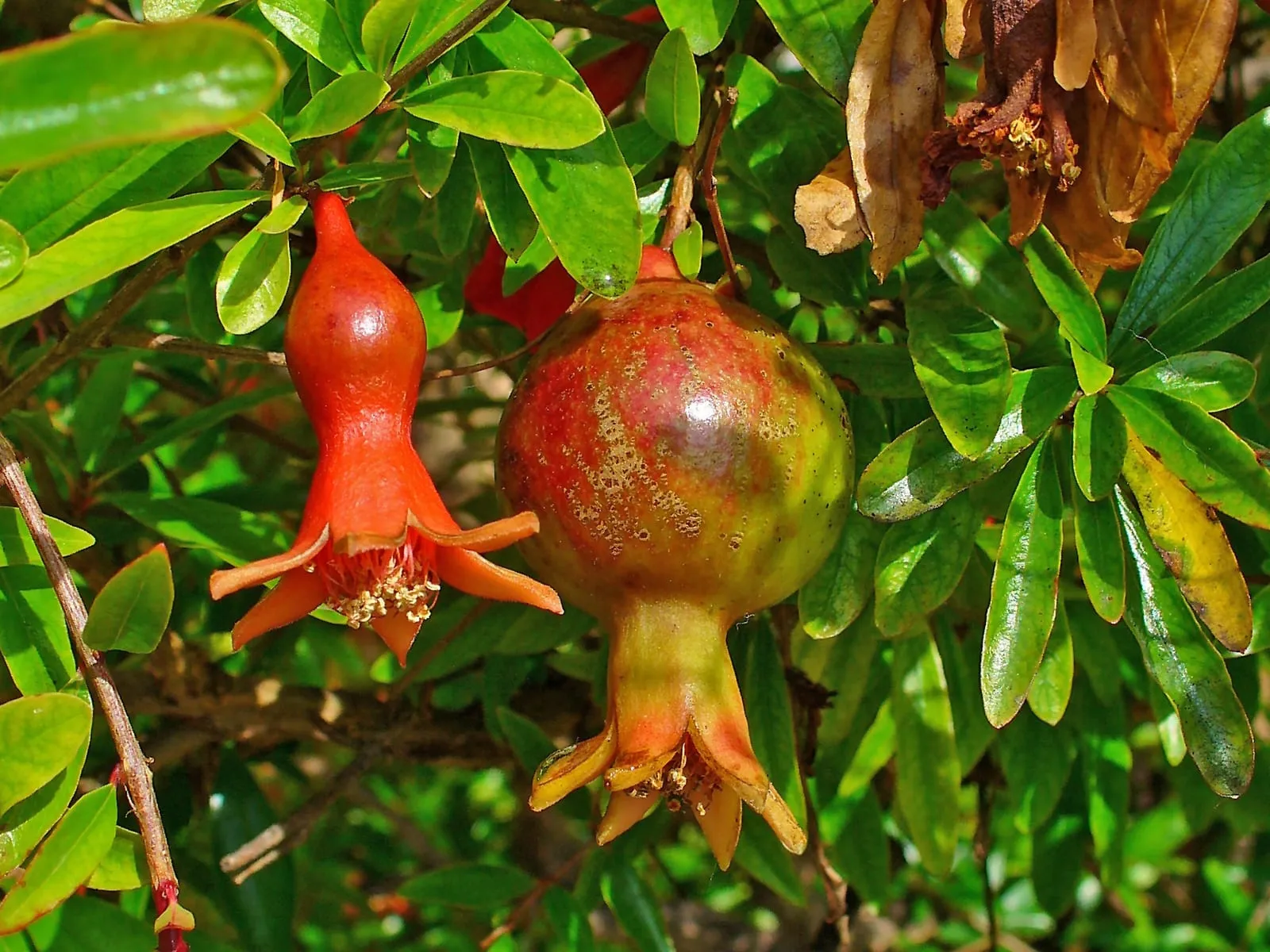
 Pomegranate
Punica granatum
zones 7b–10a
 zone 8b
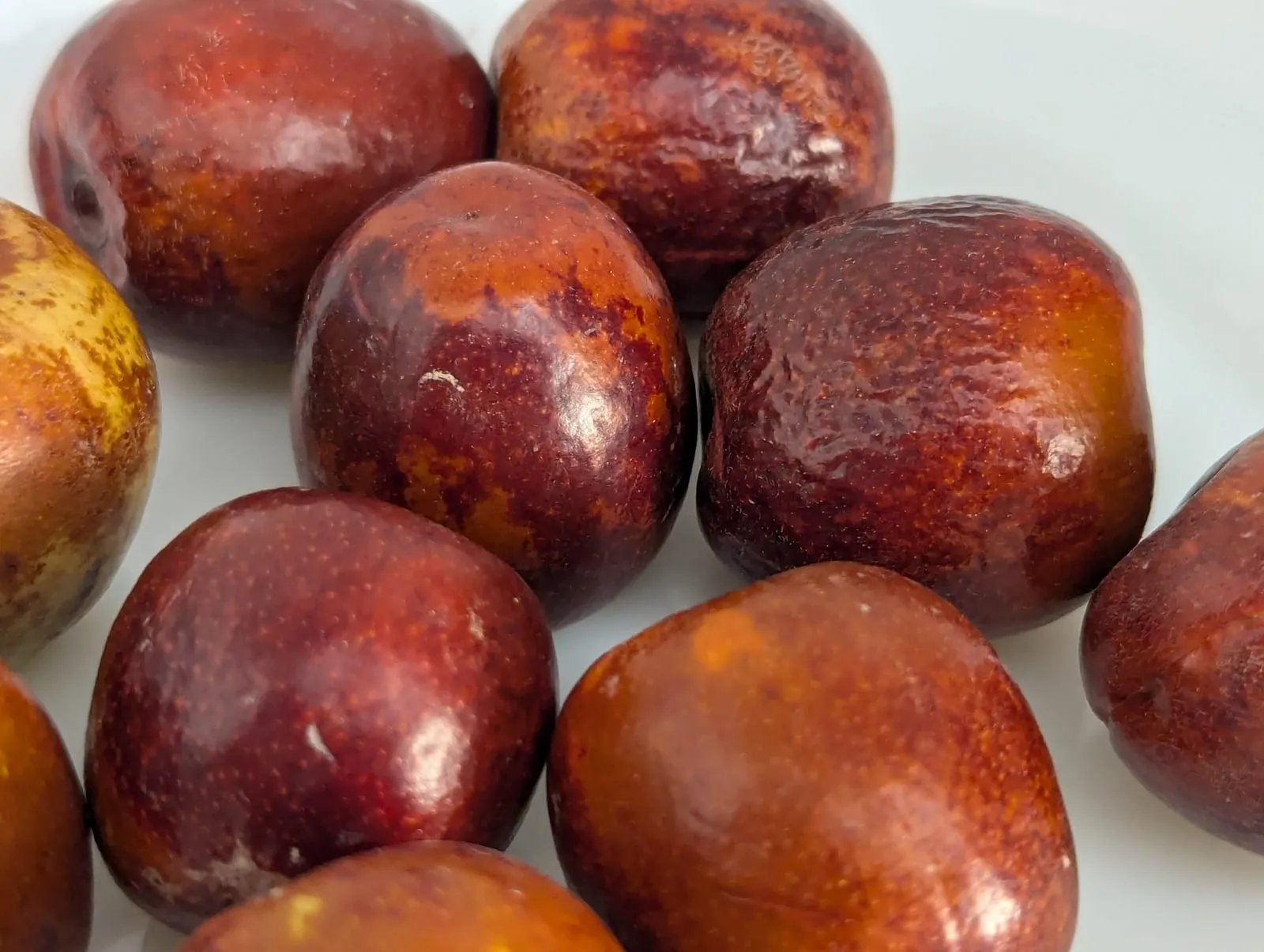
 Jujube
Ziziphus jujuba
zones 6a–9b
 zone 8b
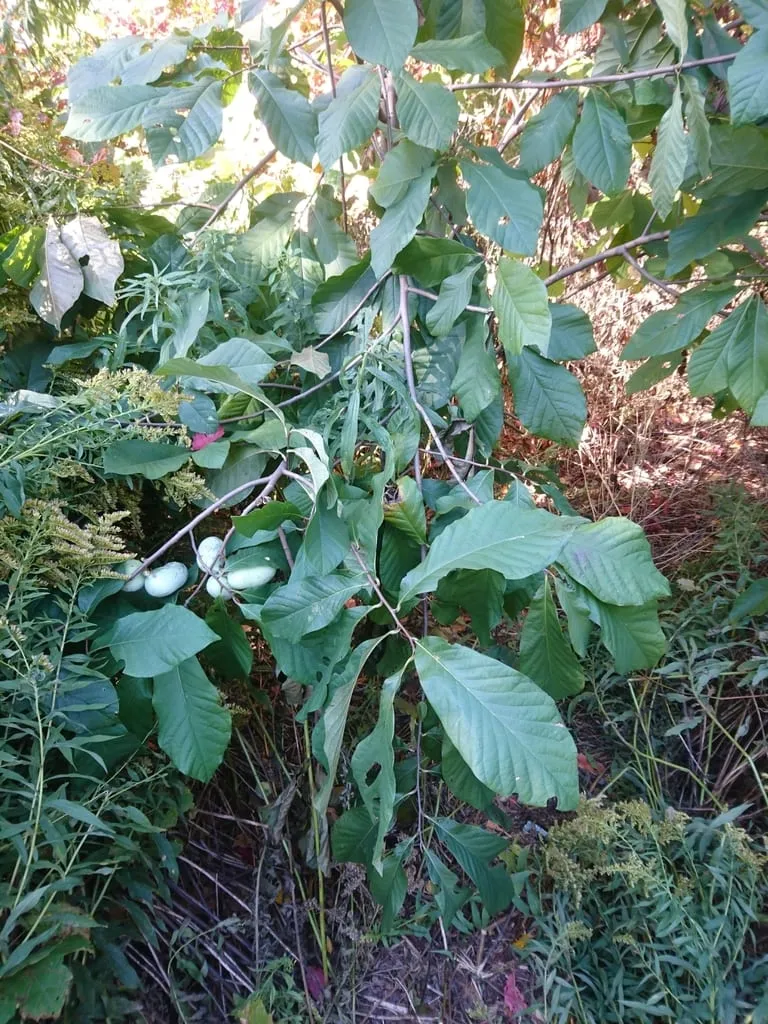
 Pawpaw
Asimina triloba
zones 5a–8b
 zone 8b
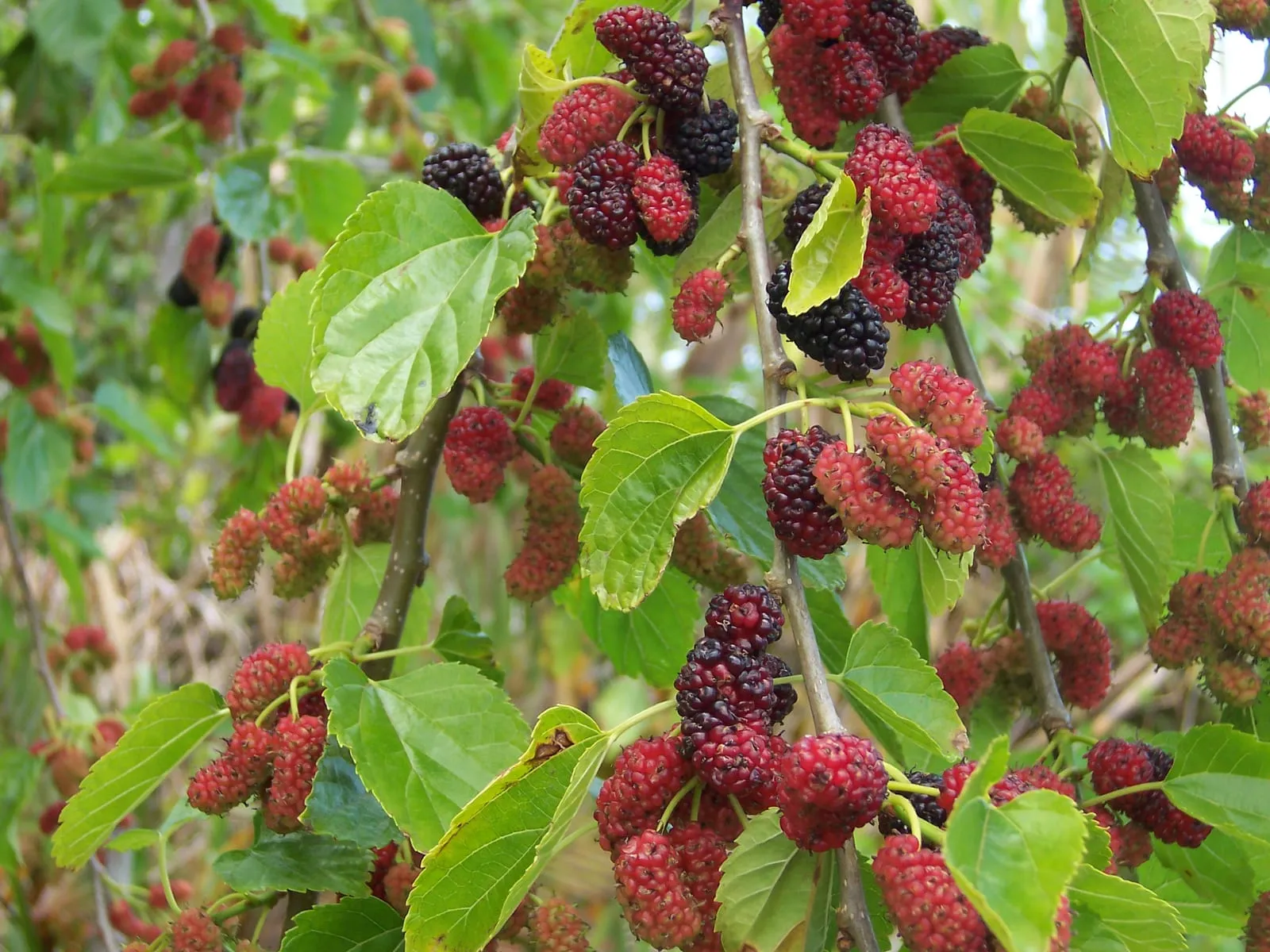
 Mulberry
Morus species
zones 4b–9a
Berries
6 crops
 zone 8b
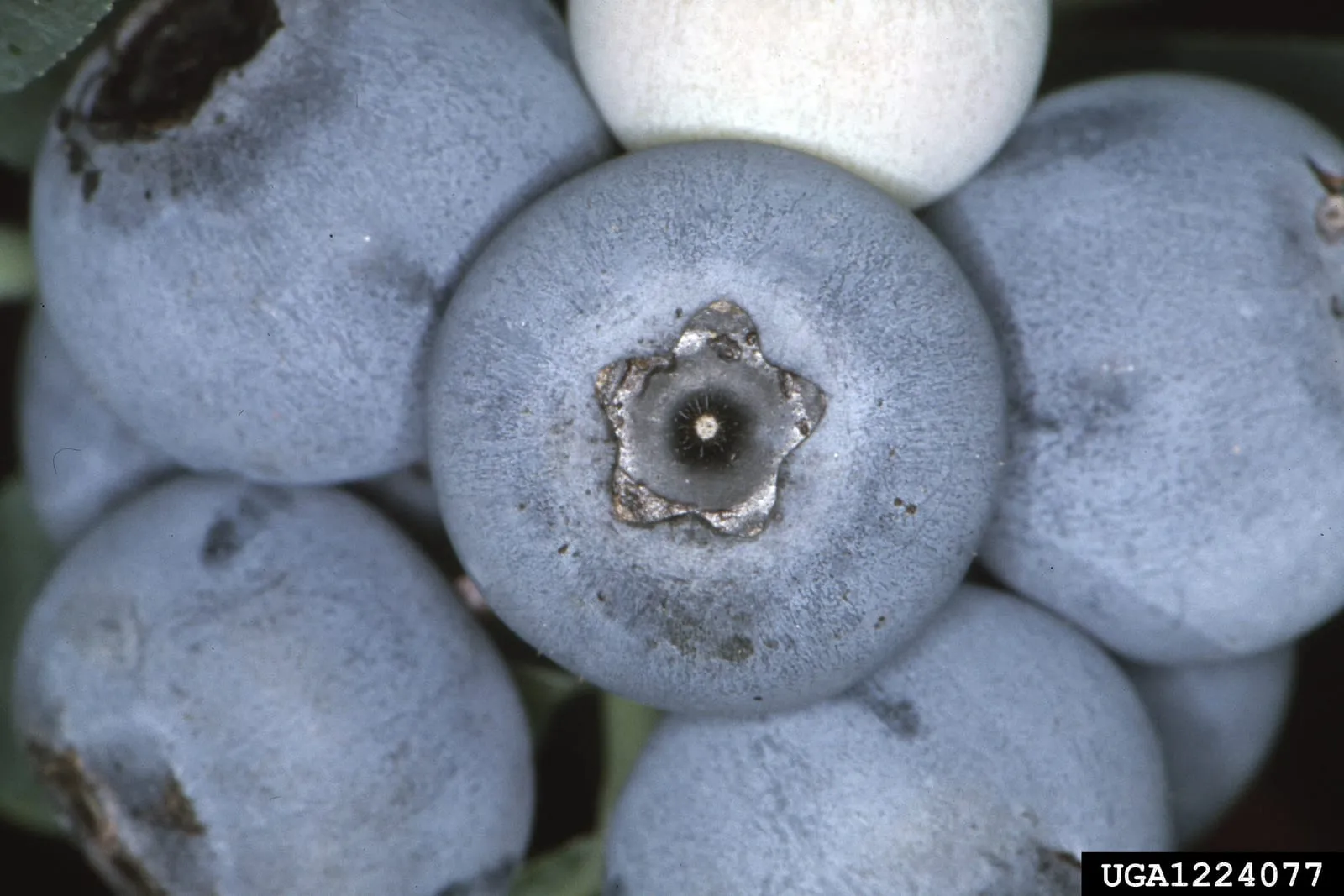
 Rabbiteye Blueberry
Vaccinium virgatum
zones 7a–9a
 zone 8b
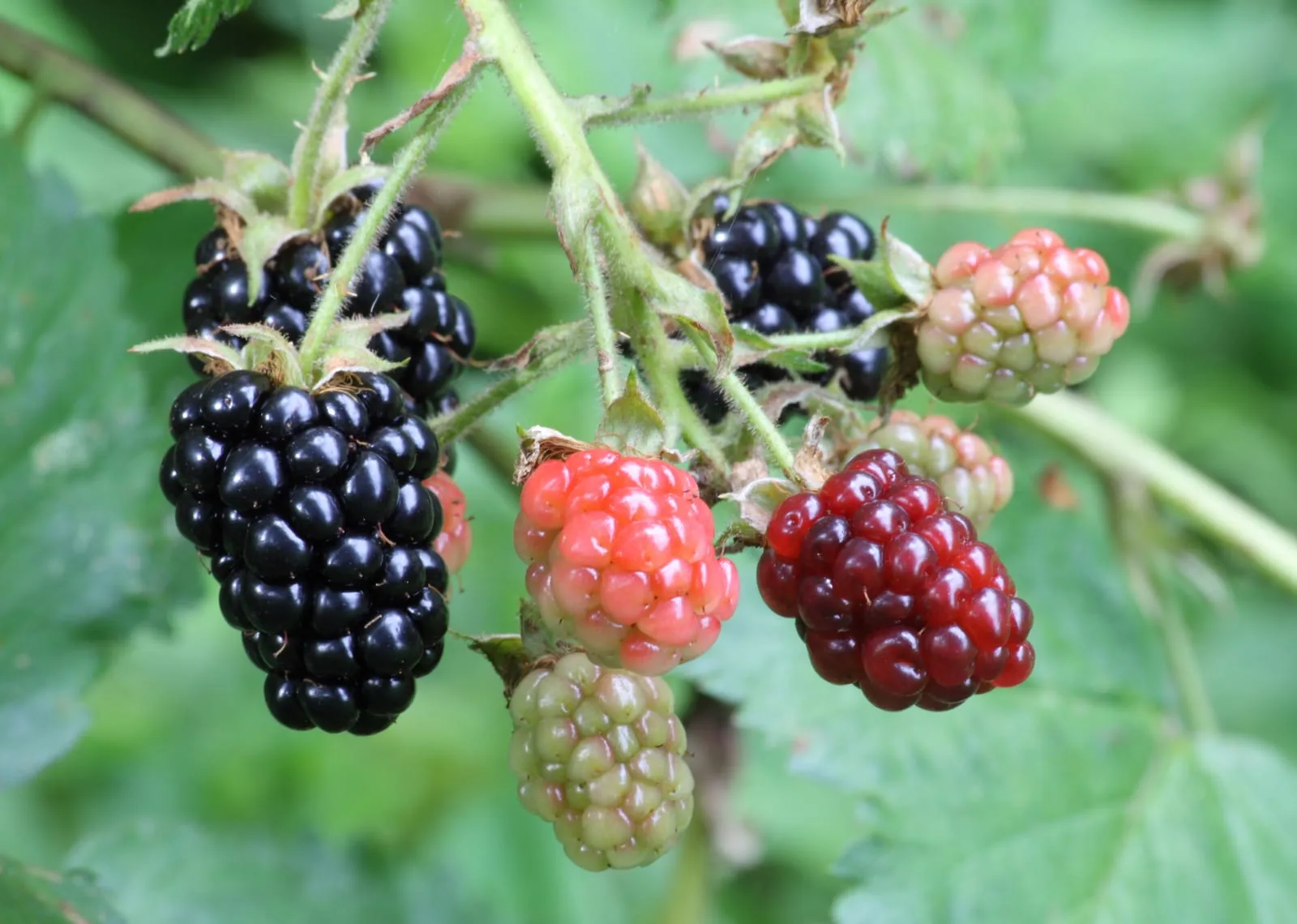
 Blackberry
Rubus subgenus Rubus
zones 5a–9a
 zone 8b
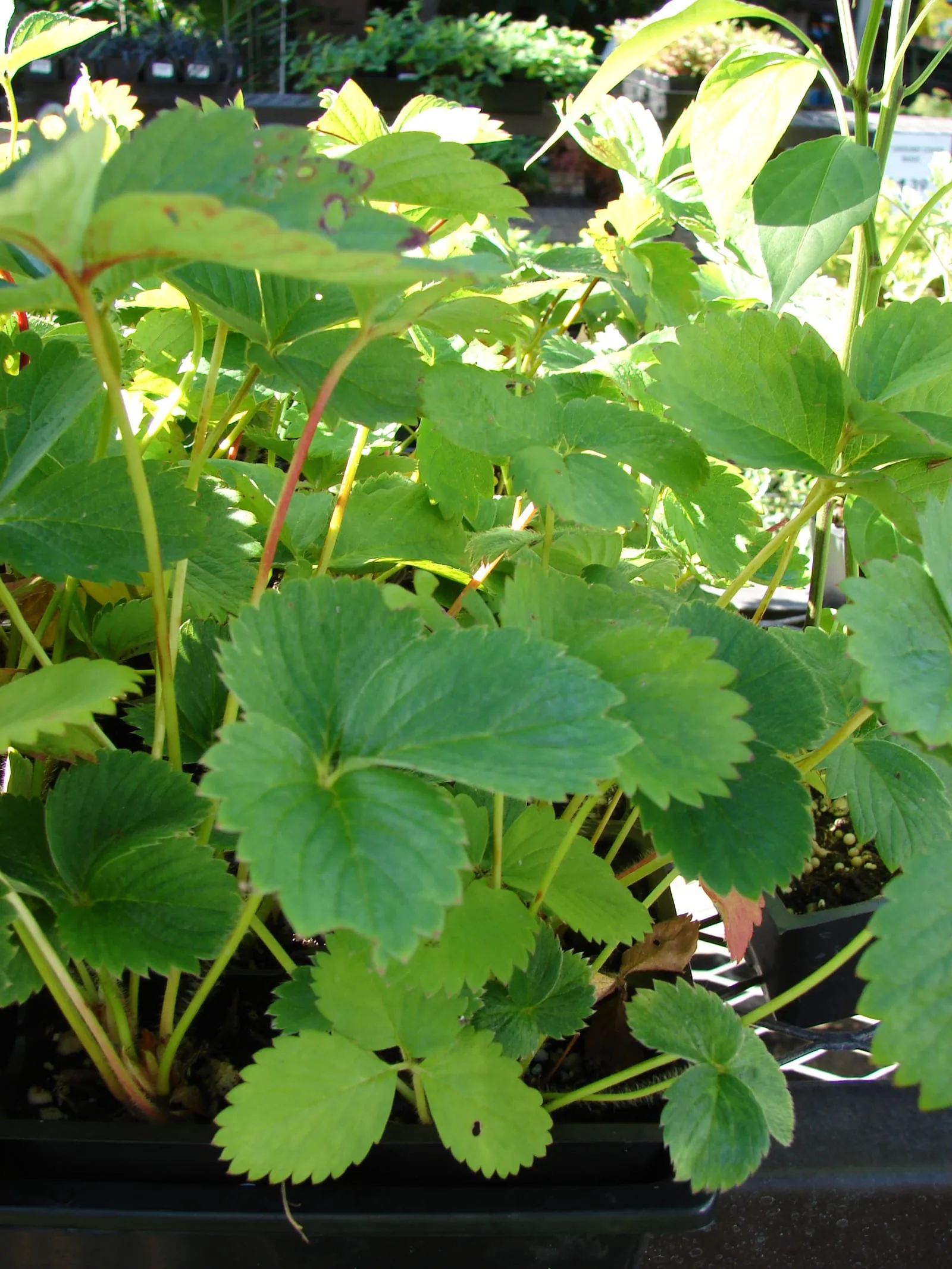
 June-Bearing Strawberry
Fragaria x ananassa
zones 3a–8b
zone 8b Everbearing Strawberry
Fragaria x ananassa
zones 3b–9a
 zone 8b
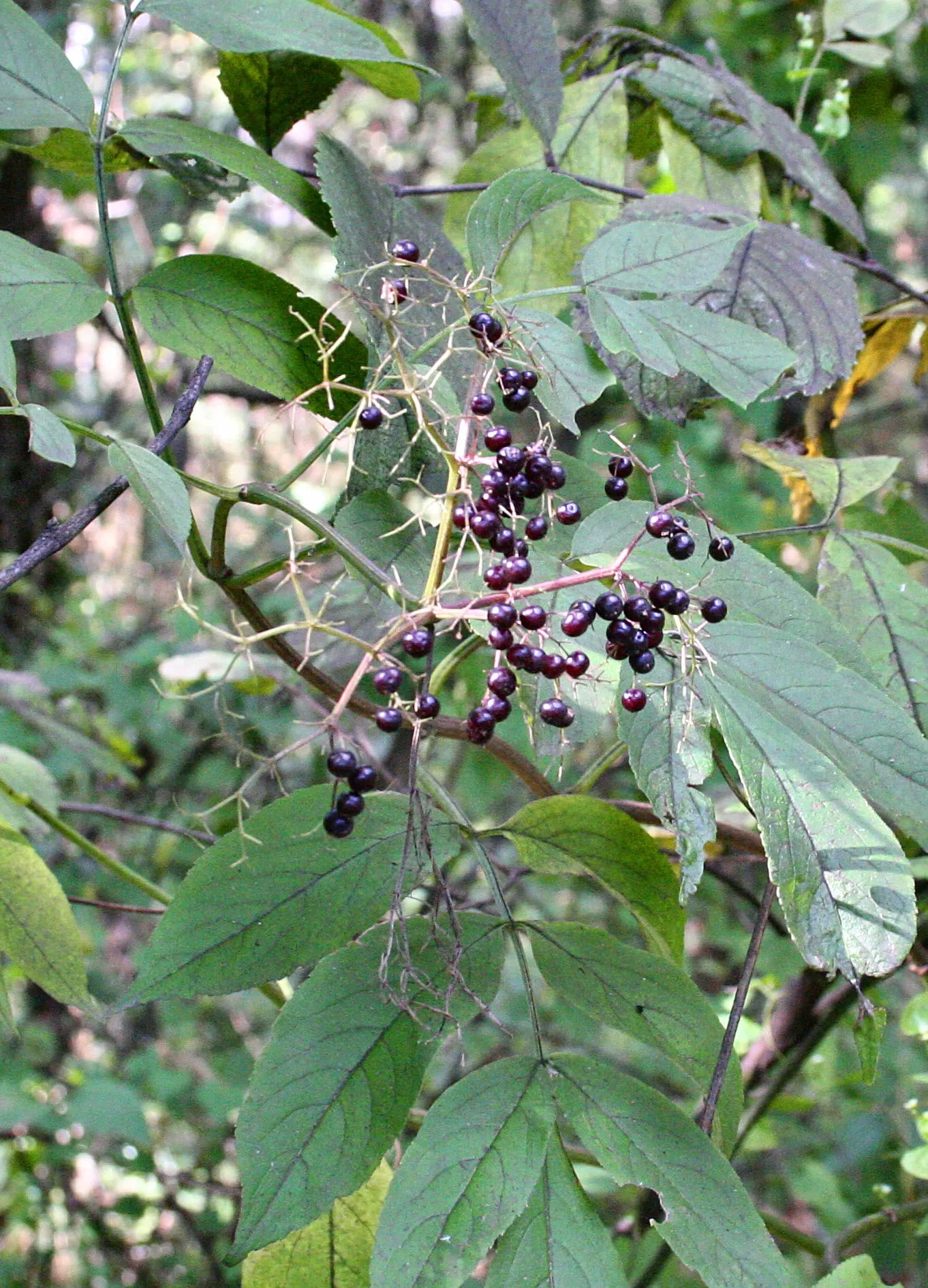
 Elderberry
Sambucus canadensis
zones 3b–9a
 zone 8b
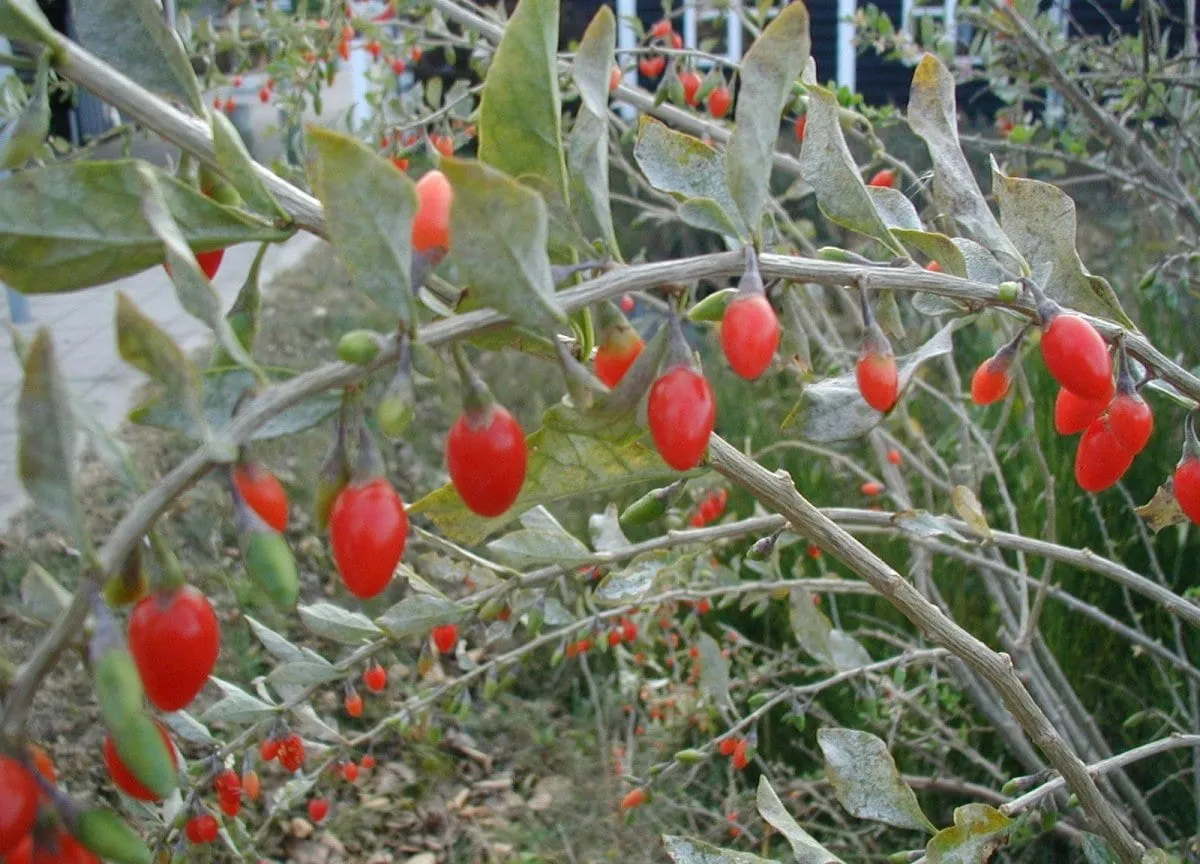
 Goji Berry
Lycium barbarum
zones 3b–10a
Nuts
5 crops
Vegetables
36 crops
 zone 8b
 Tomato
Solanum lycopersicum
zones 3a–10b
 zone 8b
 Sweet Pepper
Capsicum annuum
zones 4a–10b
 zone 8b
 Hot Pepper
Capsicum species
zones 4a–10b
 zone 8b
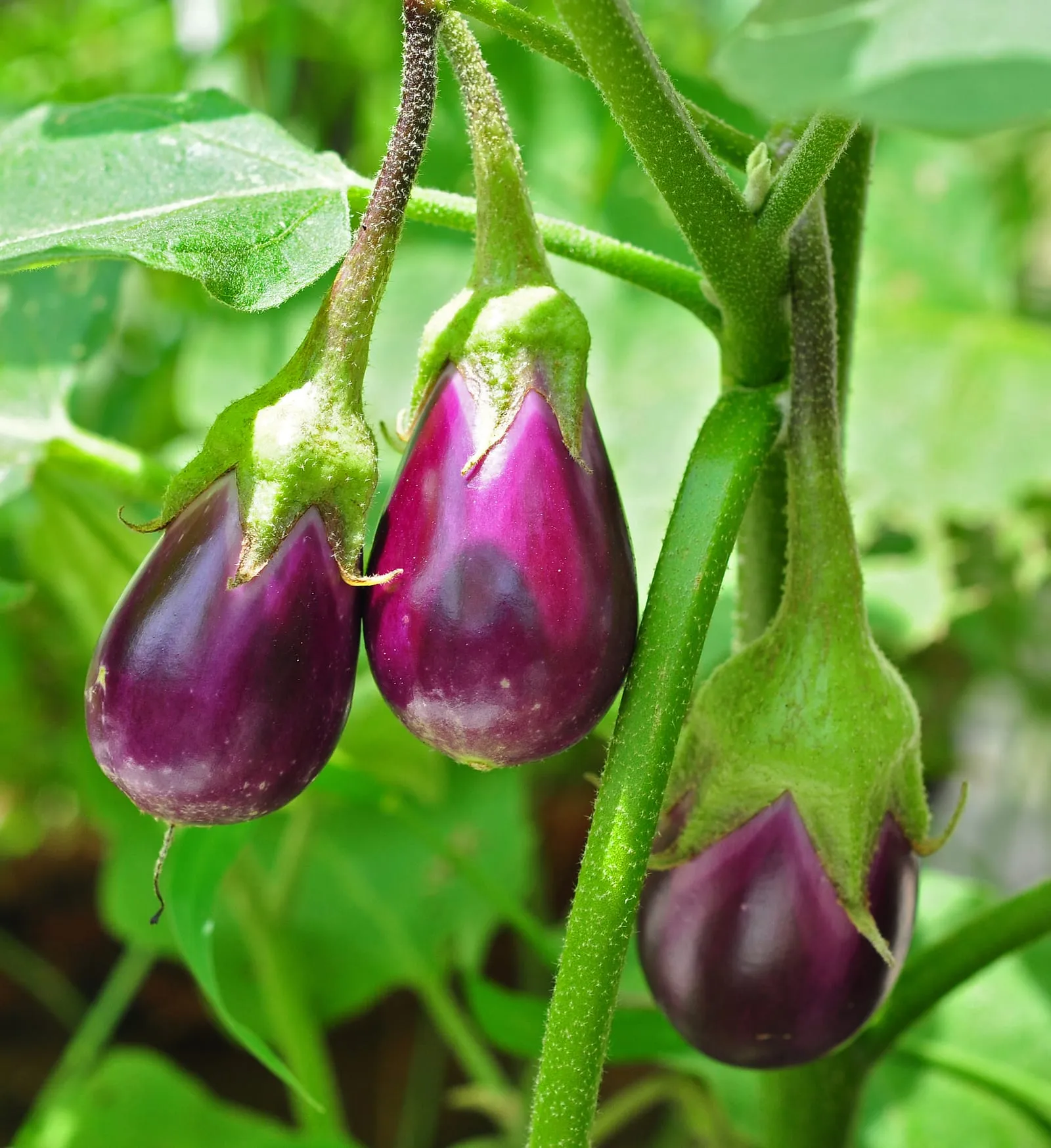
 Eggplant
Solanum melongena
zones 5a–10b
 zone 8b
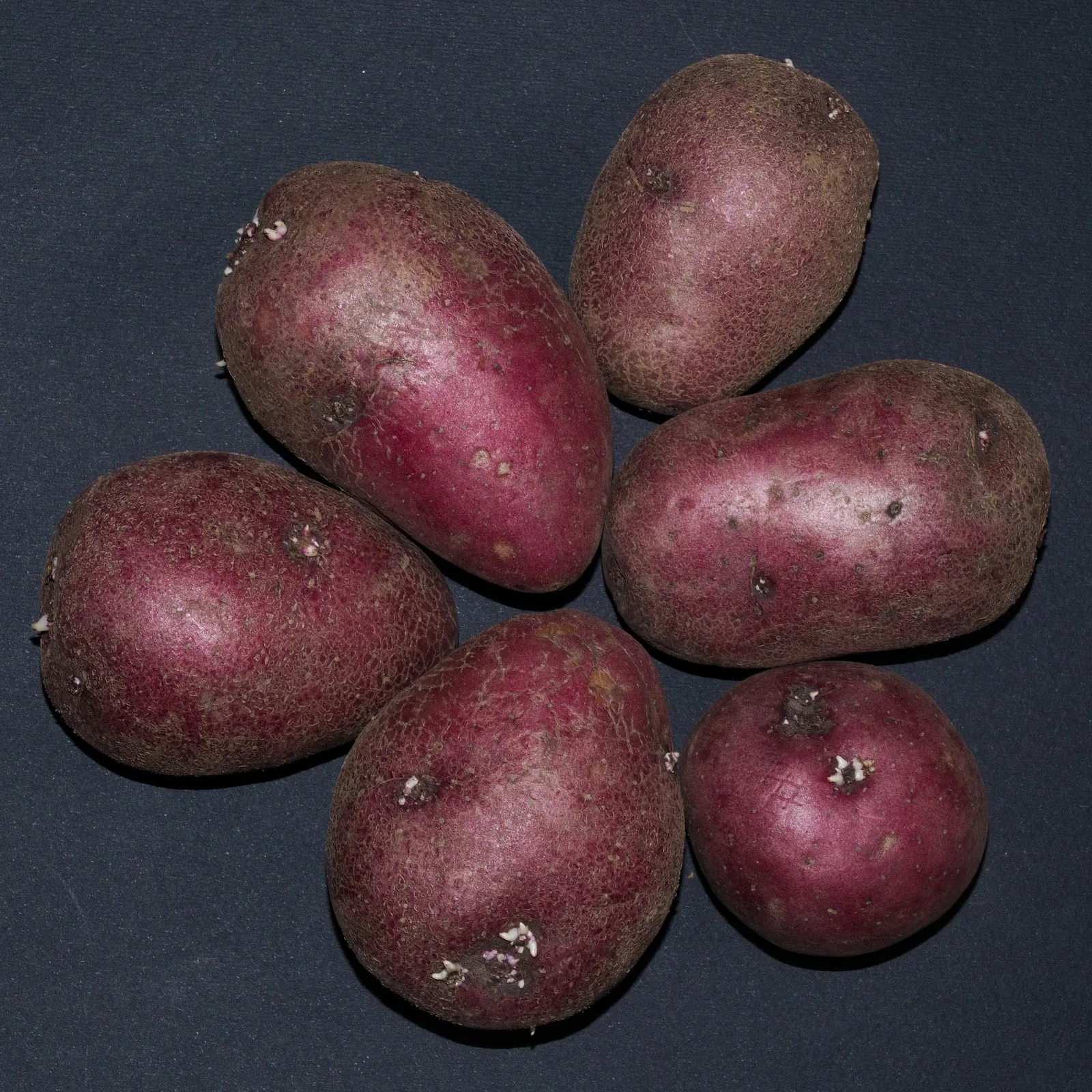
 Potato
Solanum tuberosum
zones 3a–9a
 zone 8b
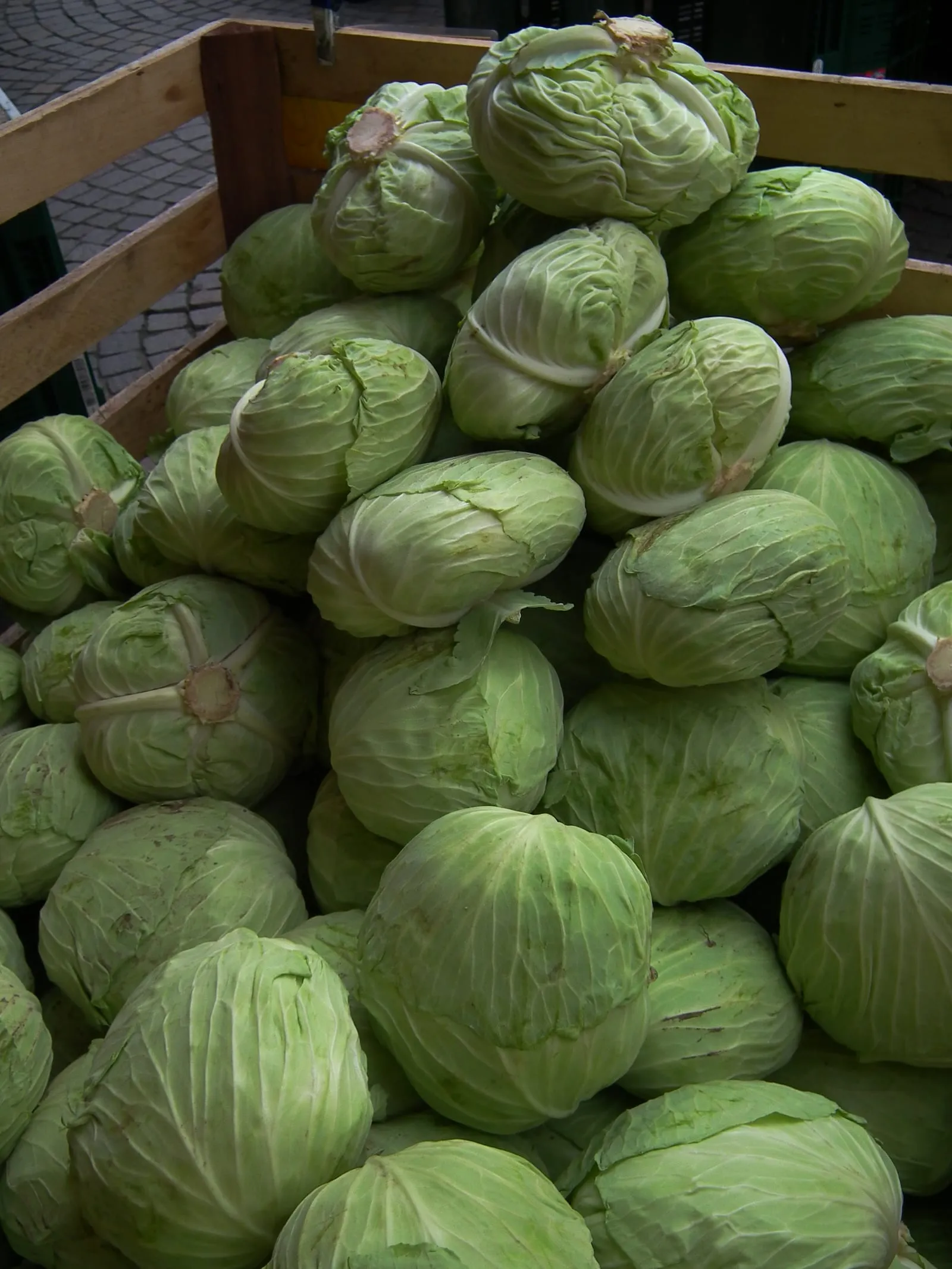
 Cabbage
Brassica oleracea var. capitata
zones 3a–9b
 zone 8b
 Broccoli
Brassica oleracea var. italica
zones 3a–9a
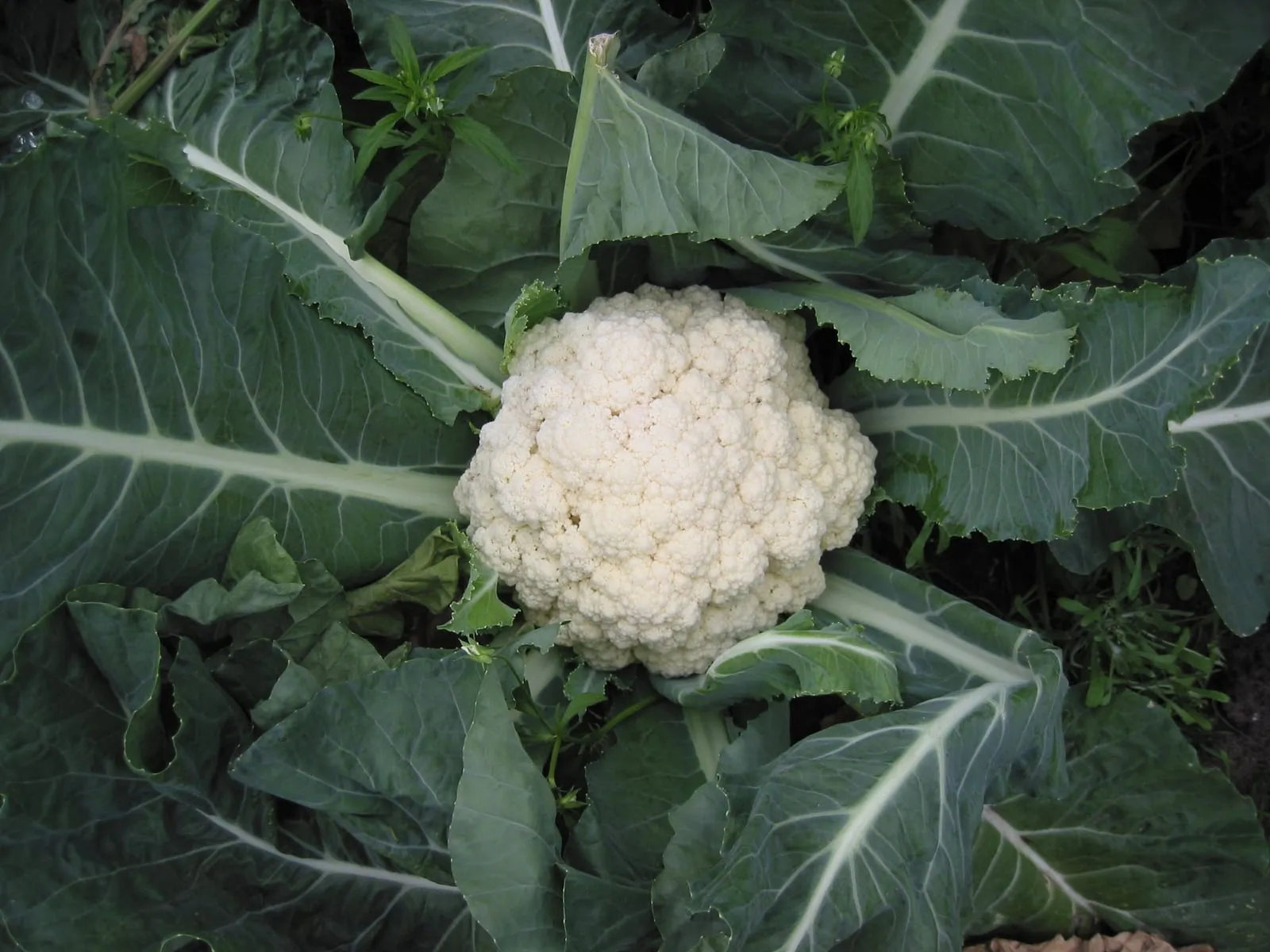 zone 8b
 Cauliflower
Brassica oleracea var. botrytis
zones 3b–9a
 zone 8b
 Kale
Brassica oleracea var. acephala
zones 3a–9b
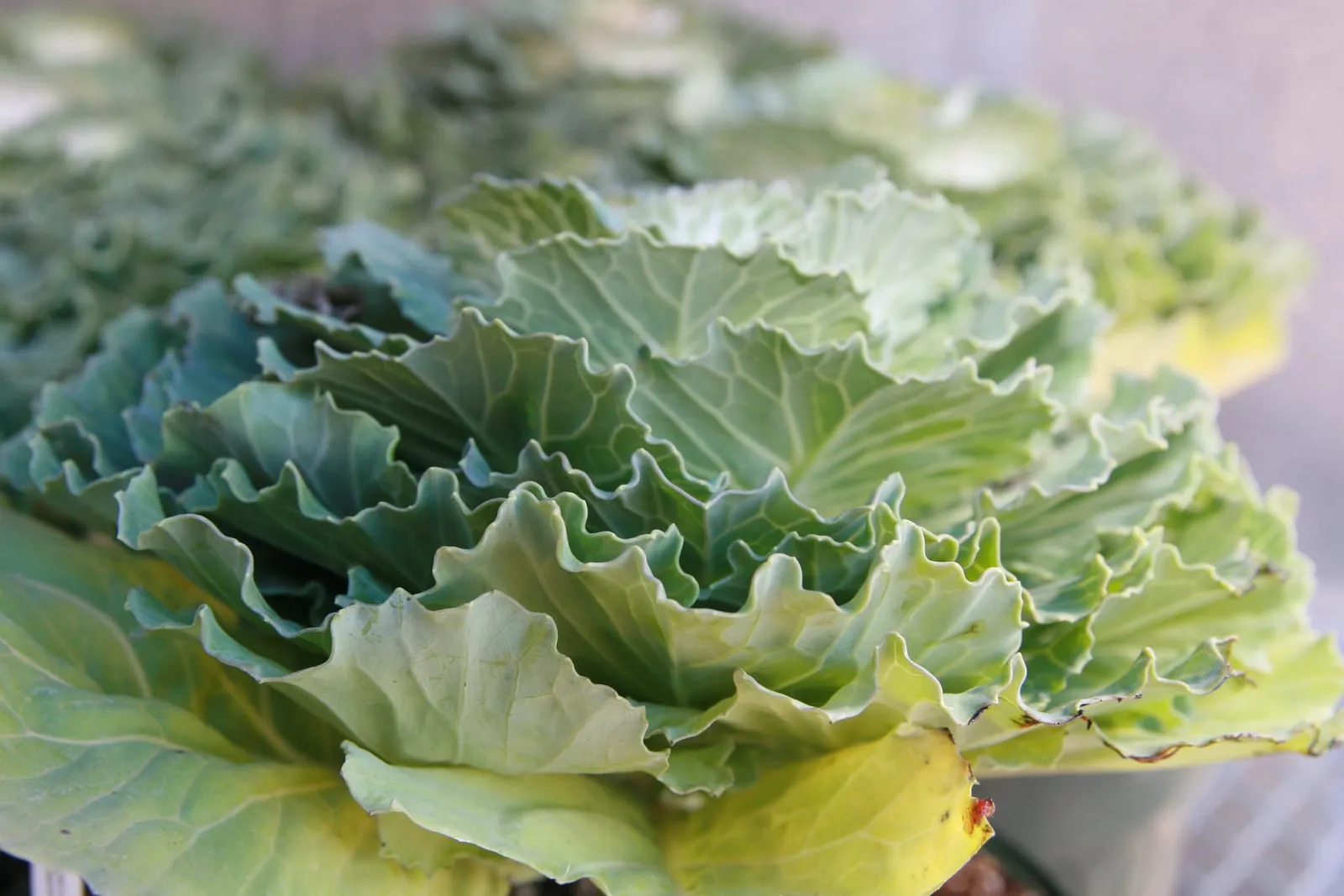 zone 8b
 Collards
Brassica oleracea var. acephala
zones 4a–9b
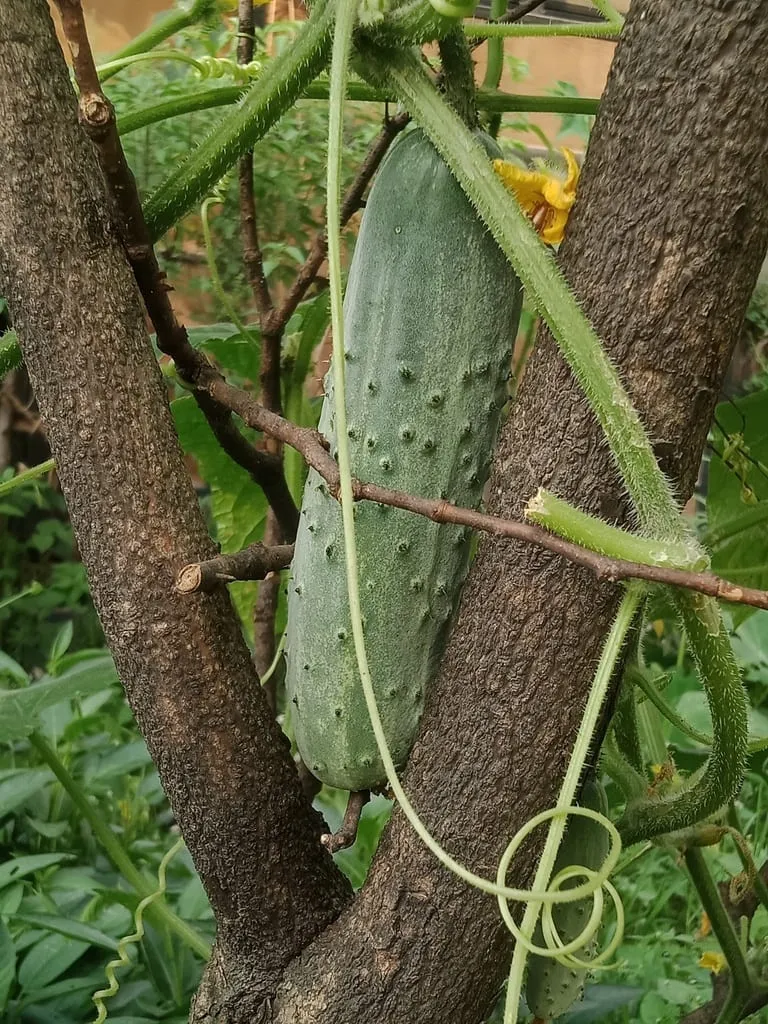 zone 8b
 Cucumber
Cucumis sativus
zones 3b–10a
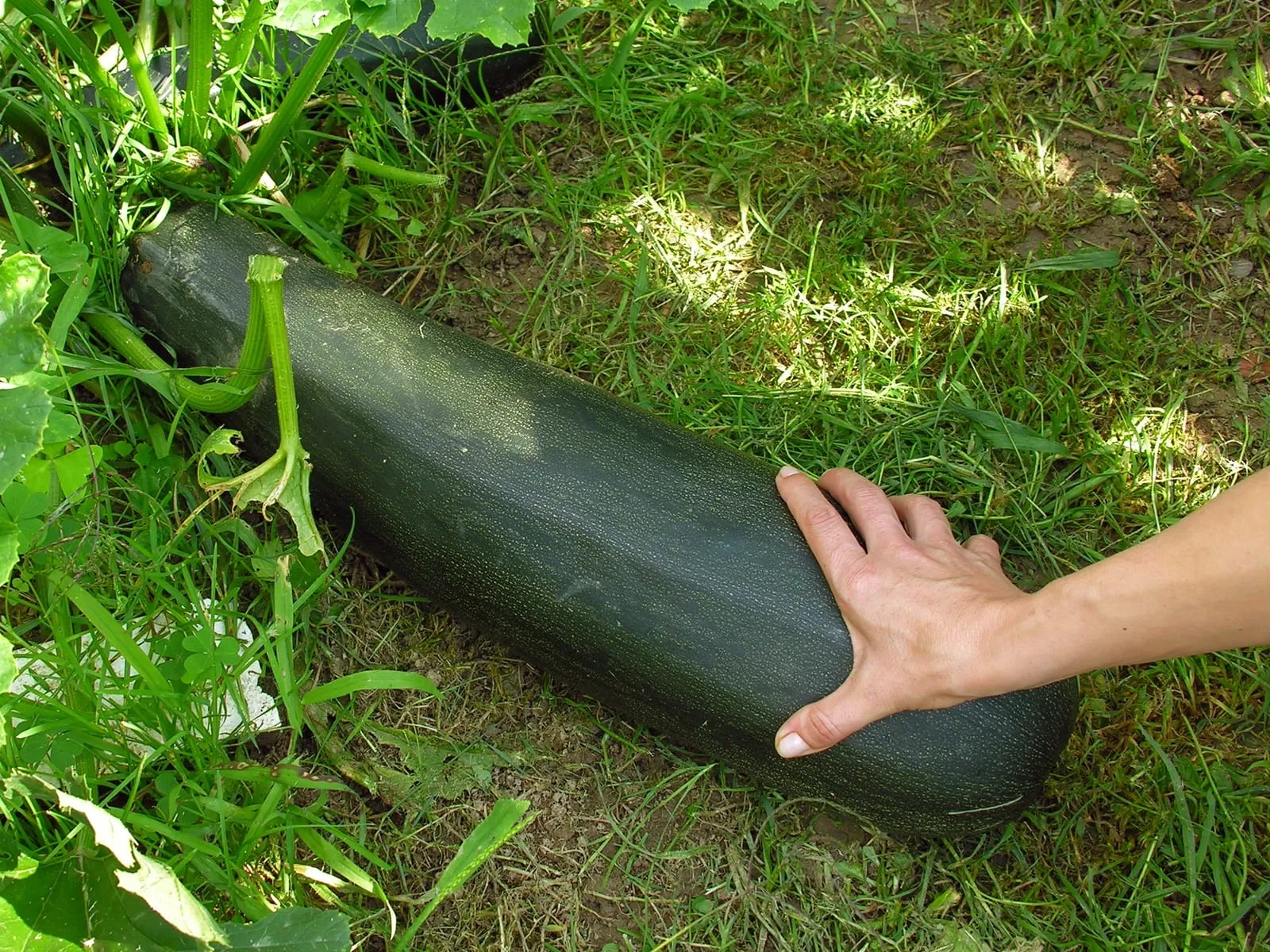 zone 8b
 Summer Squash
Cucurbita pepo
zones 3b–10a
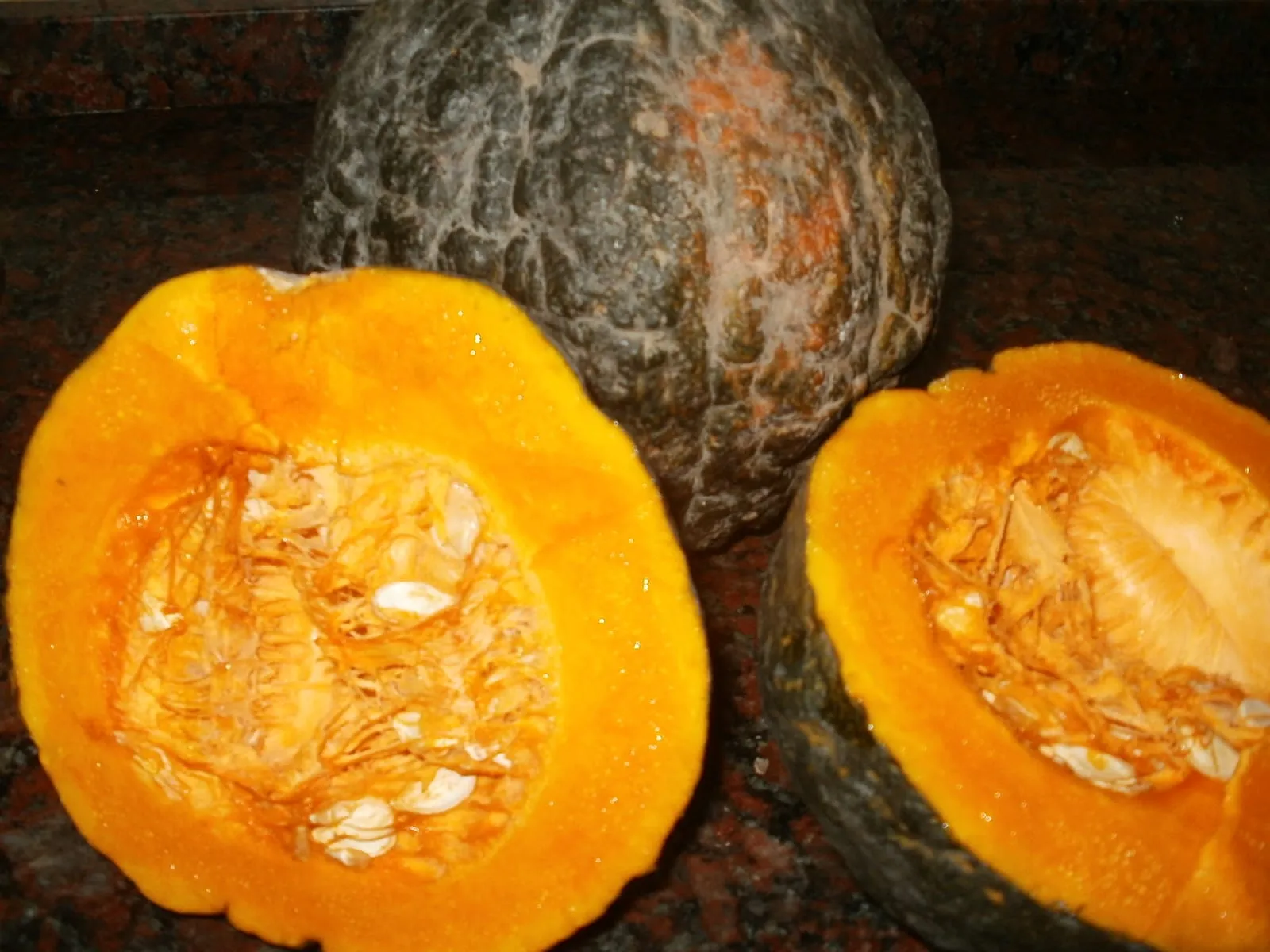 zone 8b
 Winter Squash
Cucurbita maxima and Cucurbita moschata
zones 4a–9a
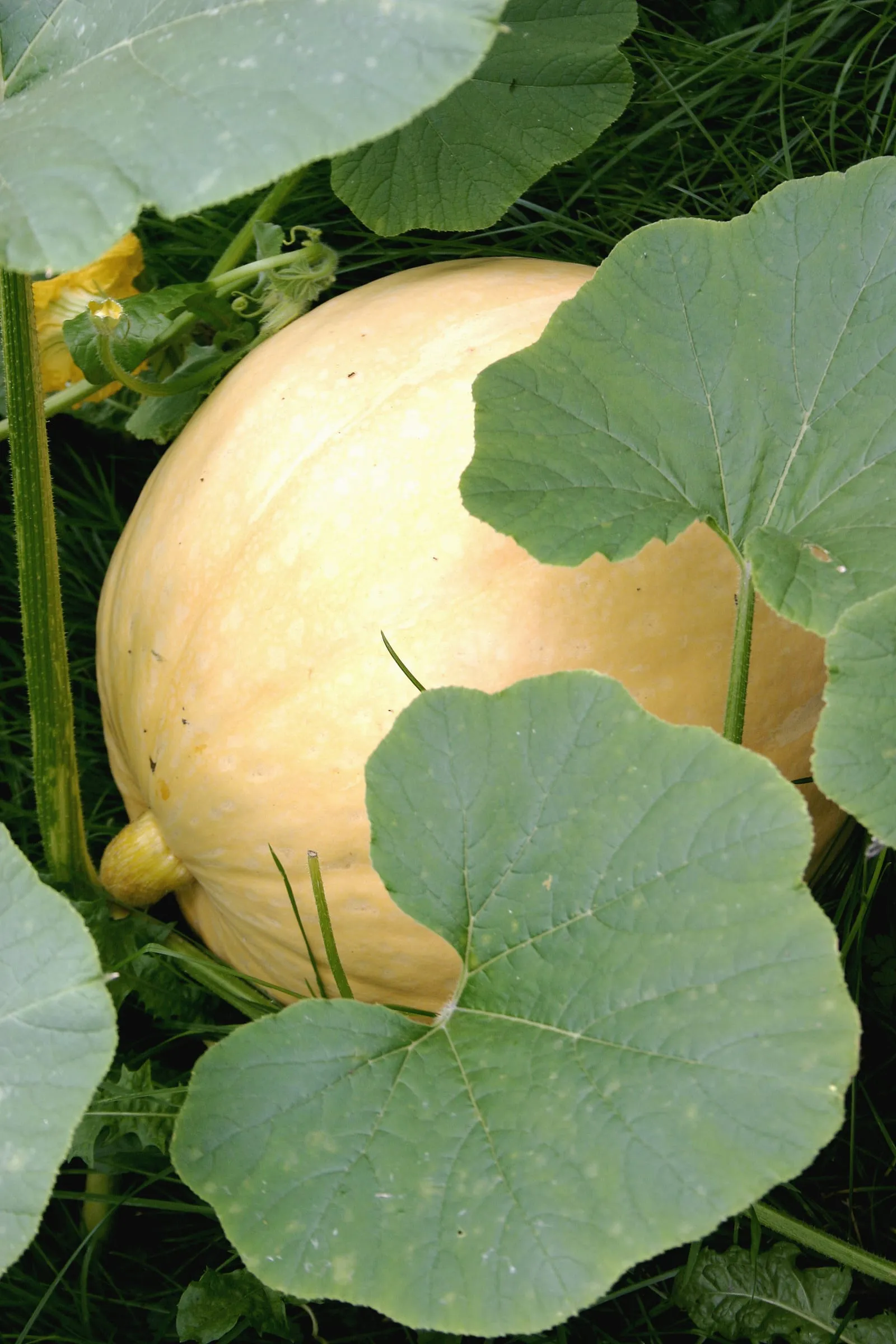 zone 8b
 Pumpkin
Cucurbita pepo and Cucurbita maxima
zones 4a–8b
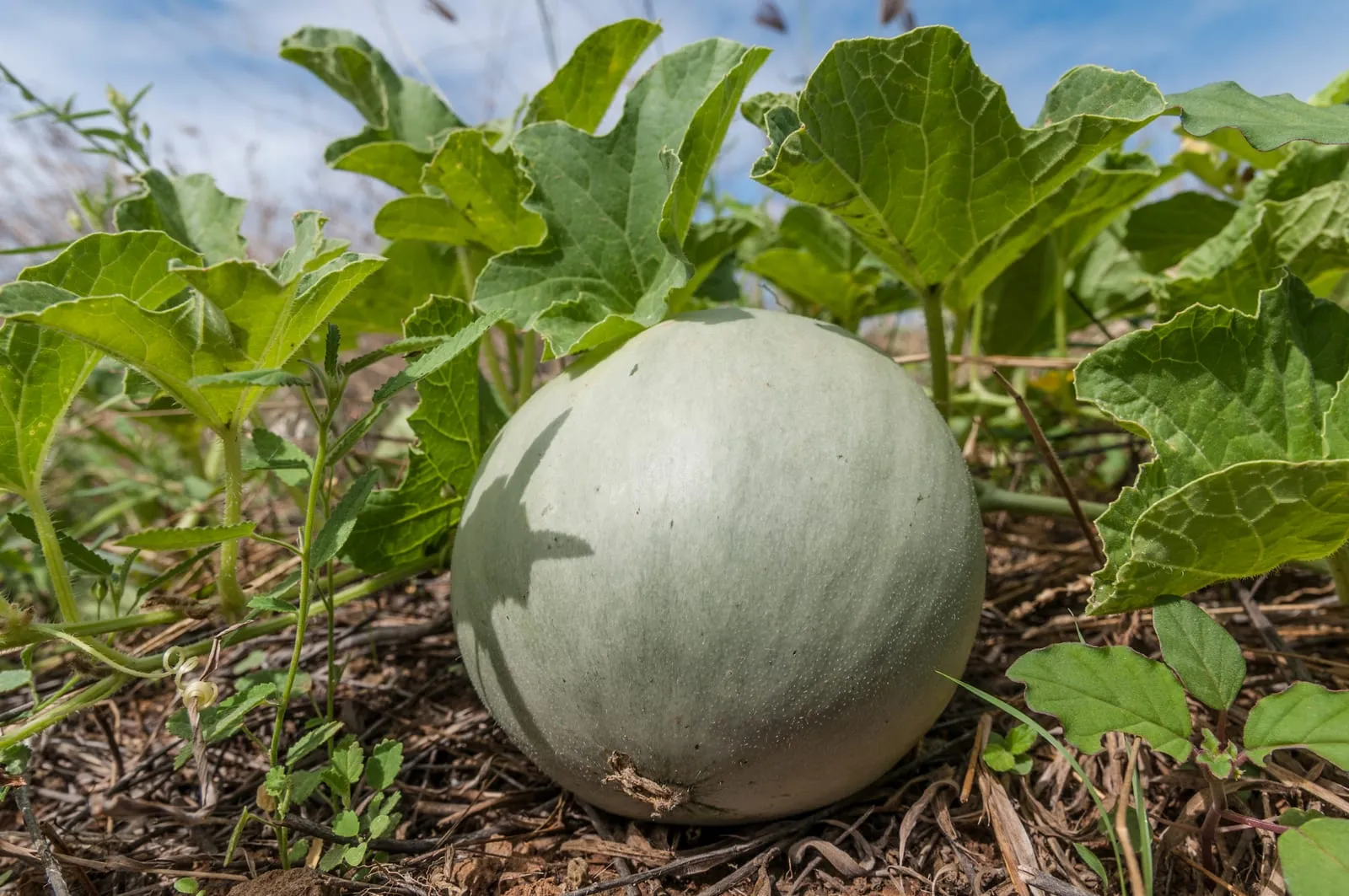 zone 8b
 Melon
Cucumis melo
zones 5a–10a
 zone 8b
 Watermelon
Citrullus lanatus
zones 5b–10a
 zone 8b
 Onion
Allium cepa
zones 3a–9b
 zone 8b
 Garlic
Allium sativum
zones 3a–9a
 zone 8b
 Leek
Allium ampeloprasum
zones 3b–8b
 zone 8b
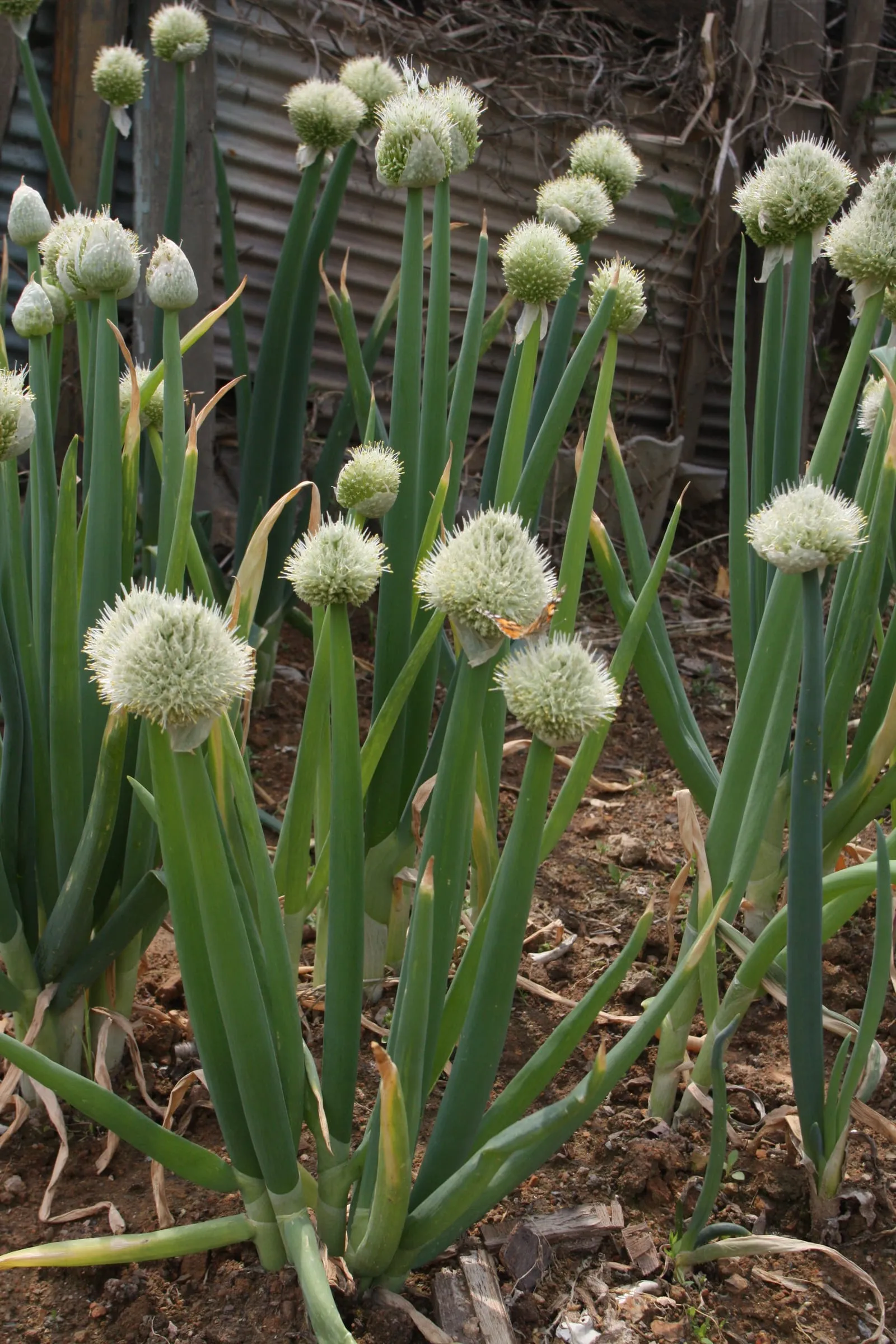
 Scallion (Bunching Onion)
Allium fistulosum
zones 3b–9b
 zone 8b
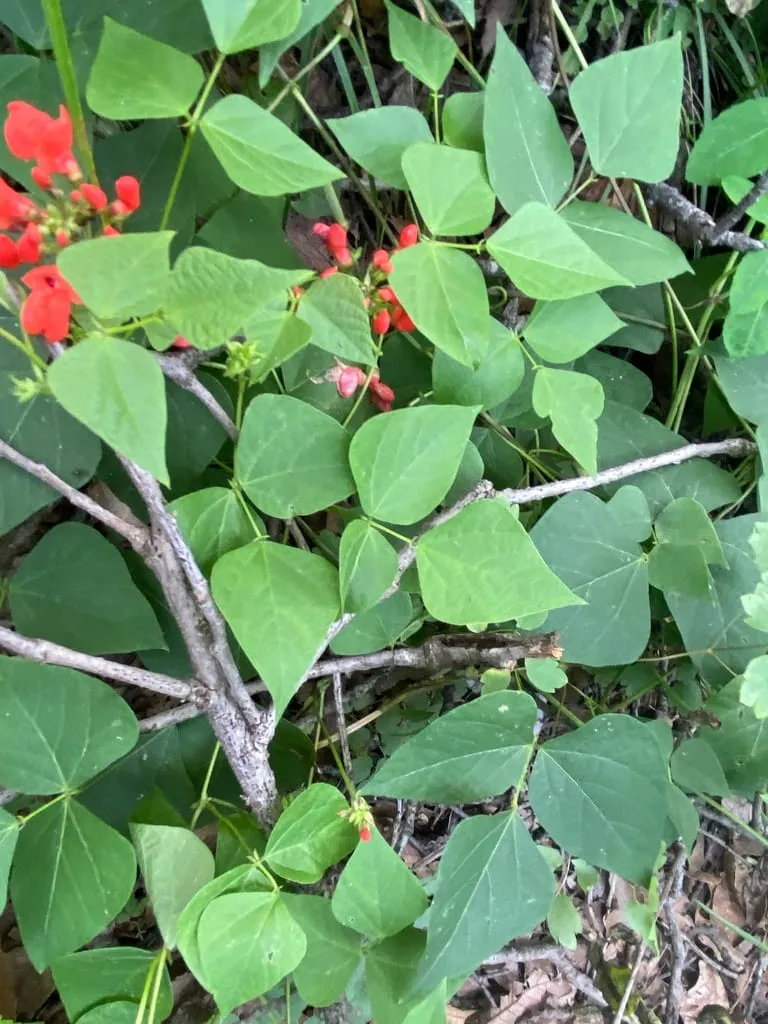
 Bush Bean
Phaseolus vulgaris
zones 3b–9a
 zone 8b
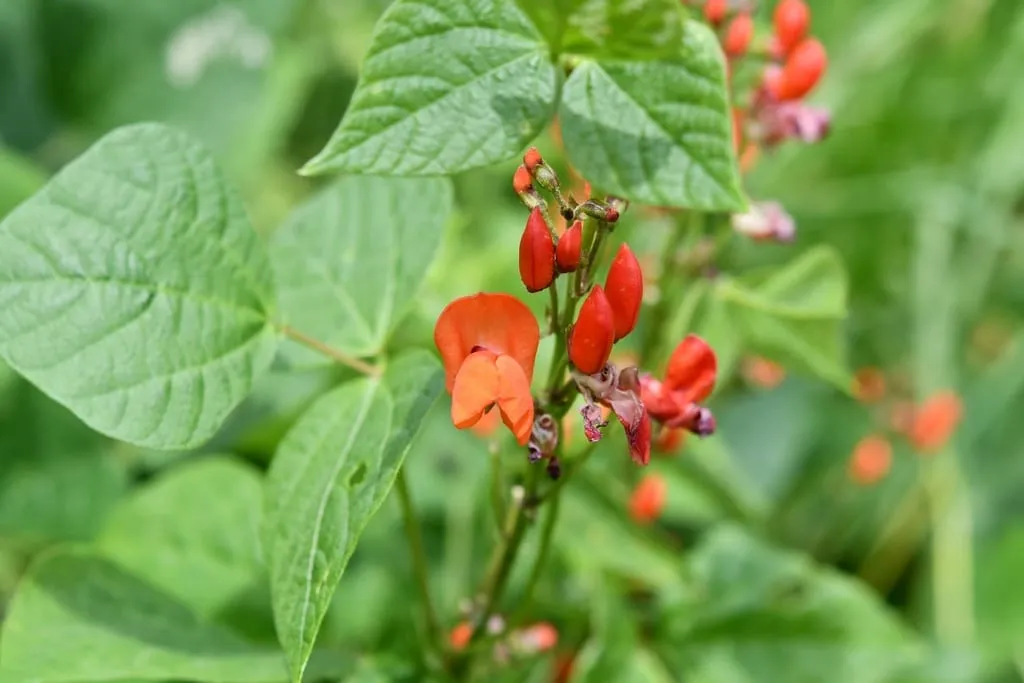
 Pole Bean
Phaseolus vulgaris
zones 3b–9a
 zone 8b
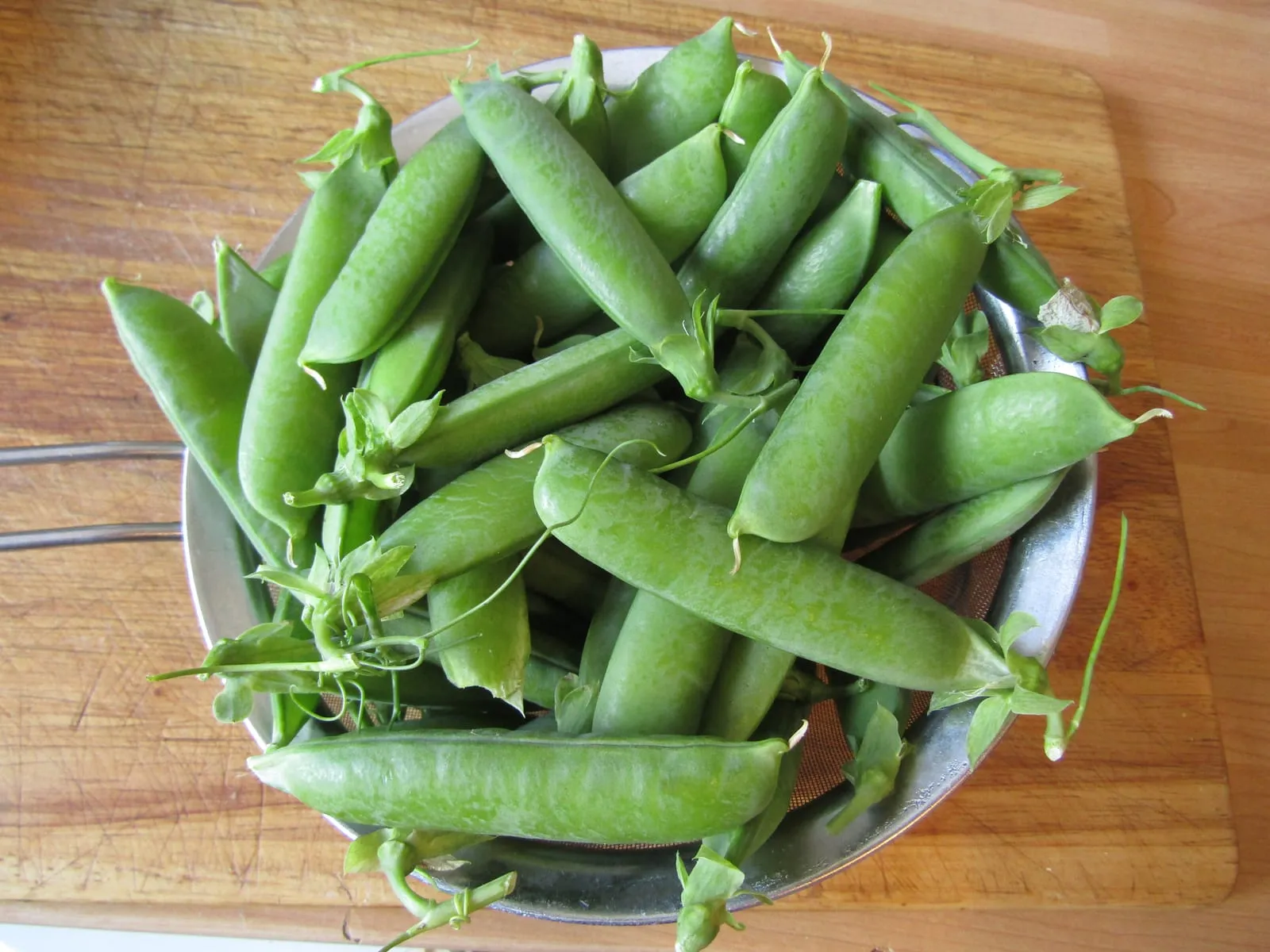
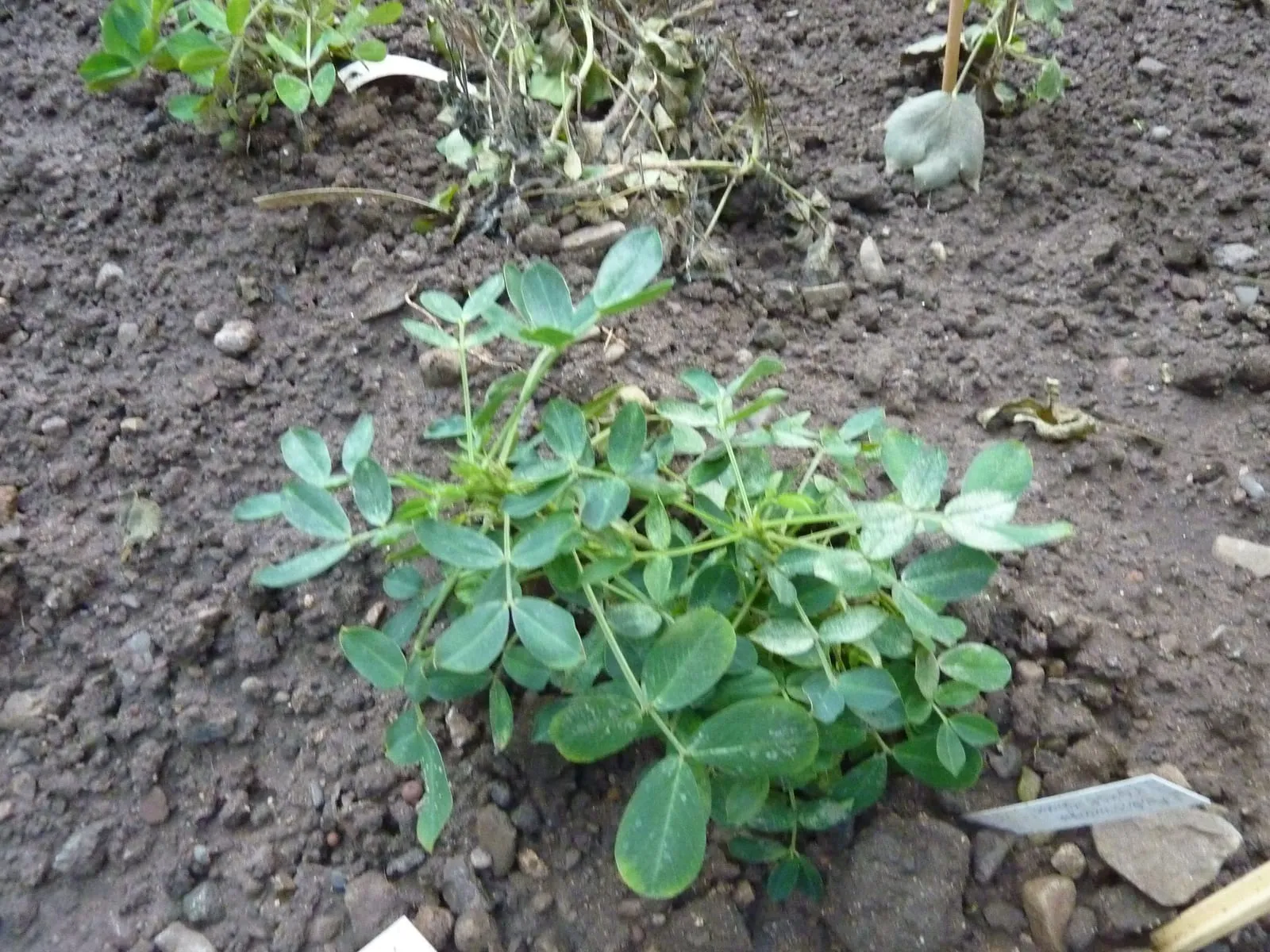
 Pea
Pisum sativum
zones 3a–8b
 zone 8b
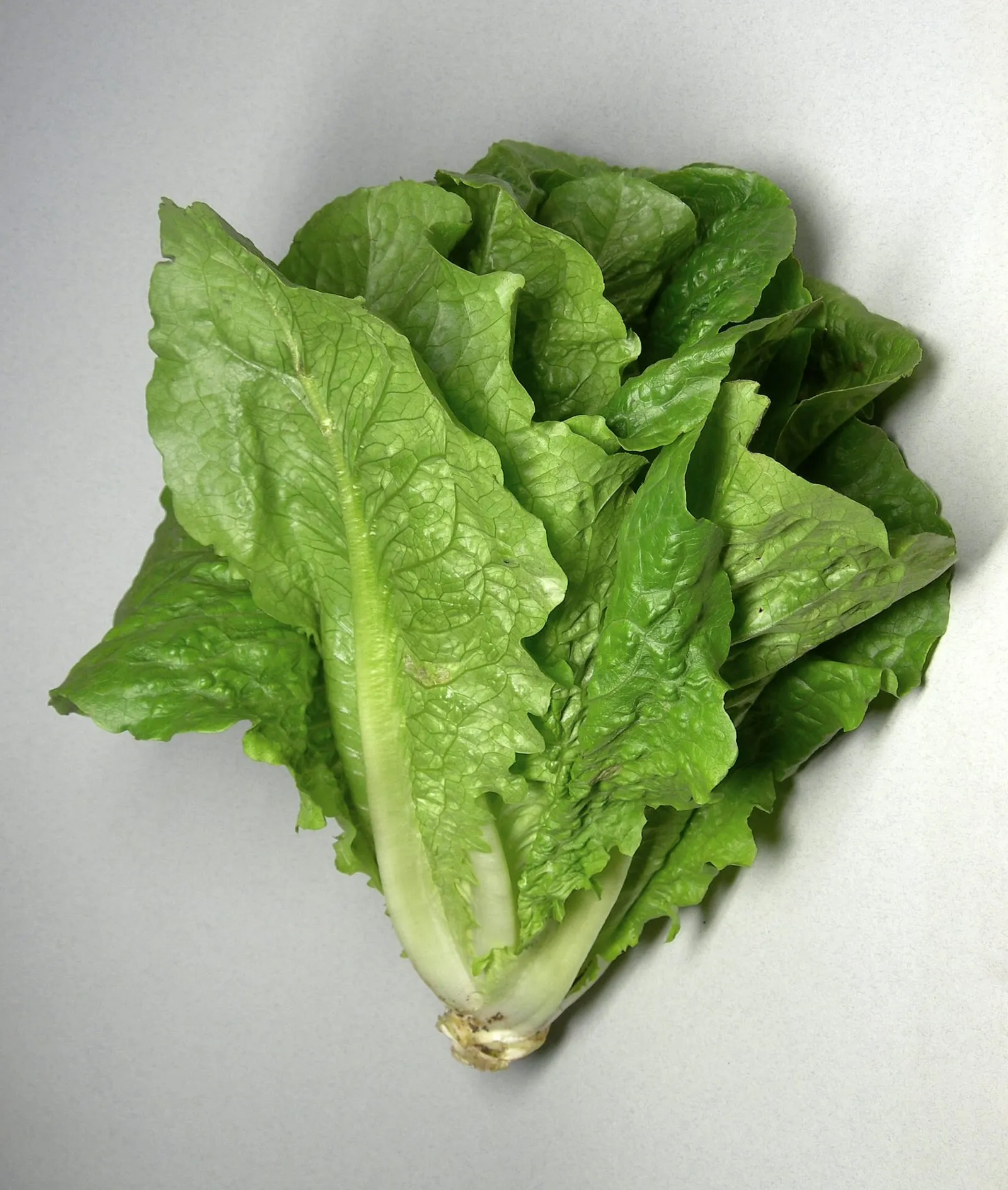
 Peanut
Arachis hypogaea
zones 6a–9b
 zone 8b
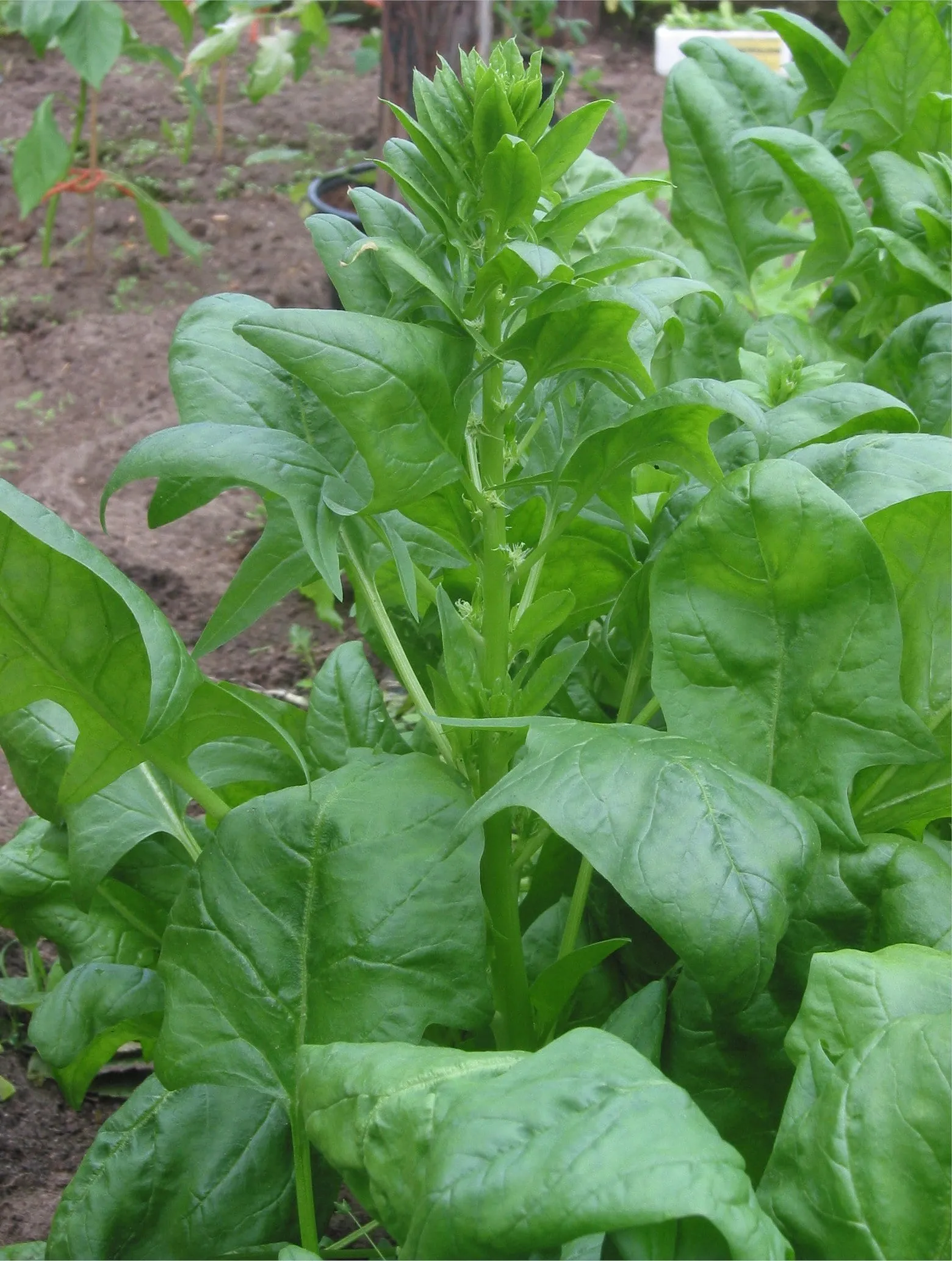
 Lettuce
Lactuca sativa
zones 3a–9b
 zone 8b
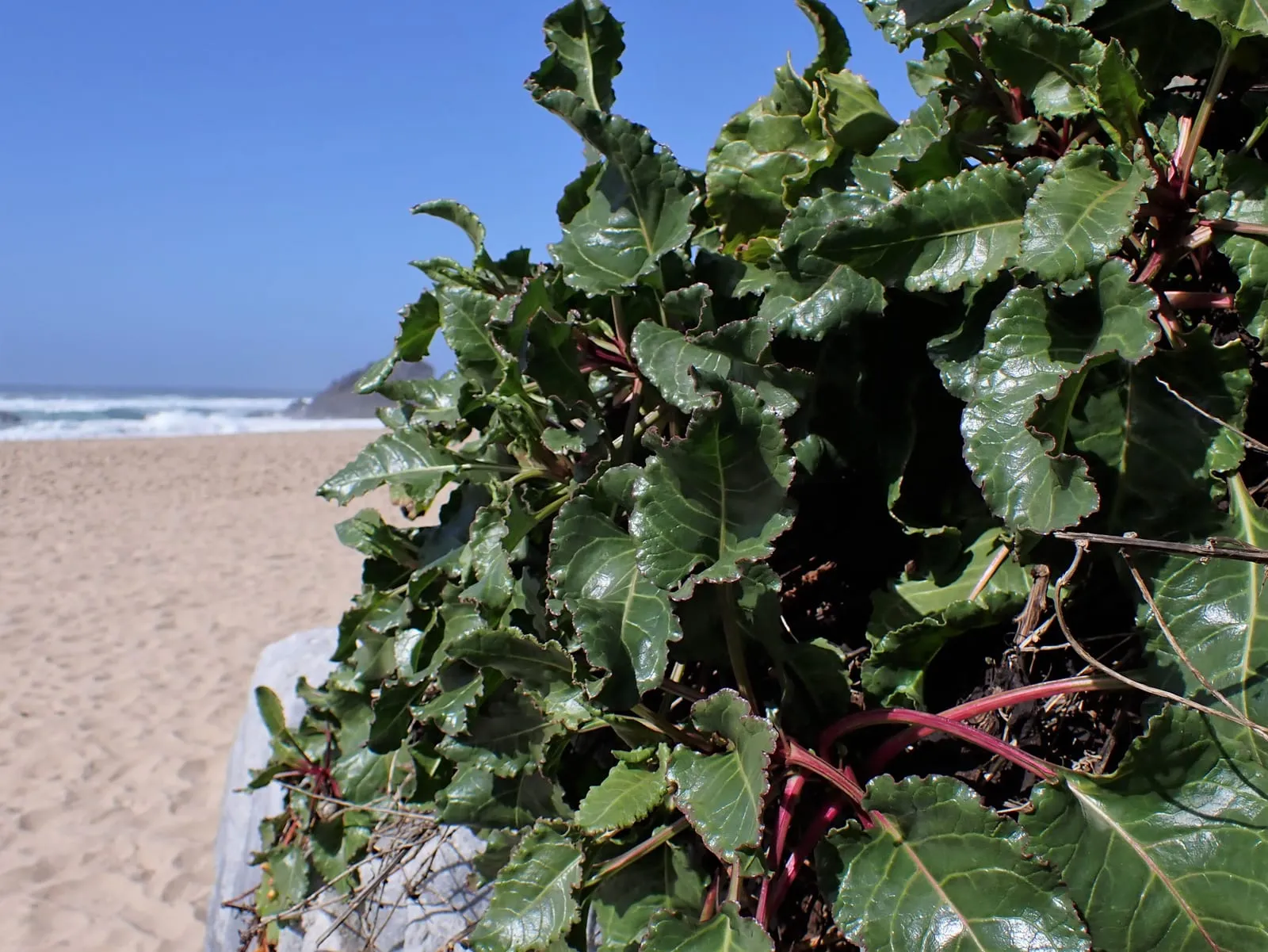
 Spinach
Spinacia oleracea
zones 3a–9a
 zone 8b
 Swiss Chard
Beta vulgaris subsp. vulgaris
zones 3a–9b
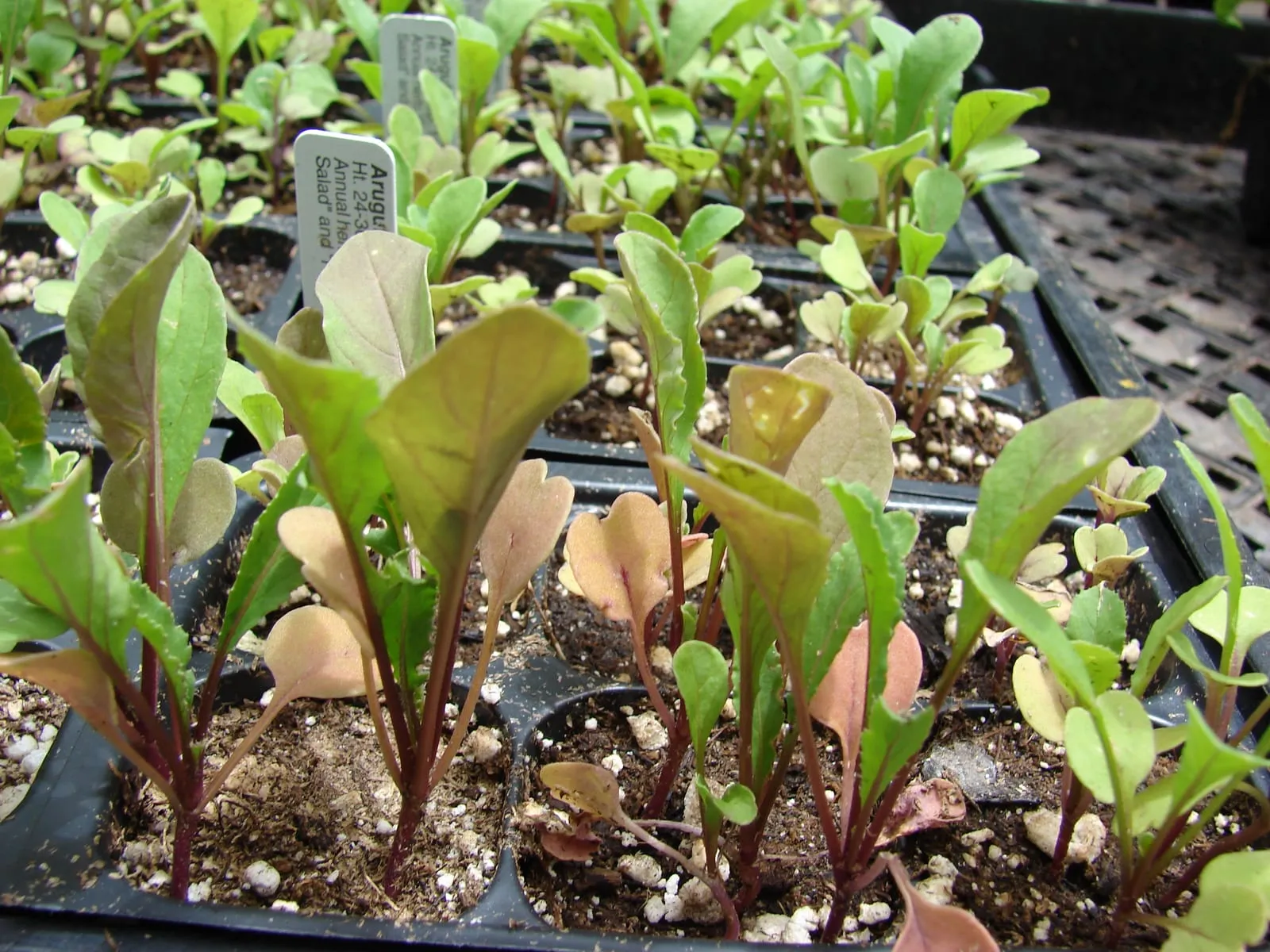 zone 8b
 Arugula
Eruca vesicaria
zones 3b–9a
 zone 8b
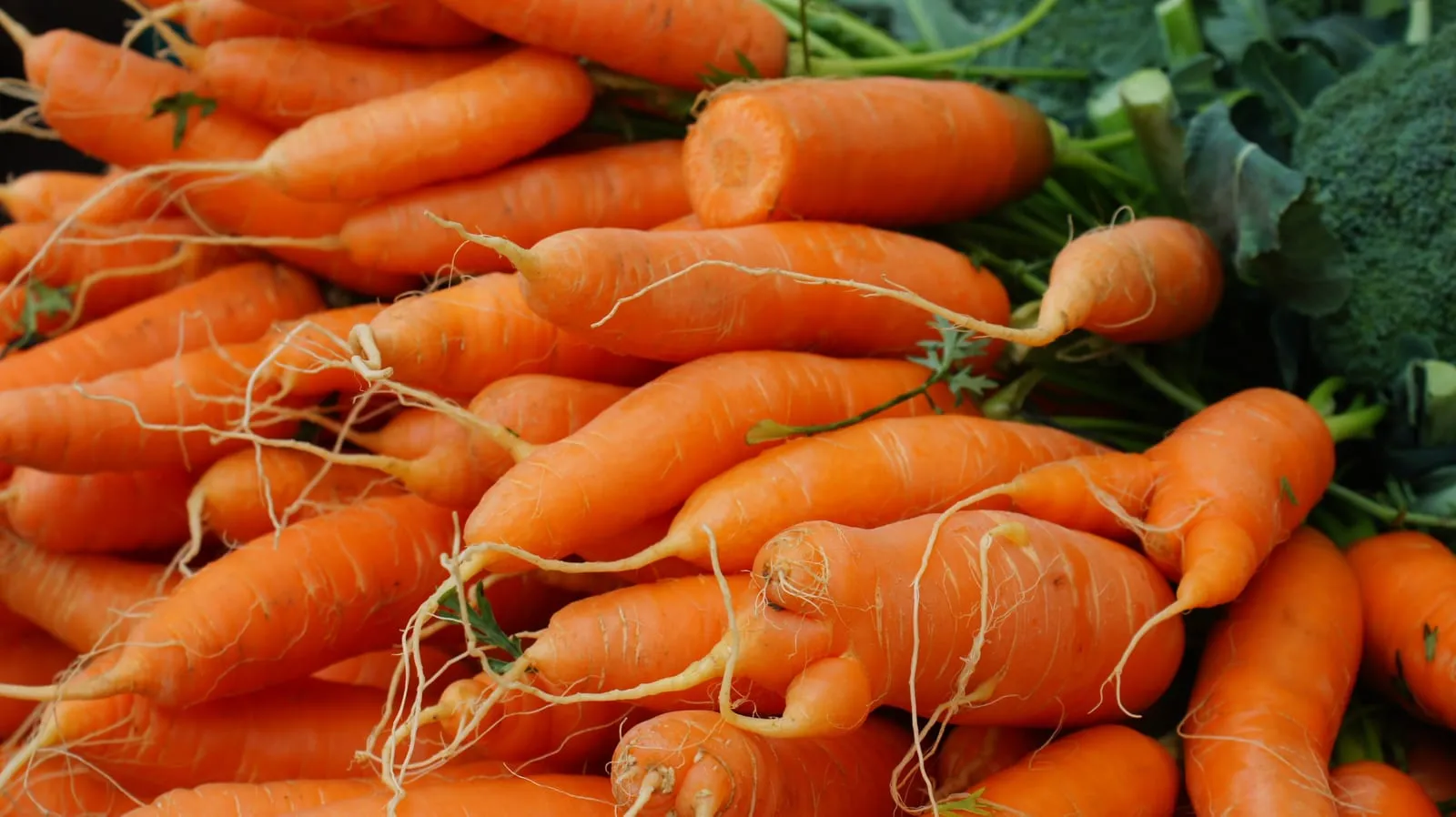
 Carrot
Daucus carota subsp. sativus
zones 3a–9a
 zone 8b
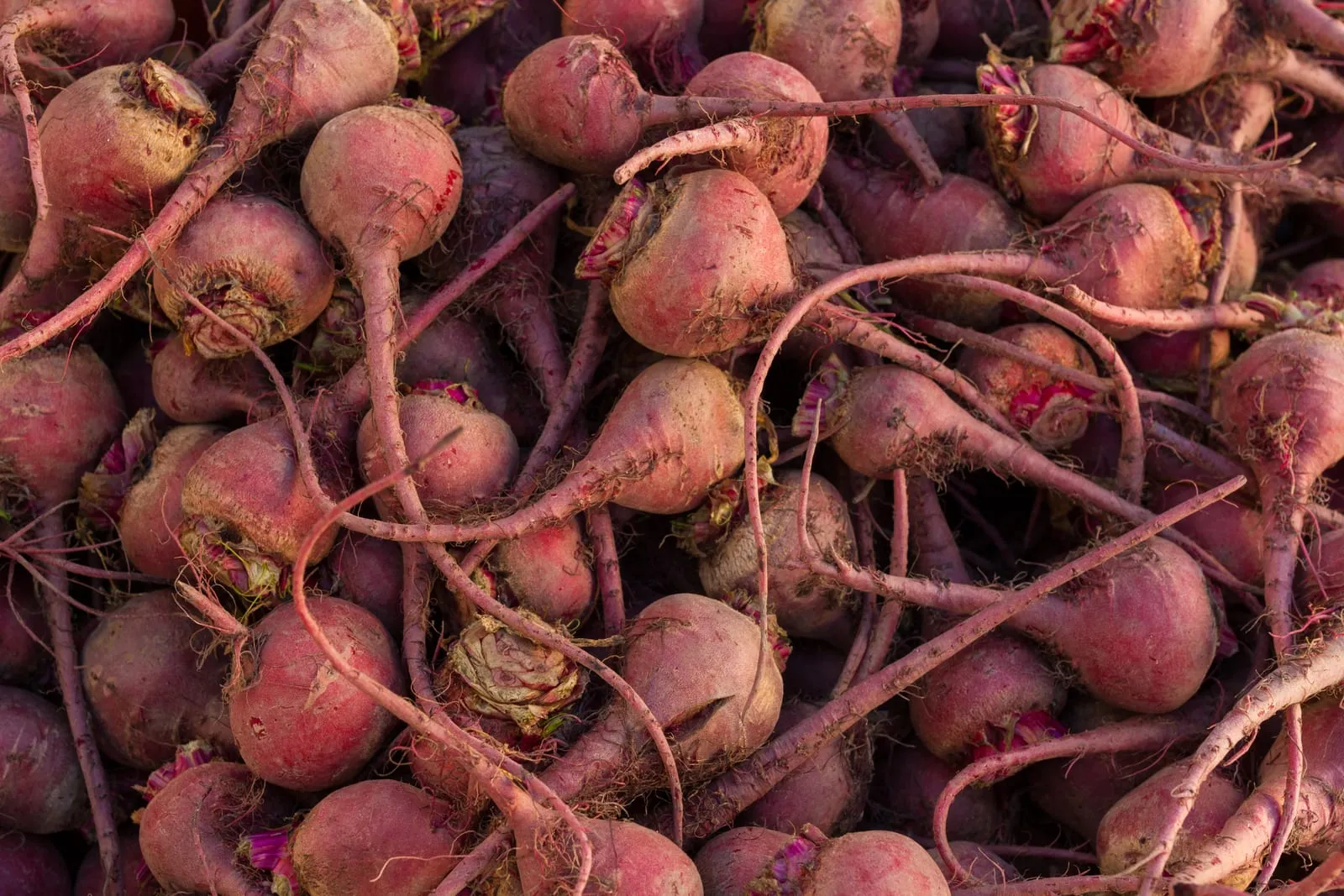
 Beet
Beta vulgaris
zones 3a–9a
 zone 8b
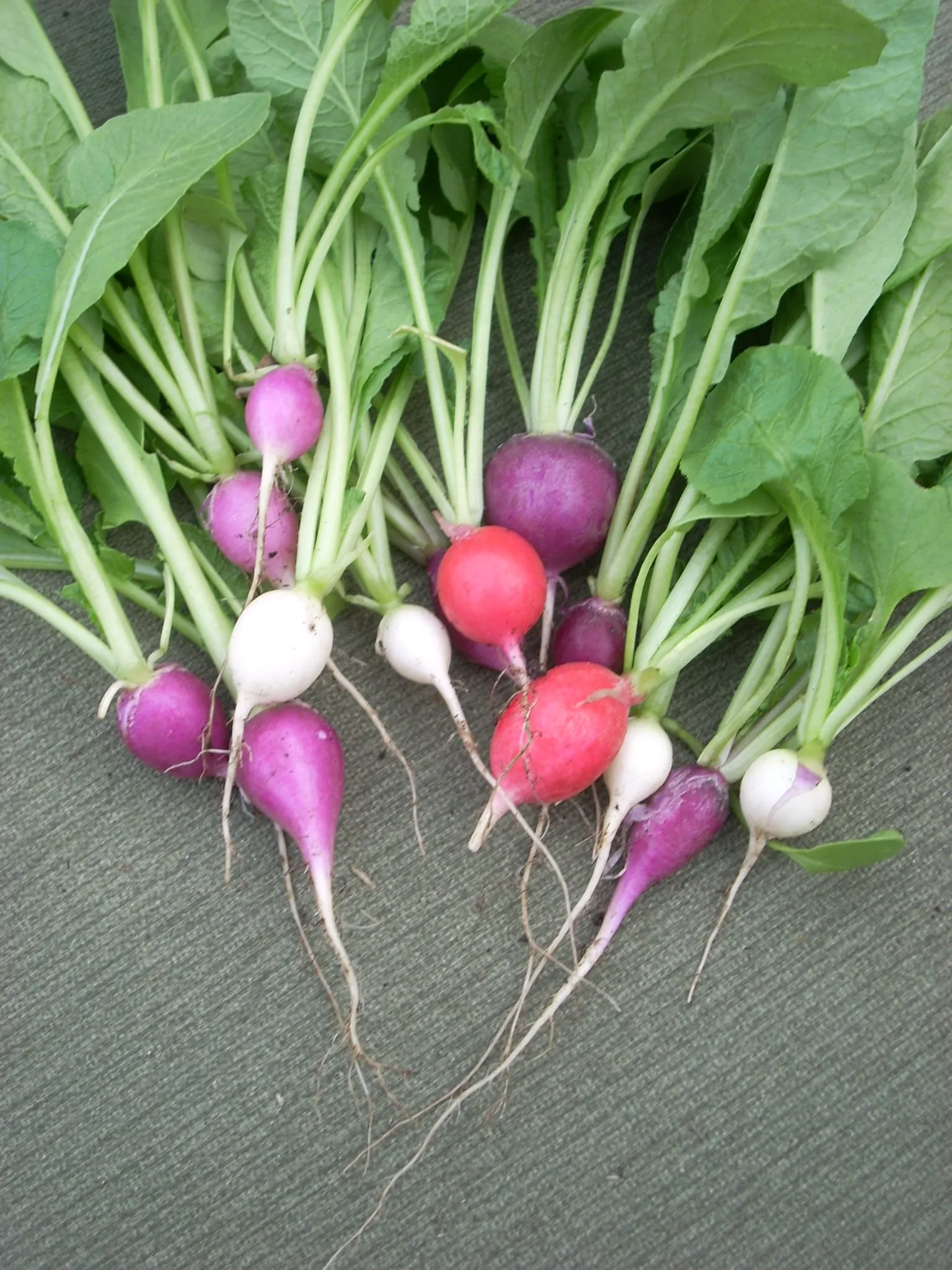
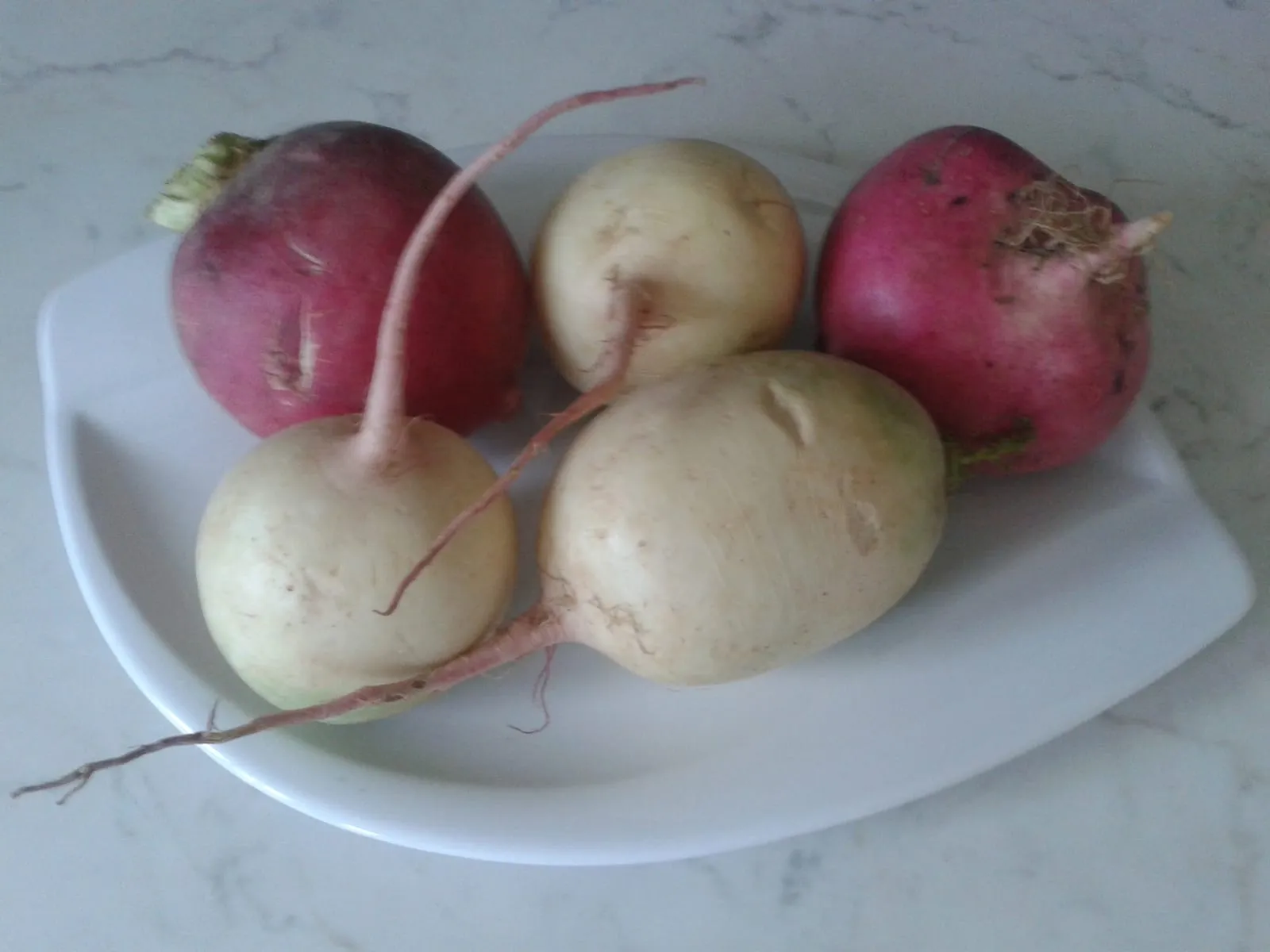
 Radish
Raphanus sativus
zones 3a–9a
 zone 8b
 Turnip
Brassica rapa subsp. rapa
zones 3a–8b
 zone 8b
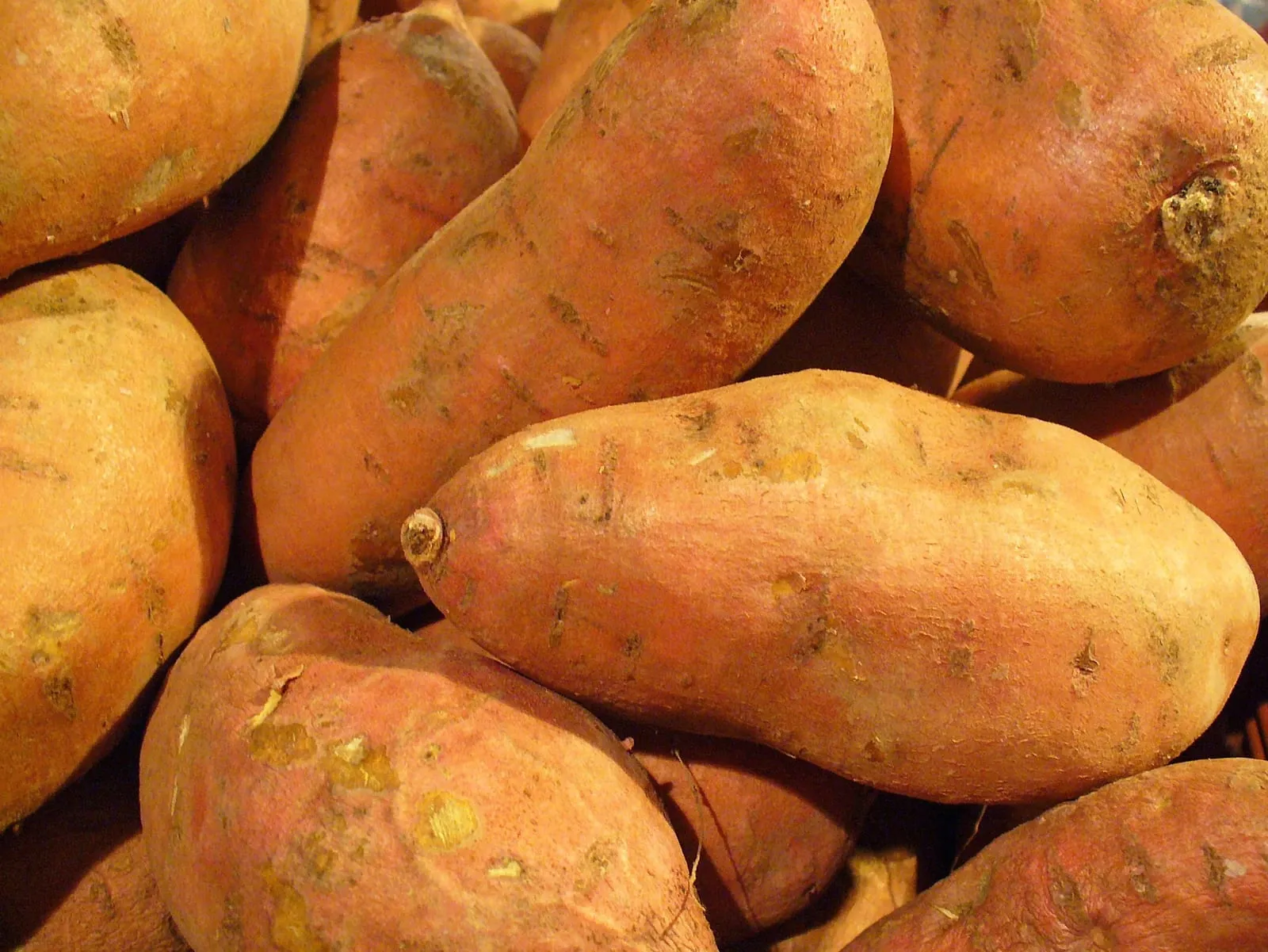
 Sweet Potato
Ipomoea batatas
zones 6a–10b
 zone 8b
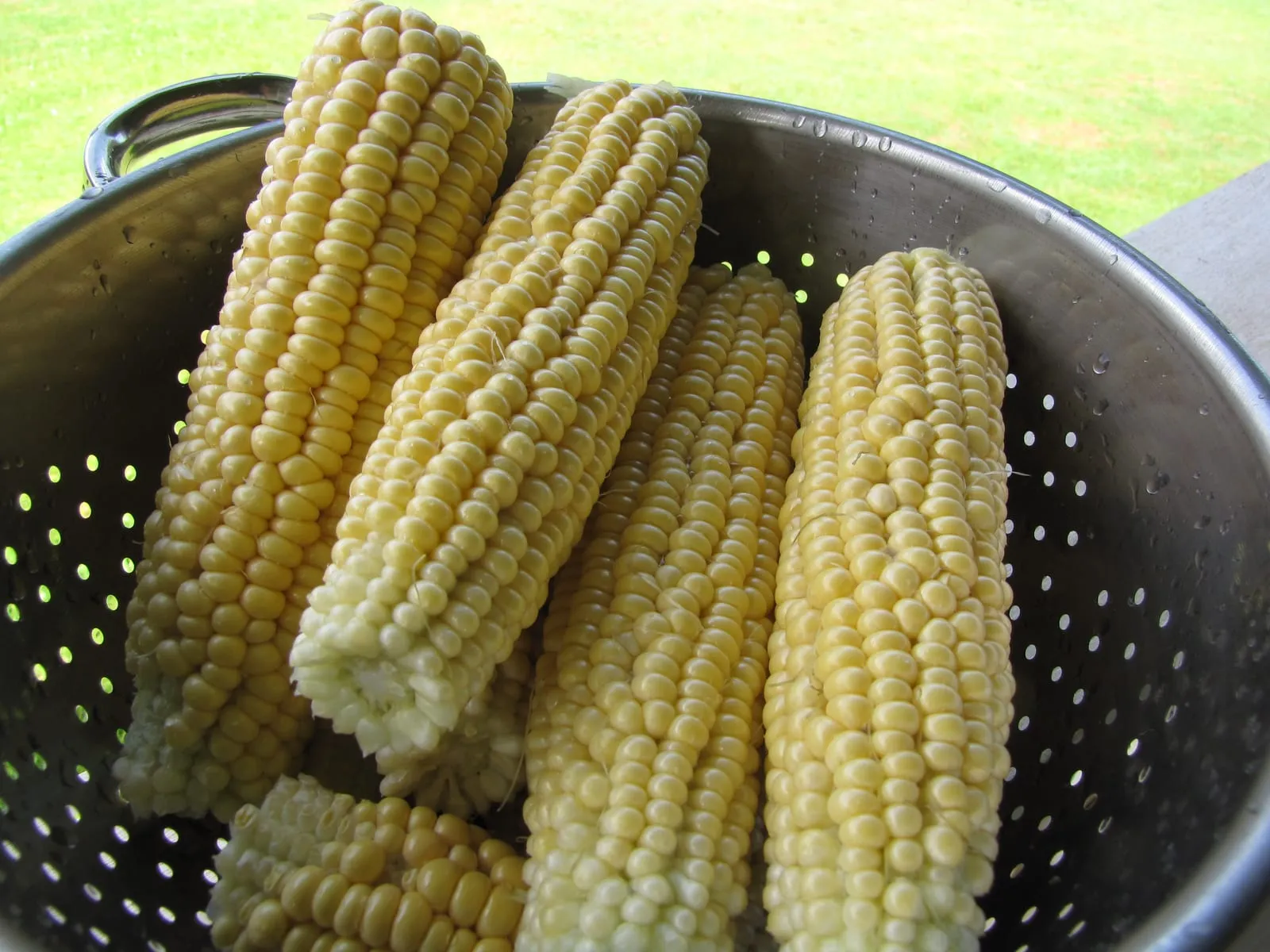
 Sweet Corn
Zea mays var. saccharata
zones 3b–9a
 zone 8b
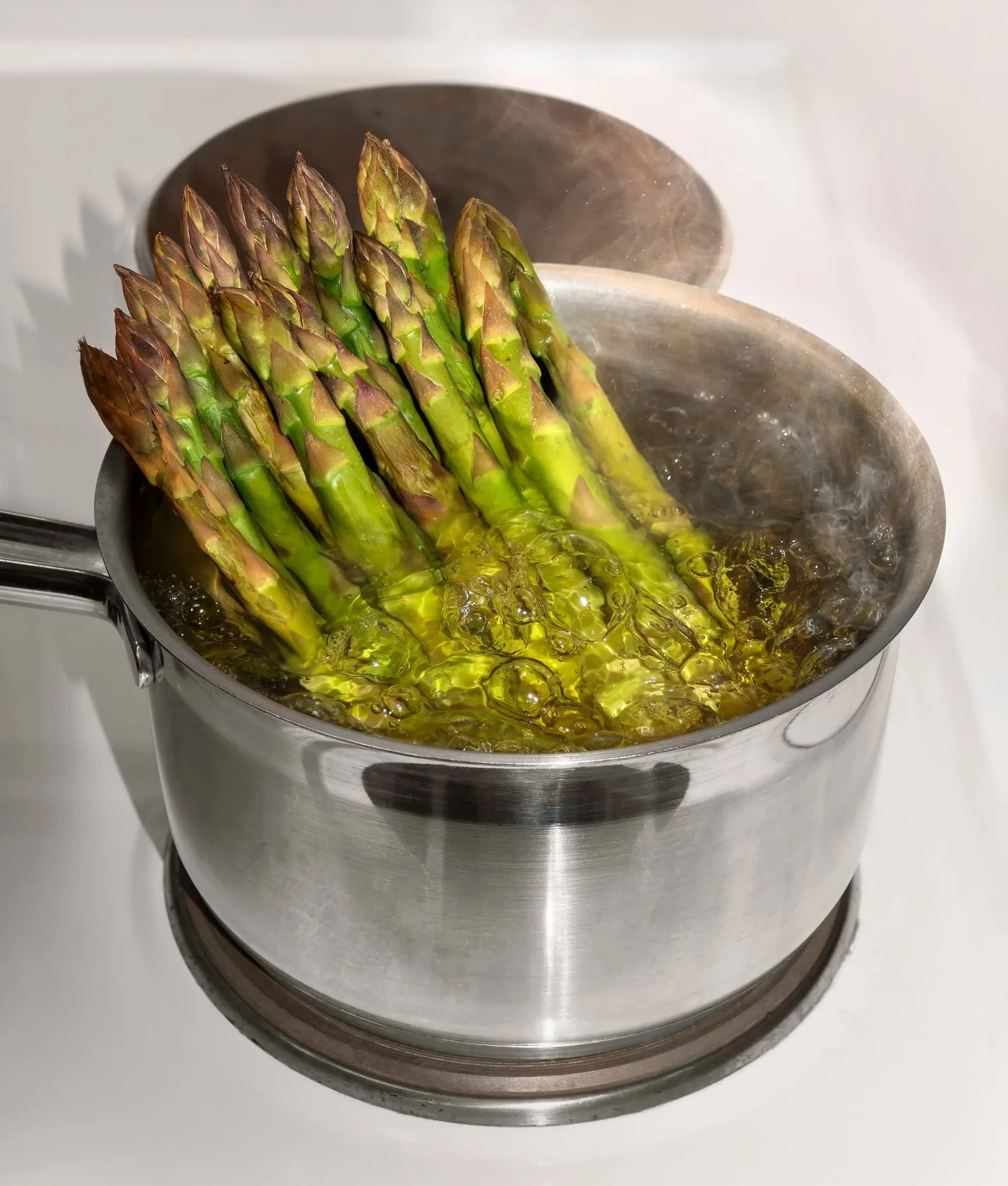
 Asparagus
Asparagus officinalis
zones 3b–8b
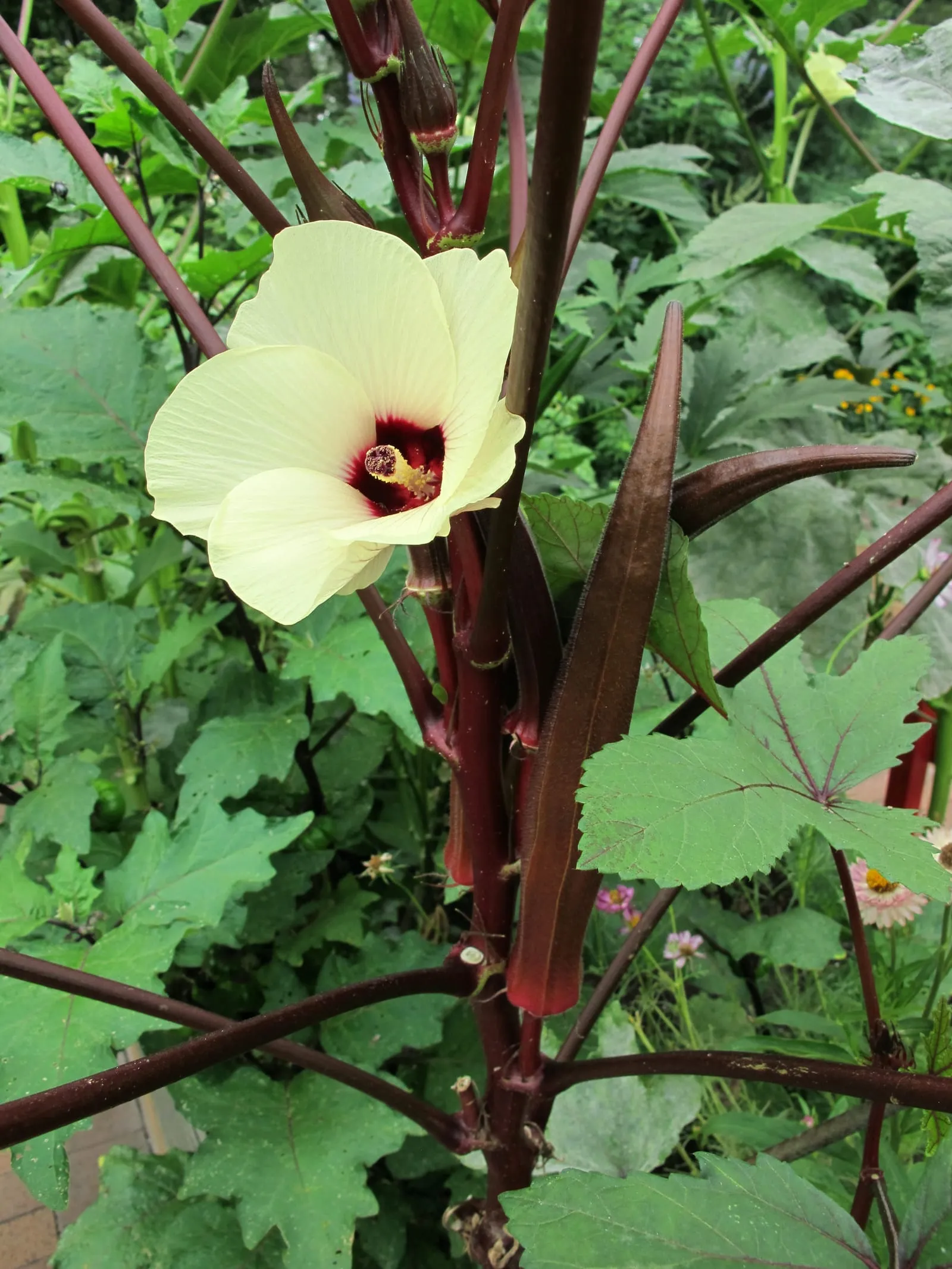 zone 8b
 Okra
Abelmoschus esculentus
zones 6a–10b
Herbs
10 crops
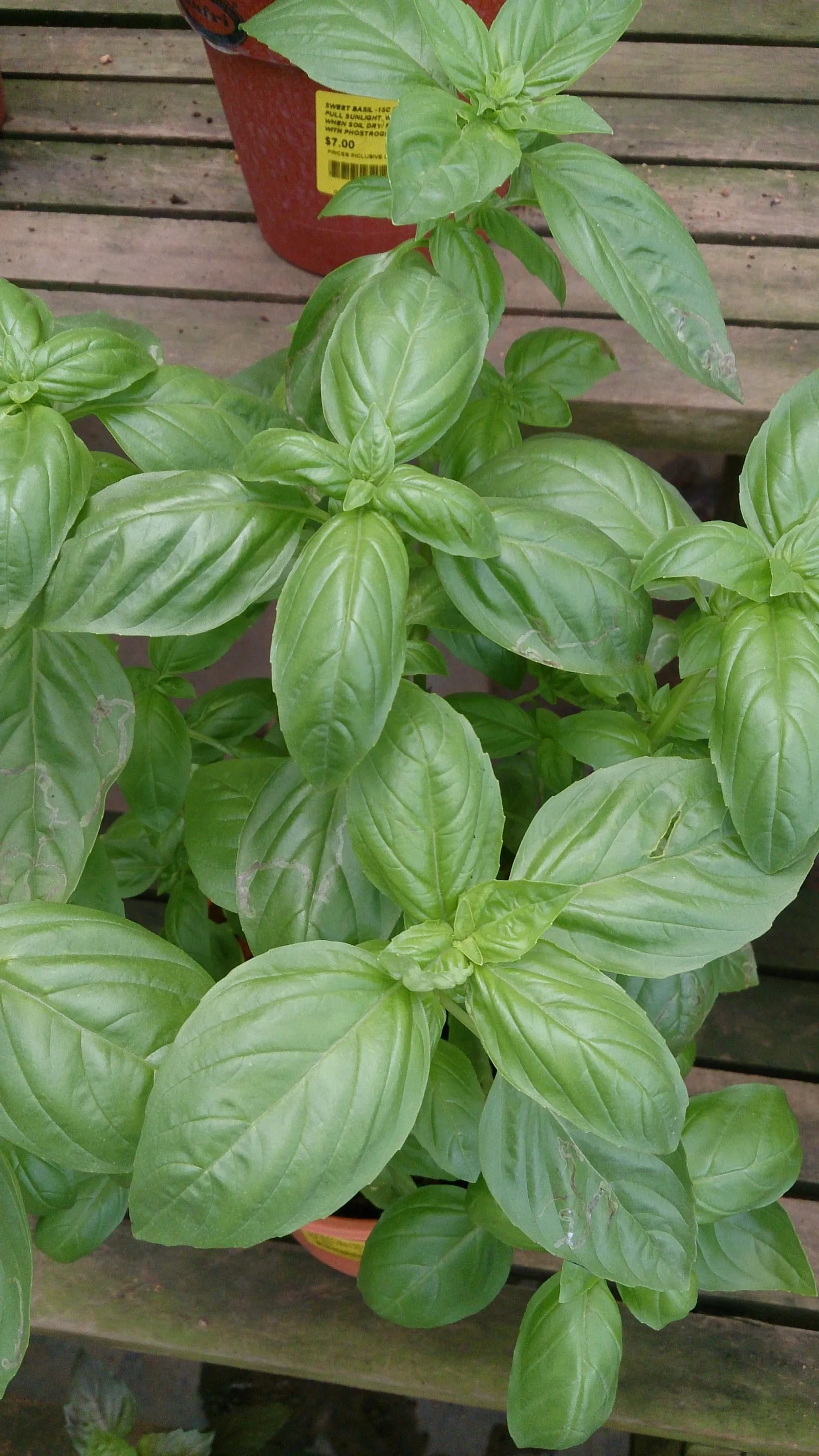 zone 8b
 Basil
Ocimum basilicum
zones 4a–10b
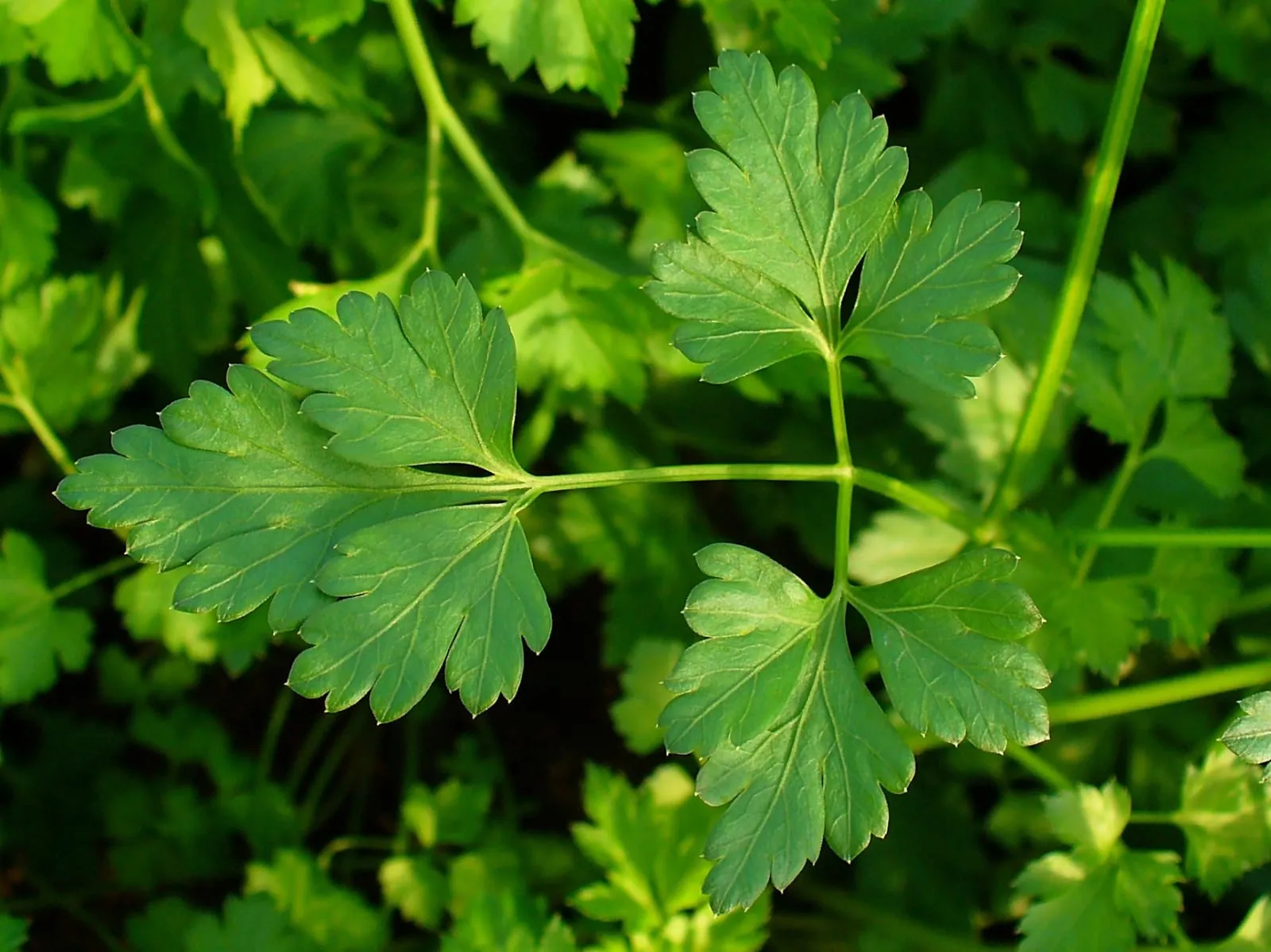 zone 8b
 Parsley
Petroselinum crispum
zones 3b–9b
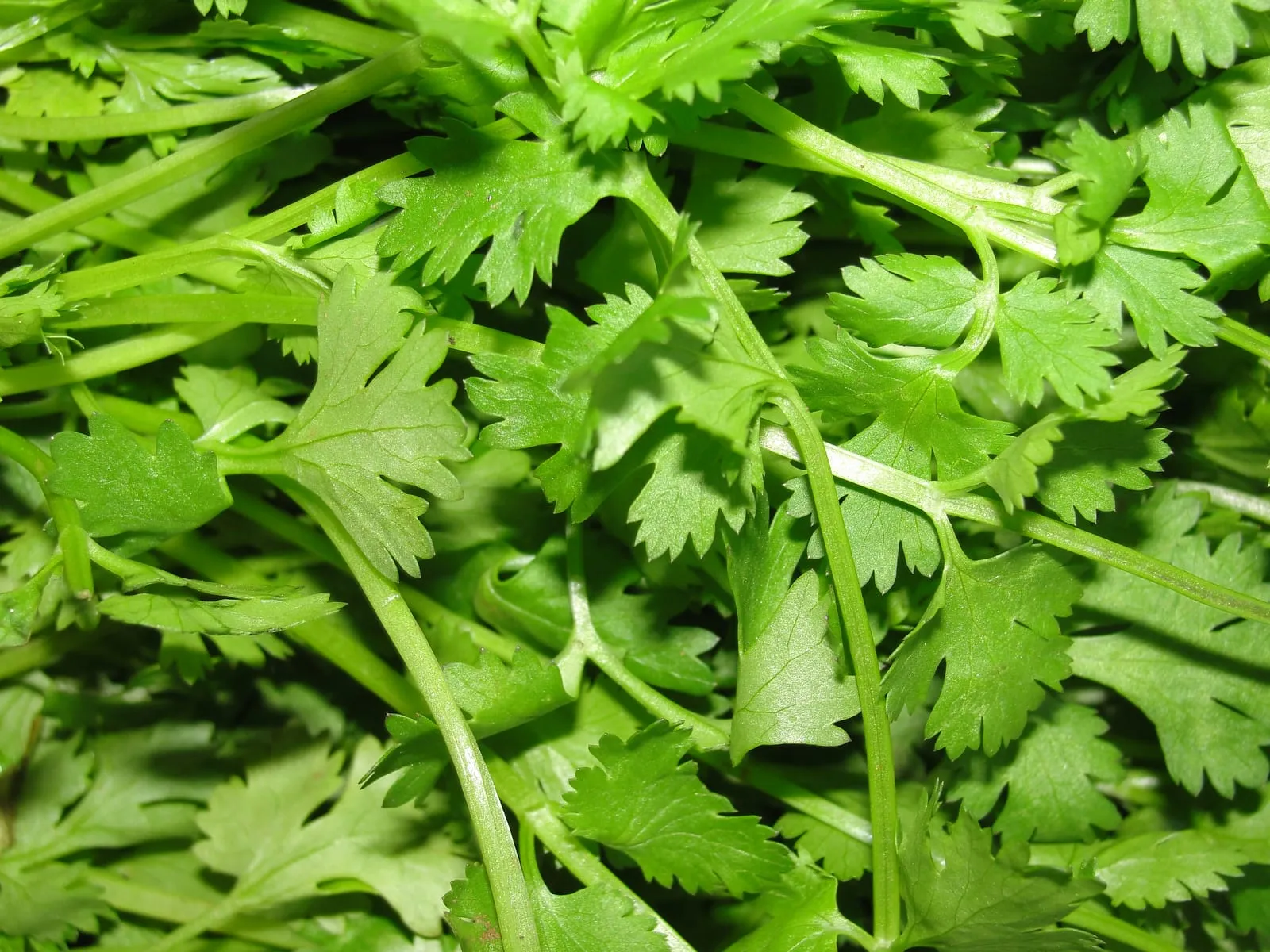 zone 8b
 Cilantro / Coriander
Coriandrum sativum
zones 3b–9b
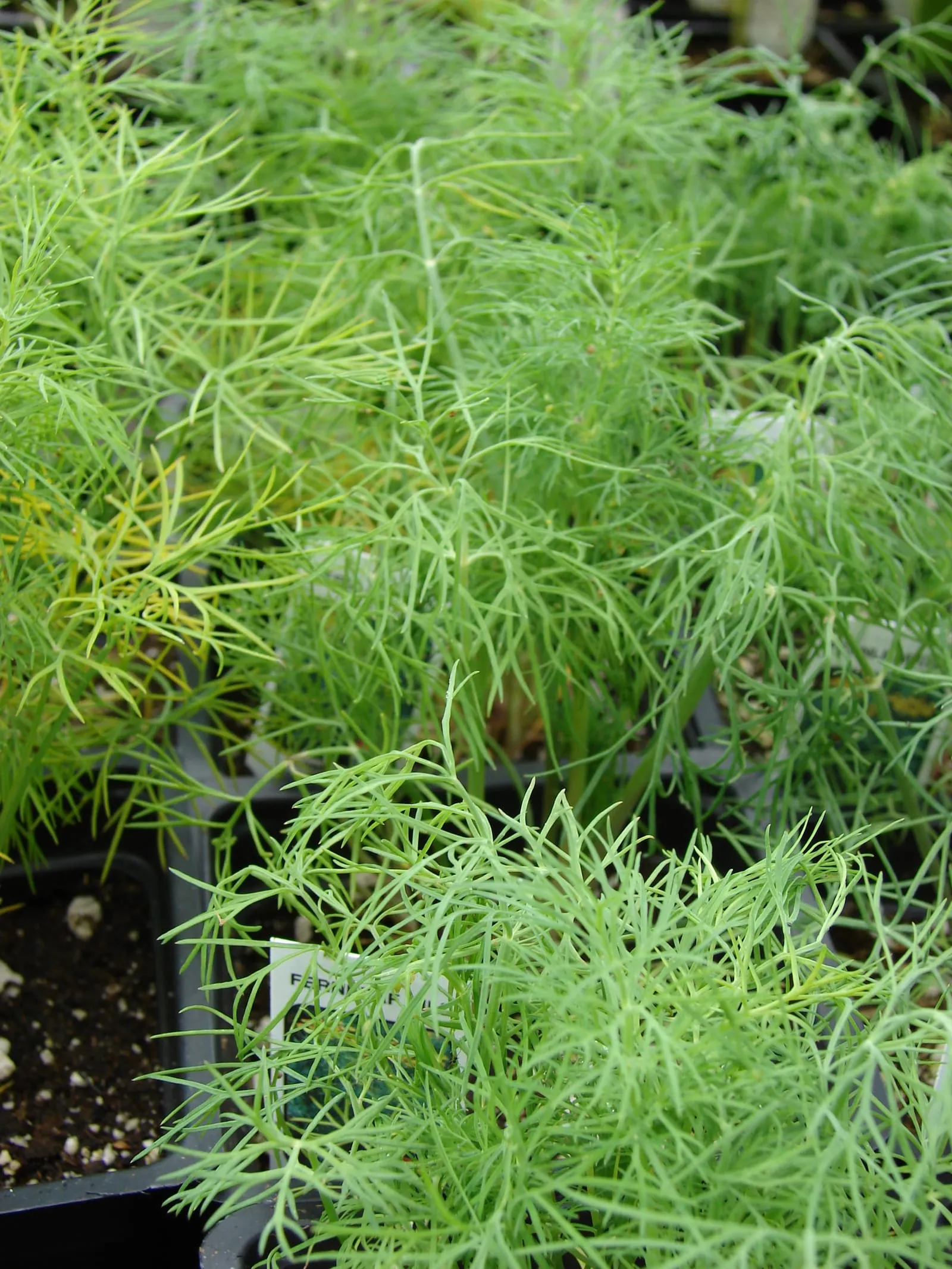 zone 8b
 Dill
Anethum graveolens
zones 3b–9a
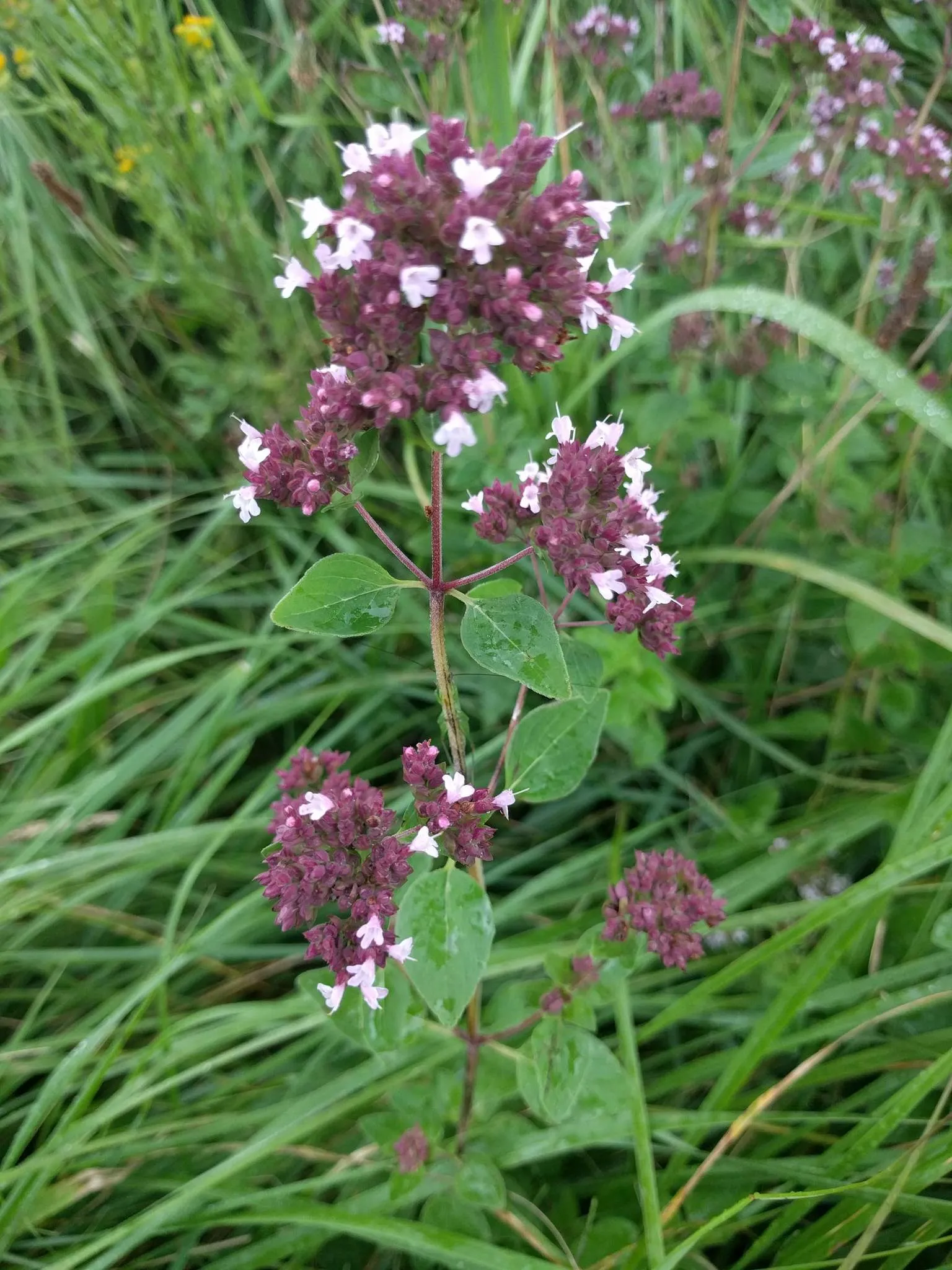 zone 8b
 Oregano
Origanum vulgare
zones 4a–9b
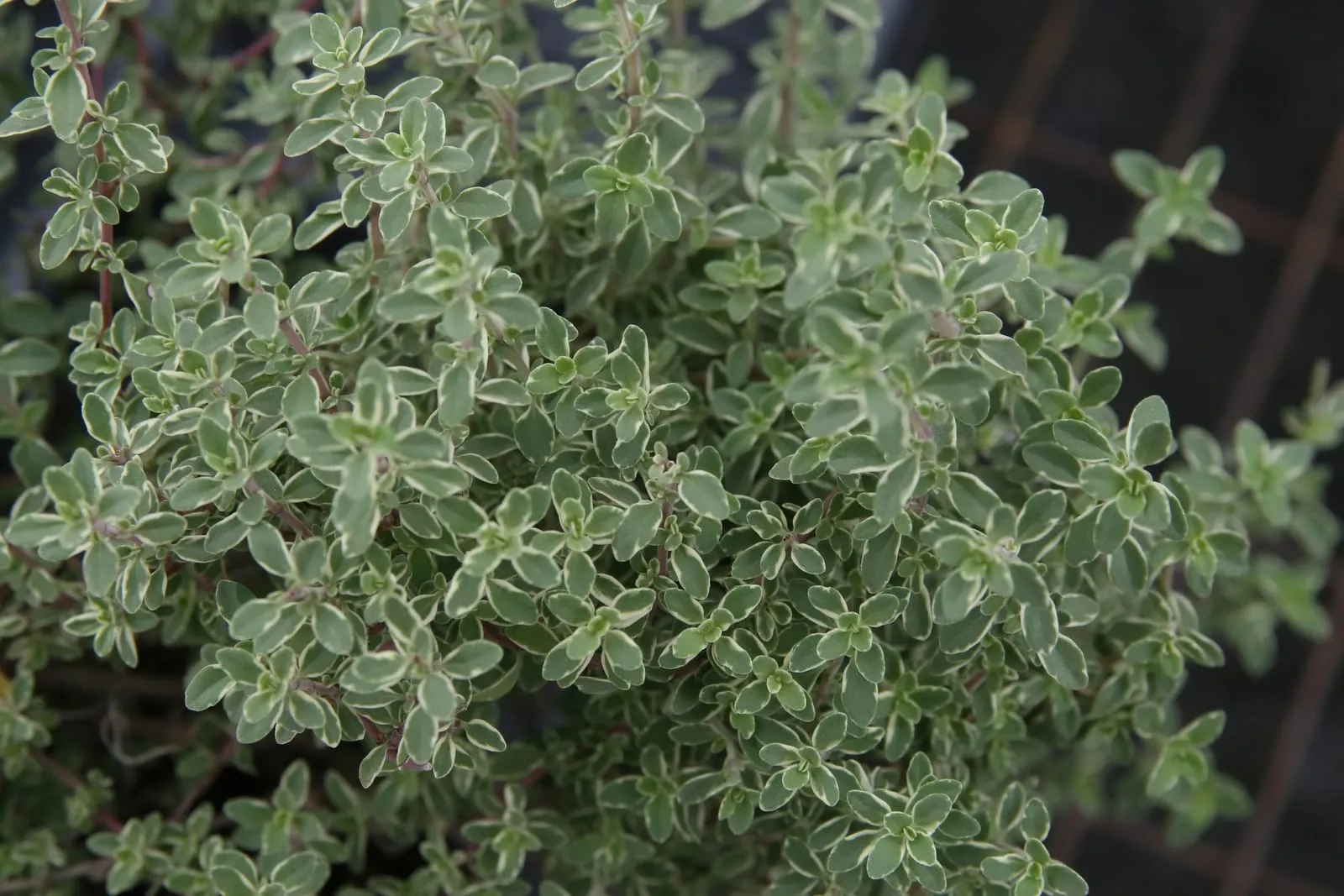 zone 8b
 Thyme
Thymus vulgaris
zones 4a–9a
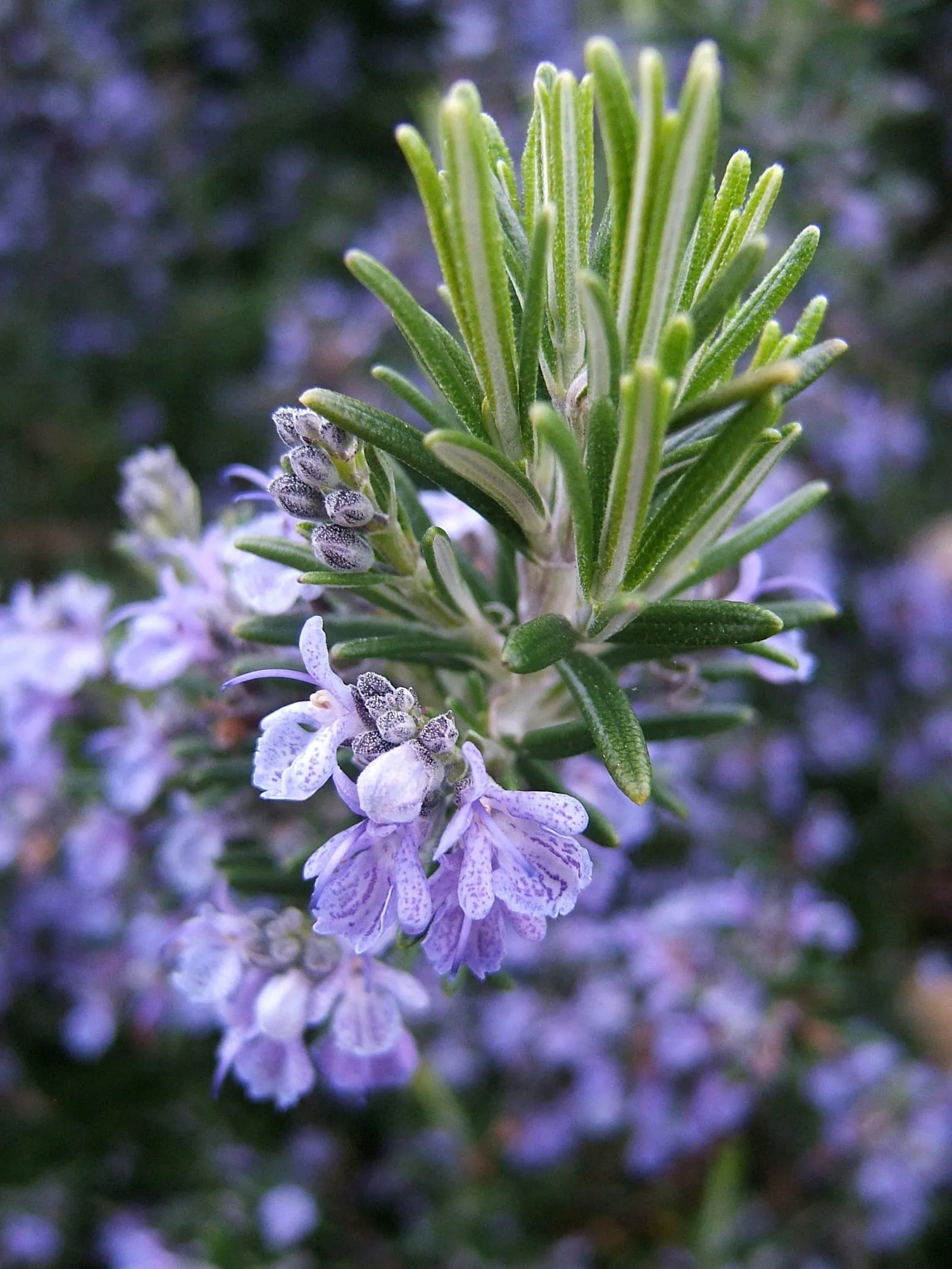 zone 8b
 Rosemary
Salvia rosmarinus
zones 7a–10b
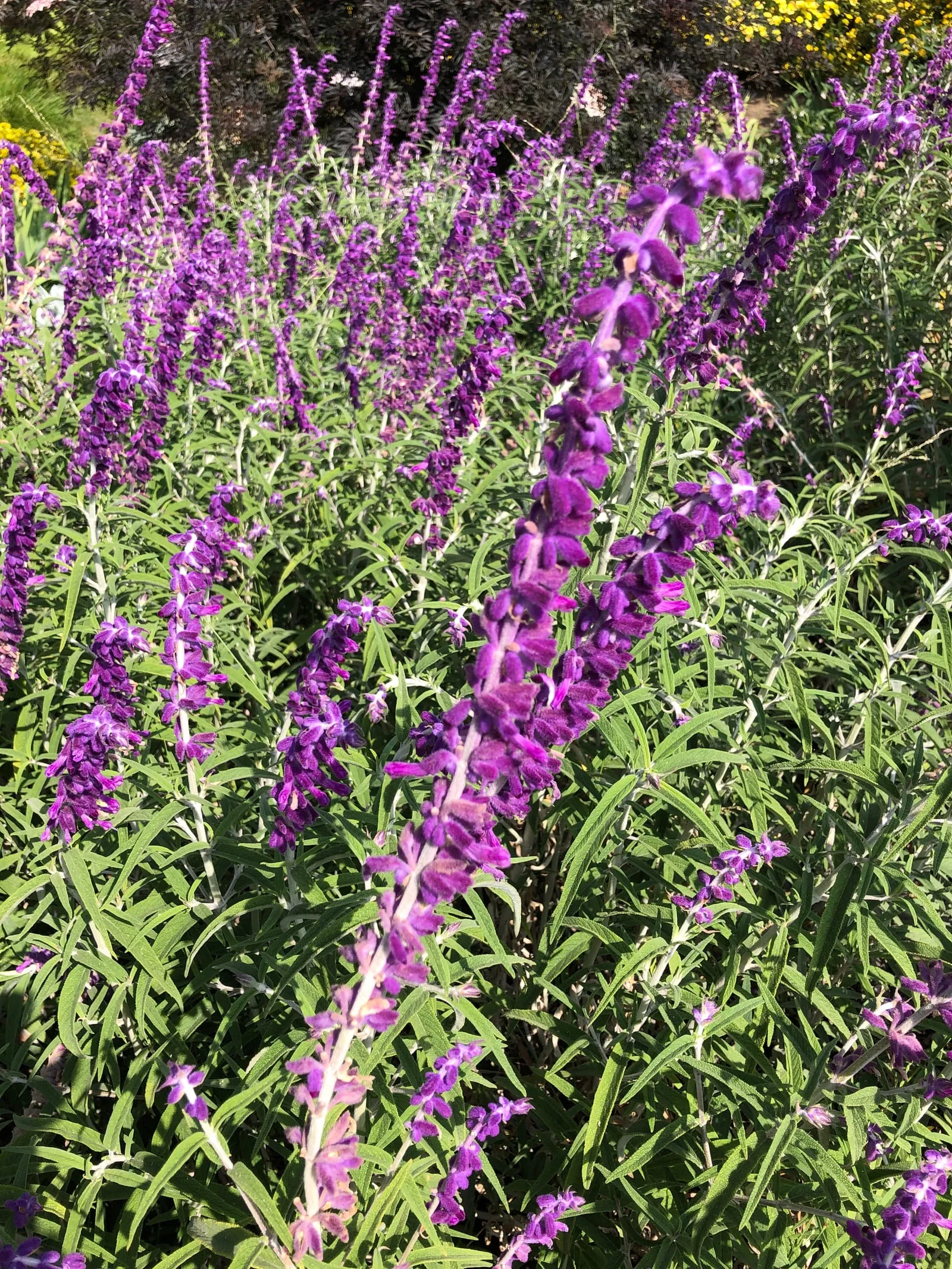 zone 8b
 Sage
Salvia officinalis
zones 4a–9a
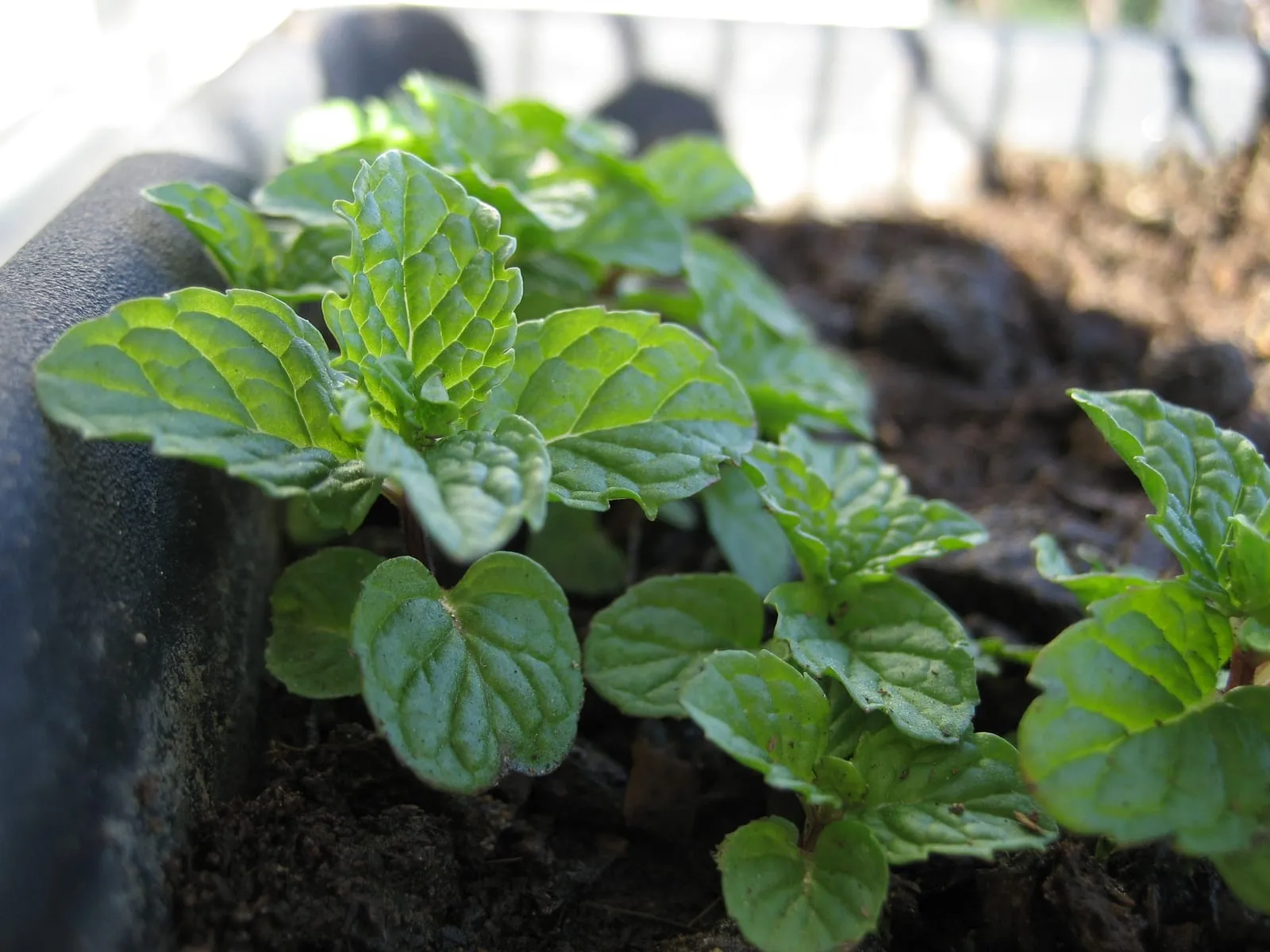 zone 8b
 Mint
Mentha species
zones 3b–9b
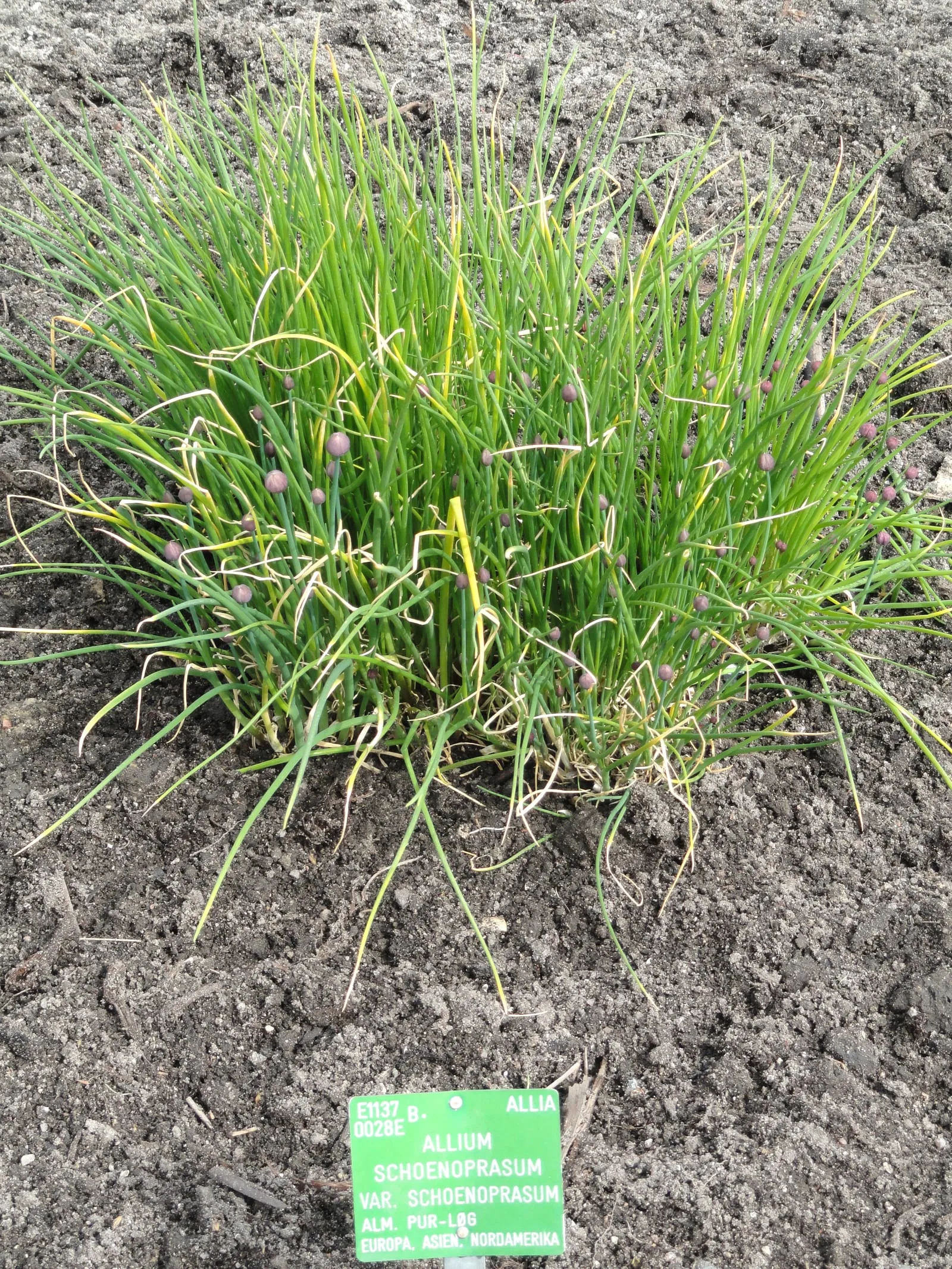 zone 8b
 Chives
Allium schoenoprasum
zones 3a–8b
When to plant
Planting calendar for zone 8b
Year-view of seed starting, transplanting, planting, pruning, fertilizing, harvest, and pest-watch windows based on the average frost timing for zone 8b.
Week ? · loading
This week in zone 8b
Quiet week in zone 8b. this week is a good time to step back and plan ahead.
Nothing critical on the calendar this week.
333 bars · 68 crops
Calendar logic combines NOAA frost normals with crop-specific timing data. Local microclimate and weather always overrules the calendar; use this as a starting point.
Frequently asked questions
- Can I grow apples in zone 8b?
Yes, but variety selection is critical. Standard cultivars requiring 800 or more chill hours will produce poorly or not at all. Low-chill cultivars such as Anna (around 200 hours) and Dorsett Golden (100-200 hours) are the standard recommendations. Planting two compatible low-chill varieties together improves pollination and fruit set.
- What chill hours does zone 8b typically accumulate each winter?
Most locations in zone 8b average 300-500 chill hours per season, though this varies by year and microclimate. Coastal areas near large bodies of water tend toward the lower end. Inland locations in Southern Arizona, where winter nights are colder and drier, may accumulate more. Local extension offices often publish historical chill hour summaries for specific counties.
- Can I grow cherries in zone 8b?
Sweet cherries (Prunus avium) require 700-1,400 chill hours and are not viable in zone 8b under typical conditions. Sour cherries require somewhat less but still exceed what most of this zone reliably accumulates. There are no commercially proven cherry selections bred for zone 8b heat and chill levels at this time.
- Is citrus greening a real concern for home growers in zone 8b?
In Florida and parts of coastal Texas, yes. Citrus greening (HLB) is caused by a bacterium spread by the Asian citrus psyllid and has no cure once a tree is infected. Buying certified, disease-free nursery stock, monitoring regularly for asymmetric leaf yellowing, and removing symptomatic trees promptly are the practical responses available to home growers.
- What perennial fruits grow reliably in zone 8b without significant management?
Figs, pomegranates, and persimmons (both American and Asian varieties) are consistently reliable across most of zone 8b. Figs thrive on heat and tolerate the brief cold spells this zone produces. Jujubes are another low-maintenance option that performs well across the range of climates within this zone, tolerating both heat and periodic drought.
- How does nematode pressure affect fruit trees in zone 8b?
Root-knot nematodes are a persistent problem in the sandy soils common to Northern Florida and parts of coastal Texas. Affected trees decline gradually, often attributed to other causes before nematodes are identified. Rootstock selection is the most durable defense: Nemaguard and Flordaguard for peaches and plums, and planting in heavier or organically amended soils where possible.
+−
+−
+−
+−
+−
+−
Related