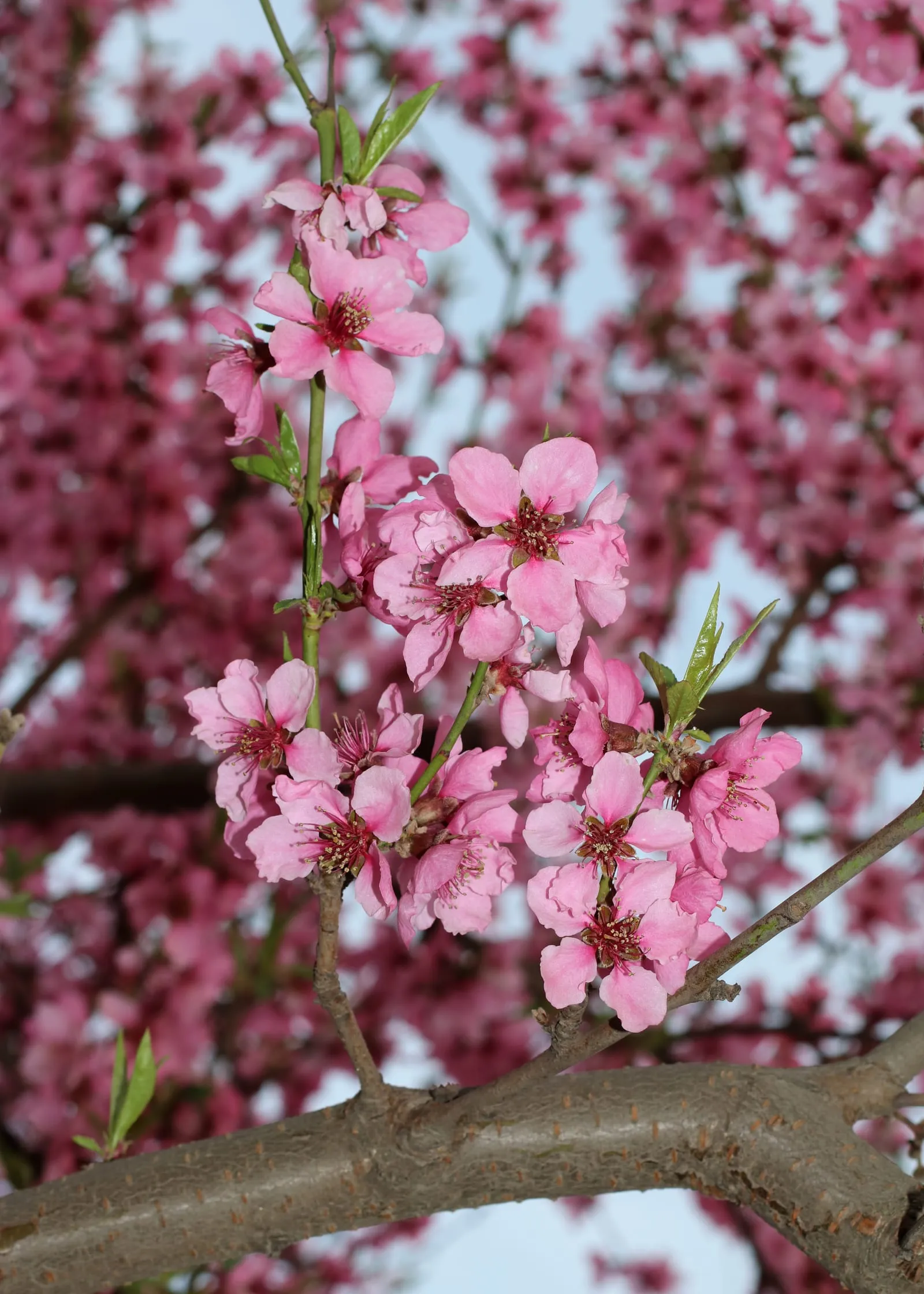
fruit tree in zone 8b
Growing peach in zone 8b
Prunus persica
- Zone
- 8b 15°F to 20°F
- Growing season
- 260 days
- Chill needed
- 600 to 900 below 45°F
- Suitable varieties
- 1
- Days to harvest
- 90 to 150
The verdict
Zone 8b sits at the lower edge of peach's chill-hour range, making this a marginal rather than optimal zone for the crop. Most peach varieties require 600 to 900 chill hours (hours below 45°F), but zone 8b accumulates significantly fewer in most winters, with coastal and lower-elevation sites often falling short of 500 hours. The gap between what the tree needs and what the climate reliably delivers means standard catalog varieties will either fail to break dormancy cleanly or produce erratic crops.
Growers in zone 8b are essentially constrained to low-chill selections bred specifically for the Deep South and Gulf Coast climates, with Florida King being one of the few combinations documented to perform acceptably here. Even with appropriate varieties, chill accumulation varies year to year, so expect some seasons where fruit set is poor regardless of management. Sandy soils compound the challenge by limiting water retention during the long 260-day growing season and increasing nematode pressure on roots.
Recommended varieties for zone 8b
1 cultivar suited to this zone, with disease-resistance and zone-fit annotations.
| Variety | Notes | Zone fit | Disease resistance |
|---|---|---|---|
| Florida King fits zone 8b | Sweet, firm, semi-freestone; bred for warm climates with low chill needs. Fresh eating; ripens very early in season. | | none noted |
Critical timing for zone 8b
Peach trees in zone 8b typically begin bloom in late January through mid-February, driven by the earlier chill accumulation compared to higher-latitude peach regions. This early bloom window creates a meaningful frost-collision risk: the zone's last freeze dates frequently extend into late February or early March in many locations, overlapping directly with open flowers. A single frost event at full bloom can eliminate the entire crop.
Harvest for early-season low-chill varieties like Florida King generally falls between late April and June, which avoids the worst summer heat but still requires attention to fungal pressure as temperatures climb. The long growing season is an asset for tree establishment but not for late-season fruit quality.
Common challenges in zone 8b
- ▸ Low chill hours limit apple variety selection
- ▸ Citrus greening risk
- ▸ Nematodes in sandy soils
Disease pressure to watch for
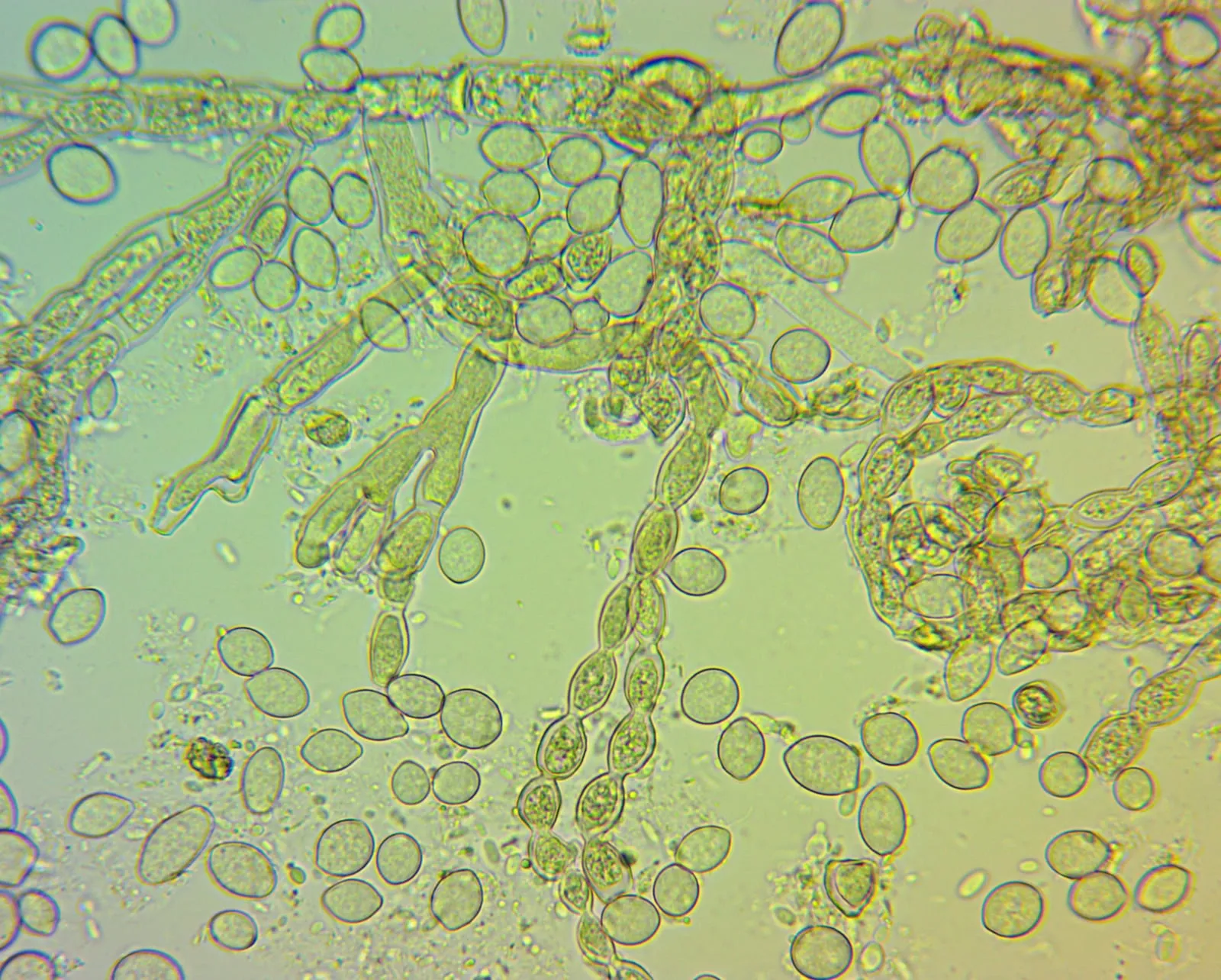
Monilinia fructicola
The most damaging stone-fruit and almond disease, causing blossom blight and fruit rot.
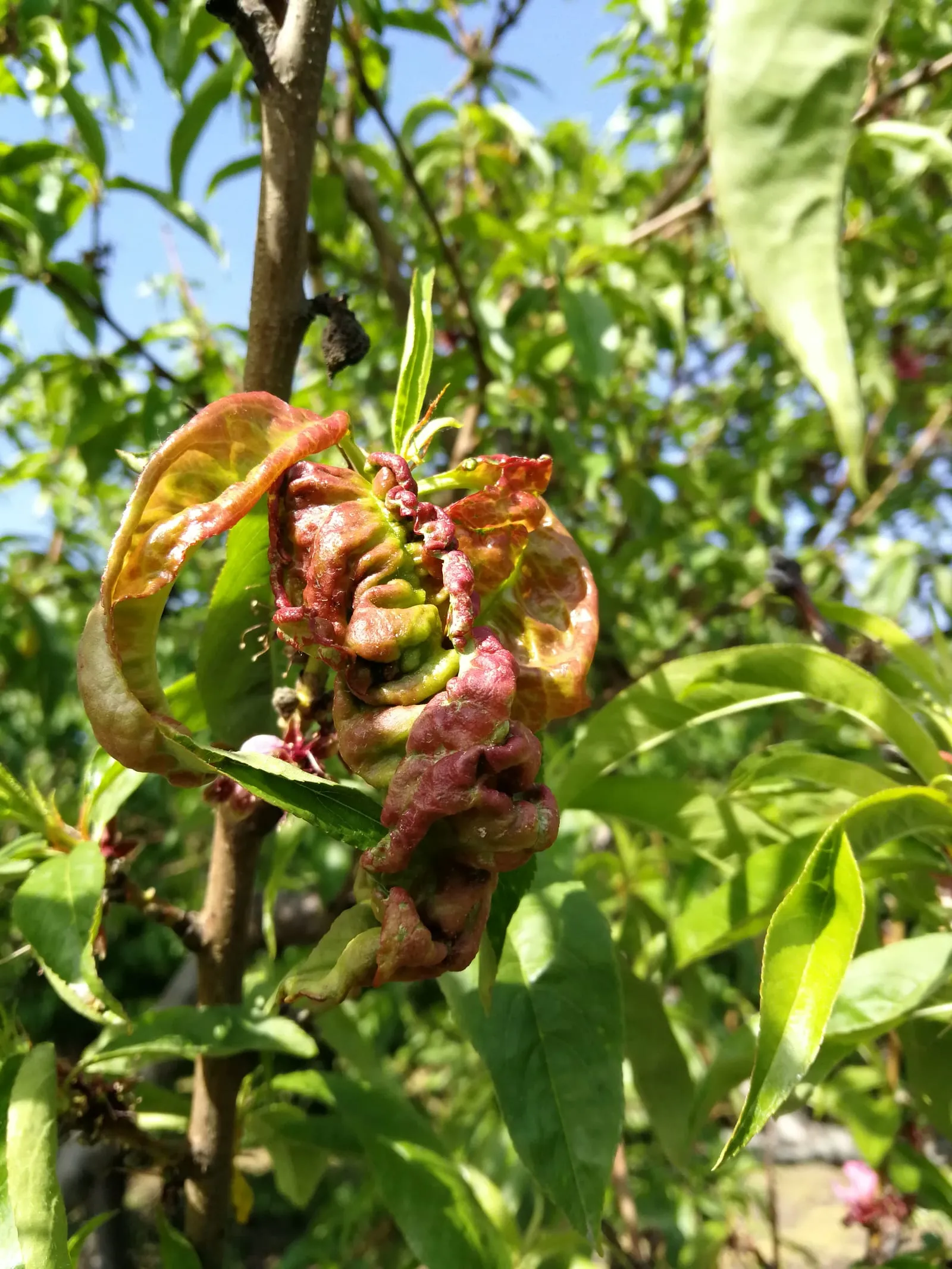
Taphrina deformans
Distinctive springtime disease causing red, puckered leaves. Manageable with one well-timed dormant spray.
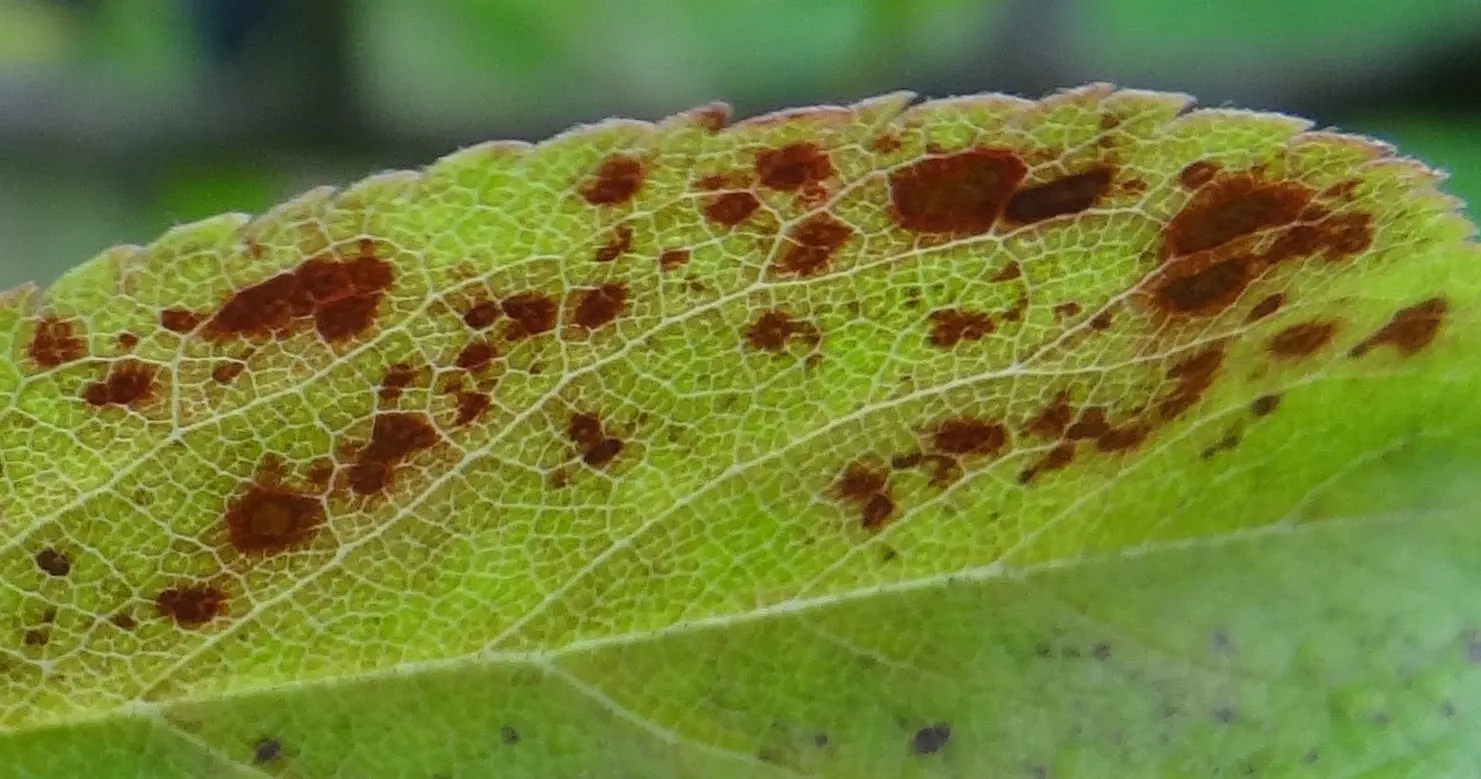
Xanthomonas arboricola pv. pruni
Bacterial disease causing leaf spots and fruit blemishes, severe in warm humid regions.
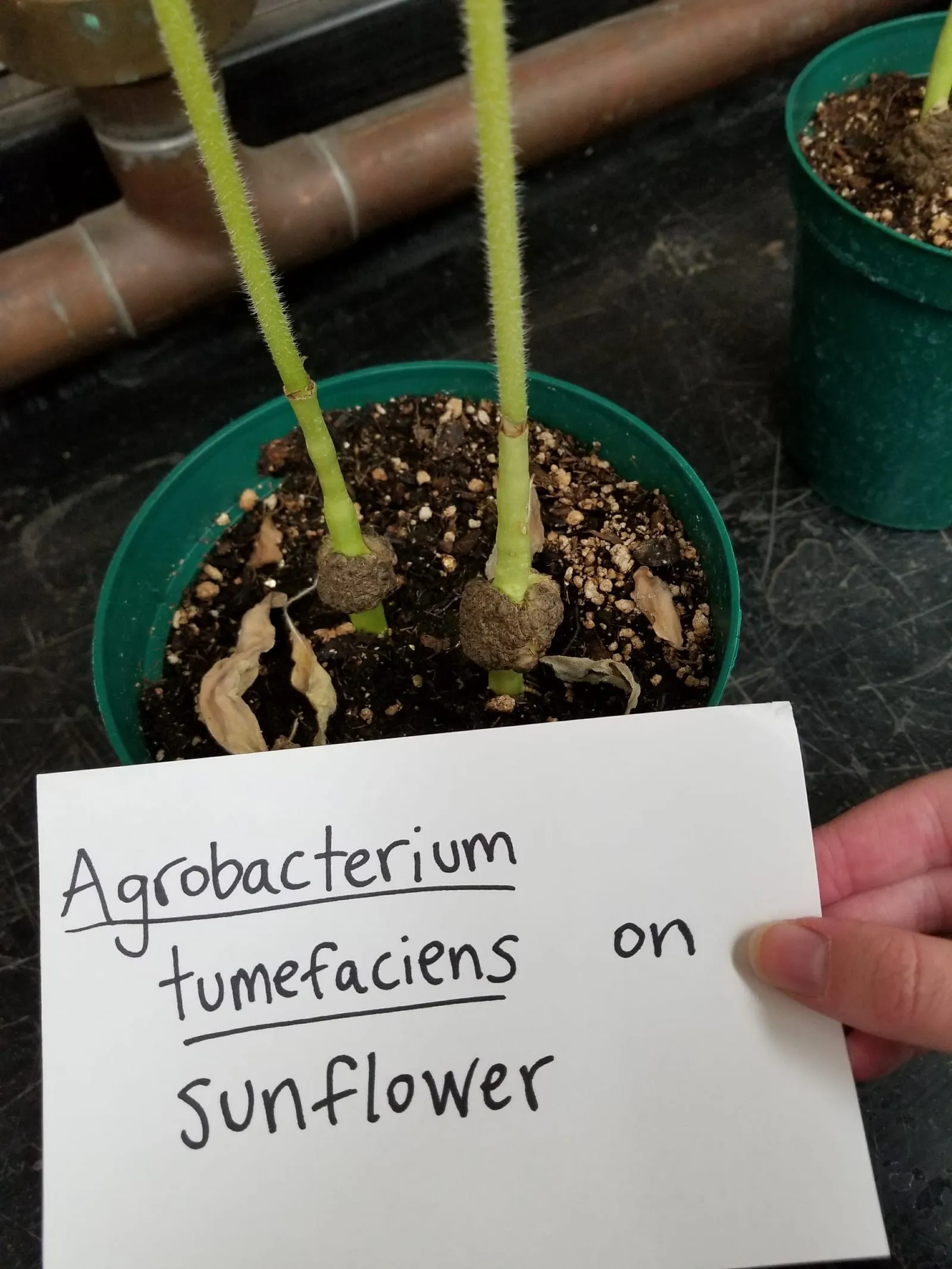
Agrobacterium tumefaciens
Soil-borne bacterium that enters plants through wounds and induces tumor-like galls on roots, crown, and lower stems. Galls reduce vigor and shorten plant lifespan; on Rubus the disease is often fatal.
Modified care for zone 8b
The most consequential adjustment in zone 8b is variety selection, since standard varieties will underperform even with ideal care. Beyond that, growers should site trees on north or northeast-facing slopes where available to delay bloom onset slightly and reduce freeze exposure.
Nematodes are a documented concern in sandy soils throughout this zone. Where soil tests or prior history indicate nematode pressure, planting on nematode-resistant rootstock is worth the additional cost. Guardian rootstock has shown improved tolerance compared to Lovell in nematode-prone southeastern soils.
Disease management requires earlier attention than in northern peach regions. Brown rot and bacterial spot pressure both increase with the zone's combination of warm nights, humidity, and long seasons. A pre-bloom copper spray and a consistent fungicide rotation through harvest are standard practice here, not optional additions.
Frequently asked questions
- Can standard peach varieties grow in zone 8b?
Most standard varieties require 600 to 900 chill hours and will not produce reliably in zone 8b, which typically falls short of that threshold. Low-chill selections bred for Gulf Coast and Deep South climates are the practical choice for this zone.
- What is the biggest risk to peach crops in zone 8b?
Late frost during bloom is the primary crop-loss risk. Peaches in zone 8b bloom in late January to mid-February, and the zone's last freeze dates frequently extend into late February or early March, creating a collision window that can eliminate fruit set in any given year.
- Do I need to worry about nematodes when planting peach in zone 8b?
Yes, particularly in sandy soils common to much of the zone. Nematodes damage feeder roots and reduce tree vigor and lifespan. Planting on a nematode-tolerant rootstock such as Guardian is a practical precaution, especially if the site has a history of stone fruit or is in a sandy-soil region.
+−
+−
+−
Peach in adjacent zones
Image: "Peach flowers 2020 G1", by George Chernilevsky, via Wikimedia Commons, licensed under CC-BY Source.

Related