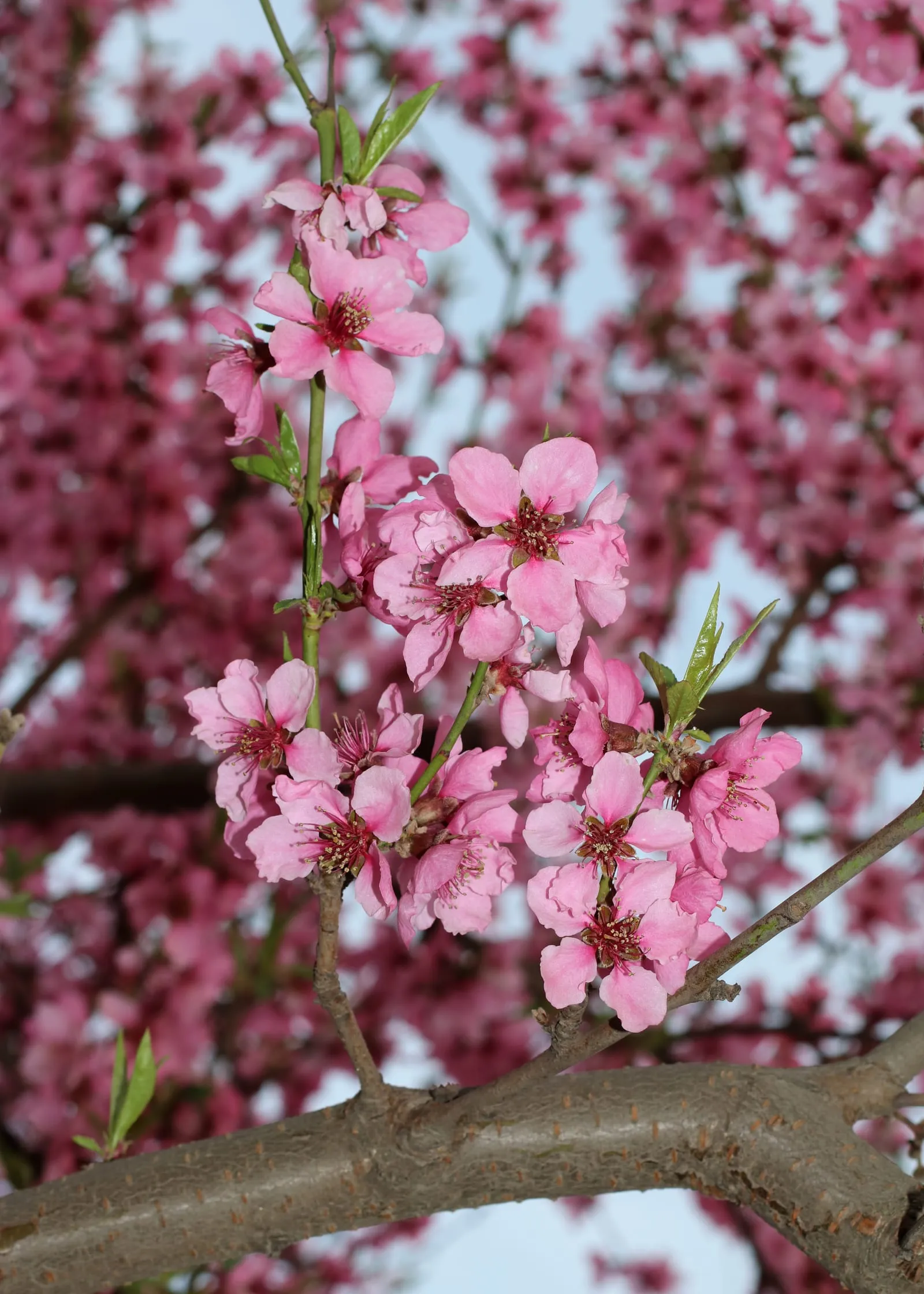
fruit tree in zone 9a
Growing peach in zone 9a
Prunus persica
- Zone
- 9a 20°F to 25°F
- Growing season
- 290 days
- Chill needed
- 600 to 900 below 45°F
- Suitable varieties
- 1
- Days to harvest
- 90 to 150
The verdict
Zone 9a sits at the edge of viable peach territory. Peach cultivars require 600 to 900 chill hours (hours below 45°F) depending on variety, and zone 9a rarely accumulates 600 hours across most of its range. That shortfall is the core problem: insufficient chill leads to delayed foliation, poor fruit set, and gradual tree decline over successive seasons.
The one variety identified as consistently viable here is Florida King, a low-chill cultivar developed specifically for warm-winter regions. Even Florida King performs more reliably in the cooler, inland portions of zone 9a, where winter minimums reach into the low 20s°F, than in coastal or urban locations where the floor stays warmer. The zone's own primary challenge, listed as limited stone fruit options due to insufficient chill, applies directly to peach. Treat it as a marginal crop worth experimenting with in favorable microclimates, not a reliable staple to build an orchard around.
Recommended varieties for zone 9a
1 cultivar suited to this zone, with disease-resistance and zone-fit annotations.
| Variety | Notes | Zone fit | Disease resistance |
|---|---|---|---|
| Florida King fits zone 9a | Sweet, firm, semi-freestone; bred for warm climates with low chill needs. Fresh eating; ripens very early in season. | | none noted |
Critical timing for zone 9a
Peach bloom in zone 9a typically arrives in late January through February, driven by the mild winters that push trees out of dormancy earlier than in the core peach belt. That early break has consequences: late cold snaps still occur through February in a zone with minimum temperatures of 20 to 25°F, and an open bloom caught by a drop into that range can eliminate the entire crop.
For low-chill varieties like Florida King, harvest generally falls in May through early June in zone 9a, running several weeks ahead of mid-zone harvests. The 290-day growing season provides ample time to ripen fruit, but the bloom-to-harvest window runs through the most humid, disease-favorable months of the year in most of the zone's geography.
Common challenges in zone 9a
- ▸ Limited stone fruit options due to insufficient chill
- ▸ Hurricane and tropical storm exposure
- ▸ Citrus disease pressure
Disease pressure to watch for
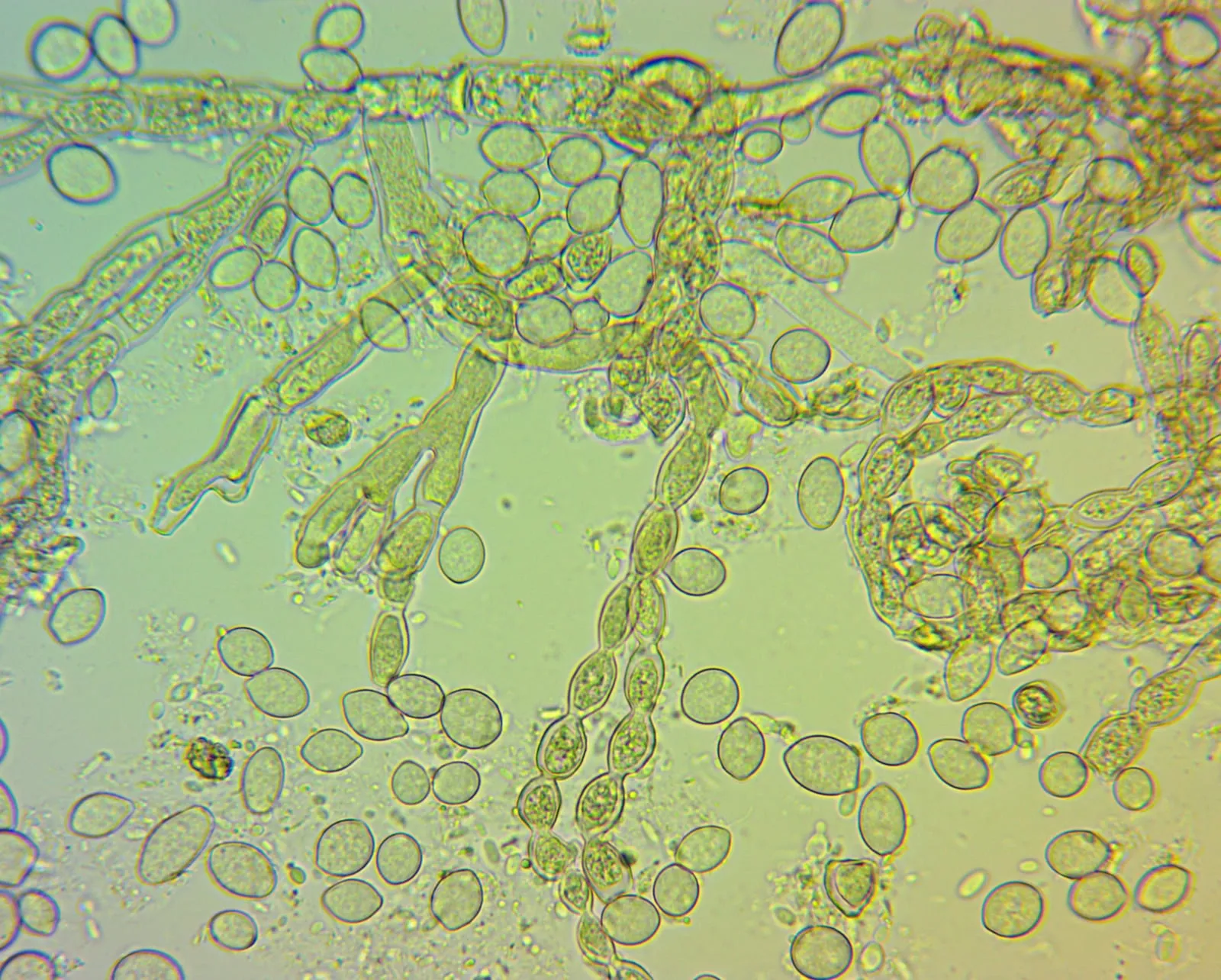
Monilinia fructicola
The most damaging stone-fruit and almond disease, causing blossom blight and fruit rot.
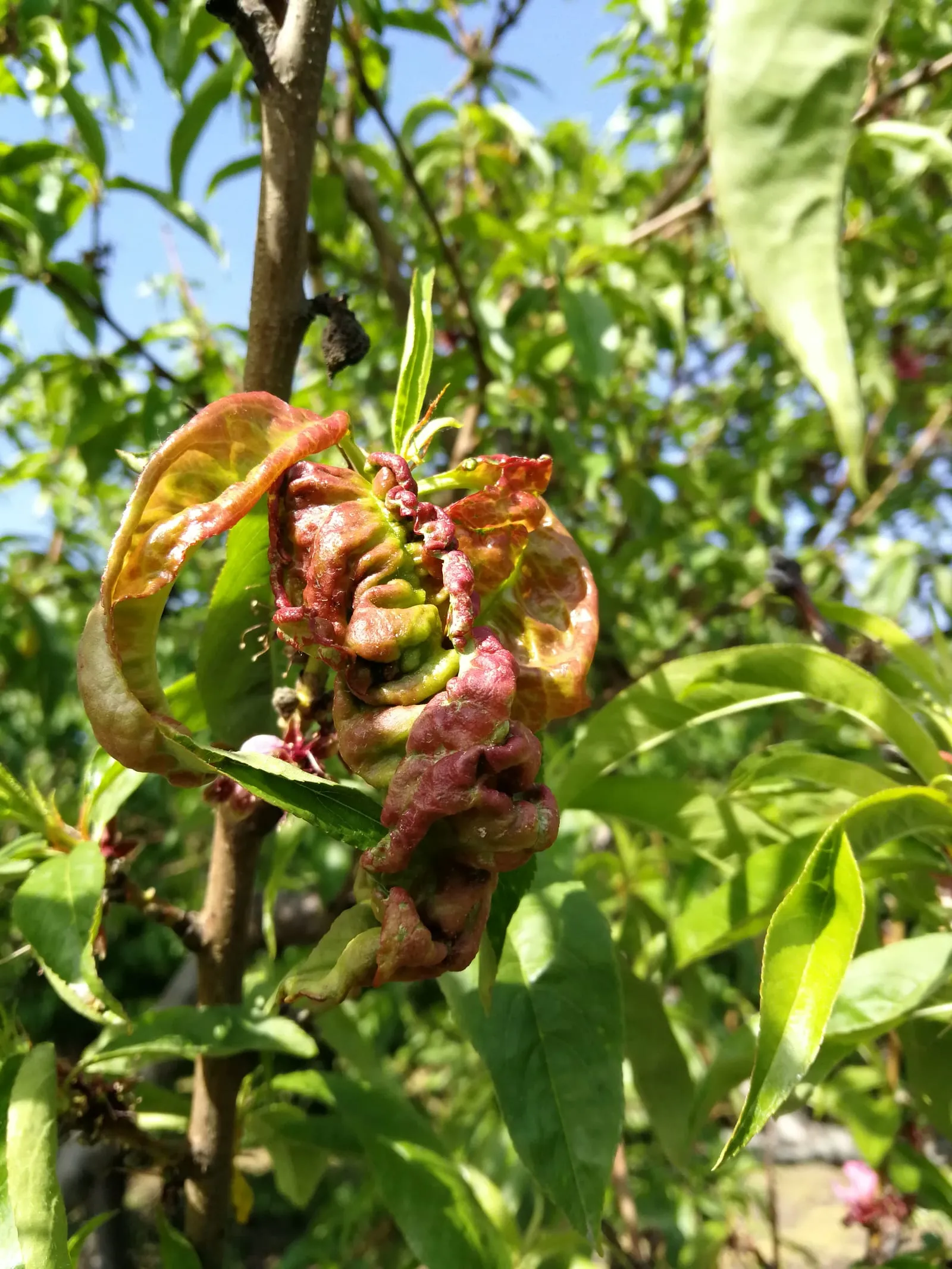
Taphrina deformans
Distinctive springtime disease causing red, puckered leaves. Manageable with one well-timed dormant spray.
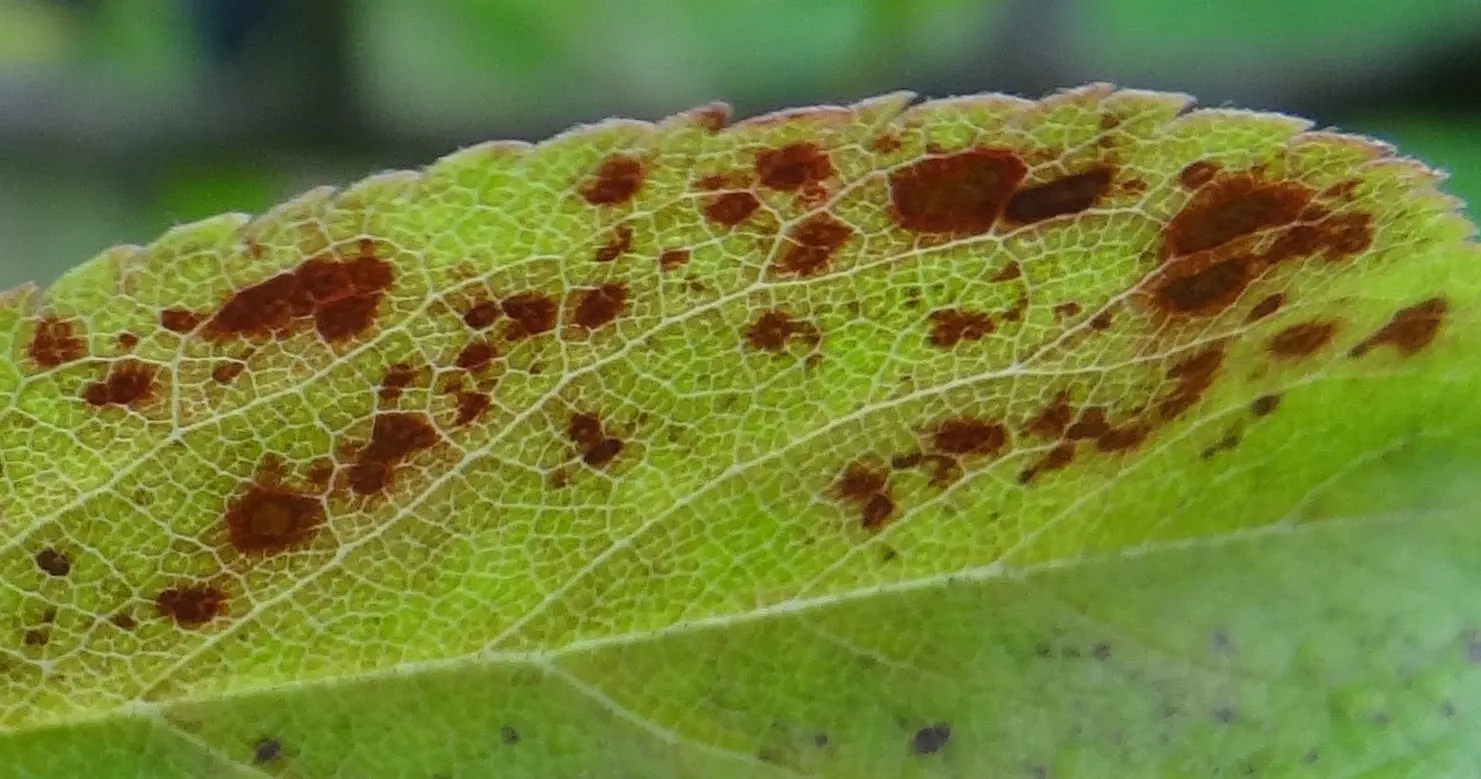
Xanthomonas arboricola pv. pruni
Bacterial disease causing leaf spots and fruit blemishes, severe in warm humid regions.
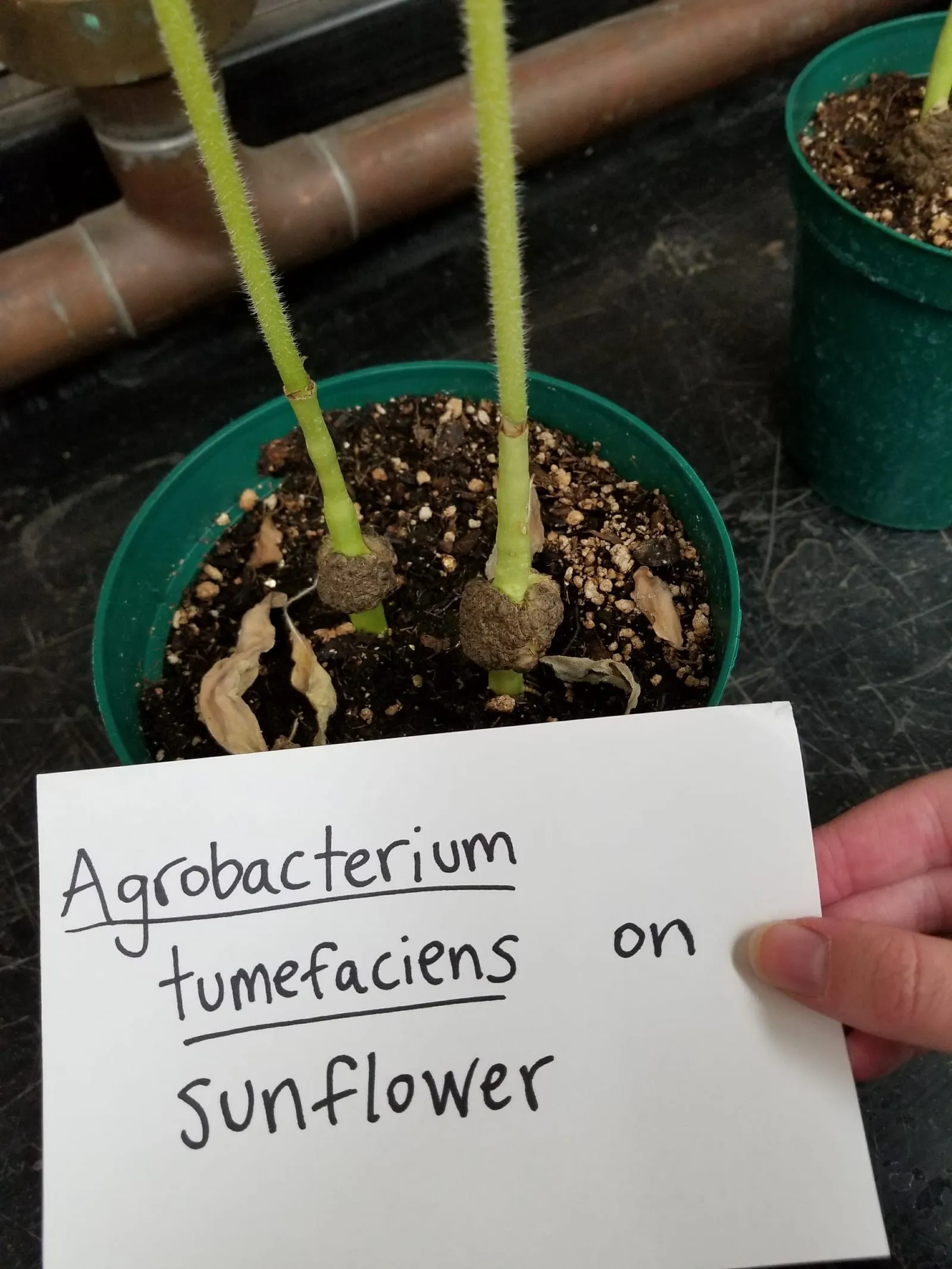
Agrobacterium tumefaciens
Soil-borne bacterium that enters plants through wounds and induces tumor-like galls on roots, crown, and lower stems. Galls reduce vigor and shorten plant lifespan; on Rubus the disease is often fatal.
Modified care for zone 9a
Three diseases require active management in zone 9a: Brown Rot, Peach Leaf Curl, and Bacterial Spot. Warm winters and high humidity create favorable conditions for all three, and the early bloom window compresses the timing for dormant-spray applications. Copper-based dormant sprays for Peach Leaf Curl need to go on before buds swell, which in zone 9a can mean mid-January.
Fruit thinning takes on extra importance in this zone. Dense clusters trap moisture and accelerate Brown Rot spread during the humid late-spring period when fruit is sizing up. Hurricane season overlaps with post-harvest tree care from August through October; structural pruning to reduce wind resistance is worth prioritizing after harvest rather than deferring to winter. Avoid nitrogen applications after midsummer, since late soft growth increases susceptibility to both storm damage and Bacterial Spot infection.
Peach in adjacent zones
Image: "Peach flowers 2020 G1", by George Chernilevsky, via Wikimedia Commons, licensed under CC-BY Source.

Related