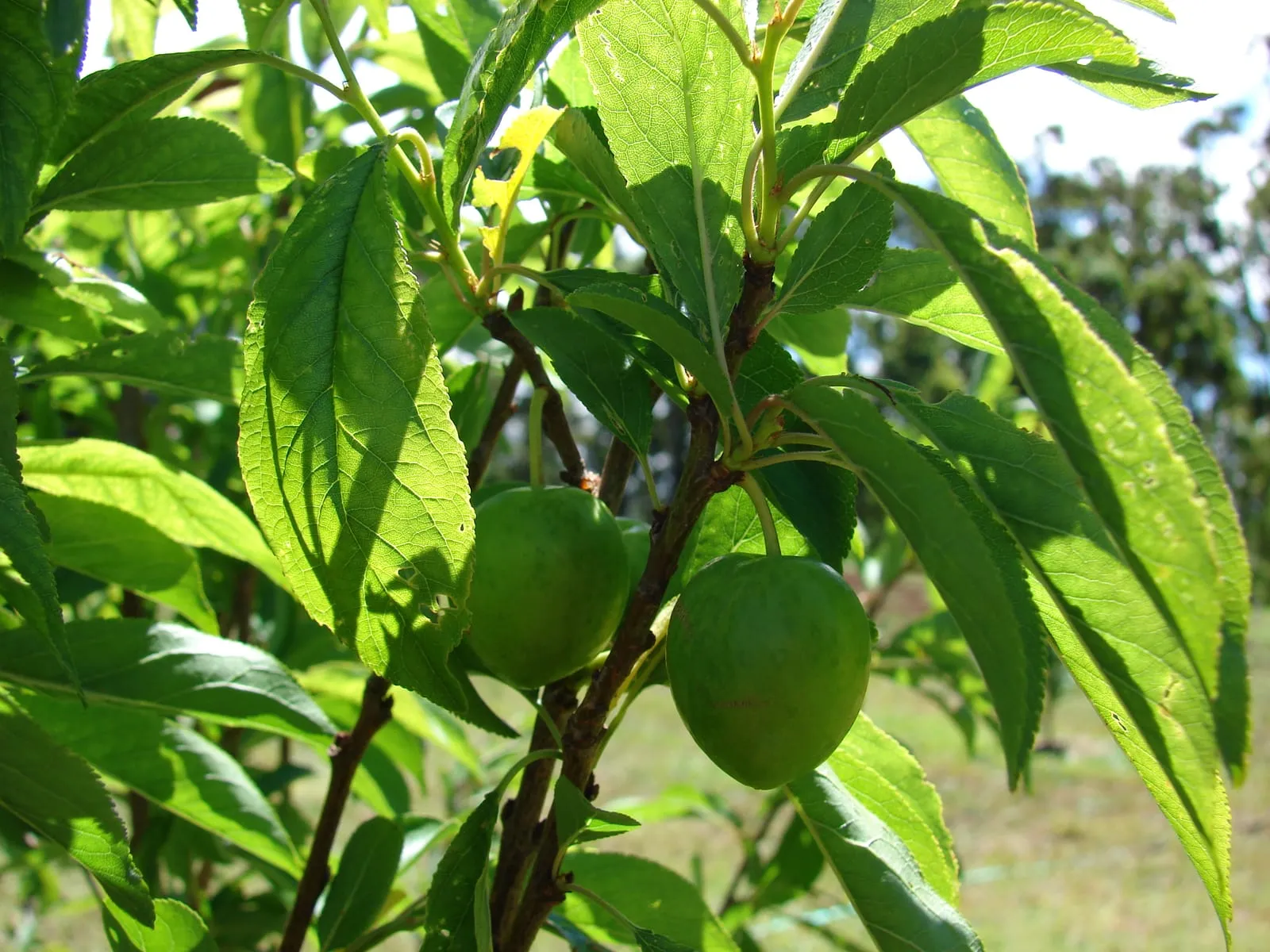
fruit tree
Japanese Plum
Prunus salicina
USDA hardiness range
- Zones
- 5b–9a
- Chill hours
- 500 to 900 below 45°F
- Days to harvest
- 120 to 150
- Sun
- Full
- Water
- Moderate
- Lifespan
- 15 to 20 years
Growing japanese plum
Japanese plum (Prunus salicina) is one of the more adaptable stone fruits for home orchards, growing reliably from zone 5b through 9a. Unlike European plums, which favor cooler, drier climates, Japanese plums produce fast, ripen early, and handle summer heat well. Fruit matures 120 to 150 days from bloom depending on variety and conditions.
The breadth of the chill-hour range, 500 to 900 hours, reflects real variety-to-variety differences rather than a single crop tolerance. Matching variety to local chill accumulation is the most common point of failure. A high-chill variety planted in zone 8b may never receive enough cold to break dormancy adequately; a low-chill variety in zone 6a may bloom so early it catches a killing frost. Selecting a variety whose chill requirement sits 50 to 100 hours below the local average winter accumulation gives a practical buffer against warm-winter years.
Japanese plums bloom two to three weeks earlier than apples and most pears, which concentrates frost risk at the northern end of their range. Zones 5b and 6a can produce consistent crops, but site selection matters considerably. In the warmer southern zones, 8b and 9a, heat and humidity shift the main challenge from frost to disease: brown rot and bacterial spot require active management in those climates, and variety selection should weight disease tolerance alongside flavor.
Recommended varieties
See all 3 →3 cultivars for home growers, with notes on flavor, ripening, and disease resistance.
| Variety | Notes | Zone fit | Disease resistance |
|---|---|---|---|
| Methley | Very sweet, juicy, dark red flesh and skin; outstanding fresh-eating plum, juice runs down your chin. Self-fertile and broadly adapted. | | none noted |
| Santa Rosa | Sweet-tart with rich complex flavor, juicy, deep red skin and amber flesh; the classic California fresh-eating plum, also excellent for jam. | | none noted |
| Shiro | Sweet, mild, juicy, yellow skin and flesh; fresh eating and good for cooking. Heavy producer, often the first plum to ripen. | | none noted |
Soil and site requirements
Japanese plum tolerates a range of soil types but is sensitive to poor drainage. The trees perform best in well-drained loam with a pH between 6.0 and 6.5. Waterlogged roots, even for brief periods during spring rains, invite crown rot and reduce the tree's ability to resist disease. On heavy clay soils, mounded planting sites or raised beds improve drainage enough to make a measurable difference.
Full sun is the non-negotiable requirement. Fewer than six hours of direct daily sun reduces fruit set and worsens disease pressure by slowing morning drying of foliage. South and southwest-facing exposures maximize both light and heat accumulation, which improves fruit quality and speeds ripening.
Standard-size trees benefit from 18 to 20 feet of spacing; semi-dwarf selections work at 12 to 15 feet. Either spacing supports the air circulation that limits fungal pressure. Planting on a gentle slope, where cold air drains downhill away from the canopy, reduces late-frost losses at bloom, especially relevant in zones 5b through 7a.
Soil pH below 5.5 impairs uptake of phosphorus and calcium, affecting both fruit quality and bark integrity. A pre-plant soil test with lime correction, if needed, is a straightforward step that pays back over the life of a 15 to 20 year tree.
Common diseases
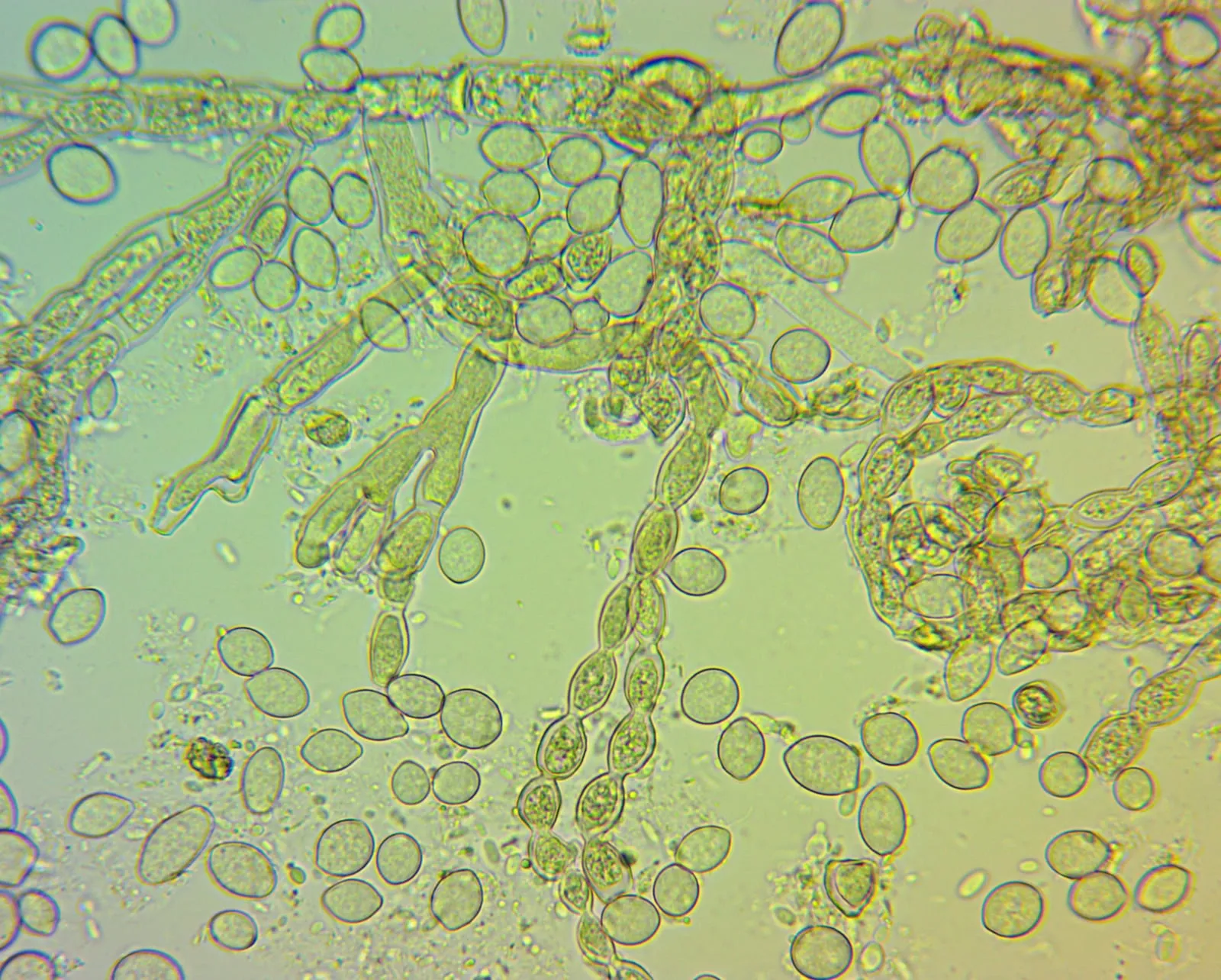
Monilinia fructicola
The most damaging stone-fruit and almond disease, causing blossom blight and fruit rot.
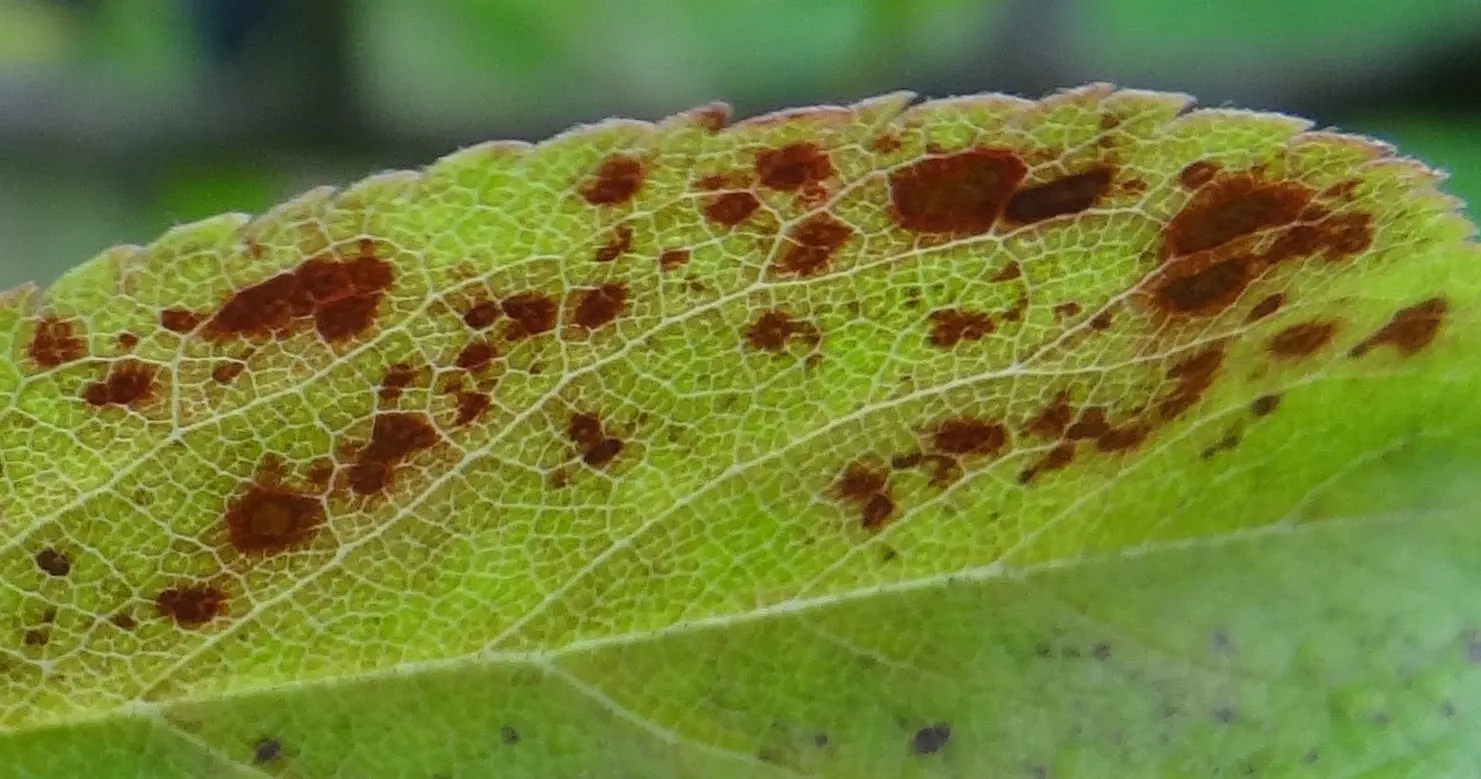
Xanthomonas arboricola pv. pruni
Bacterial disease causing leaf spots and fruit blemishes, severe in warm humid regions.
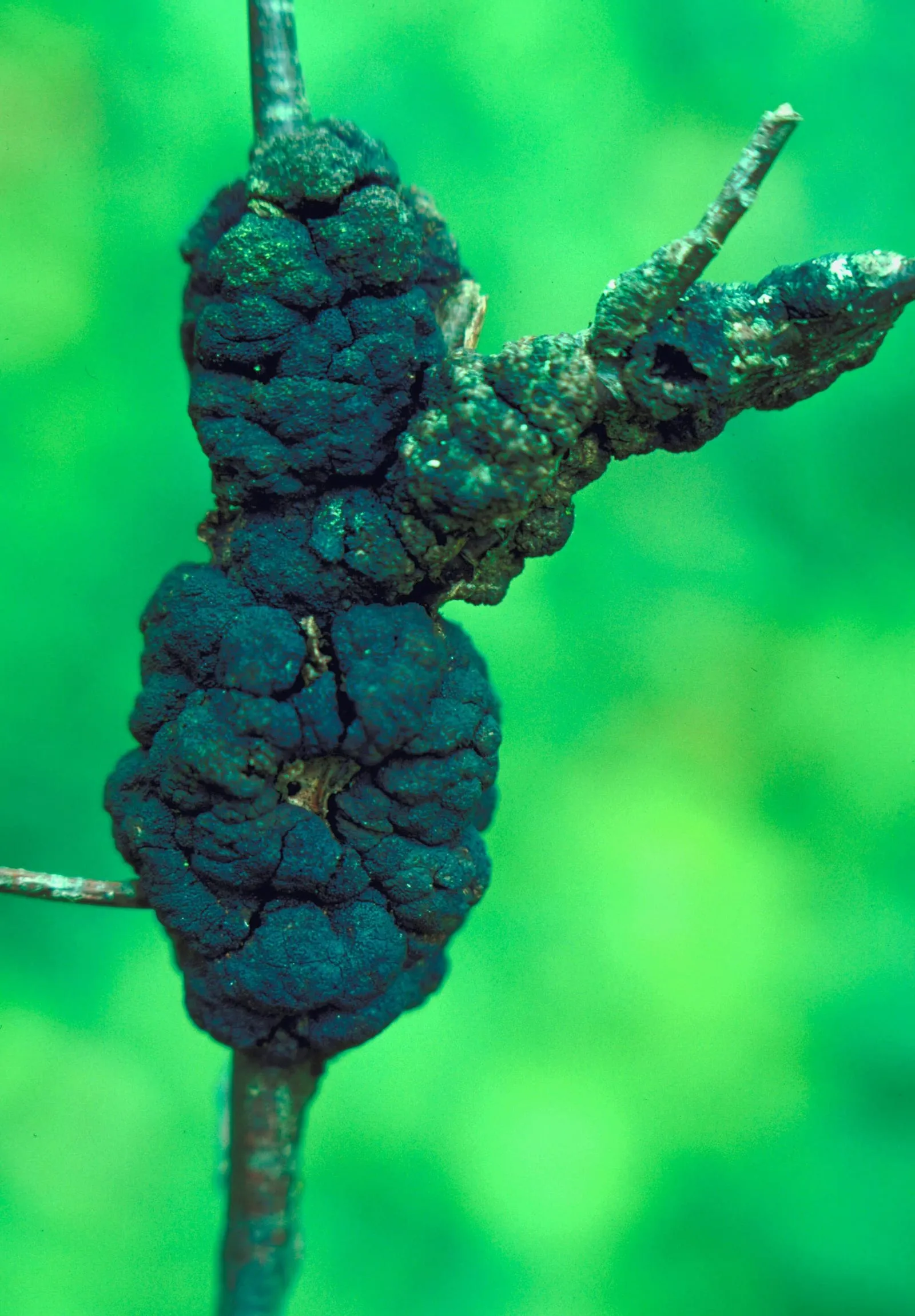
Apiosporina morbosa
Fungal disease producing characteristic black warty galls on plum and cherry branches.
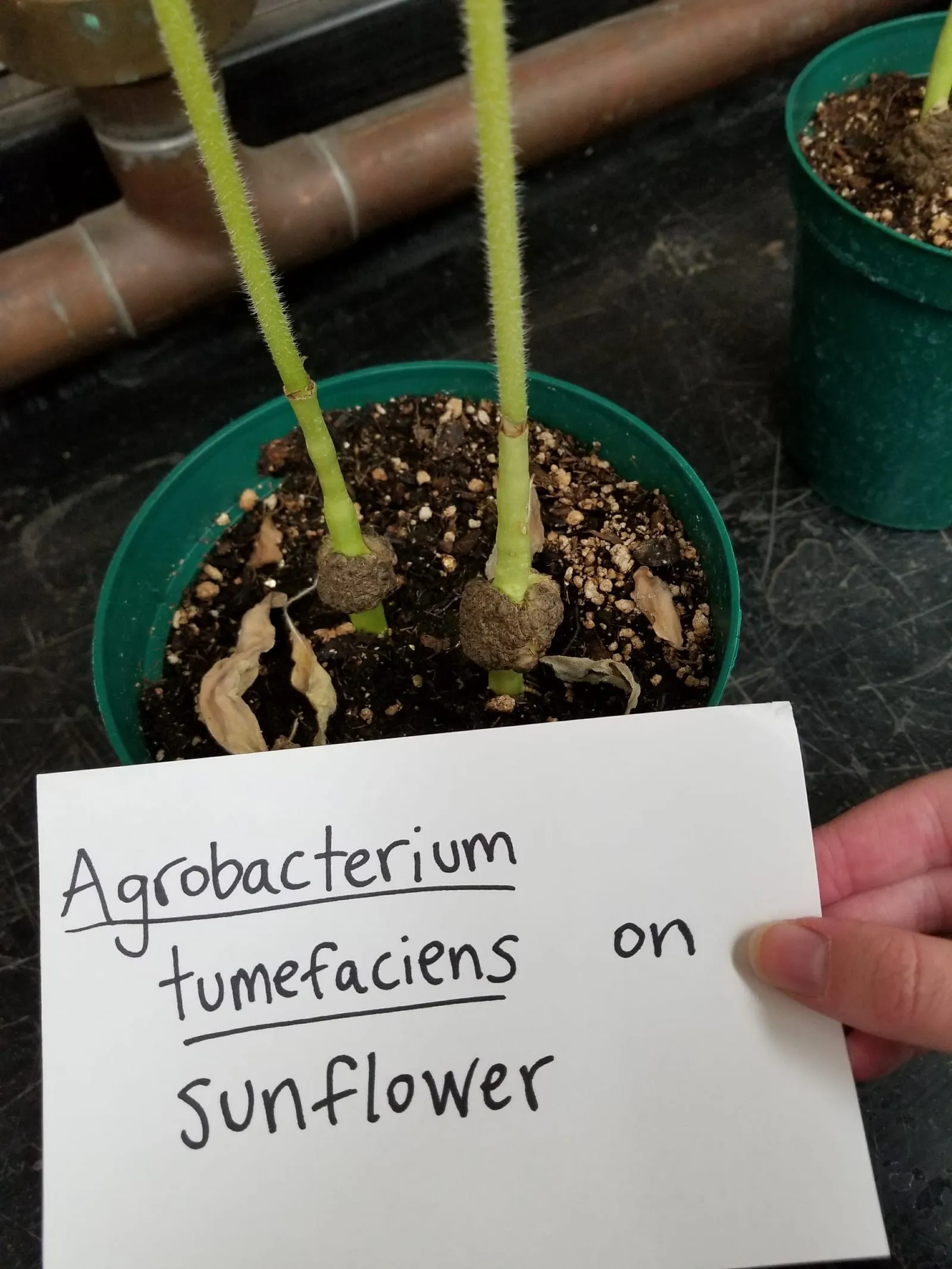
Agrobacterium tumefaciens
Soil-borne bacterium that enters plants through wounds and induces tumor-like galls on roots, crown, and lower stems. Galls reduce vigor and shorten plant lifespan; on Rubus the disease is often fatal.
Common pests
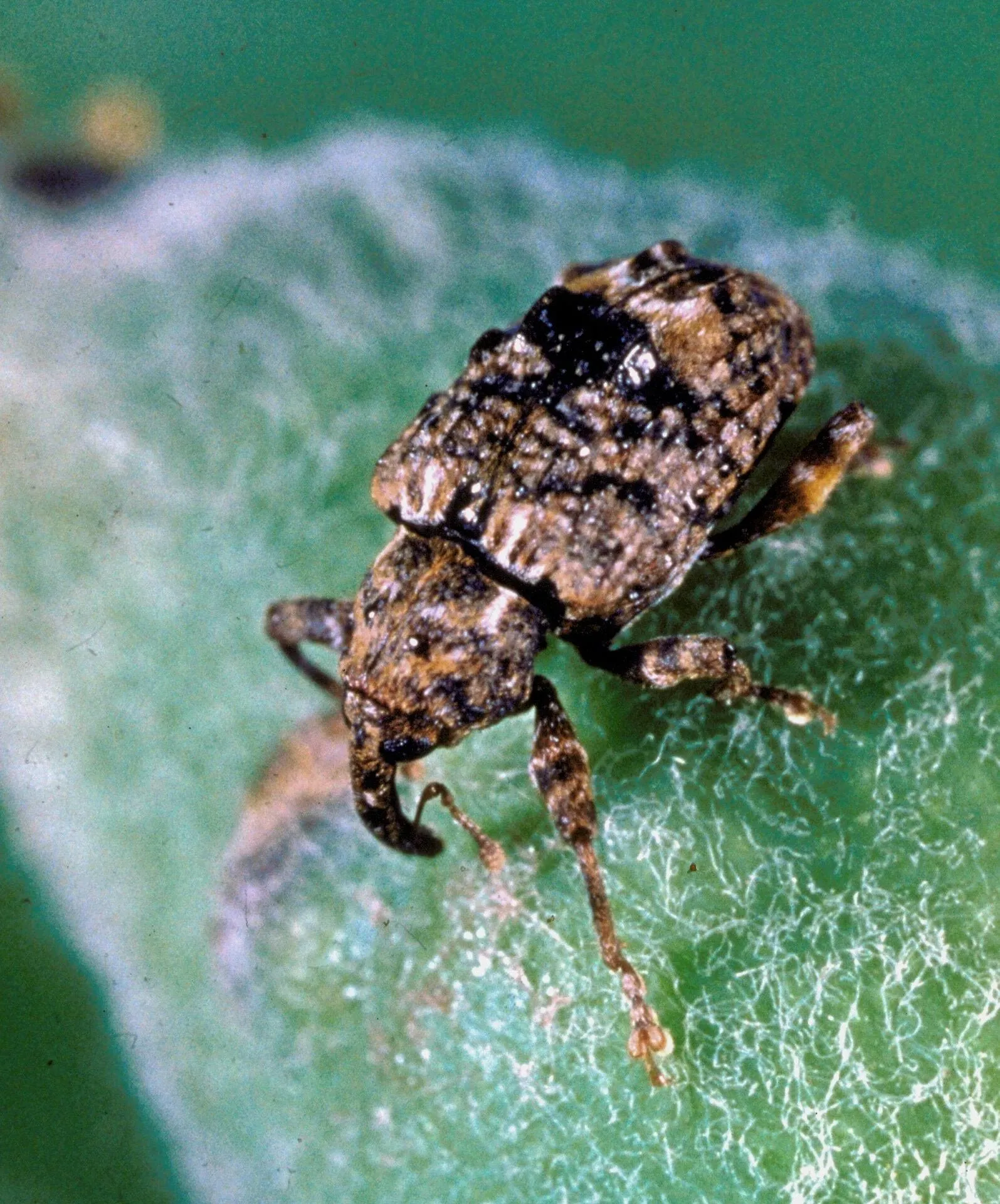
Conotrachelus nenuphar
Native weevil that lays eggs in young stone and pome fruit, causing characteristic crescent-shaped scars.
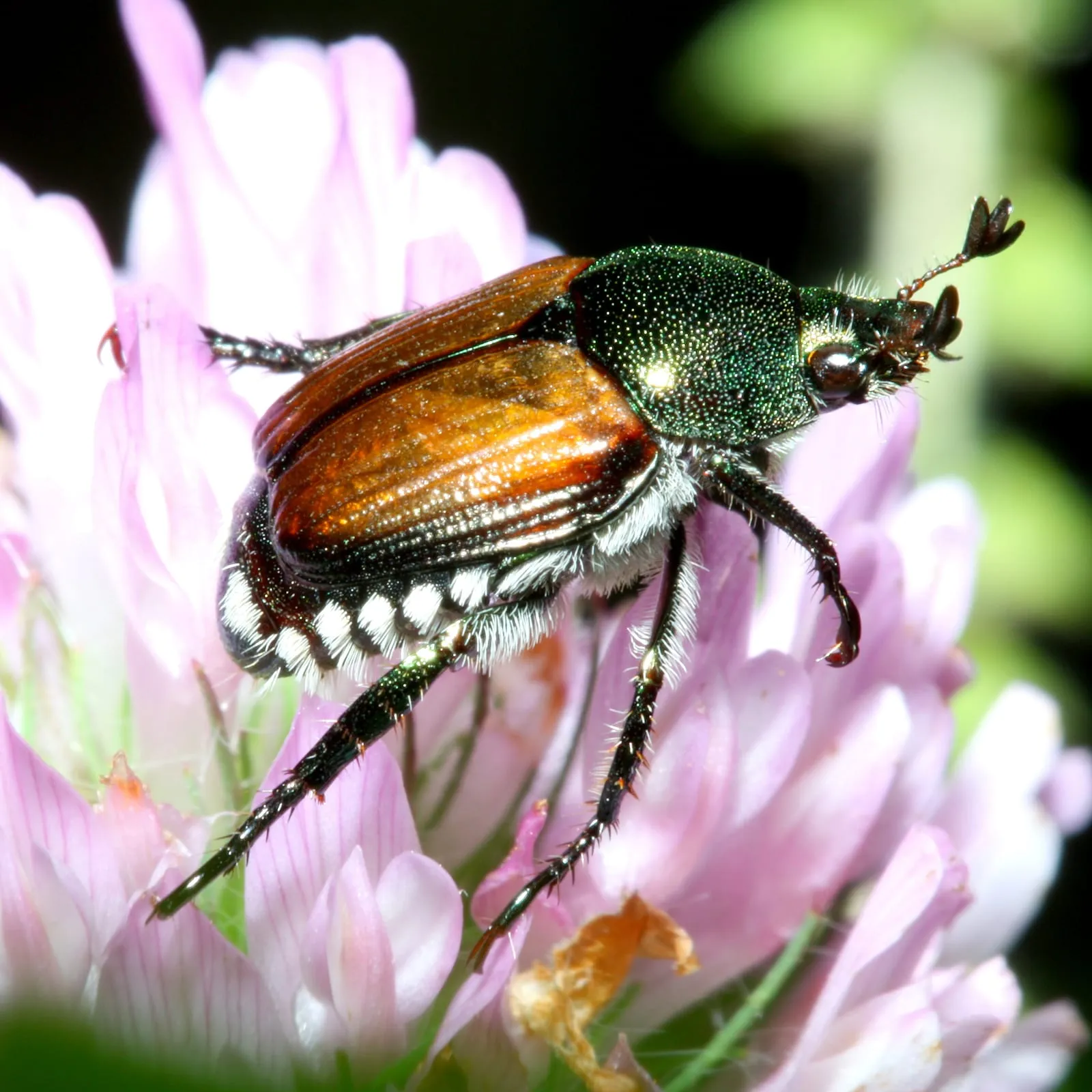
Popillia japonica
Defoliating beetle introduced to North America in 1916. Skeletonizes leaves of many fruit trees, berry canes, and pecan.
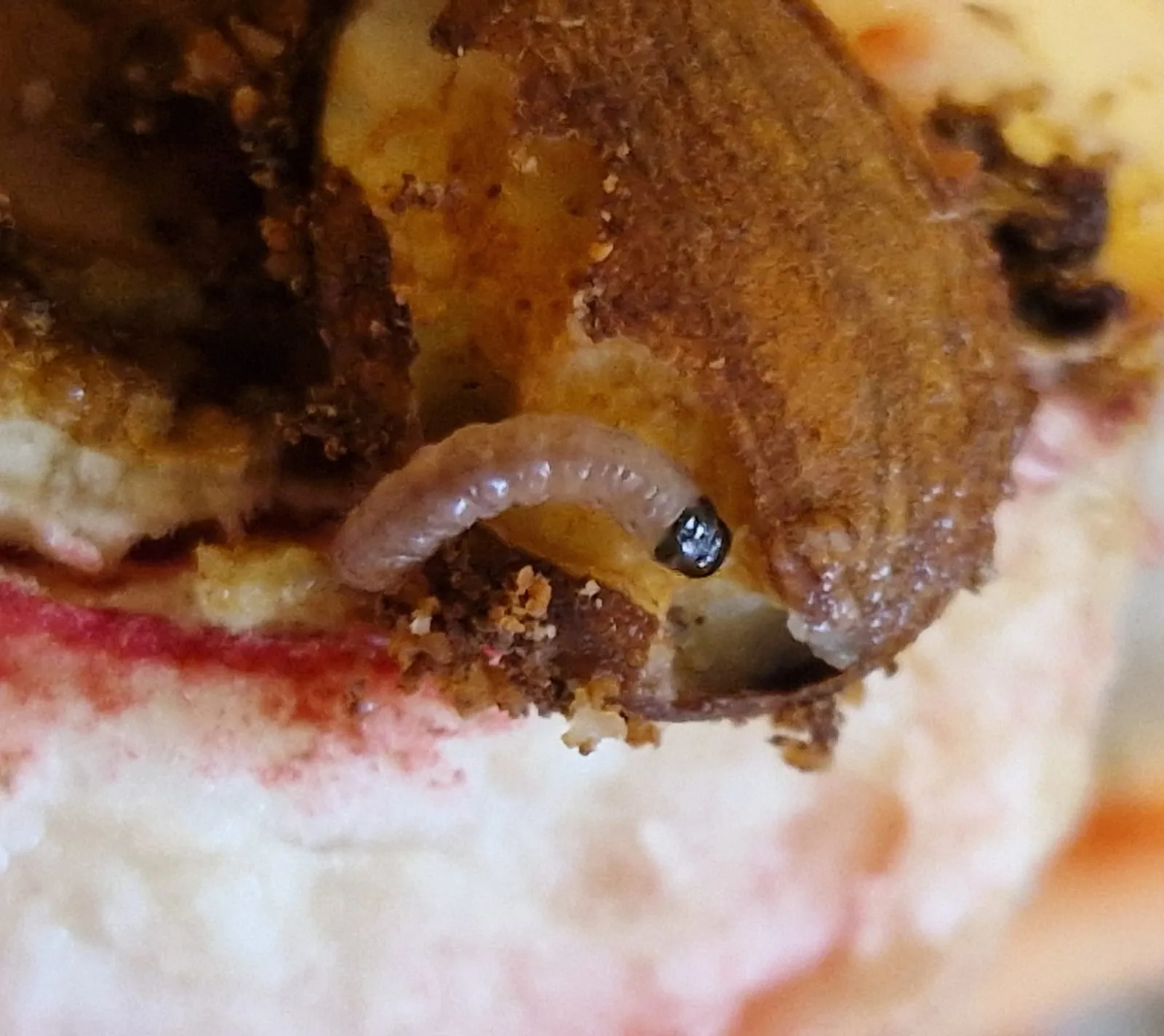
Grapholita molesta
Stone-fruit pest whose larvae tunnel into shoot tips and later into fruit.
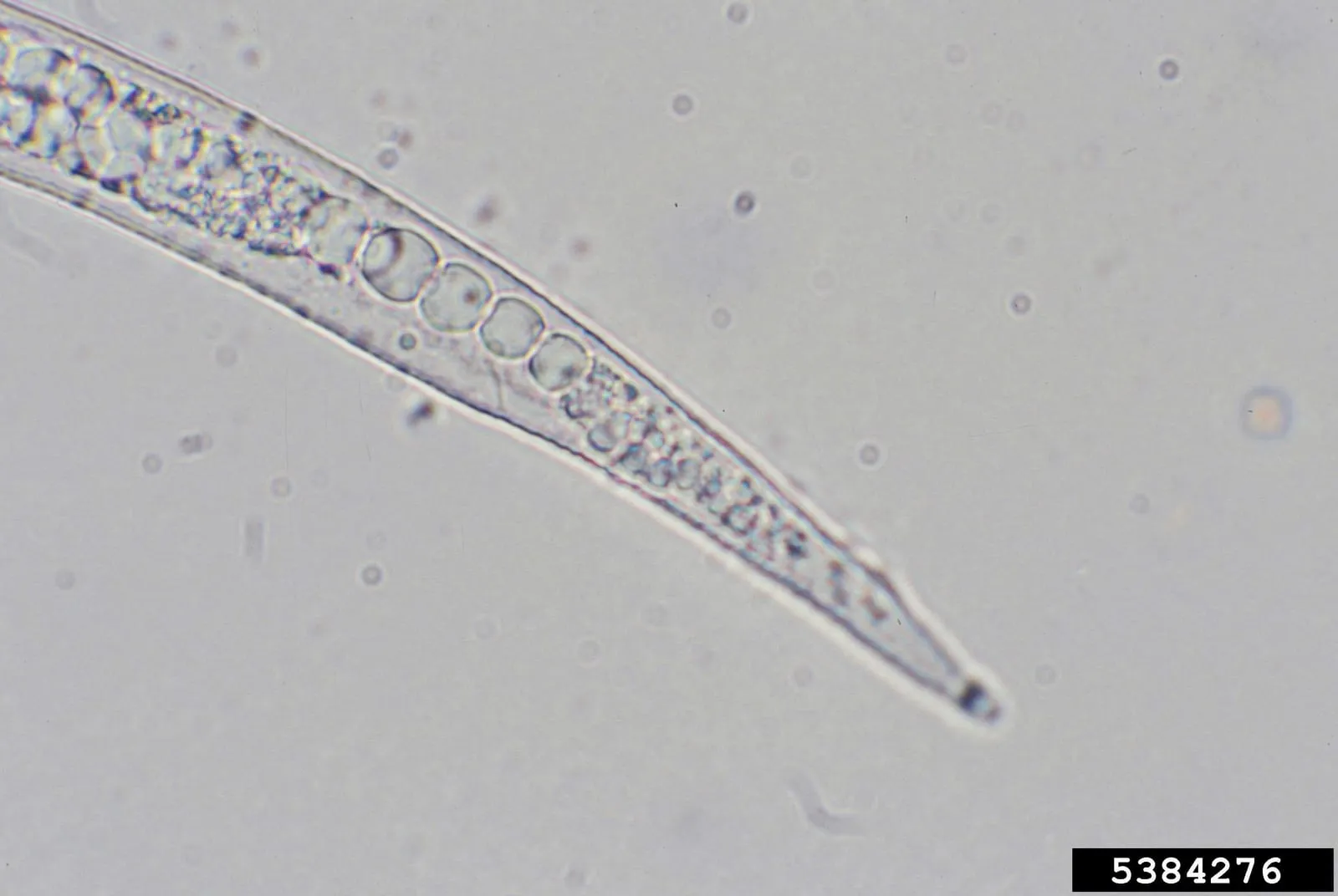
Meloidogyne species
Microscopic soil-dwelling worm that forms galls on roots, reducing vigor and yield.
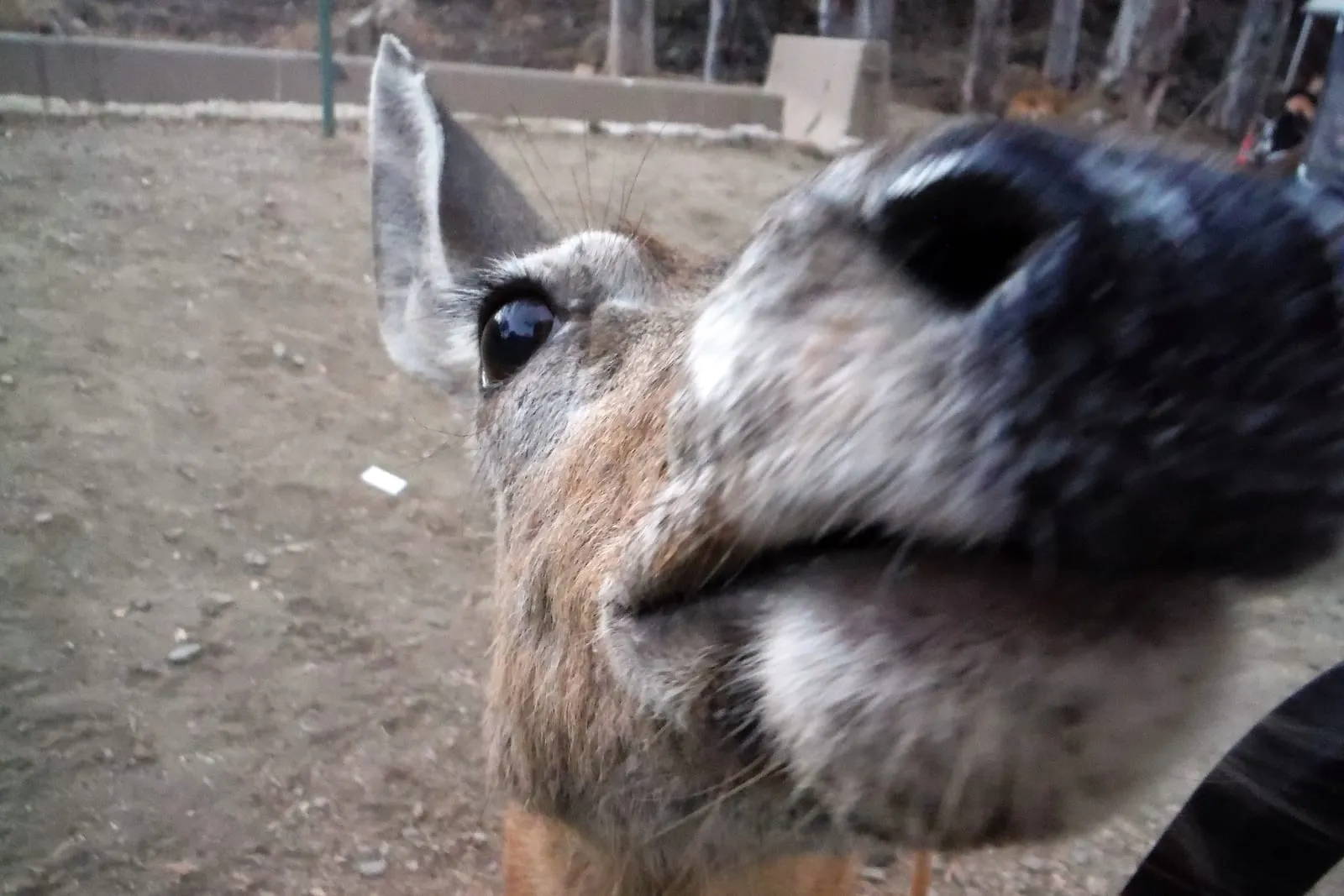
Odocoileus species
Whitetail and mule deer browse can devastate orchards and gardens, particularly in winter when food is scarce. Antler rub on young trunks kills saplings outright.
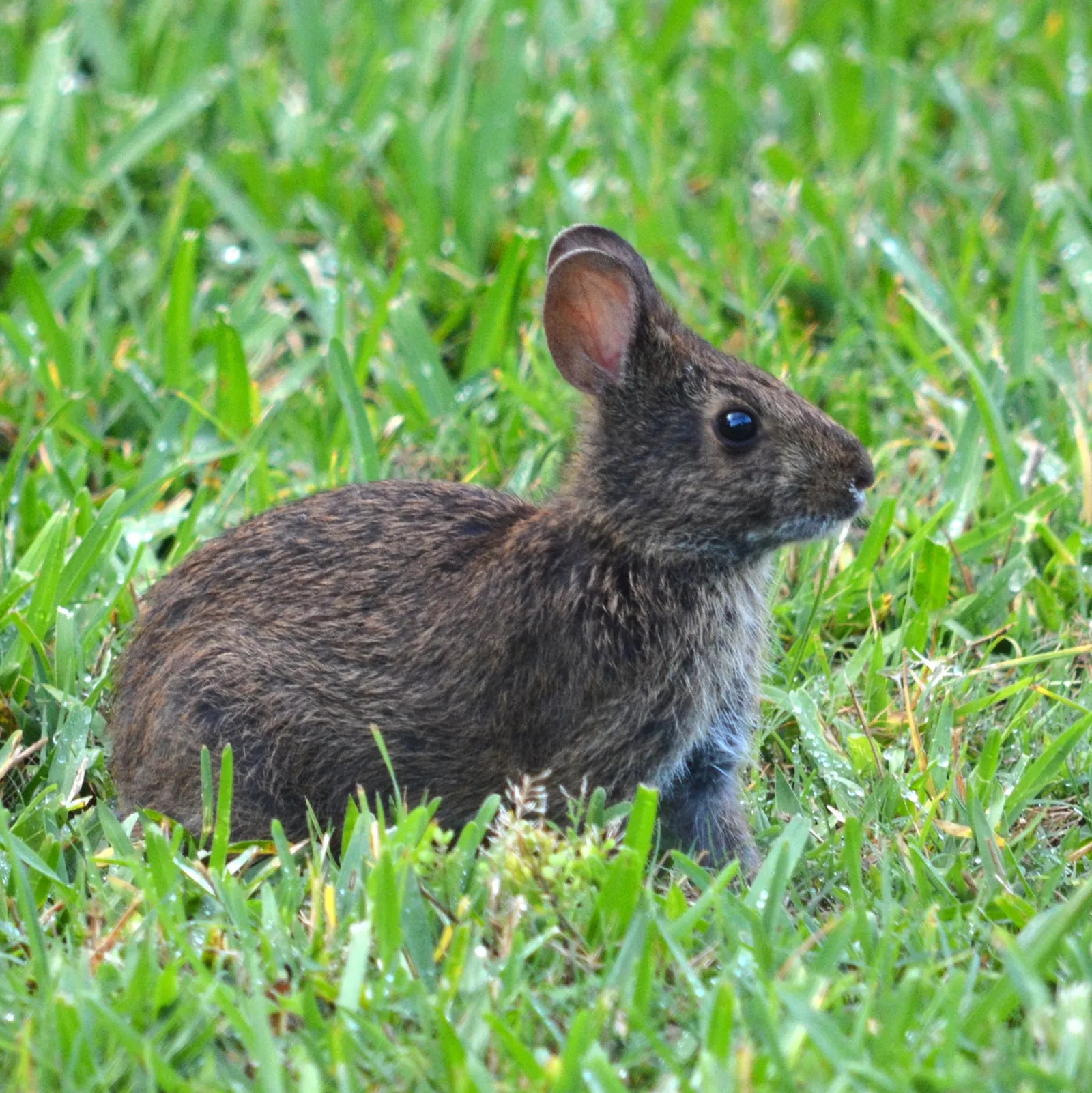
Sylvilagus and Lepus species
Cottontails and jackrabbits strip bark from young fruit trees in winter and graze tender garden vegetables year-round, especially seedlings.
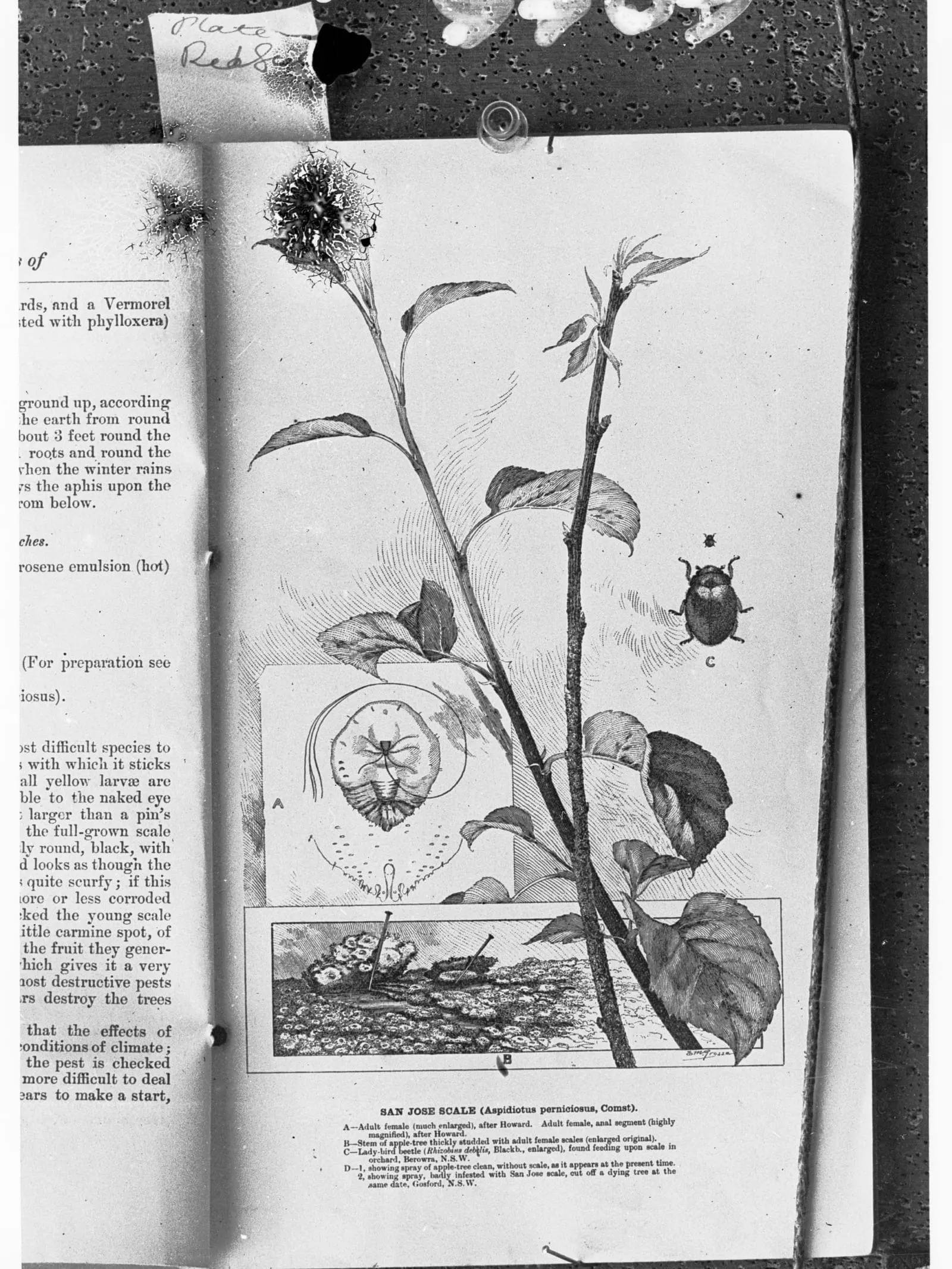
Quadraspidiotus perniciosus
Tiny armored scale insect that encrusts bark, branches, and fruit. Heavy infestations weaken trees and produce red haloed spots on fruit at harvest. Persistent year-over-year if not controlled.
Common challenges
Brown rot (Monilinia fructicola) is the primary reason Japanese plum crops fail at harvest. The fungal pathogen thrives in warm, humid conditions and can destroy a crop within days during wet springs or humid summers. Prevention depends on consistent management: pruning for open canopy airflow, removing mummified fruit before bloom each season, and well-timed fungicide applications beginning at bloom and continuing through petal fall. Growers who skip early-season preventive sprays and respond only when visible rot appears have typically lost most of the crop before intervention is possible.
Pollination requirements vary by variety and are frequently misunderstood. Methley is genuinely self-fertile and produces reliably as a single planting. Santa Rosa sets a larger crop with a pollinizer nearby, though it will bear some fruit alone. For mixed plantings, bloom-time overlap matters more than genetic distance; any Japanese plum variety flowering simultaneously provides effective cross-pollination.
Late frost at bloom is the third major failure mode, concentrated in zones 5b through 7a. The early bloom calendar that makes Japanese plums attractive, fast ripening, extended eating season, also places blossoms at risk when frost remains likely. Low-lying sites, north-facing slopes with cold air pooling, and frost pockets near structures are the most vulnerable placements. Unlike chill-hour mismatch or disease management, site selection cannot be corrected after the tree is in the ground.
Grafting and rootstocks
Companion plants
Frequently asked questions
- How many chill hours does Japanese plum need?
Japanese plum varieties range from roughly 500 to 900 chill hours depending on cultivar. Low-chill selections like Methley are suited to zones 7b through 9a; higher-chill varieties are required in zones 5b through 6b. Matching variety chill requirement to local winter accumulation is the most important selection decision.
- What USDA zones can grow Japanese plum?
Japanese plum grows across zones 5b through 9a. The northern limit, zones 5b and 6a, requires careful site selection to avoid late-frost damage at bloom. The southern limit, zones 8b and 9a, requires low-chill varieties and active disease management due to heat and humidity.
- How long after bloom does Japanese plum fruit ripen?
Japanese plum fruits ripen 120 to 150 days from bloom. Early varieties like Shiro often ripen first in the season; later varieties extend the harvest window. Exact timing shifts with zone, spring temperatures, and specific site conditions.
- Does Japanese plum need a second tree for pollination?
It depends on the variety. Methley is self-fertile and produces reliably as a single tree. Santa Rosa benefits from a pollinizer for heavier crops, though it will set some fruit alone. When planting multiple varieties, overlapping bloom periods matter more than variety count.
- What is the most common disease affecting Japanese plum?
Brown rot (Monilinia fructicola) is the most damaging disease for Japanese plum, particularly in humid climates. It spreads rapidly in warm, wet conditions and can destroy a crop quickly near harvest. Preventive fungicide applications starting at bloom, combined with good pruning for airflow, are the primary management tools.
- What pests most commonly damage Japanese plum?
Plum curculio and oriental fruit moth are the two most significant insect pests. Plum curculio causes crescent-shaped egg scars on developing fruit and internal feeding damage; oriental fruit moth damages both shoot tips in early season and fruit near harvest. Both require monitoring from petal fall onward.
- How long does a Japanese plum tree live?
Japanese plum trees typically remain productive for 15 to 20 years under good care. Disease management and site drainage have the largest influence on longevity. Trees stressed by poor drainage or repeated fungal infections often decline earlier.
+−
+−
+−
+−
+−
+−
+−
Sources
Image: "Starr 080405-3957 Prunus salicina", by Forest & Kim Starr, via Wikimedia Commons, licensed under CC-BY. Source.

Japanese Plum by zone
Related