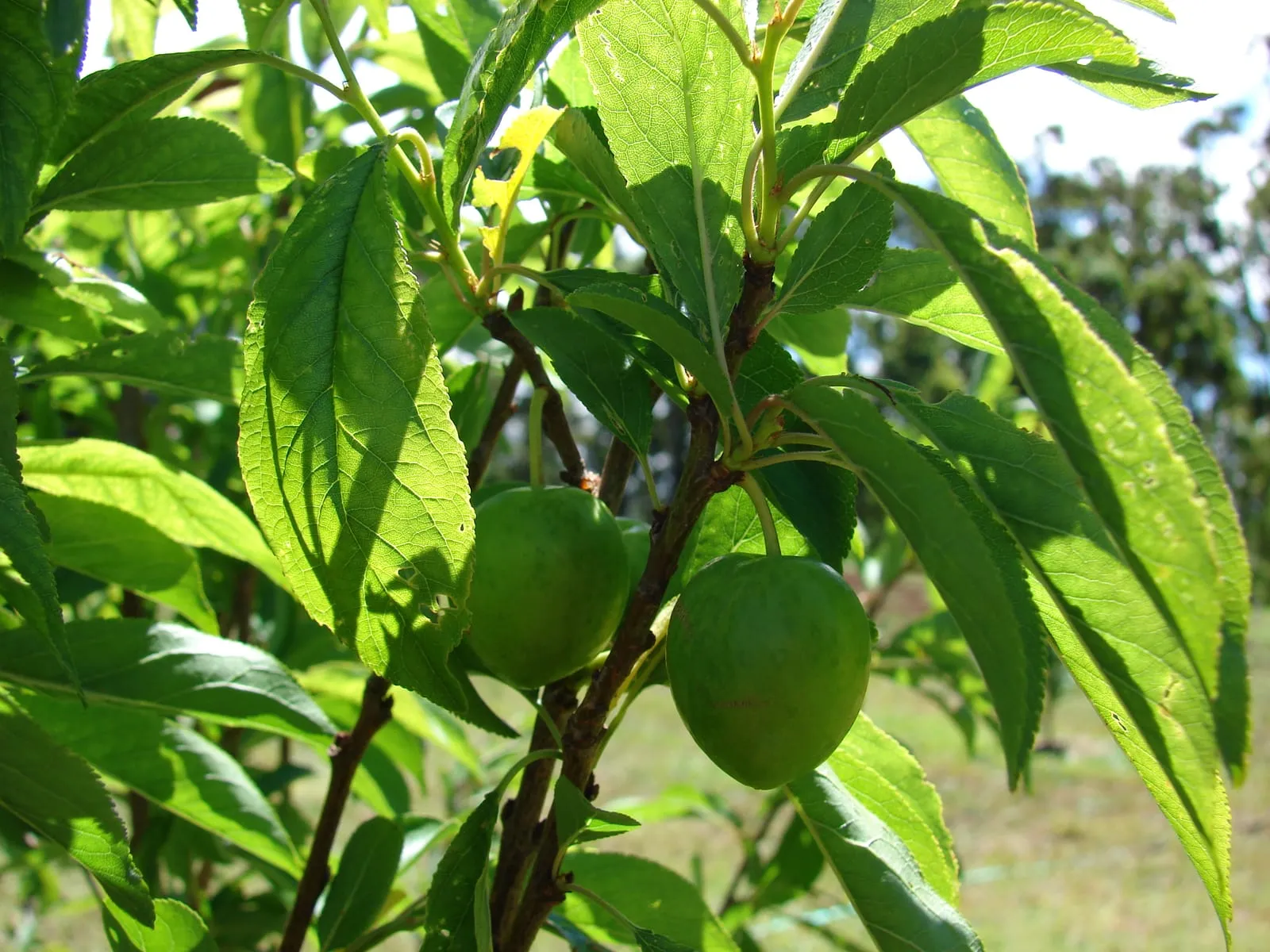
fruit tree in zone 5b
Growing japanese plum in zone 5b
Prunus salicina
- Zone
- 5b -15°F to -10°F
- Growing season
- 165 days
- Chill needed
- 500 to 900 below 45°F
- Suitable varieties
- 2
- Days to harvest
- 120 to 150
The verdict
Zone 5b sits within the viable range for Japanese plum but is not its sweet spot. The crop requires 500 to 900 chill hours, and zone 5b winters reliably deliver well above that threshold, so dormancy requirements are not the limiting factor.
The real constraint is temperature extremes. Japanese plum is less cold-hardy than European plum, and extended cold snaps pushing toward -15°F can damage scaffold limbs and flower buds, even on otherwise hardy varieties. Methley and Shiro are among the more cold-tolerant Japanese plum selections and are the better bets at this latitude.
The 165-day growing season is sufficient for the crop to mature fruit in most years, but the margin is narrower than in zones 6 or 7. A late spring frost hitting open blooms is a recurring risk and the single most common cause of crop failure in zone 5b Japanese plum plantings. Growers who understand that risk and have site or microclimate flexibility can grow Japanese plum here successfully.
Recommended varieties for zone 5b
2 cultivars suited to this zone, with disease-resistance and zone-fit annotations.
| Variety | Notes | Zone fit | Disease resistance |
|---|---|---|---|
| Methley fits zone 5b | Very sweet, juicy, dark red flesh and skin; outstanding fresh-eating plum, juice runs down your chin. Self-fertile and broadly adapted. | | none noted |
| Shiro fits zone 5b | Sweet, mild, juicy, yellow skin and flesh; fresh eating and good for cooking. Heavy producer, often the first plum to ripen. | | none noted |
Critical timing for zone 5b
Japanese plum blooms early, typically late March through mid-April in zone 5b, depending on winter severity and spring warm-up pace. Zone 5b average last frost dates often fall between late April and early May, which means bloom and frost risk overlap directly. This is the critical vulnerability of the crop at this latitude.
Harvest for early varieties like Methley typically runs mid-July through early August. Shiro ripens slightly later, usually in August. The 165-day growing season provides adequate time from bloom to harvest for both, assuming the fruit set survives late frost events. Growers should track local frost dates rather than relying on zone averages, since there is meaningful variation within the zone.
Common challenges in zone 5b
- ▸ Plum curculio
- ▸ Codling moth
- ▸ Cedar-apple rust
Disease pressure to watch for
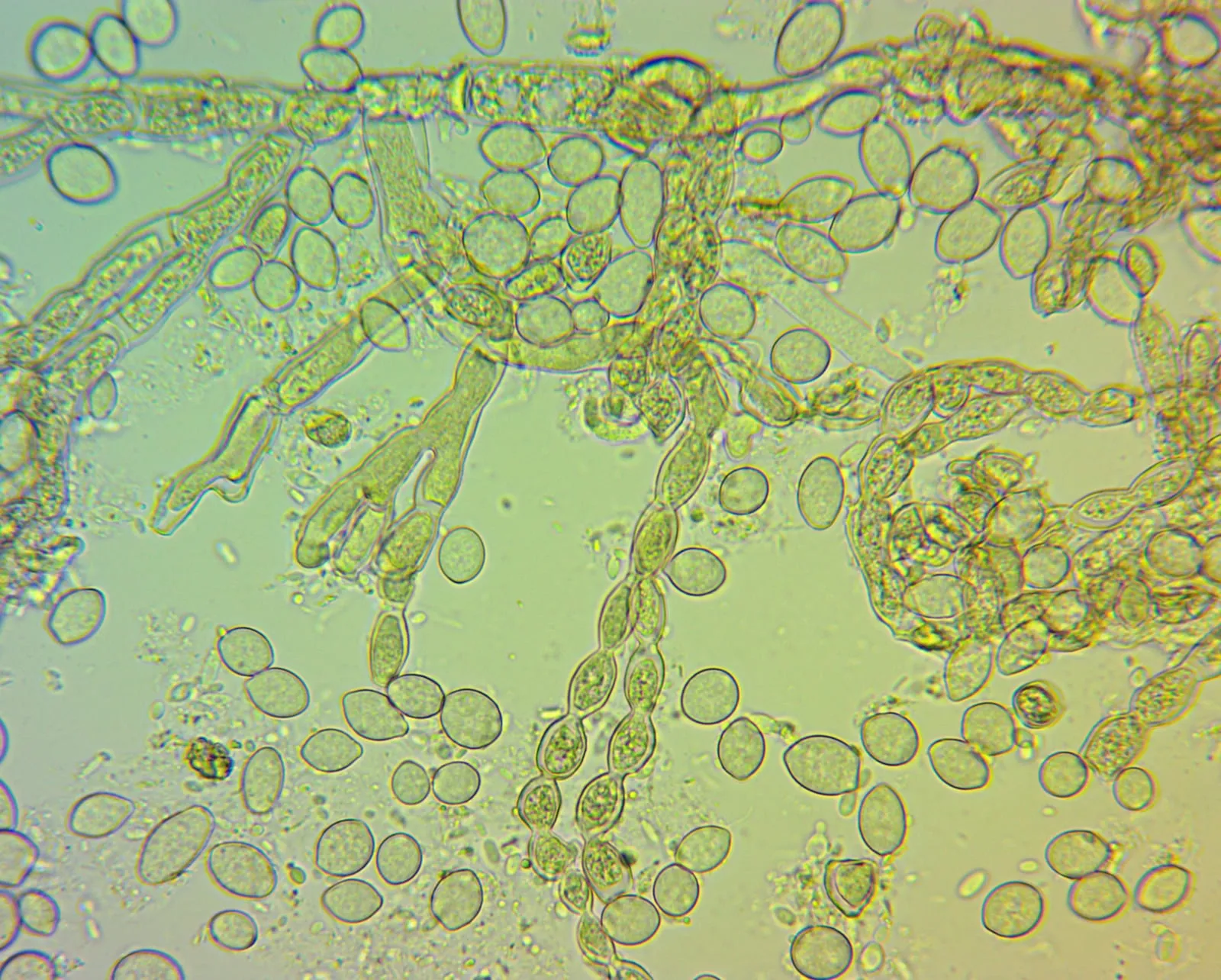
Monilinia fructicola
The most damaging stone-fruit and almond disease, causing blossom blight and fruit rot.
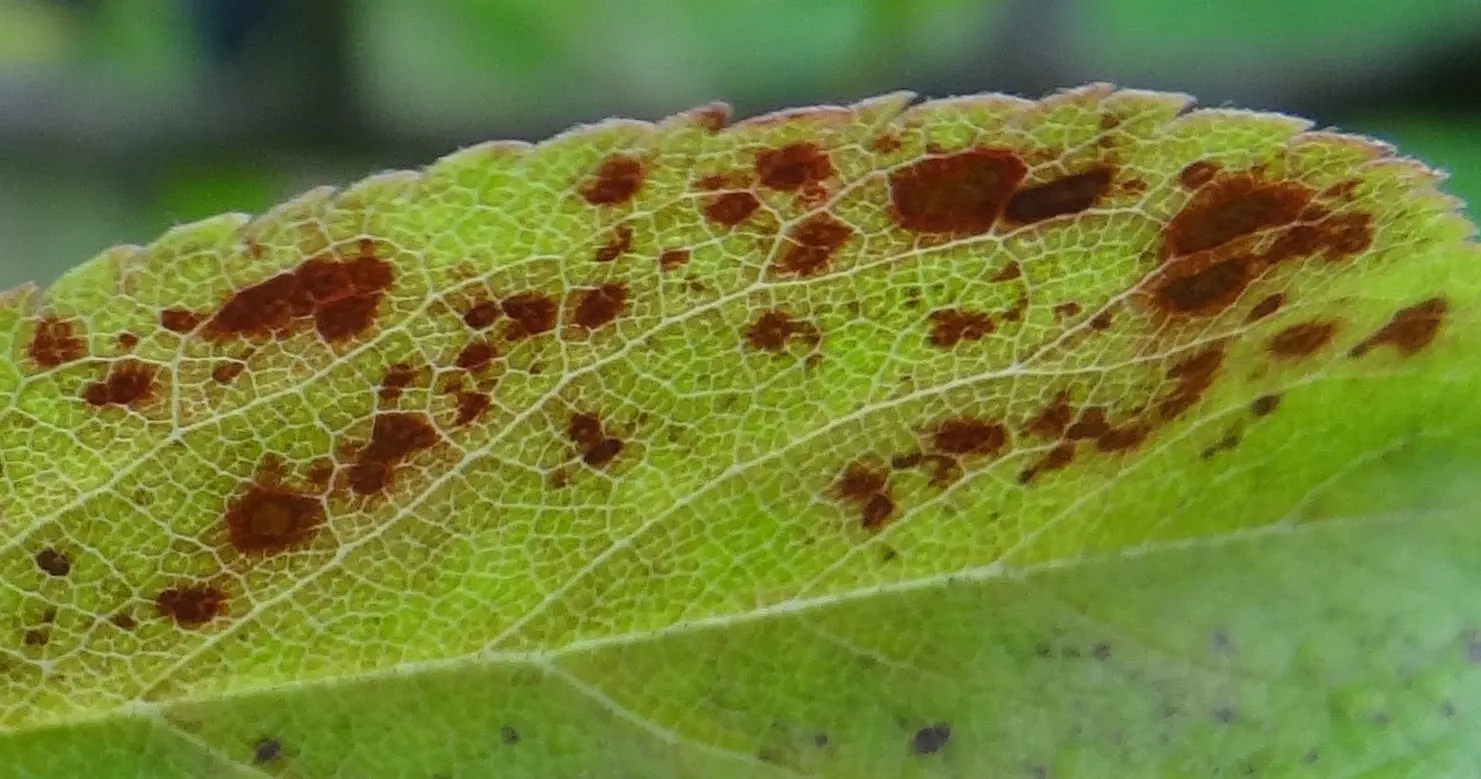
Xanthomonas arboricola pv. pruni
Bacterial disease causing leaf spots and fruit blemishes, severe in warm humid regions.
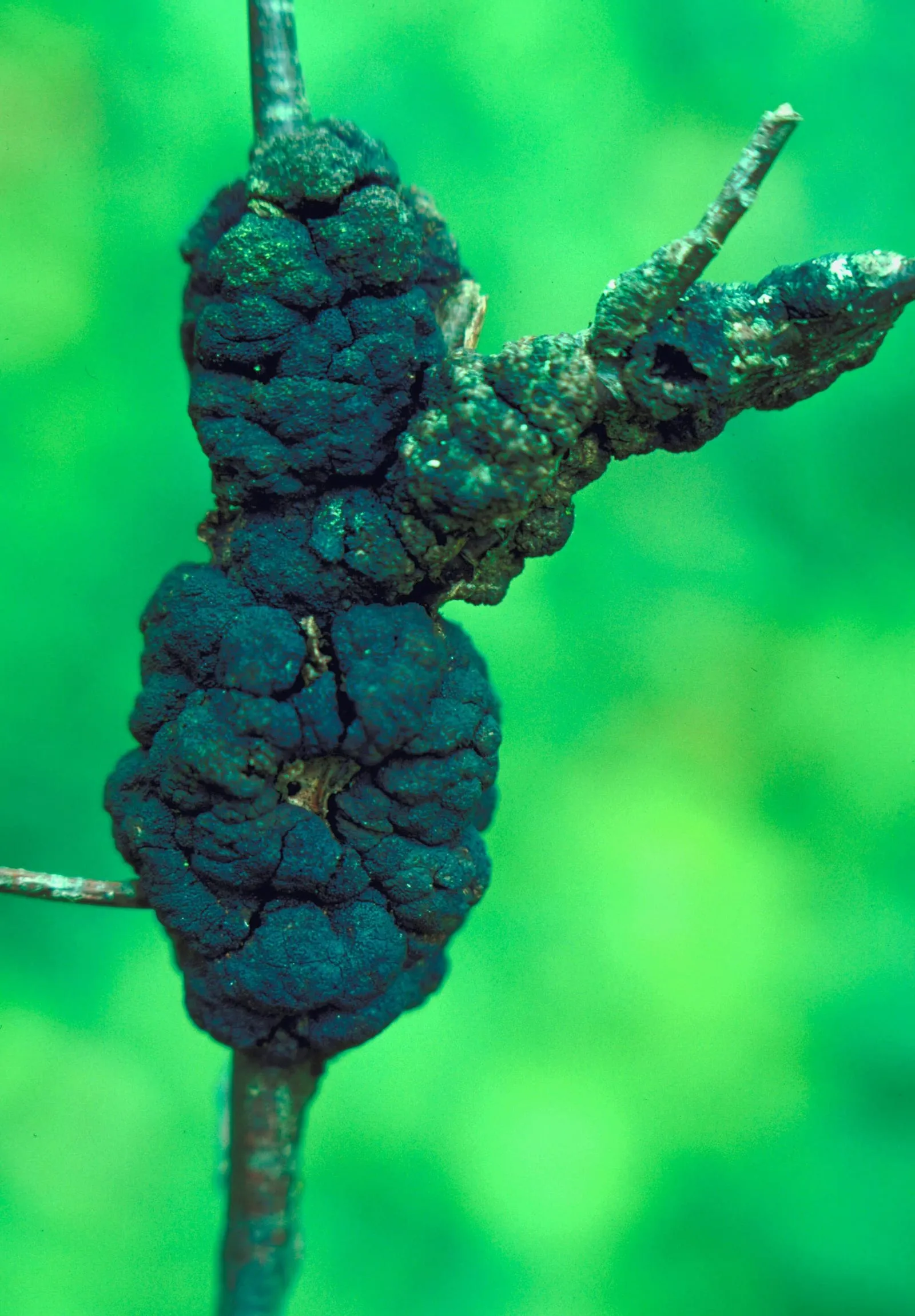
Apiosporina morbosa
Fungal disease producing characteristic black warty galls on plum and cherry branches.
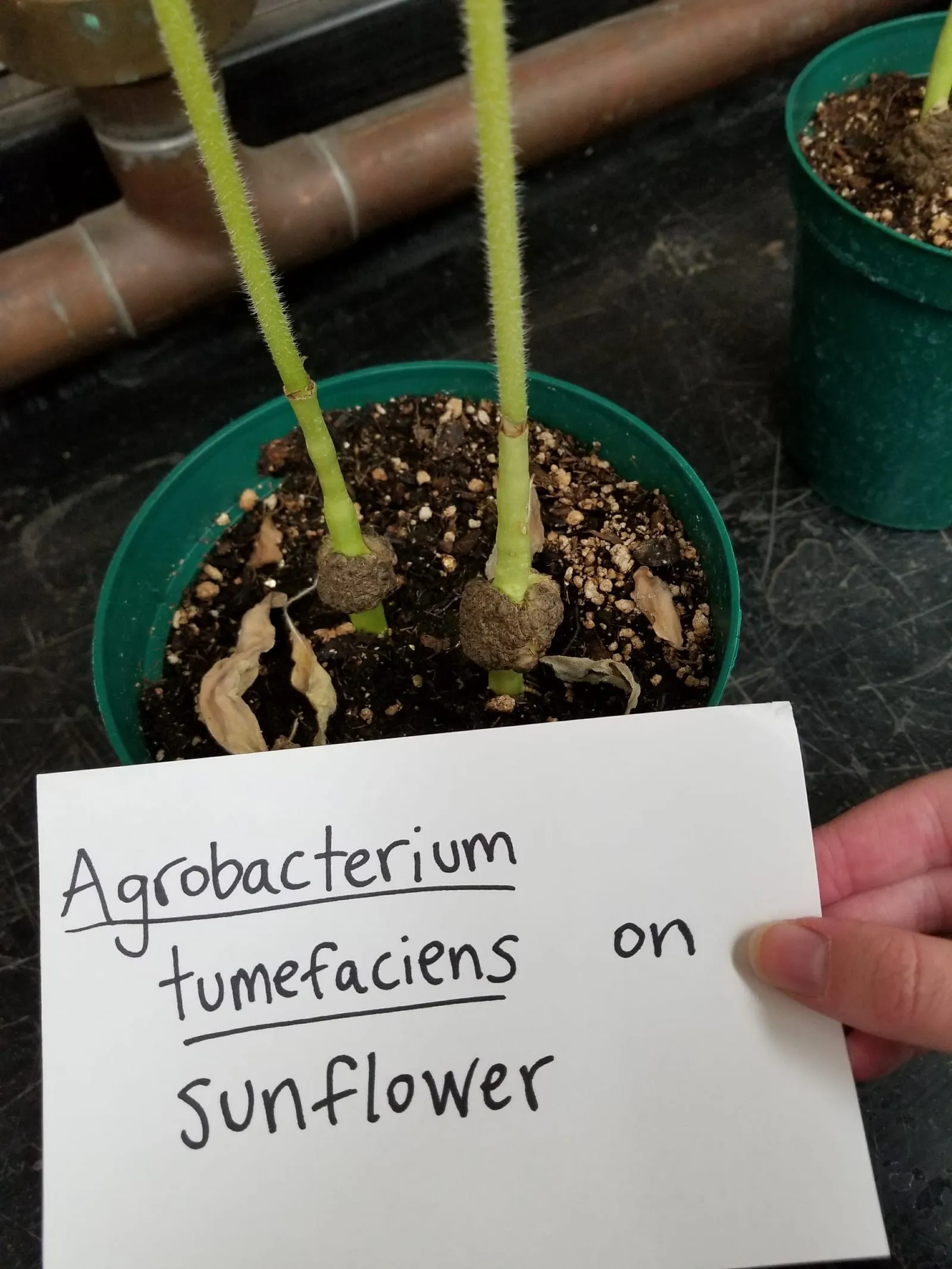
Agrobacterium tumefaciens
Soil-borne bacterium that enters plants through wounds and induces tumor-like galls on roots, crown, and lower stems. Galls reduce vigor and shorten plant lifespan; on Rubus the disease is often fatal.
Modified care for zone 5b
The primary modification for zone 5b is site selection. A south-facing slope or a location near a thermal mass can shift the effective microclimate a full half-zone warmer, reducing late frost risk to blooms. Low-lying frost pockets should be avoided entirely.
In years with hard late freezes after bloom, frost cloth or overhead irrigation for frost protection may be warranted on established trees. For young trees in their first two winters, wrapping trunks to prevent southwest injury from freeze-thaw cycling is practical given the -15°F lower bound.
Brown rot pressure increases with humid summers, so pruning for open canopy structure and ensuring good air circulation through the canopy is more important here than in drier climates. Plum curculio is the dominant insect pest in zone 5b and requires early-season attention starting at petal fall. Codling moth is a secondary concern but should be scouted from June onward.
Frequently asked questions
- Can Japanese plum survive zone 5b winters?
Most Japanese plum varieties are rated to zone 5 or 6. In zone 5b, cold-hardy selections like Methley and Shiro have the best chance. The main risk is not average winter cold but occasional extreme cold snaps near -15°F, which can damage limbs and kill flower buds even on otherwise hardy trees.
- What is the biggest challenge for Japanese plum in zone 5b?
Late spring frost hitting open blooms is the most common cause of crop failure. Japanese plum blooms early, and zone 5b last frost dates often extend into late April or early May, creating a direct overlap. Site selection on elevated, frost-resistant ground reduces but does not eliminate this risk.
- Do Japanese plums need a pollinator in zone 5b?
Methley is self-fruitful and will set fruit without a second tree. Shiro produces better crops with a compatible pollenizer planted nearby. When planting two varieties, bloom time overlap is important to confirm, which is particularly relevant in zone 5b where spring timing can vary by two weeks between years.
+−
+−
+−
Japanese Plum in adjacent zones
Image: "Starr 080405-3957 Prunus salicina", by Forest & Kim Starr, via Wikimedia Commons, licensed under CC-BY Source.

Related