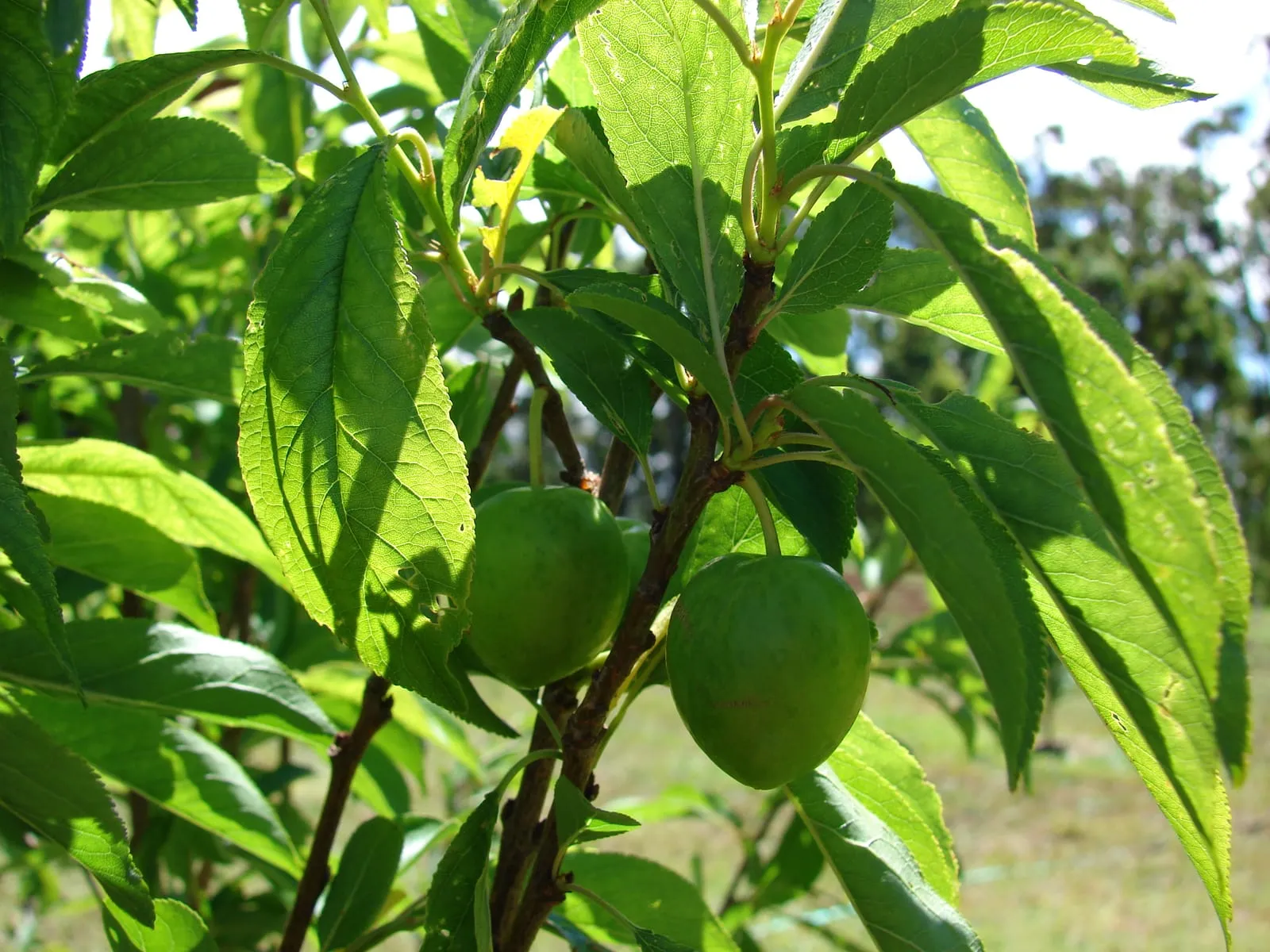
fruit tree in zone 6b
Growing japanese plum in zone 6b
Prunus salicina
- Zone
- 6b -5°F to 0°F
- Growing season
- 190 days
- Chill needed
- 500 to 900 below 45°F
- Suitable varieties
- 3
- Days to harvest
- 120 to 150
The verdict
Zone 6b, with winter lows of -5 to 0°F and a 190-day growing season, sits comfortably within Japanese plum's preferred range. The crop's chill-hour requirement of 500 to 900 hours is reliably met here; zone 6b typically accumulates 1,000 or more chilling hours in most winters. That surplus means growers can select from the full spectrum of available varieties rather than hunting for low-chill options.
Methley, Santa Rosa, and Shiro all fall well within zone 6b's chill accumulation. The risk is not insufficient cold but early bloom meeting late frost, which is a timing issue rather than a hardiness one. Zone 6b is not a marginal zone for Japanese plum; most extension references place it squarely in the crop's home-orchard sweet spot. The binding constraint is frost protection at bloom time, not winter survival.
Recommended varieties for zone 6b
3 cultivars suited to this zone, with disease-resistance and zone-fit annotations.
| Variety | Notes | Zone fit | Disease resistance |
|---|---|---|---|
| Methley fits zone 6b | Very sweet, juicy, dark red flesh and skin; outstanding fresh-eating plum, juice runs down your chin. Self-fertile and broadly adapted. | | none noted |
| Santa Rosa fits zone 6b | Sweet-tart with rich complex flavor, juicy, deep red skin and amber flesh; the classic California fresh-eating plum, also excellent for jam. | | none noted |
| Shiro fits zone 6b | Sweet, mild, juicy, yellow skin and flesh; fresh eating and good for cooking. Heavy producer, often the first plum to ripen. | | none noted |
Critical timing for zone 6b
Japanese plum breaks dormancy and blooms early, often in late February or early March in zone 6b when a mild stretch follows winter. Average last frost in zone 6b falls in mid-to-late April in most locations, which means bloom and frost exposure overlap in a meaningful fraction of years. A late freeze during full bloom can eliminate fruit set entirely without damaging the tree itself.
Harvest follows in July through early August for most varieties, well within the 190-day growing season. Methley tends toward earlier ripening in late June to early July; Shiro and Santa Rosa follow through July and into August. Staggering varieties extends the harvest window and reduces the impact of a single weather event on the whole crop.
Common challenges in zone 6b
- ▸ Cedar-apple rust
- ▸ Fire blight
- ▸ Stink bugs
Disease pressure to watch for
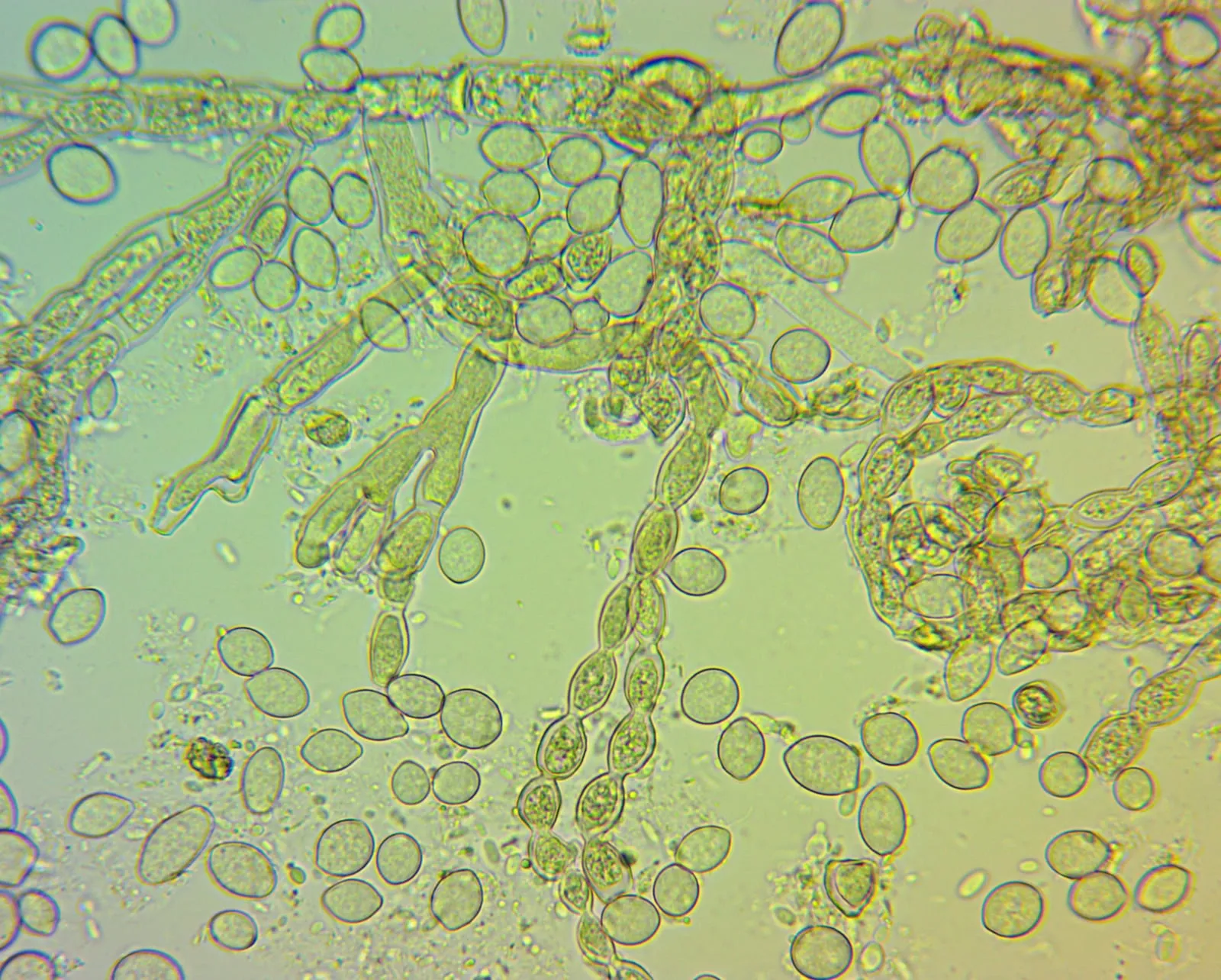
Monilinia fructicola
The most damaging stone-fruit and almond disease, causing blossom blight and fruit rot.
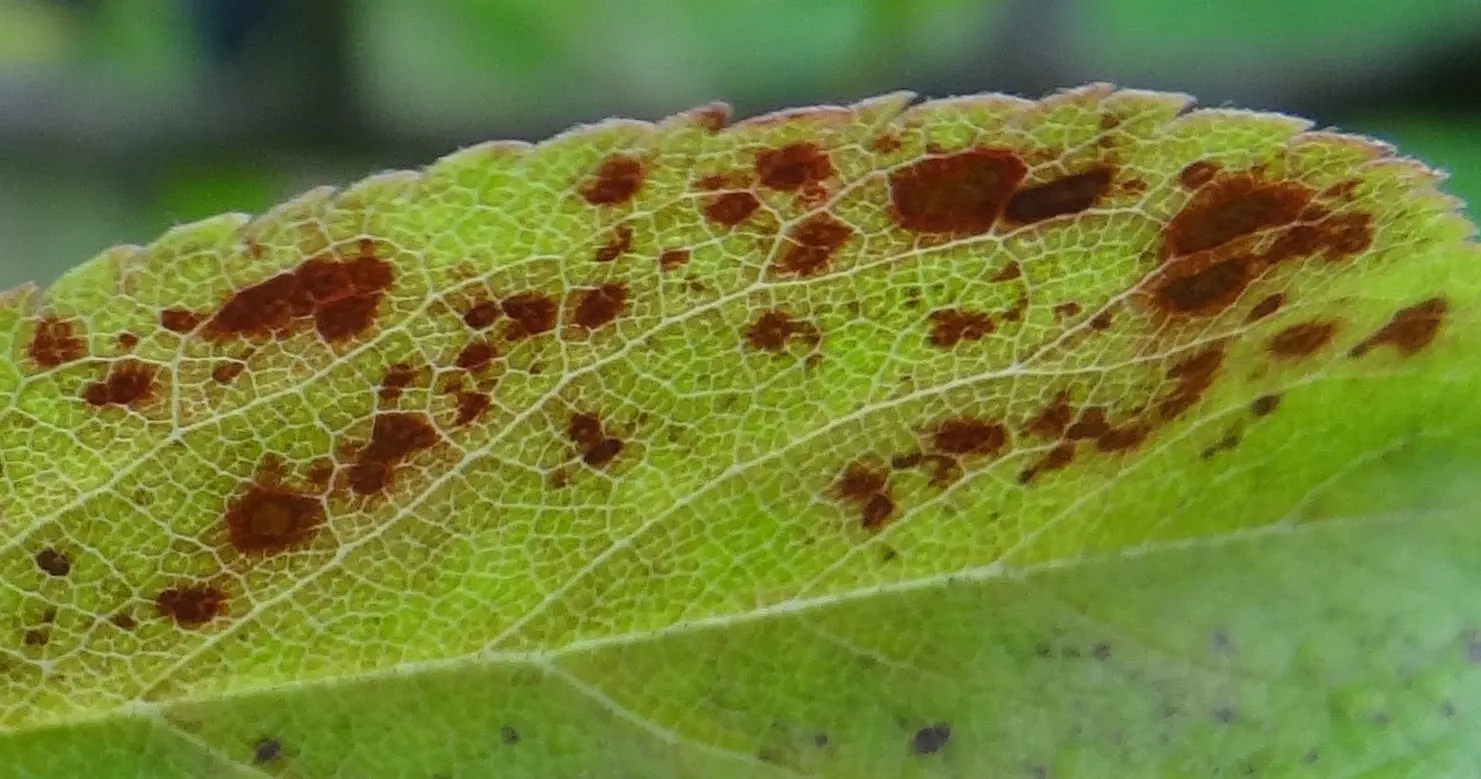
Xanthomonas arboricola pv. pruni
Bacterial disease causing leaf spots and fruit blemishes, severe in warm humid regions.
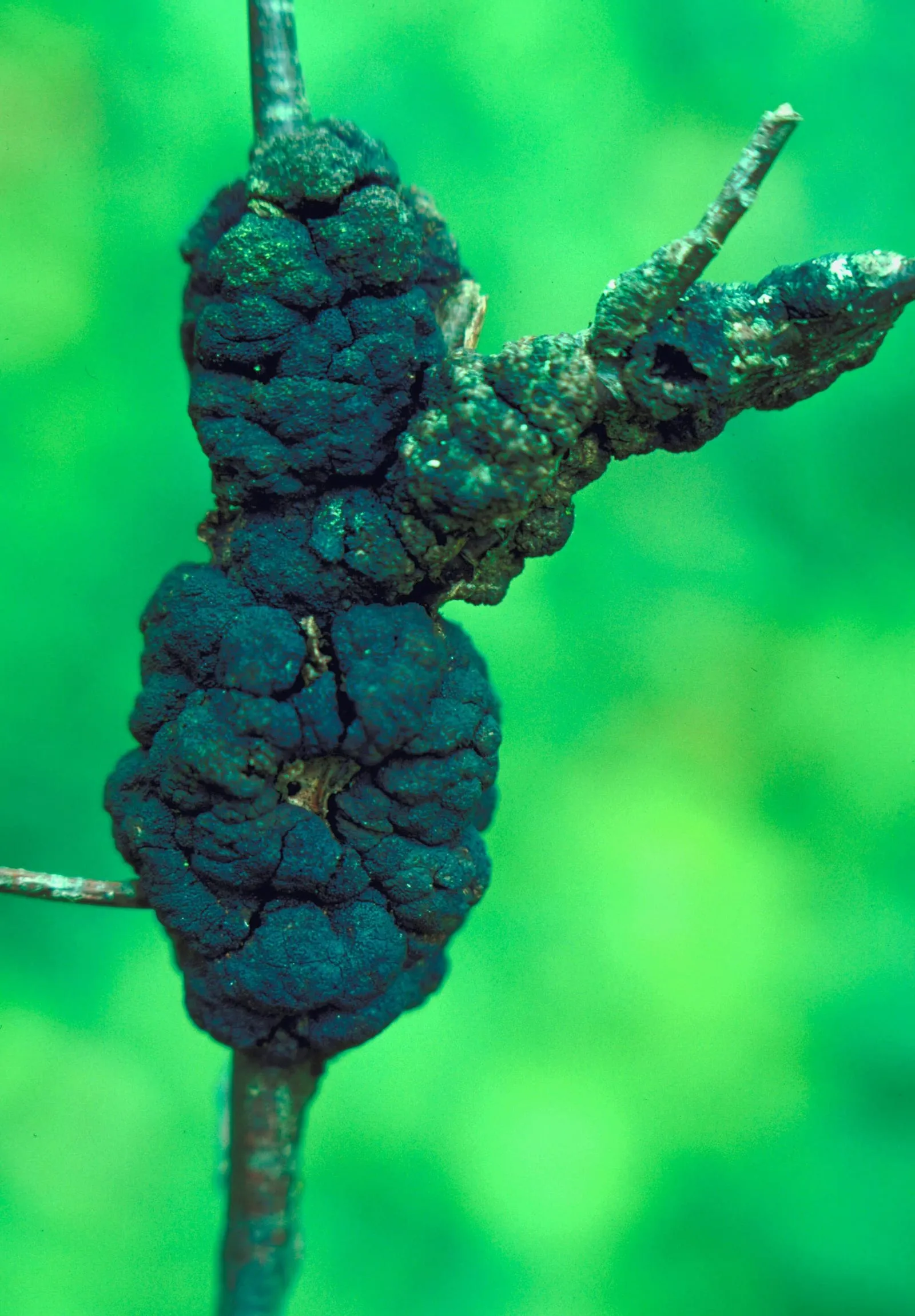
Apiosporina morbosa
Fungal disease producing characteristic black warty galls on plum and cherry branches.
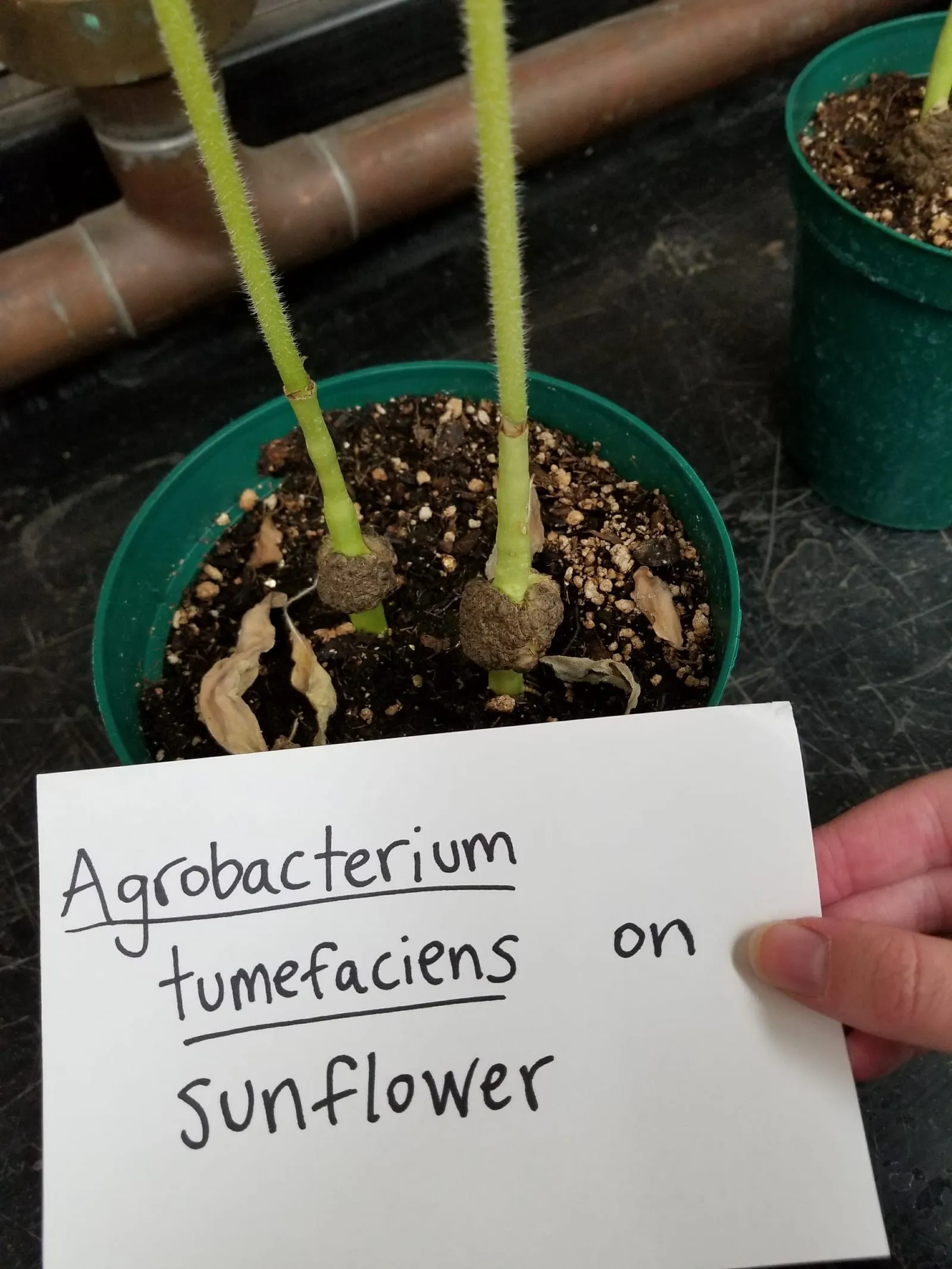
Agrobacterium tumefaciens
Soil-borne bacterium that enters plants through wounds and induces tumor-like galls on roots, crown, and lower stems. Galls reduce vigor and shorten plant lifespan; on Rubus the disease is often fatal.
Modified care for zone 6b
Zone 6b winters are cold enough to satisfy chill requirements without requiring trunk wraps or other protective measures for established trees. Young trees in their first two winters benefit from trunk guards against rodent damage, but this is standard practice across most plum-growing zones.
The primary adjustment is disease management. Brown Rot pressure is significant across much of zone 6b, particularly in humid years, and a preventive fungicide program timed to bloom and again during wet periods near harvest is worth maintaining. Bacterial Spot is less predictable but can cause serious defoliation and fruit cracking in wet springs. Stink bugs, which have expanded their range across the mid-Atlantic and much of the Southeast, require monitoring from fruit set through harvest. Kaolin clay applications provide partial protection; exclusion netting is more reliable but labor-intensive for larger plantings.
Frequently asked questions
- Does Japanese plum get enough chill hours in zone 6b?
Yes, reliably. Zone 6b typically accumulates 1,000 or more chilling hours in winter, which comfortably satisfies the 500 to 900 hours most Japanese plum varieties require. Chill-hour deficit is not a concern in this zone.
- What is the biggest risk for Japanese plum in zone 6b?
Late spring frost during bloom is the primary threat. Japanese plum blooms early, sometimes in late February or March, while zone 6b's average last frost falls in mid-to-late April. An April freeze during full bloom can eliminate the entire fruit set for that season without killing the tree.
- Which Japanese plum varieties perform best in zone 6b?
Methley, Santa Rosa, and Shiro are well-suited to zone 6b. All three meet their chill requirements easily here. Methley ripens earliest and is notably disease-tolerant; Santa Rosa and Shiro follow through mid-summer. Planting two varieties also improves cross-pollination and fruit set.
- How serious is Brown Rot on Japanese plum in zone 6b?
Brown Rot is a consistent concern in zone 6b, especially in wet years. The fungus spreads rapidly during humid conditions near harvest and can destroy fruit in days. A preventive fungicide program at bloom and again as fruit approaches maturity is the standard management approach.
+−
+−
+−
+−
Japanese Plum in adjacent zones
Image: "Starr 080405-3957 Prunus salicina", by Forest & Kim Starr, via Wikimedia Commons, licensed under CC-BY Source.

Related