USDA hardiness zone
Zone 6b
Mid-temperate zone with reliable peaches and a wide variety of apples.
On the zone ramp
- Lowest winter temp
- -5°F to 0°F USDA boundary
- Growing season
- 190 days
- Avg chill hours
- ~1100 below 45°F
- Hardiness rank
- 12 of 26 temperate
- Compatible crops
- 87
- Sample region
- Long Island
Growing in zone 6b
Zone 6b occupies a mid-temperate band with winter lows between -5 and 0°F and a growing season of roughly 190 days. That combination is long enough for the full range of common temperate fruit crops, yet cold enough to accumulate the chill hours that apples, cherries, and European plums require. Representative areas include Long Island, Southern Indiana, and Northern Virginia, though local microclimates shift individual sites considerably. Urban heat islands along the Long Island coast, and elevation changes in the Virginia Piedmont foothills, can push a given orchard a half-zone in either direction.
Peaches are the reliable bellwether for zone 6b suitability. A site that ripens freestone peaches consistently can typically also carry sweet and sour cherries, European and Japanese plums, pears, and American persimmons without cold-hardiness uncertainty. The binding constraint is rarely summer heat; it is late-spring frost timing, which can catch early-blooming varieties badly in a cold year.
Cedar-apple rust and fire blight are endemic across much of the eastern geography covered by this zone. Stink bug pressure has expanded meaningfully over the past decade and now warrants inclusion in any management plan for peaches and apples. Humidity during the growing season is the common thread behind most of the zone's pest and disease challenges, and any variety selection or spray program that ignores local humidity patterns will underperform.
Frost timing in zone 6b
Last spring frost in zone 6b typically falls between April 15 and May 1 across most representative sites. Long Island coastal locations, moderated by the Atlantic and Long Island Sound, often clear frost risk by mid-April. Inland sites in Southern Indiana and higher-elevation spots in Northern Virginia may hold frost risk into the first week of May. First fall frost generally arrives between October 10 and October 25.
For fruit growers, the spring date carries more operational weight than the fall date. Fruit tree blossoms open weeks before full leaf-out and sustain damage at 28°F or below held for 30 minutes or more. A late frost in late April or early May can eliminate most of a peach or sweet cherry crop in a single night. Late-blooming apple varieties such as Goldrush or Enterprise, and late-blooming peach selections, reduce this exposure by pushing blossom timing past the most dangerous window. The fall frost date affects late-ripening vegetable crops and a narrow range of late-season apples, but most zone 6b fruit ripens well before mid-October.
Common challenges
- ▸ Cedar-apple rust
- ▸ Fire blight
- ▸ Stink bugs
Best practices
Select fire-blight-resistant varieties before purchasing trees. Fire blight (caused by Erwinia amylovora) is reliable annual pressure in the humid eastern portions of zone 6b. In apple, Enterprise, Goldrush, and Liberty carry good field-tested resistance. In pear, Harrow Sweet and Moonglow consistently outperform susceptible options like Bartlett. Planting a susceptible variety and relying on copper or streptomycin sprays at bloom is a workable fallback, but it adds timing complexity and chemical cost that disease-resistant selections avoid entirely.
Time fungicide applications around the cedar-apple rust spore release window. Where eastern red cedar (Juniperus virginiana) grows within roughly half a mile, galls release spores during wet spring weather from bud break through petal fall, a window of 4 to 6 weeks. Captan or myclobutanil applied at 7 to 10 day intervals during this window substantially reduces infection on susceptible apple varieties. Rust-resistant selections reduce but do not eliminate the need for a spray program.
Start monitoring for brown marmorated stink bug in late July rather than waiting for visible fruit damage. By the time stippling or internal scarring appears, populations are already established. Exclusion netting is the most reliable intervention for high-value trees; kaolin clay provides partial deterrence in organic programs.
What to grow in zone 6b
87 crops from our database fit zone 6b, grouped by type. Click through for zone-specific variety recommendations.
Tree fruit
12 crops
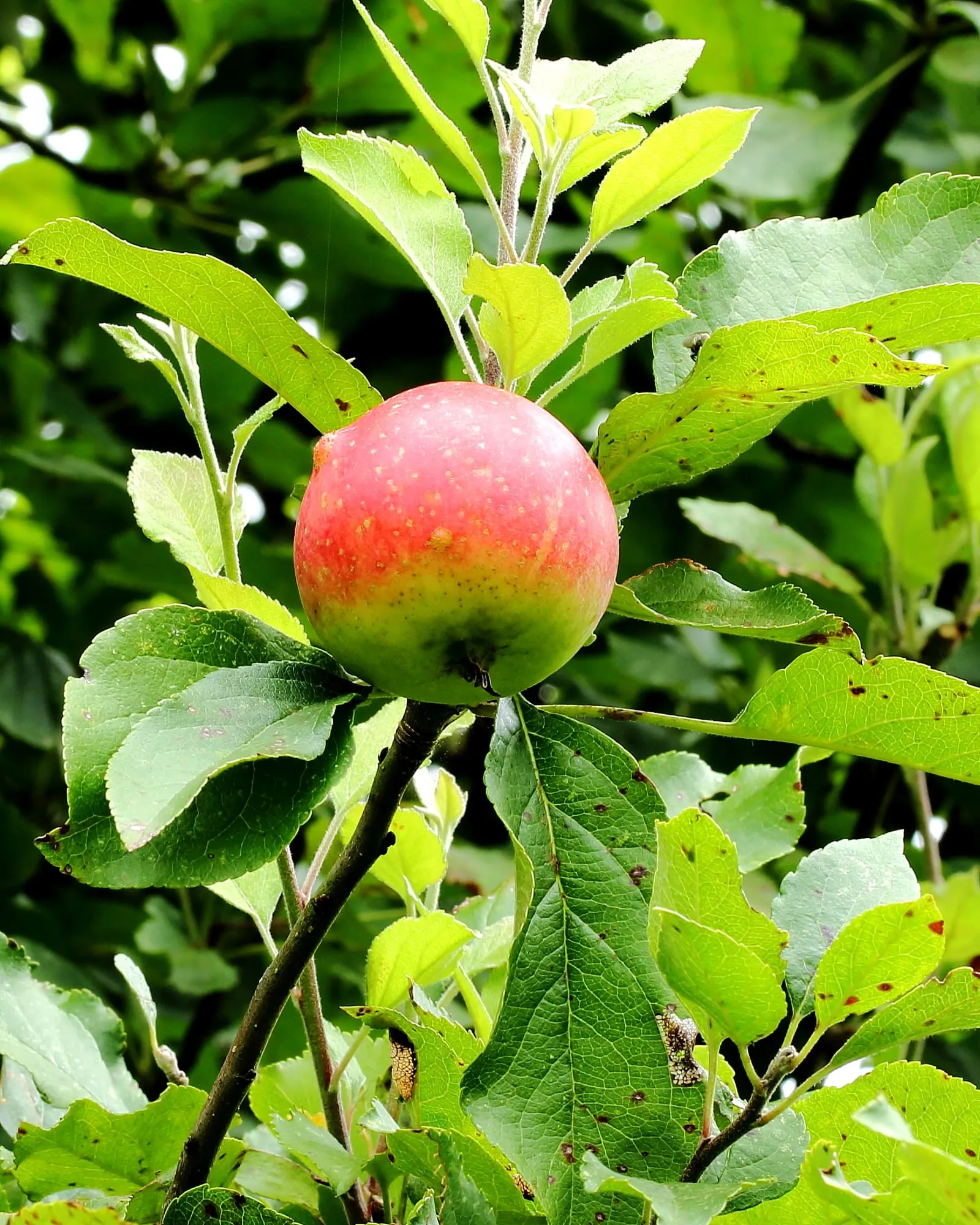 zone 6b
 Apple
Malus domestica
zones 3a–9a
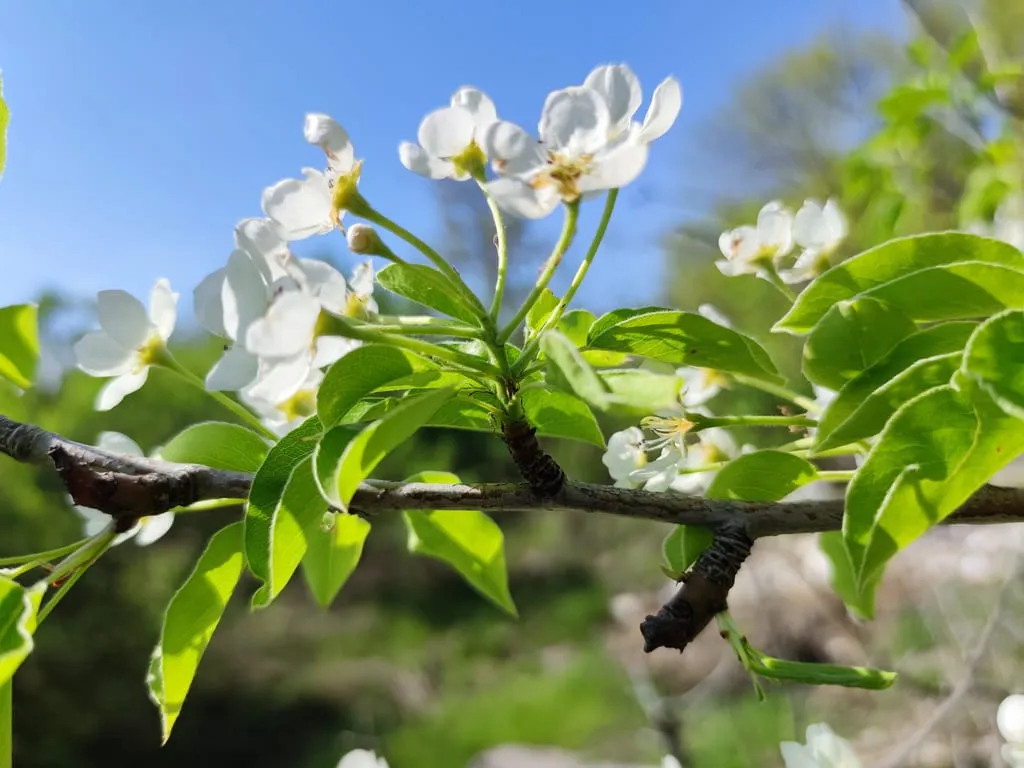 zone 6b
 Pear
Pyrus communis
zones 4a–8b
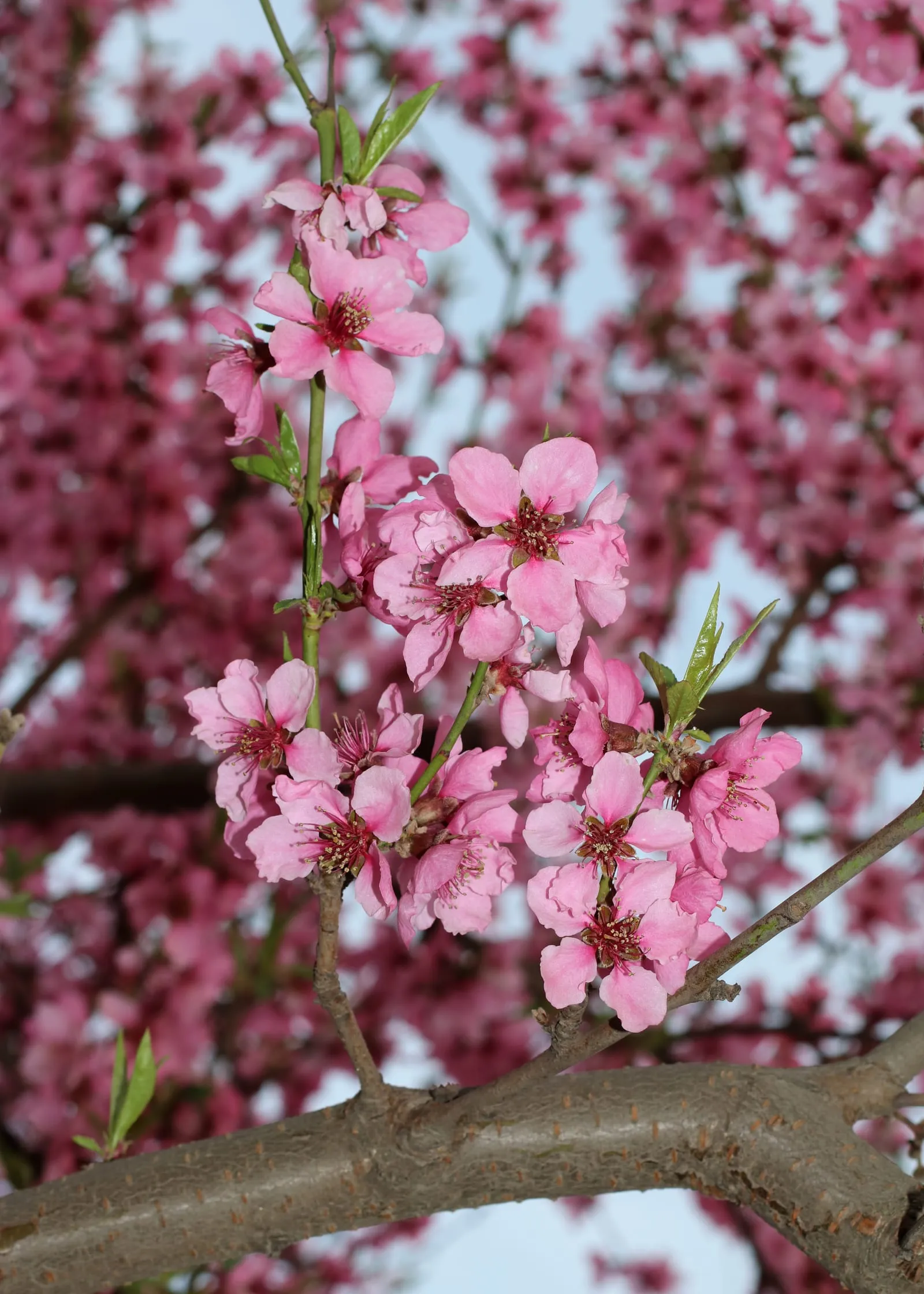 zone 6b
 Peach
Prunus persica
zones 5a–9a
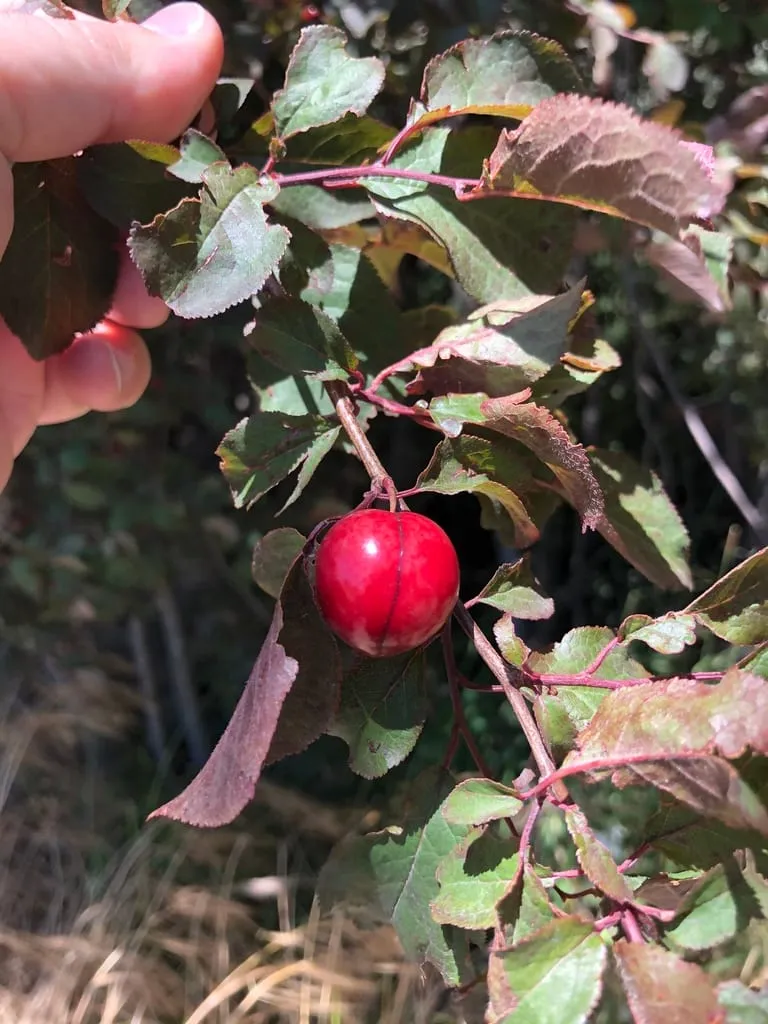 zone 6b
 European Plum
Prunus domestica
zones 4a–8a
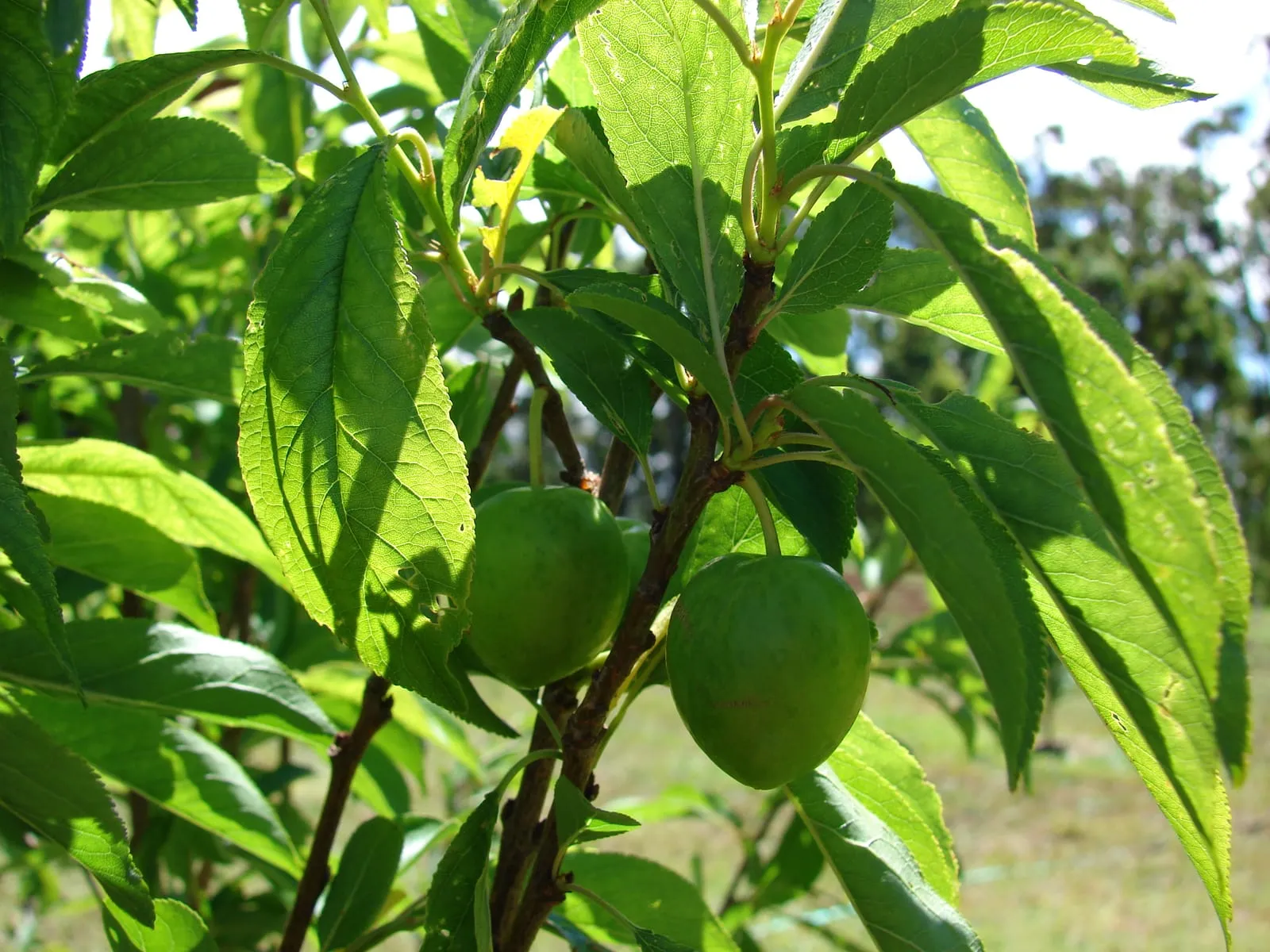 zone 6b
 Japanese Plum
Prunus salicina
zones 5b–9a
 zone 6b
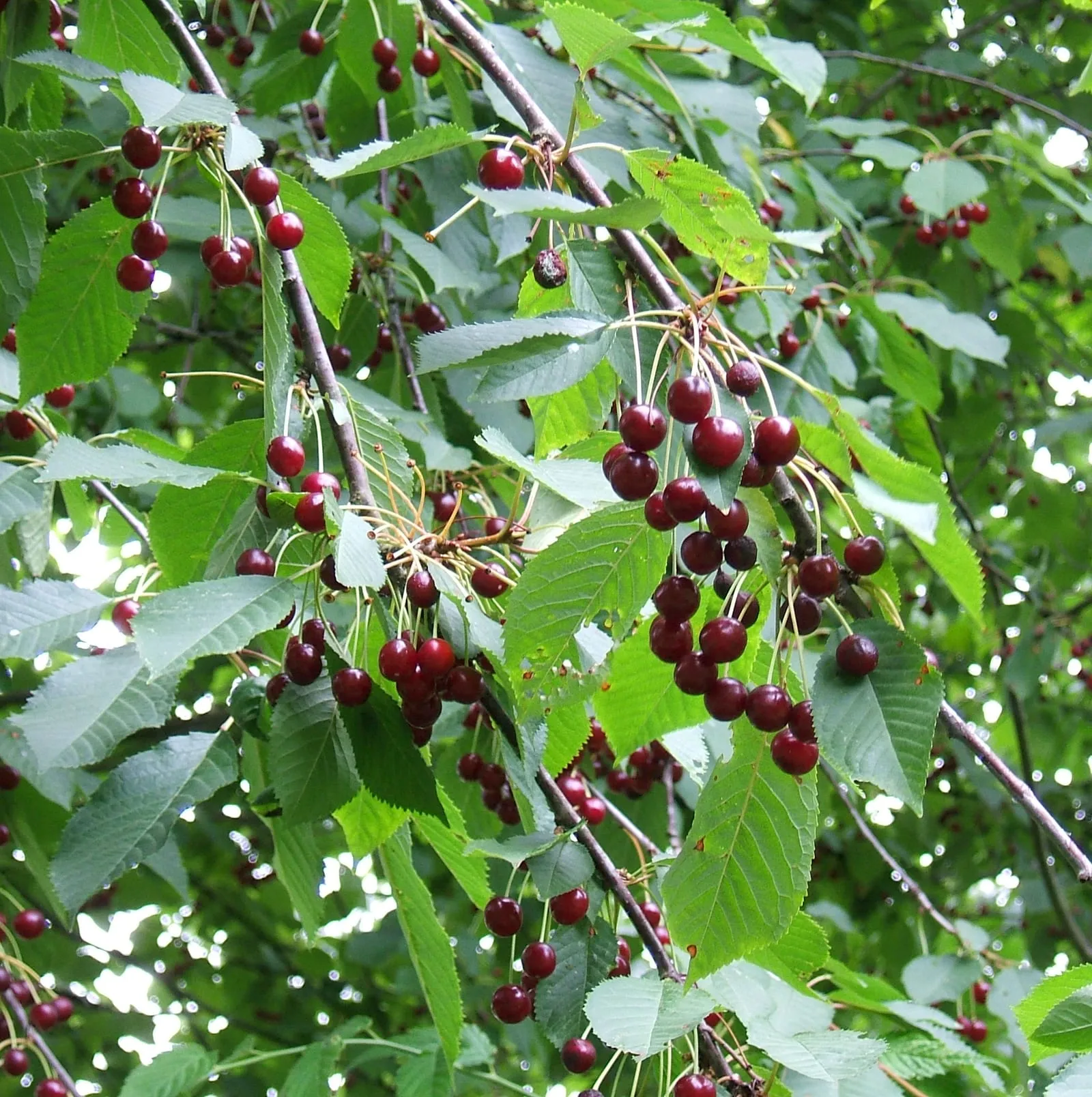
 Sweet Cherry
Prunus avium
zones 5a–8a
 zone 6b
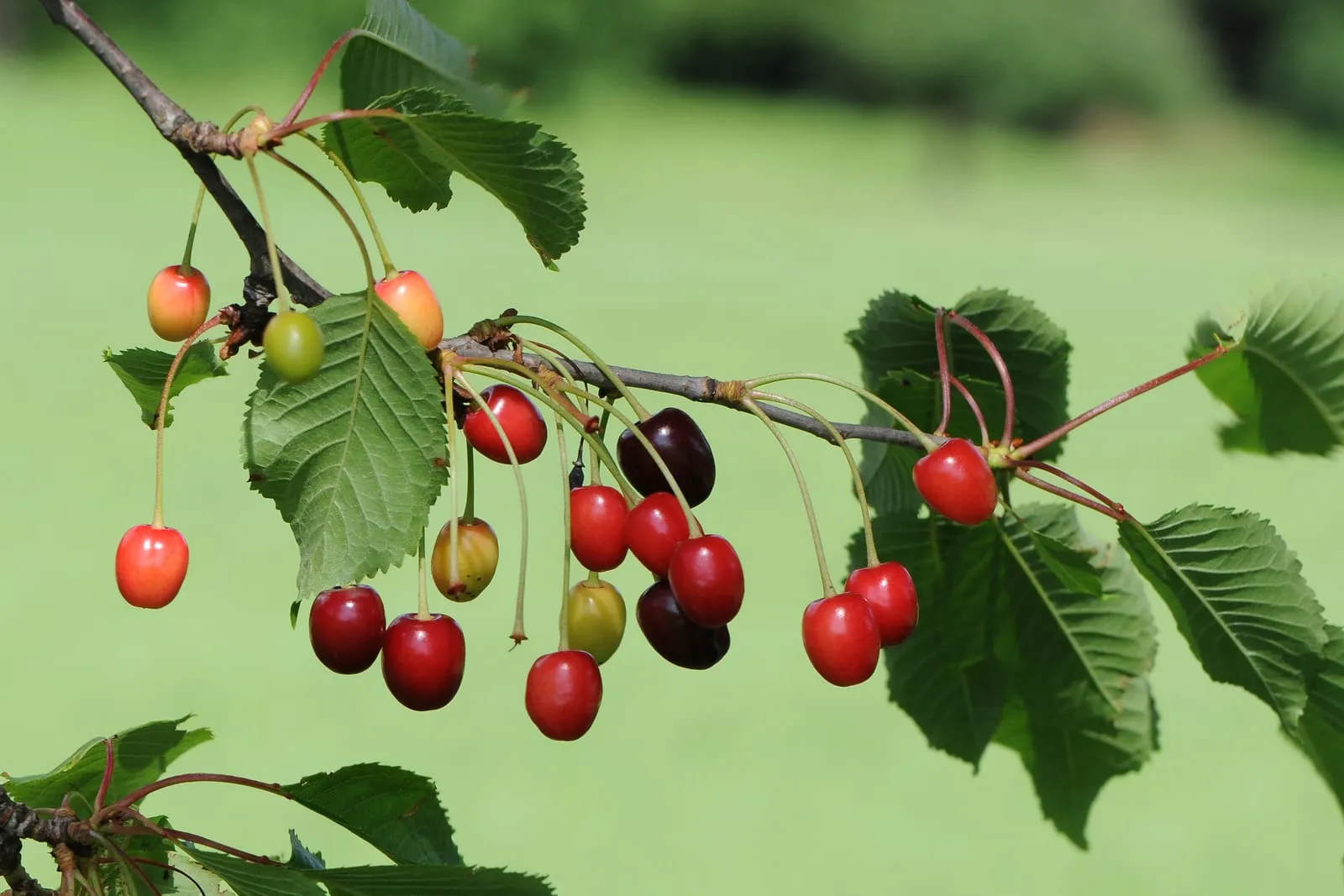
 Sour Cherry
Prunus cerasus
zones 4a–7b
 zone 6b
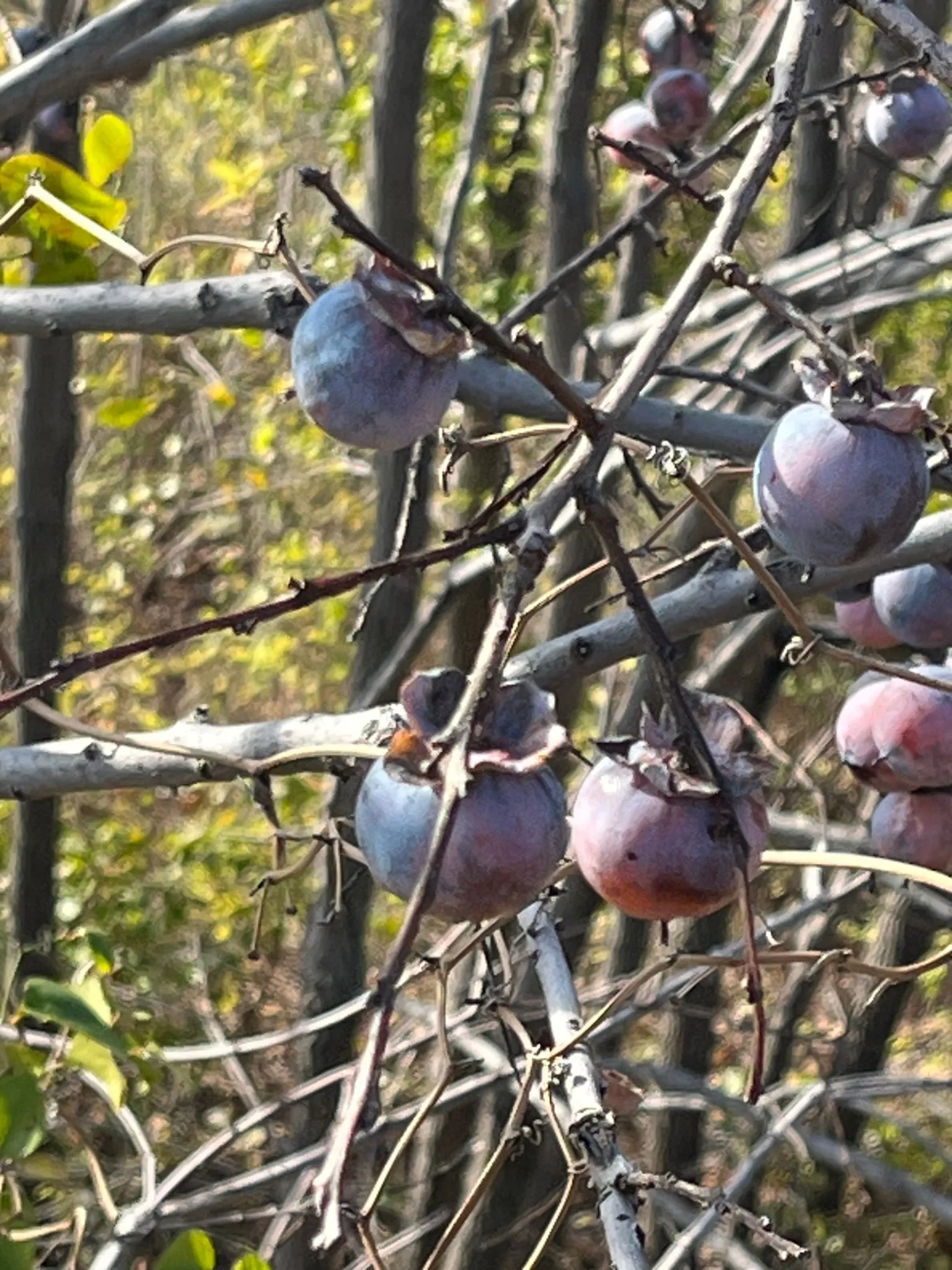
 American Persimmon
Diospyros virginiana
zones 4b–9a
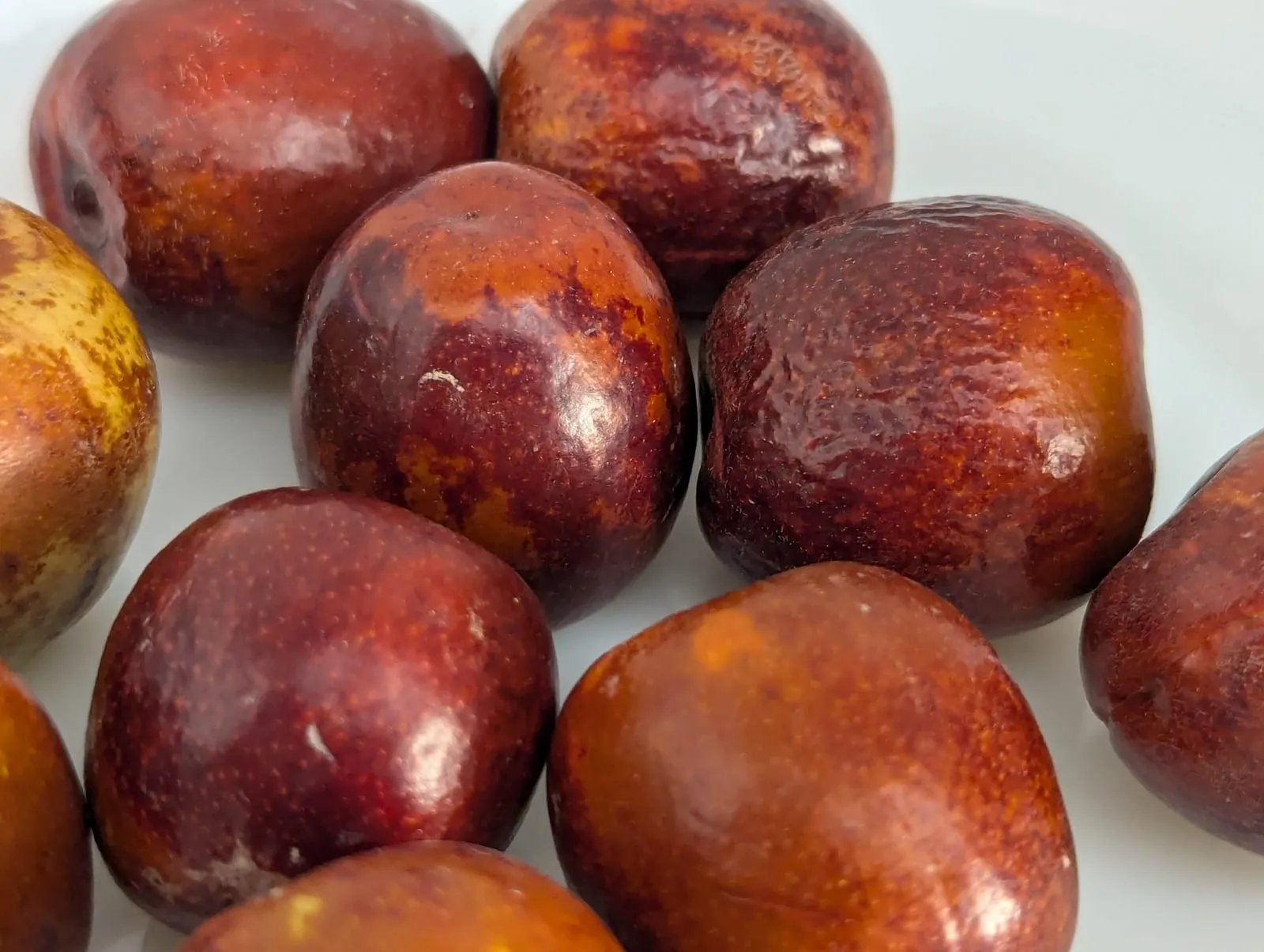 zone 6b
 Jujube
Ziziphus jujuba
zones 6a–9b
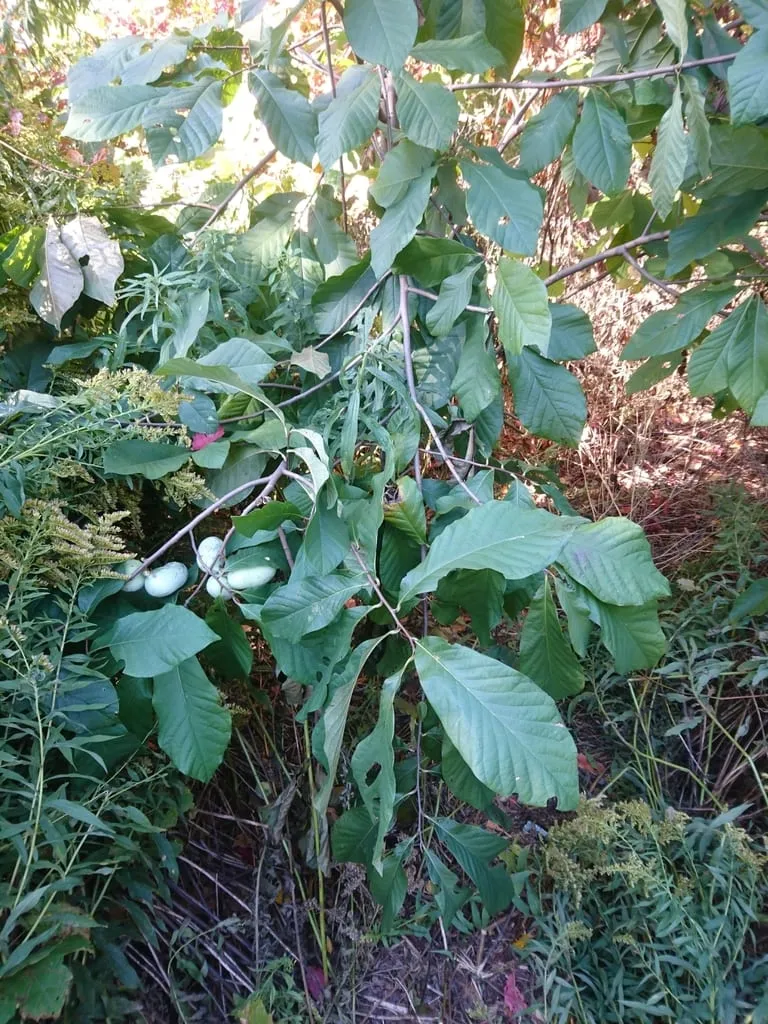 zone 6b
 Pawpaw
Asimina triloba
zones 5a–8b
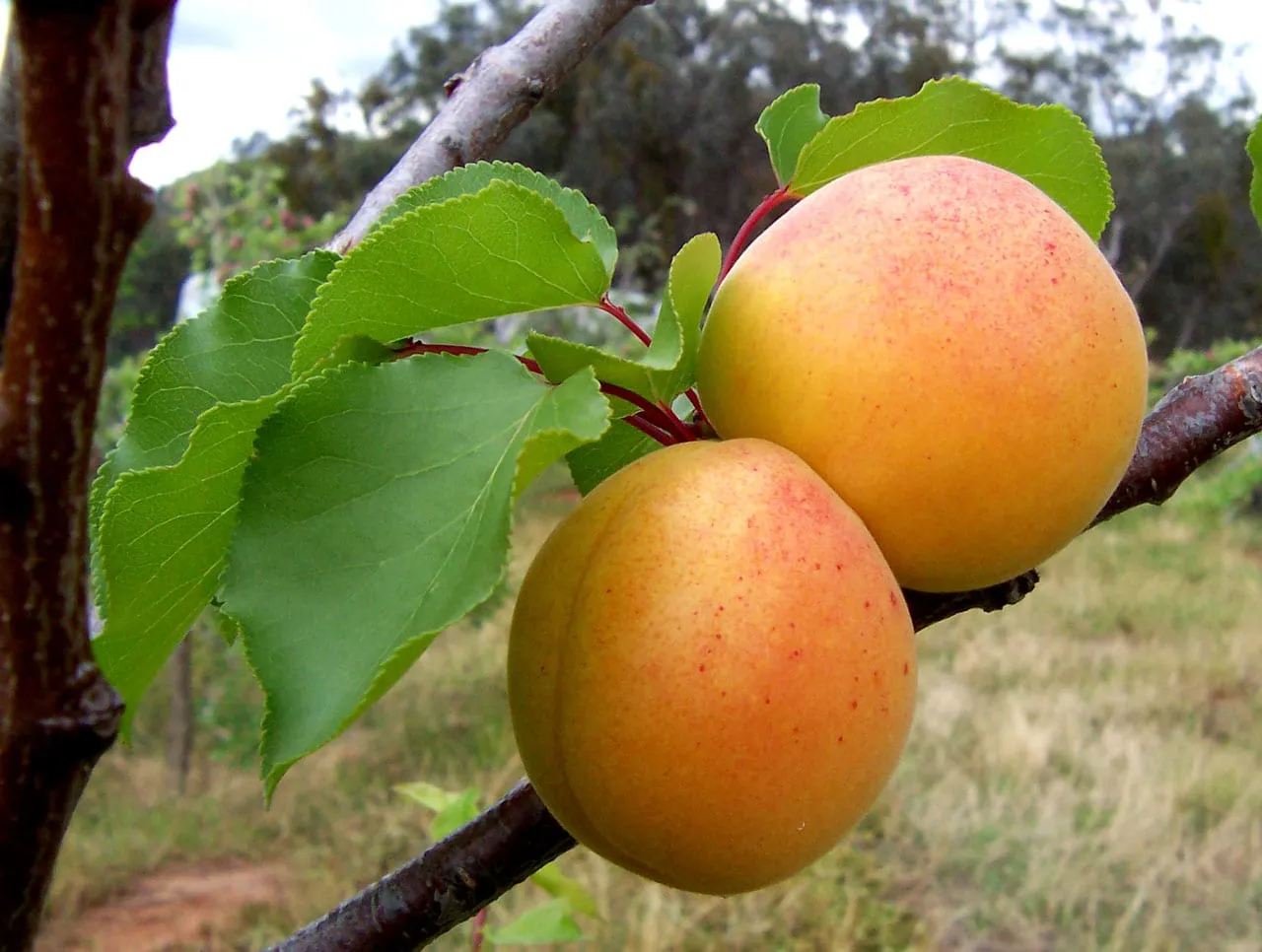 zone 6b
 Apricot
Prunus armeniaca
zones 5a–8a
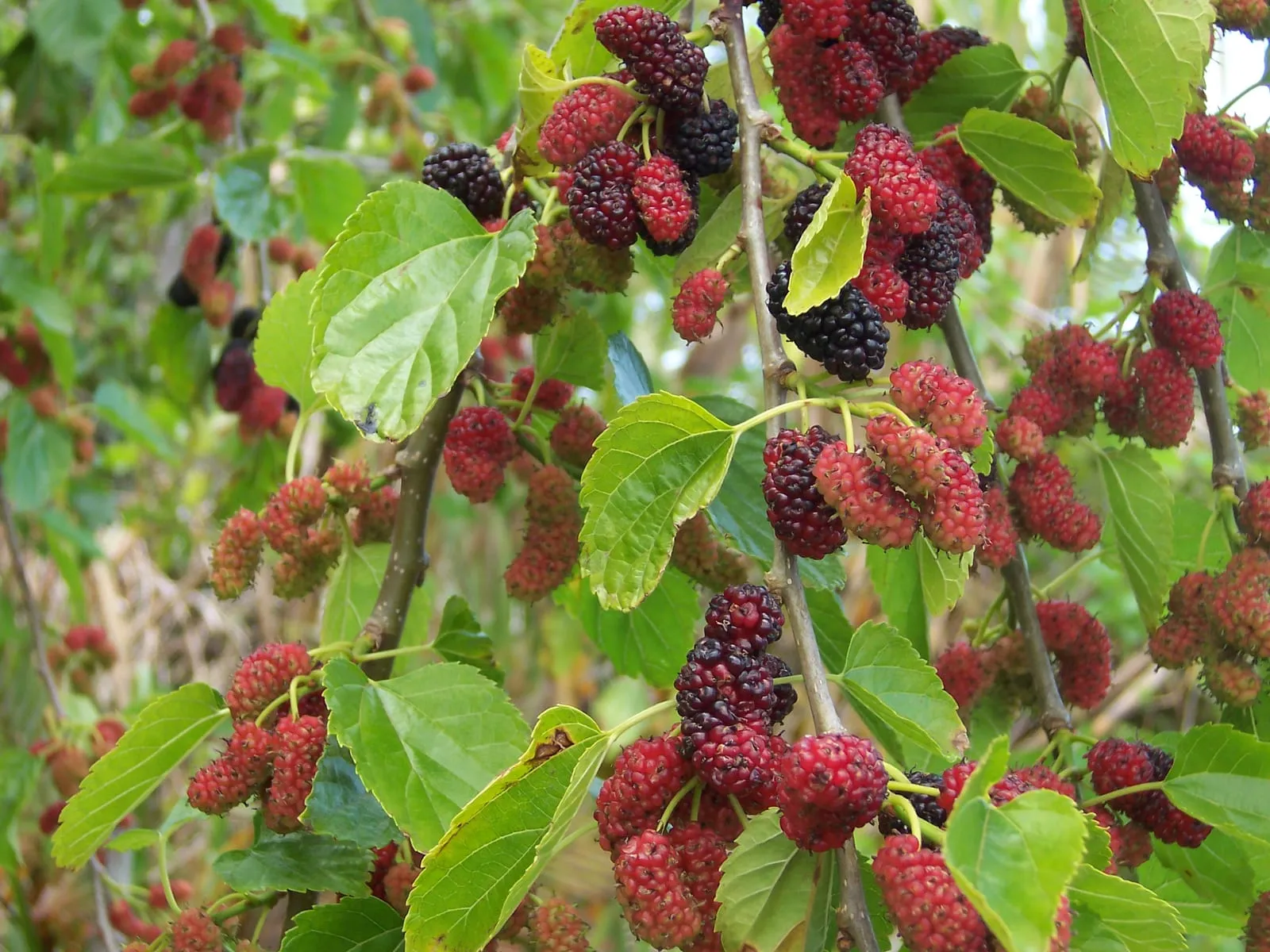 zone 6b
 Mulberry
Morus species
zones 4b–9a
Berries
20 crops
 zone 6b
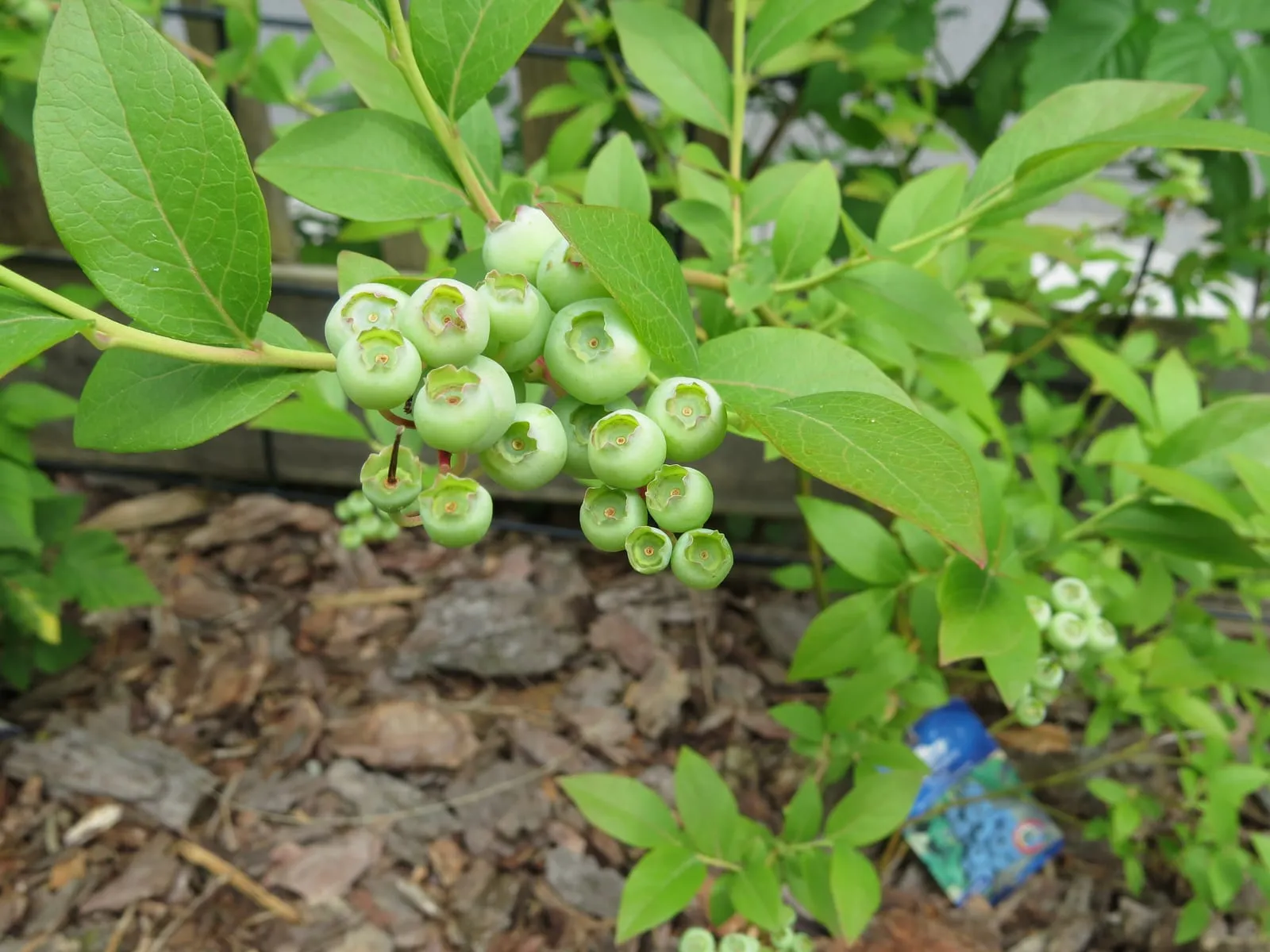
 Highbush Blueberry
Vaccinium corymbosum
zones 4a–7b
 zone 6b
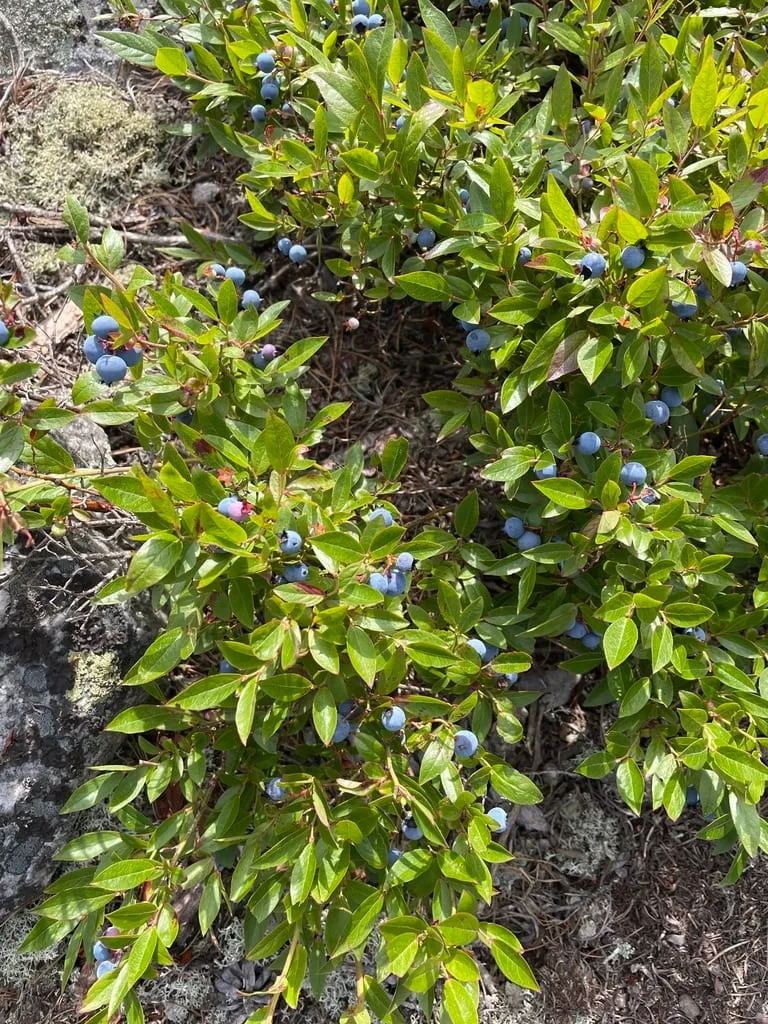
 Lowbush Blueberry
Vaccinium angustifolium
zones 3a–6b
 zone 6b
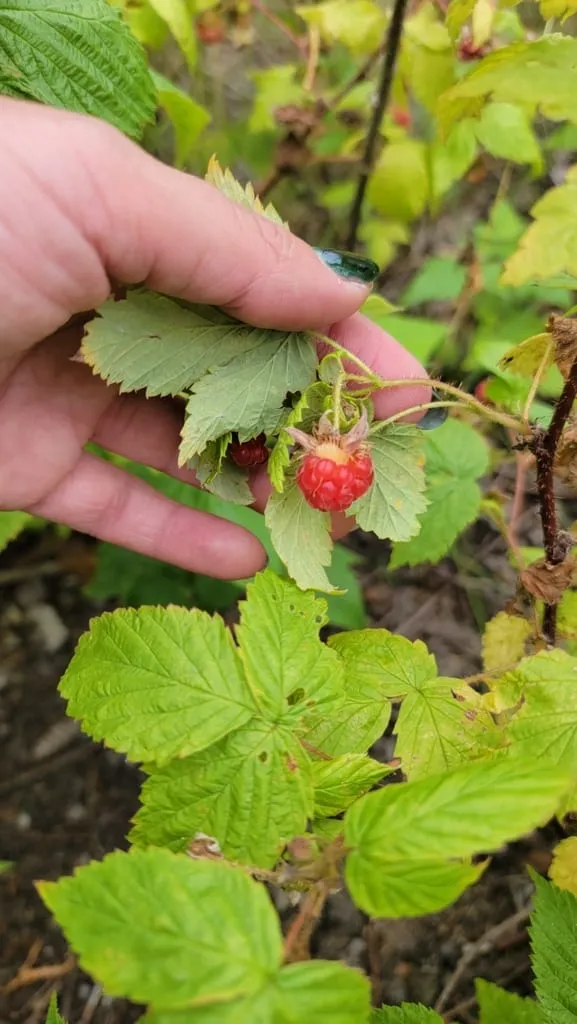
 Red Raspberry
Rubus idaeus
zones 3b–8a
 zone 6b
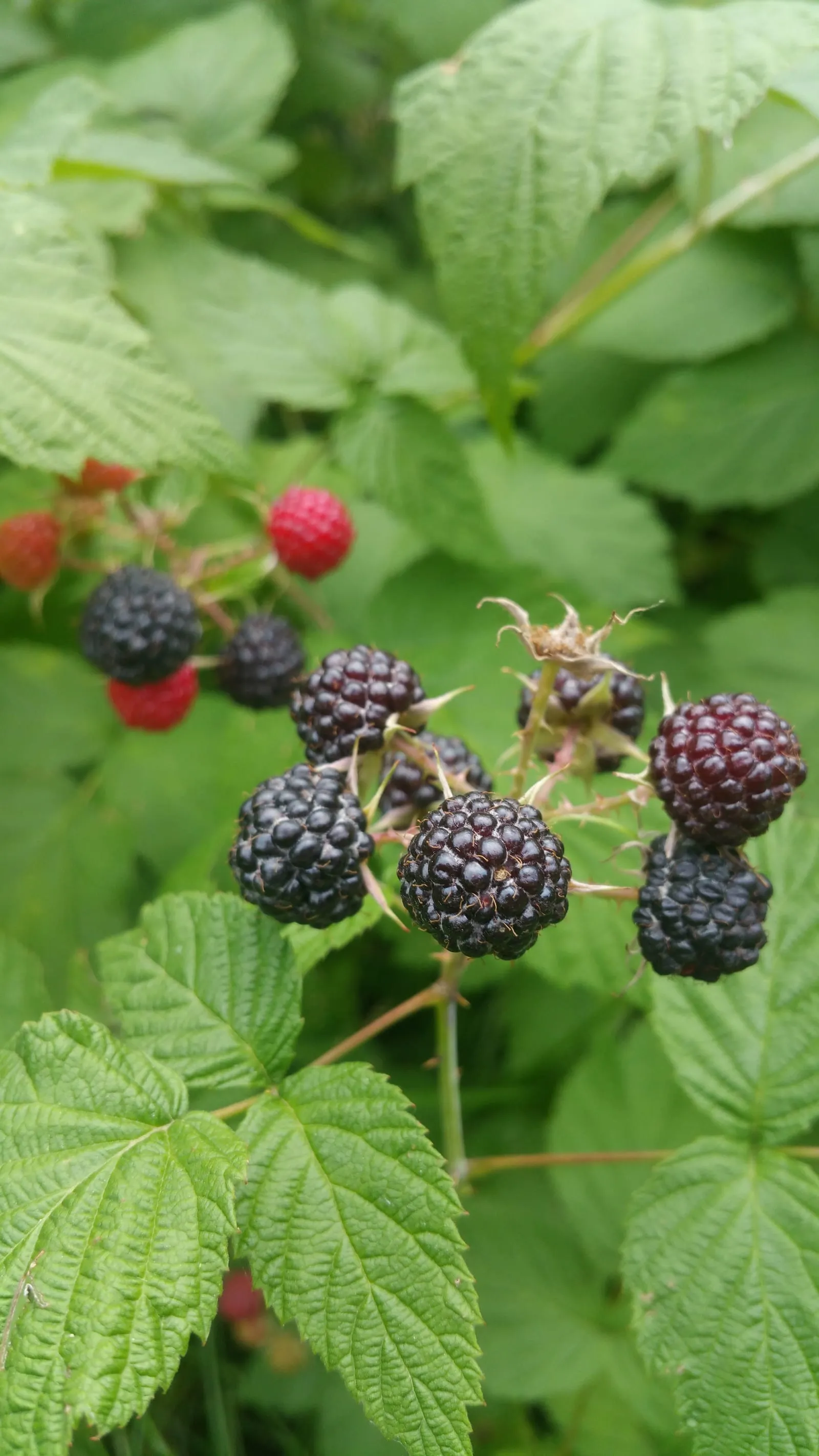
 Black Raspberry
Rubus occidentalis
zones 4a–8a
 zone 6b
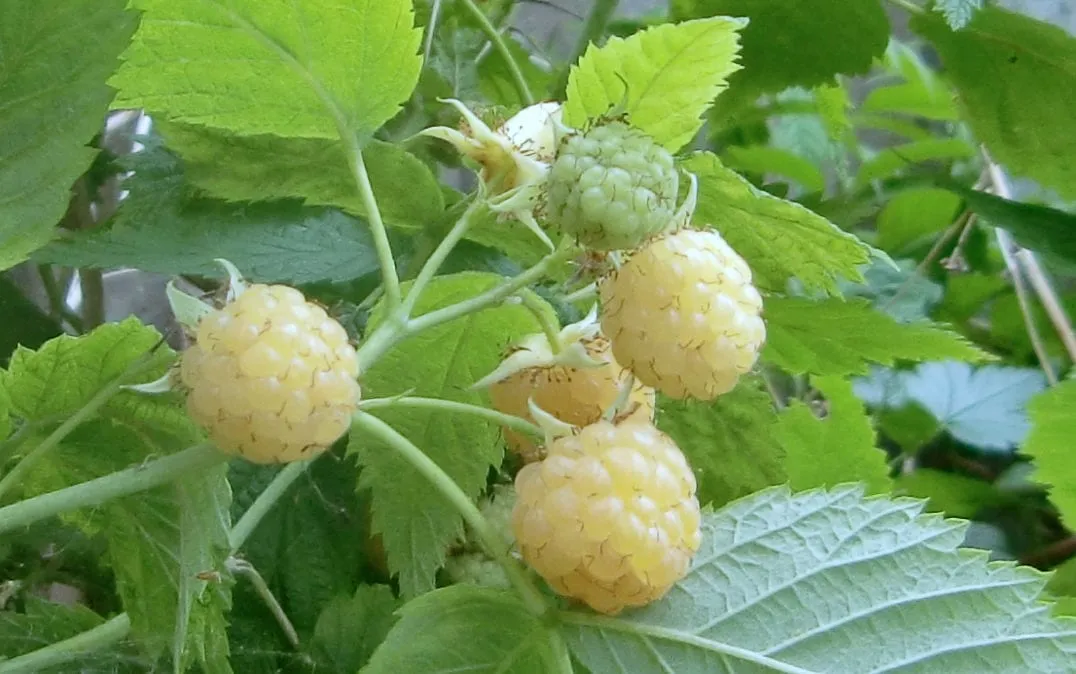
 Yellow Raspberry
Rubus idaeus
zones 3b–8a
 zone 6b
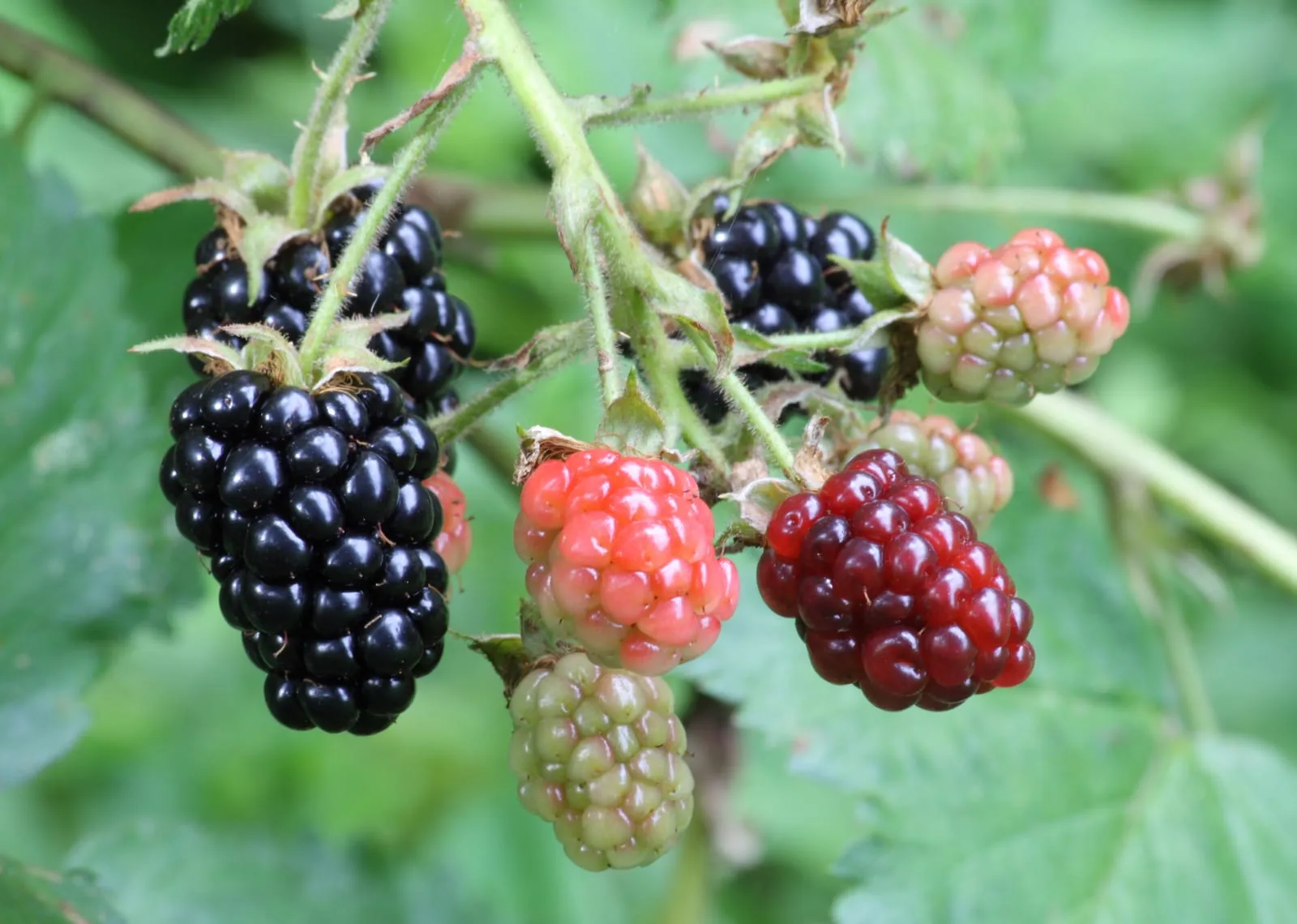
 Blackberry
Rubus subgenus Rubus
zones 5a–9a
 zone 6b
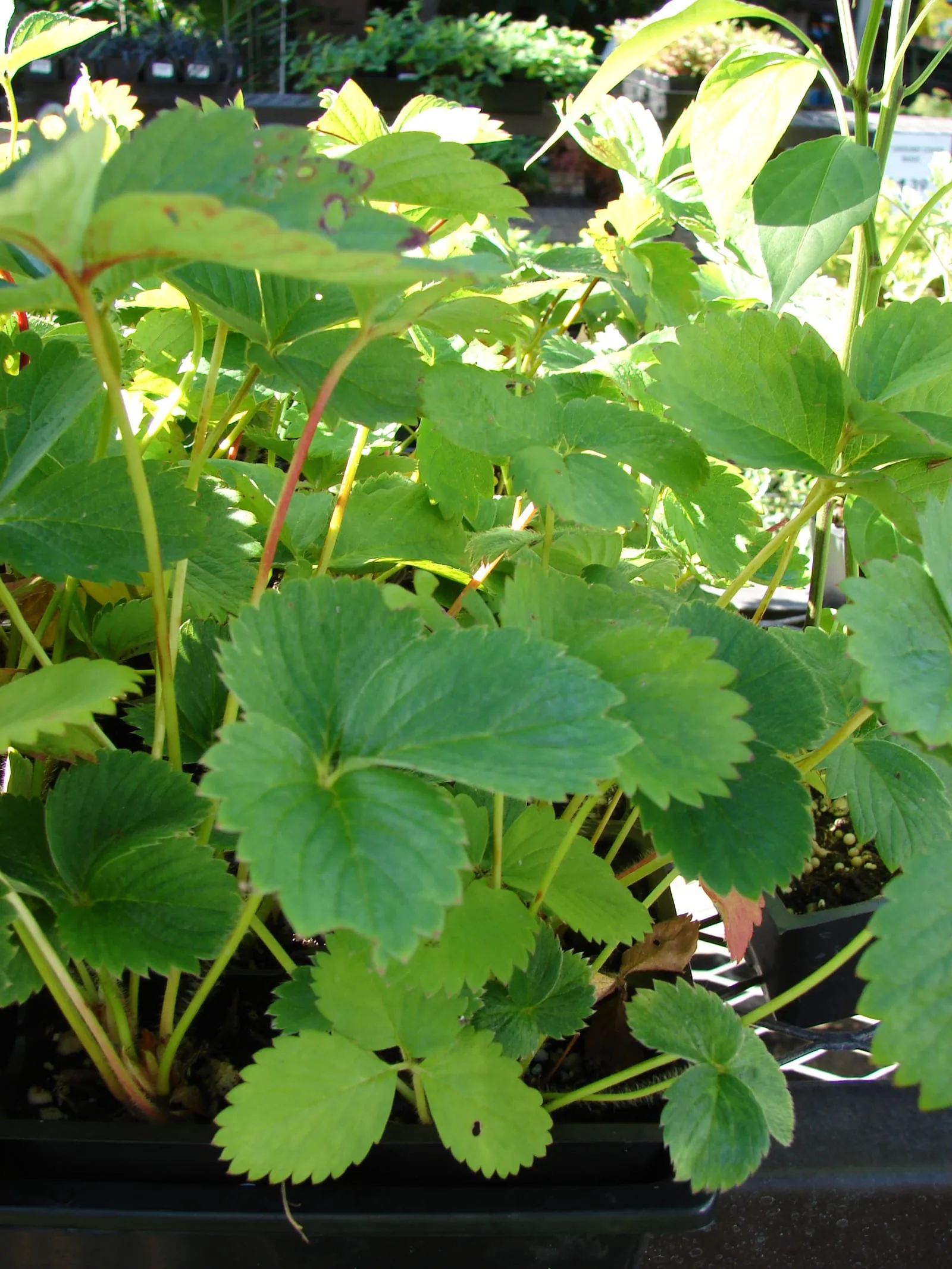
 June-Bearing Strawberry
Fragaria x ananassa
zones 3a–8b
zone 6b Everbearing Strawberry
Fragaria x ananassa
zones 3b–9a
 zone 6b
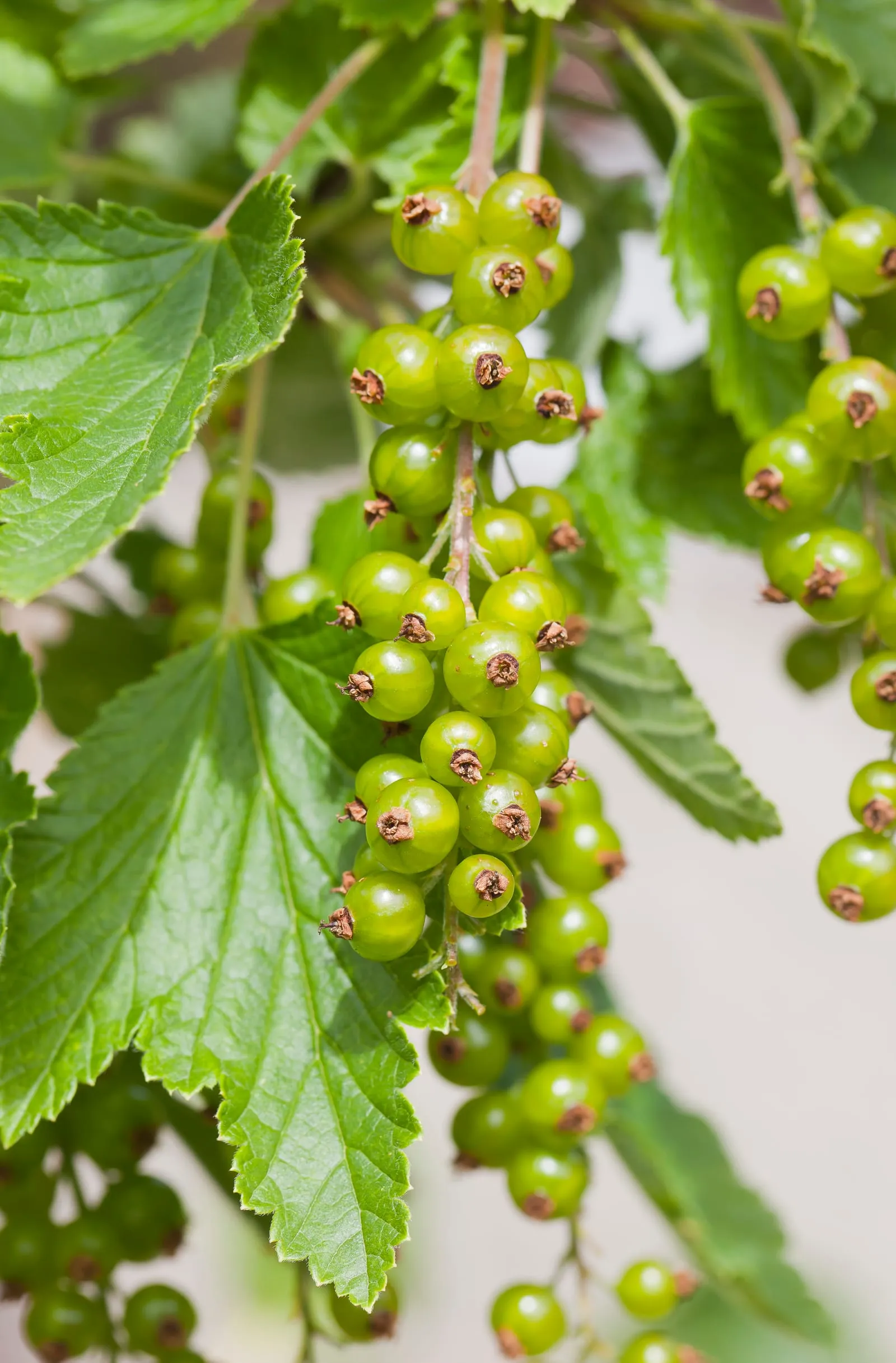
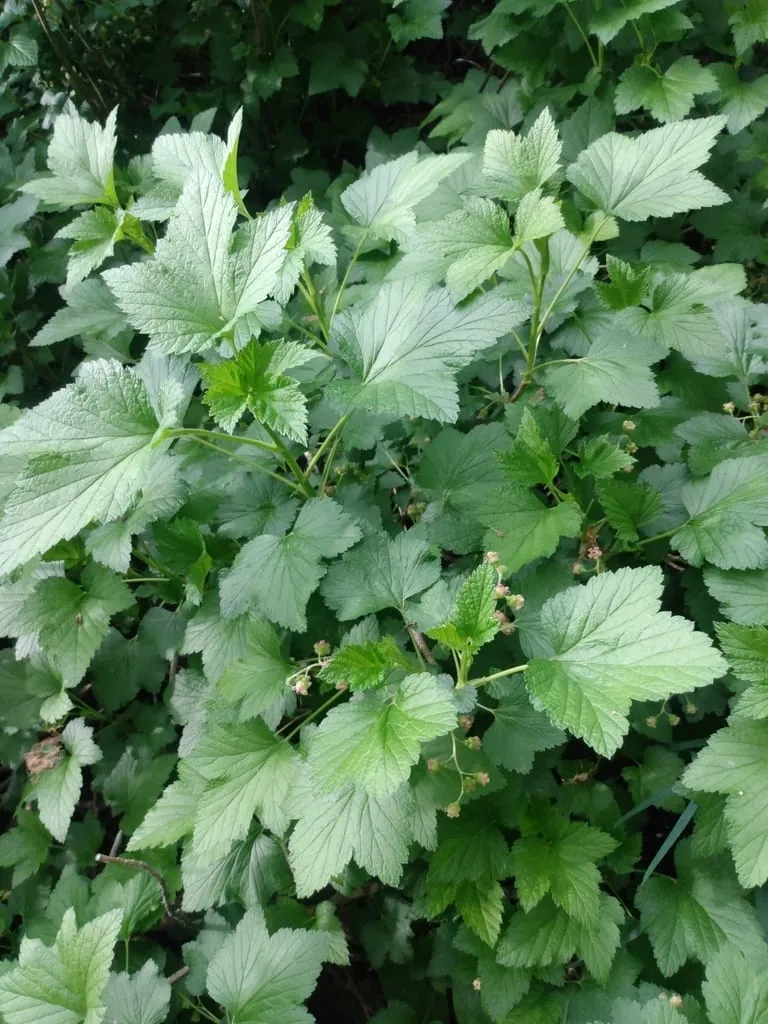
 Red Currant
Ribes rubrum
zones 3a–7a
 zone 6b
 Black Currant
Ribes nigrum
zones 3a–7a
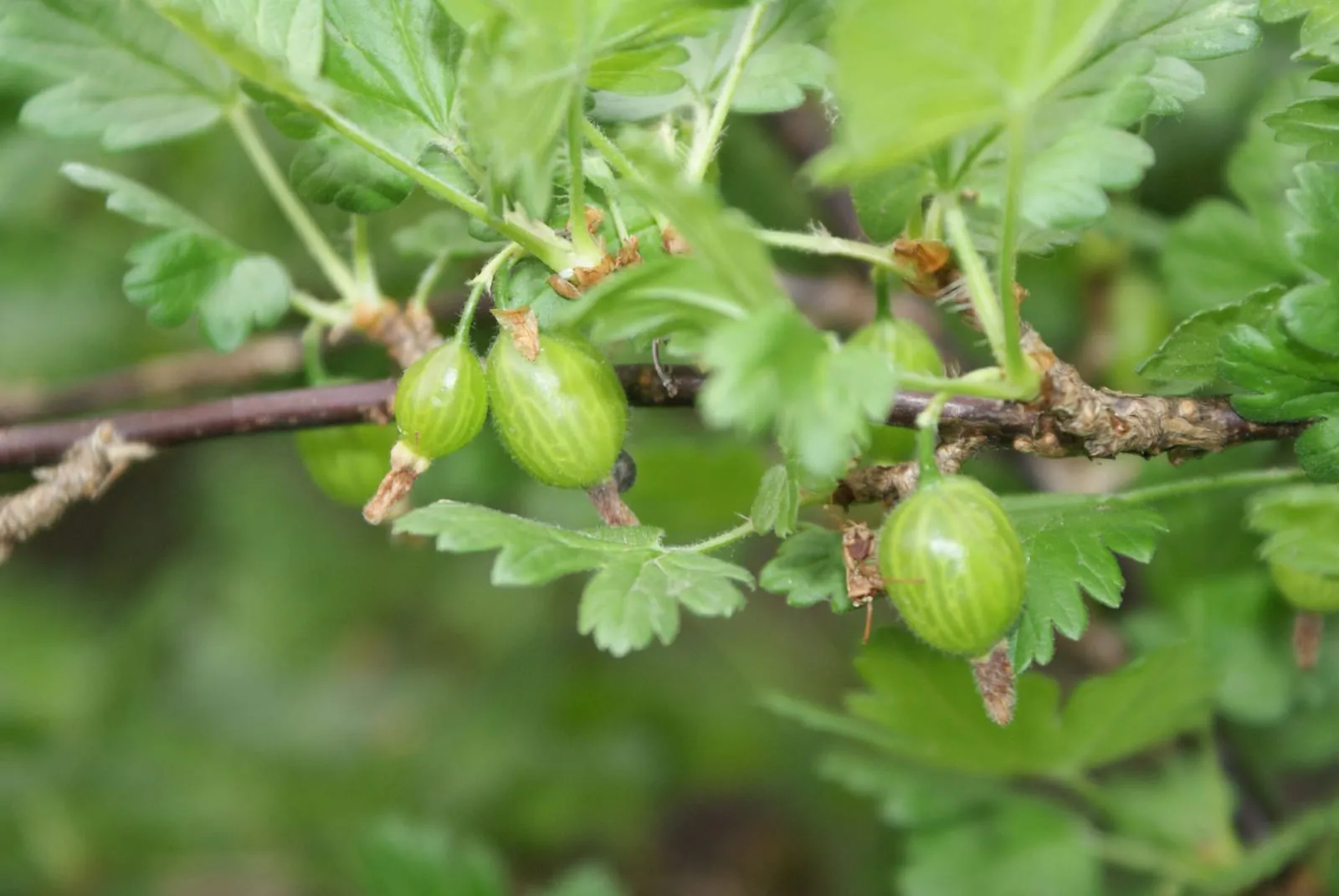
zone 6b White Currant
Ribes rubrum
zones 3a–7a
 zone 6b
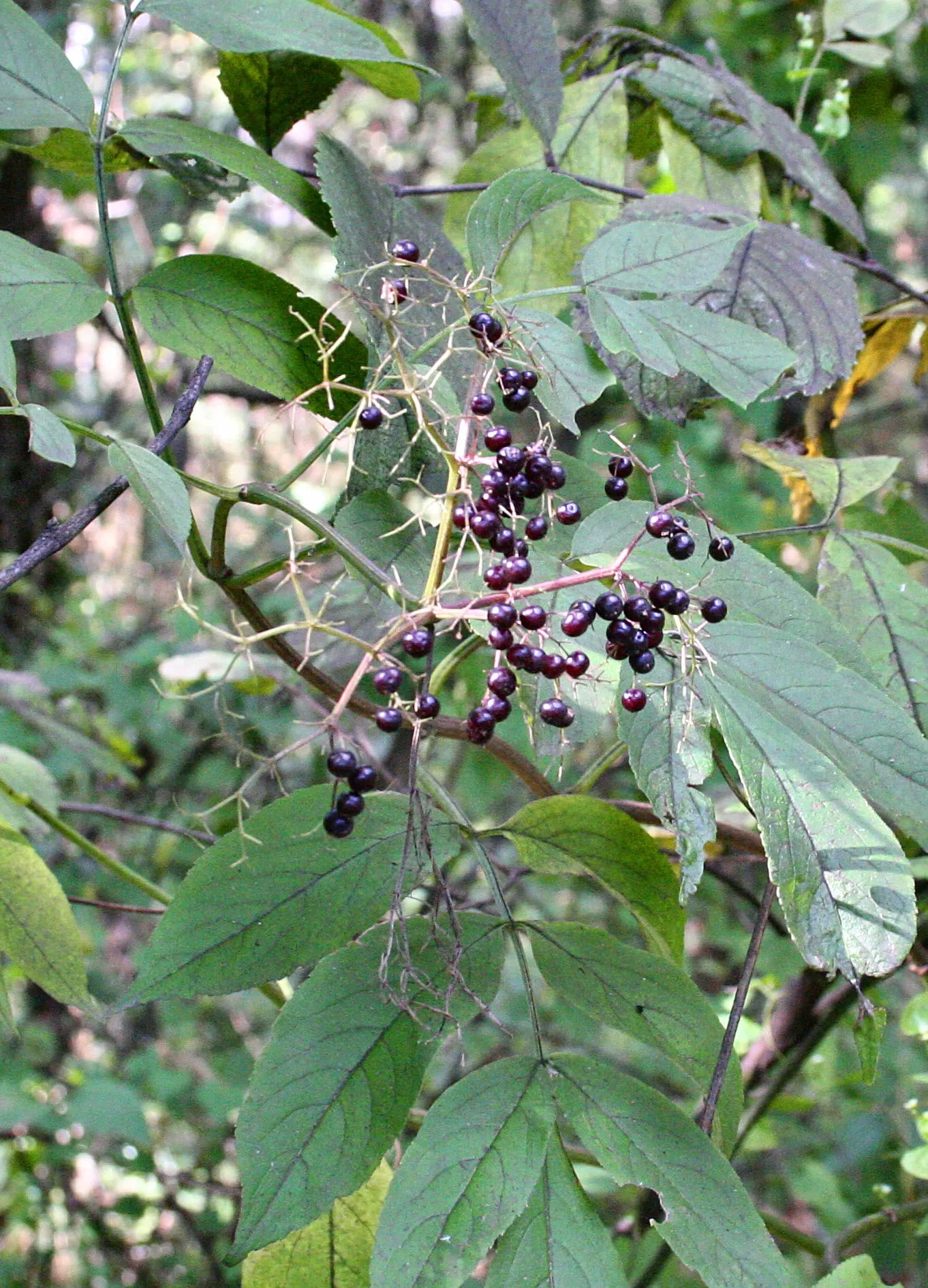
 Gooseberry
Ribes uva-crispa
zones 3a–7b
 zone 6b
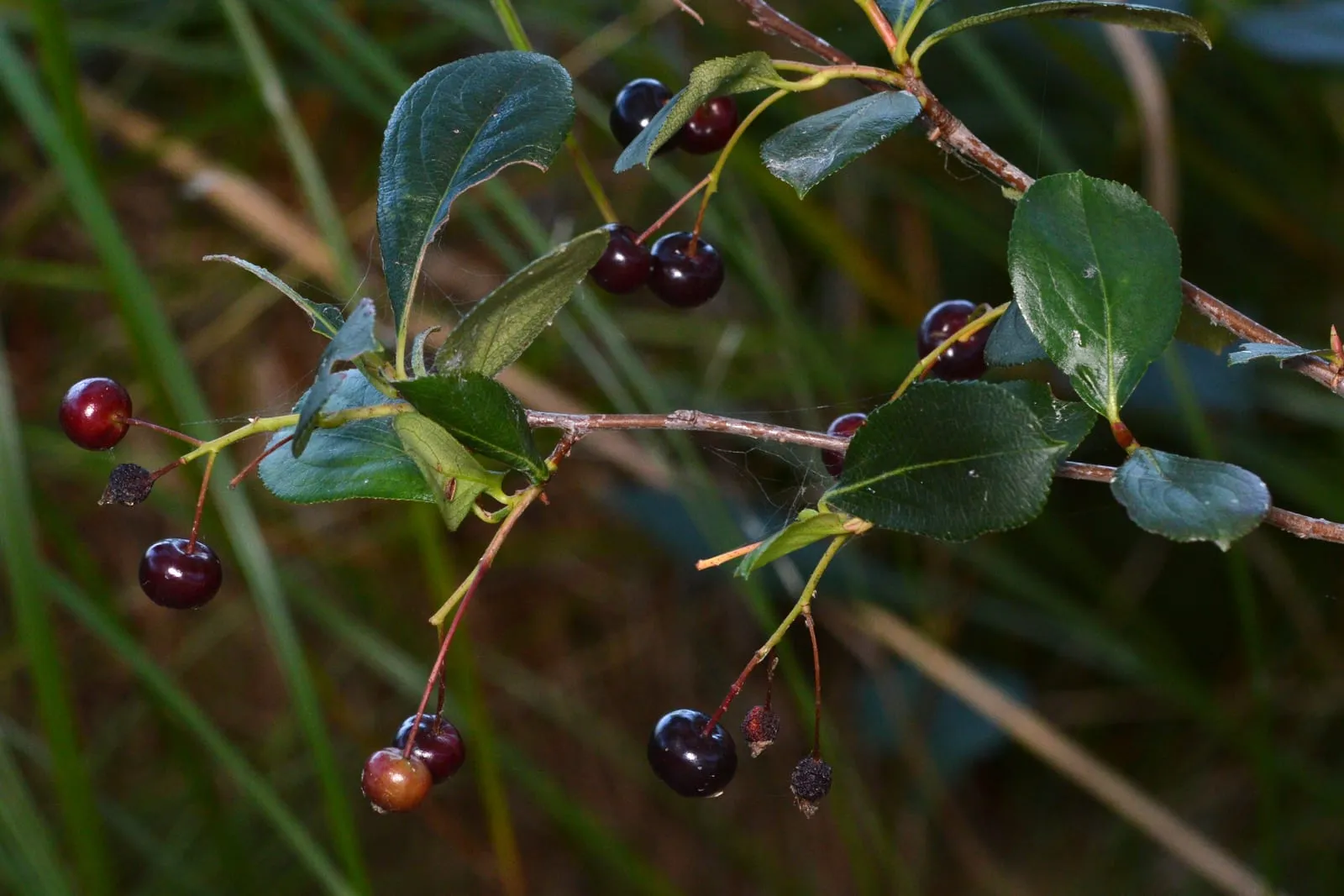
 Elderberry
Sambucus canadensis
zones 3b–9a
 zone 6b
 Aronia (Black Chokeberry)
Aronia melanocarpa
zones 3a–8a
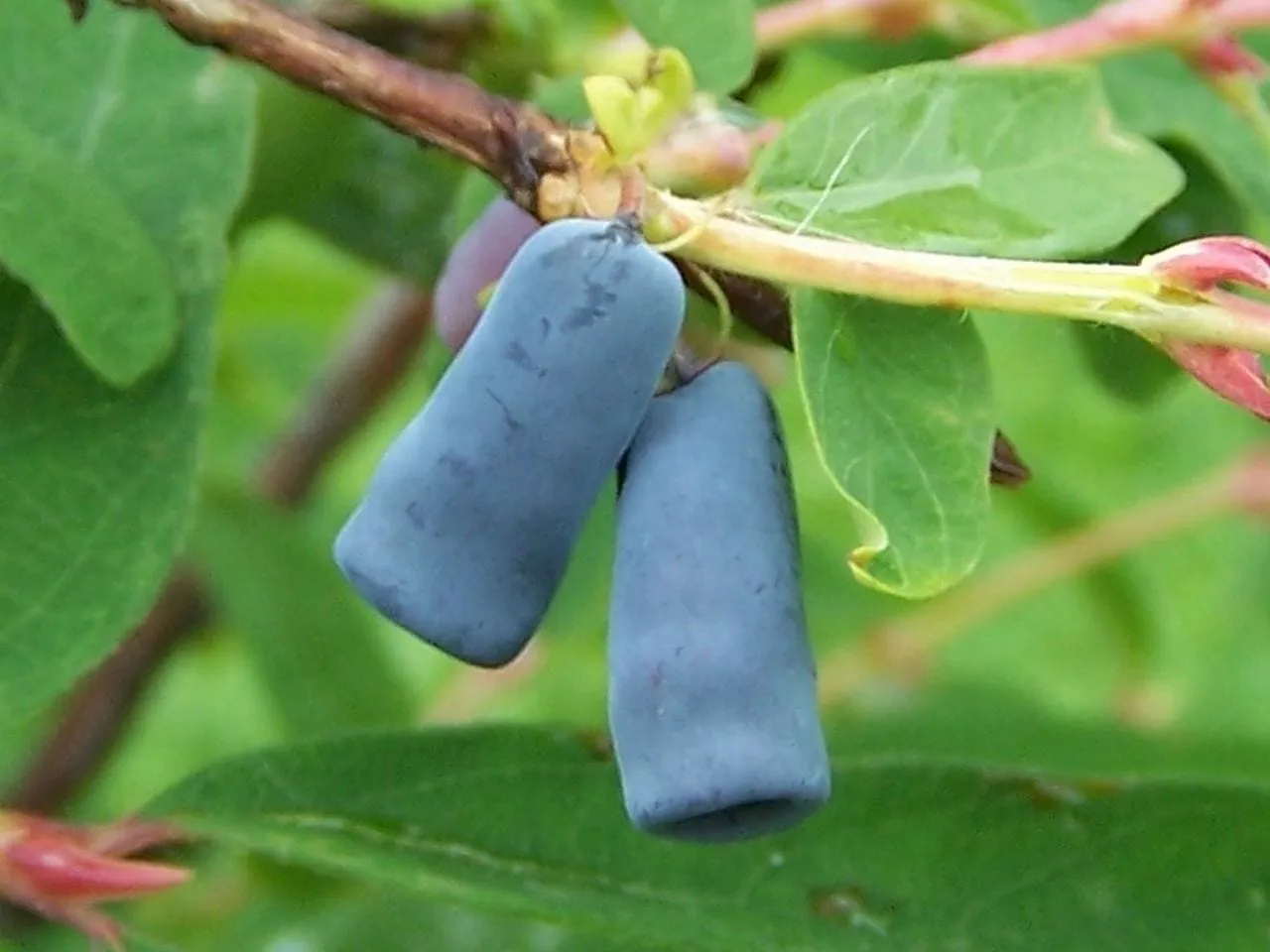 zone 6b
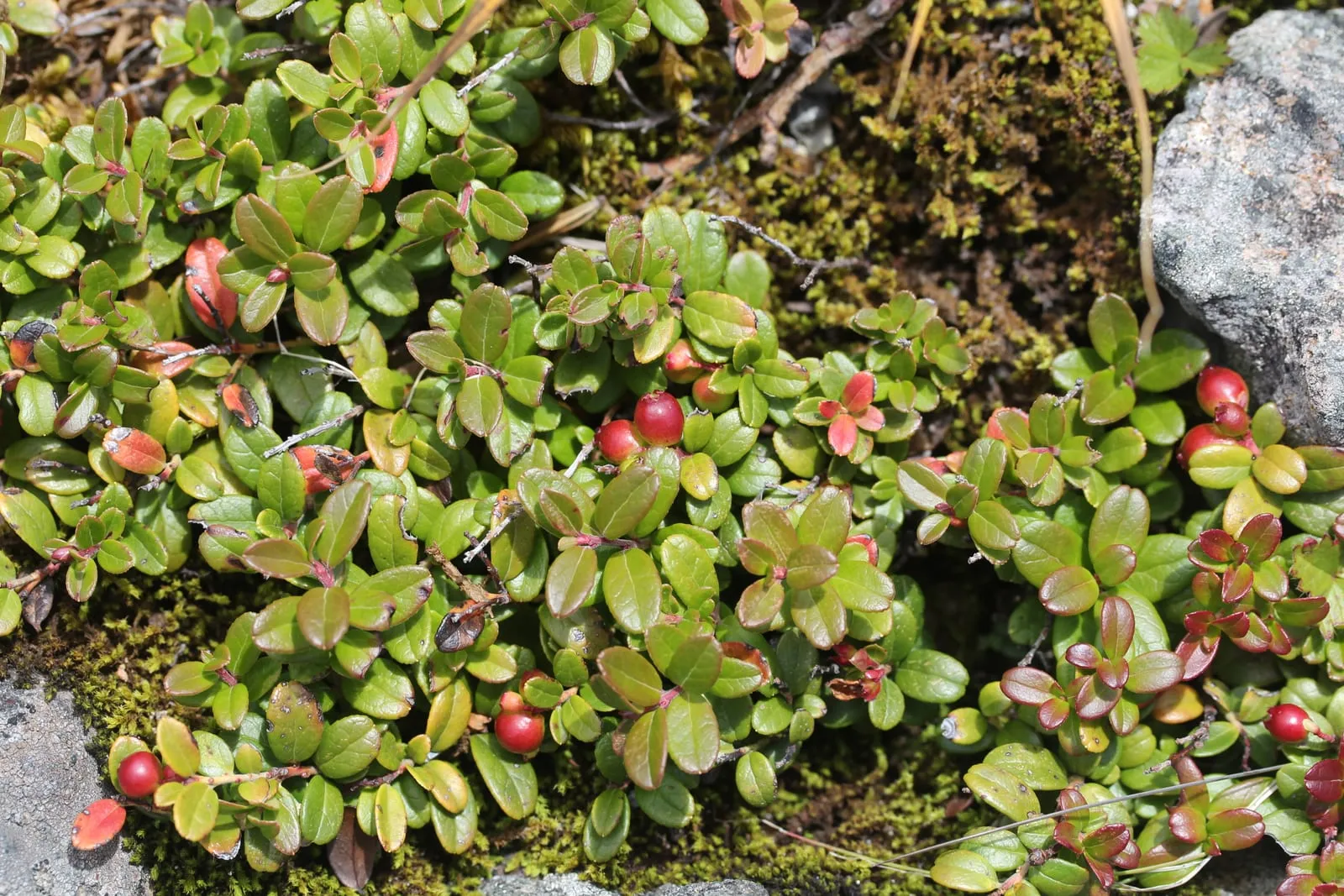
 Honeyberry (Haskap)
Lonicera caerulea
zones 3a–7a
 zone 6b
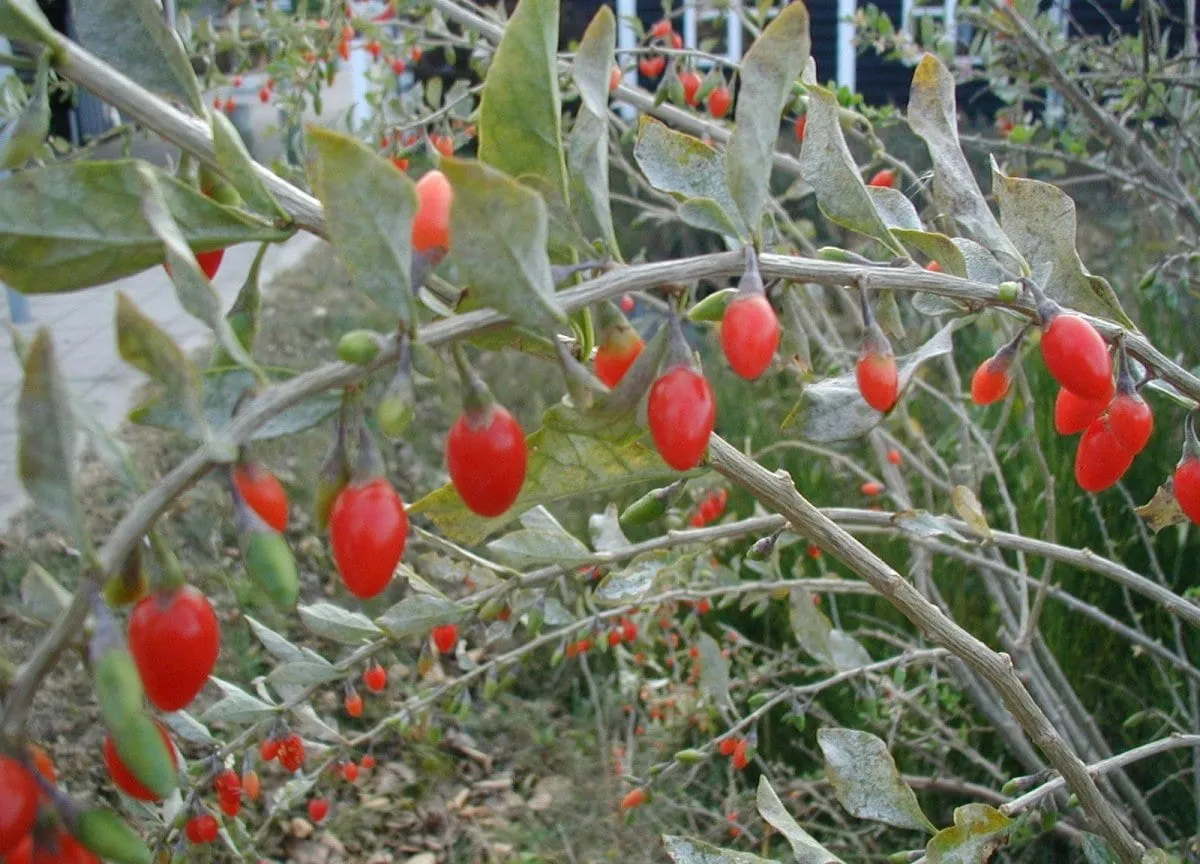
 Lingonberry
Vaccinium vitis-idaea
zones 3a–7a
 zone 6b
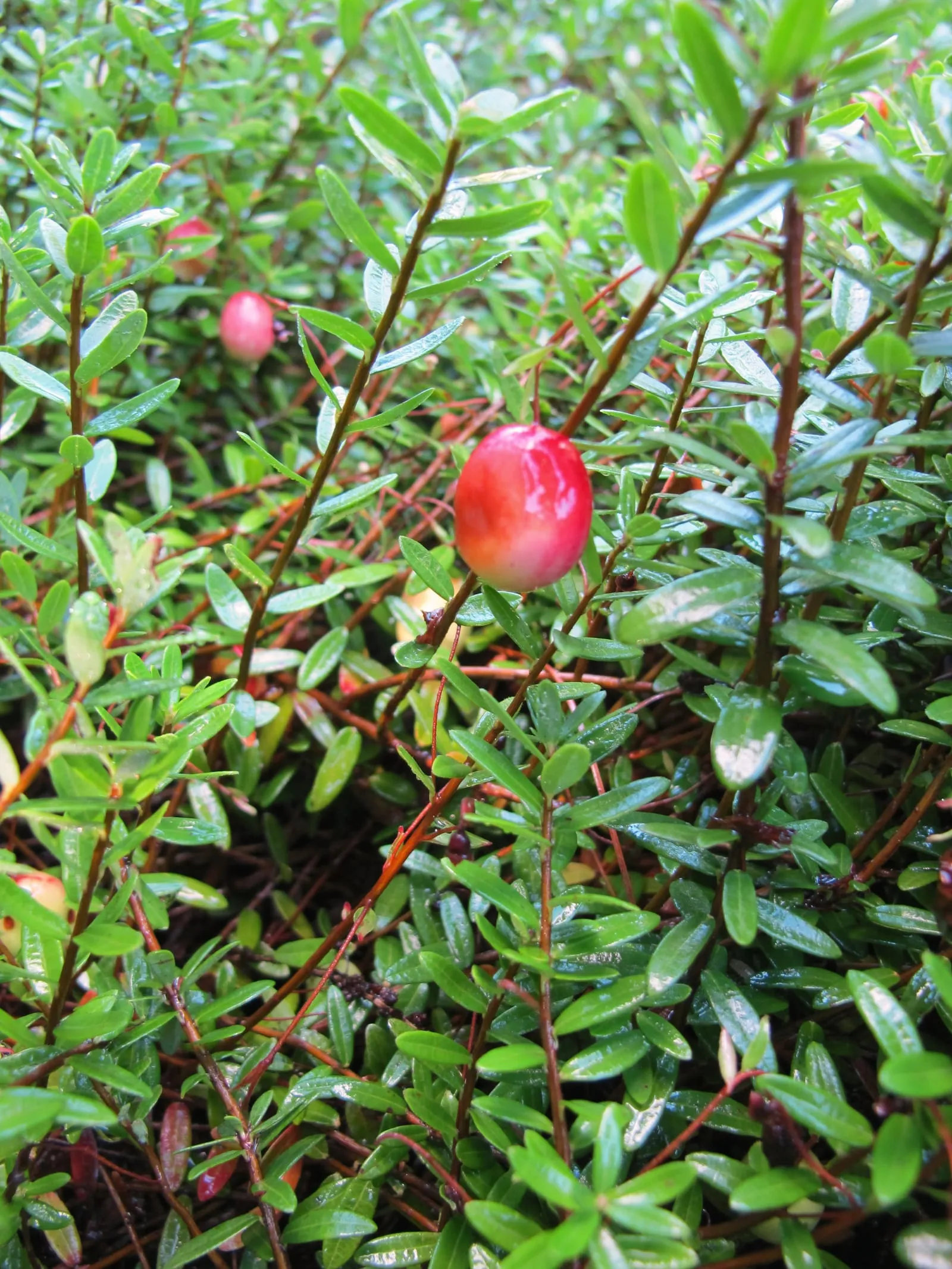
 Goji Berry
Lycium barbarum
zones 3b–10a
 zone 6b
 Cranberry
Vaccinium macrocarpon
zones 3a–7a
 zone 6b
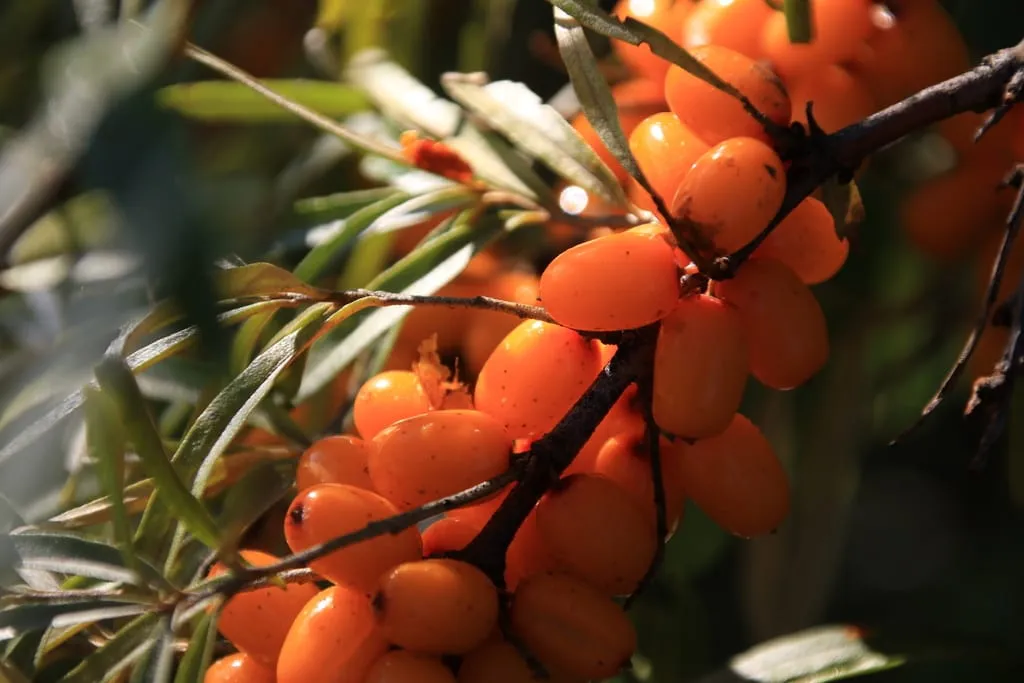
 Sea Buckthorn
Hippophae rhamnoides
zones 3a–7a
 zone 6b
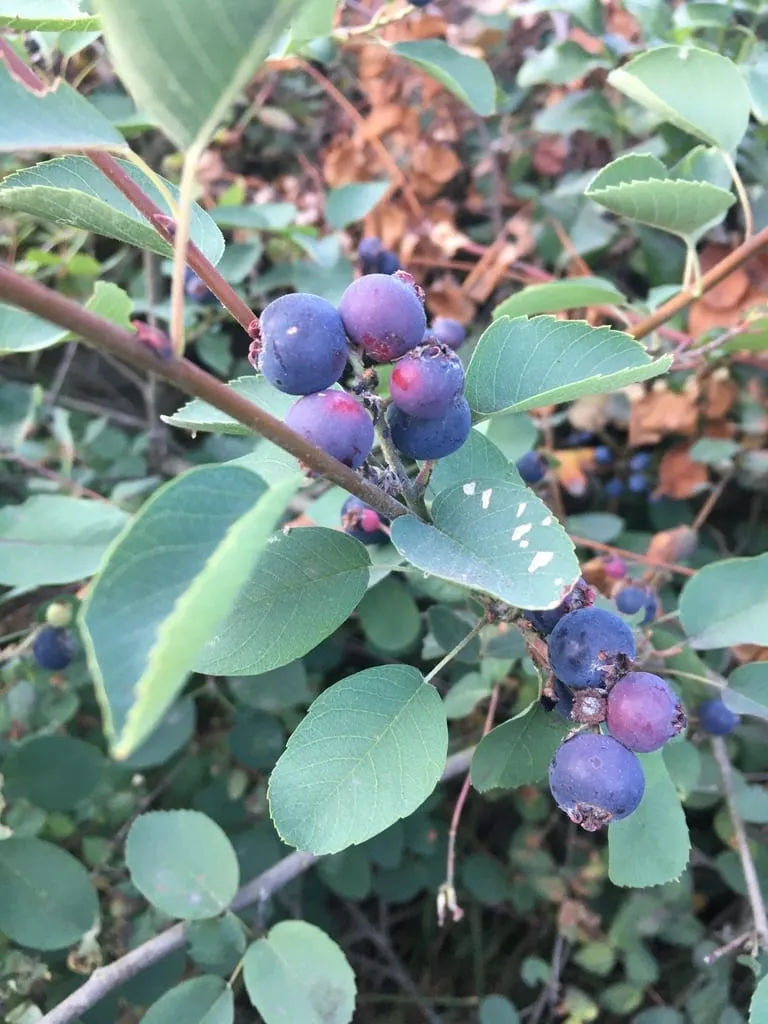
 Saskatoon (Serviceberry)
Amelanchier alnifolia
zones 3a–7a
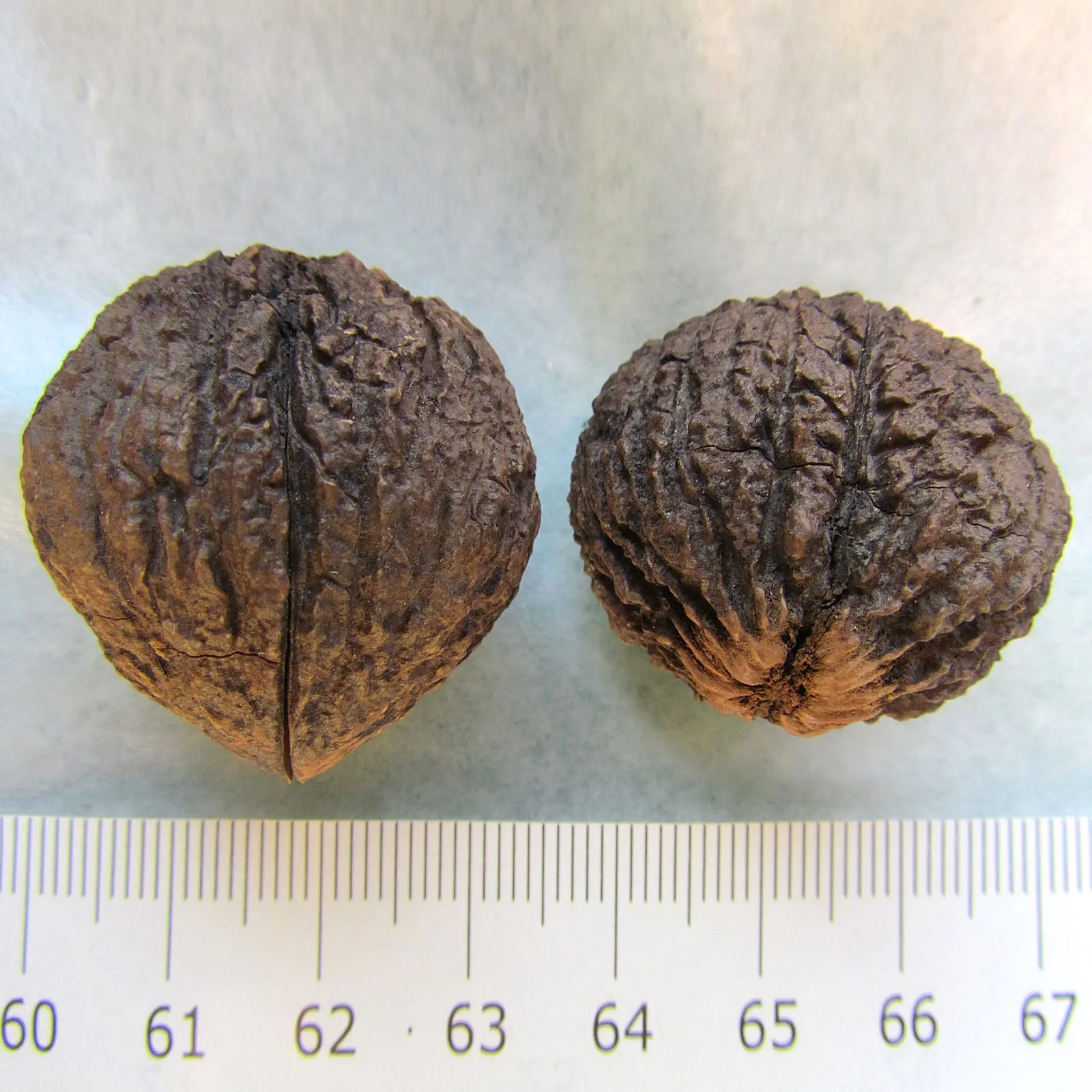
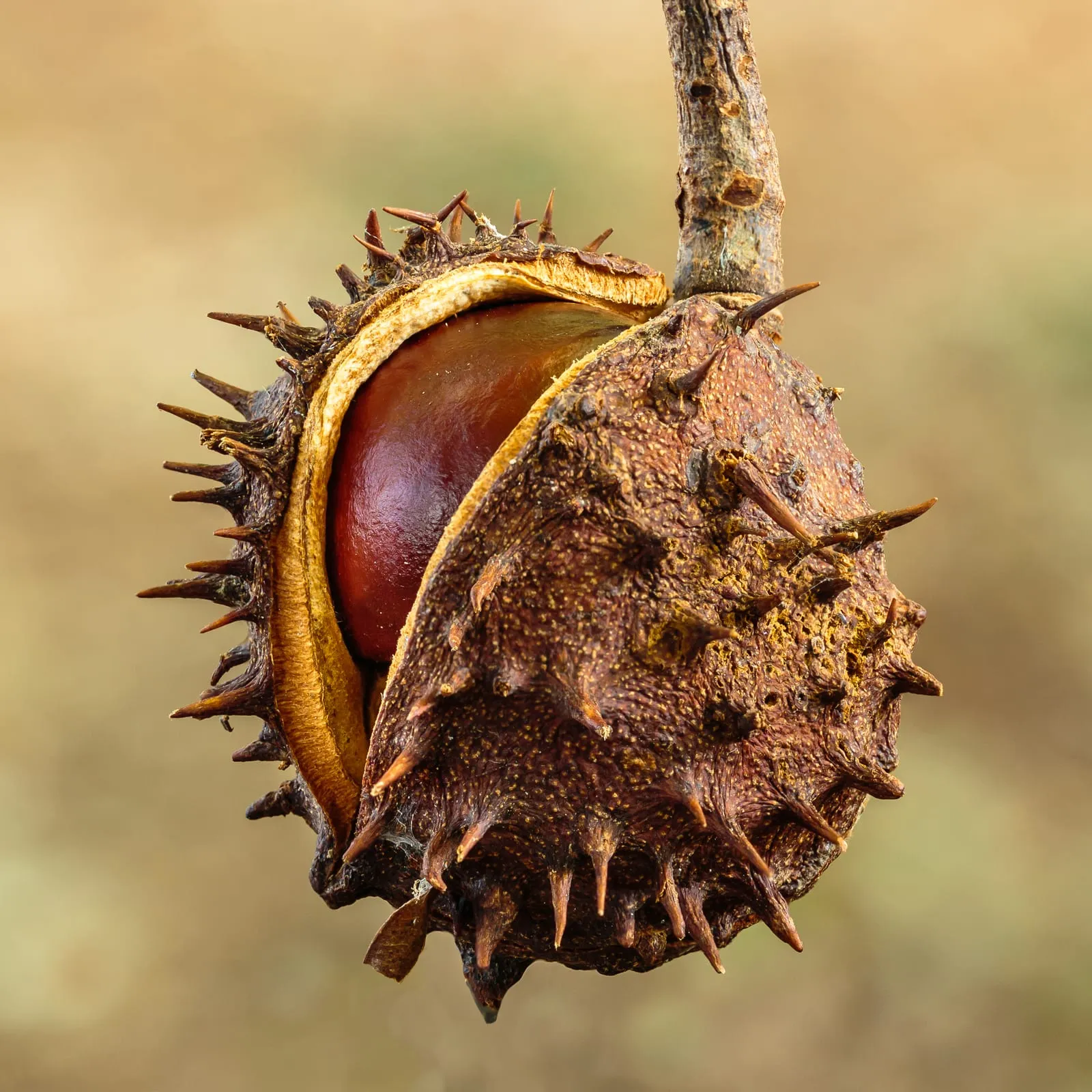
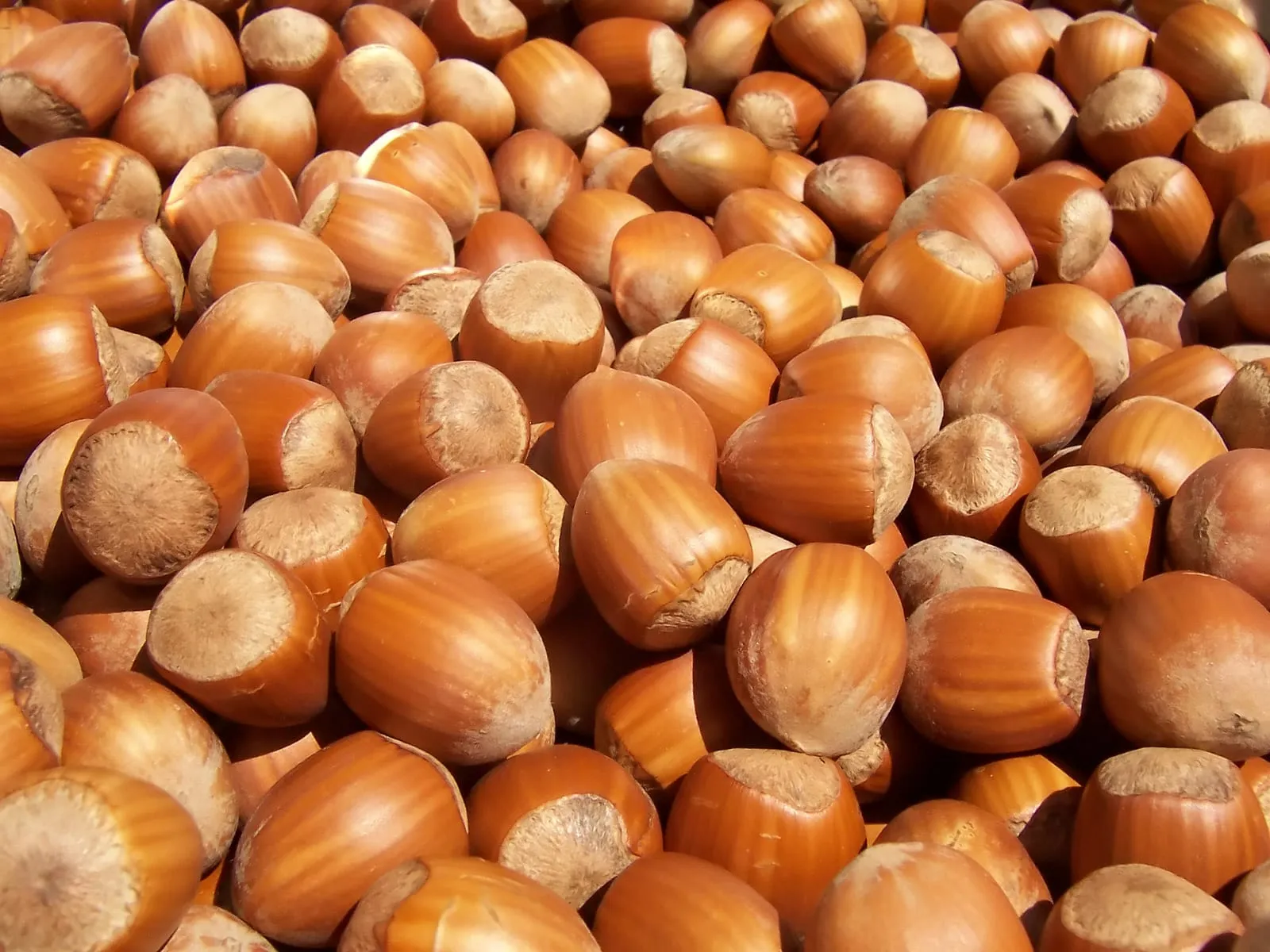
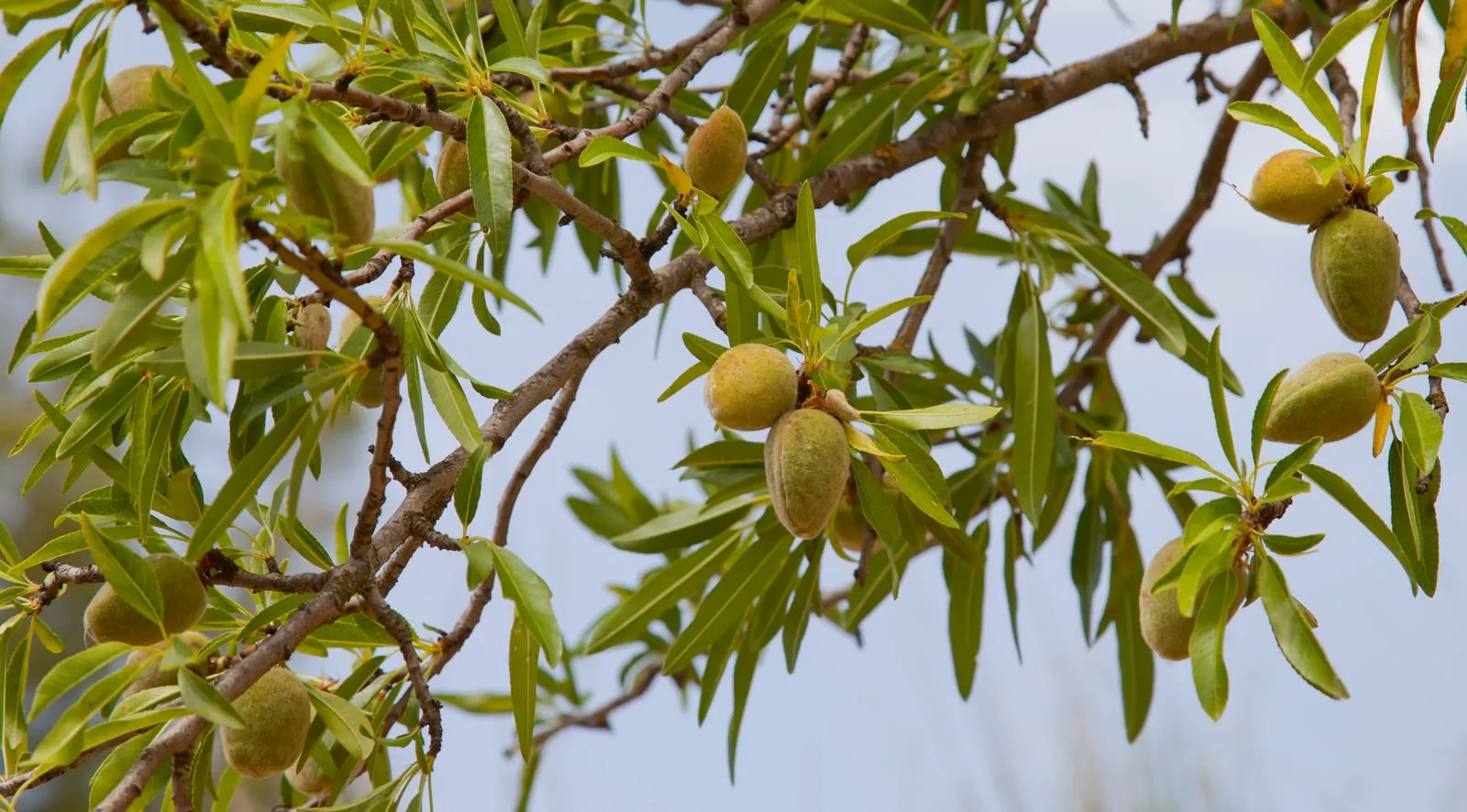
Nuts
6 crops
Vegetables
40 crops
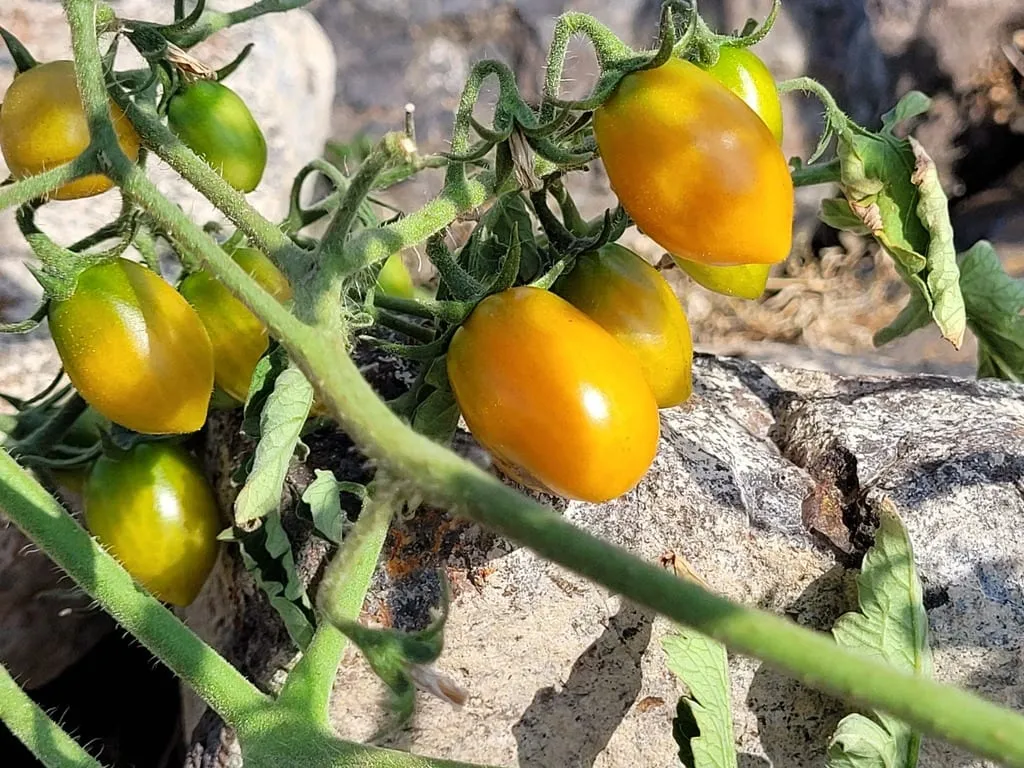 zone 6b
 Tomato
Solanum lycopersicum
zones 3a–10b
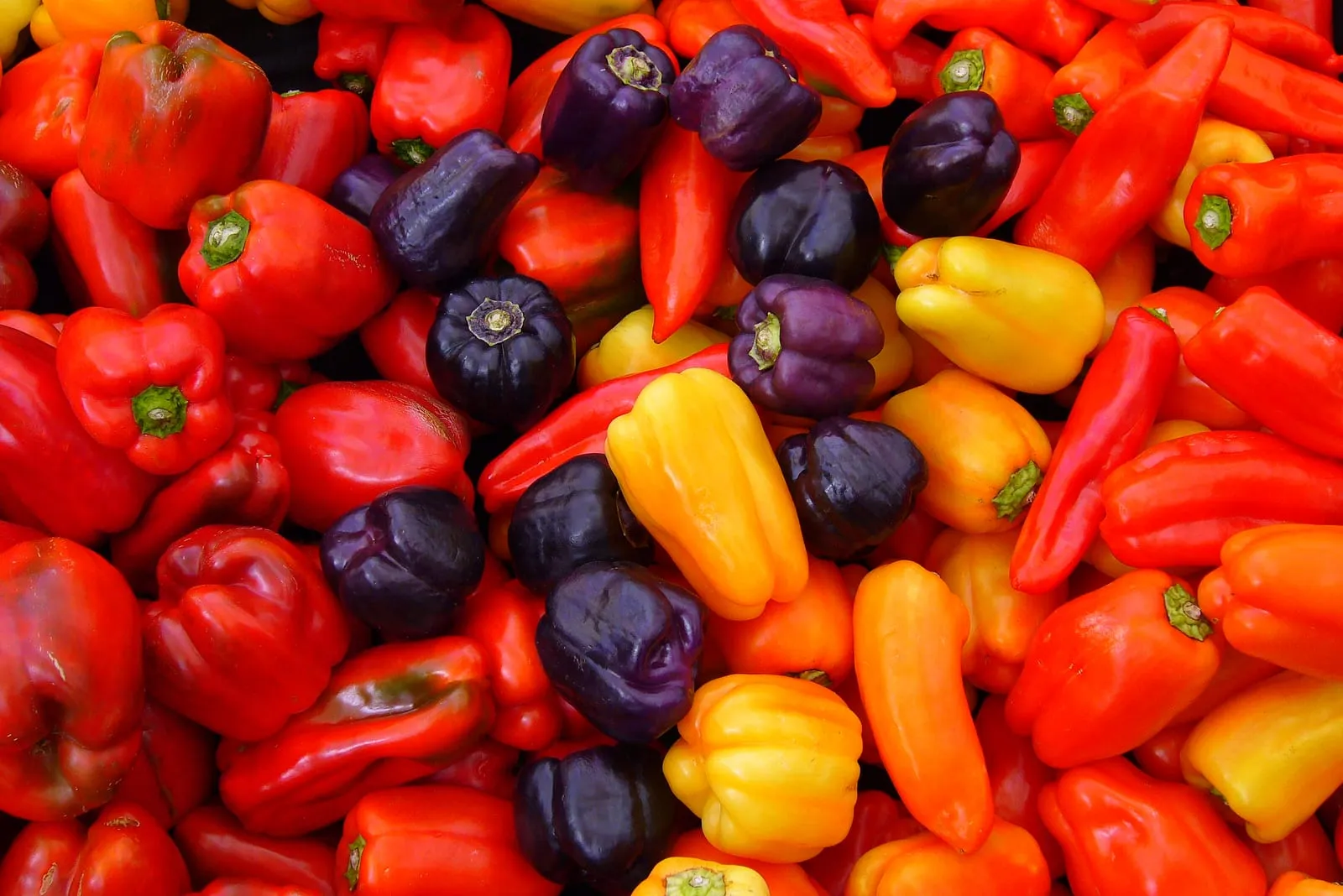 zone 6b
 Sweet Pepper
Capsicum annuum
zones 4a–10b
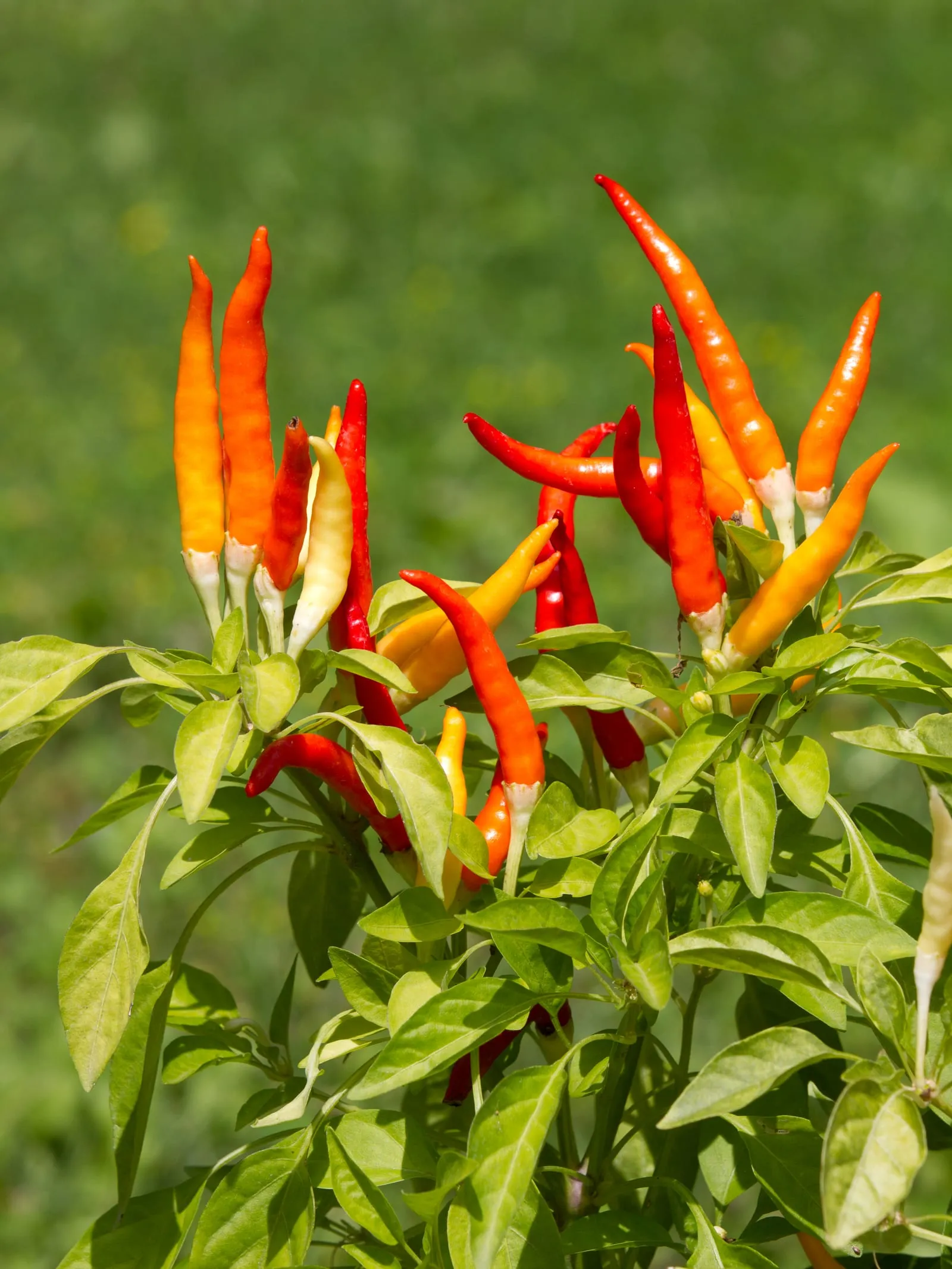 zone 6b
 Hot Pepper
Capsicum species
zones 4a–10b
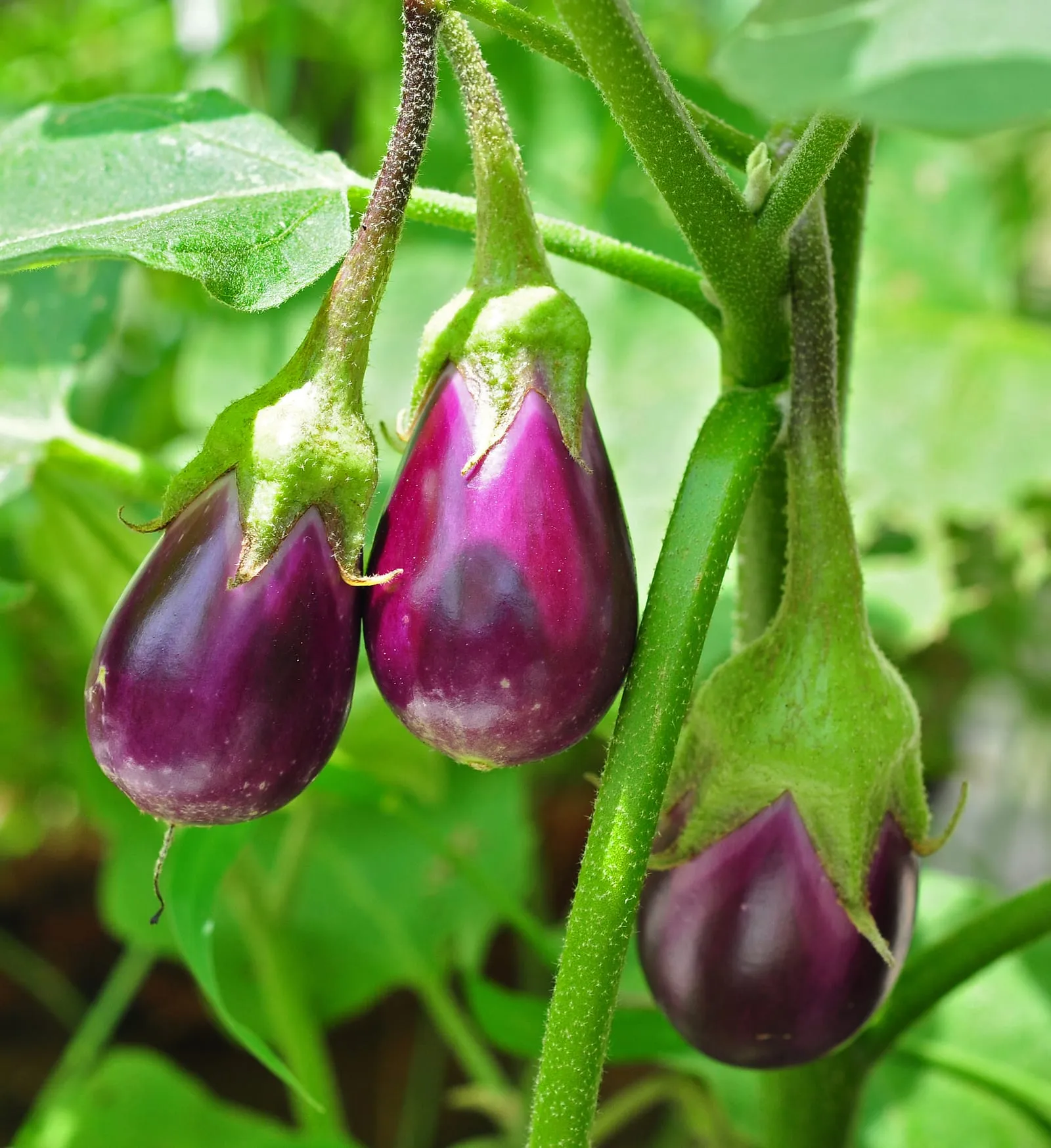 zone 6b
 Eggplant
Solanum melongena
zones 5a–10b
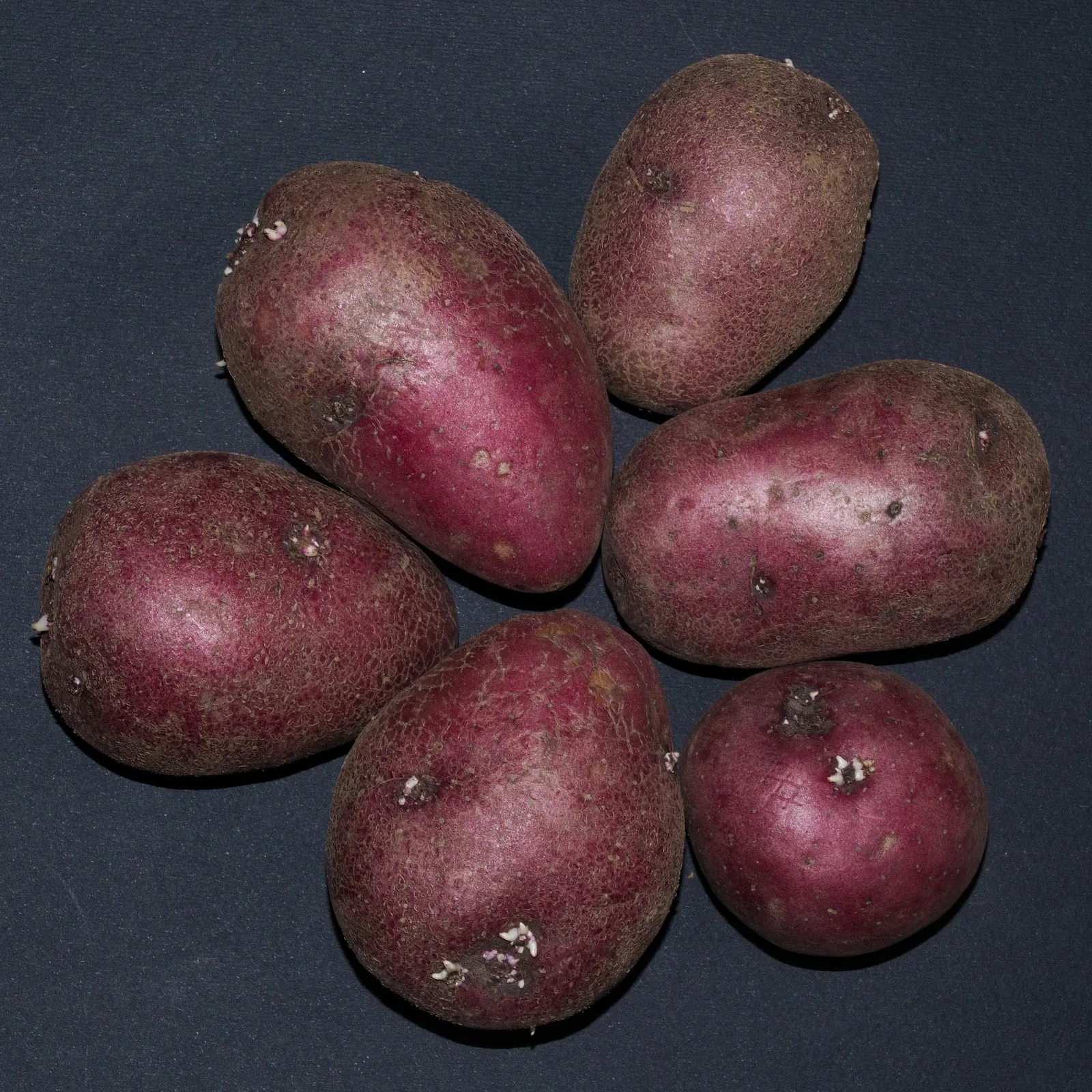 zone 6b
 Potato
Solanum tuberosum
zones 3a–9a
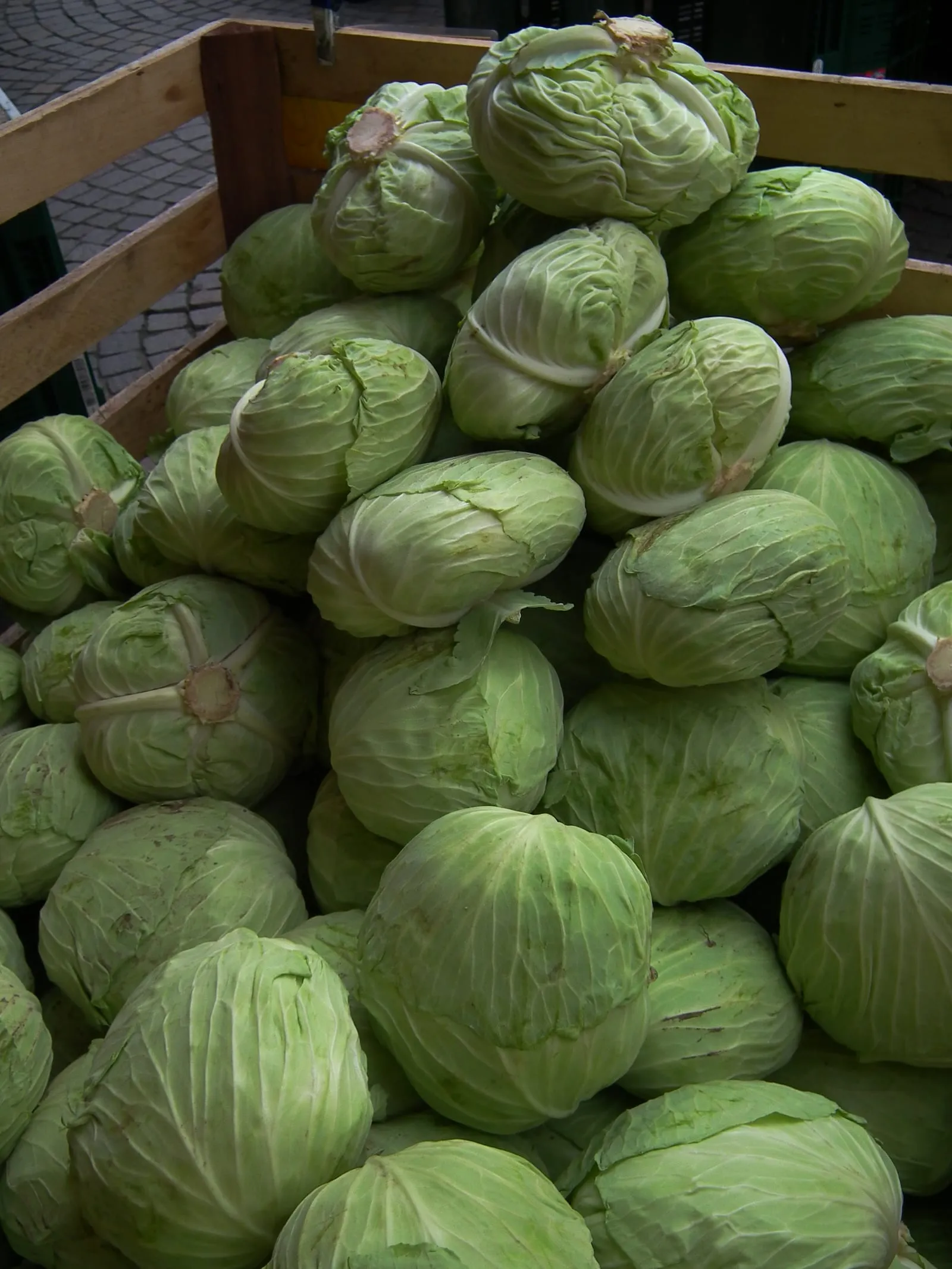 zone 6b
 Cabbage
Brassica oleracea var. capitata
zones 3a–9b
 zone 6b
 Broccoli
Brassica oleracea var. italica
zones 3a–9a
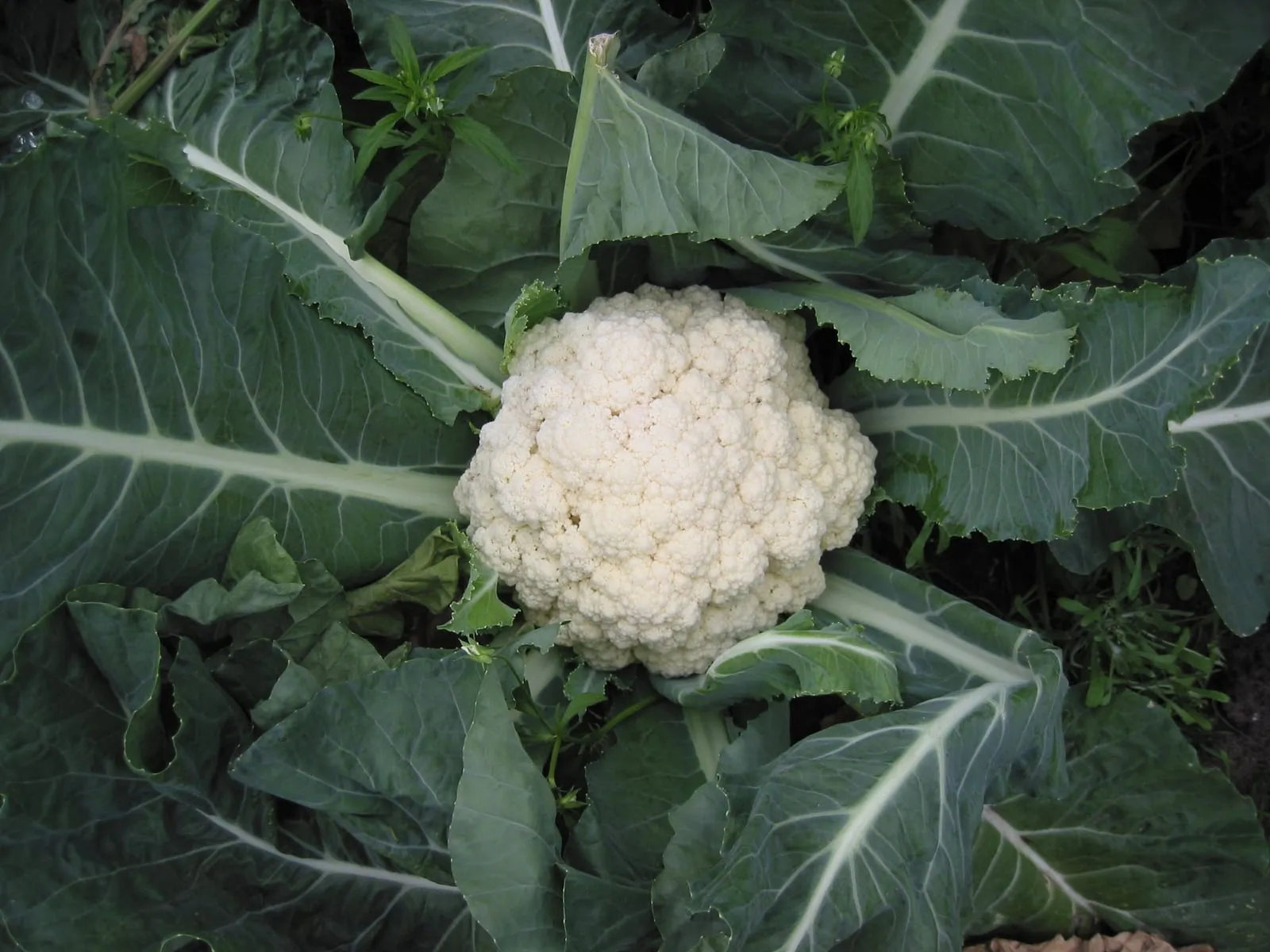 zone 6b
 Cauliflower
Brassica oleracea var. botrytis
zones 3b–9a
 zone 6b
 Kale
Brassica oleracea var. acephala
zones 3a–9b
 zone 6b
 Brussels Sprouts
Brassica oleracea var. gemmifera
zones 3b–8a
 zone 6b
 Collards
Brassica oleracea var. acephala
zones 4a–9b
 zone 6b
 Kohlrabi
Brassica oleracea var. gongylodes
zones 3b–8a
 zone 6b
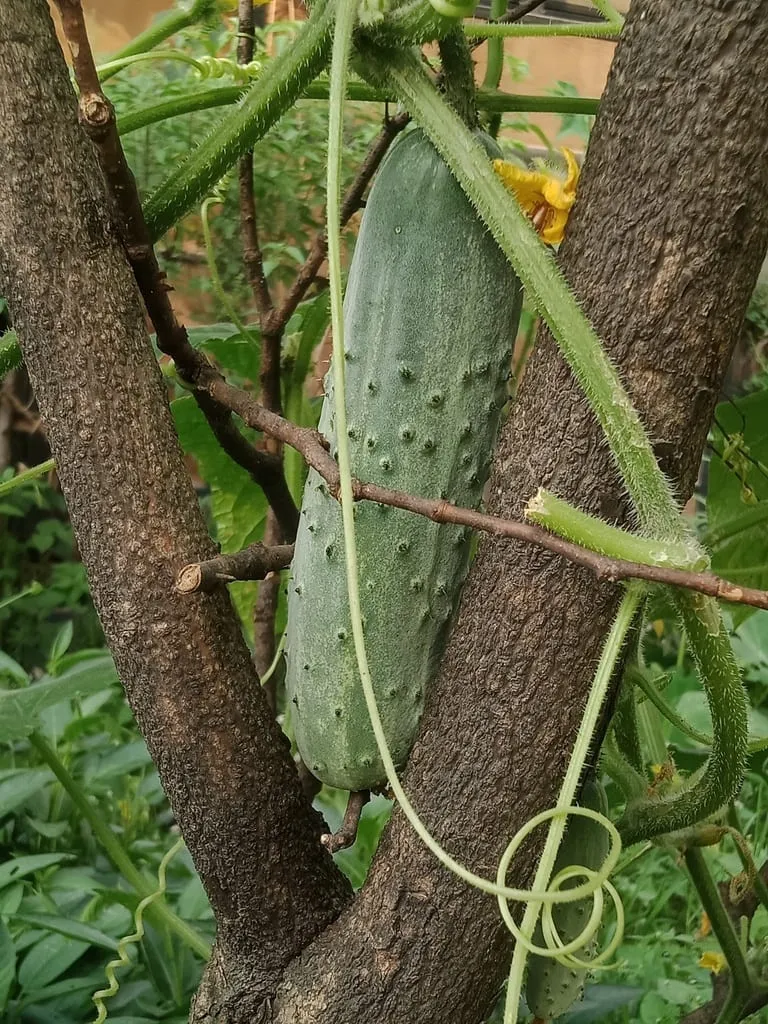
 Cucumber
Cucumis sativus
zones 3b–10a
 zone 6b
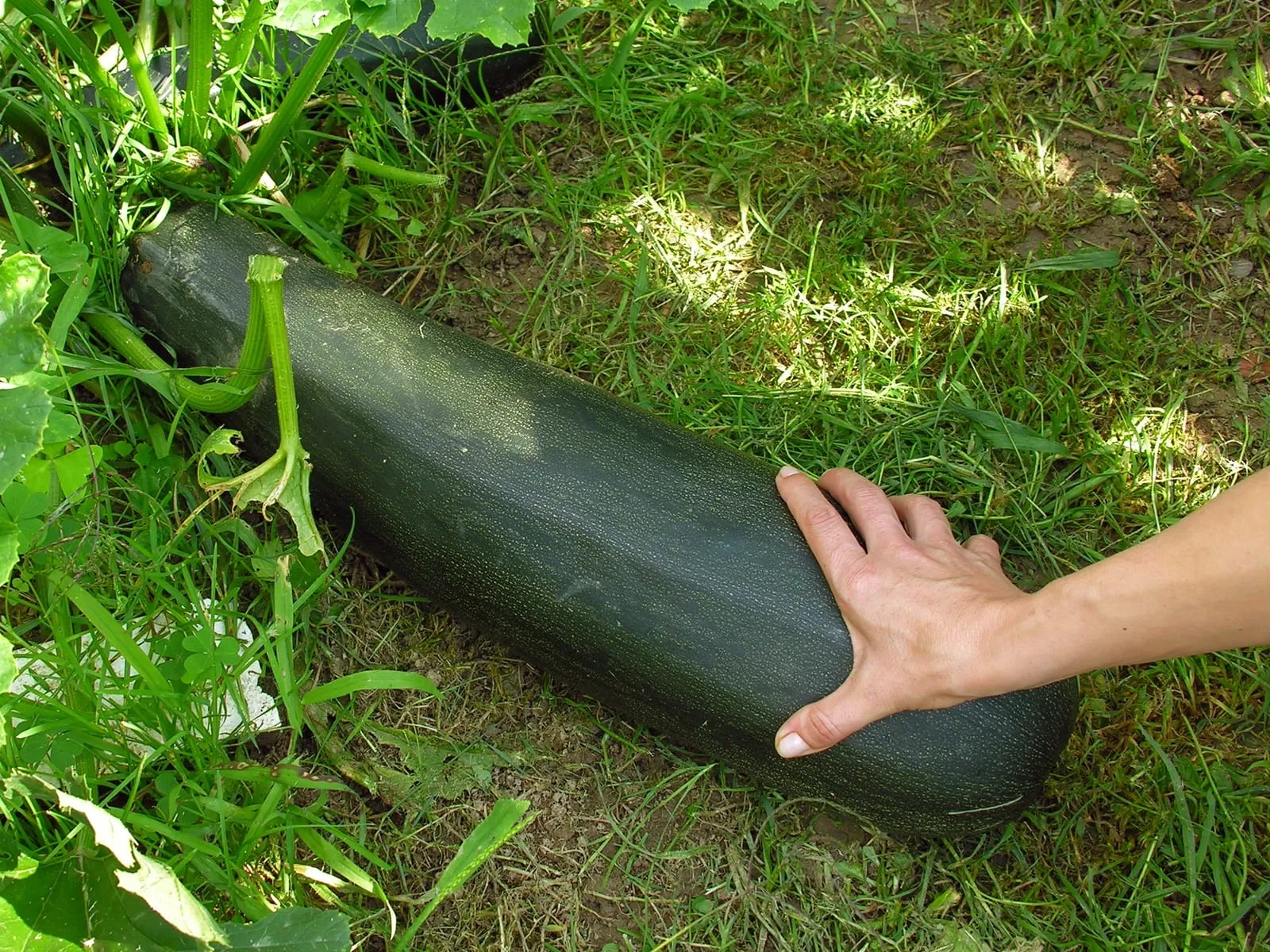
 Summer Squash
Cucurbita pepo
zones 3b–10a
 zone 6b
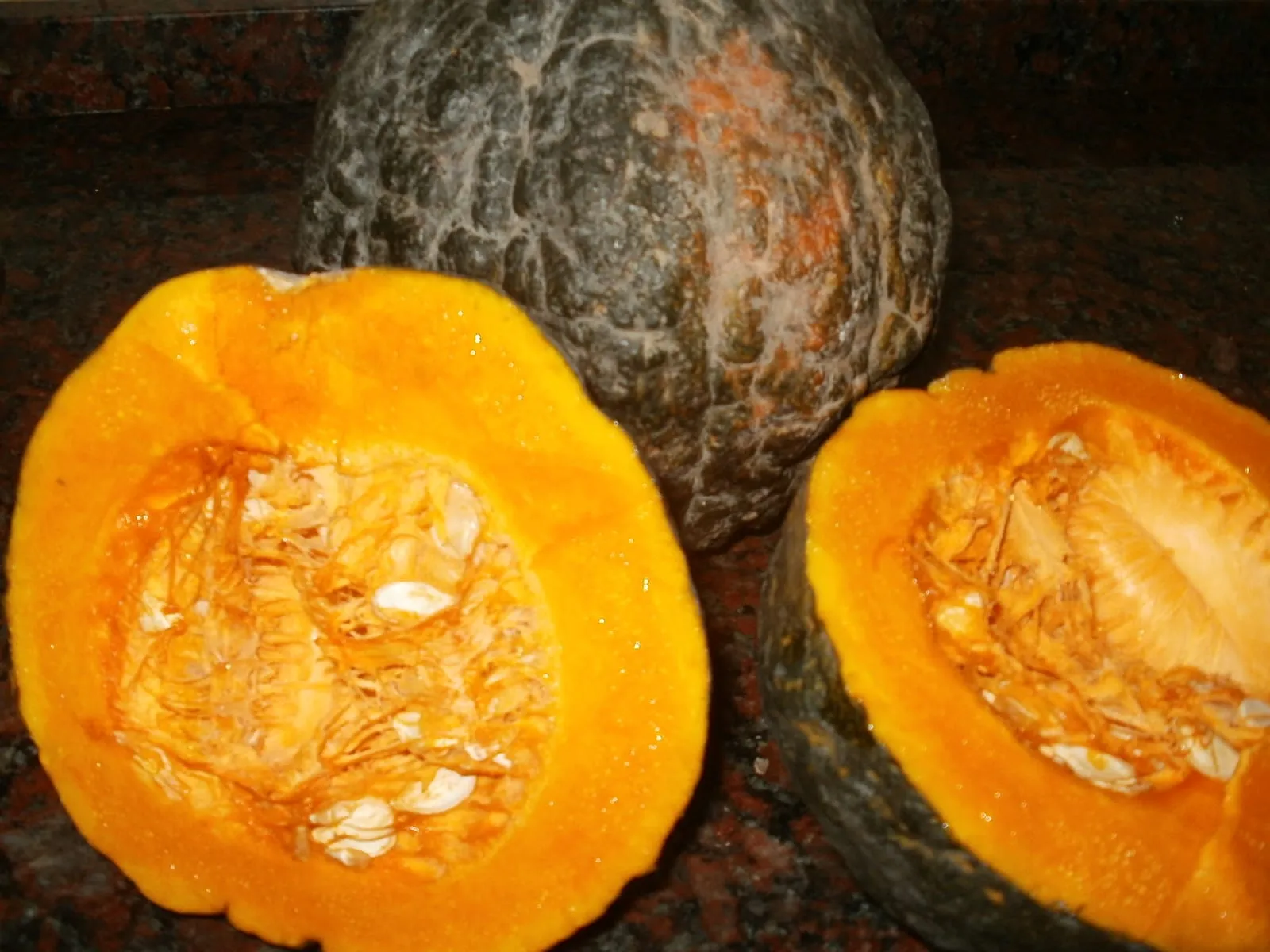
 Winter Squash
Cucurbita maxima and Cucurbita moschata
zones 4a–9a
 zone 6b
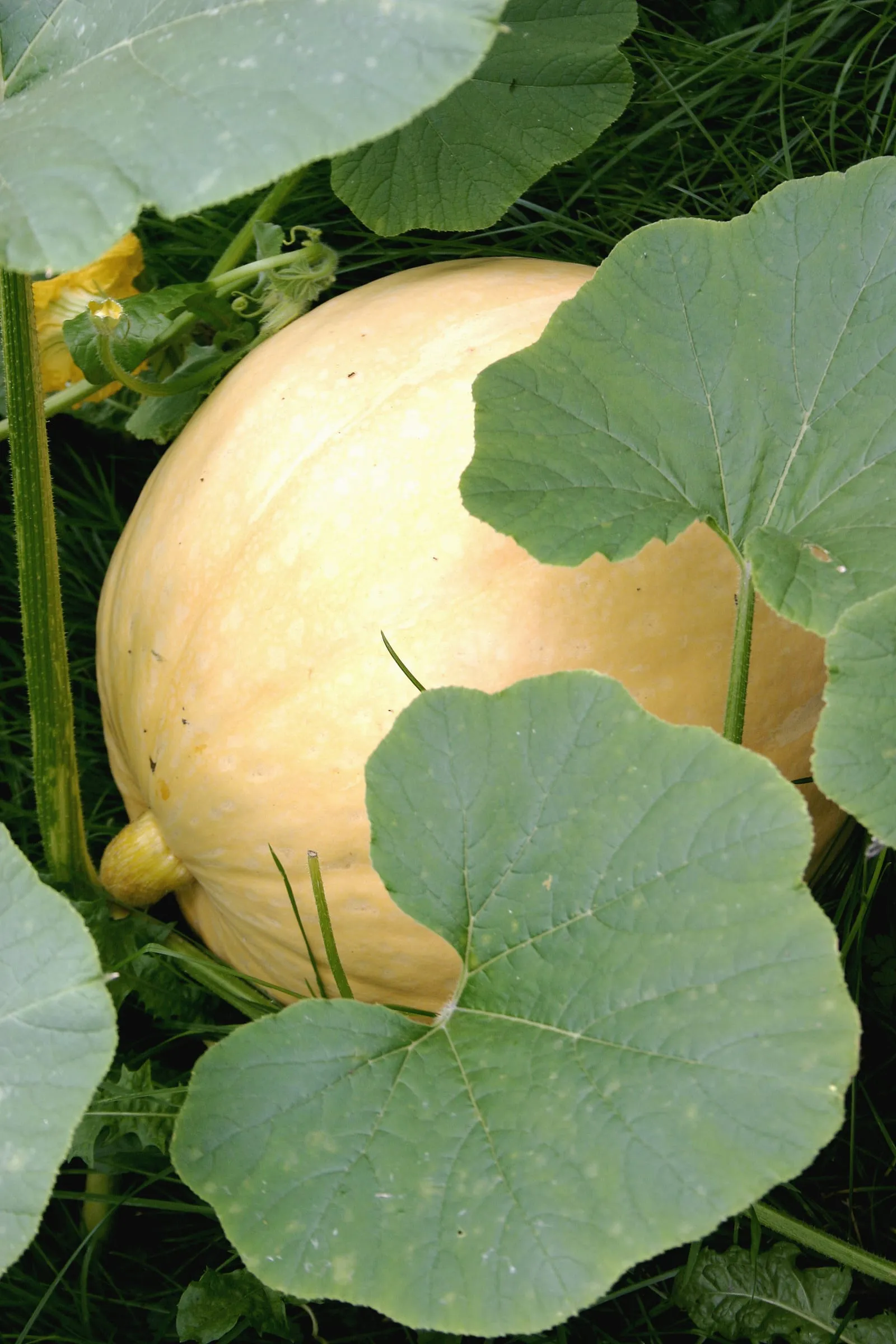
 Pumpkin
Cucurbita pepo and Cucurbita maxima
zones 4a–8b
 zone 6b
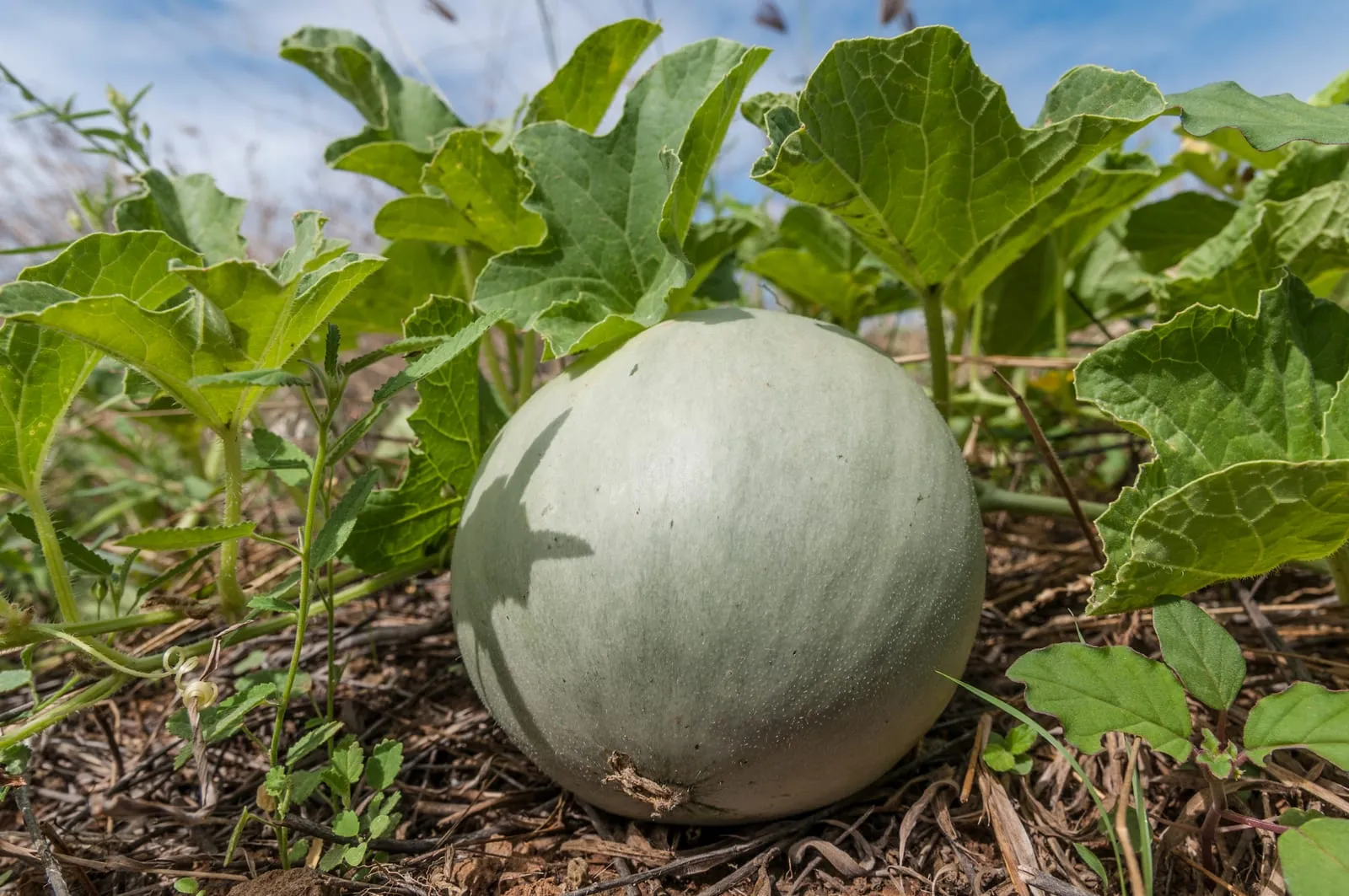
 Melon
Cucumis melo
zones 5a–10a
 zone 6b
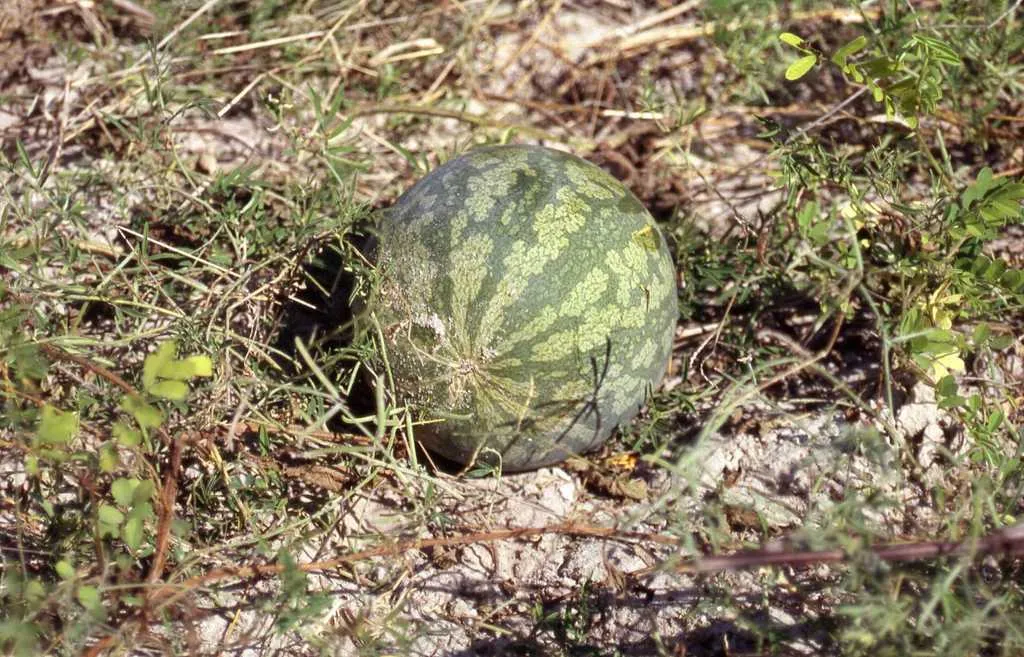
 Watermelon
Citrullus lanatus
zones 5b–10a
 zone 6b
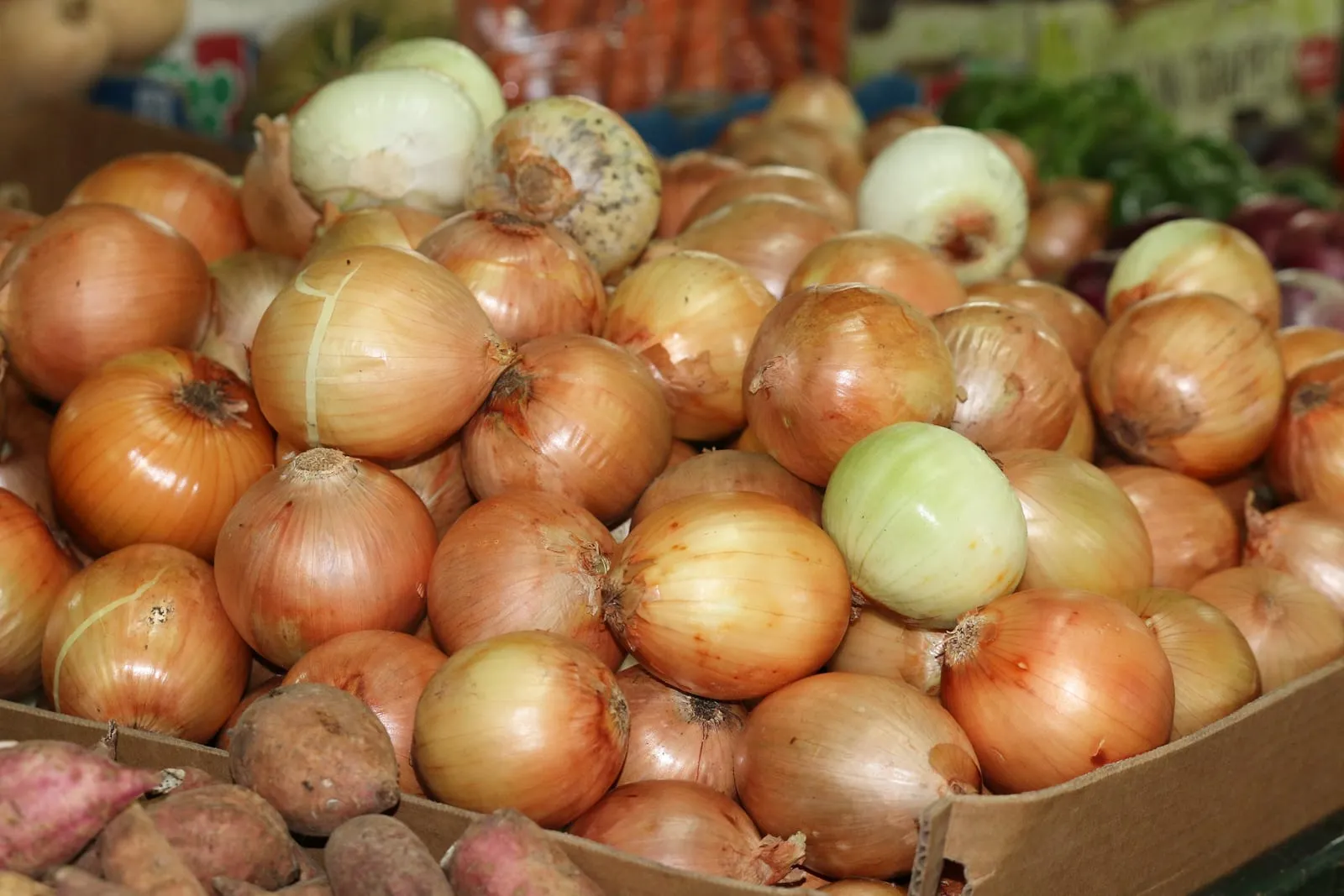
 Onion
Allium cepa
zones 3a–9b
 zone 6b
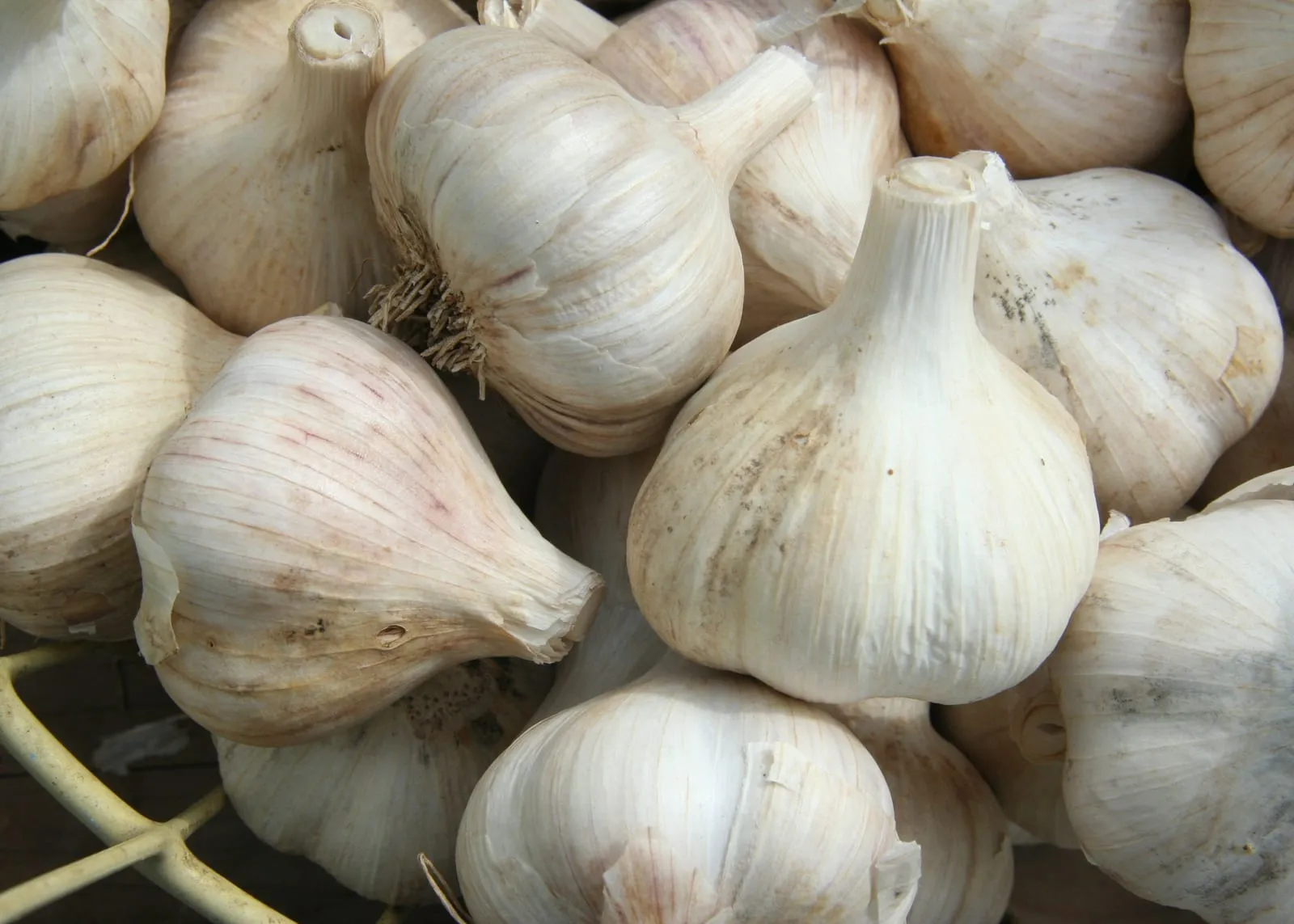
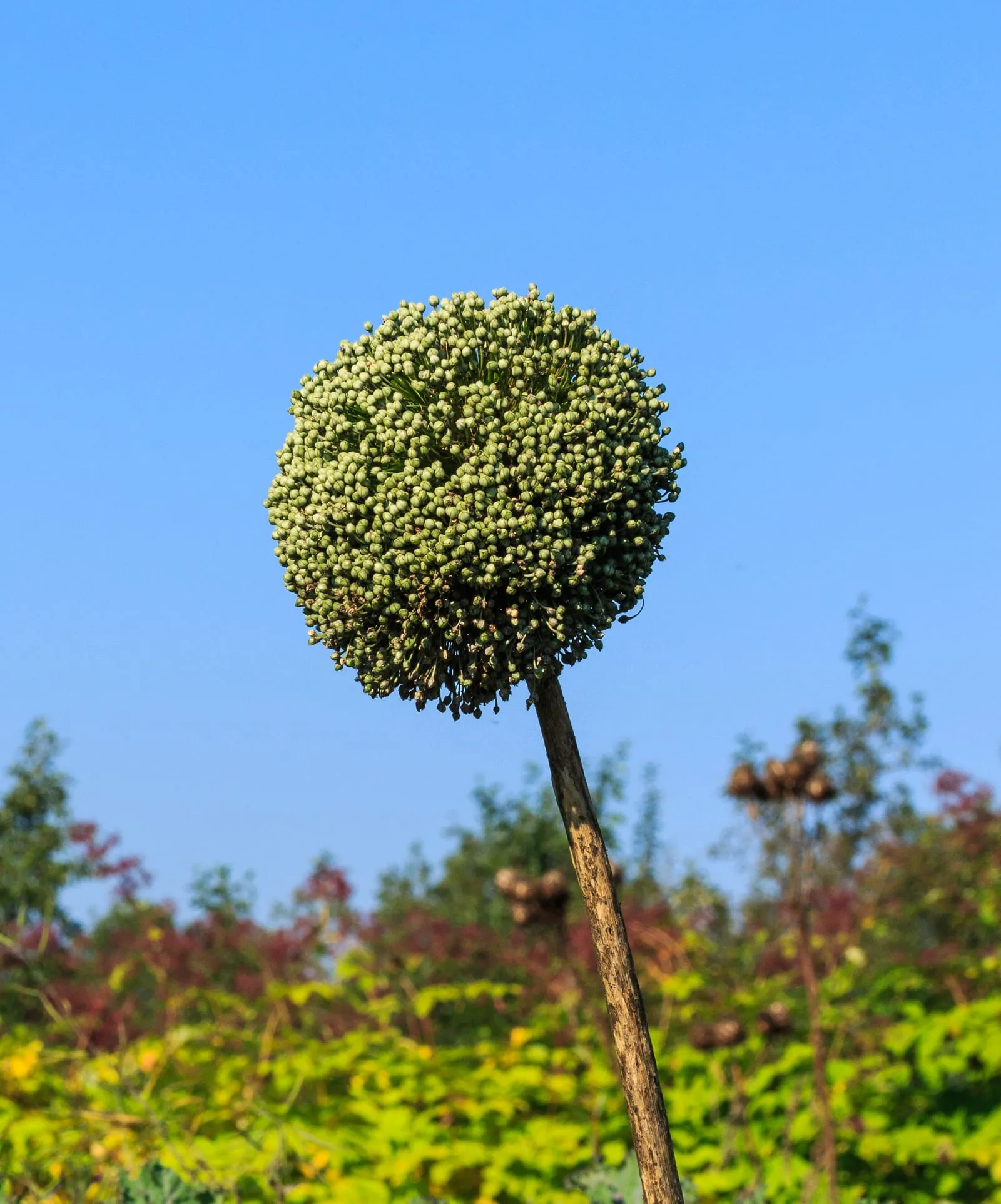
 Garlic
Allium sativum
zones 3a–9a
 zone 6b
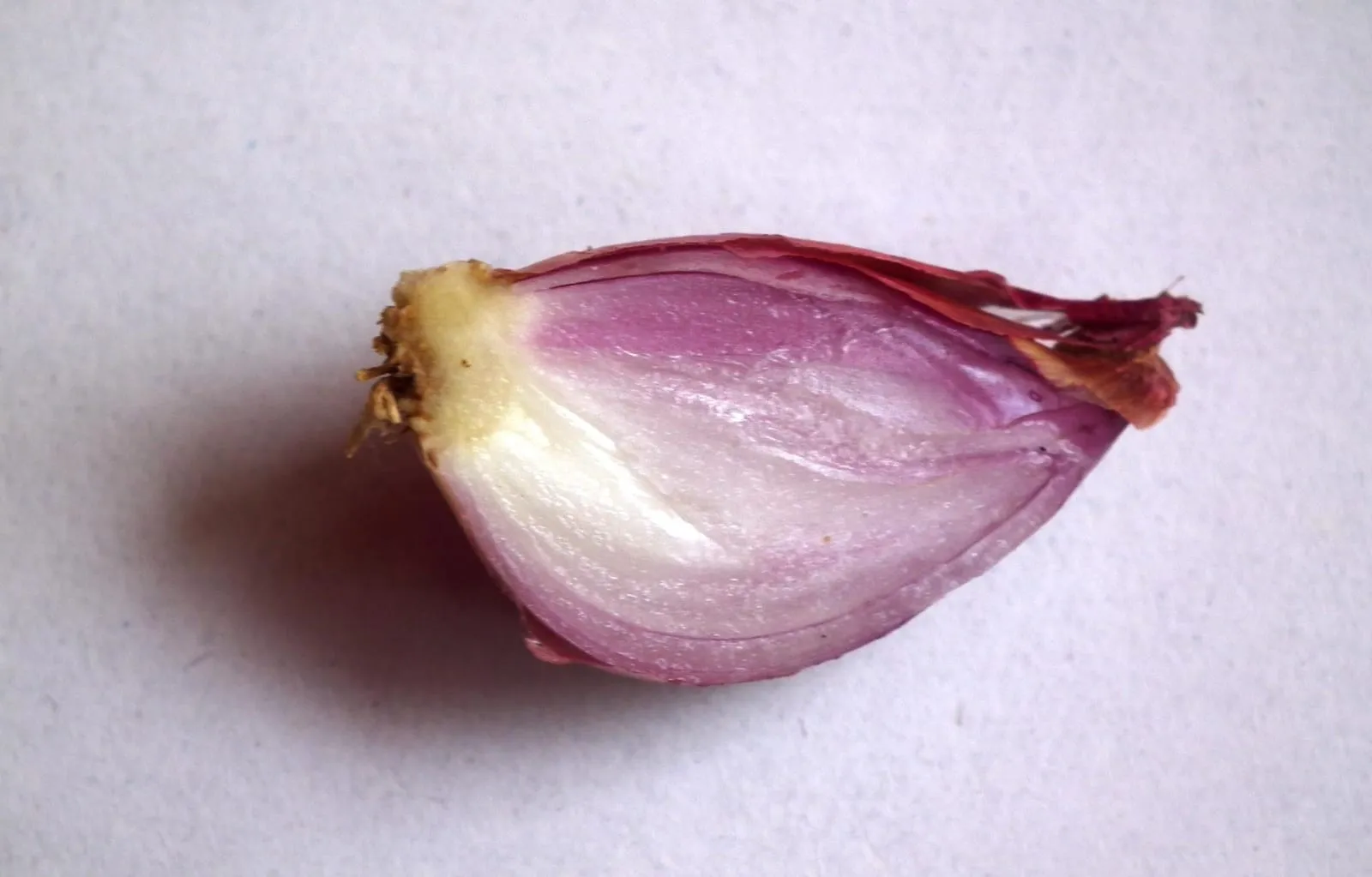
 Leek
Allium ampeloprasum
zones 3b–8b
 zone 6b
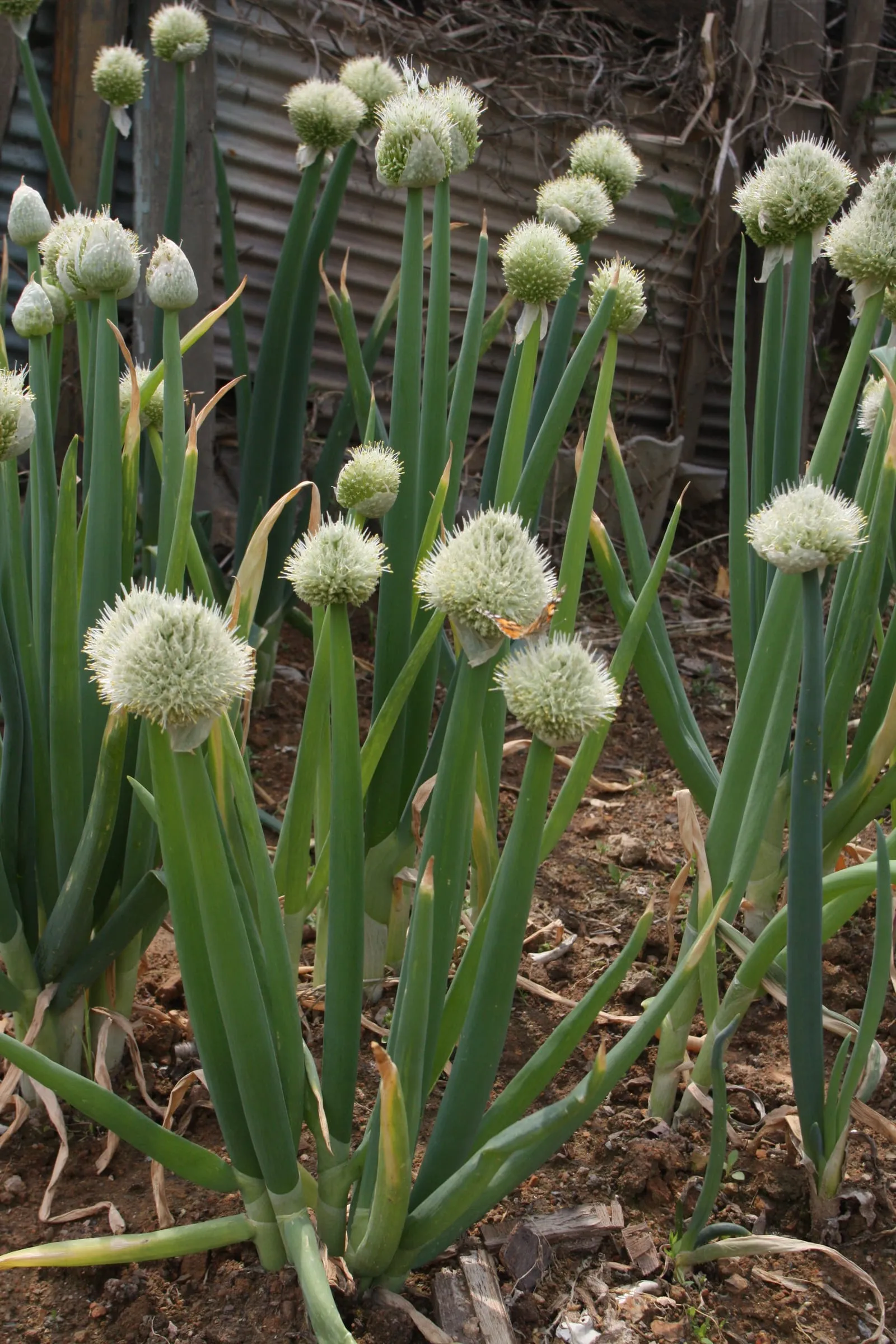
 Shallot
Allium cepa var. aggregatum
zones 3b–8a
 zone 6b
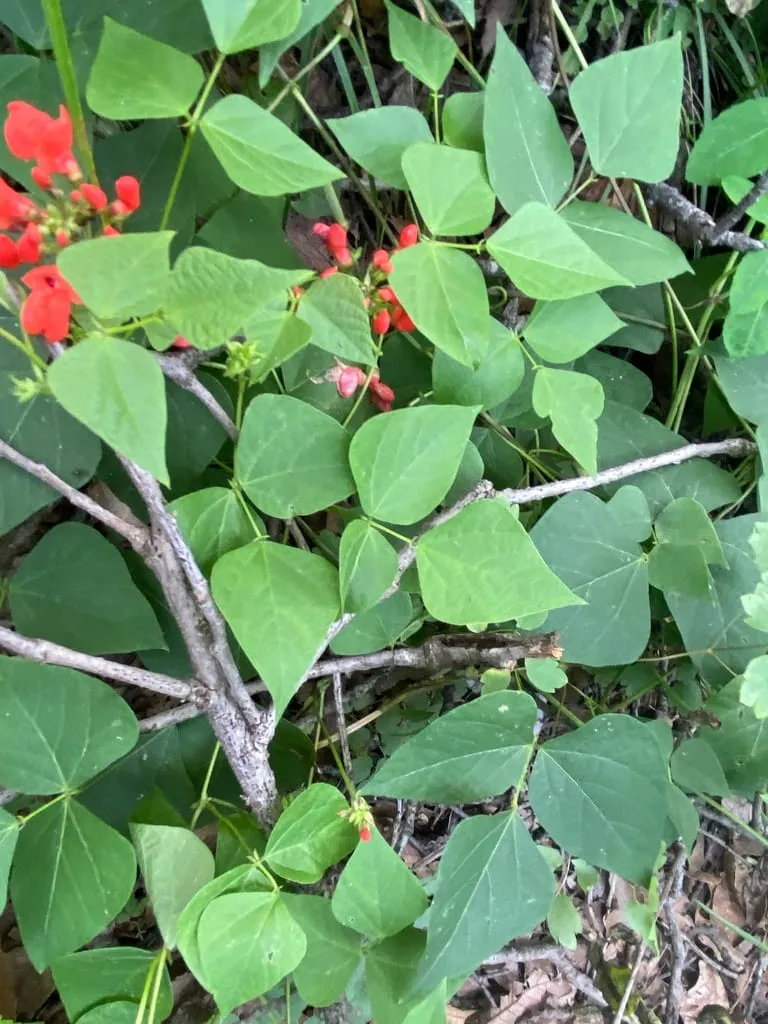
 Scallion (Bunching Onion)
Allium fistulosum
zones 3b–9b
 zone 6b
 Bush Bean
Phaseolus vulgaris
zones 3b–9a
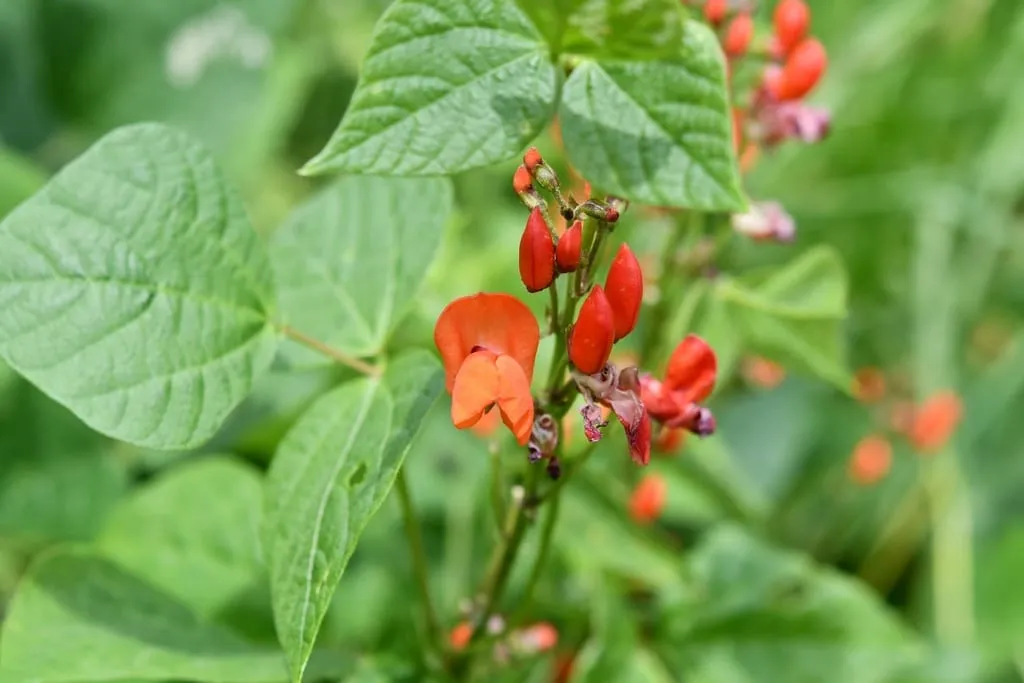 zone 6b
 Pole Bean
Phaseolus vulgaris
zones 3b–9a
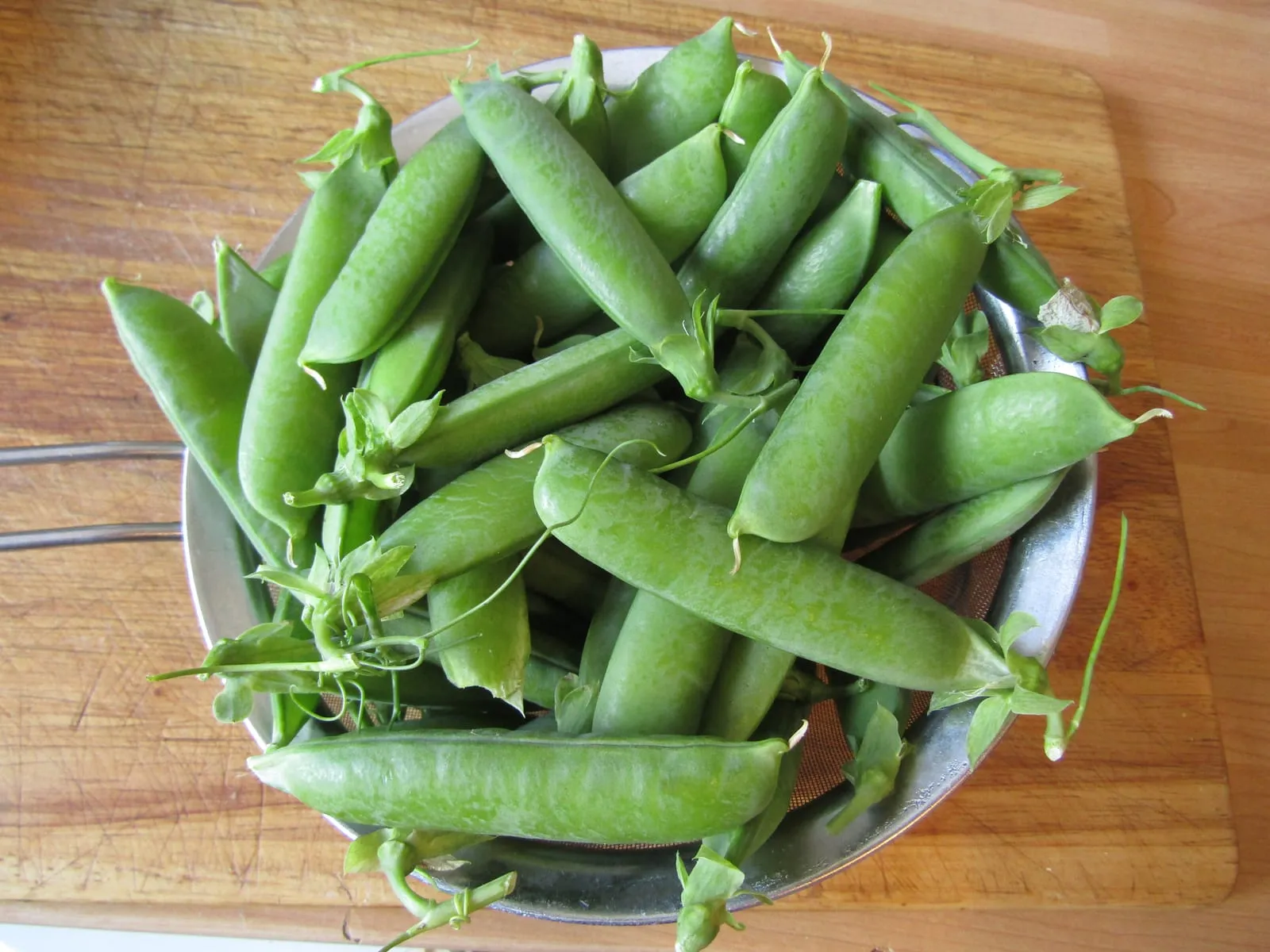 zone 6b
 Pea
Pisum sativum
zones 3a–8b
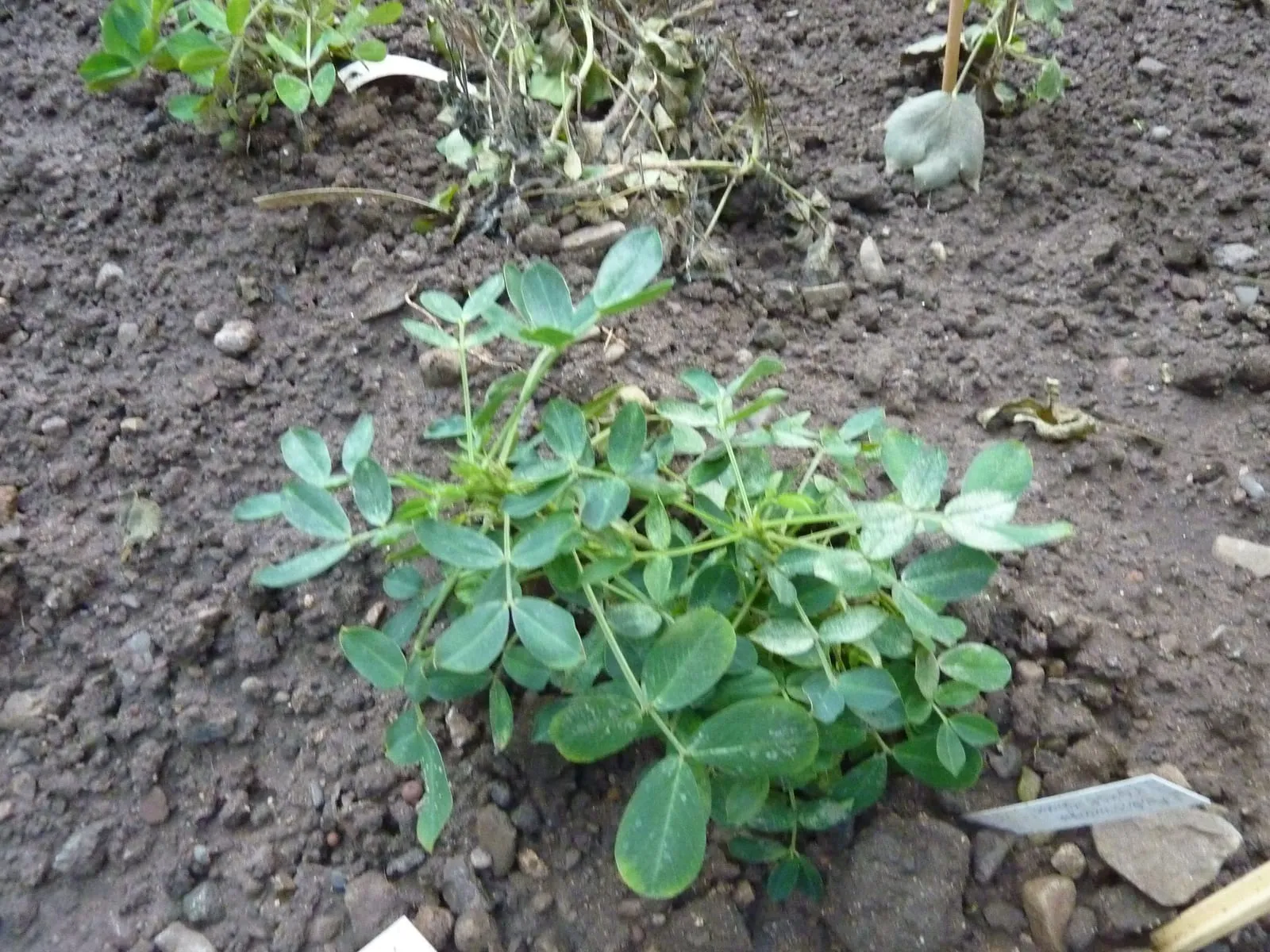 zone 6b
 Peanut
Arachis hypogaea
zones 6a–9b
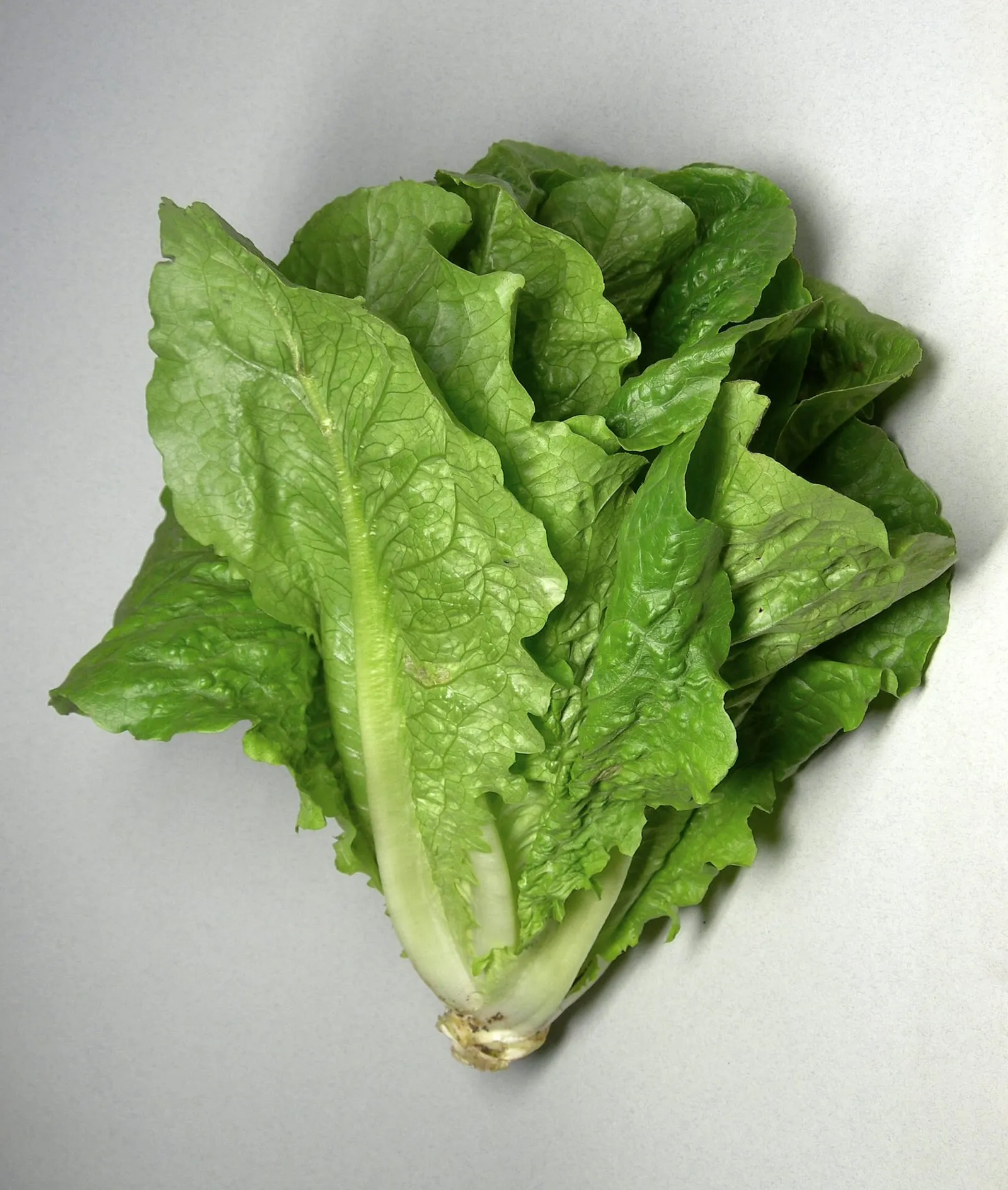 zone 6b
 Lettuce
Lactuca sativa
zones 3a–9b
 zone 6b
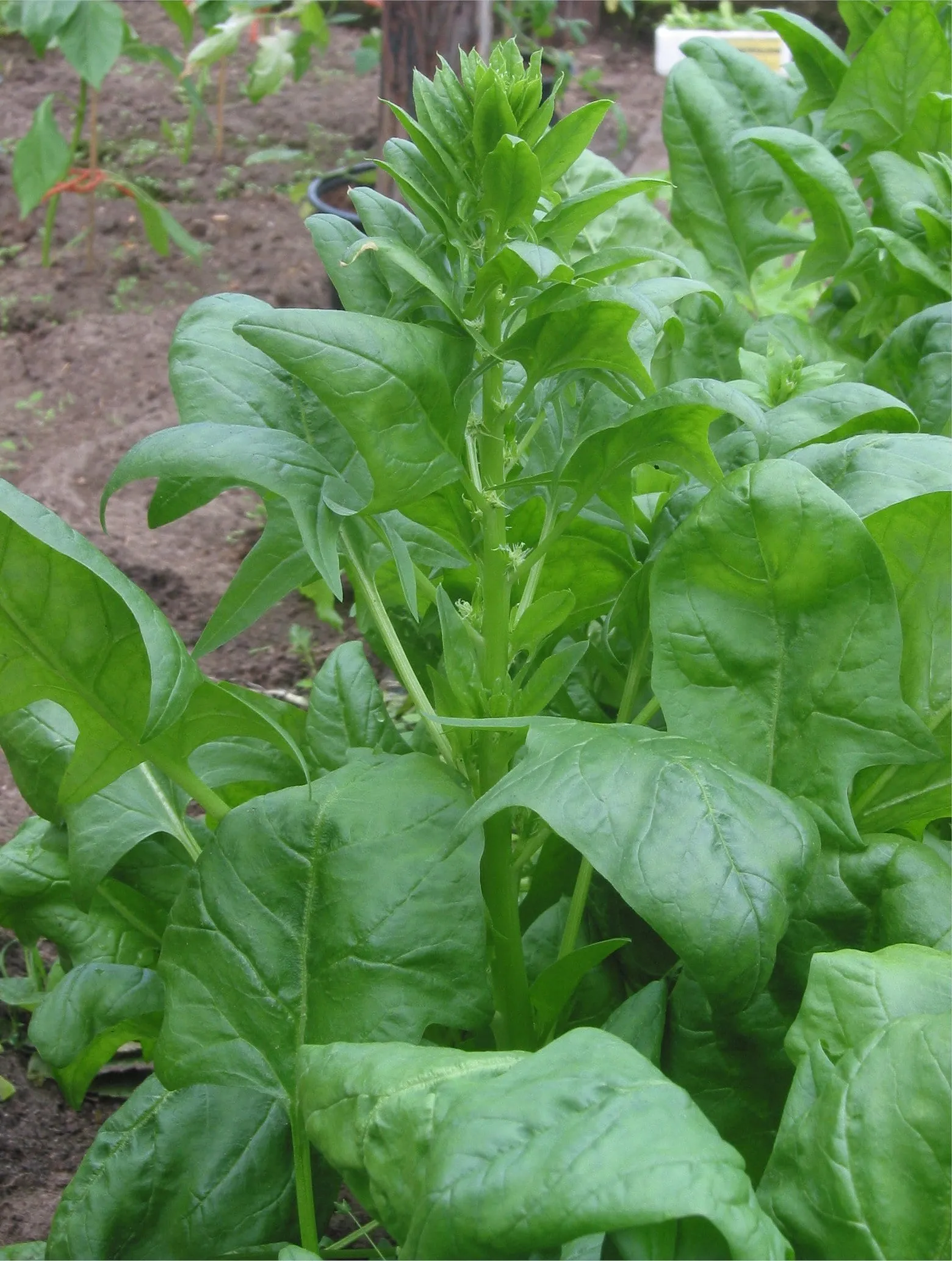
 Spinach
Spinacia oleracea
zones 3a–9a
 zone 6b
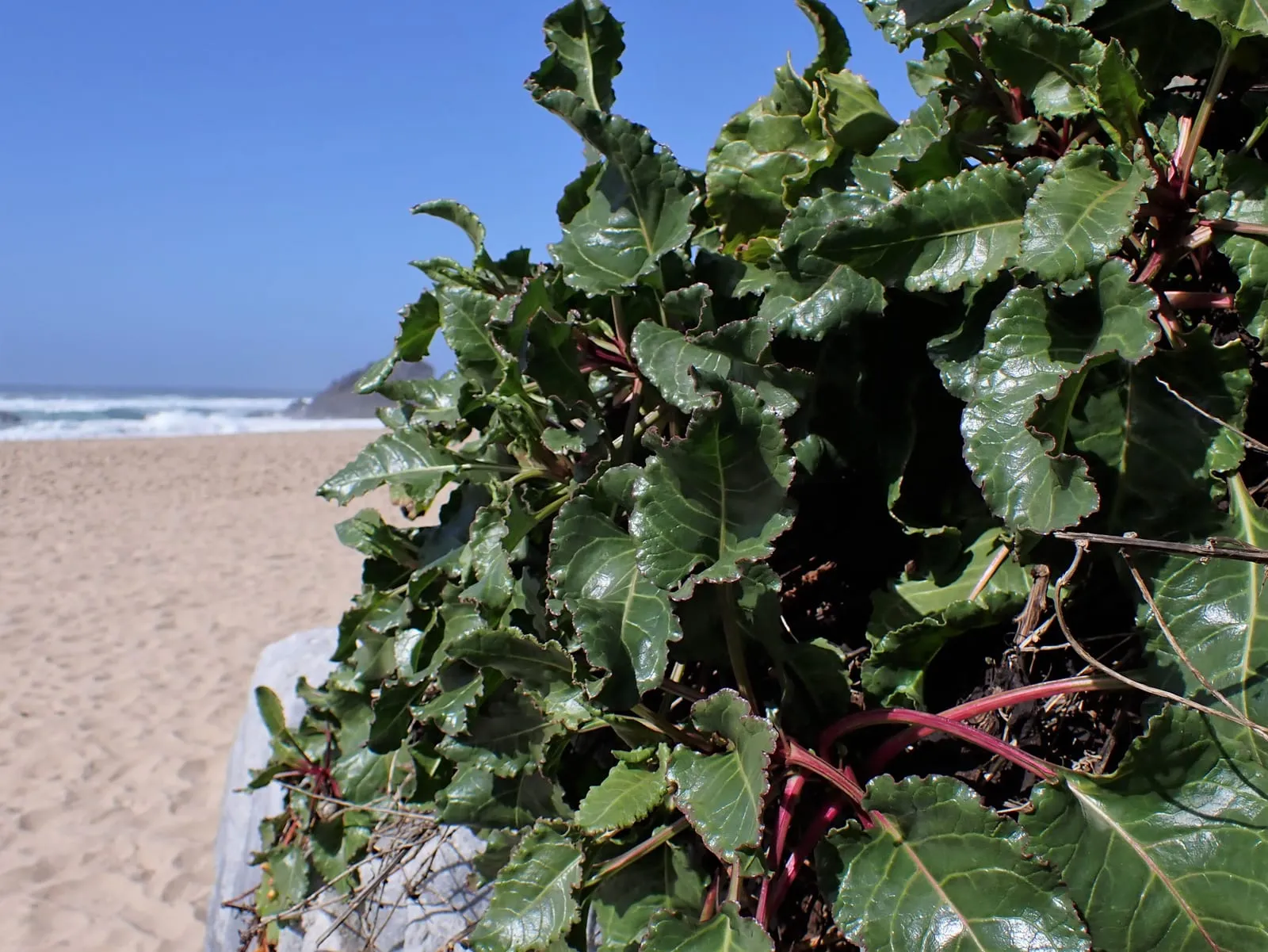
 Swiss Chard
Beta vulgaris subsp. vulgaris
zones 3a–9b
 zone 6b
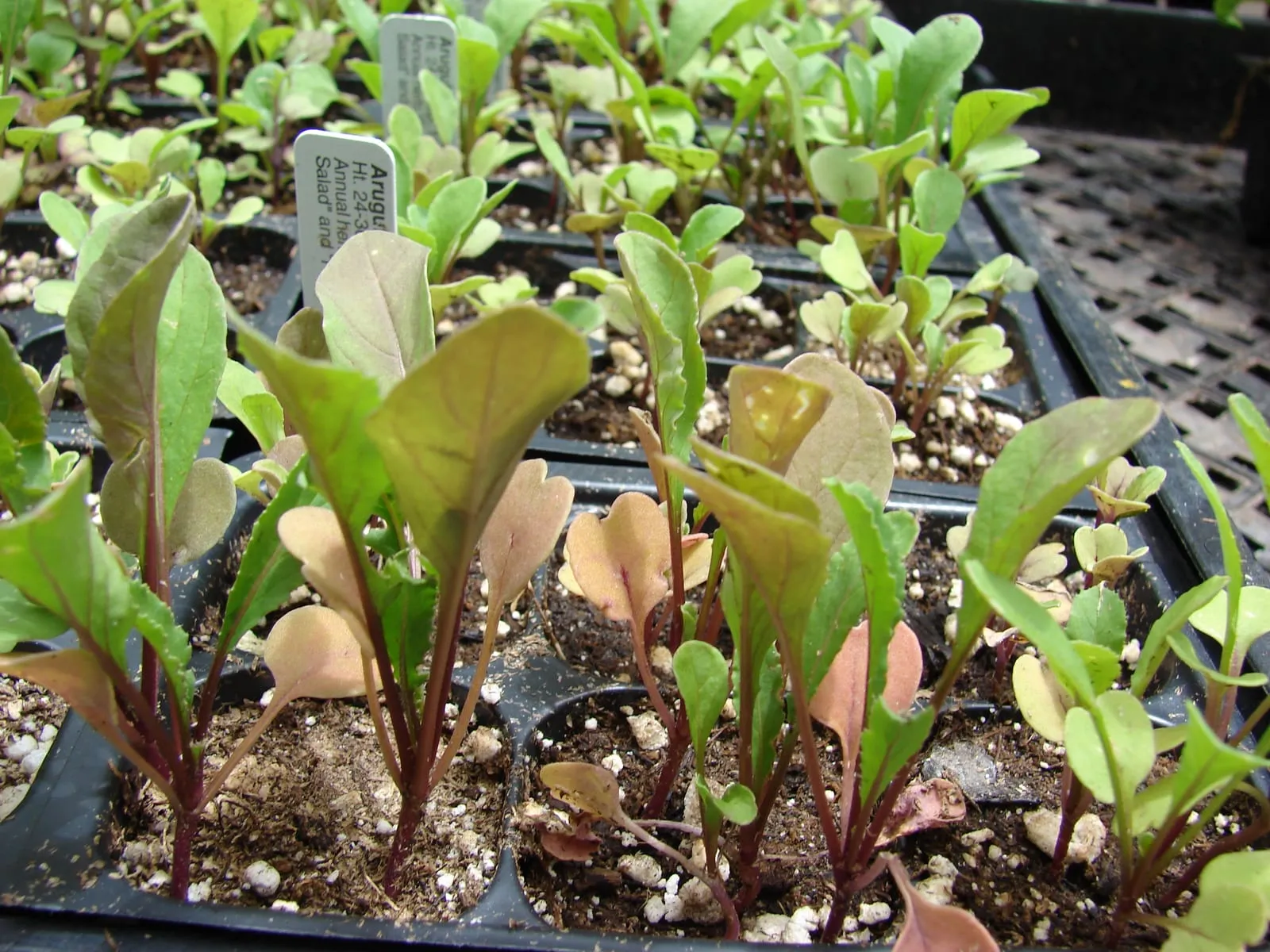
 Arugula
Eruca vesicaria
zones 3b–9a
 zone 6b
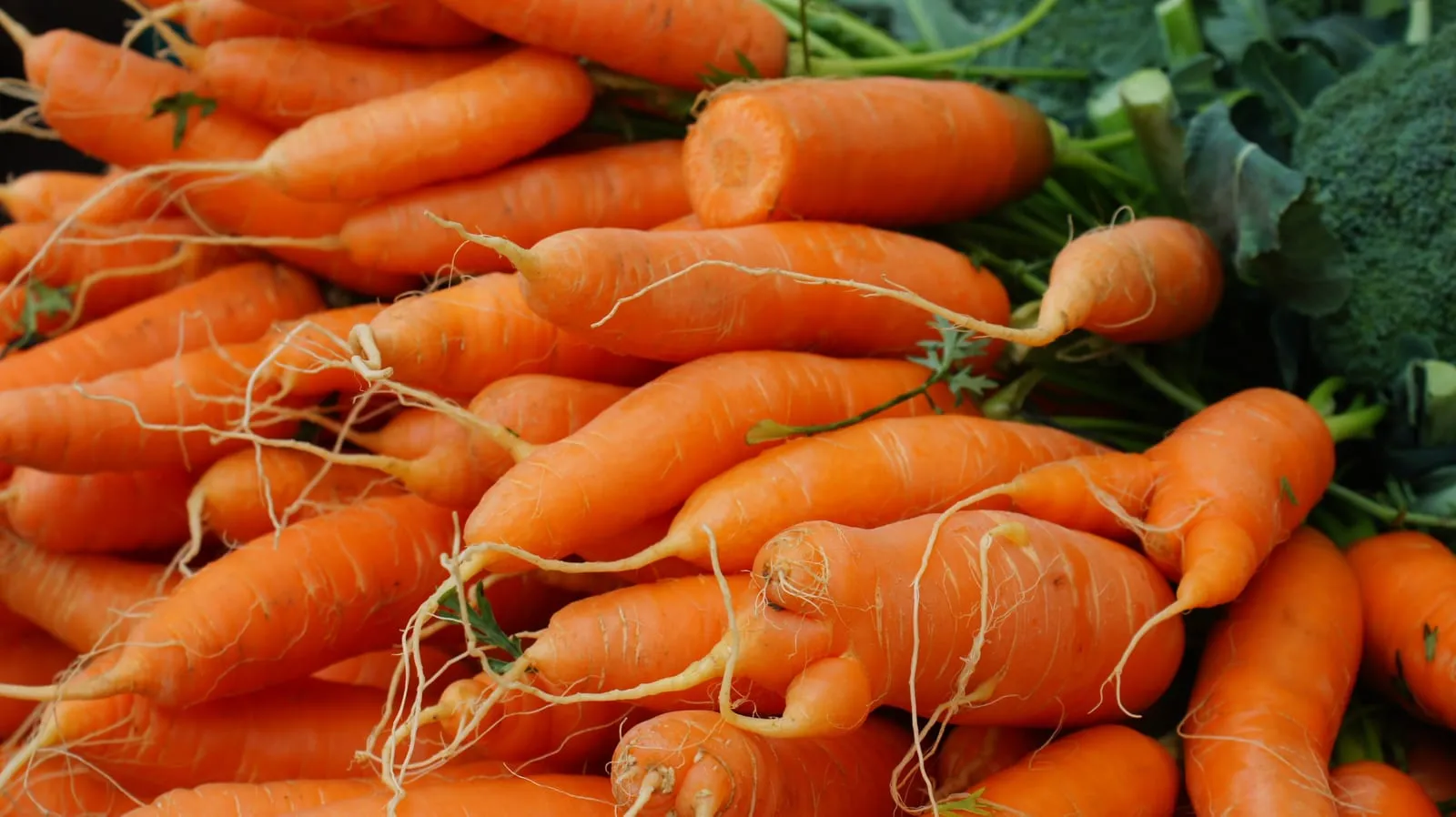
 Carrot
Daucus carota subsp. sativus
zones 3a–9a
 zone 6b
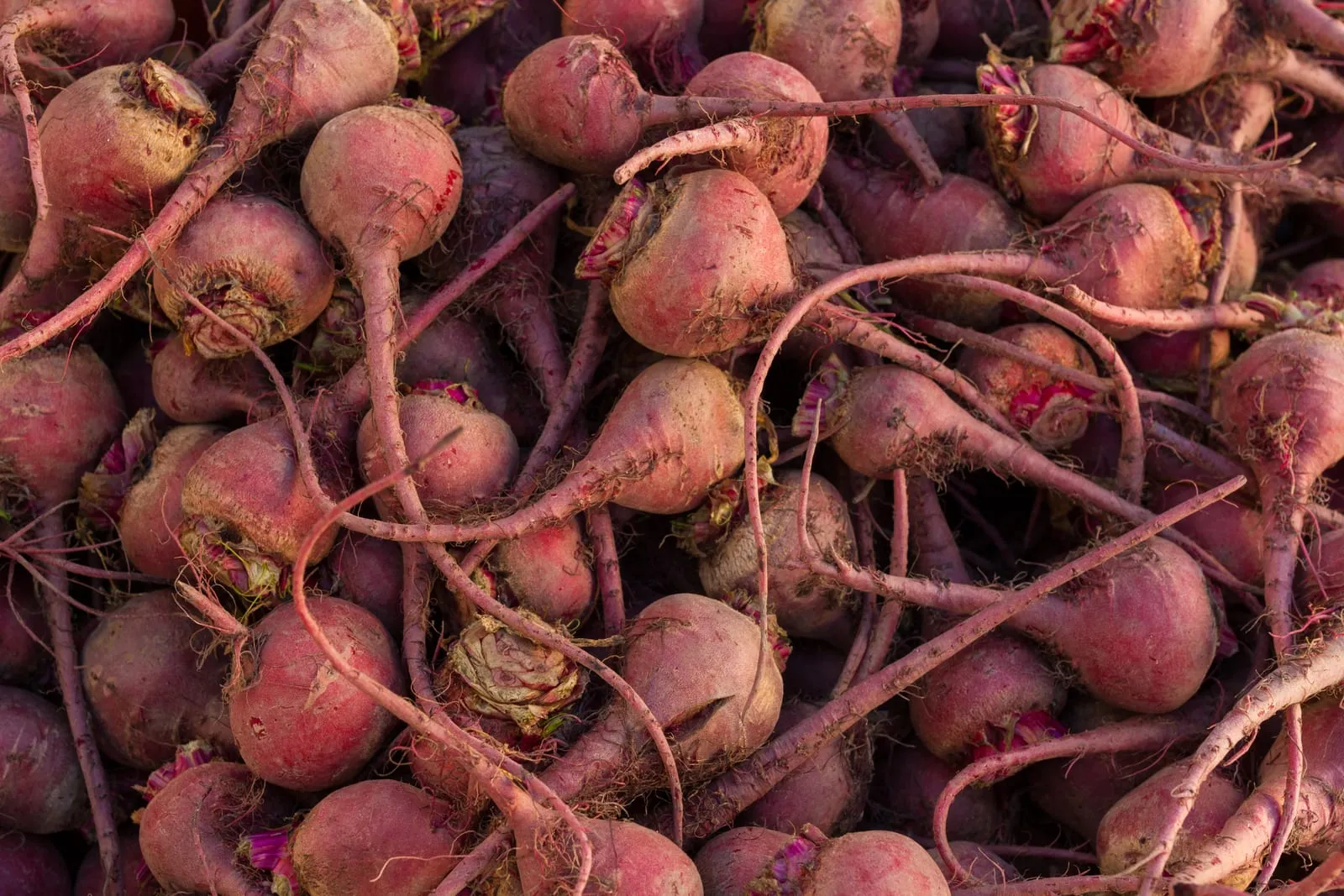
 Beet
Beta vulgaris
zones 3a–9a
 zone 6b
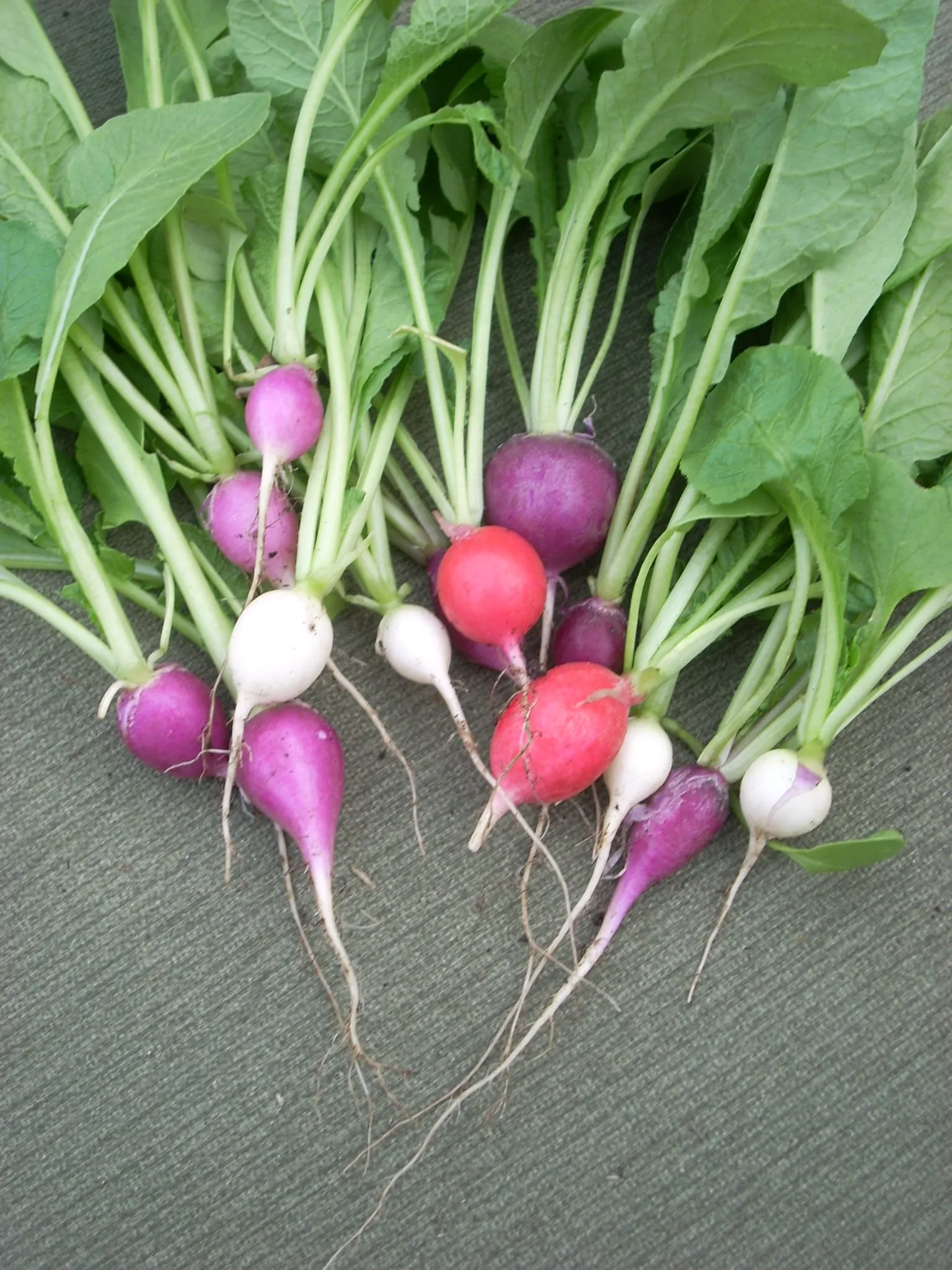
 Radish
Raphanus sativus
zones 3a–9a
 zone 6b
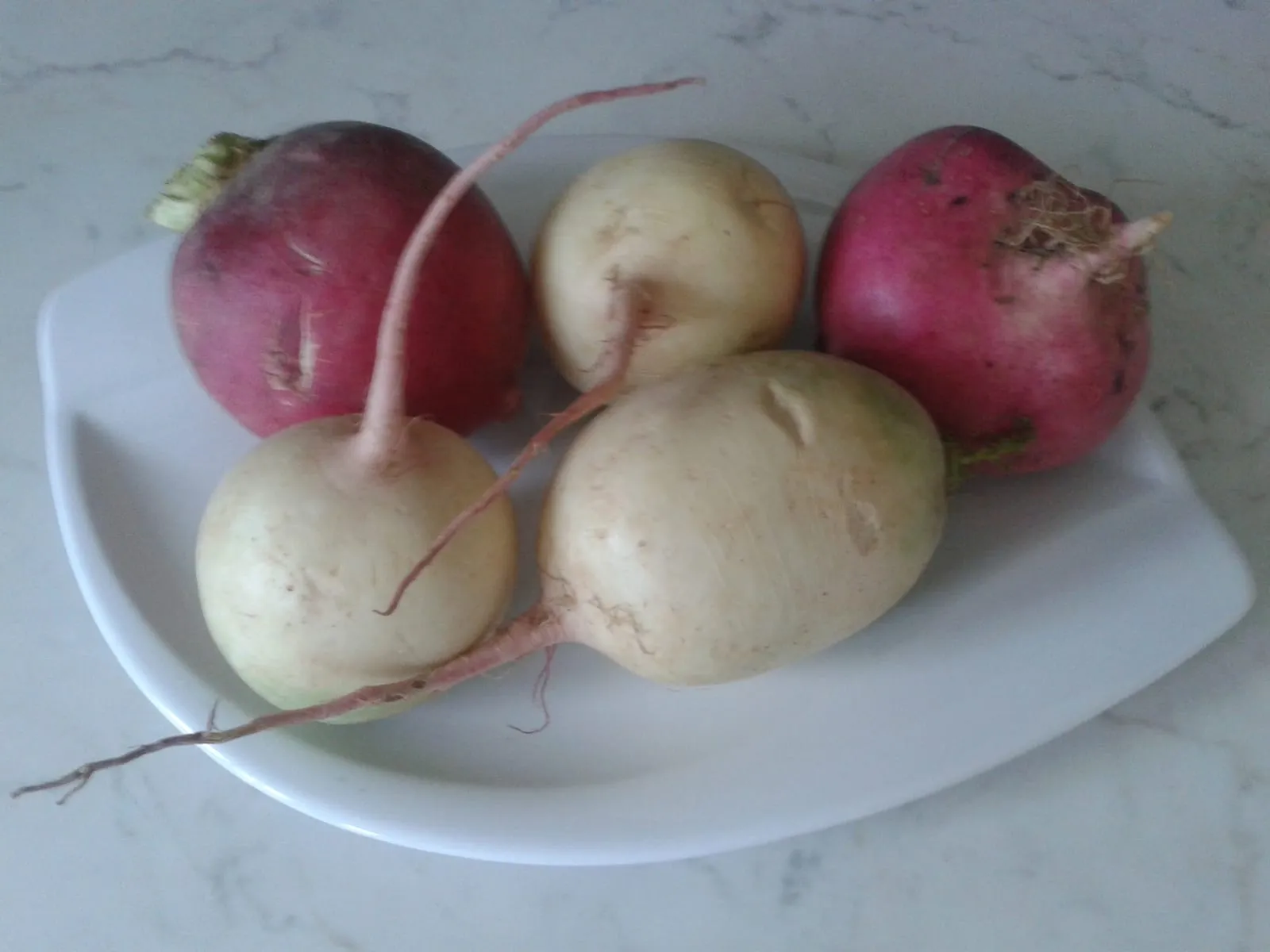
 Turnip
Brassica rapa subsp. rapa
zones 3a–8b
 zone 6b
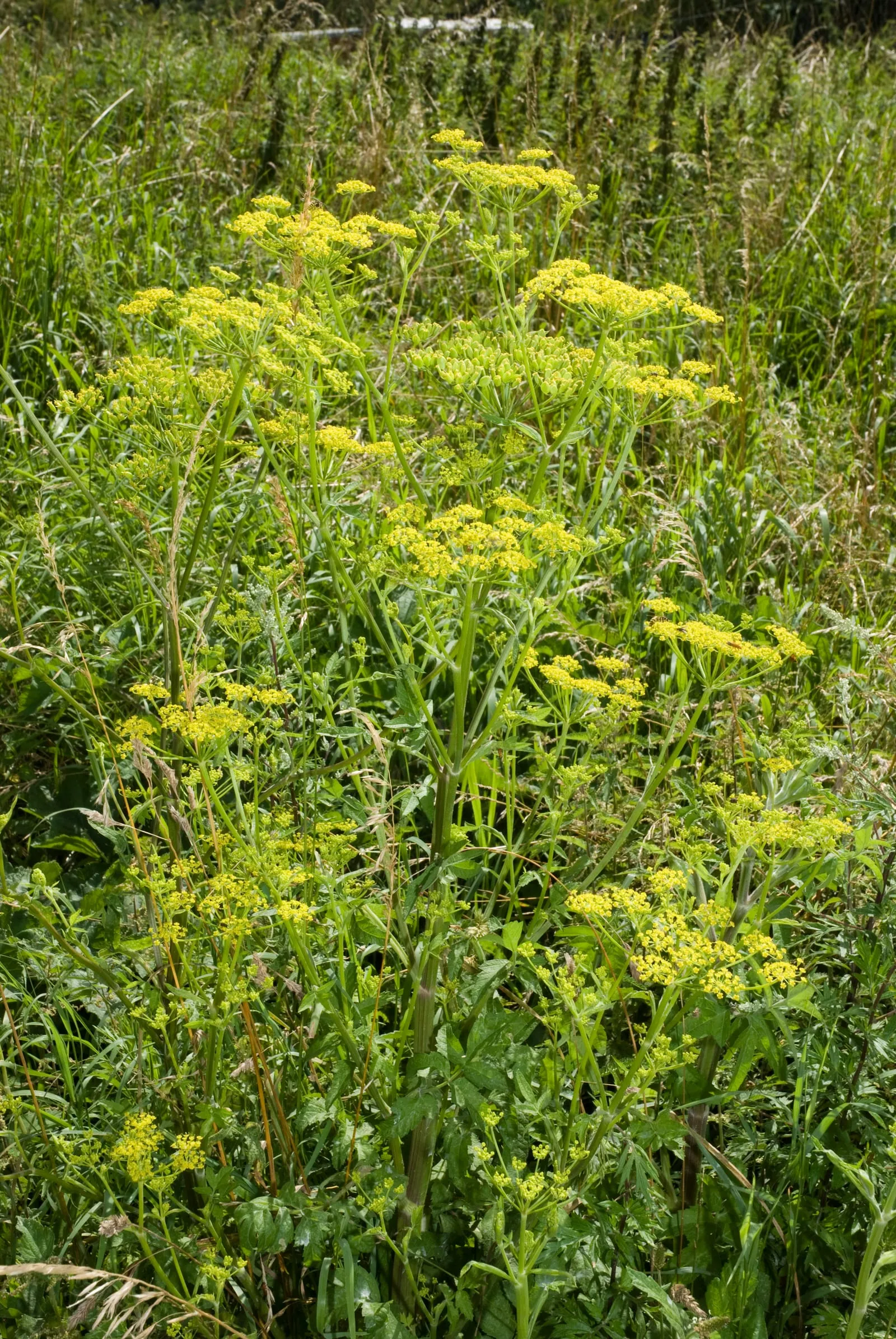
 Parsnip
Pastinaca sativa
zones 3a–8a
 zone 6b
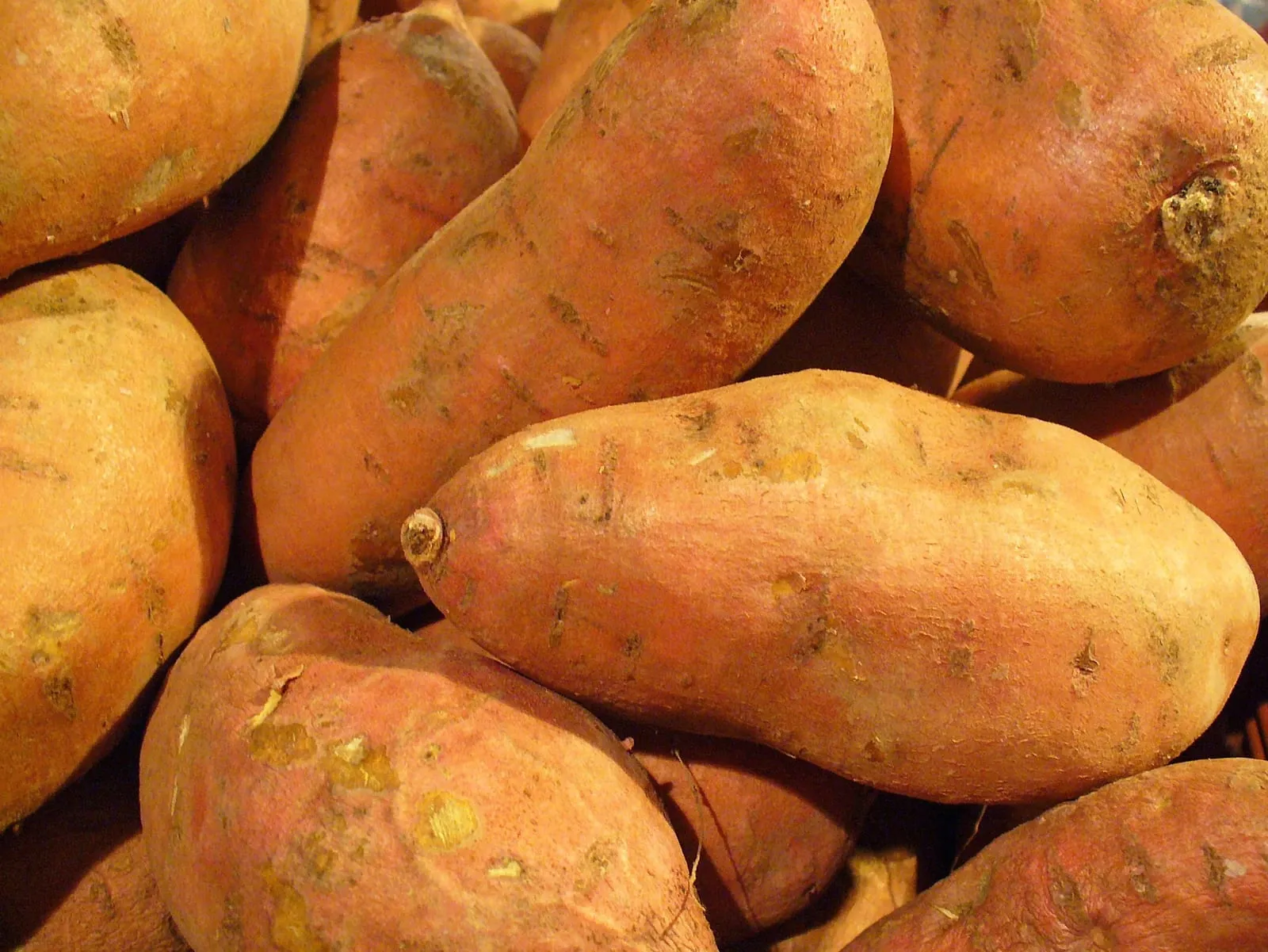
 Sweet Potato
Ipomoea batatas
zones 6a–10b
 zone 6b
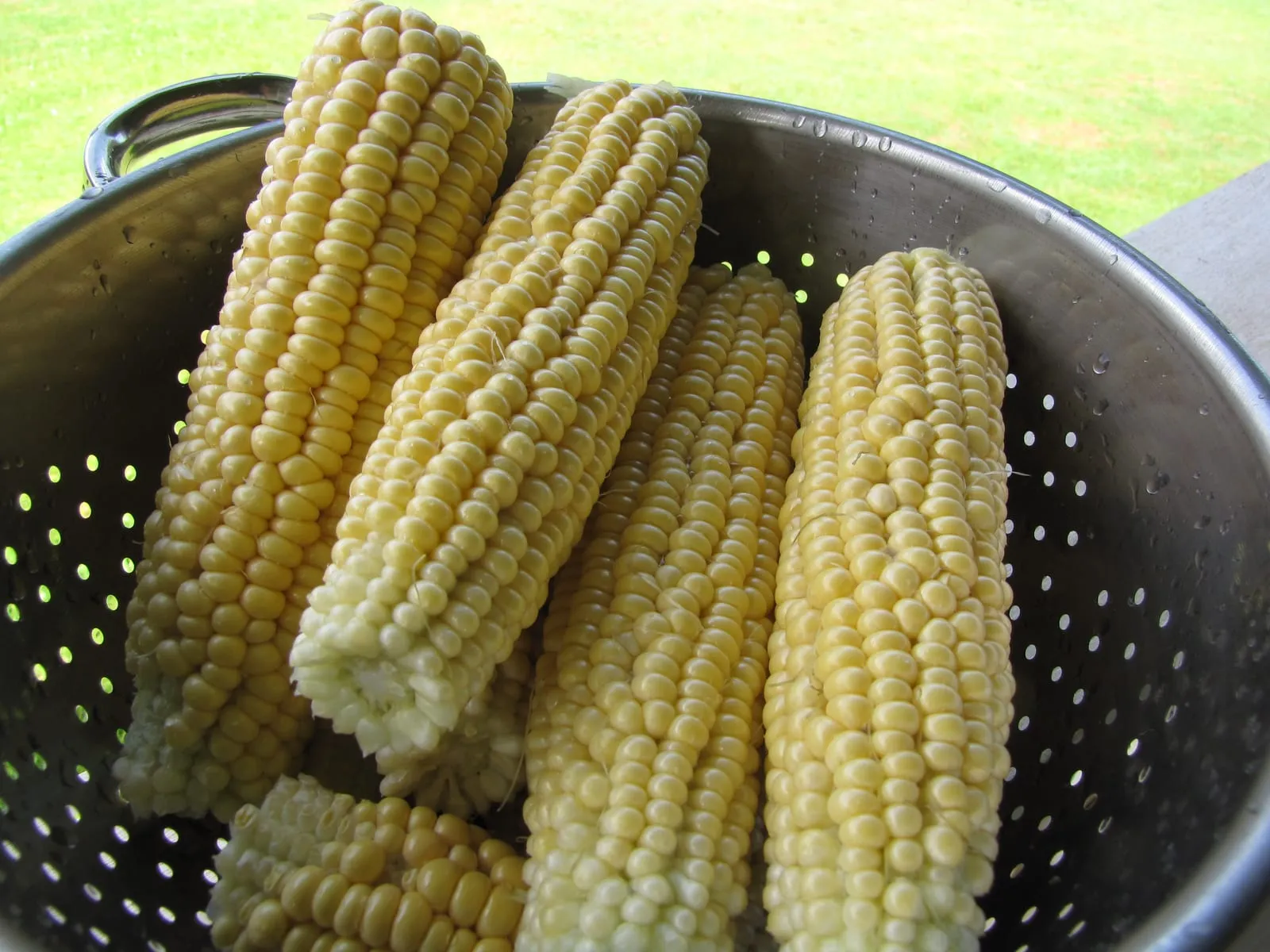
 Sweet Corn
Zea mays var. saccharata
zones 3b–9a
 zone 6b
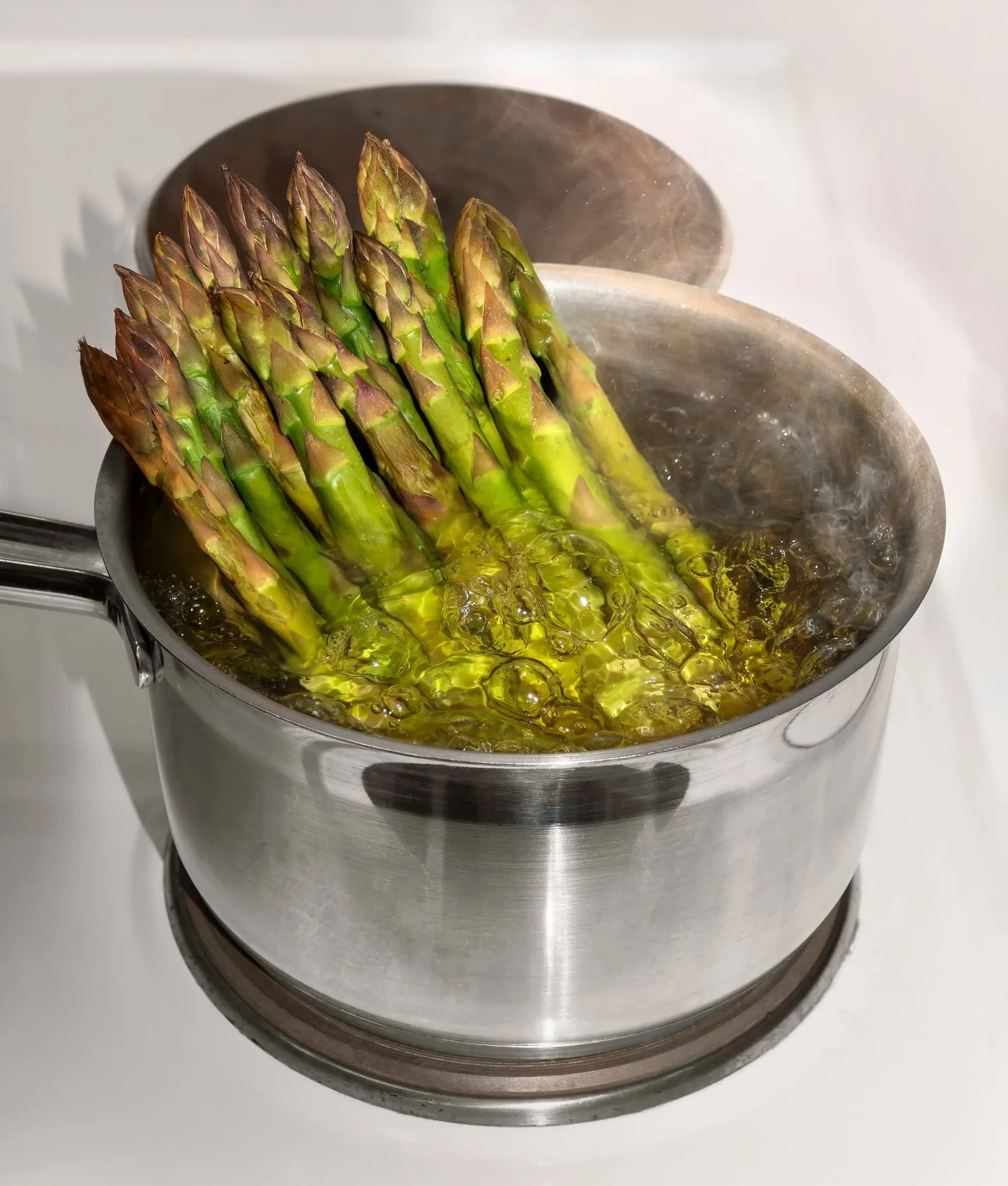
 Asparagus
Asparagus officinalis
zones 3b–8b
 zone 6b
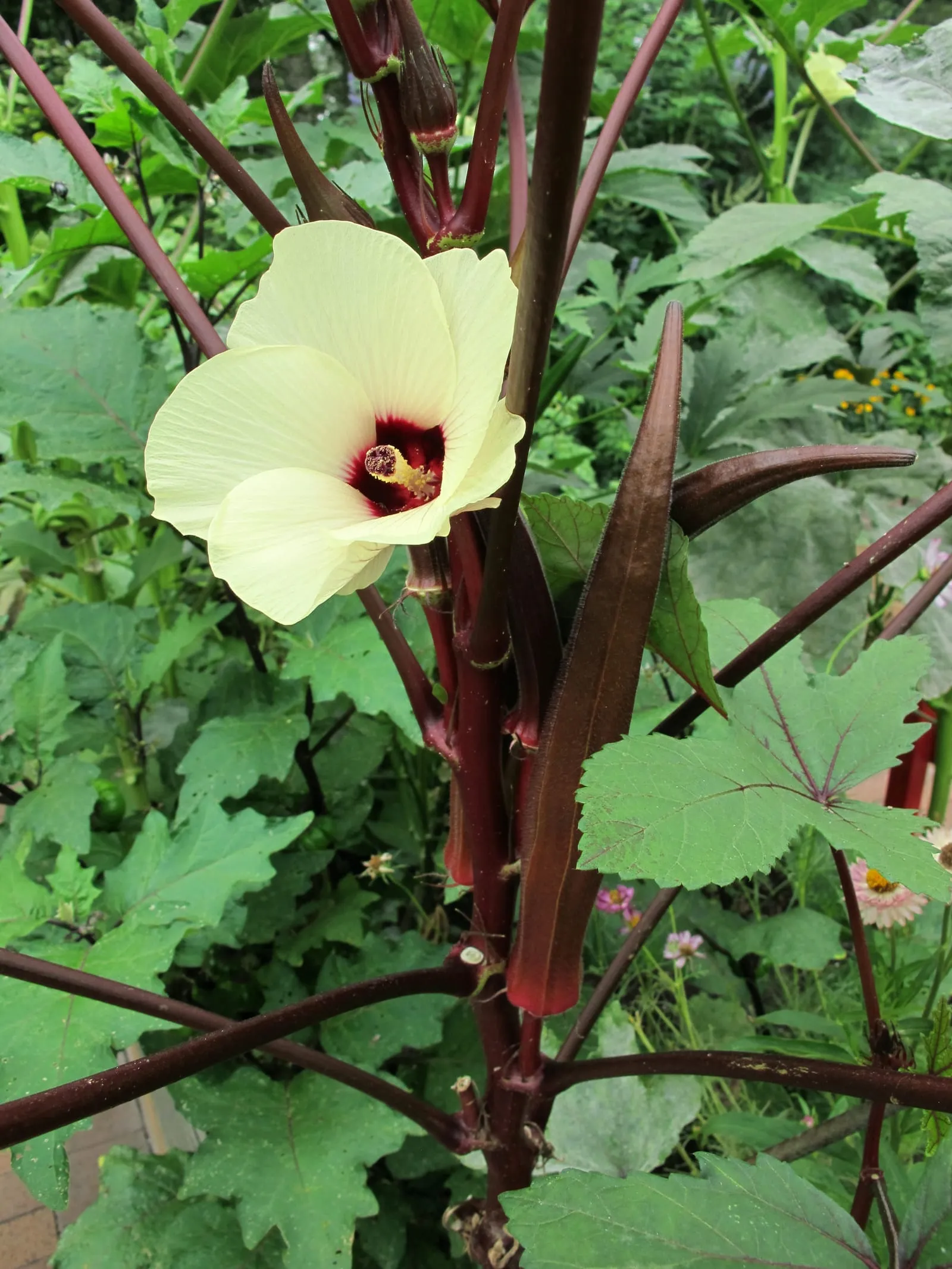
 Okra
Abelmoschus esculentus
zones 6a–10b
Herbs
9 crops
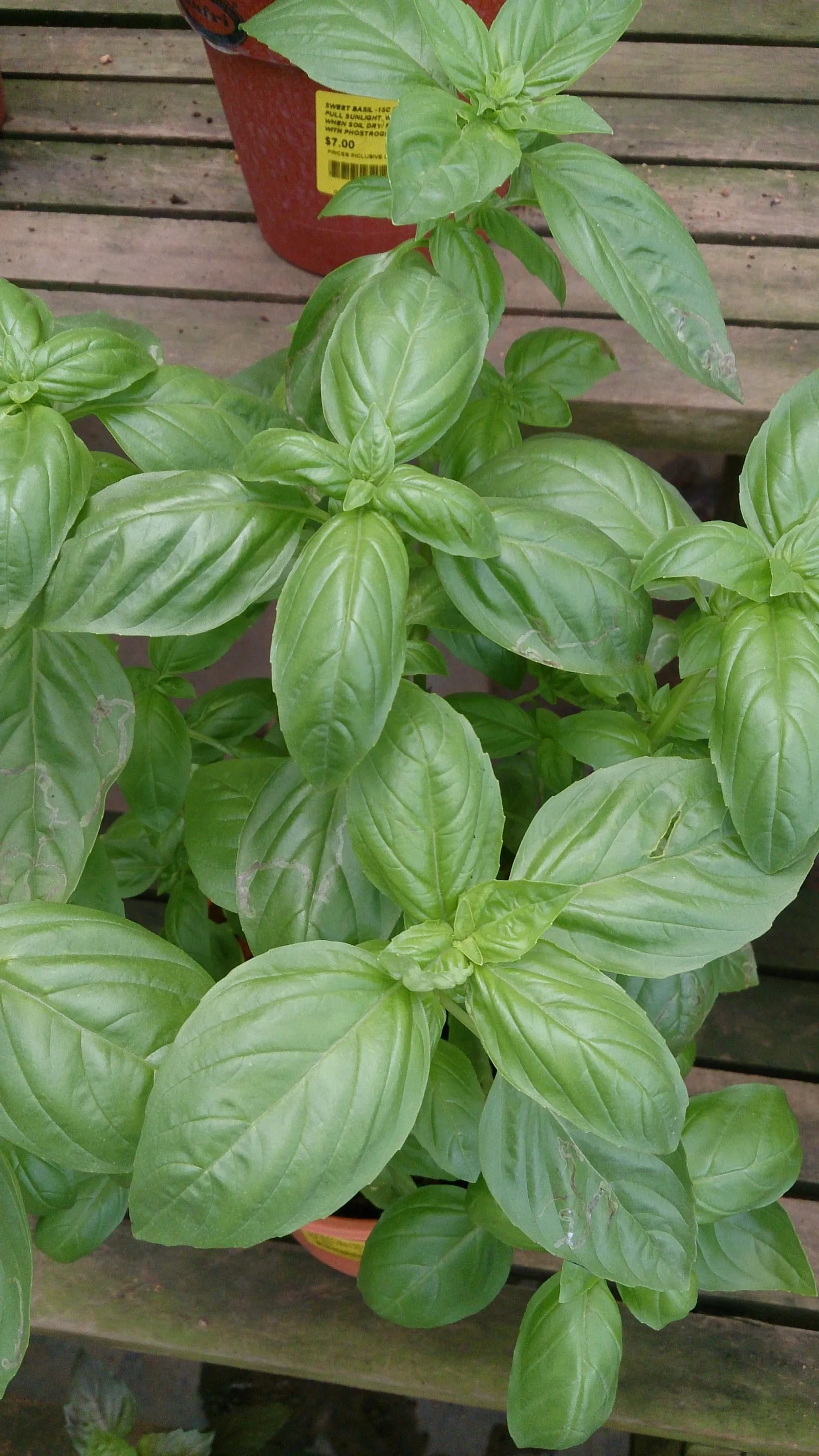 zone 6b
 Basil
Ocimum basilicum
zones 4a–10b
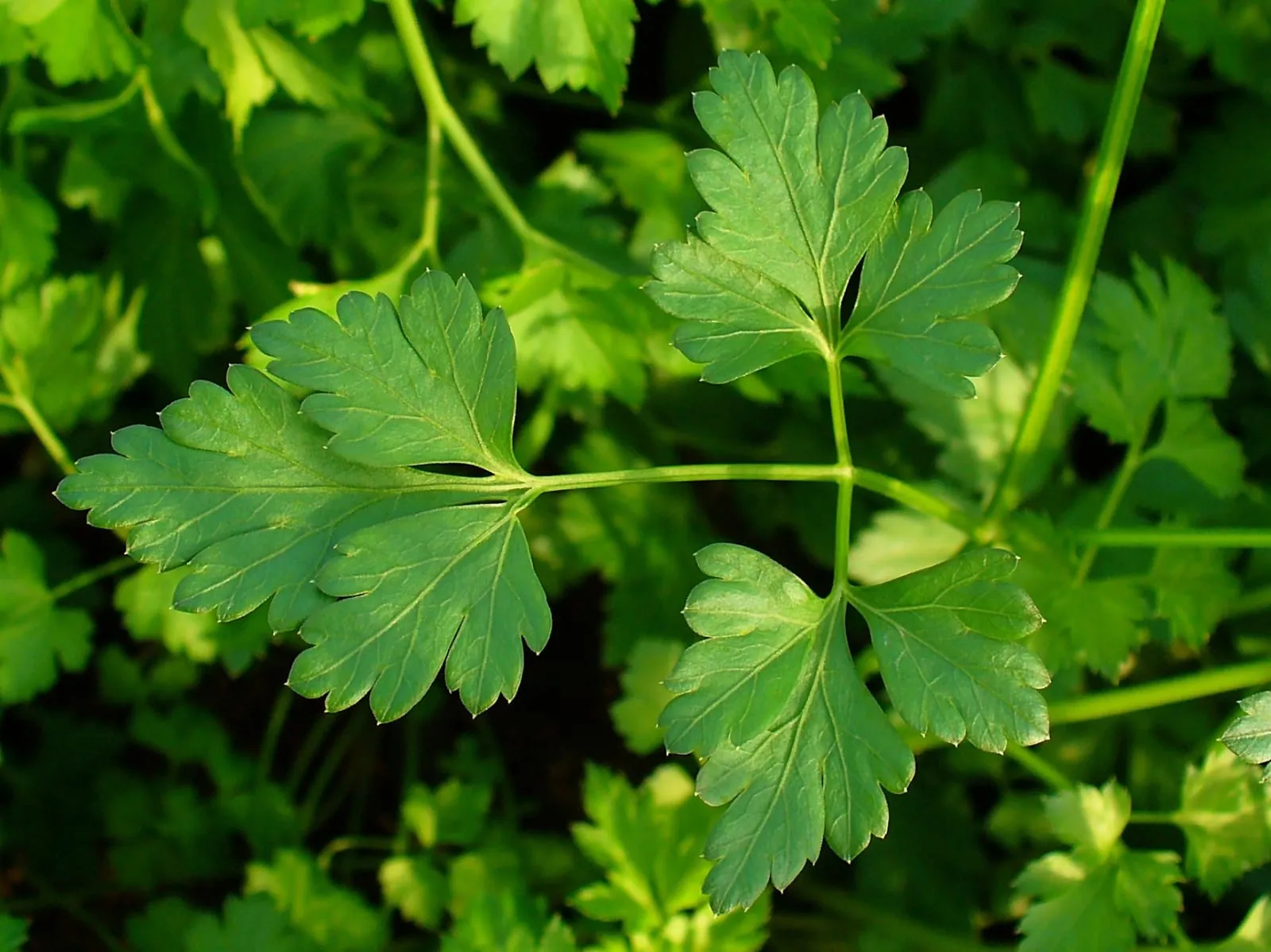 zone 6b
 Parsley
Petroselinum crispum
zones 3b–9b
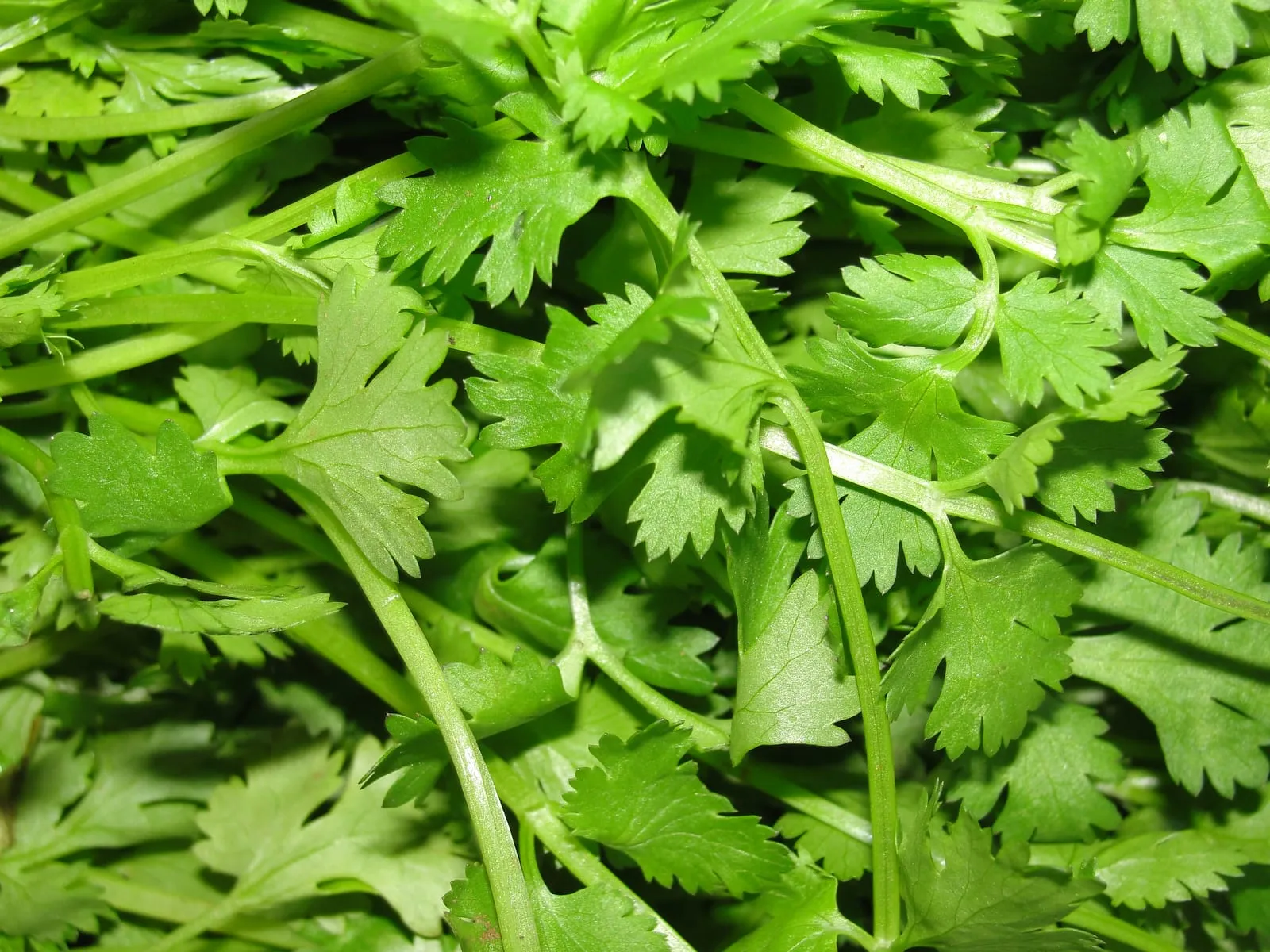 zone 6b
 Cilantro / Coriander
Coriandrum sativum
zones 3b–9b
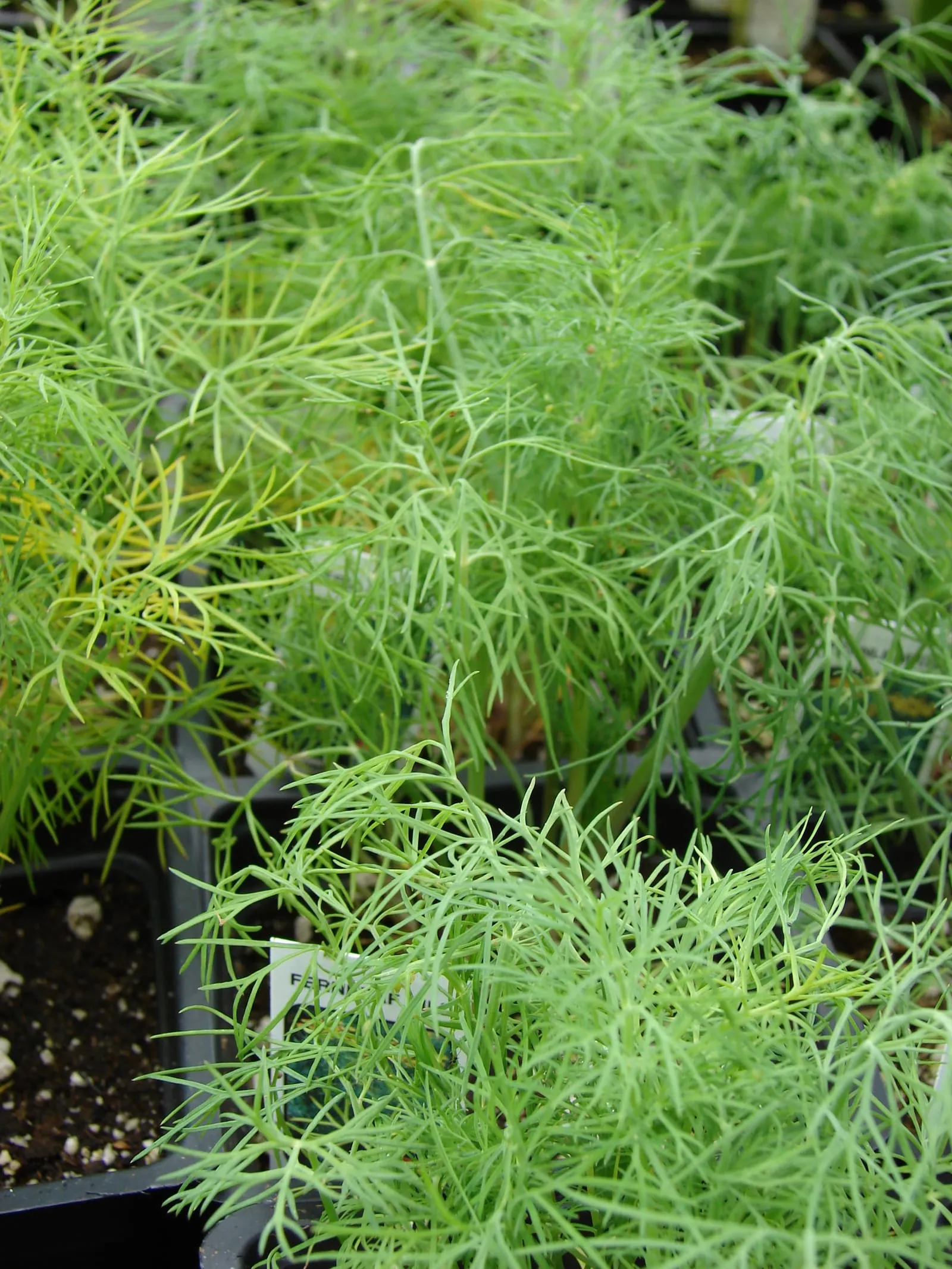 zone 6b
 Dill
Anethum graveolens
zones 3b–9a
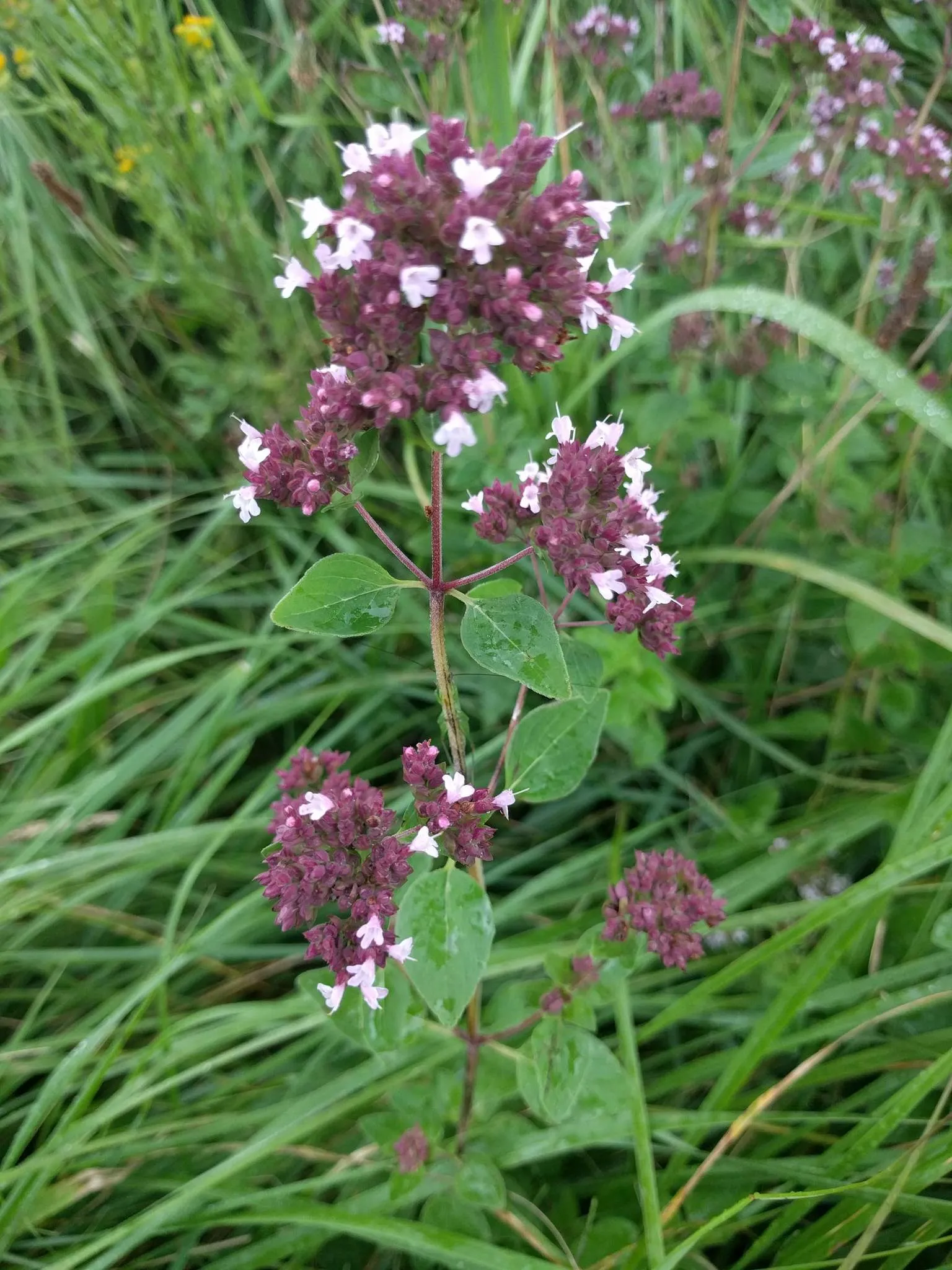 zone 6b
 Oregano
Origanum vulgare
zones 4a–9b
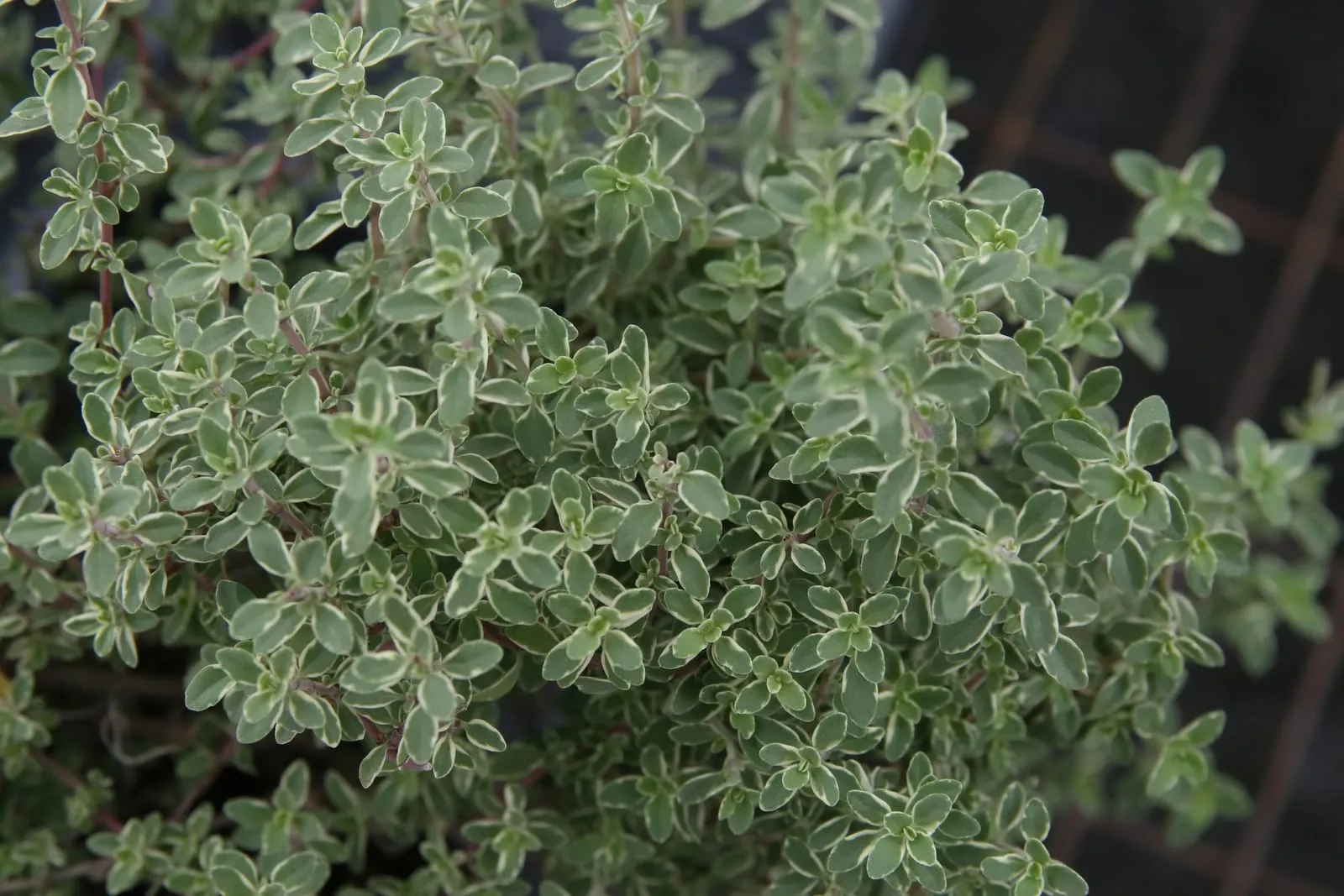 zone 6b
 Thyme
Thymus vulgaris
zones 4a–9a
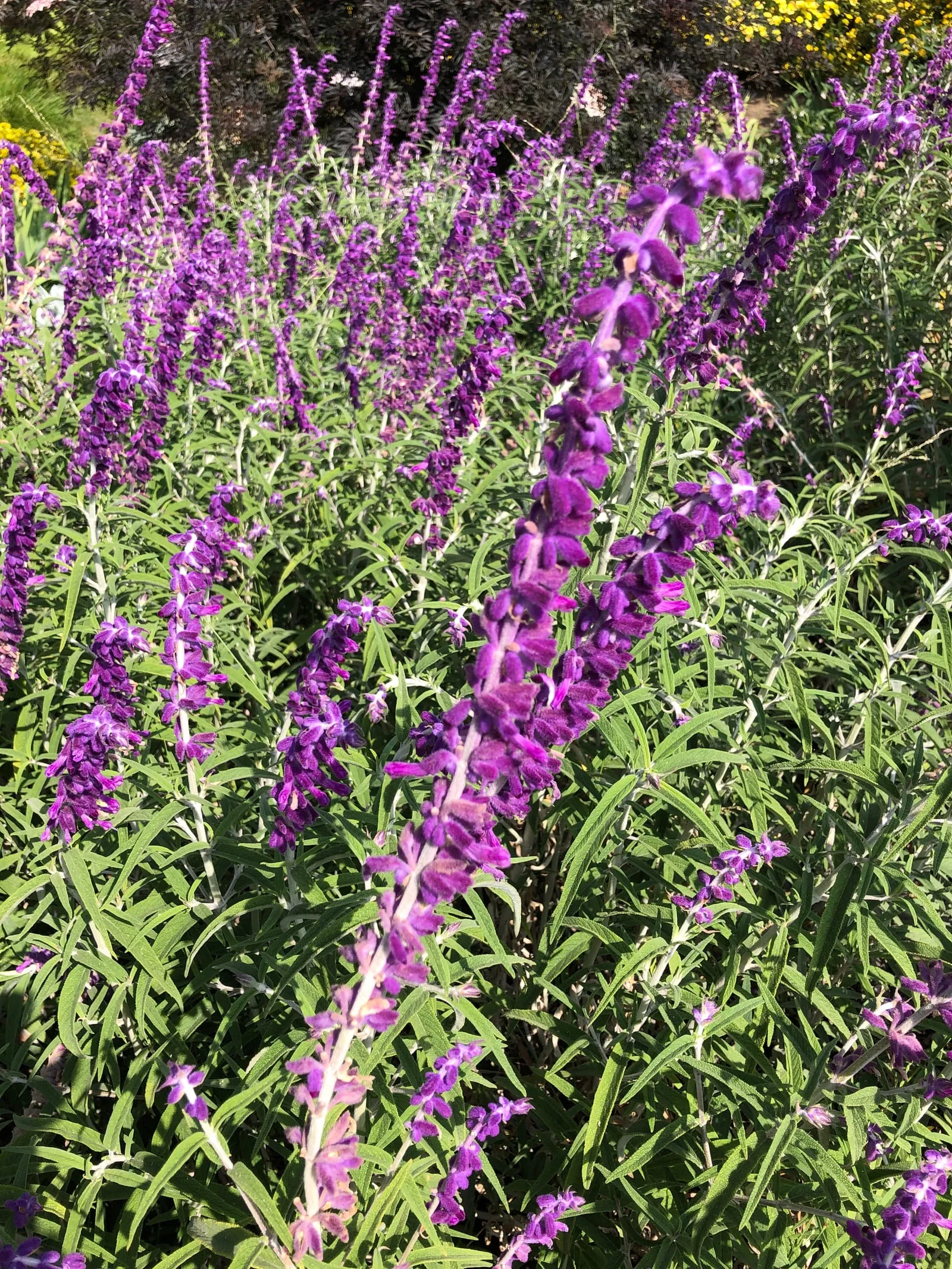 zone 6b
 Sage
Salvia officinalis
zones 4a–9a
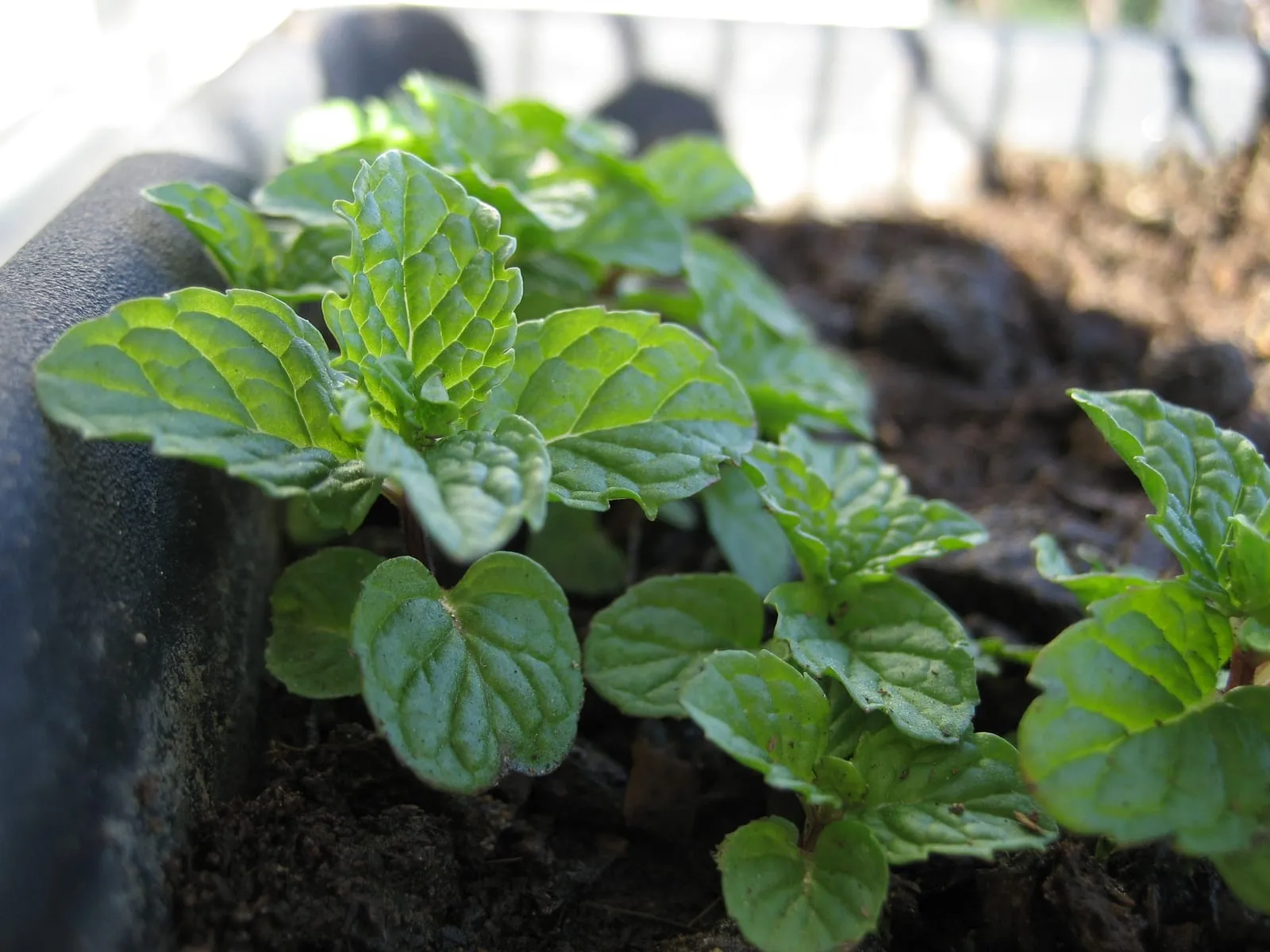 zone 6b
 Mint
Mentha species
zones 3b–9b
 zone 6b
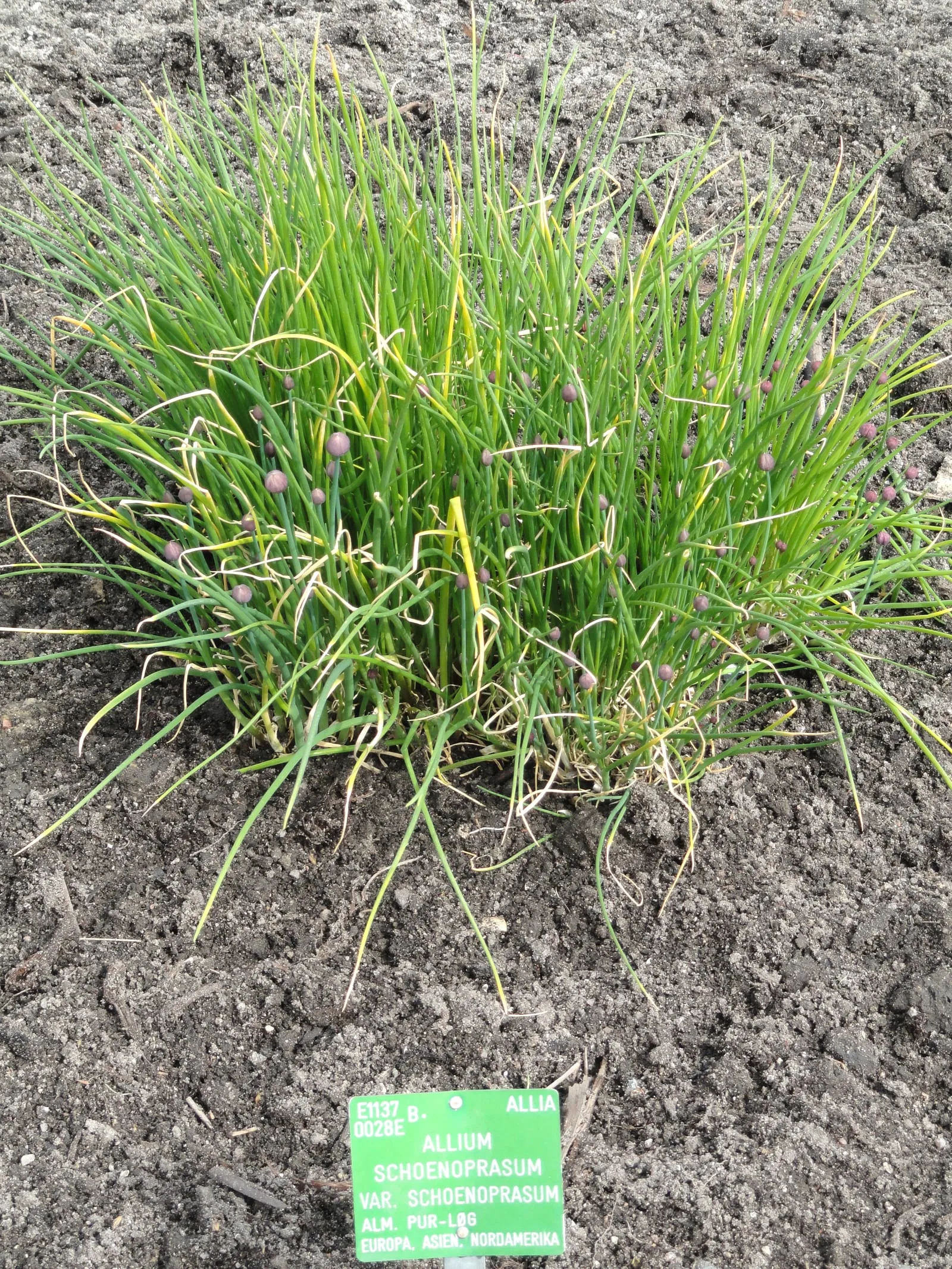
 Chives
Allium schoenoprasum
zones 3a–8b
When to plant
Planting calendar for zone 6b
Year-view of seed starting, transplanting, planting, pruning, fertilizing, harvest, and pest-watch windows based on the average frost timing for zone 6b.
Week ? · loading
This week in zone 6b
Quiet week in zone 6b. this week is a good time to step back and plan ahead.
Nothing critical on the calendar this week.
434 bars · 87 crops
Calendar logic combines NOAA frost normals with crop-specific timing data. Local microclimate and weather always overrules the calendar; use this as a starting point.
Frequently asked questions
- Can I grow peaches reliably in zone 6b?
Yes. Zone 6b is well within the peach's viable range. The main risks are late-spring frosts catching open blossoms in cold years and, in humid eastern sites, brown rot and bacterial spot pressure during wet summers. Variety selection matters: look for late-blooming, disease-tolerant selections developed for mid-Atlantic or Midwest conditions rather than Southeast-adapted varieties bred for warmer winters.
- Which apple varieties perform best against fire blight in zone 6b?
Enterprise, Goldrush, Liberty, and Williams Pride are consistently rated resistant in university trial data from Cornell, Purdue, and Virginia Tech. Honeycrisp carries moderate susceptibility and requires protective sprays at bloom in humid years. Fuji and Gala are significantly susceptible and are generally poor choices for growers who want to minimize chemical inputs.
- Do sweet cherries work in zone 6b, or is the disease pressure too high?
Sweet cherries are cold-hardy enough for zone 6b winters, but bacterial canker and brown rot are serious concerns in humid eastern portions of the zone. Sites with good air drainage, low fog frequency, and well-draining soil give substantially better results than low-lying or humid locations. Sour cherries such as Montmorency are considerably more tolerant of humid conditions and are a lower-risk choice for most zone 6b sites.
- What is the typical last frost date for zone 6b, and how much does it vary?
Most zone 6b sites see their last spring frost between April 15 and May 1, but the range within the zone is meaningful. Coastal Long Island sites often clear by mid-April due to marine moderation, while inland Indiana sites may hold frost risk into early May. Elevation adds further variation: a site 400 feet above a valley floor can be 3 to 5 days later than the valley bottom. Local historical records from the nearest NOAA weather station are more reliable than zone-level averages for site-specific planning.
- Is cedar-apple rust a problem I need to manage every year?
In areas of zone 6b with abundant eastern red cedar nearby, yes. The rust pathogen requires both a cedar host and an apple (or hawthorn) host to complete its cycle. If mature cedars grow within roughly half a mile of the orchard, annual rust pressure during wet springs is realistic. Planting rust-resistant apple varieties is the most durable solution; fungicide programs are effective but require precise timing relative to bud break.
- How serious is the stink bug problem for zone 6b fruit growers?
Brown marmorated stink bug has become a genuine economic pest across much of zone 6b, particularly in the Mid-Atlantic region. Peaches and apples are the most affected crops. Populations peak in late summer and early fall, coinciding with fruit maturity. Exclusion netting is the most effective control for small plantings; insecticide programs exist but require careful timing and repeated applications. The pest is far easier to manage with early monitoring starting in July than with reactive treatment after damage appears.
+−
+−
+−
+−
+−
+−
Related