USDA hardiness zone
Zone 7a
Long-season zone with strong fruit, vegetable, and herb potential.
On the zone ramp
- Lowest winter temp
- 0°F to 5°F USDA boundary
- Growing season
- 210 days
- Avg chill hours
- ~900 below 45°F
- Hardiness rank
- 13 of 26 temperate
- Compatible crops
- 90
- Sample region
- Northern Virginia
Growing in zone 7a
Zone 7a covers a broad swath of the mid-Atlantic and upper South, including Northern Virginia, northern North Carolina, and northern Arkansas. Winter lows typically bottom out between 0 and 5 degrees Fahrenheit, which satisfies the chill-hour requirements for most temperate fruit crops without the extended killing cold that eliminates borderline-hardy varieties. The 210-day growing season is long enough to ripen late-maturing fruit and support two or three successions of vegetables.
The dominant constraint in zone 7a is not cold but humidity. Cedar-apple rust, brown rot, and fire blight are endemic across this zone, and warm, wet springs create recurring infection windows that require active management rather than occasional intervention. Gardeners who select disease-resistant varieties and maintain open canopy structure consistently outperform those relying on spray schedules alone.
The zone is broadly hospitable to apples, pears, peaches, European and Japanese plums, sweet and sour cherries, and figs, along with the full range of cool-season and warm-season vegetables. The principal constraint on crop selection is variety-level disease susceptibility, not zone hardiness.
Frost timing in zone 7a
Last spring frost in zone 7a typically falls between late March and mid-April, though elevation and local topography can shift that window by two weeks or more. Northern Virginia Piedmont sites often clear frost in the first week of April; lower-elevation sites in northern Arkansas may see their last frost by late March. First fall frost arrives in the mid-October to early November range, yielding a growing season of roughly 210 days.
For fruit growers, the spring frost date carries more weight than the fall date. Fruit trees bloom on a schedule driven by accumulated heat, and a late hard frost after bloom reliably damages or destroys the crop on stone fruit. Peaches are the highest-risk category, blooming earlier than apples or pears and with less tolerance for post-bloom cold. Late-blooming apple selections such as Goldrush or Fuji can sidestep some late-frost exposure, though they add pressure at the harvest end of the season when wet fall conditions elevate storage rot risk.
Common challenges
- ▸ Cedar-apple rust
- ▸ Brown rot
- ▸ Fire blight
- ▸ High humidity disease pressure
Best practices
Three practices show consistent returns in zone 7a.
First, build the variety list around documented disease resistance before considering any other input. The fungal pressure from cedar-apple rust, brown rot, and fire blight is structural in this zone, not exceptional. Varieties with published resistance data (Enterprise and Liberty for apples; Contender and Reliance for peaches) carry lower baseline disease loads without requiring the same spray intensity as susceptible selections. The advantage compounds over years of establishment.
Second, prune for airflow rather than for appearance. Open-center and modified central leader training both serve this goal. Dense canopies in humid climates extend surface moisture after rain, which is the key variable in fungal infection timing. Aggressive removal of crossing branches and water sprouts in late winter reduces that window through the entire growing season.
Third, time dormant copper applications to the tight-cluster stage, not green tip. That narrow window before petal fall covers the primary fire blight and scab infection period that opens with the first warm spring rains. Earlier or later applications capture only a fraction of the benefit.
What to grow in zone 7a
90 crops from our database fit zone 7a, grouped by type. Click through for zone-specific variety recommendations.
Tree fruit
14 crops
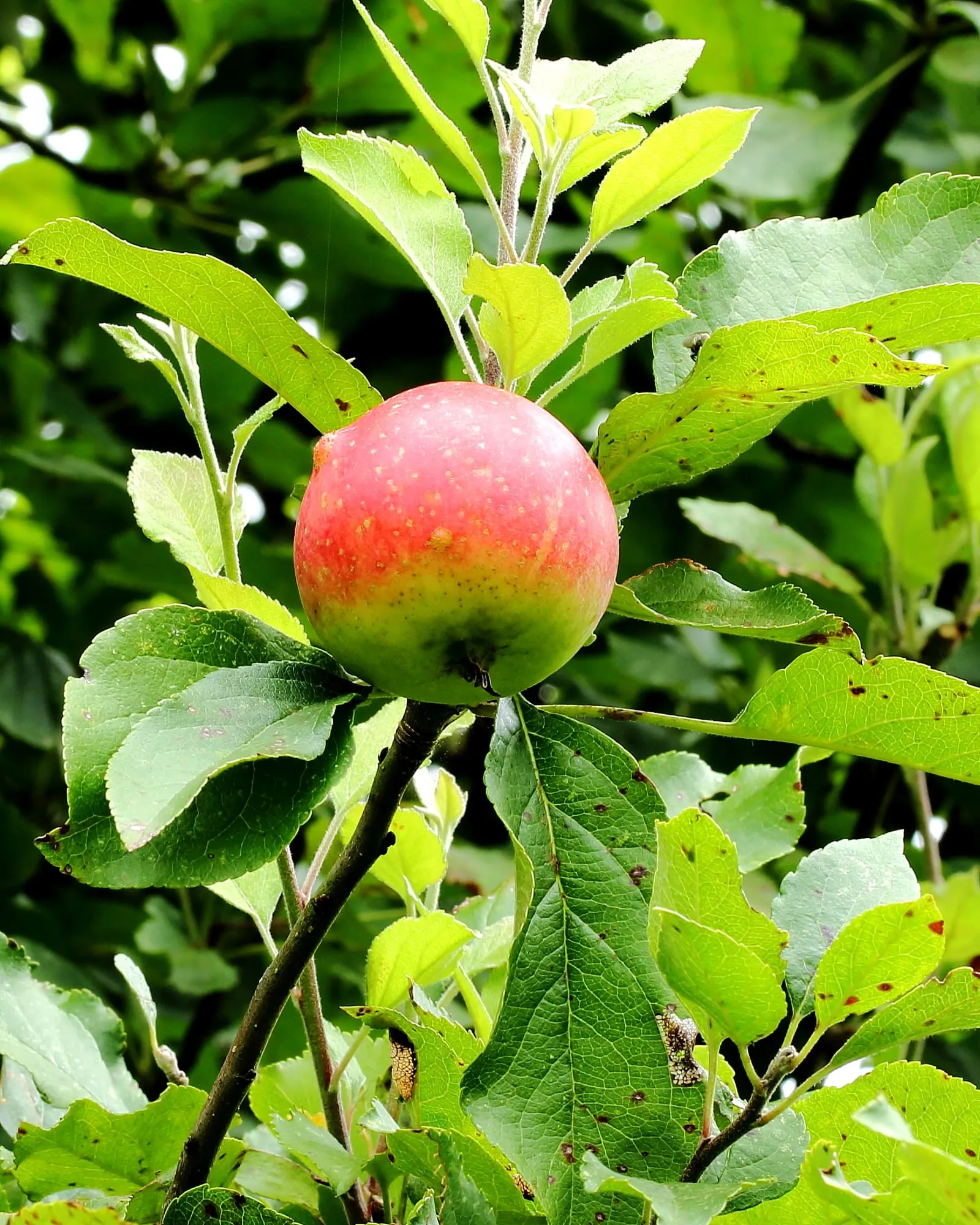 zone 7a
 Apple
Malus domestica
zones 3a–9a
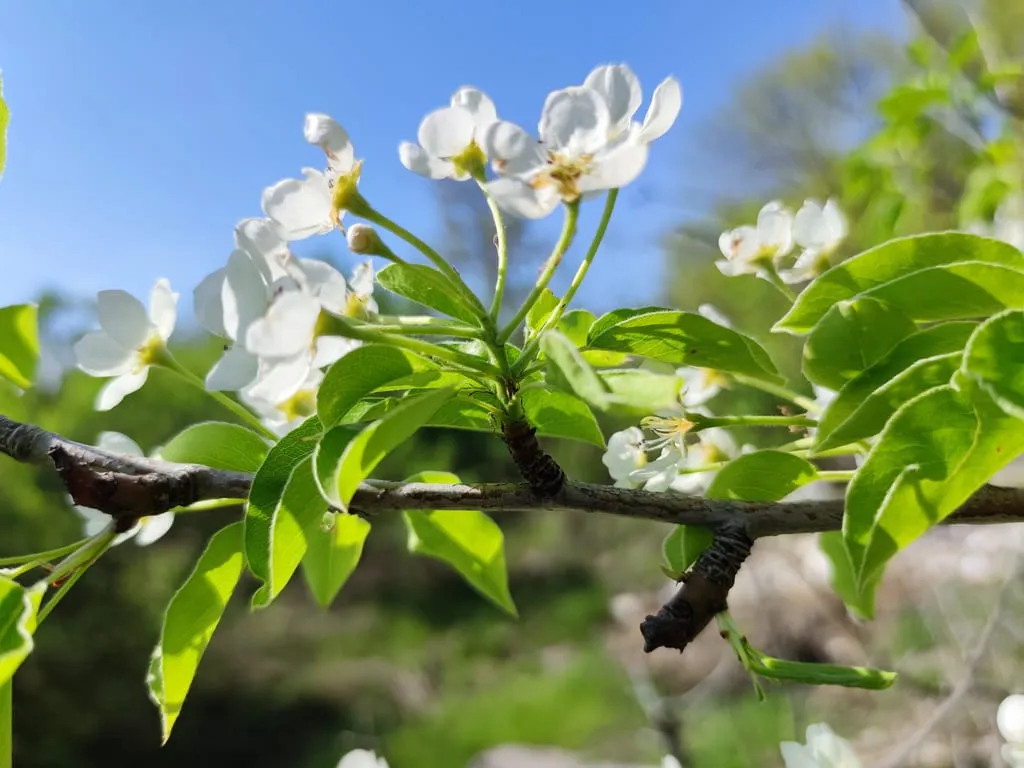 zone 7a
 Pear
Pyrus communis
zones 4a–8b
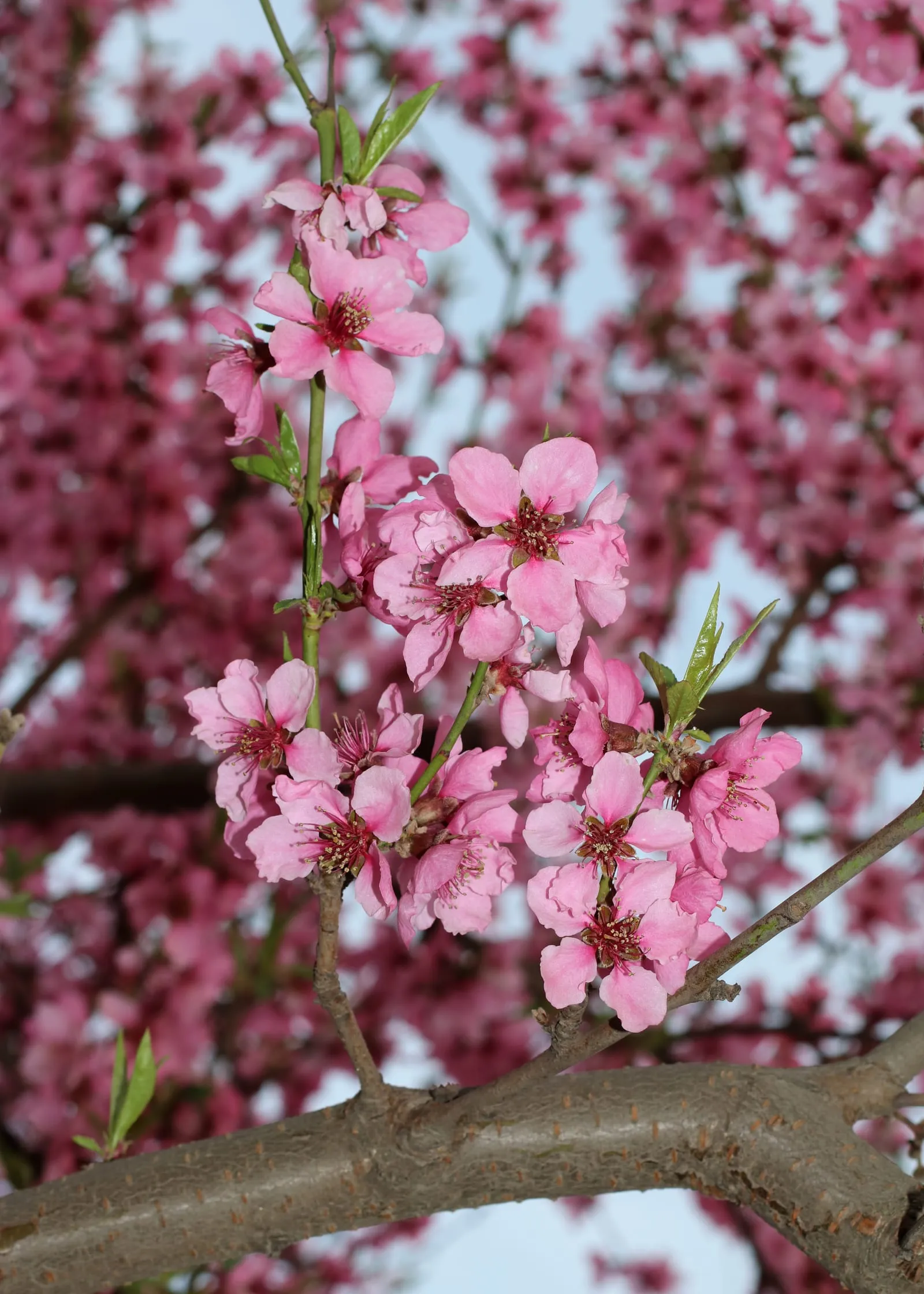 zone 7a
 Peach
Prunus persica
zones 5a–9a
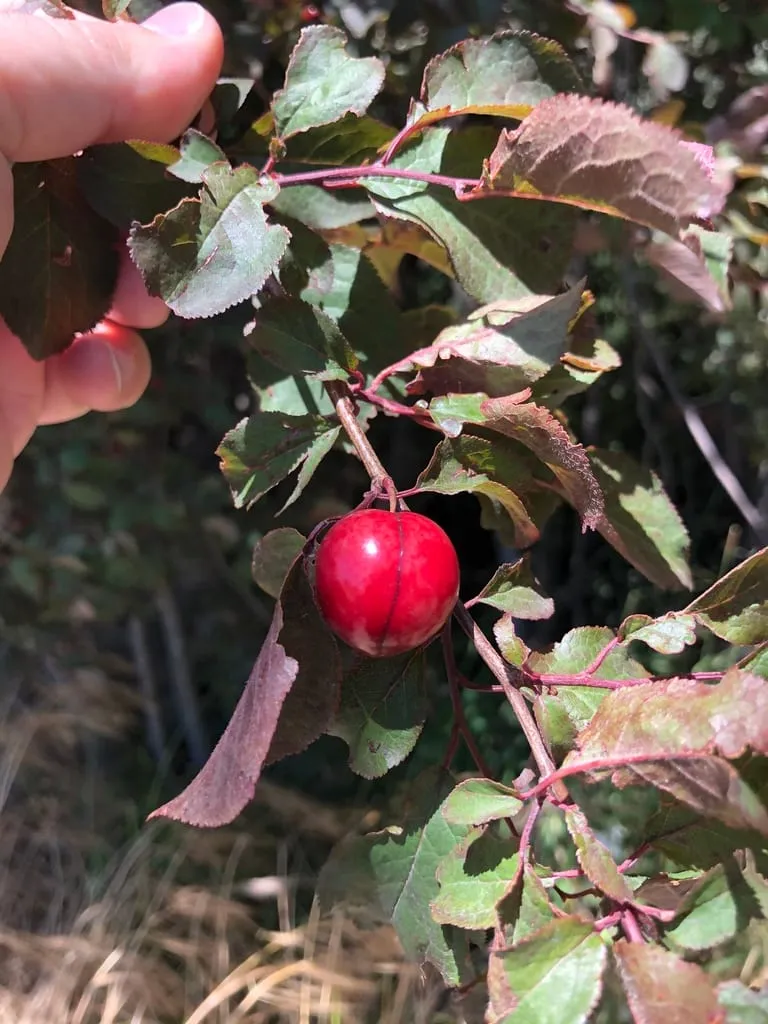 zone 7a
 European Plum
Prunus domestica
zones 4a–8a
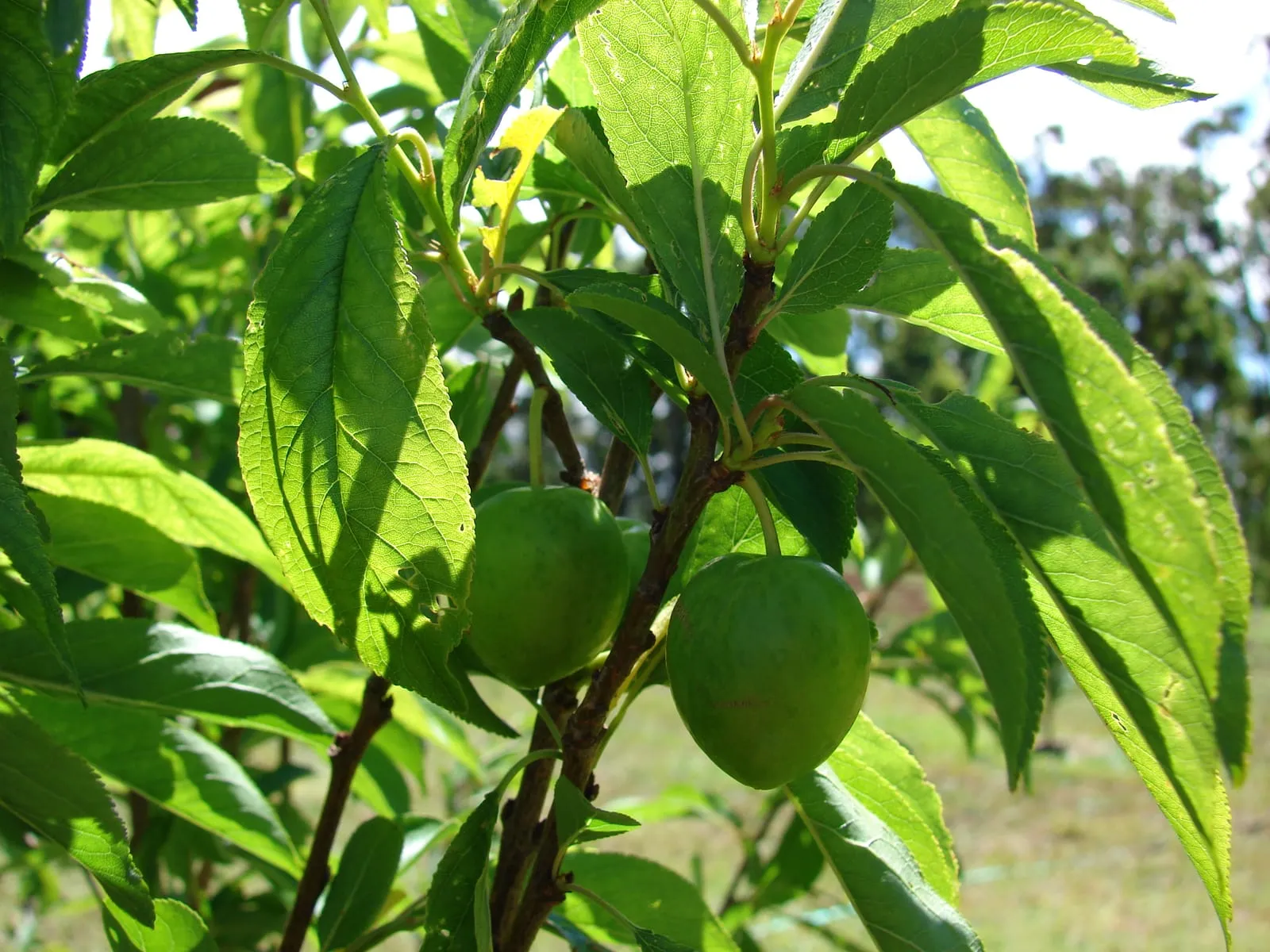 zone 7a
 Japanese Plum
Prunus salicina
zones 5b–9a
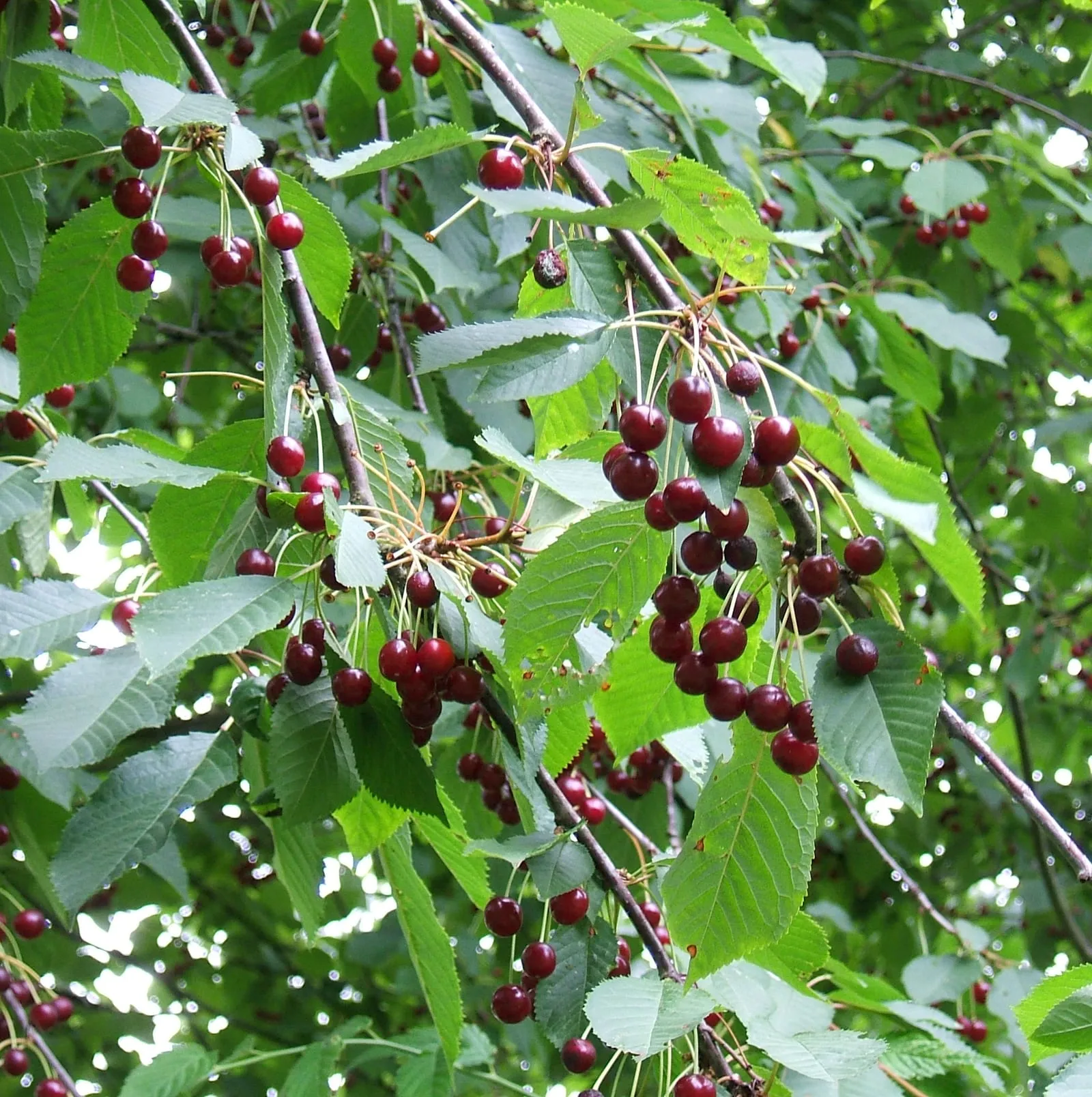 zone 7a
 Sweet Cherry
Prunus avium
zones 5a–8a
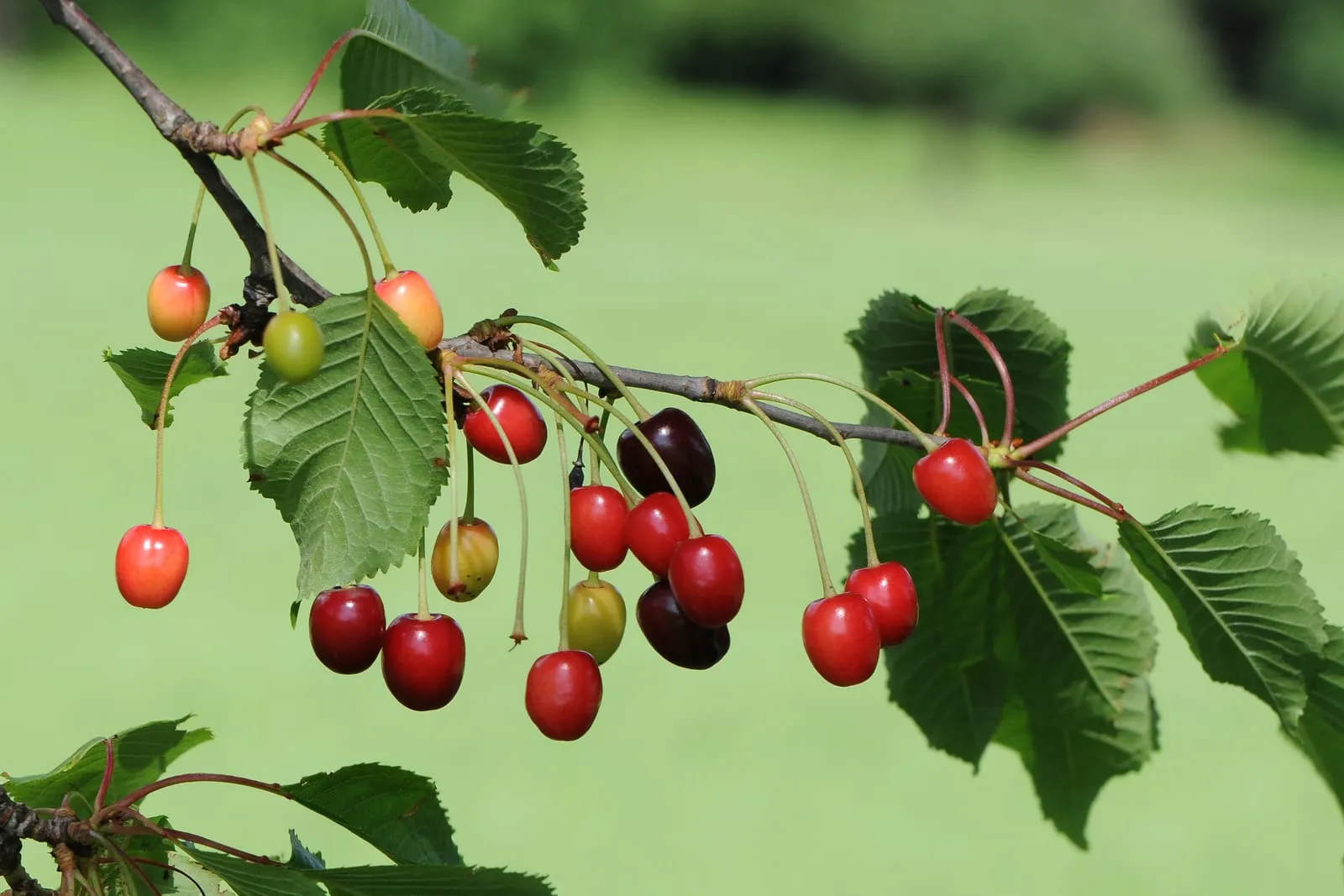 zone 7a
 Sour Cherry
Prunus cerasus
zones 4a–7b
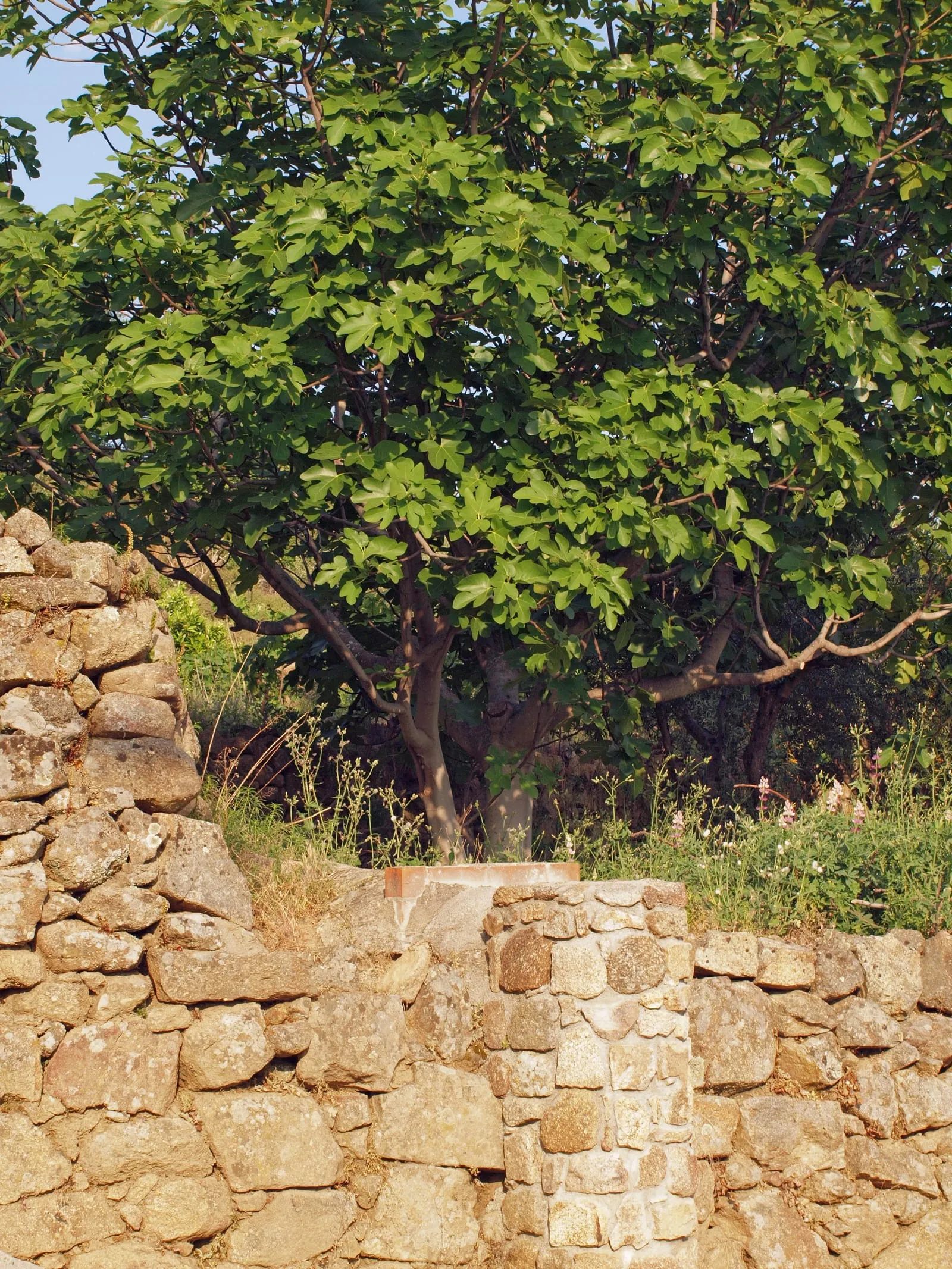 zone 7a
 Fig
Ficus carica
zones 7a–10b
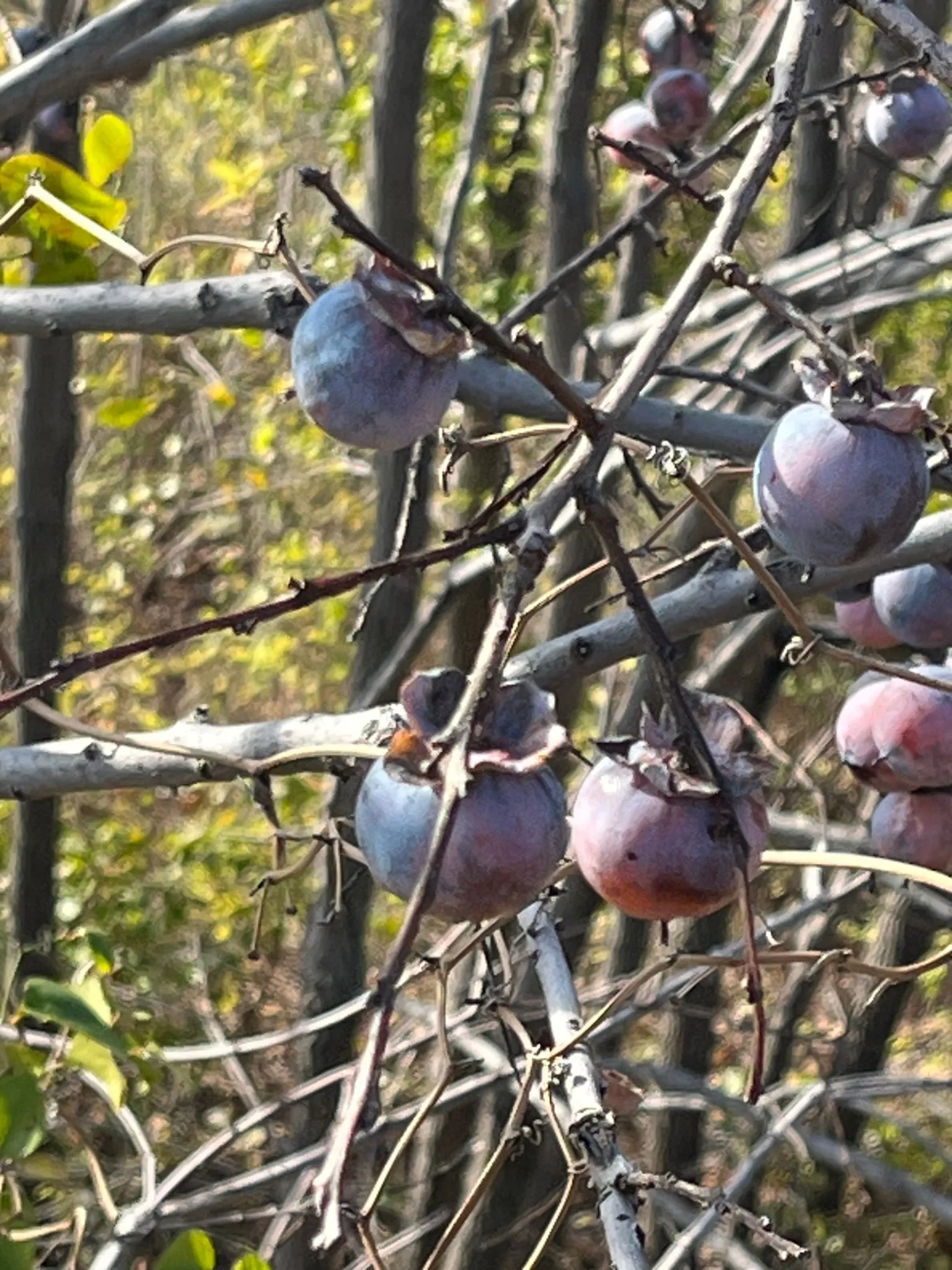 zone 7a
 American Persimmon
Diospyros virginiana
zones 4b–9a
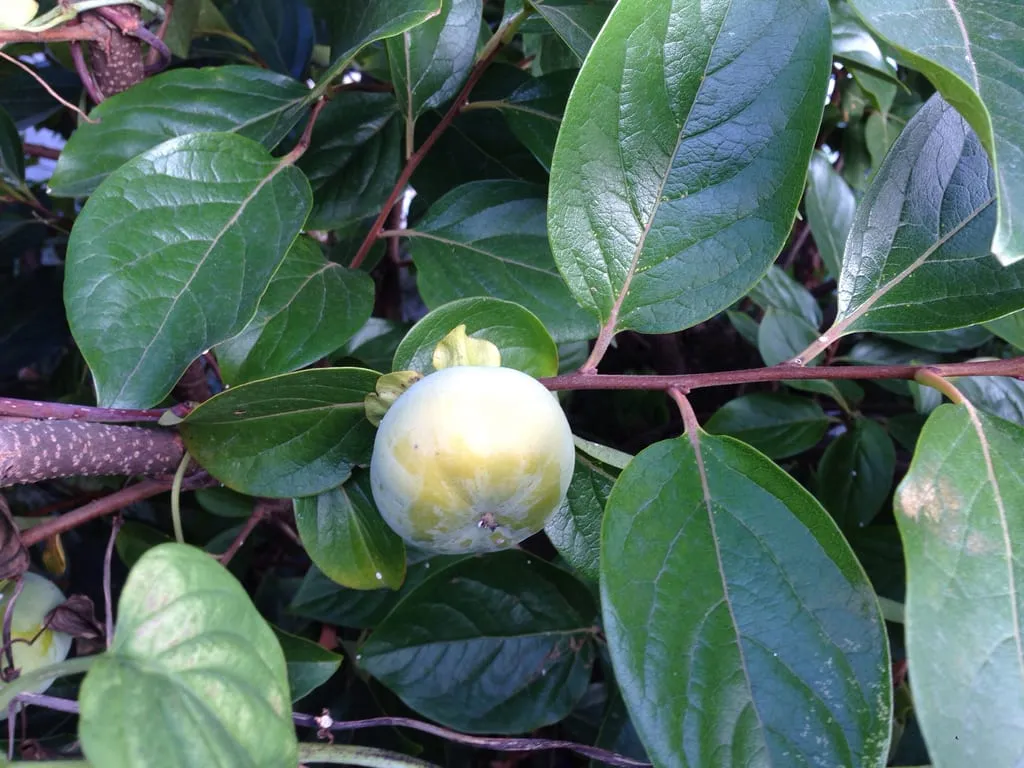 zone 7a
 Asian Persimmon
Diospyros kaki
zones 7a–10a
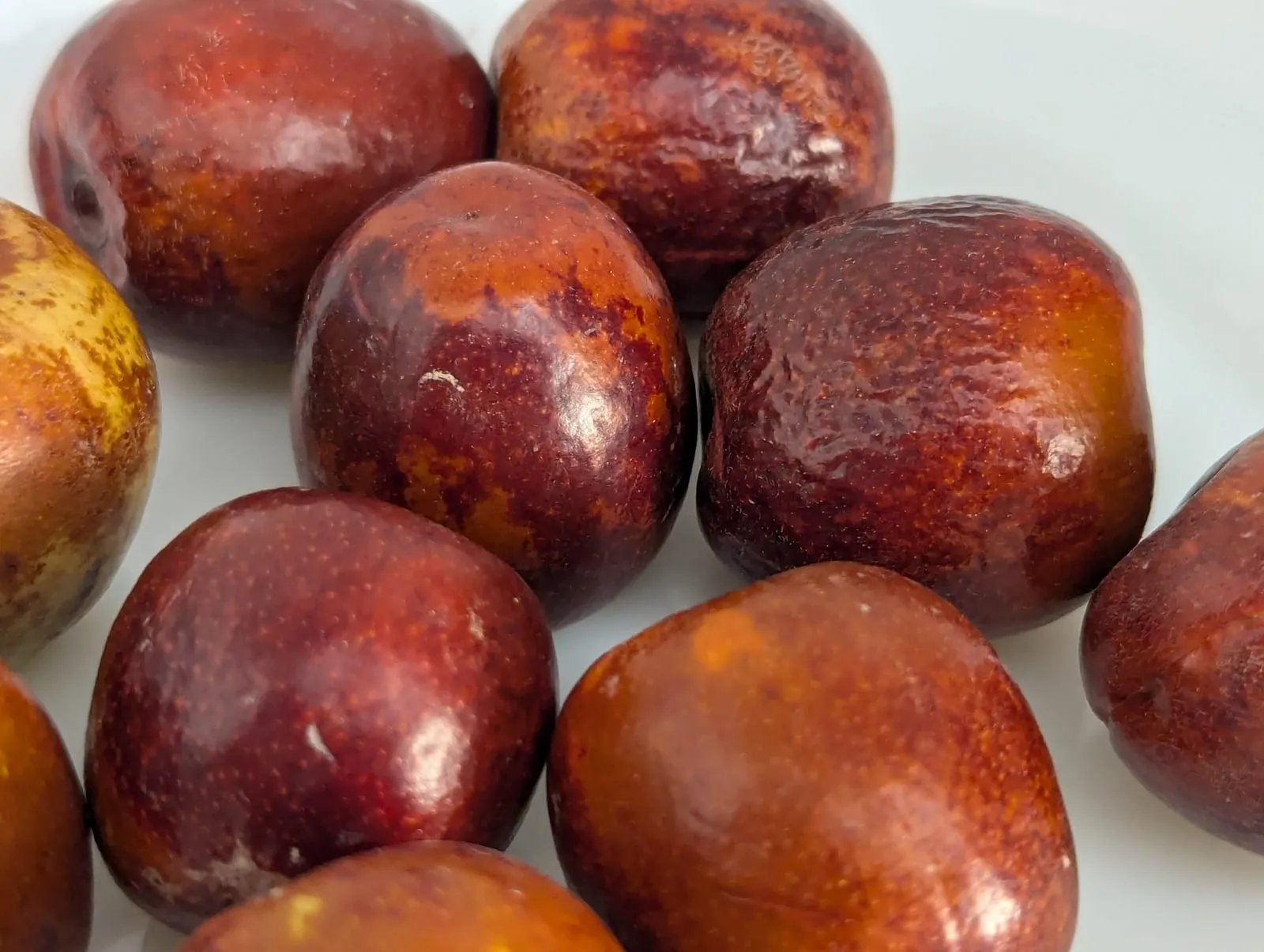 zone 7a
 Jujube
Ziziphus jujuba
zones 6a–9b
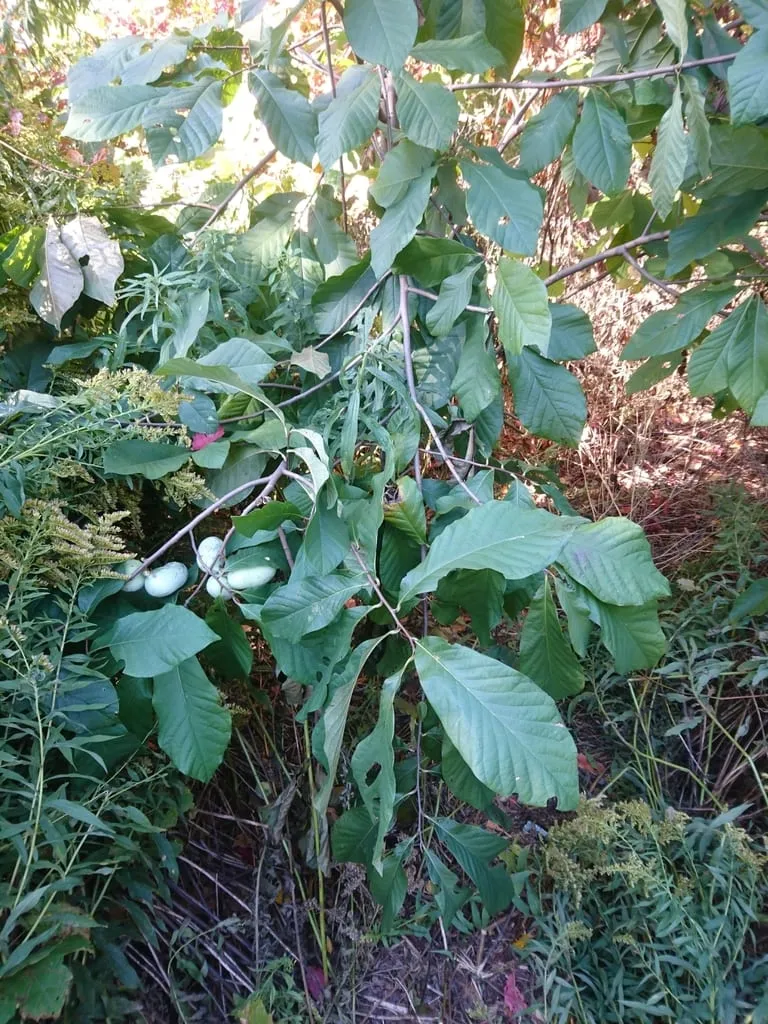 zone 7a
 Pawpaw
Asimina triloba
zones 5a–8b
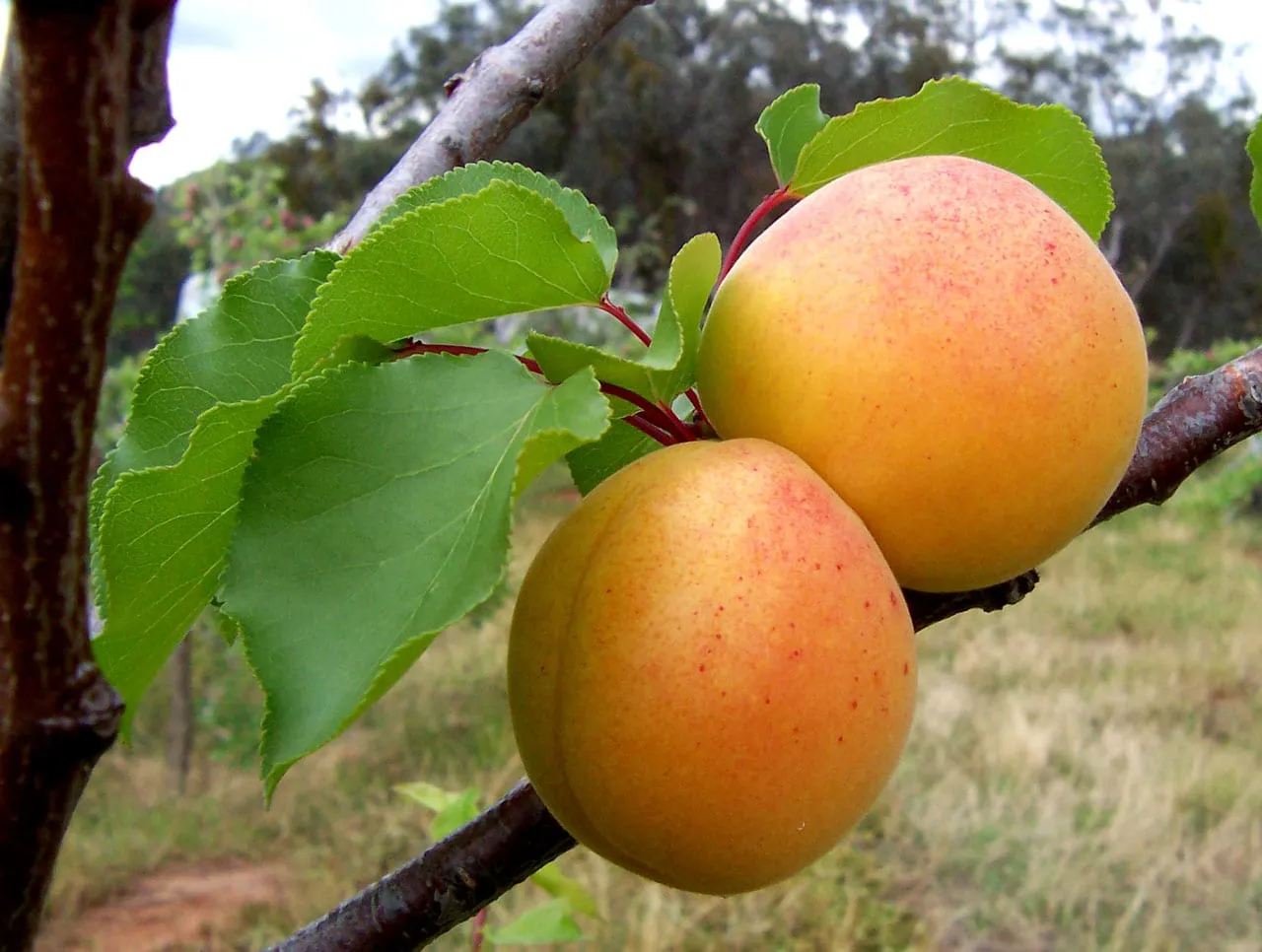 zone 7a
 Apricot
Prunus armeniaca
zones 5a–8a
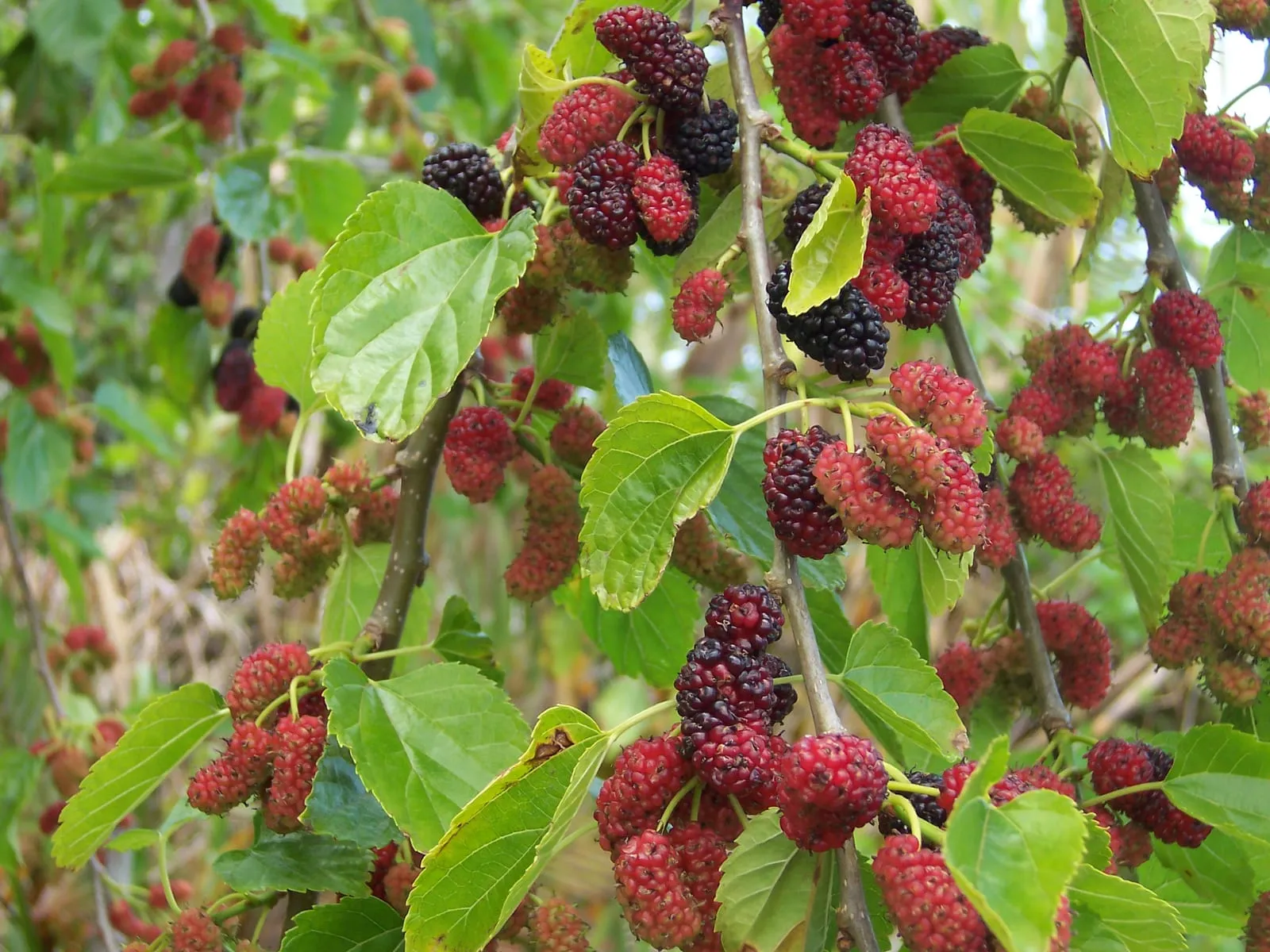 zone 7a
 Mulberry
Morus species
zones 4b–9a
Berries
20 crops
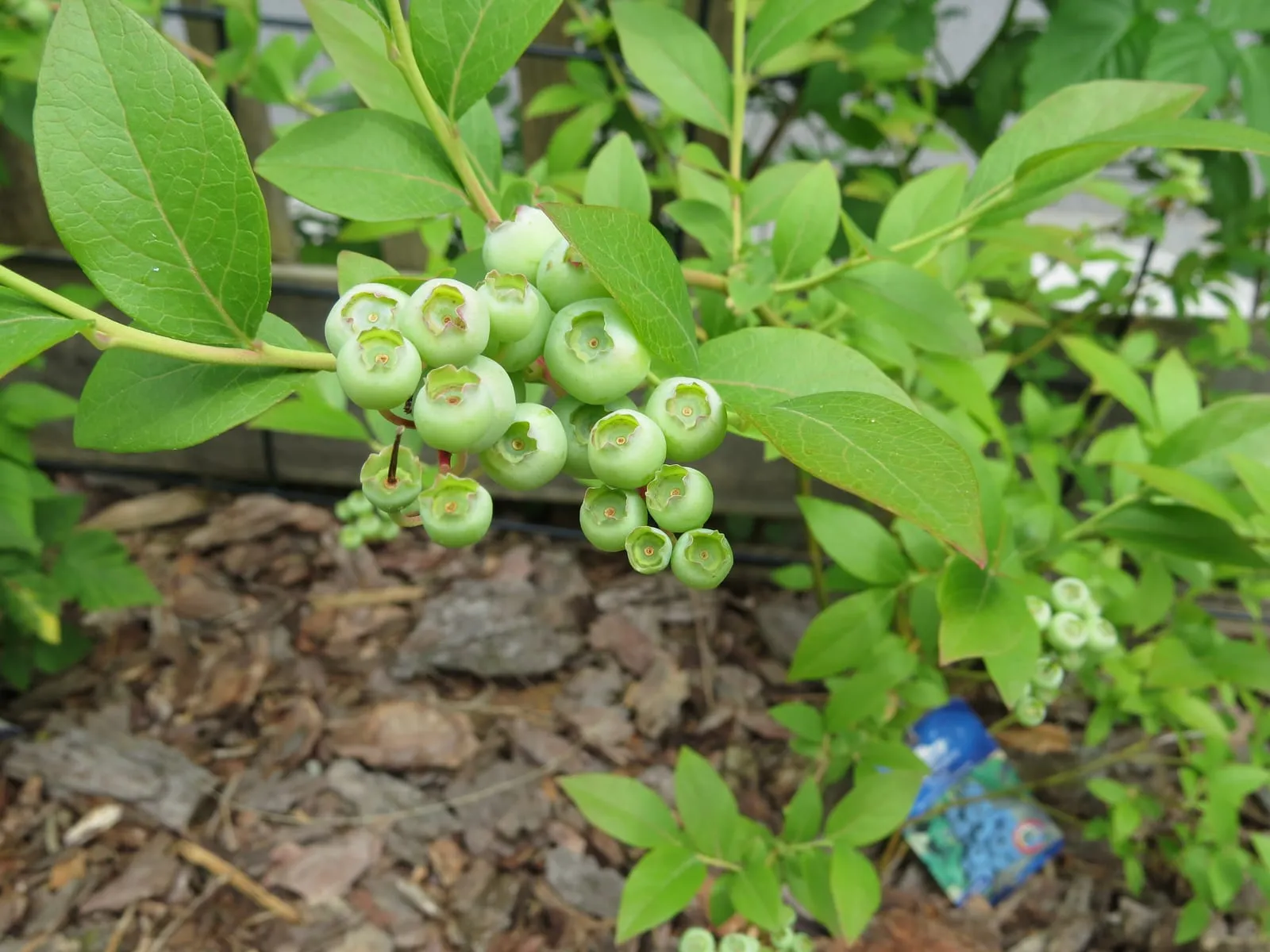 zone 7a
 Highbush Blueberry
Vaccinium corymbosum
zones 4a–7b
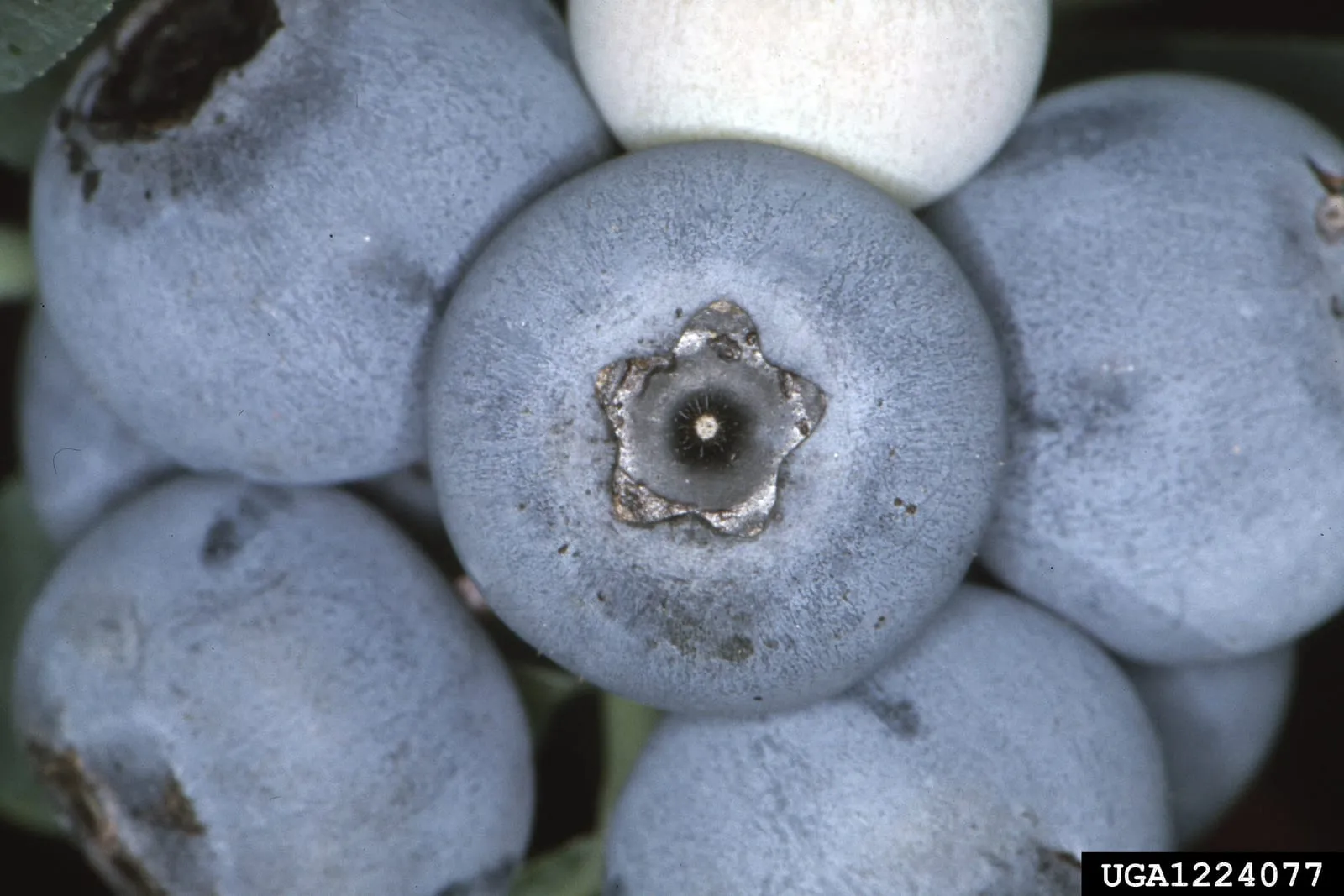 zone 7a
 Rabbiteye Blueberry
Vaccinium virgatum
zones 7a–9a
 zone 7a
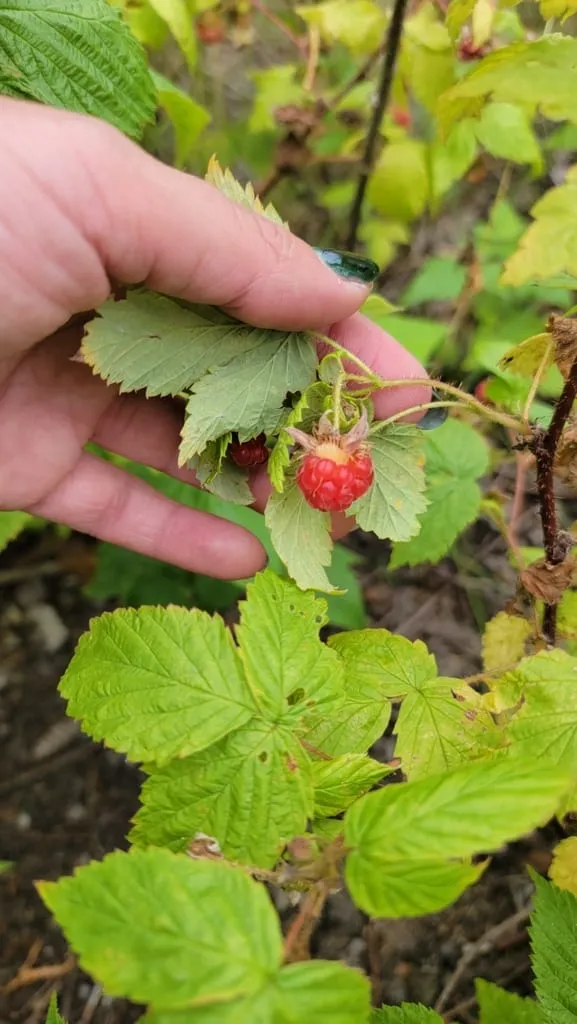
 Red Raspberry
Rubus idaeus
zones 3b–8a
 zone 7a
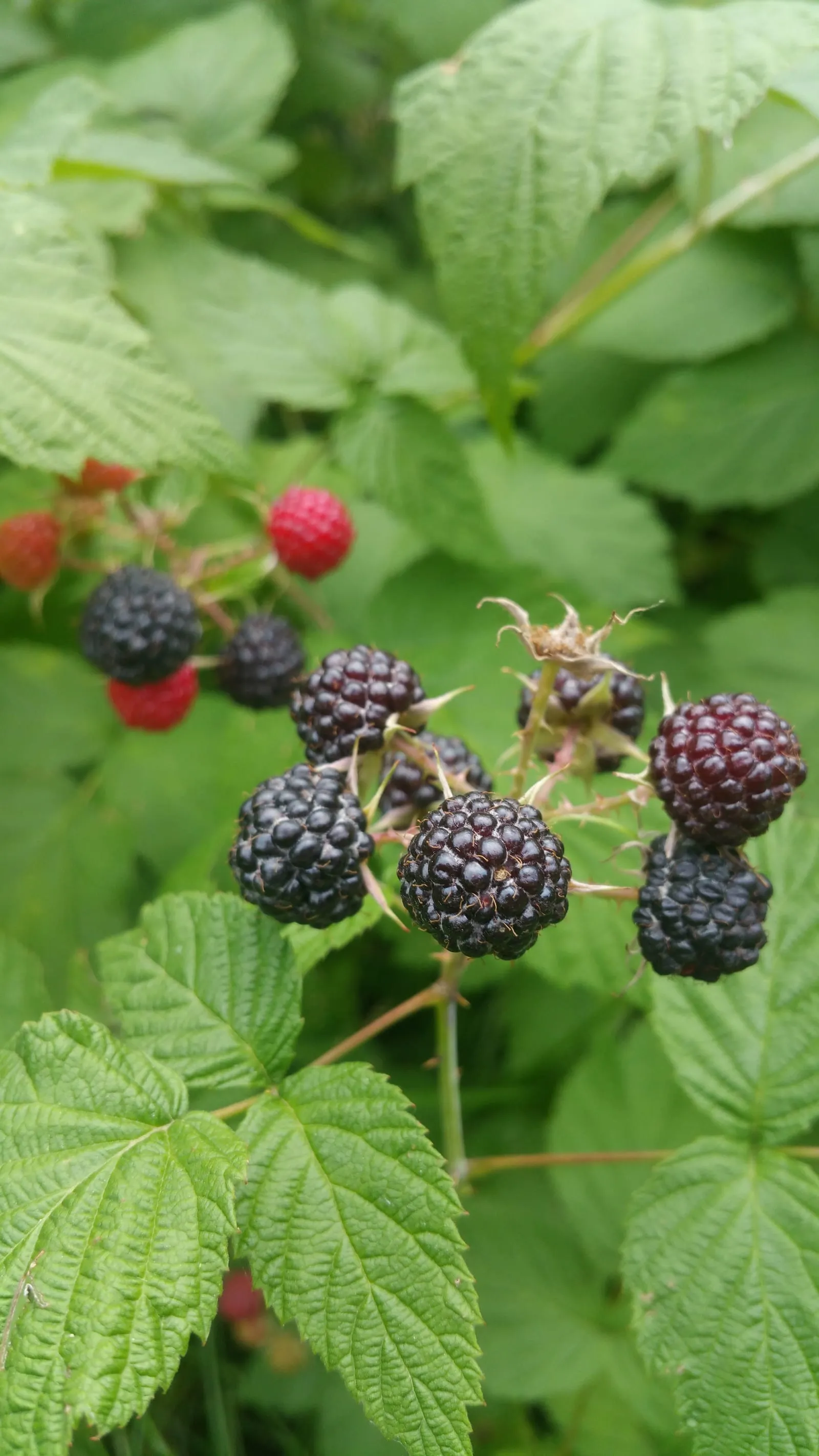
 Black Raspberry
Rubus occidentalis
zones 4a–8a
 zone 7a
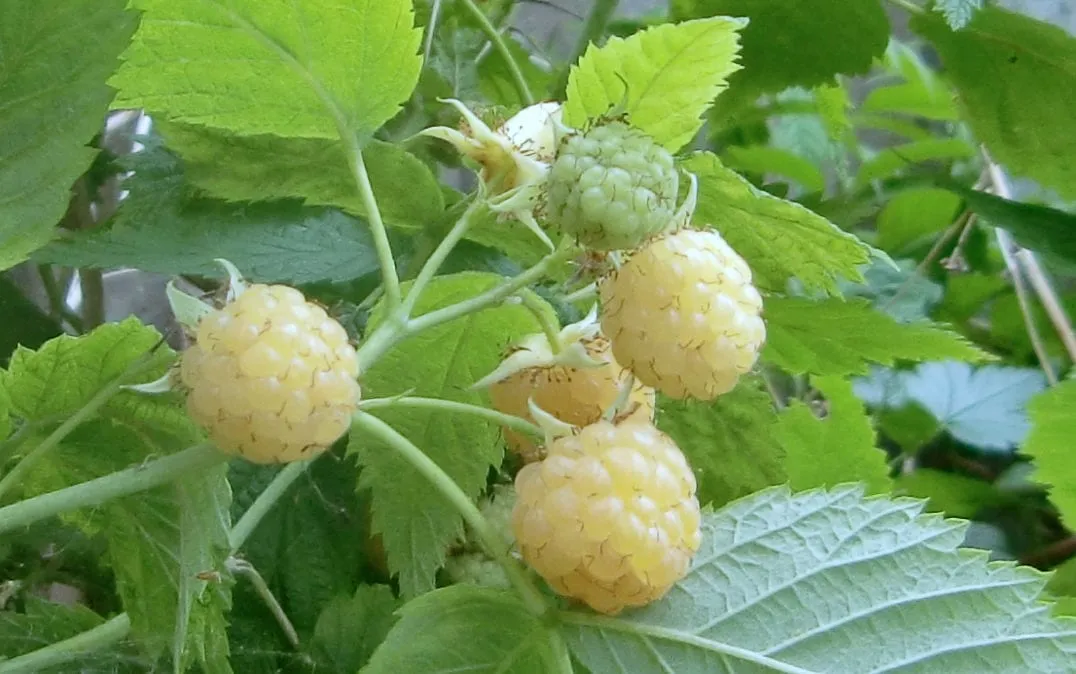
 Yellow Raspberry
Rubus idaeus
zones 3b–8a
 zone 7a
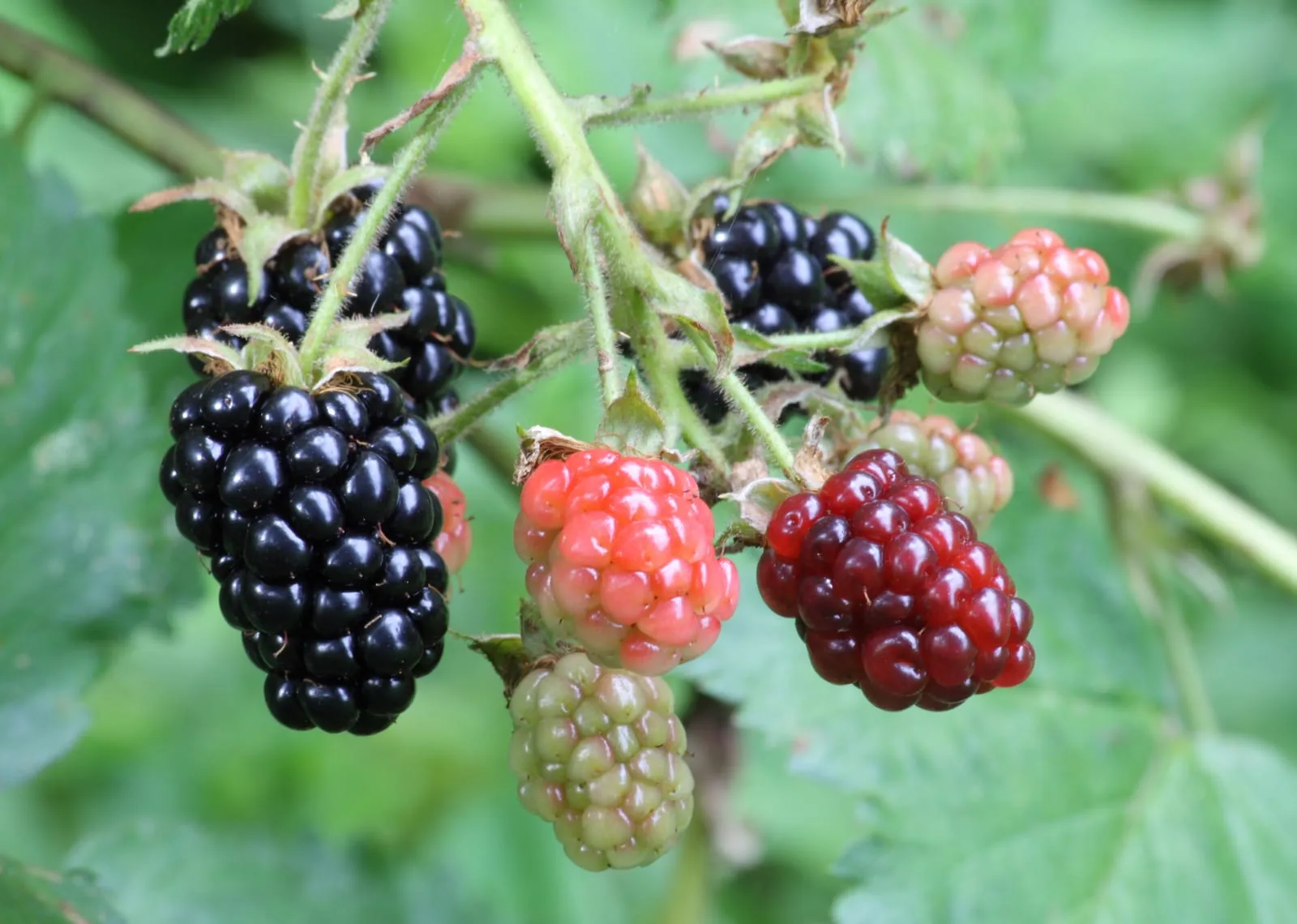
 Blackberry
Rubus subgenus Rubus
zones 5a–9a
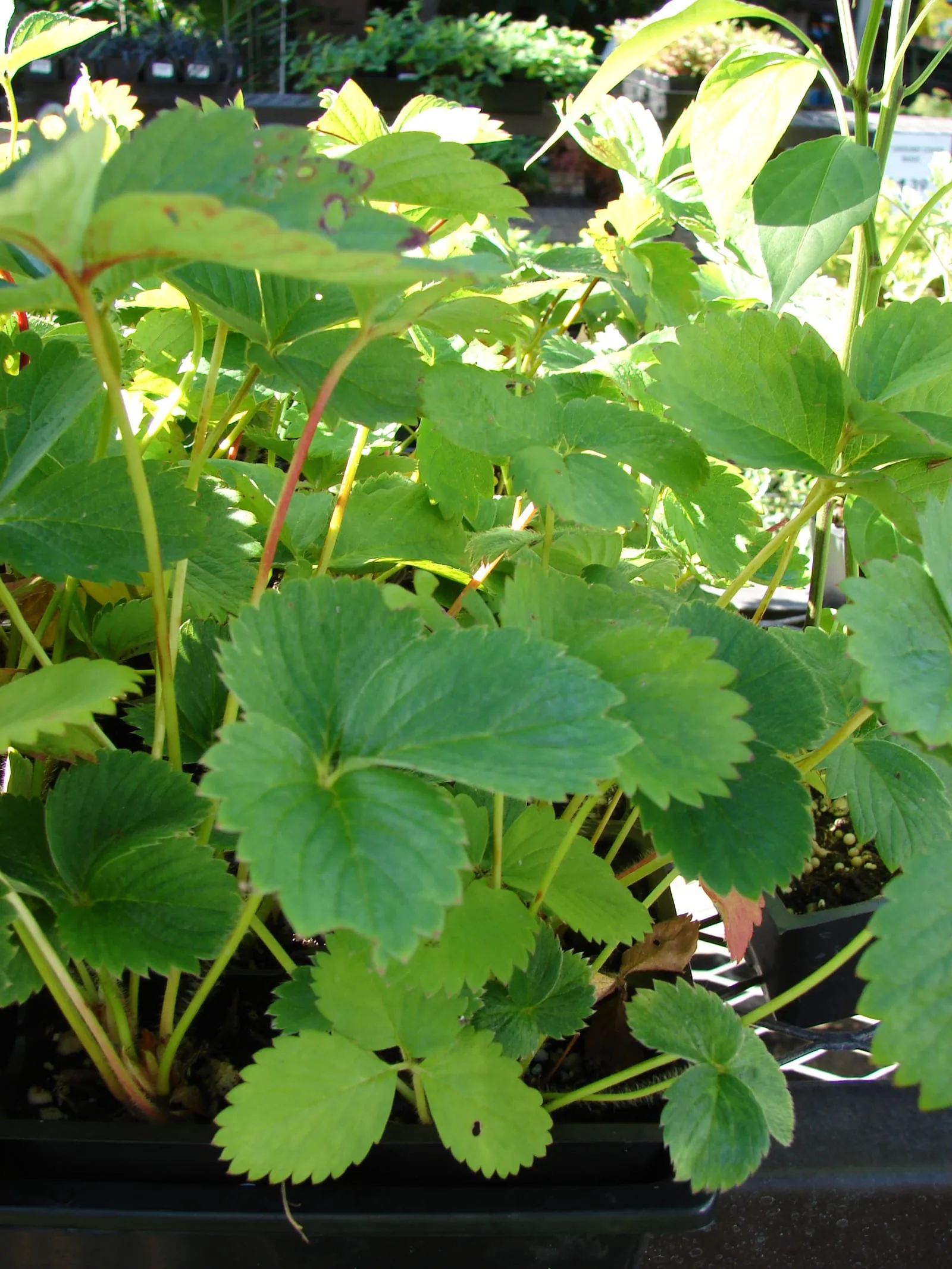 zone 7a
 June-Bearing Strawberry
Fragaria x ananassa
zones 3a–8b
zone 7a Everbearing Strawberry
Fragaria x ananassa
zones 3b–9a
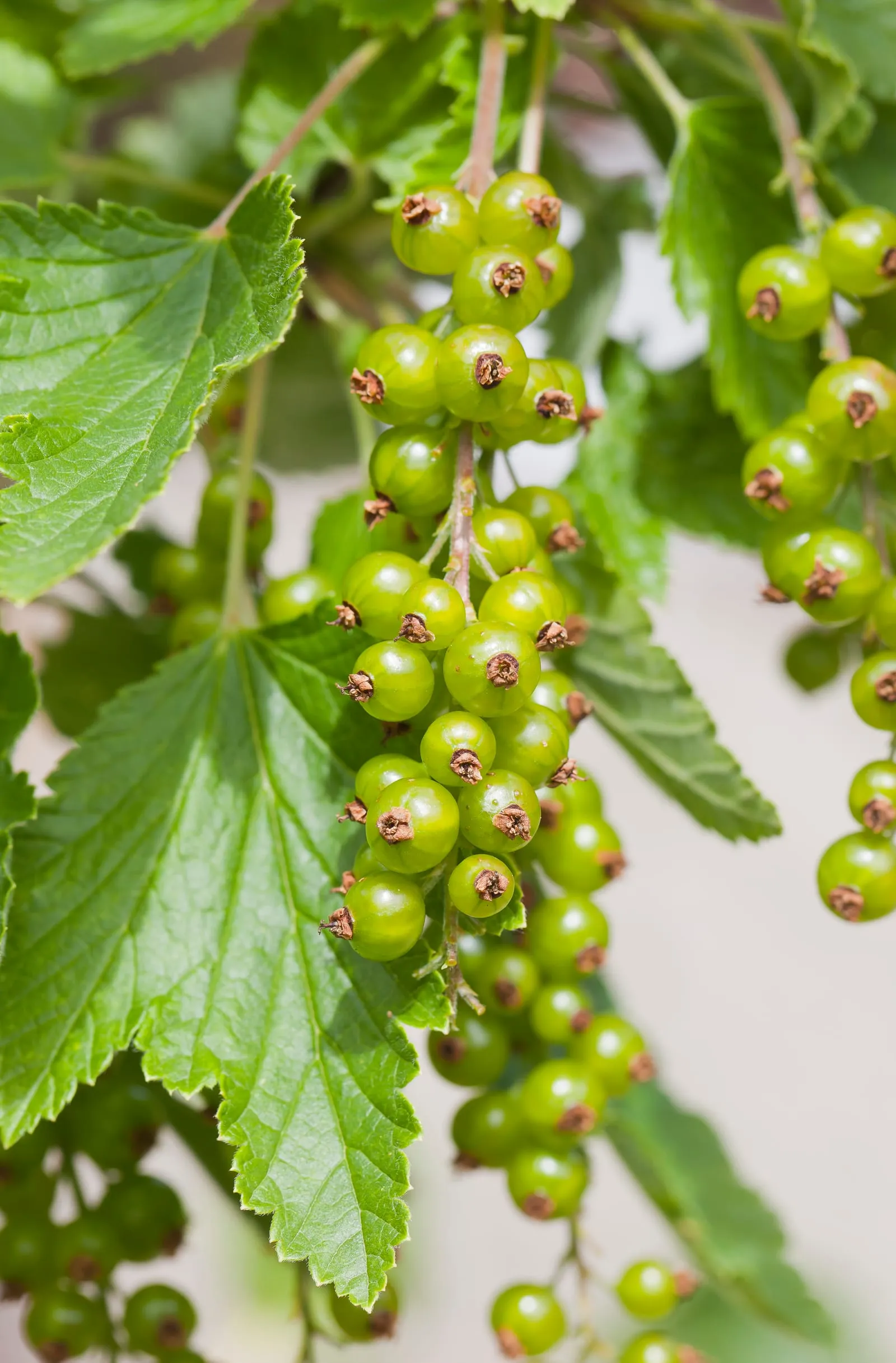 zone 7a
 Red Currant
Ribes rubrum
zones 3a–7a
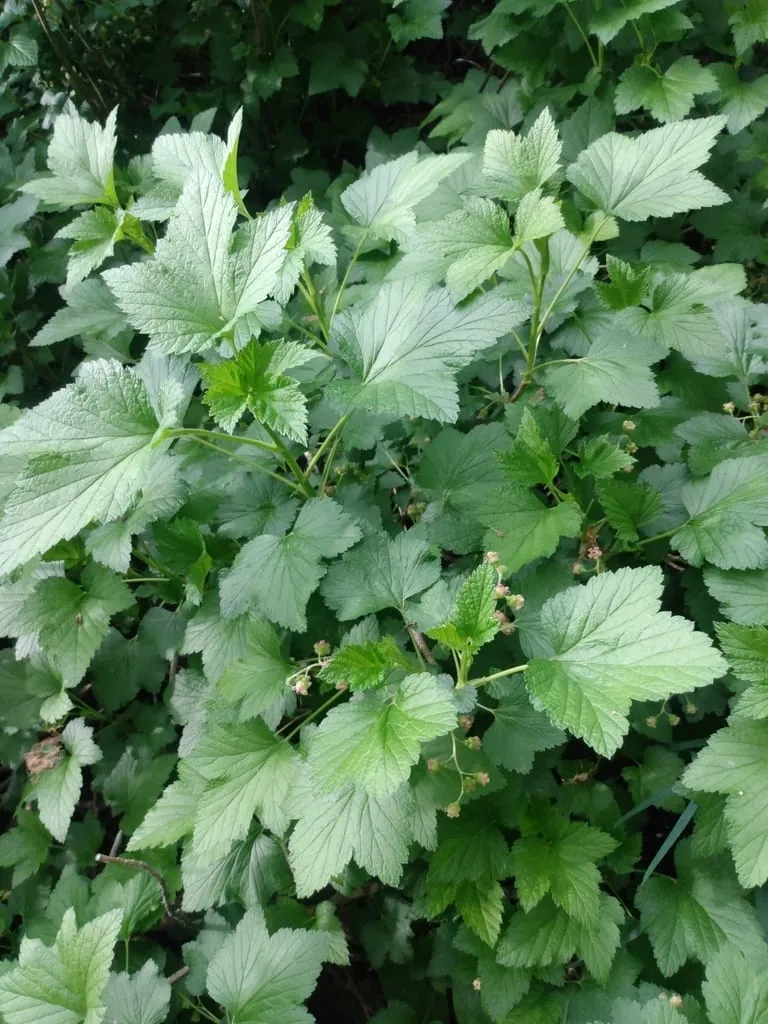 zone 7a
 Black Currant
Ribes nigrum
zones 3a–7a
zone 7a White Currant
Ribes rubrum
zones 3a–7a
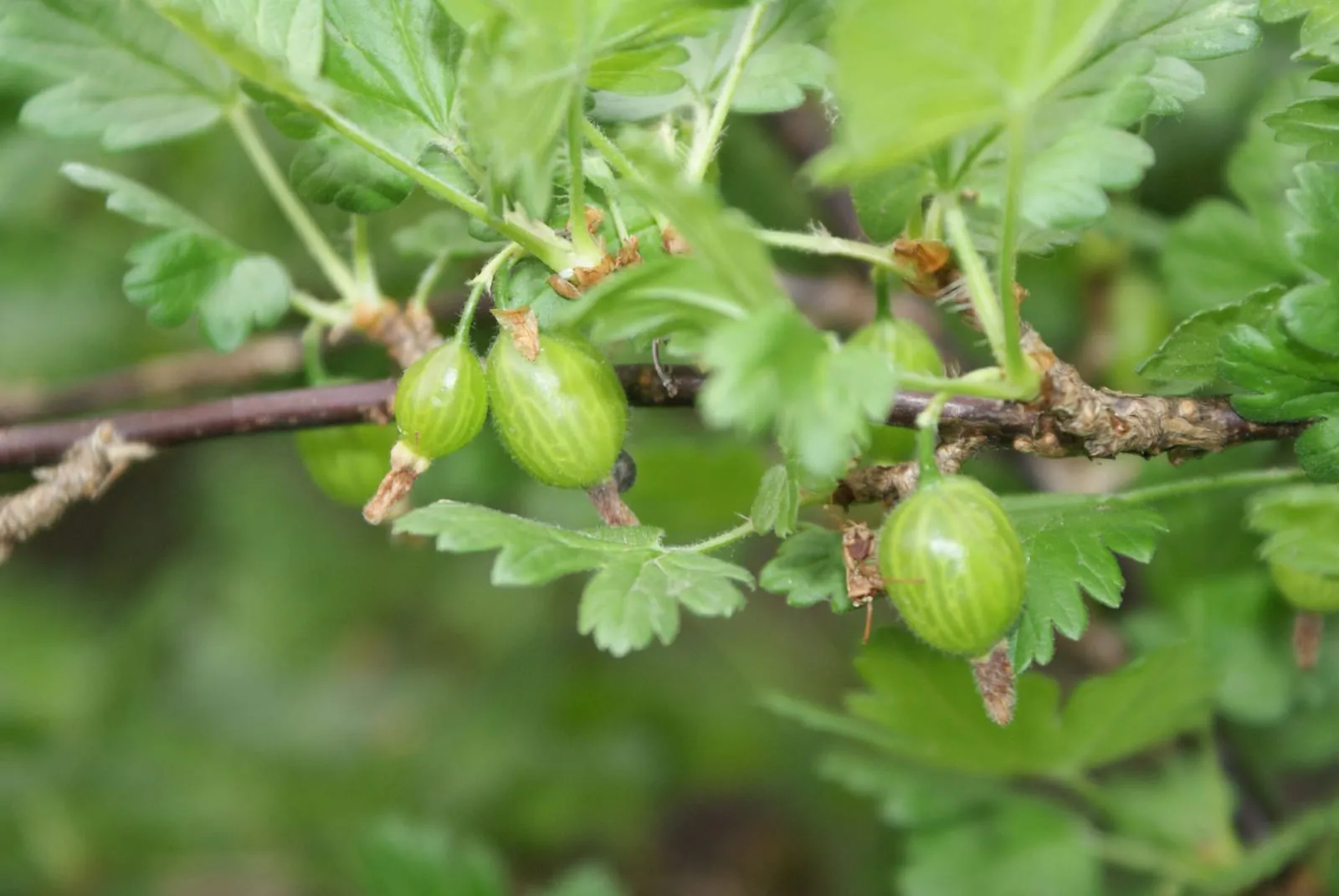 zone 7a
 Gooseberry
Ribes uva-crispa
zones 3a–7b
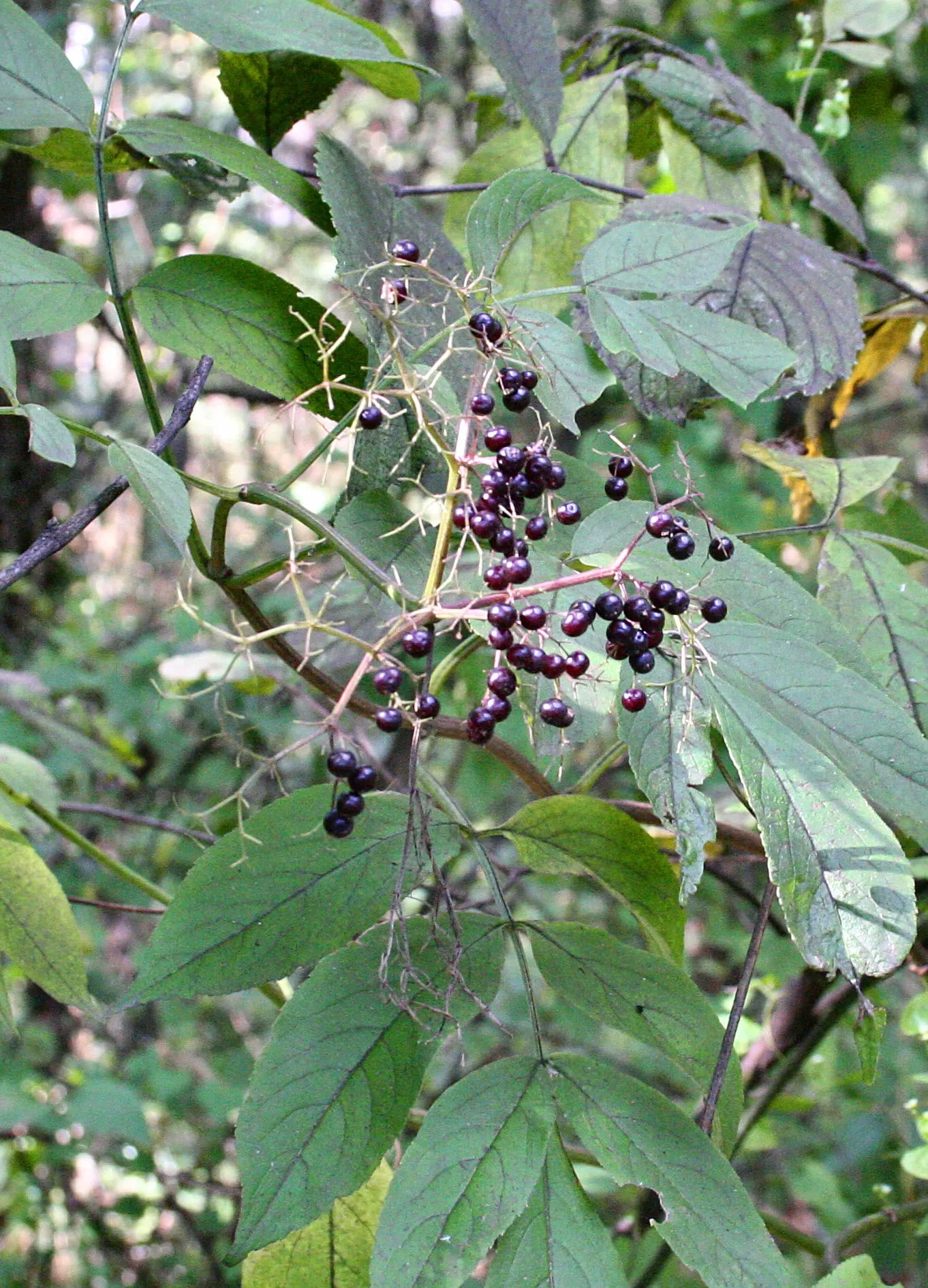 zone 7a
 Elderberry
Sambucus canadensis
zones 3b–9a
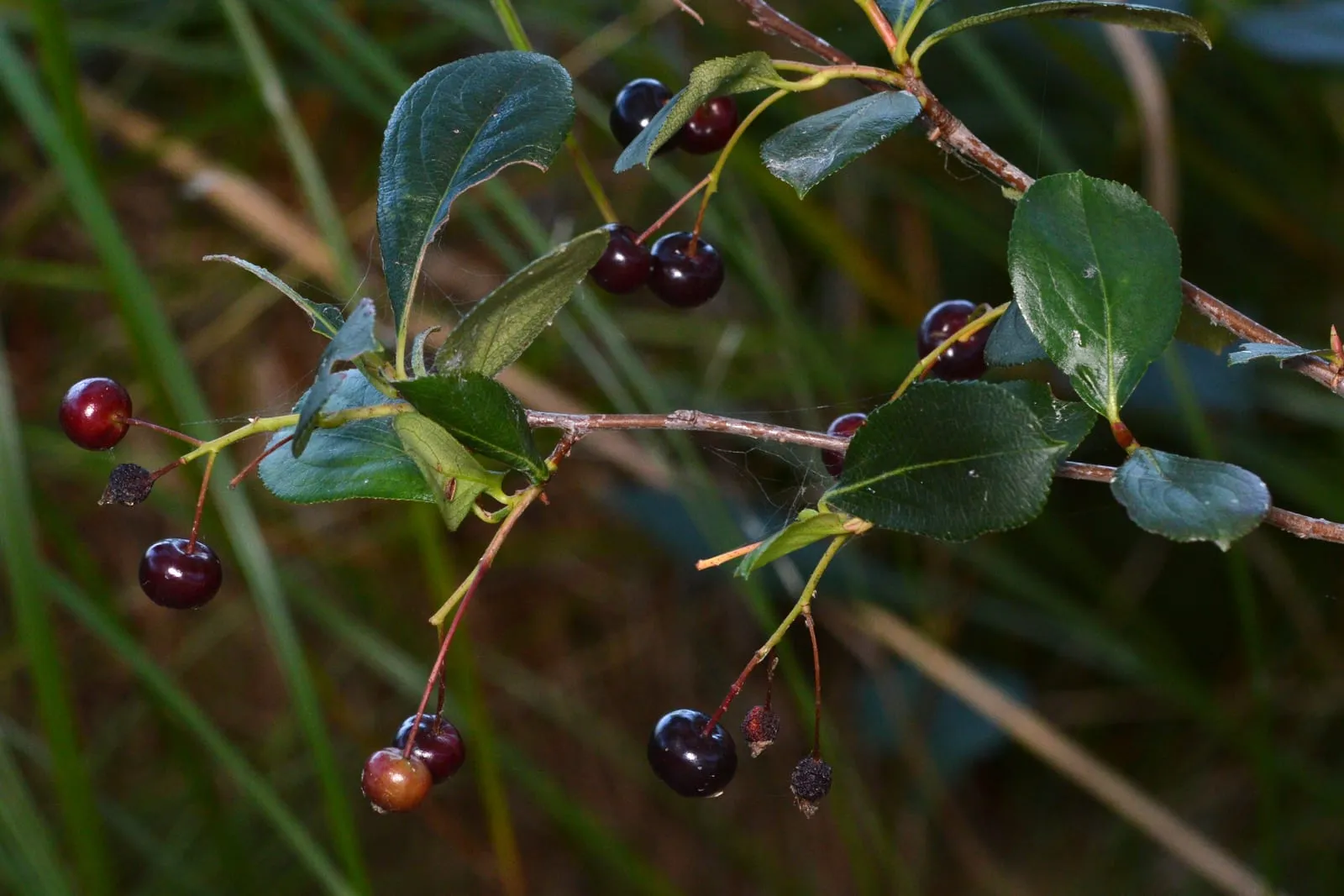 zone 7a
 Aronia (Black Chokeberry)
Aronia melanocarpa
zones 3a–8a
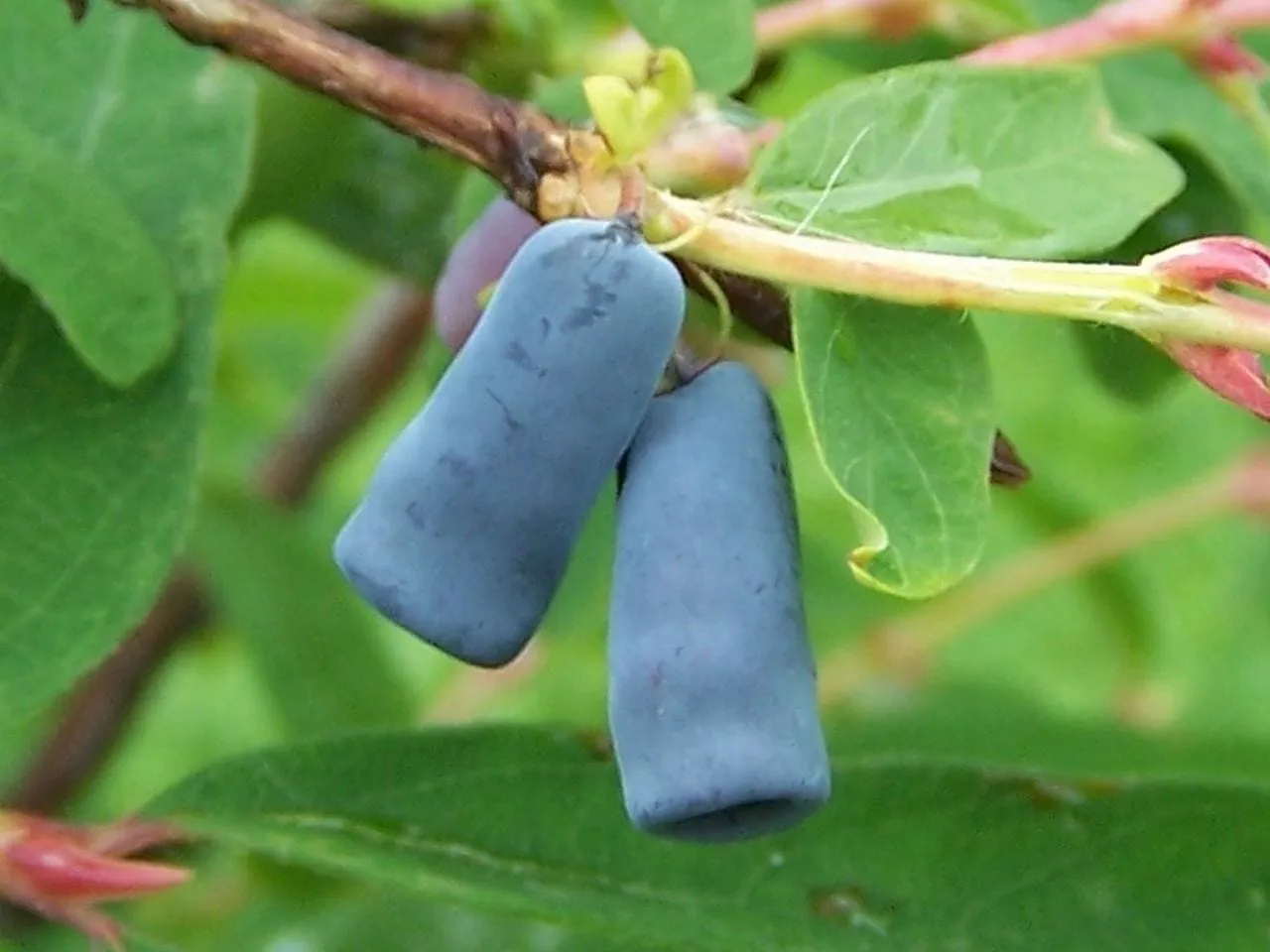 zone 7a
 Honeyberry (Haskap)
Lonicera caerulea
zones 3a–7a
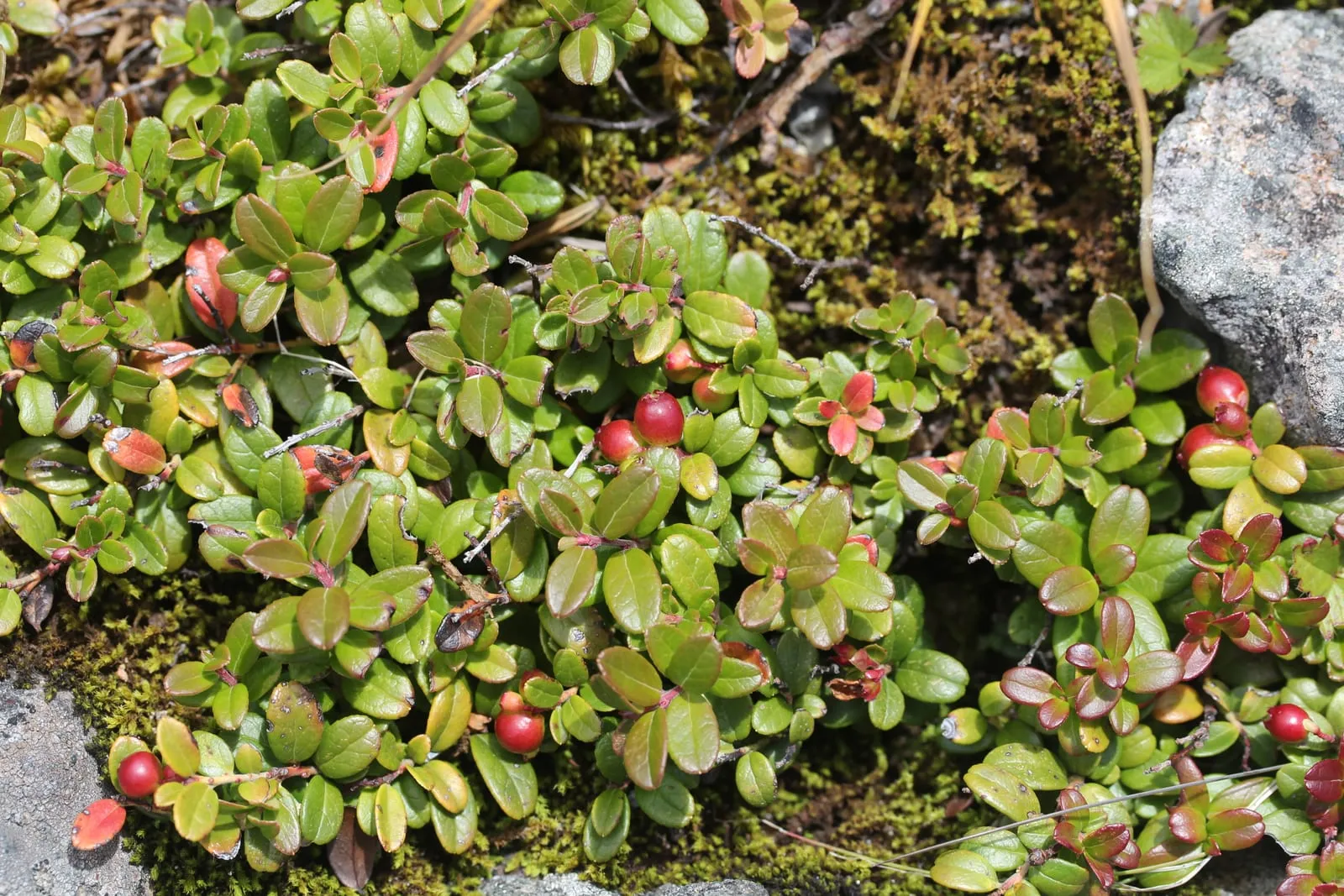 zone 7a
 Lingonberry
Vaccinium vitis-idaea
zones 3a–7a
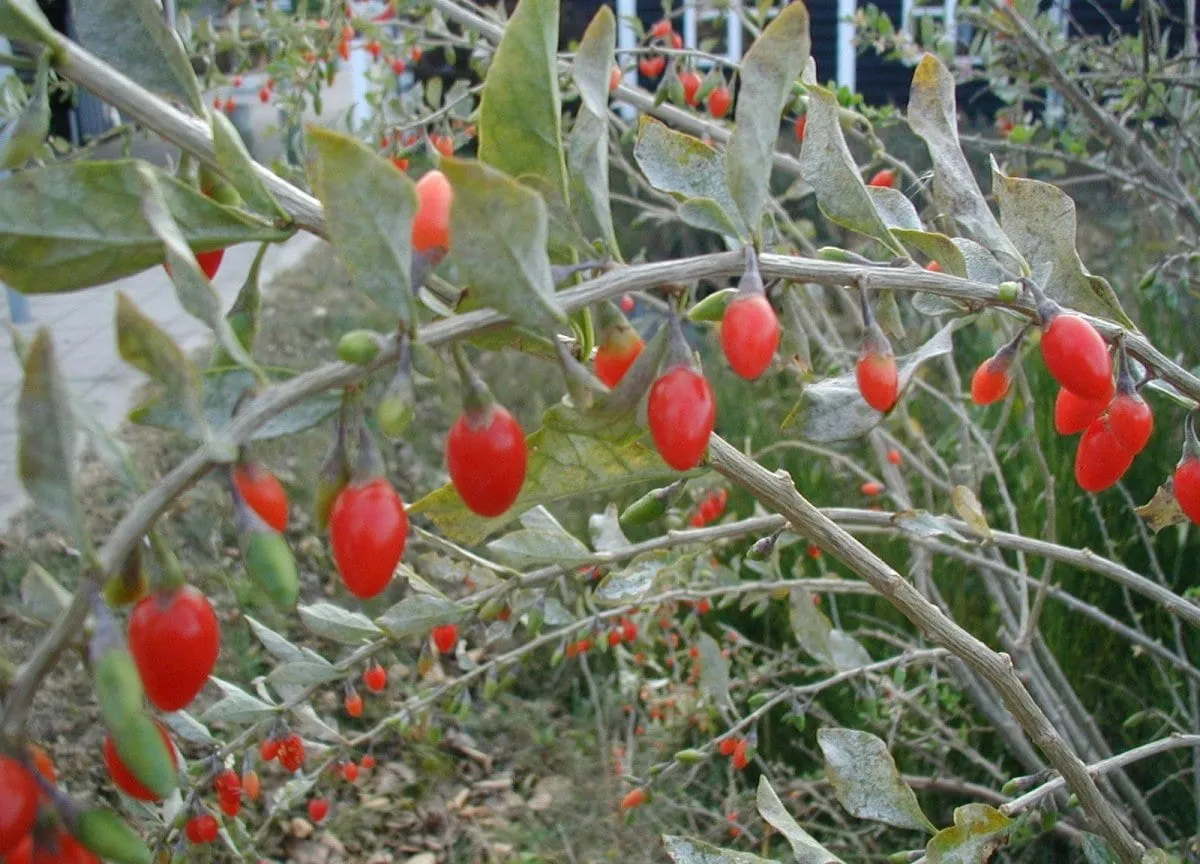 zone 7a
 Goji Berry
Lycium barbarum
zones 3b–10a
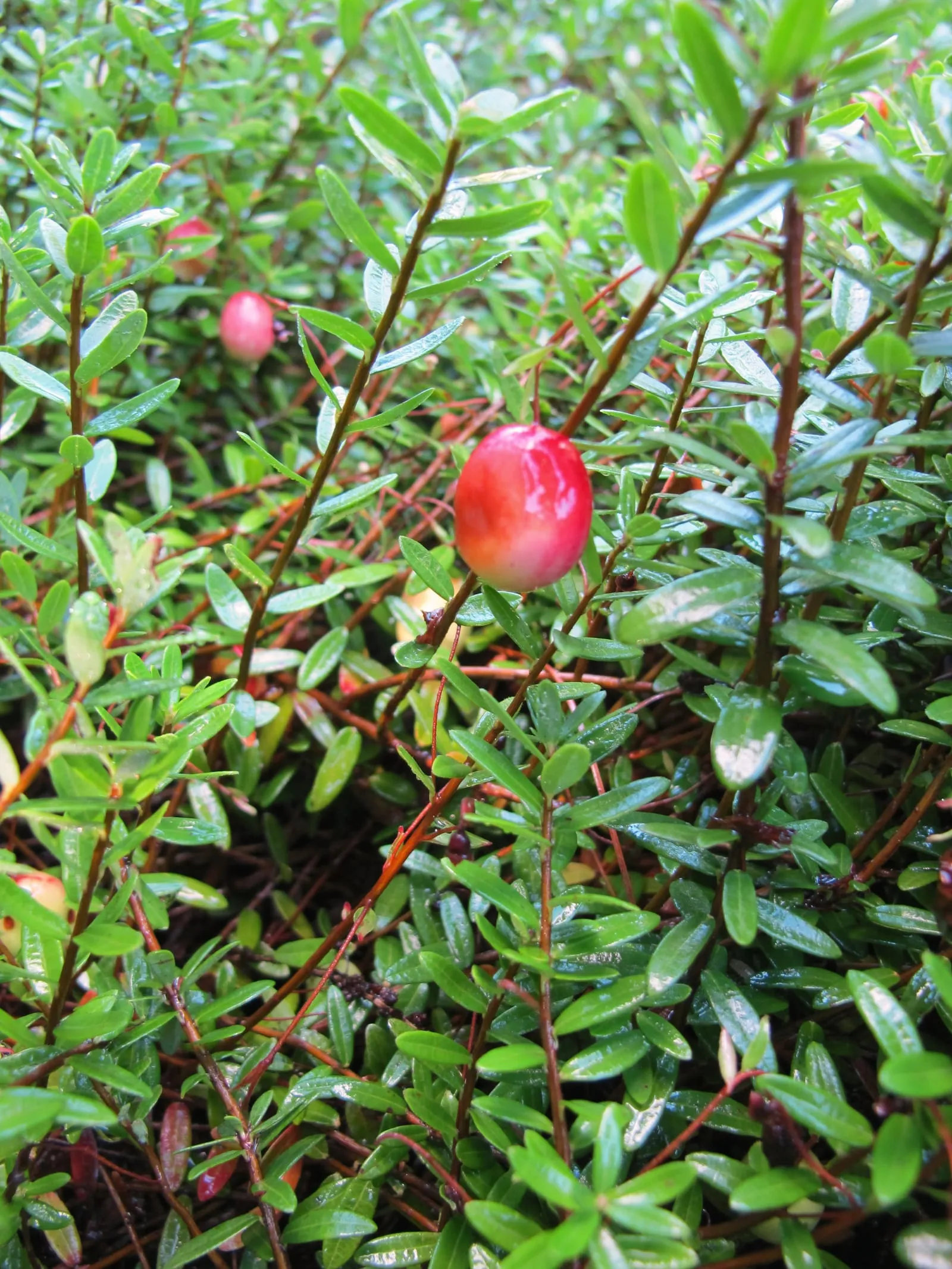 zone 7a
 Cranberry
Vaccinium macrocarpon
zones 3a–7a
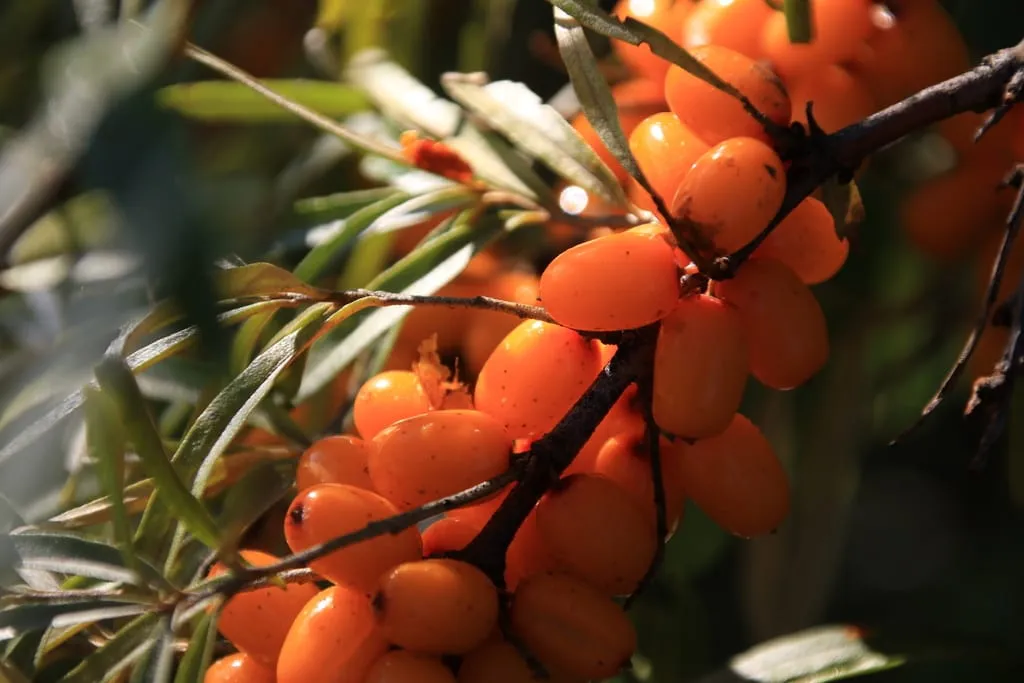 zone 7a
 Sea Buckthorn
Hippophae rhamnoides
zones 3a–7a
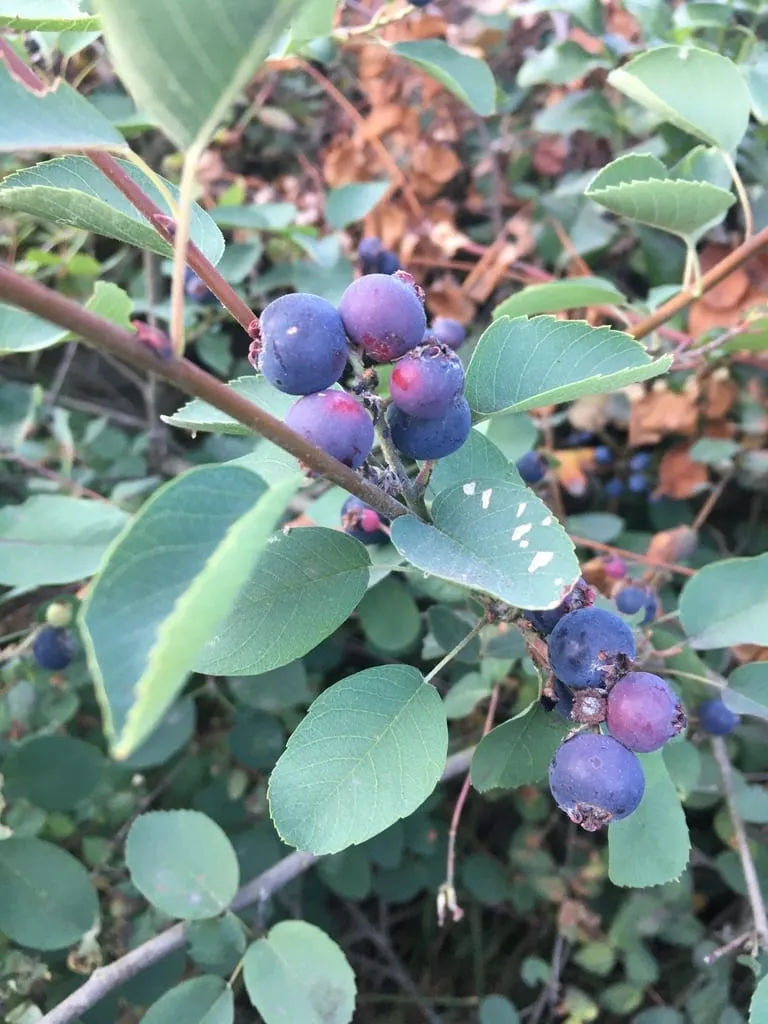 zone 7a
 Saskatoon (Serviceberry)
Amelanchier alnifolia
zones 3a–7a
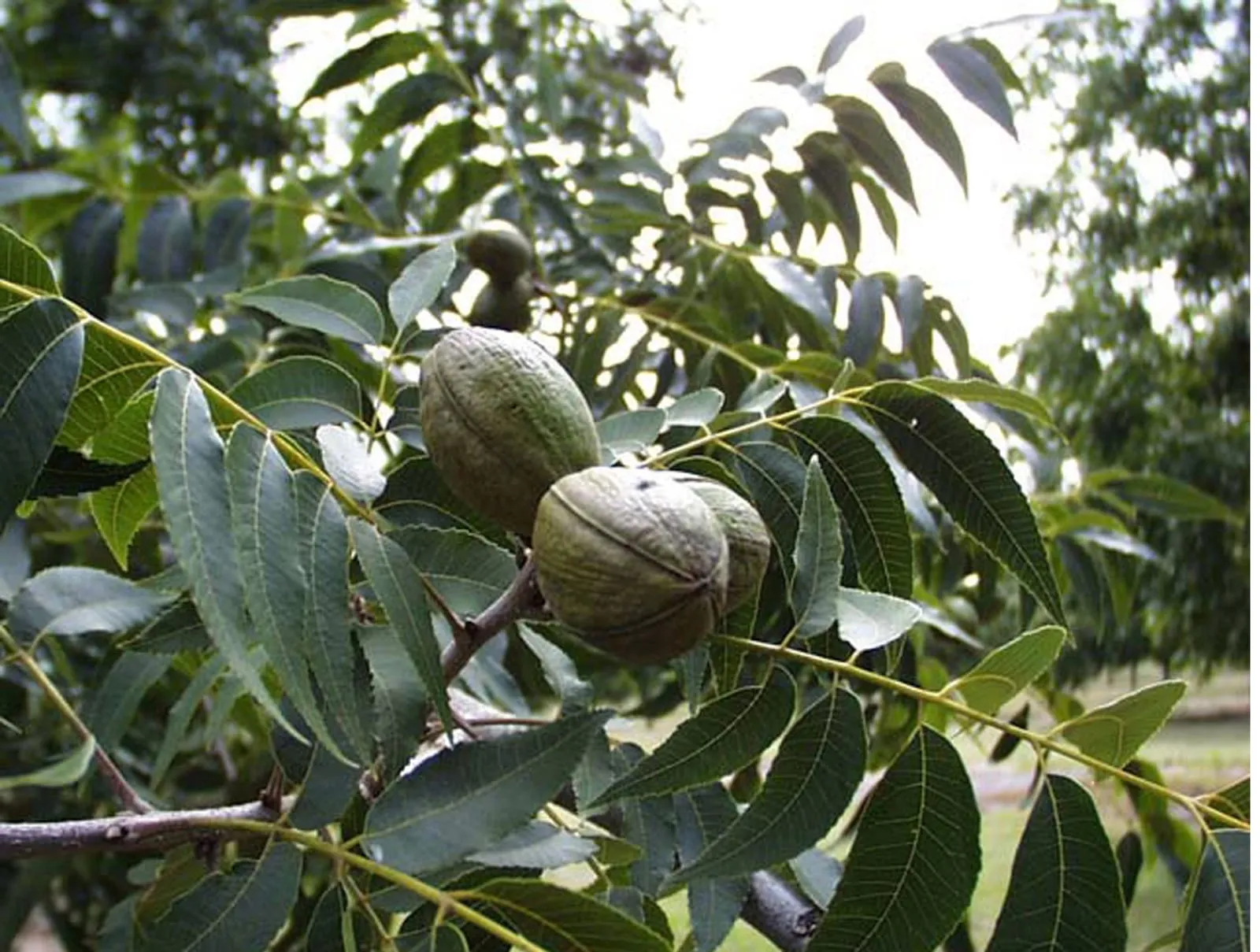
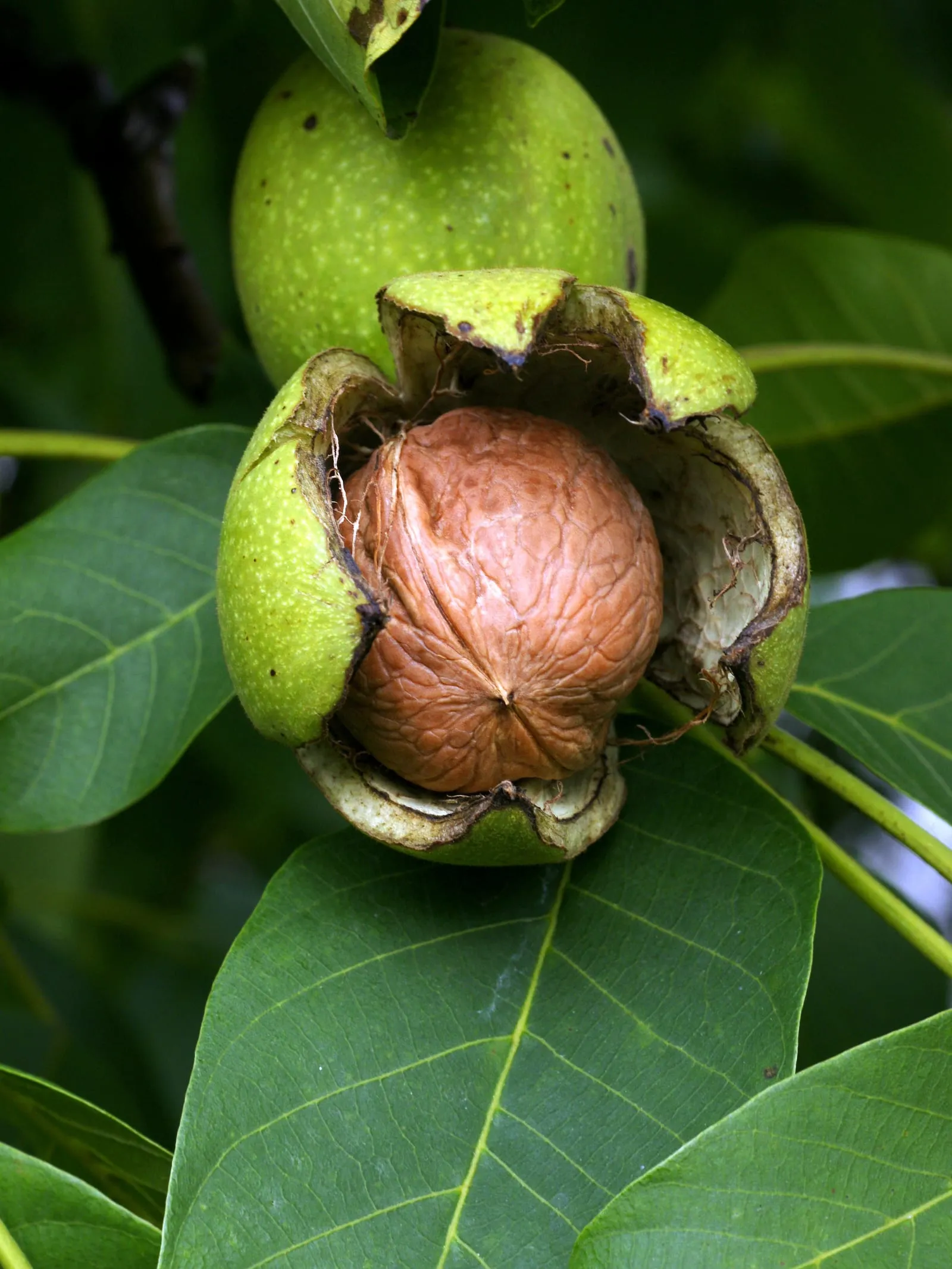
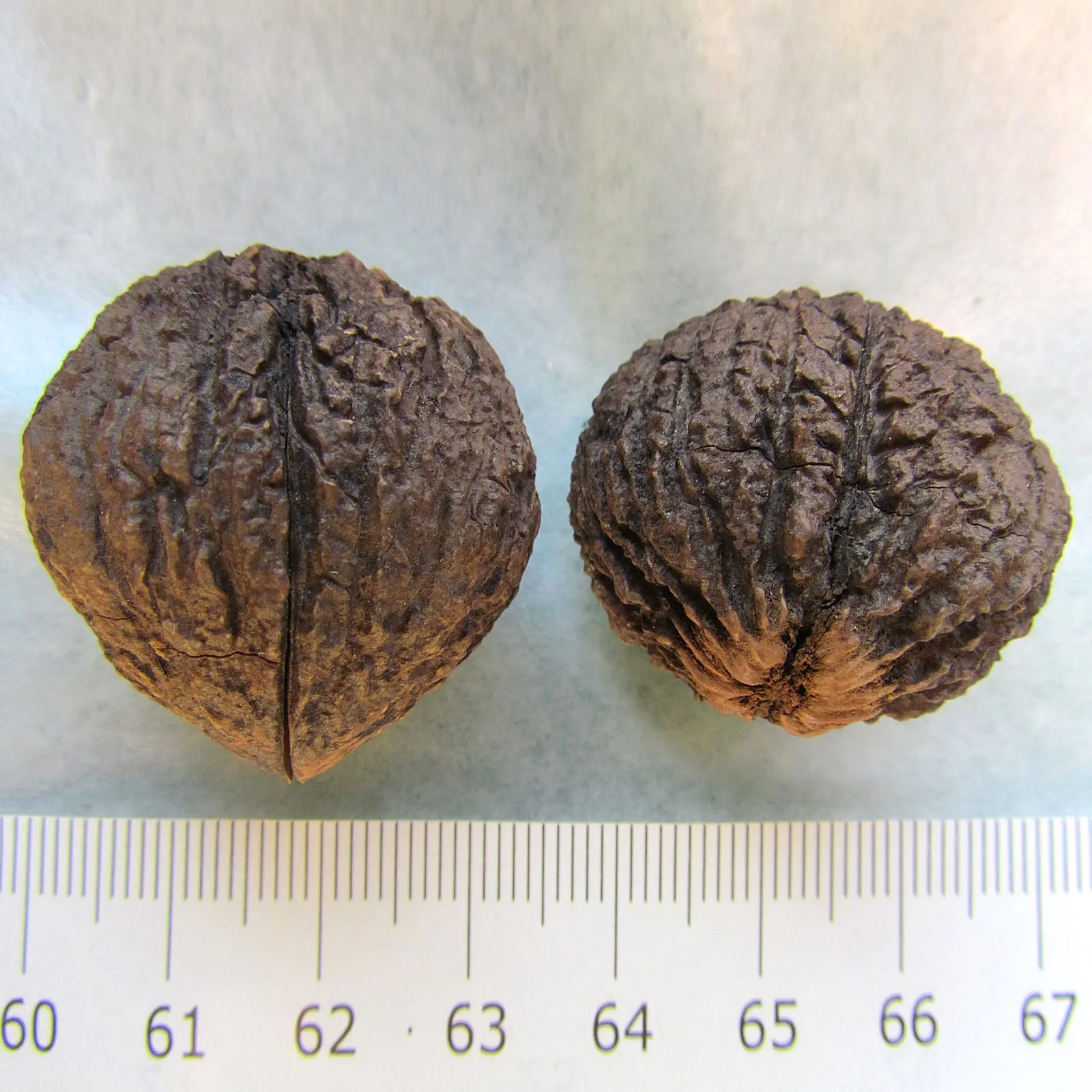
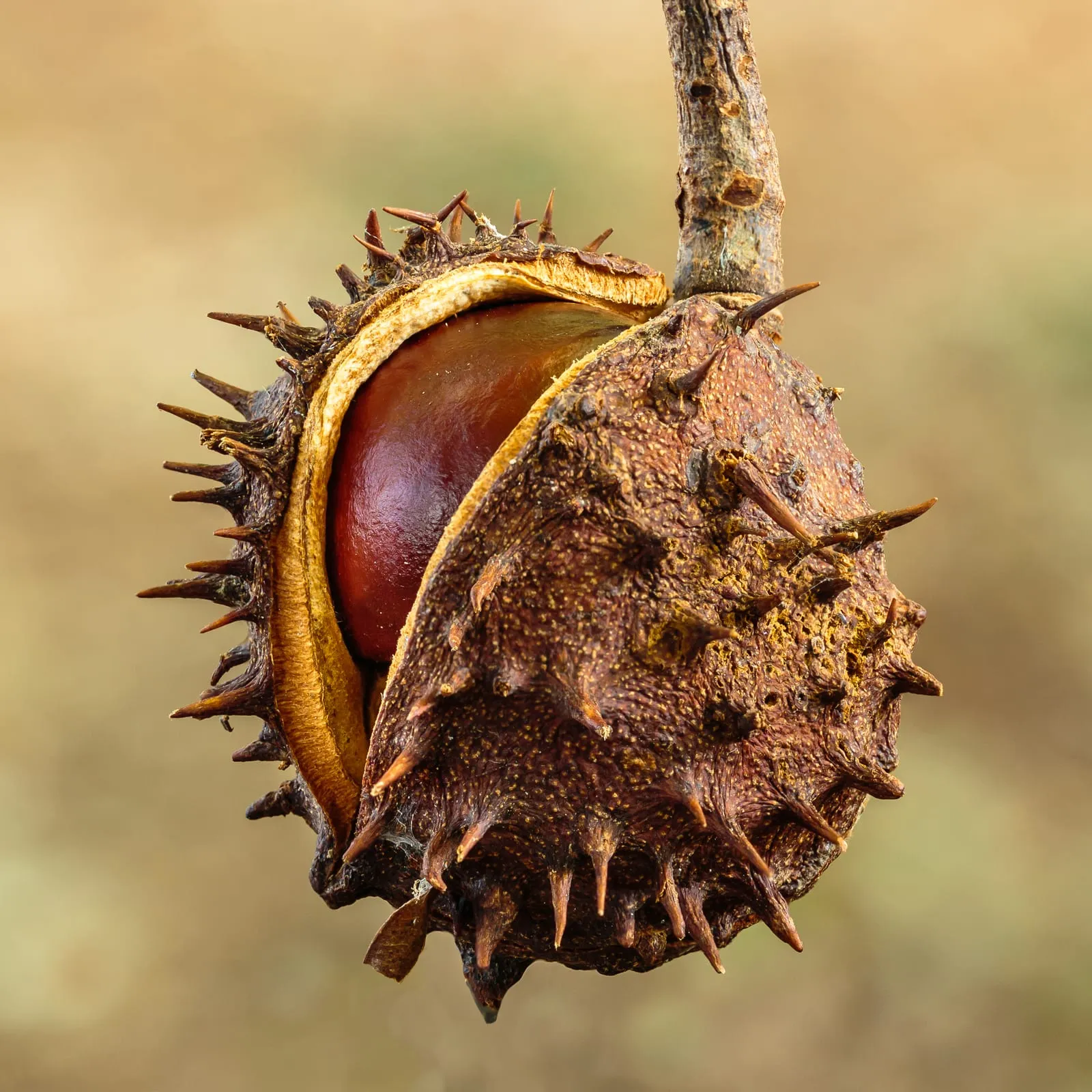
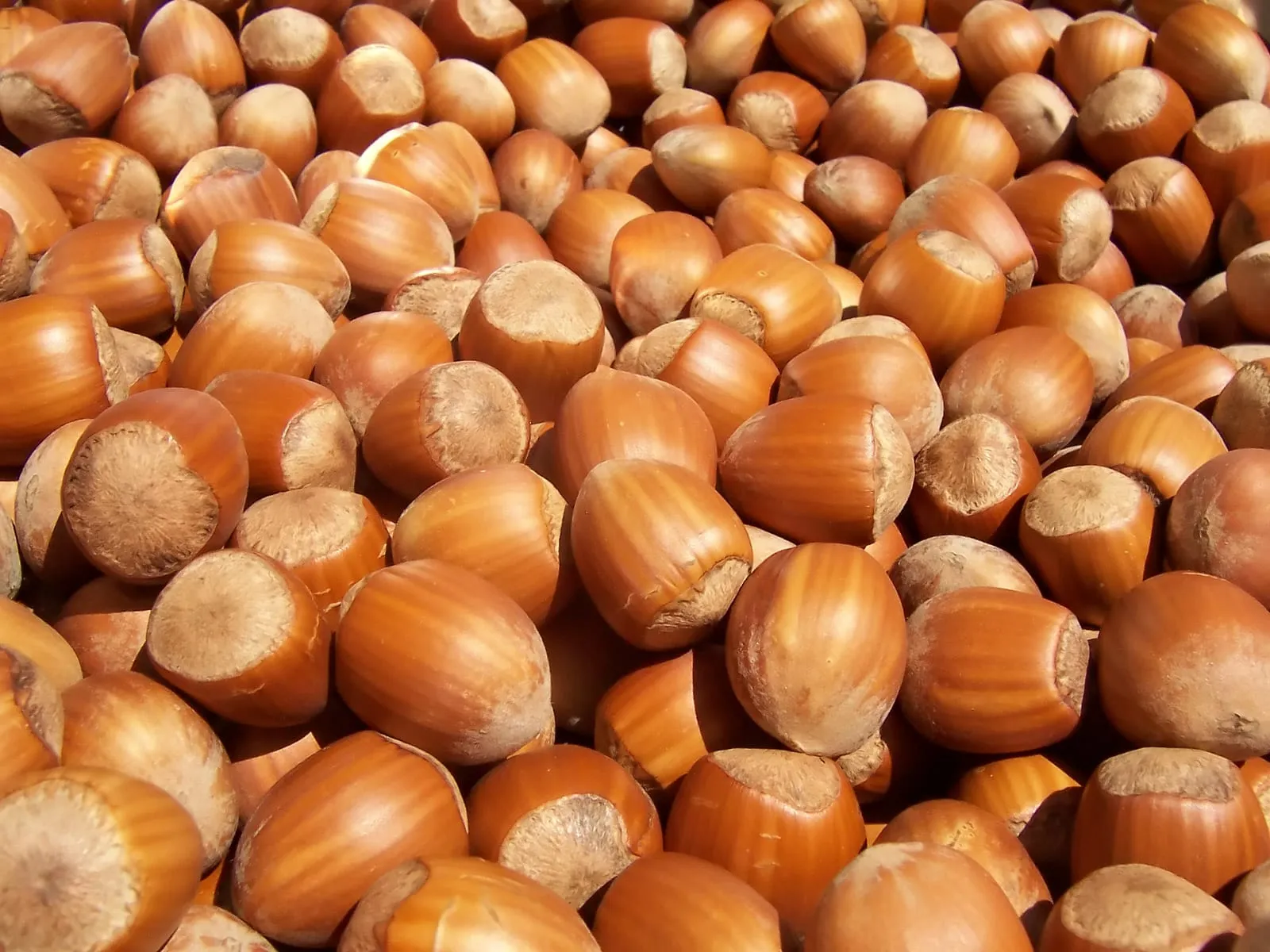
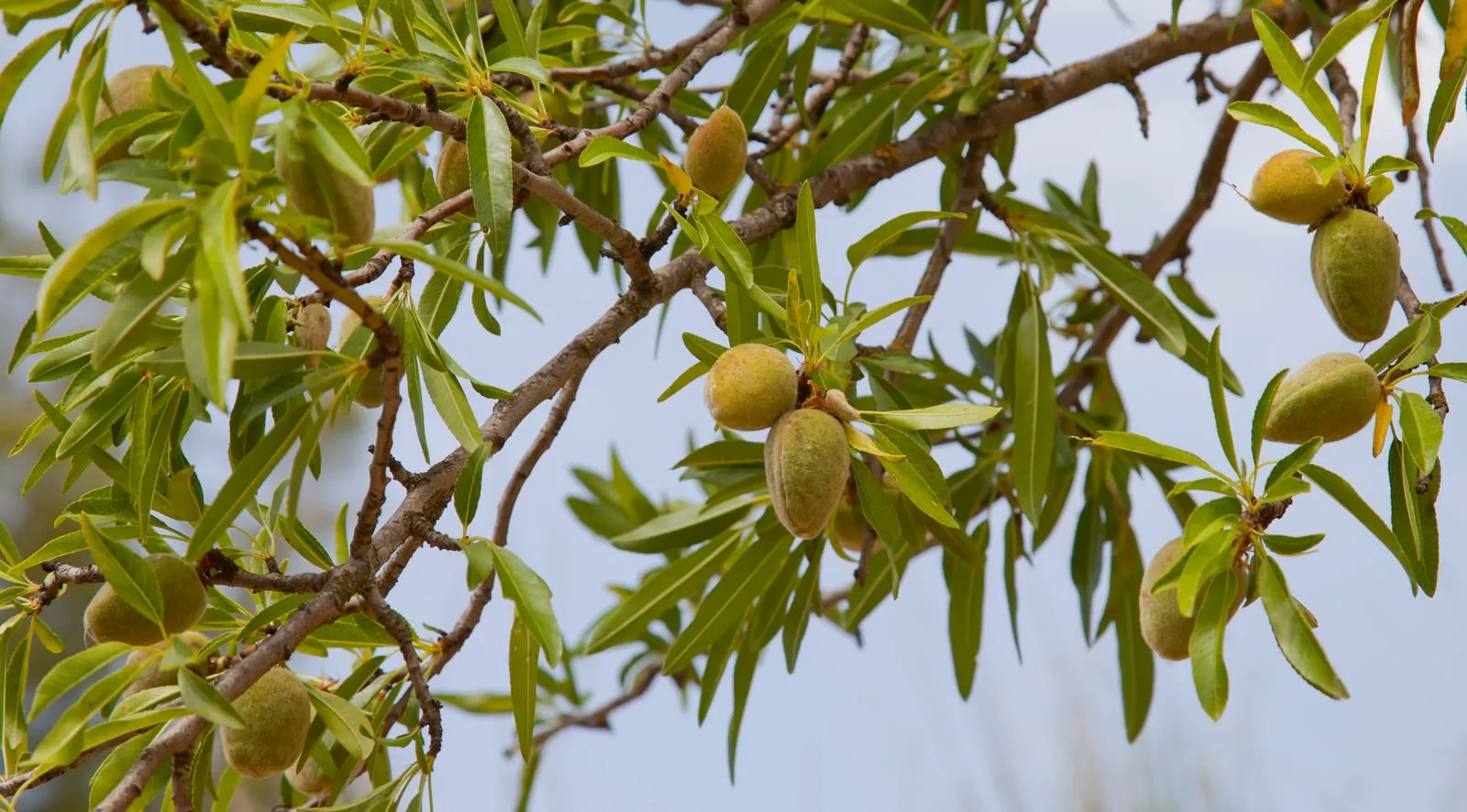
Nuts
6 crops
Vegetables
40 crops
 zone 7a
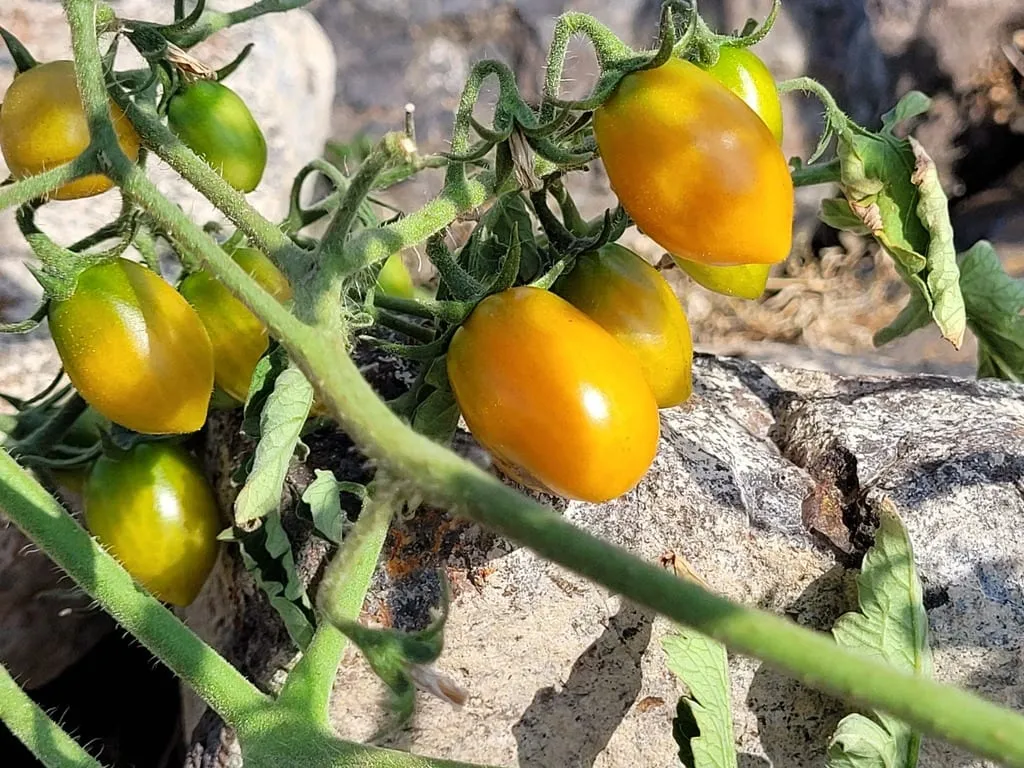
 Tomato
Solanum lycopersicum
zones 3a–10b
 zone 7a
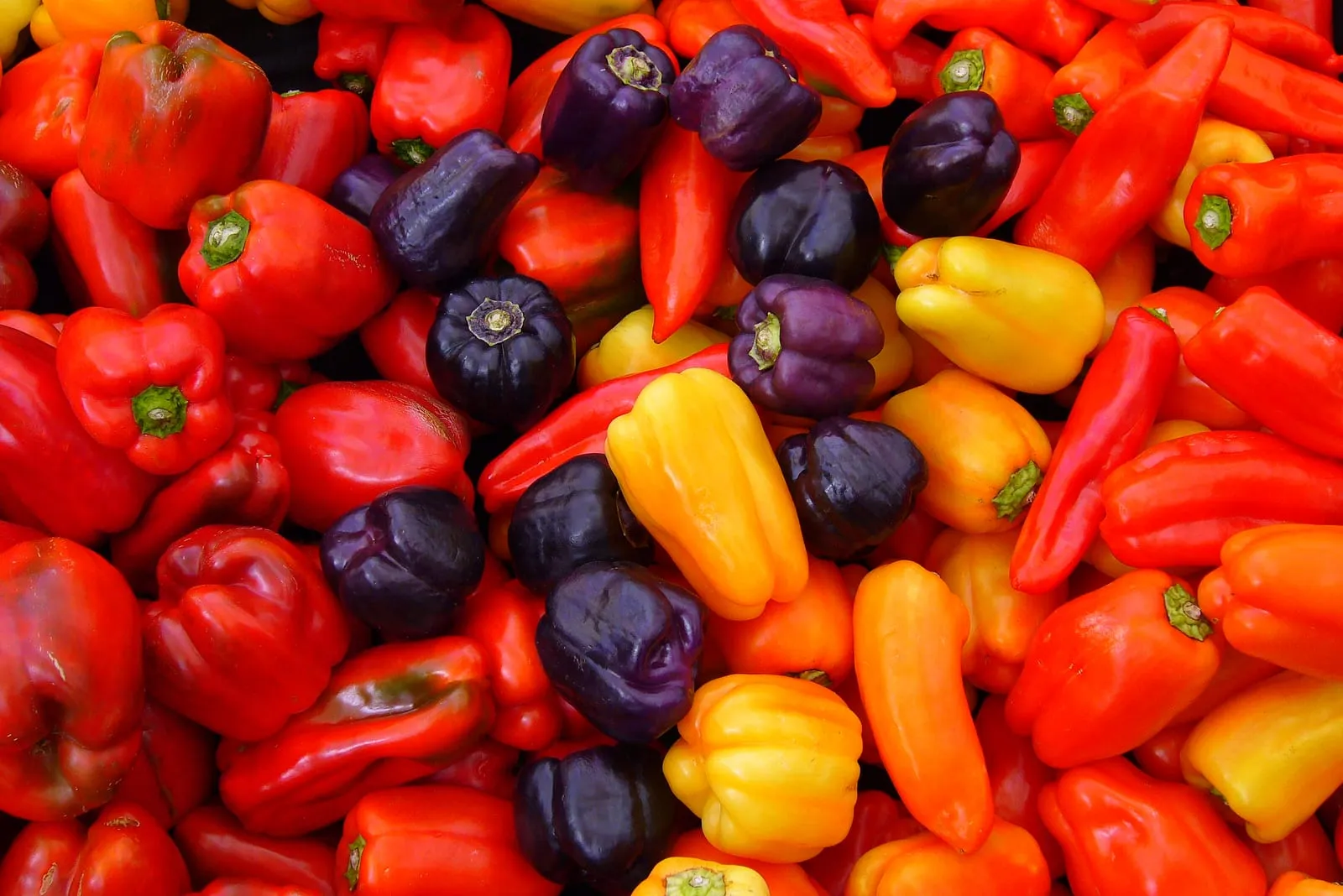
 Sweet Pepper
Capsicum annuum
zones 4a–10b
 zone 7a
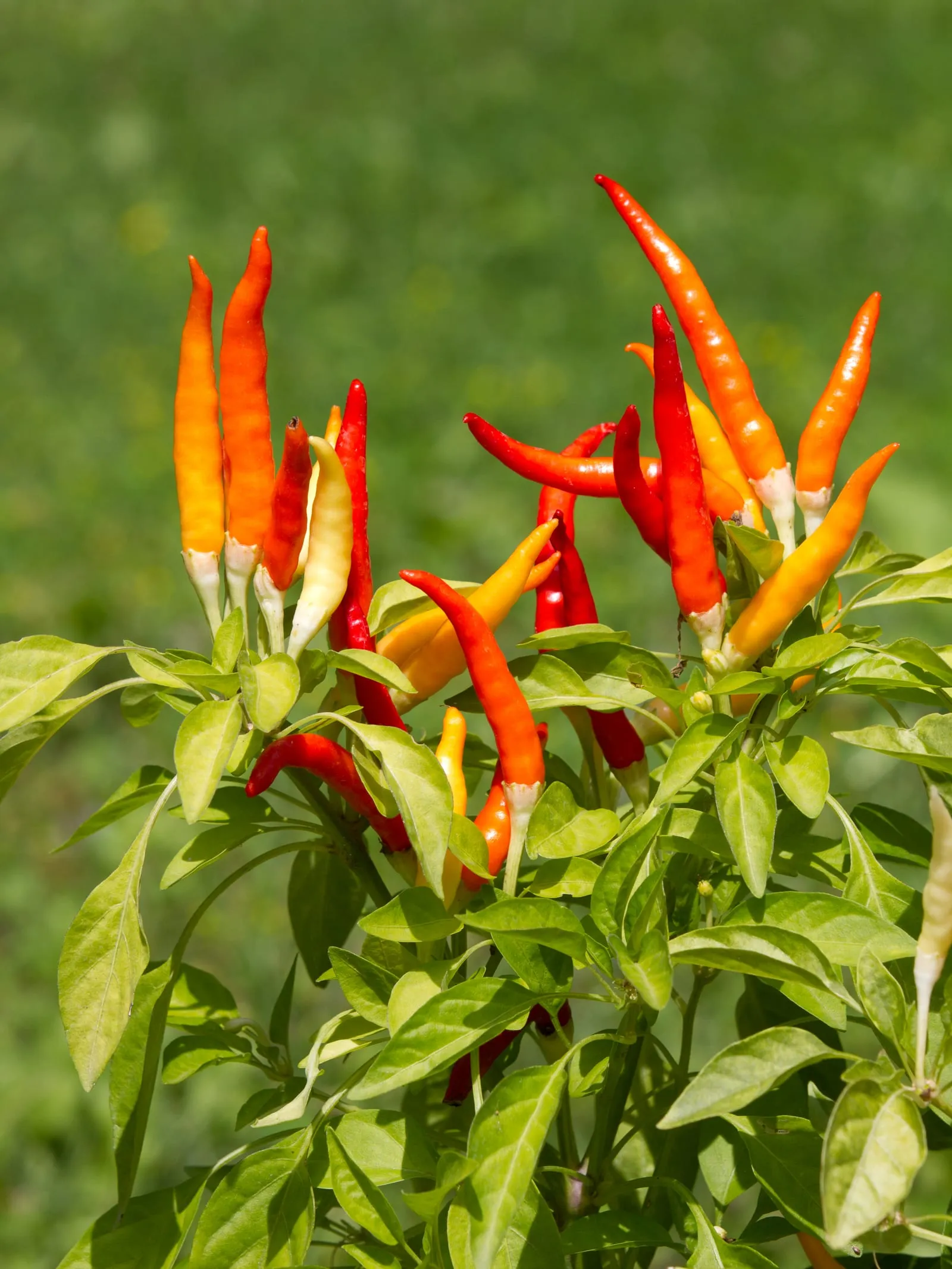
 Hot Pepper
Capsicum species
zones 4a–10b
 zone 7a
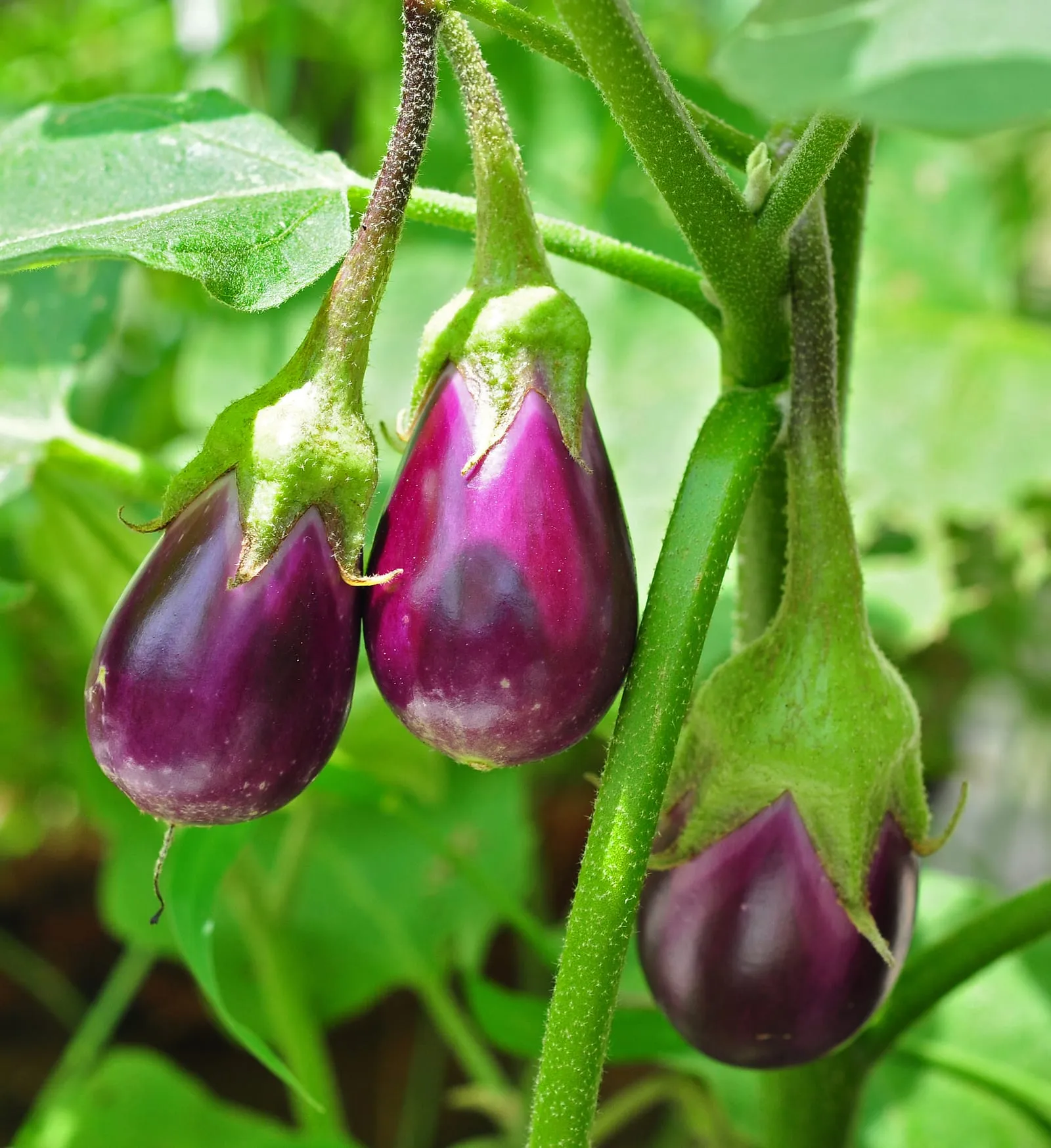
 Eggplant
Solanum melongena
zones 5a–10b
 zone 7a
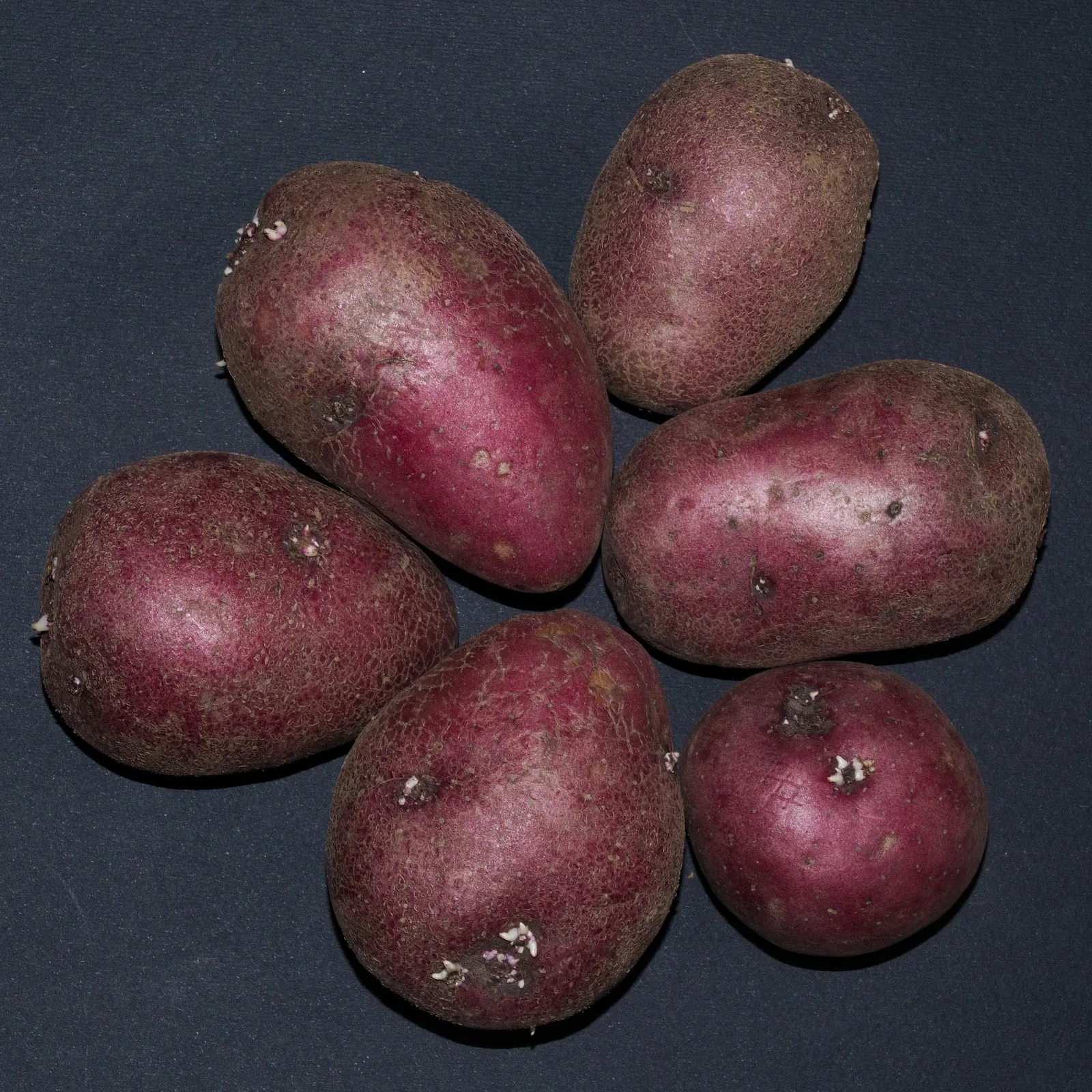
 Potato
Solanum tuberosum
zones 3a–9a
 zone 7a
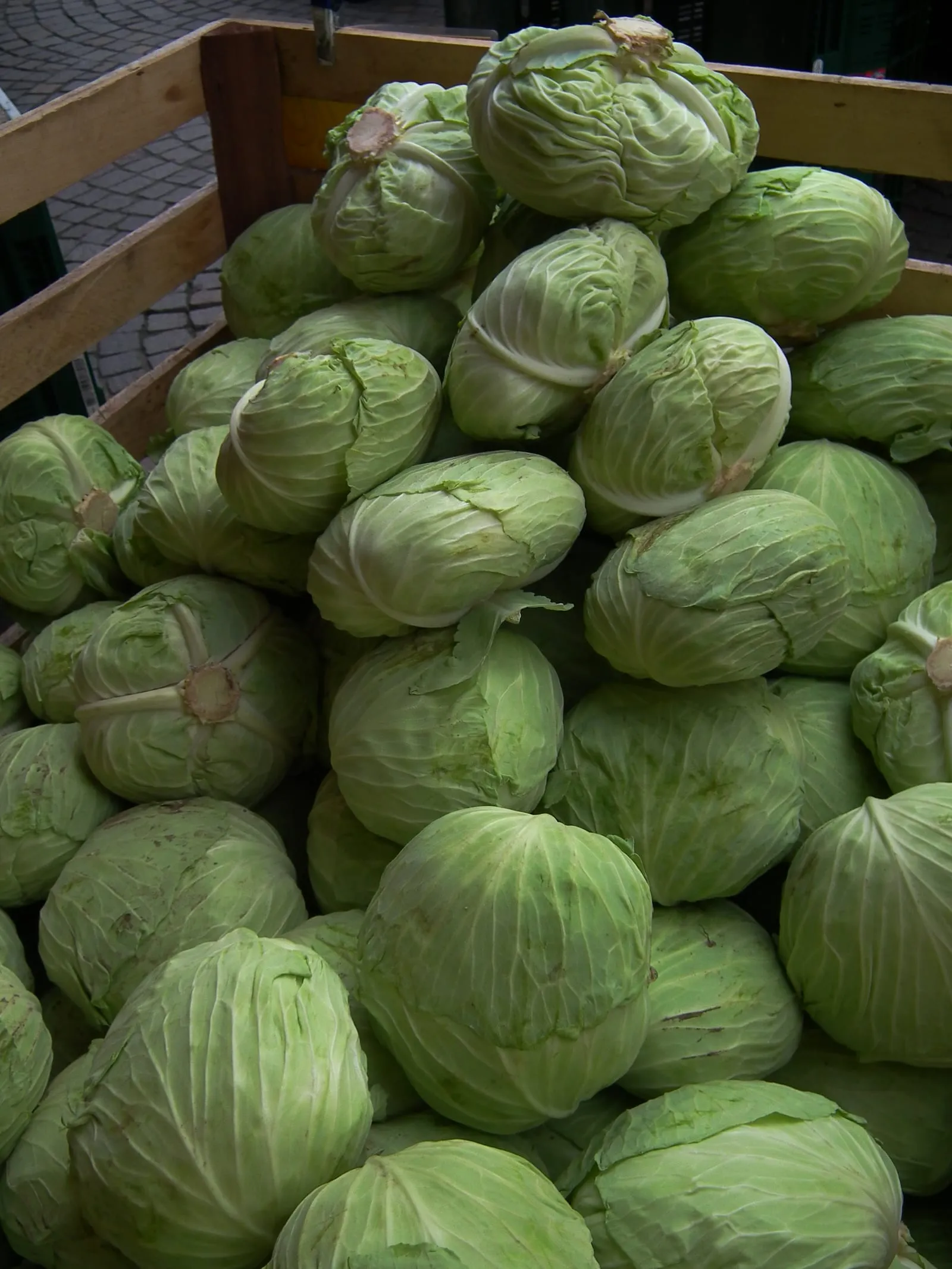
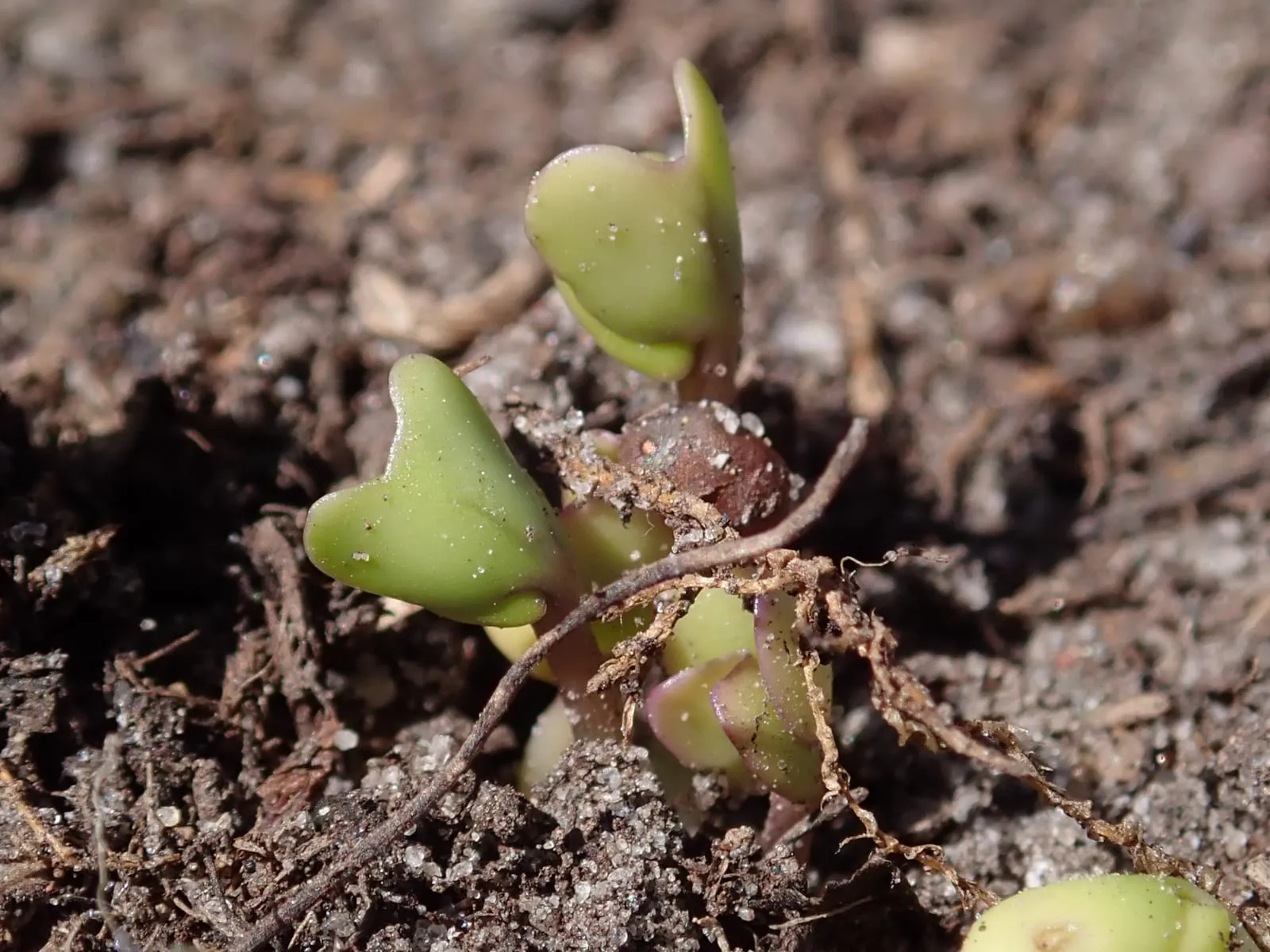
 Cabbage
Brassica oleracea var. capitata
zones 3a–9b
 zone 7a
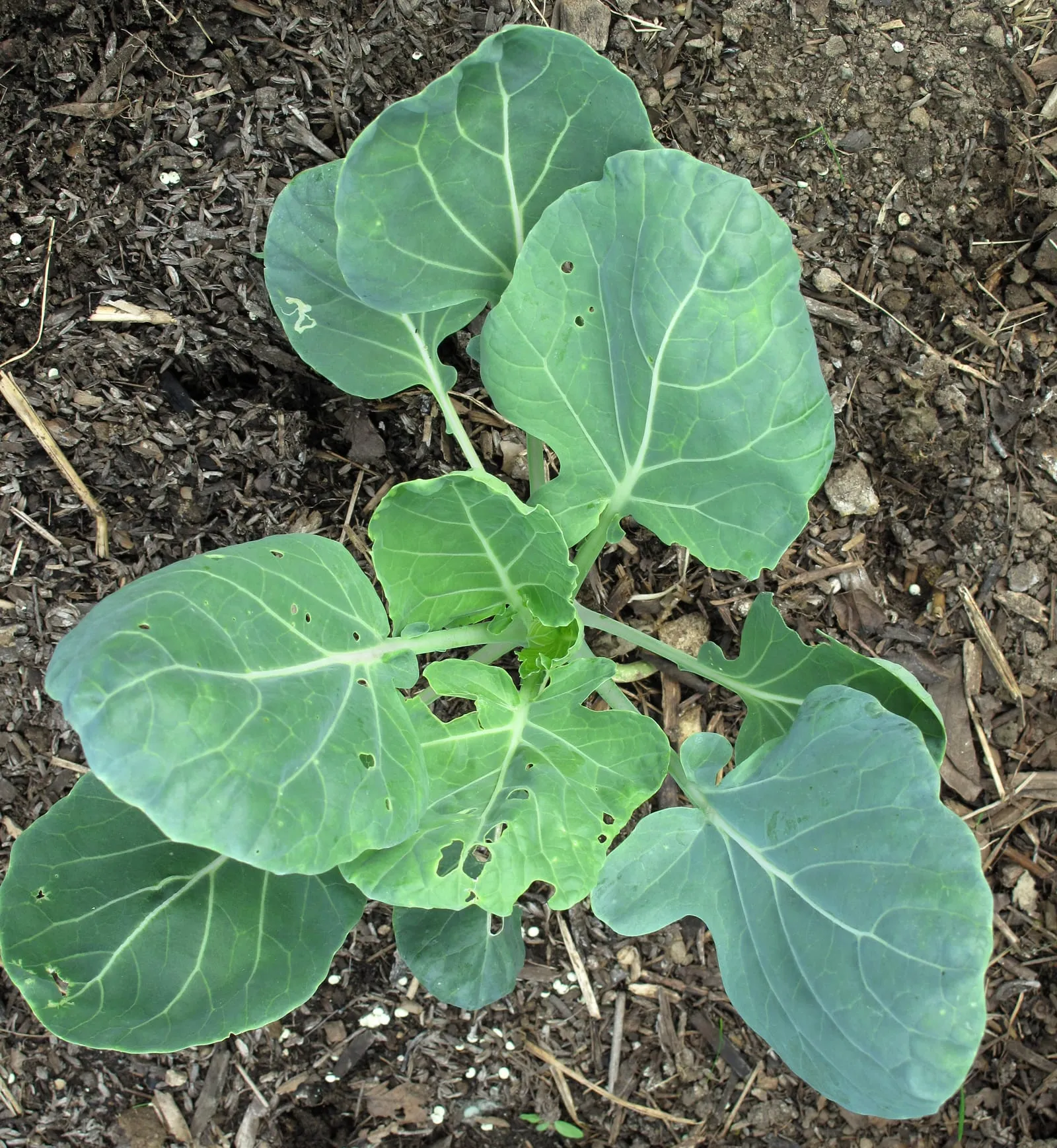
 Broccoli
Brassica oleracea var. italica
zones 3a–9a
 zone 7a
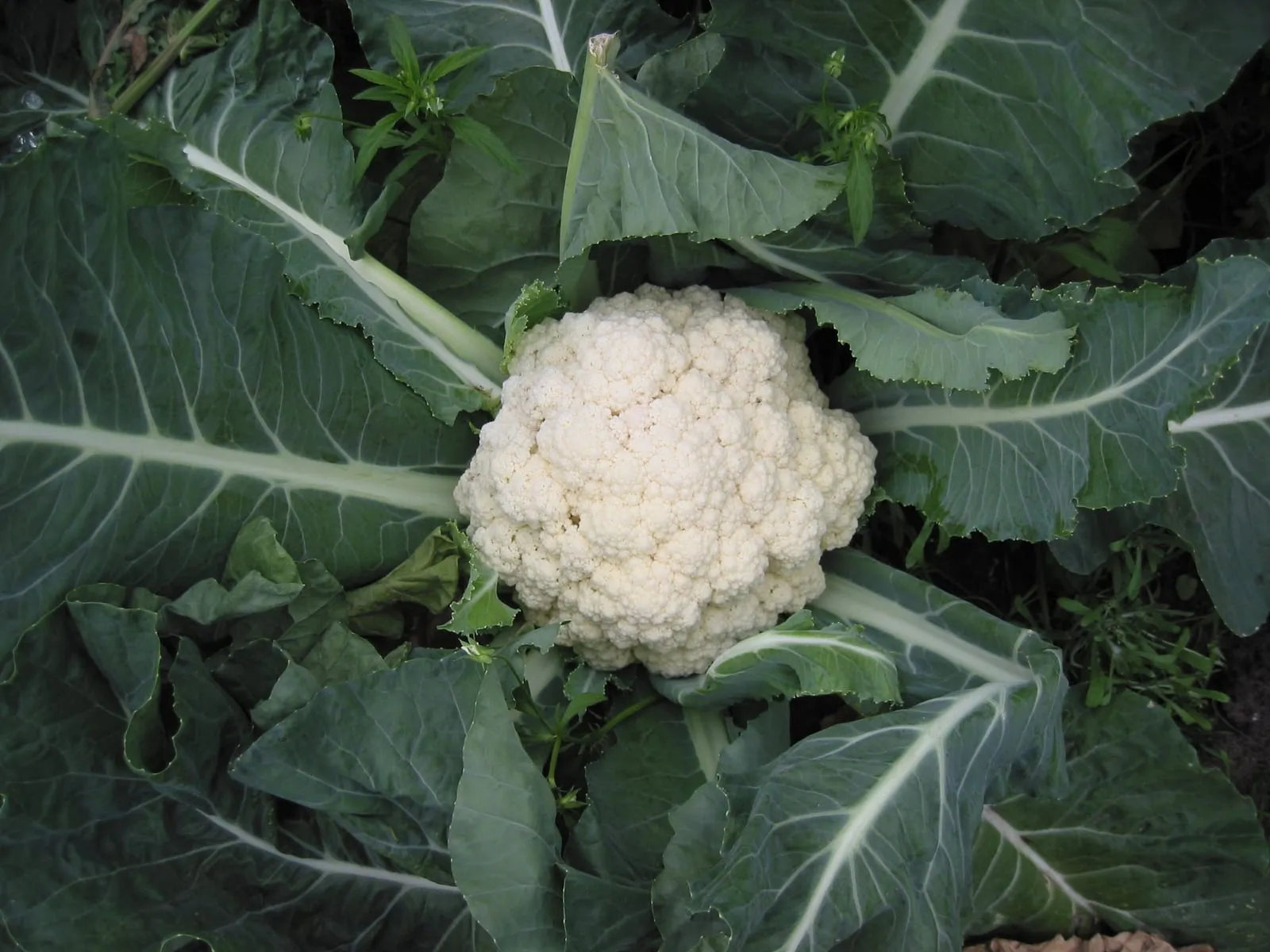
 Cauliflower
Brassica oleracea var. botrytis
zones 3b–9a
 zone 7a
 Kale
Brassica oleracea var. acephala
zones 3a–9b
 zone 7a
 Brussels Sprouts
Brassica oleracea var. gemmifera
zones 3b–8a
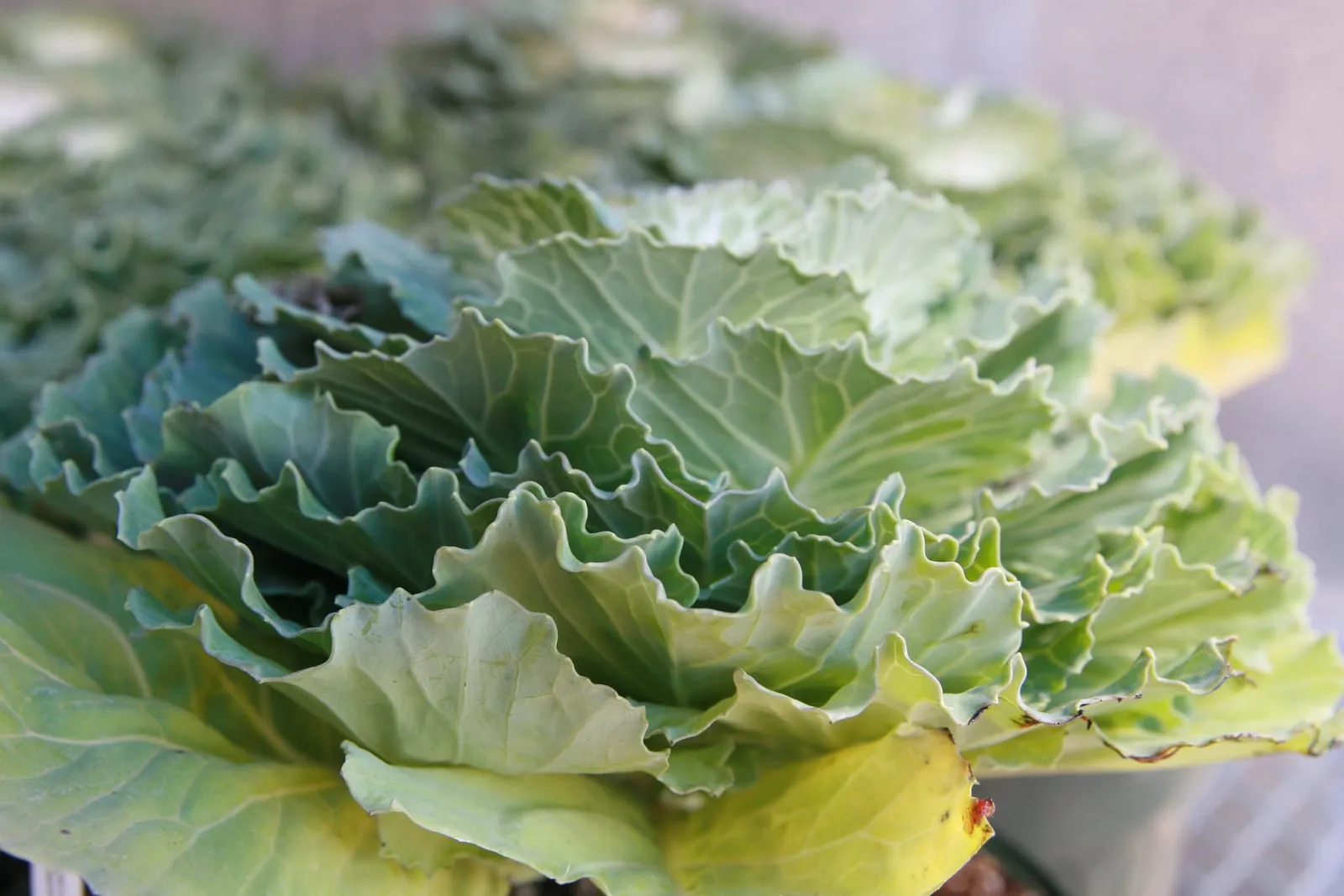 zone 7a
 Collards
Brassica oleracea var. acephala
zones 4a–9b
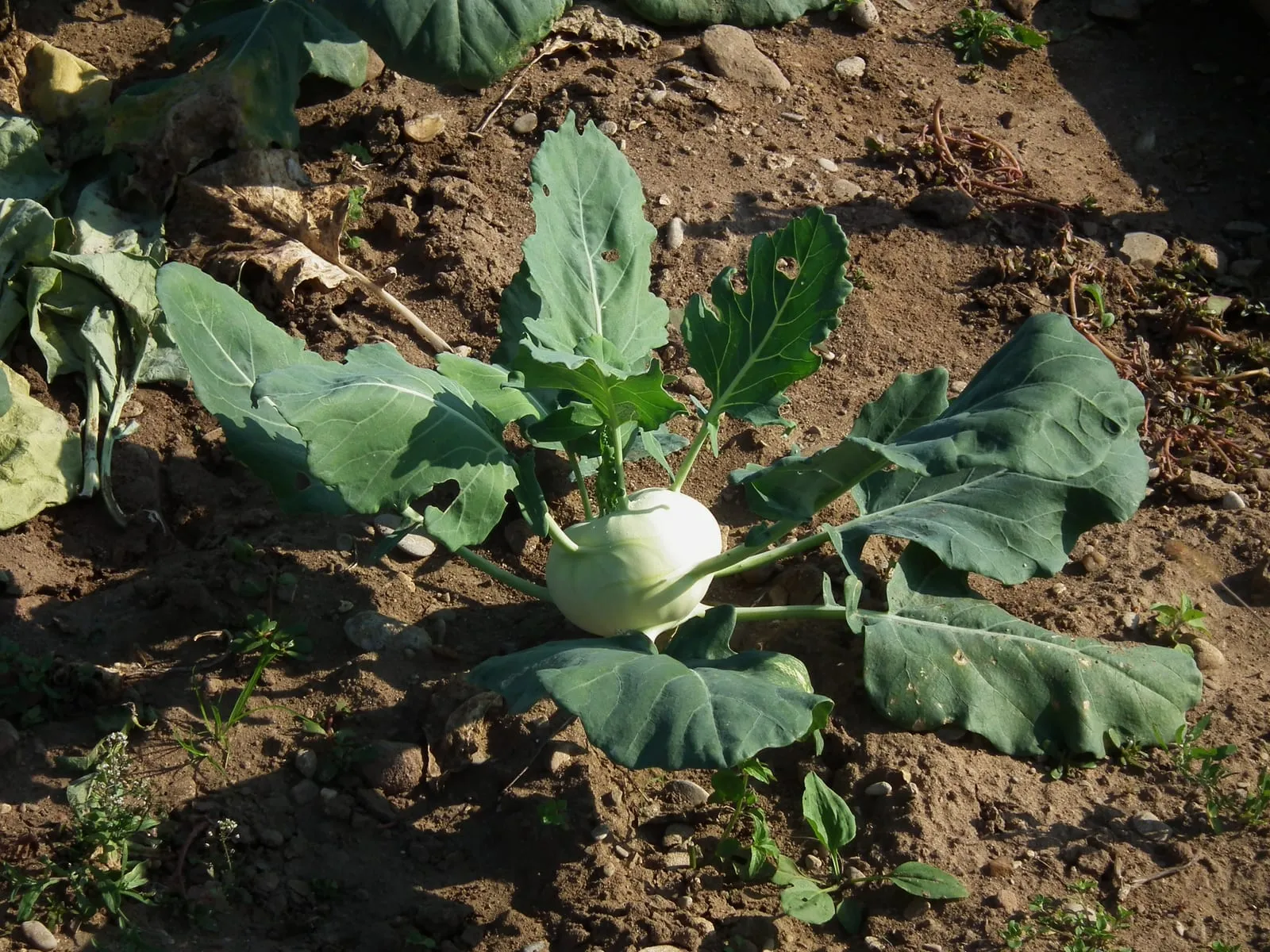 zone 7a
 Kohlrabi
Brassica oleracea var. gongylodes
zones 3b–8a
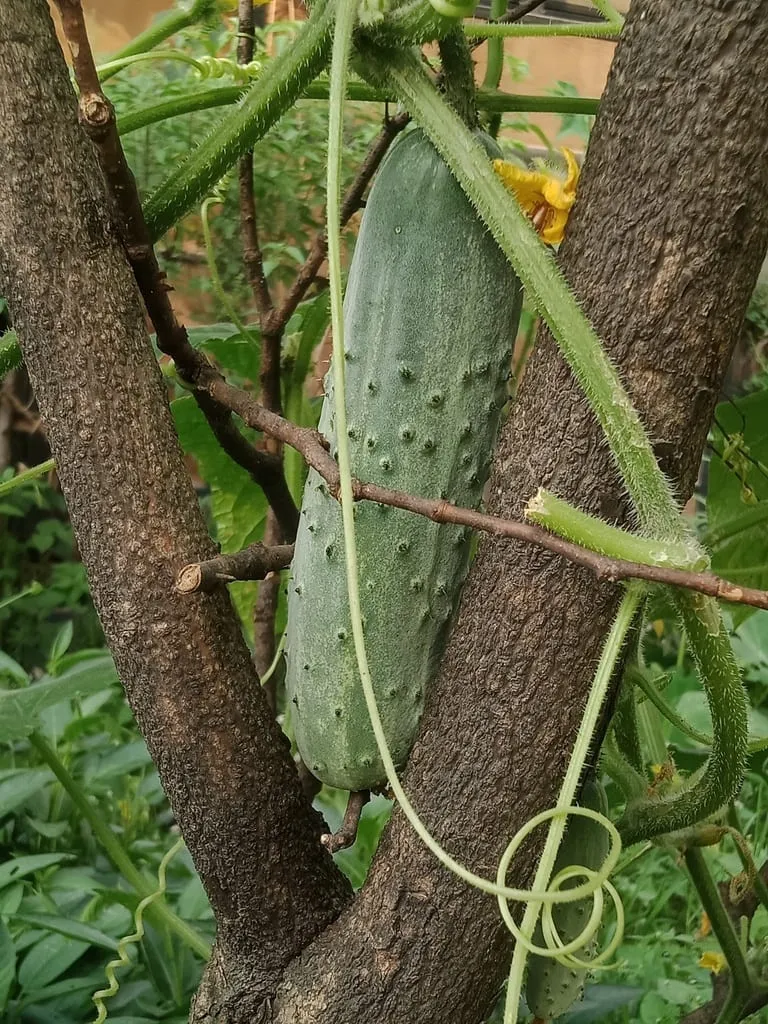 zone 7a
 Cucumber
Cucumis sativus
zones 3b–10a
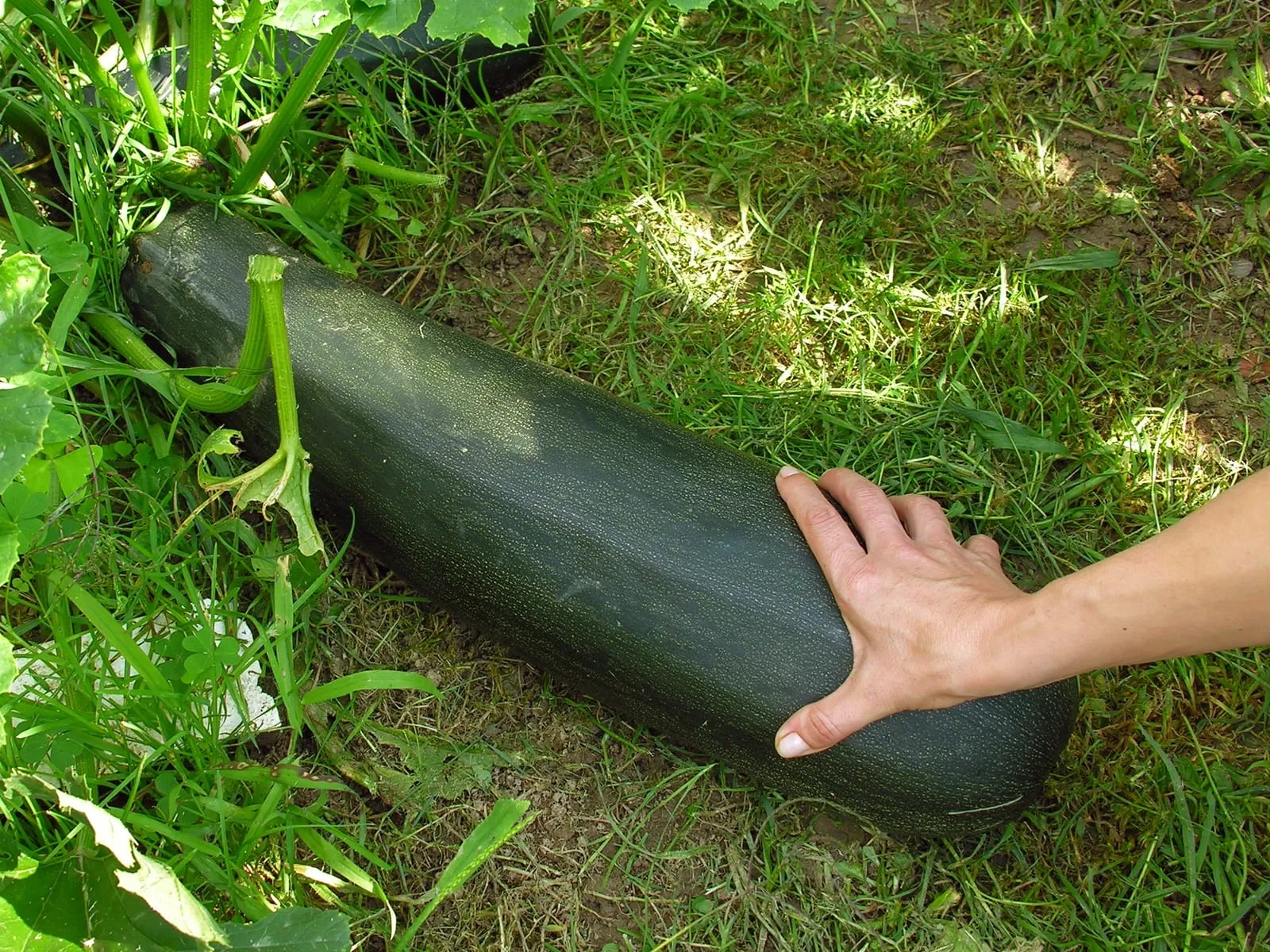 zone 7a
 Summer Squash
Cucurbita pepo
zones 3b–10a
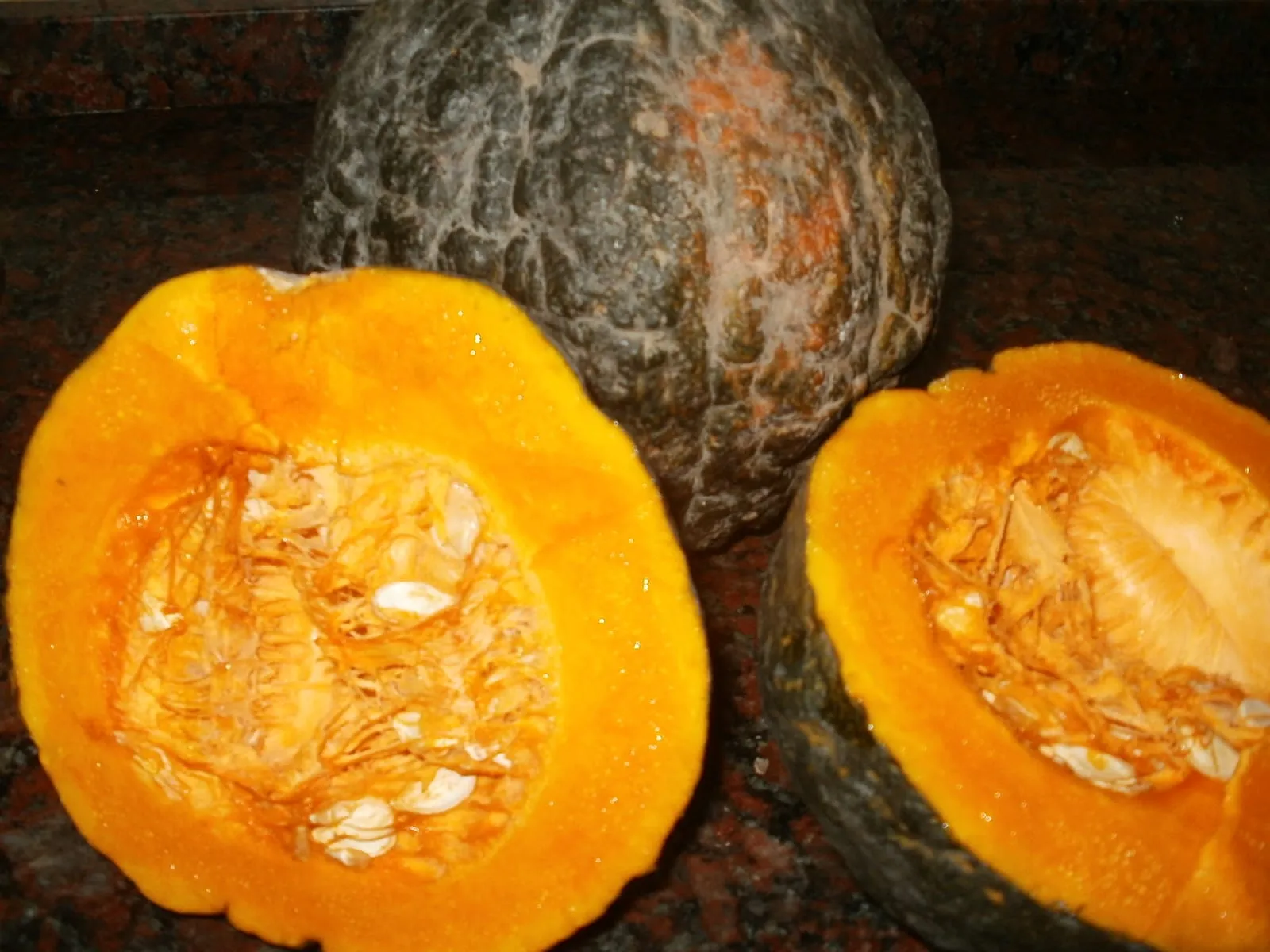 zone 7a
 Winter Squash
Cucurbita maxima and Cucurbita moschata
zones 4a–9a
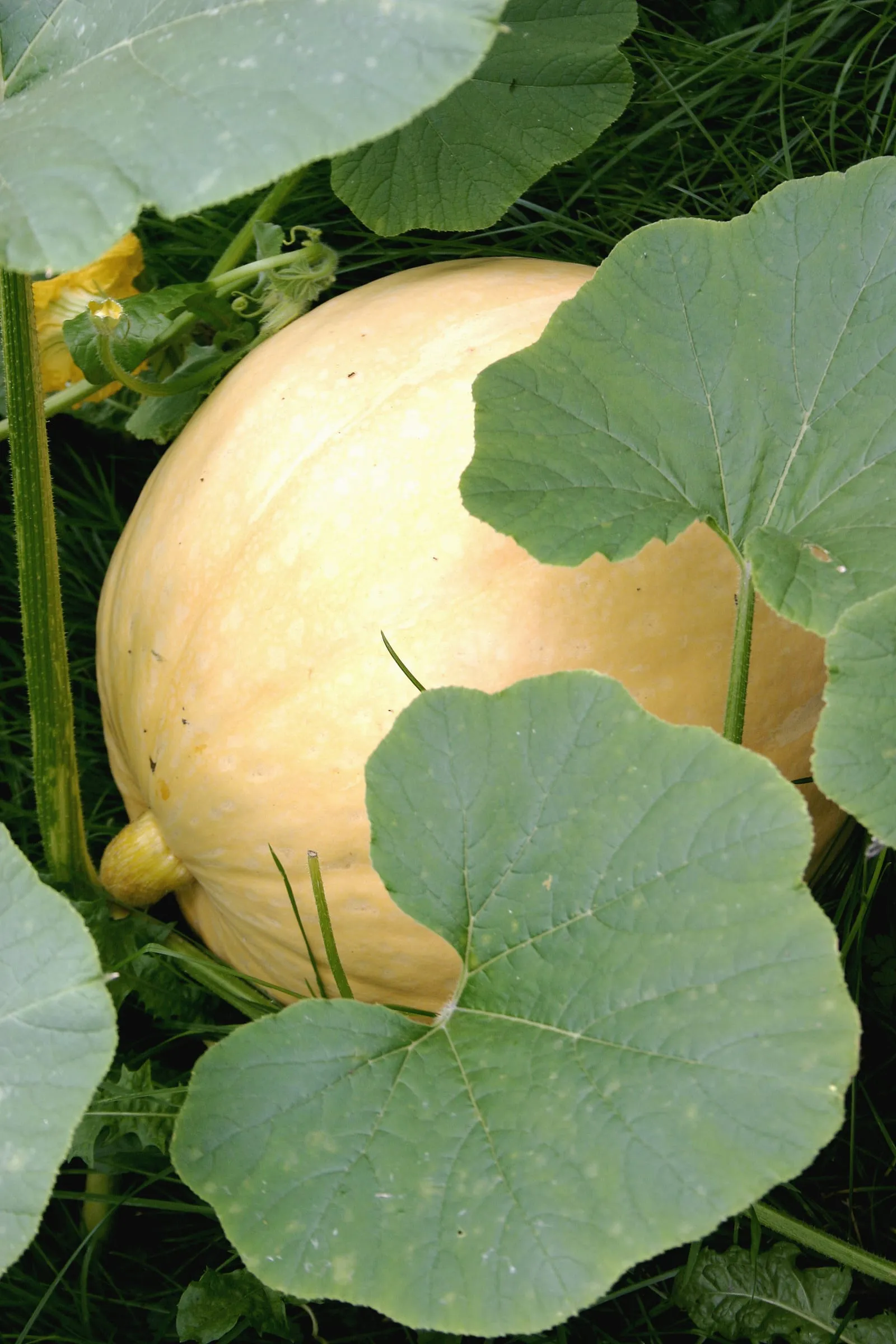 zone 7a
 Pumpkin
Cucurbita pepo and Cucurbita maxima
zones 4a–8b
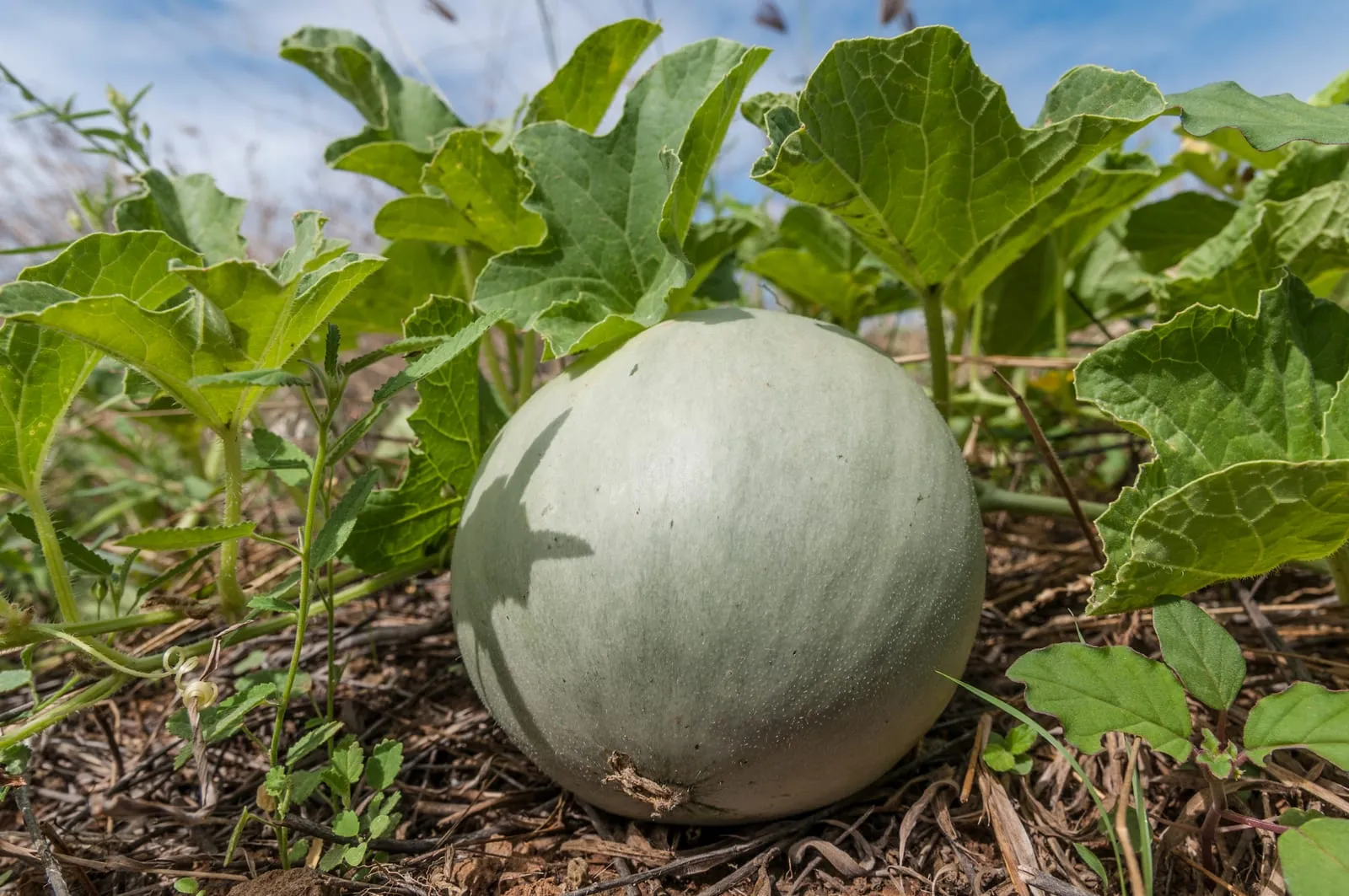 zone 7a
 Melon
Cucumis melo
zones 5a–10a
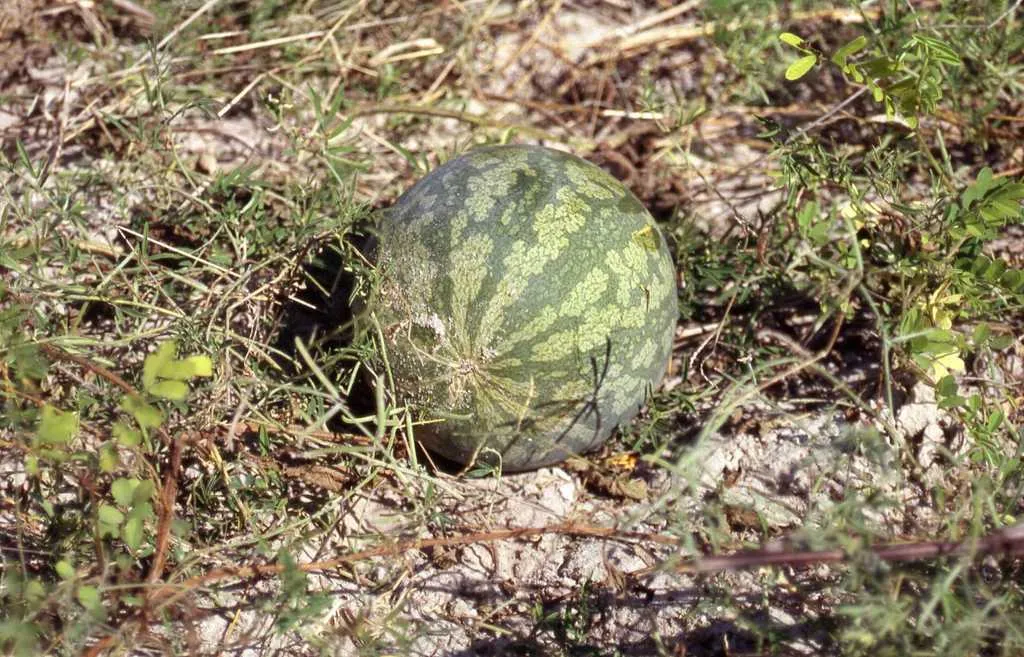 zone 7a
 Watermelon
Citrullus lanatus
zones 5b–10a
 zone 7a
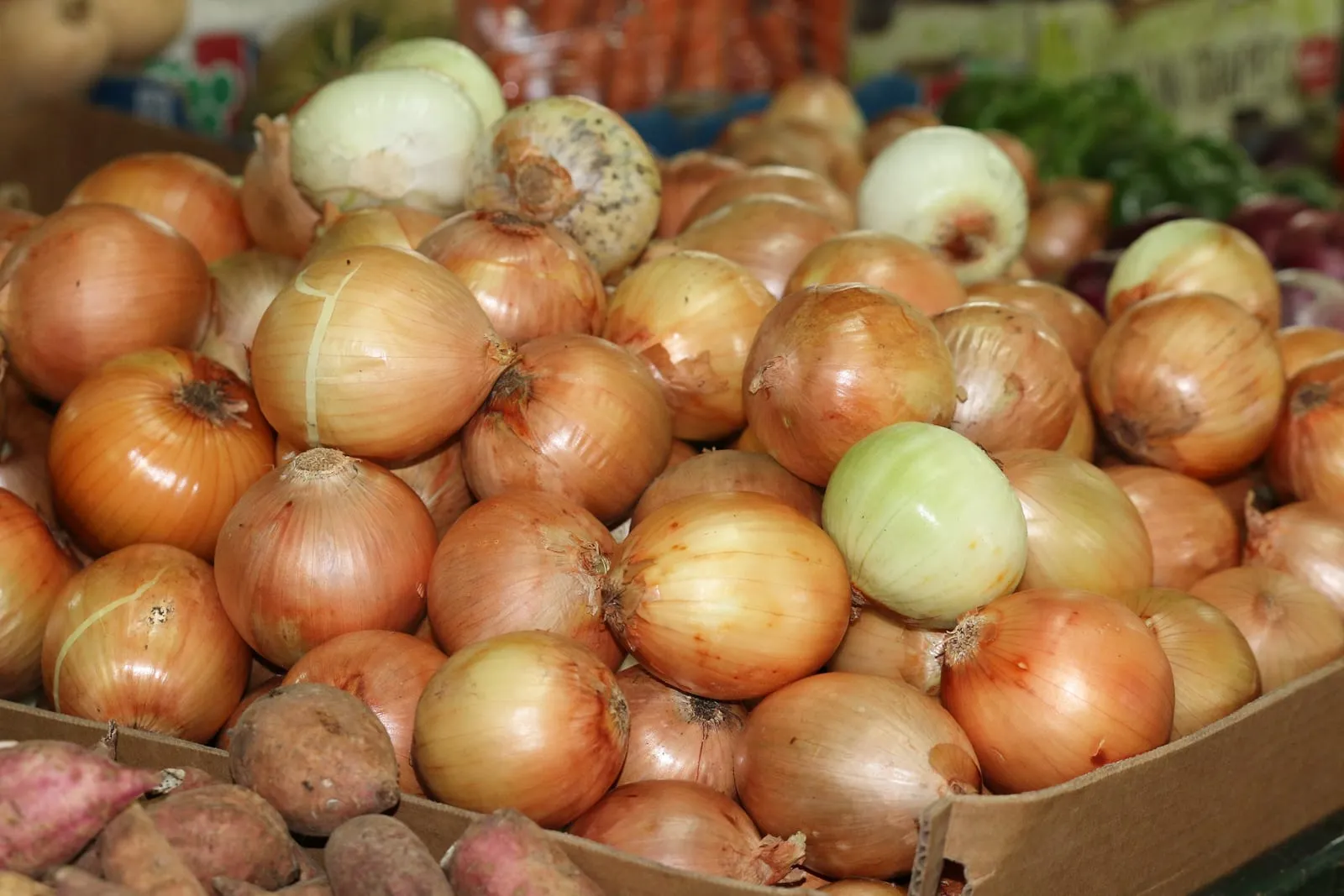
 Onion
Allium cepa
zones 3a–9b
 zone 7a
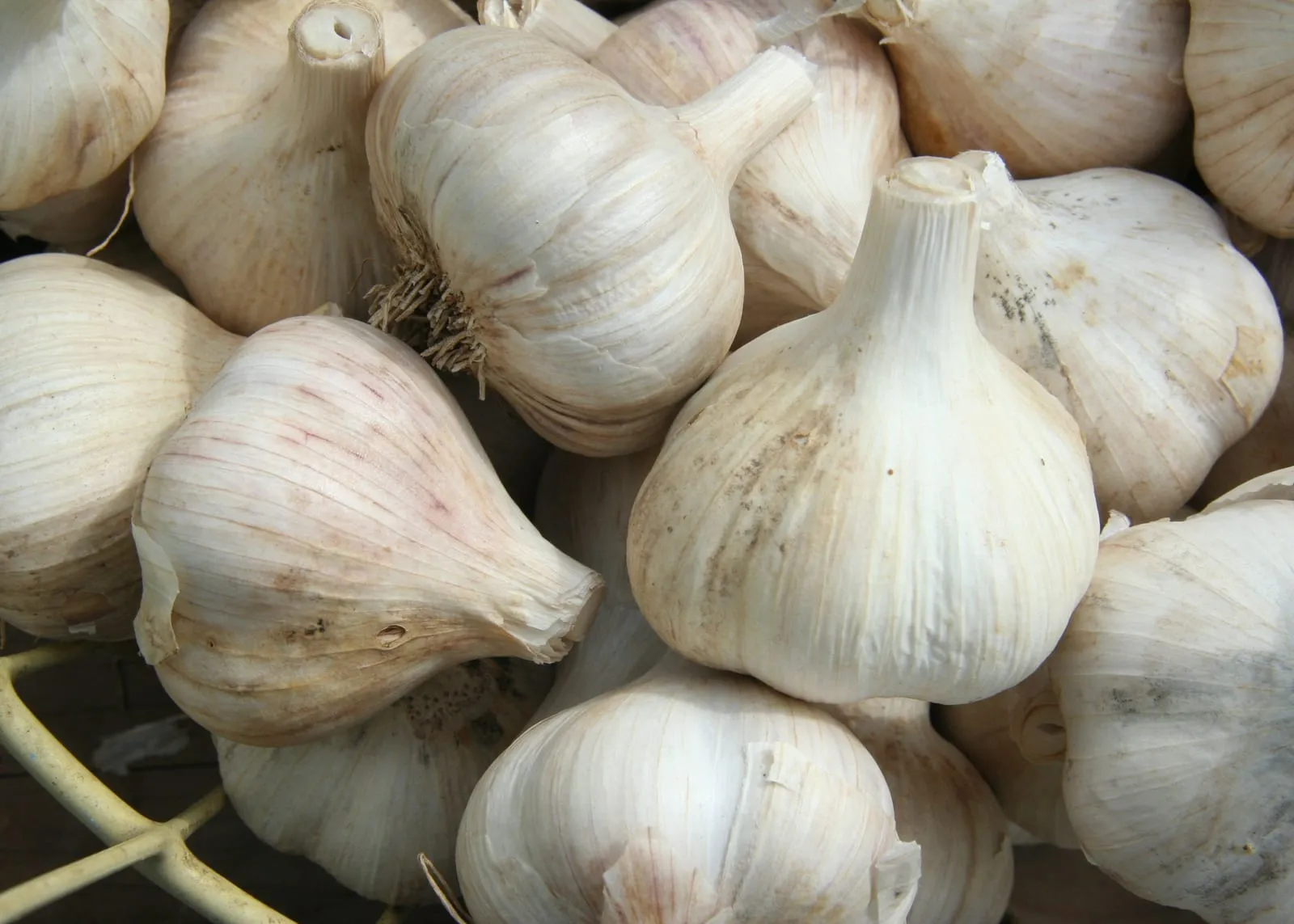
 Garlic
Allium sativum
zones 3a–9a
 zone 7a
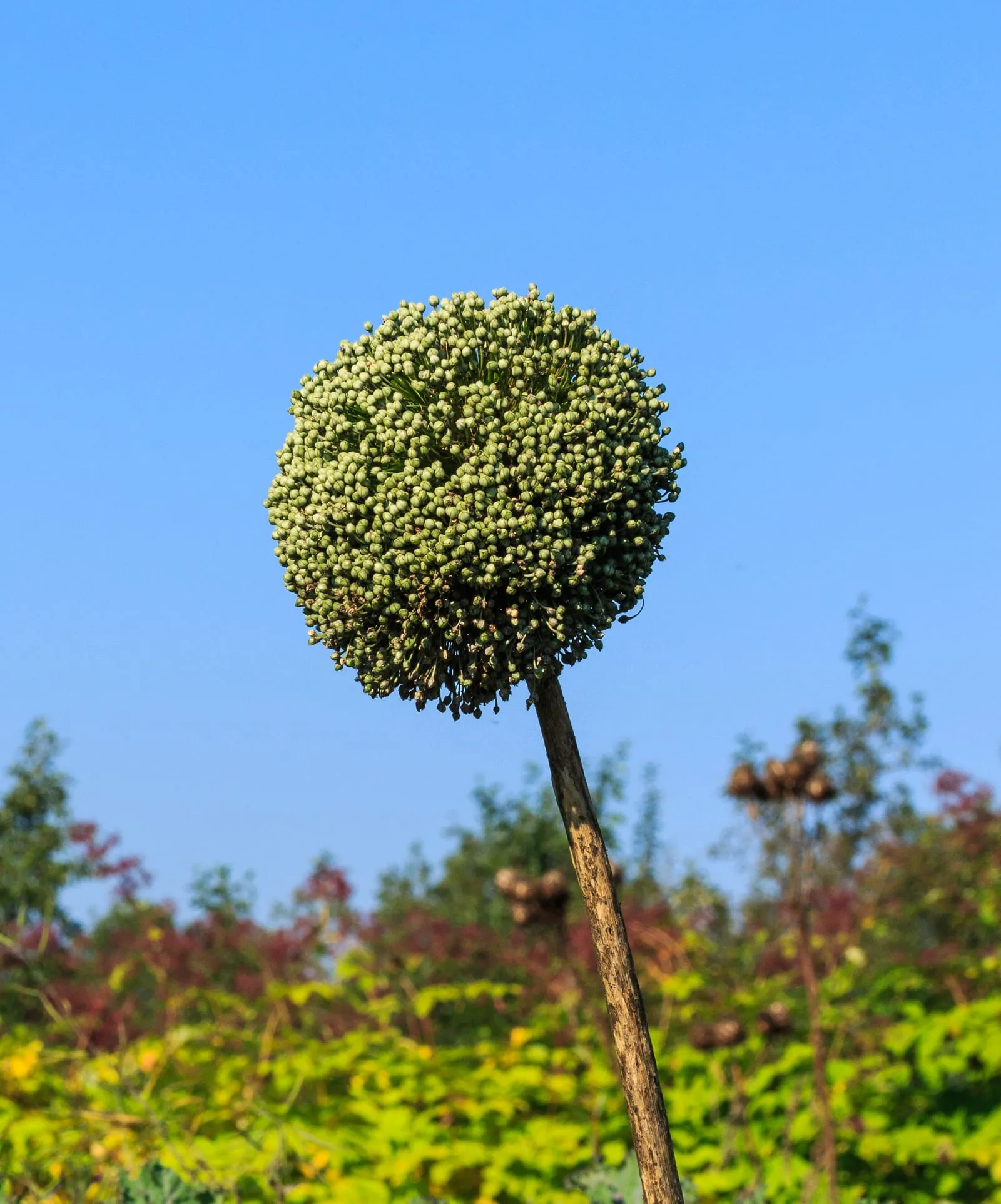
 Leek
Allium ampeloprasum
zones 3b–8b
 zone 7a
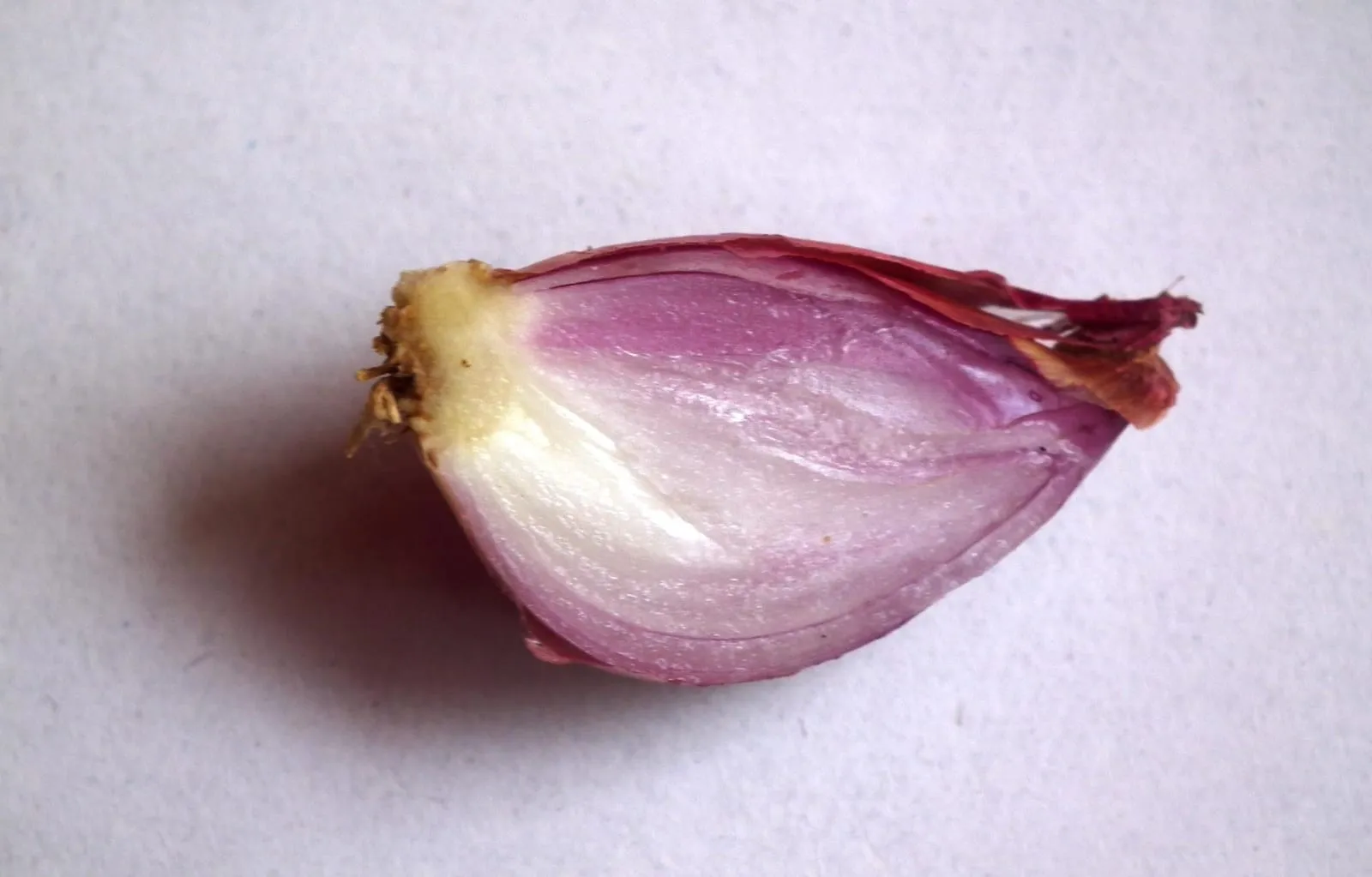
 Shallot
Allium cepa var. aggregatum
zones 3b–8a
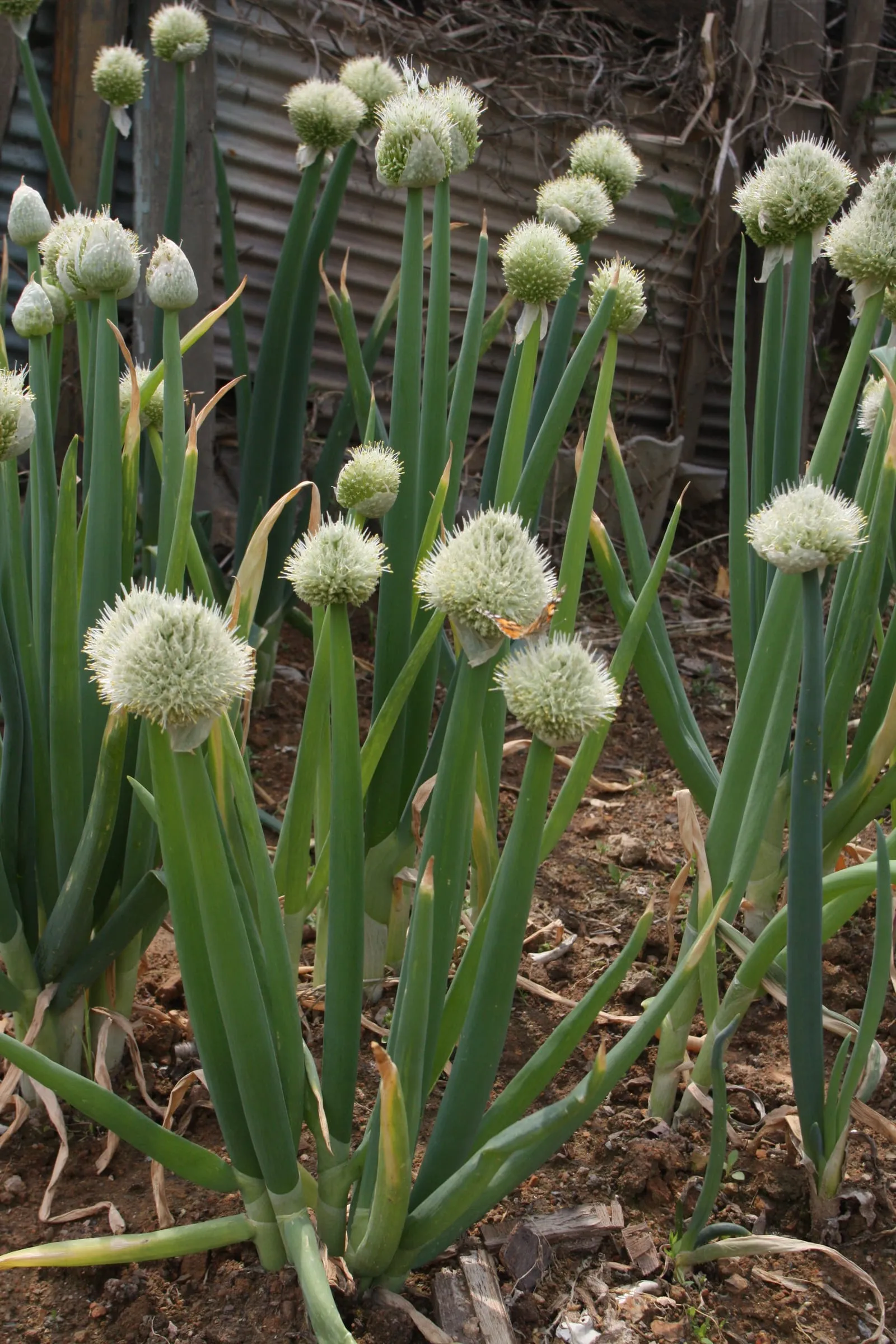 zone 7a
 Scallion (Bunching Onion)
Allium fistulosum
zones 3b–9b
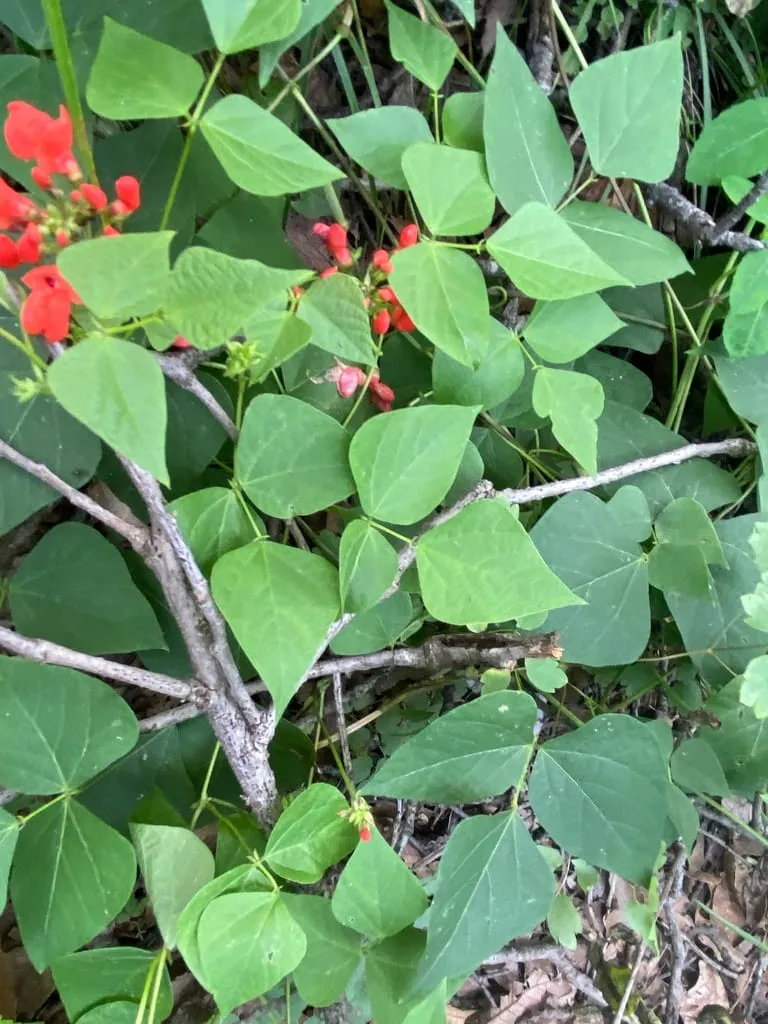 zone 7a
 Bush Bean
Phaseolus vulgaris
zones 3b–9a
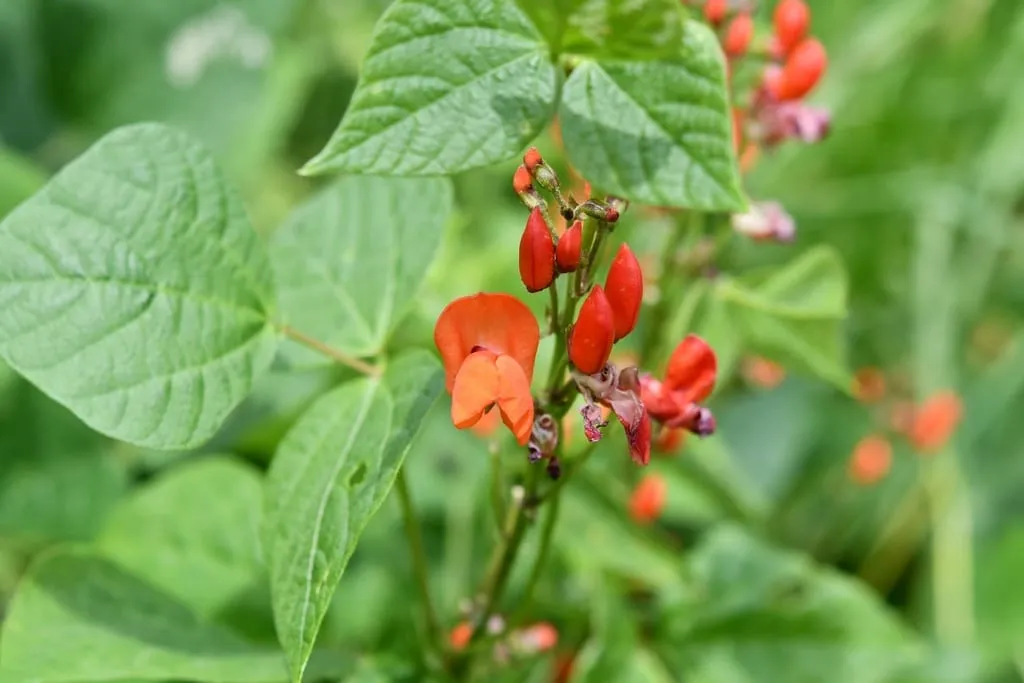 zone 7a
 Pole Bean
Phaseolus vulgaris
zones 3b–9a
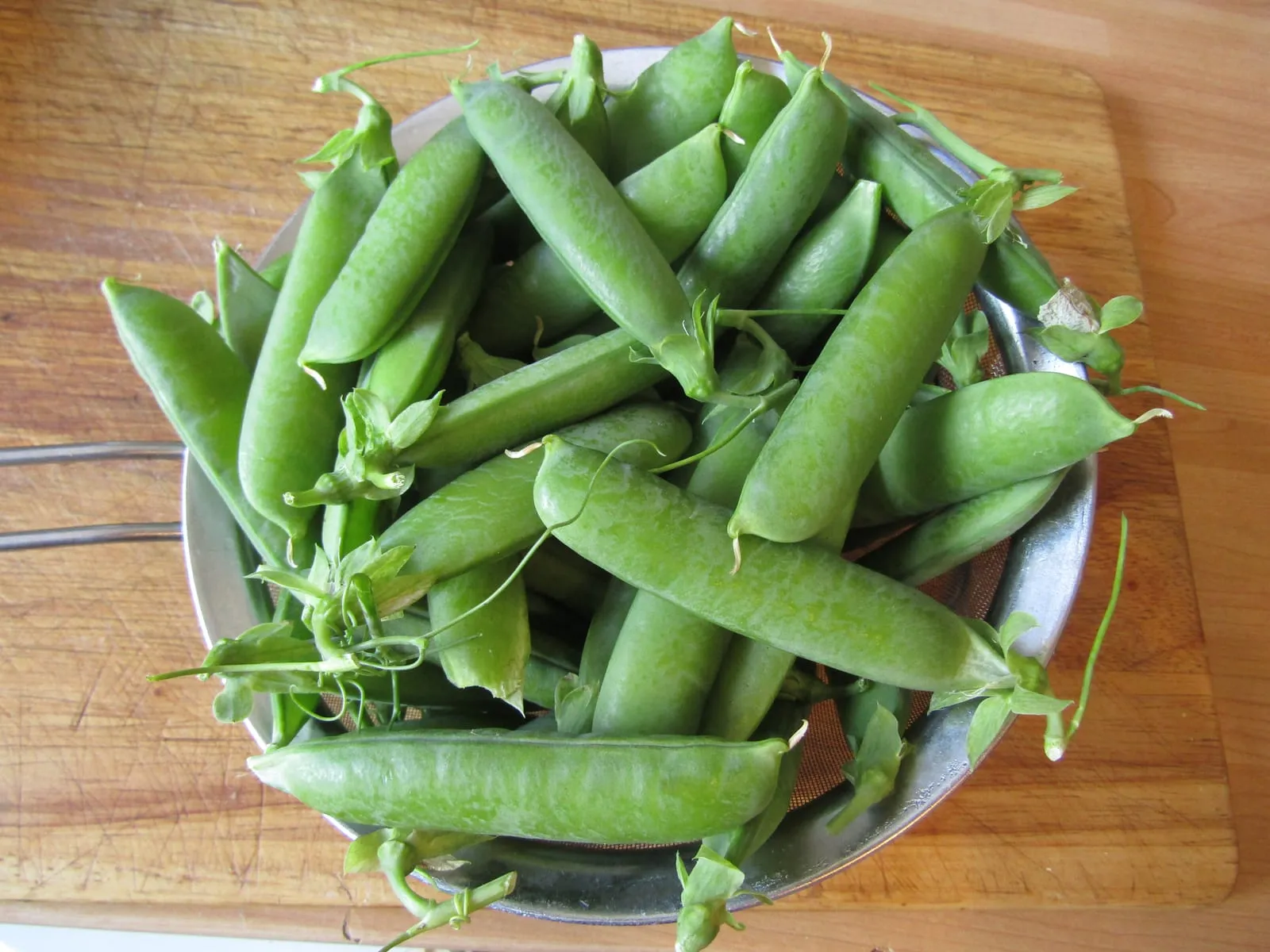 zone 7a
 Pea
Pisum sativum
zones 3a–8b
 zone 7a
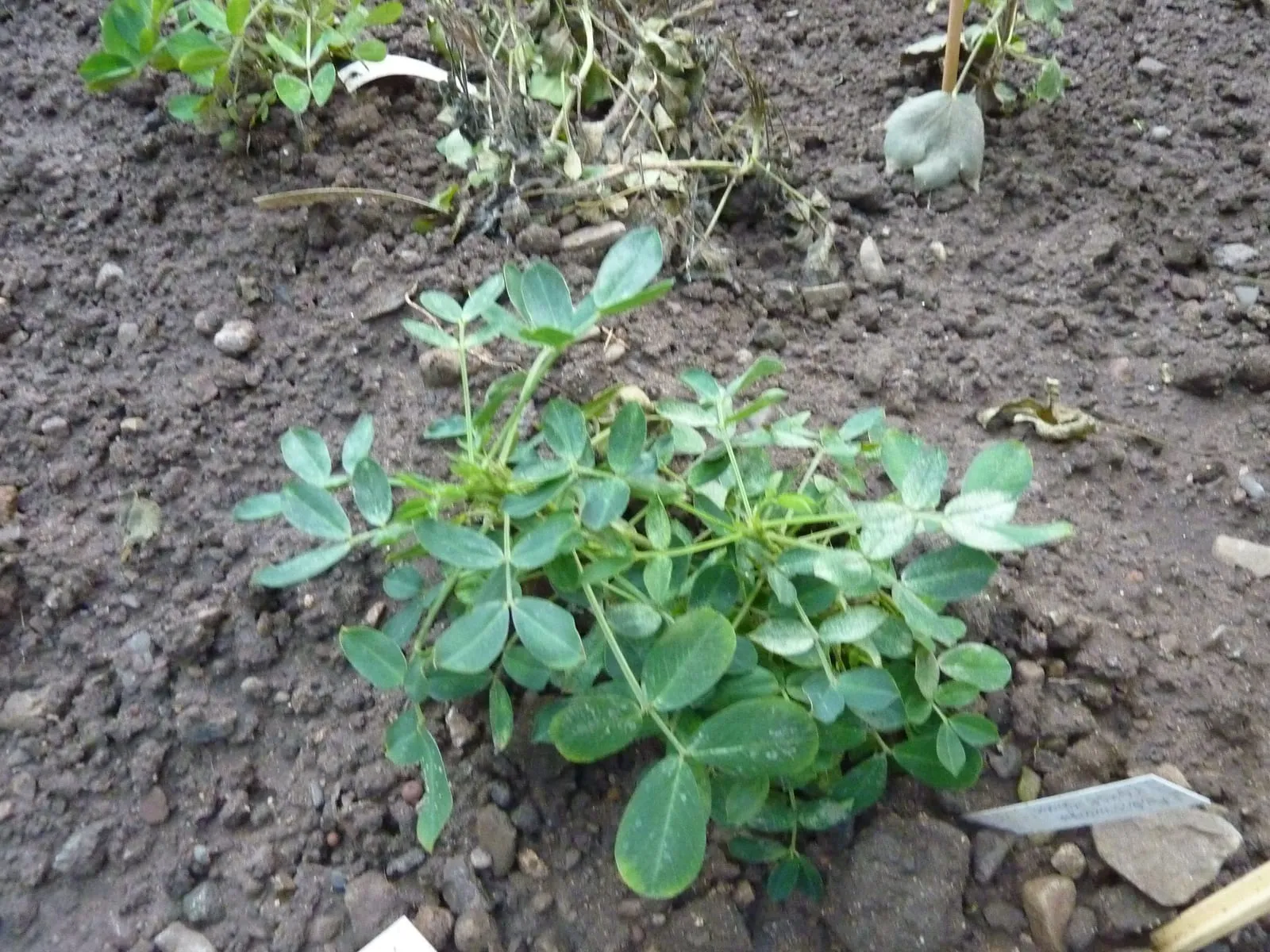
 Peanut
Arachis hypogaea
zones 6a–9b
 zone 7a
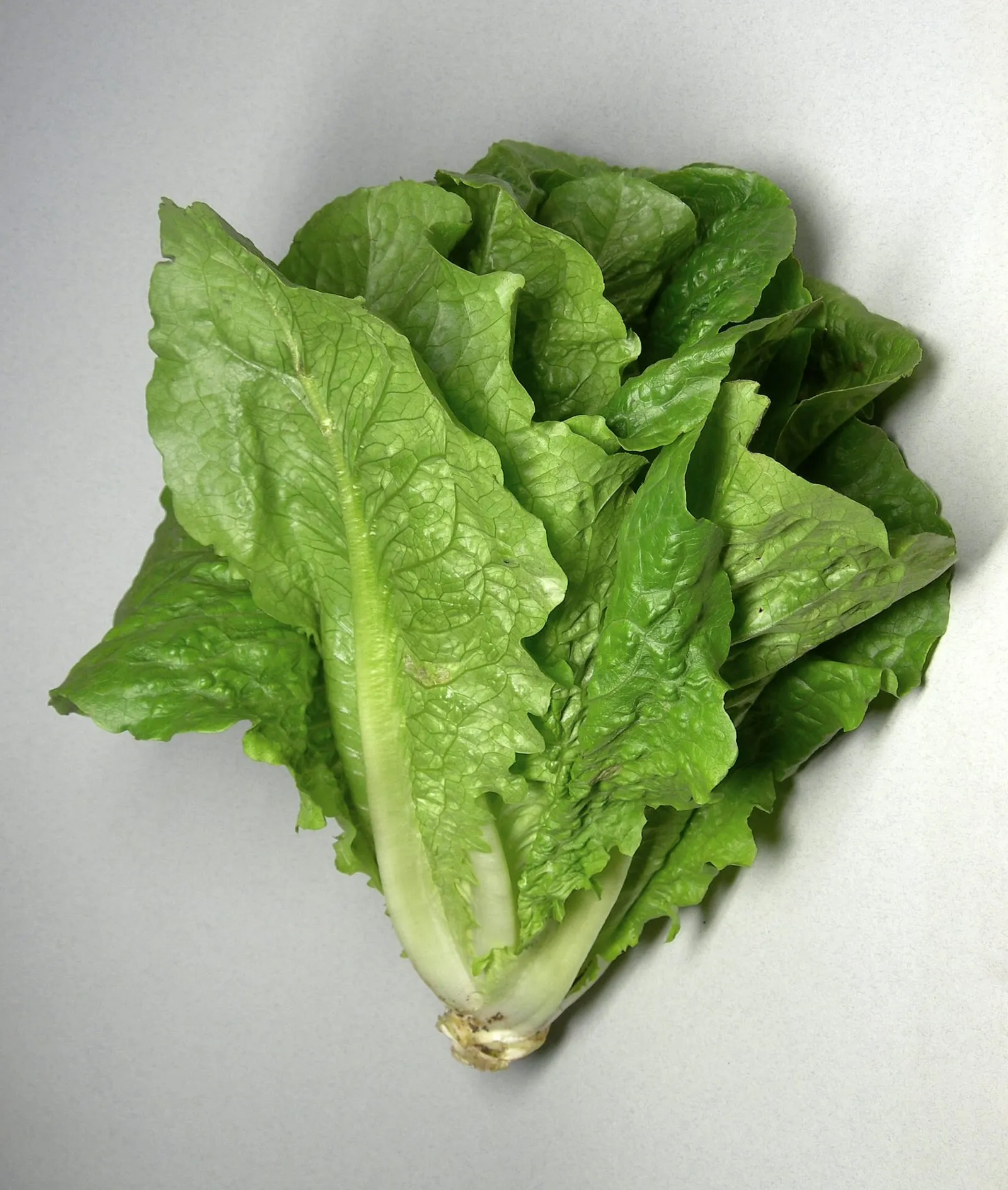
 Lettuce
Lactuca sativa
zones 3a–9b
 zone 7a
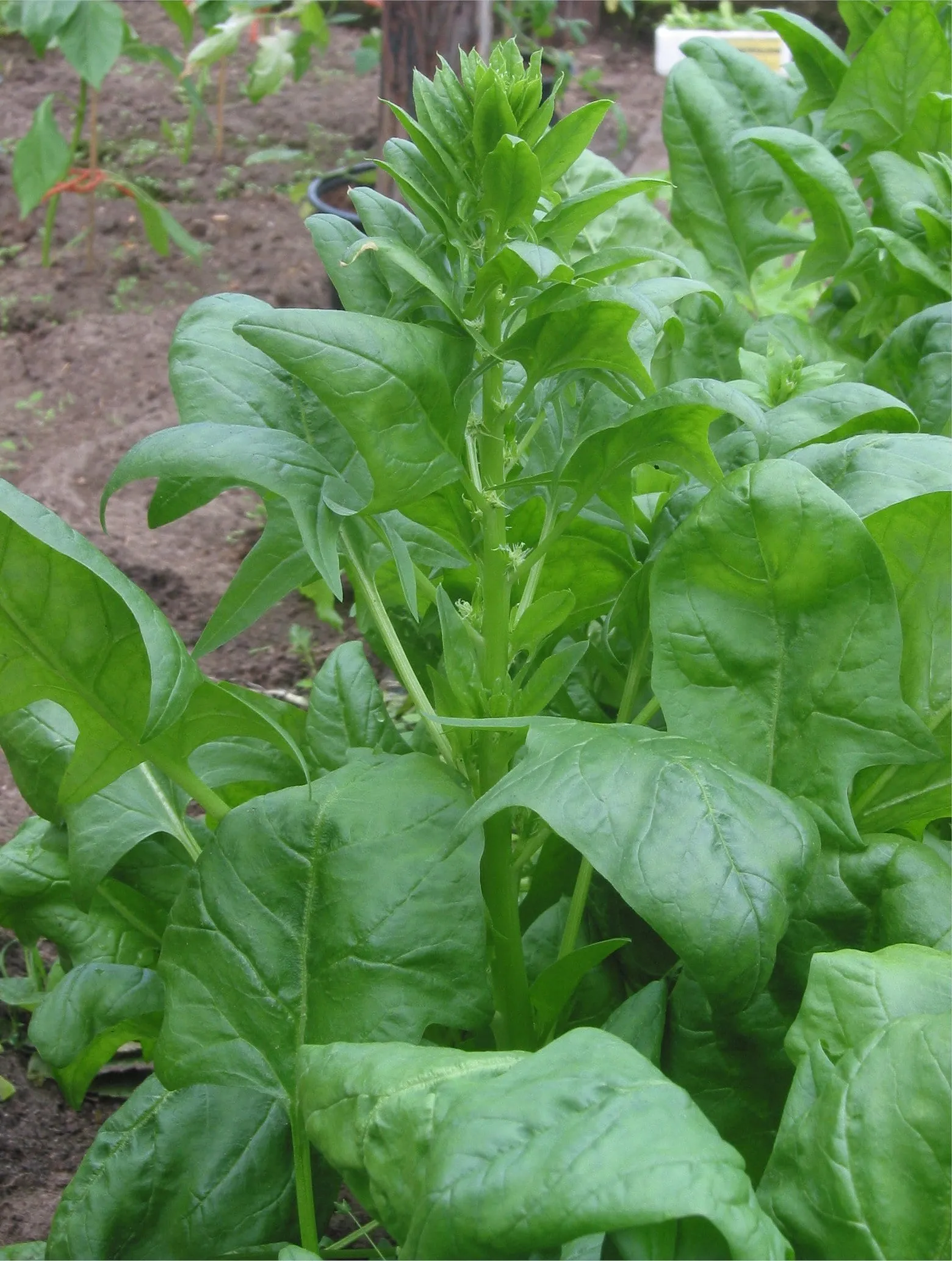
 Spinach
Spinacia oleracea
zones 3a–9a
 zone 7a
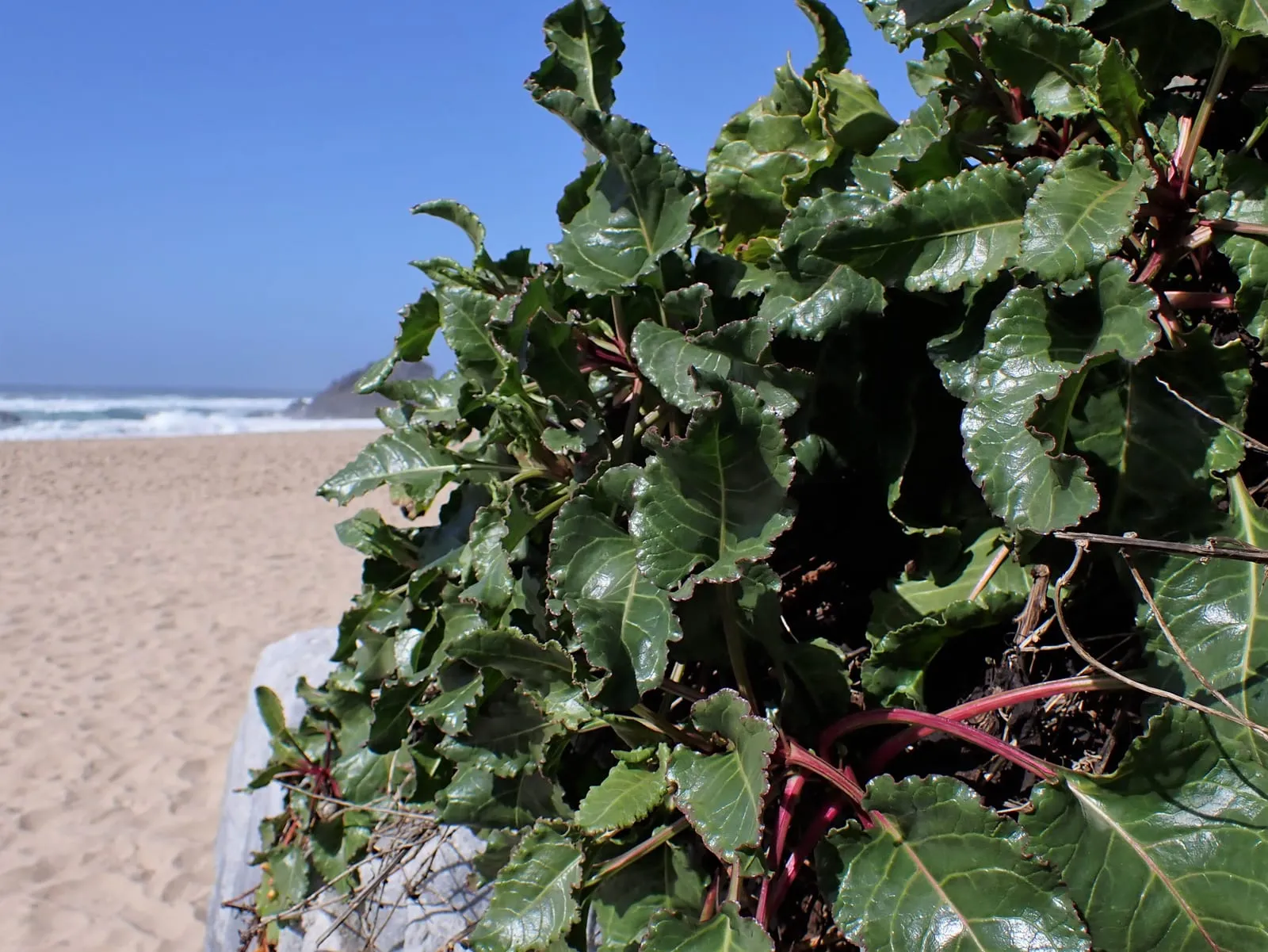
 Swiss Chard
Beta vulgaris subsp. vulgaris
zones 3a–9b
 zone 7a
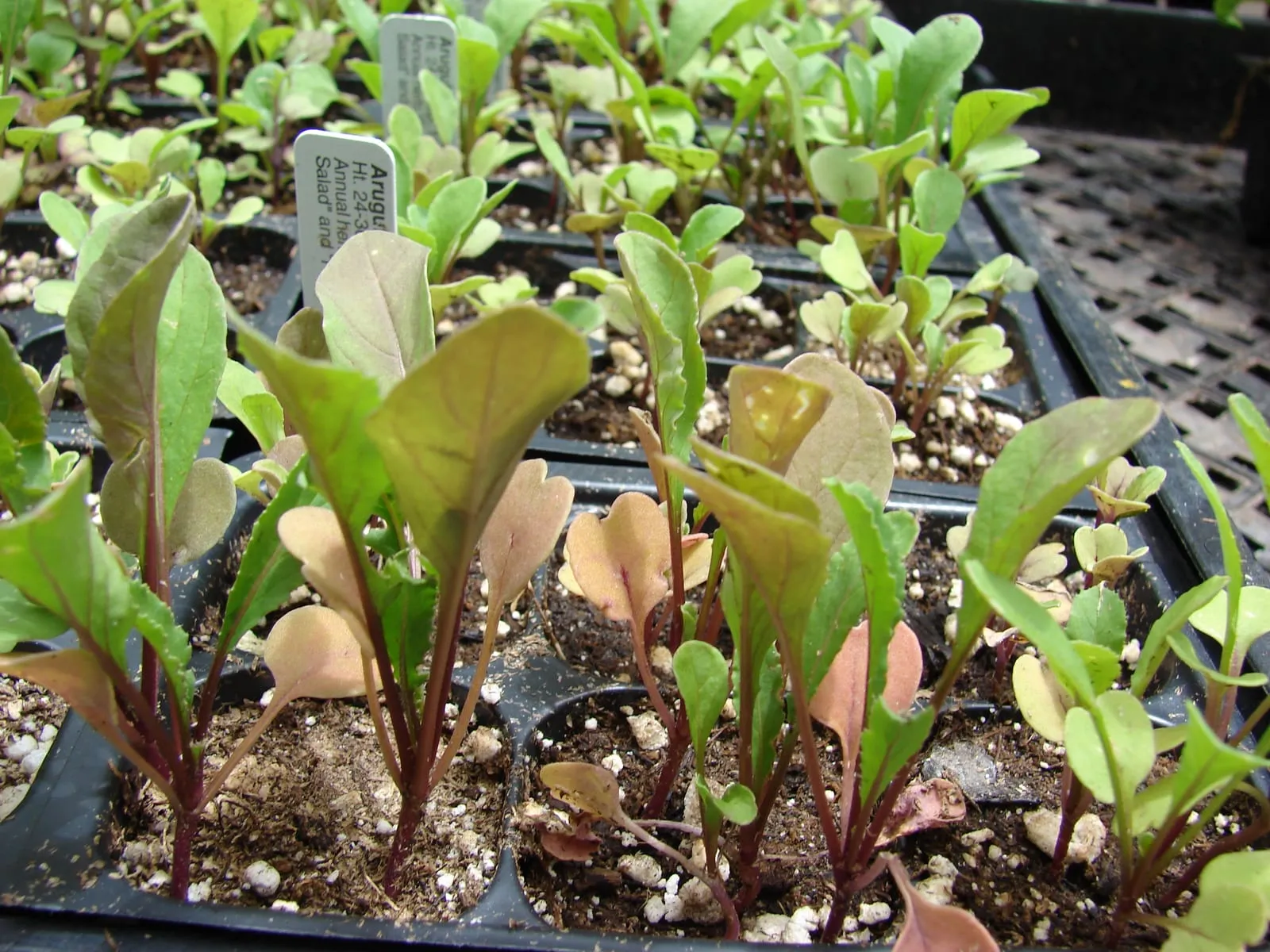
 Arugula
Eruca vesicaria
zones 3b–9a
 zone 7a
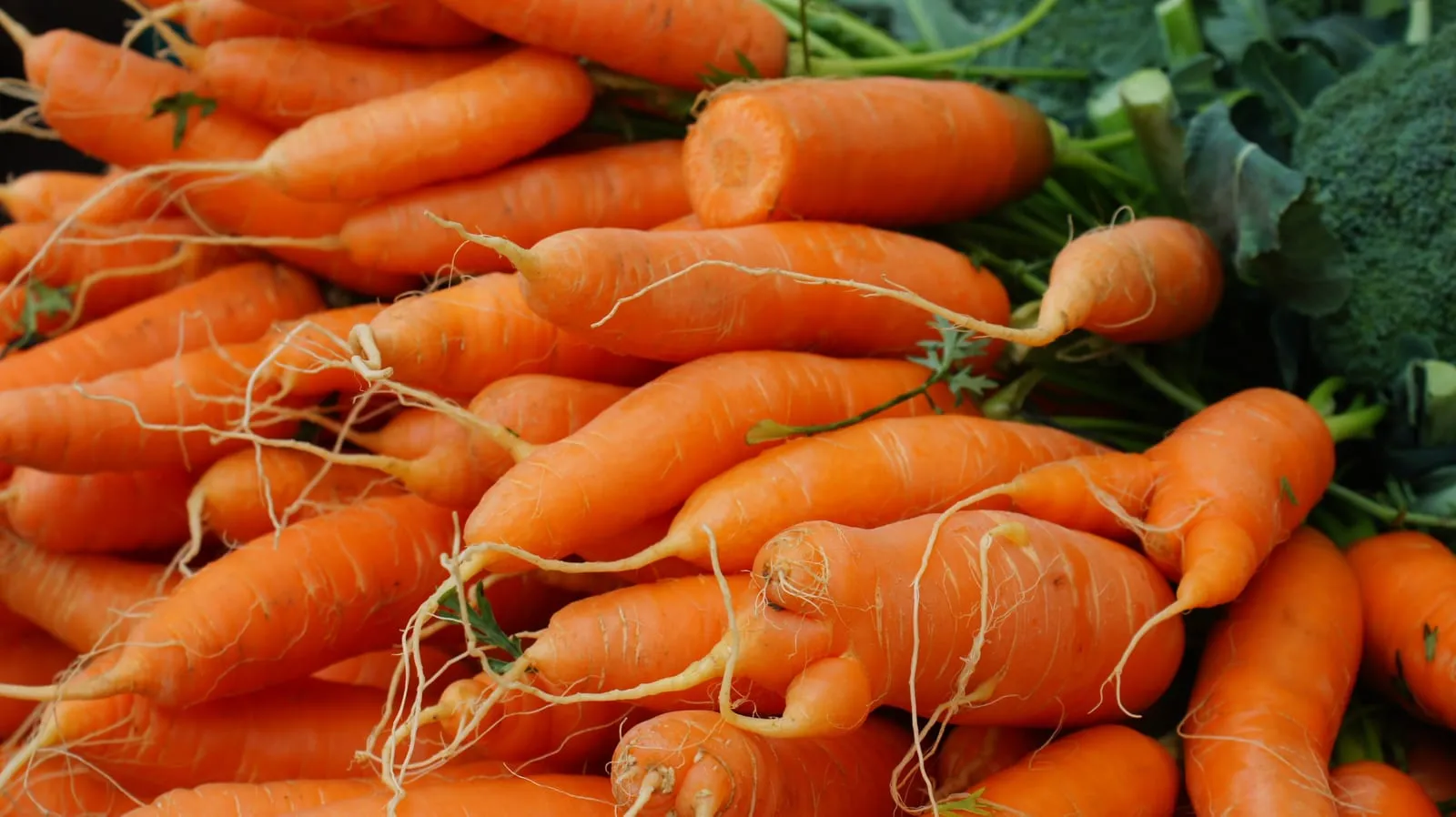
 Carrot
Daucus carota subsp. sativus
zones 3a–9a
 zone 7a
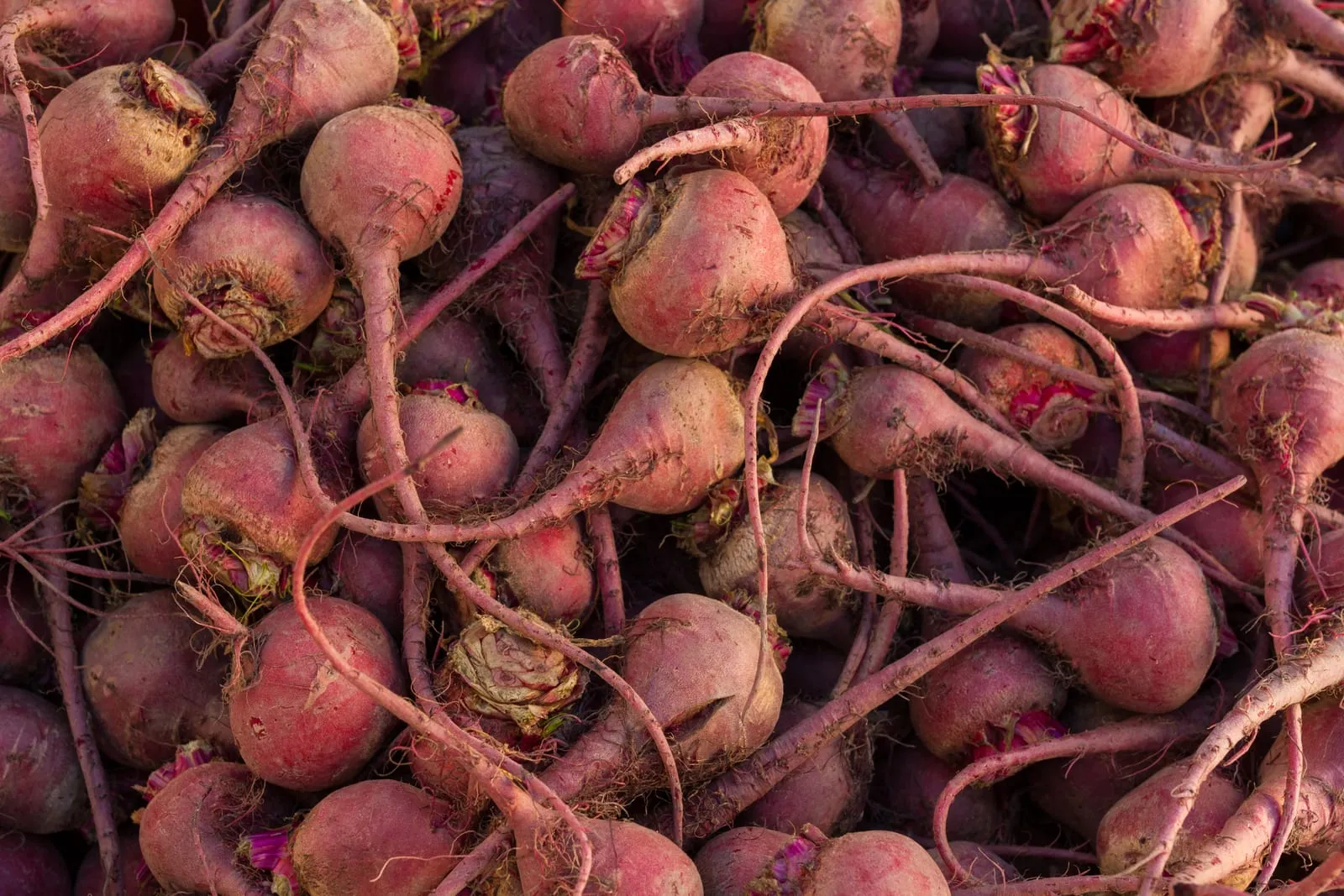
 Beet
Beta vulgaris
zones 3a–9a
 zone 7a
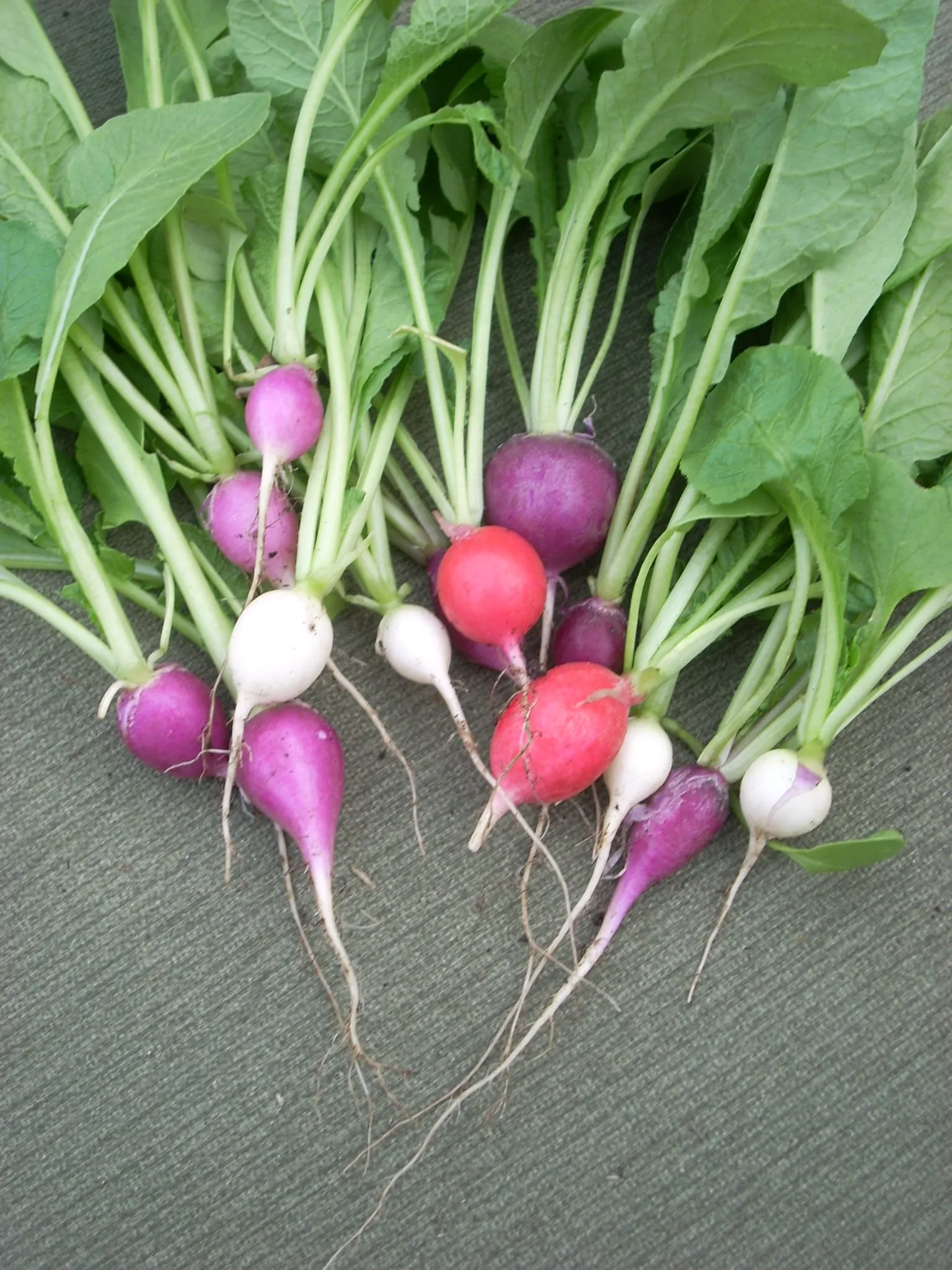
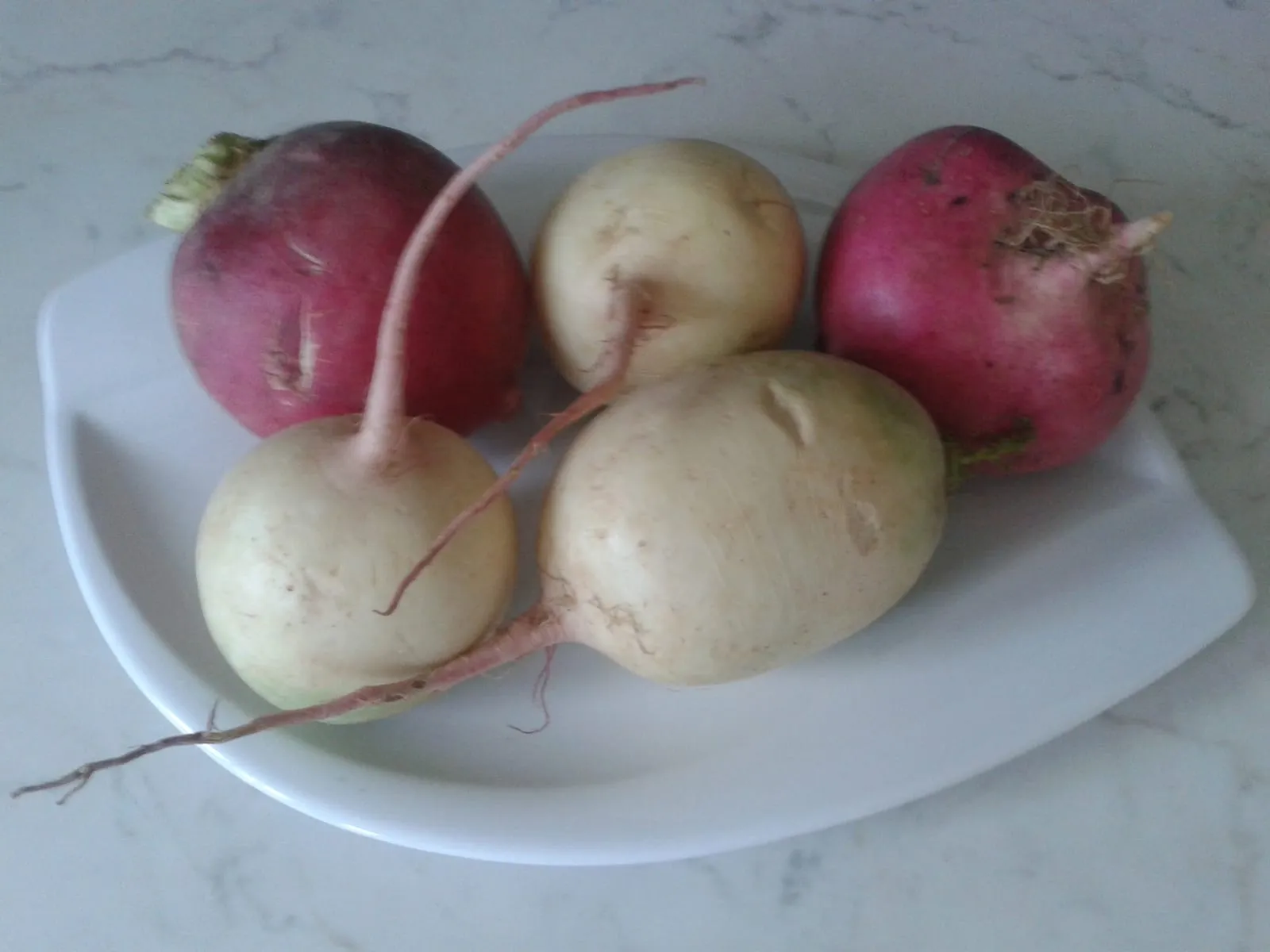
 Radish
Raphanus sativus
zones 3a–9a
 zone 7a
 Turnip
Brassica rapa subsp. rapa
zones 3a–8b
 zone 7a
 Parsnip
Pastinaca sativa
zones 3a–8a
 zone 7a
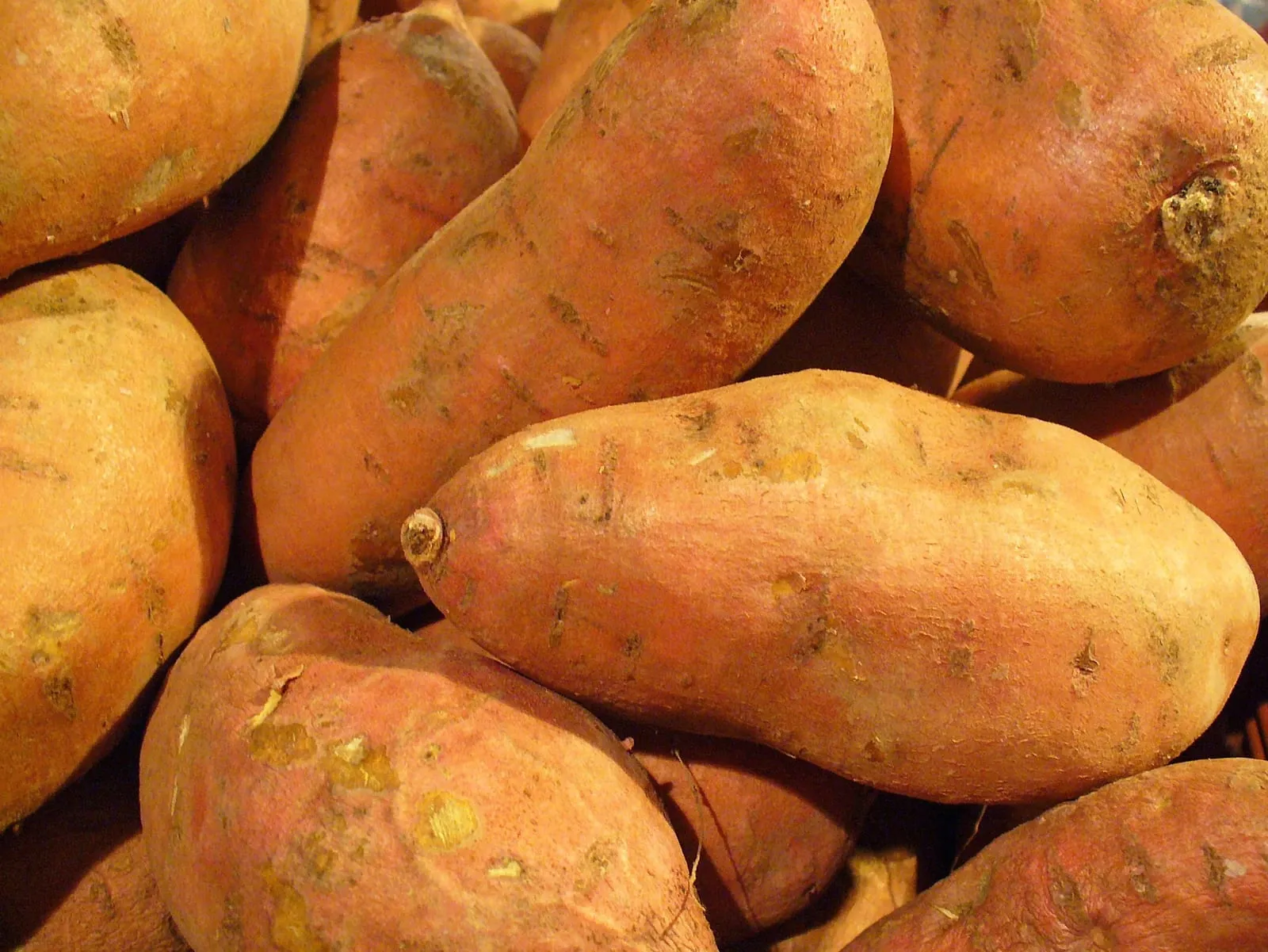
 Sweet Potato
Ipomoea batatas
zones 6a–10b
 zone 7a
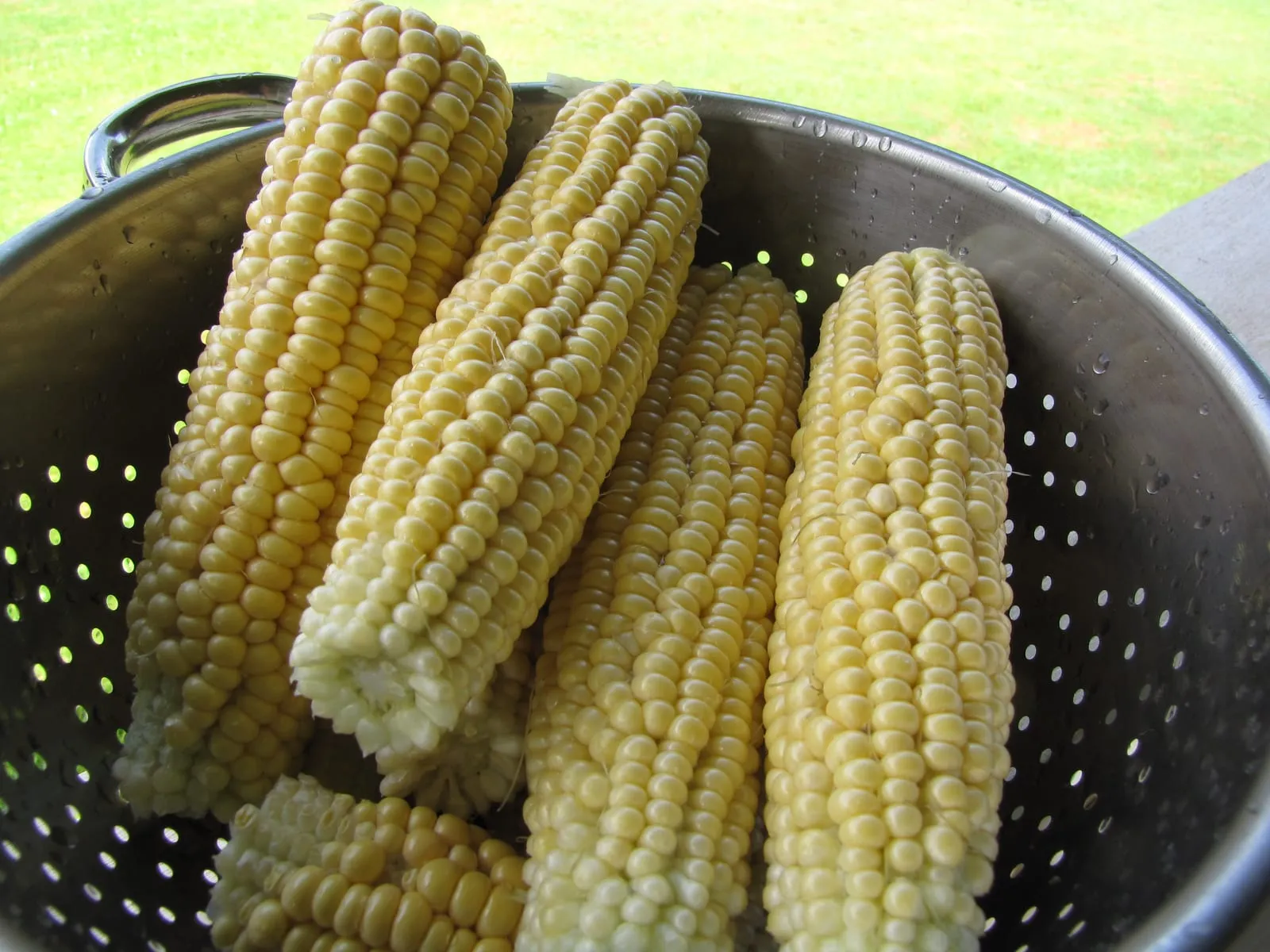
 Sweet Corn
Zea mays var. saccharata
zones 3b–9a
 zone 7a
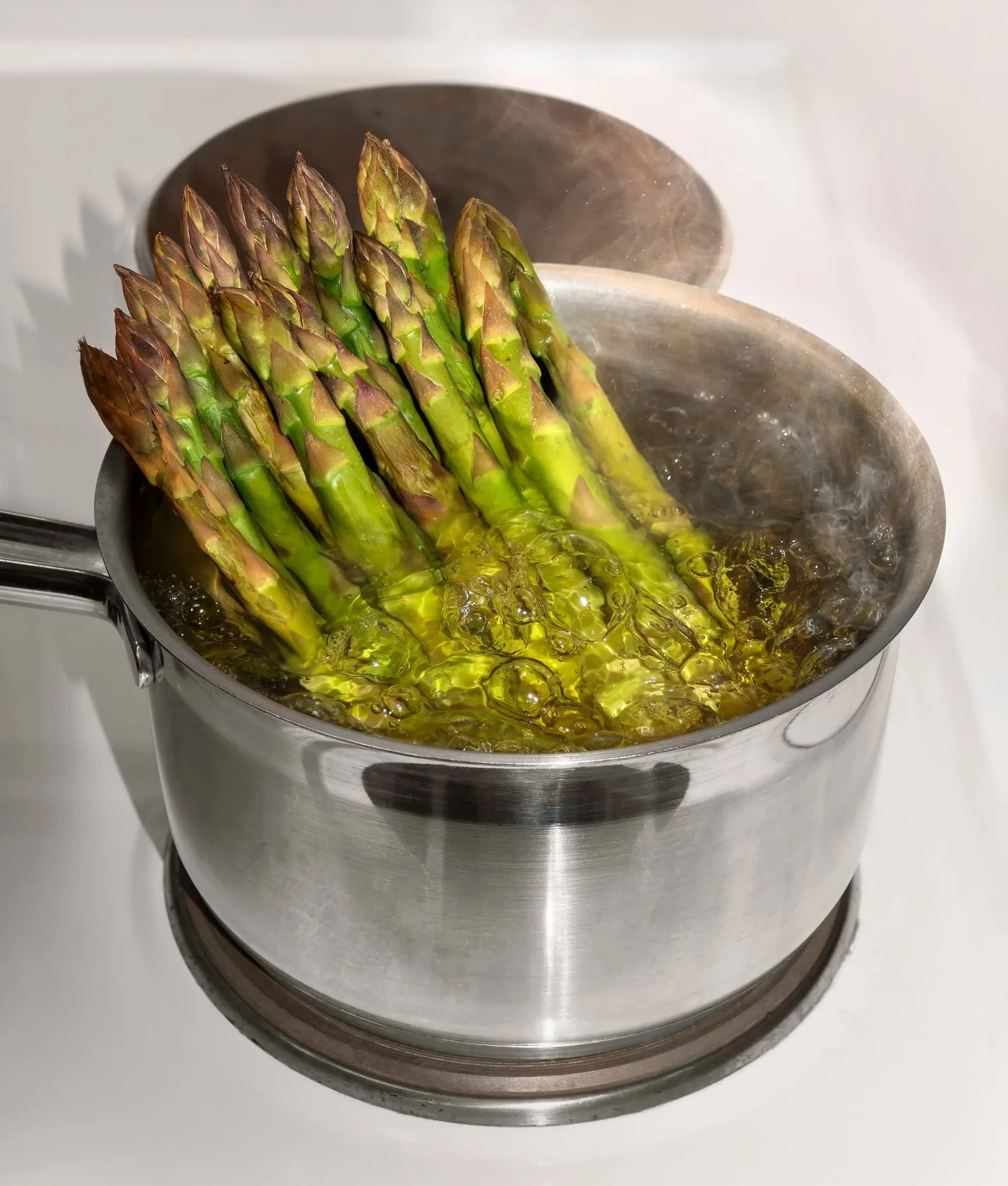
 Asparagus
Asparagus officinalis
zones 3b–8b
 zone 7a
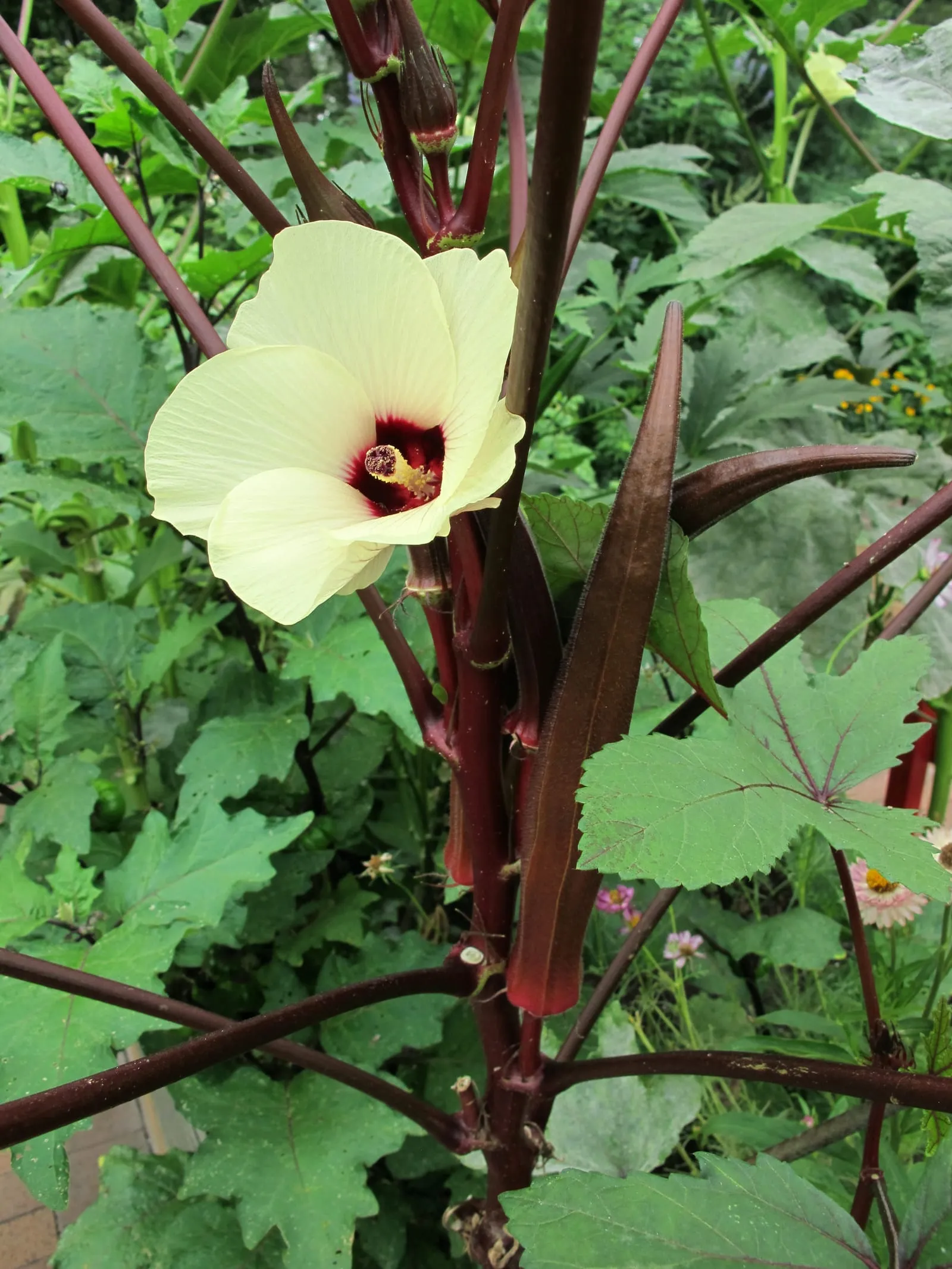
 Okra
Abelmoschus esculentus
zones 6a–10b
Herbs
10 crops
 zone 7a
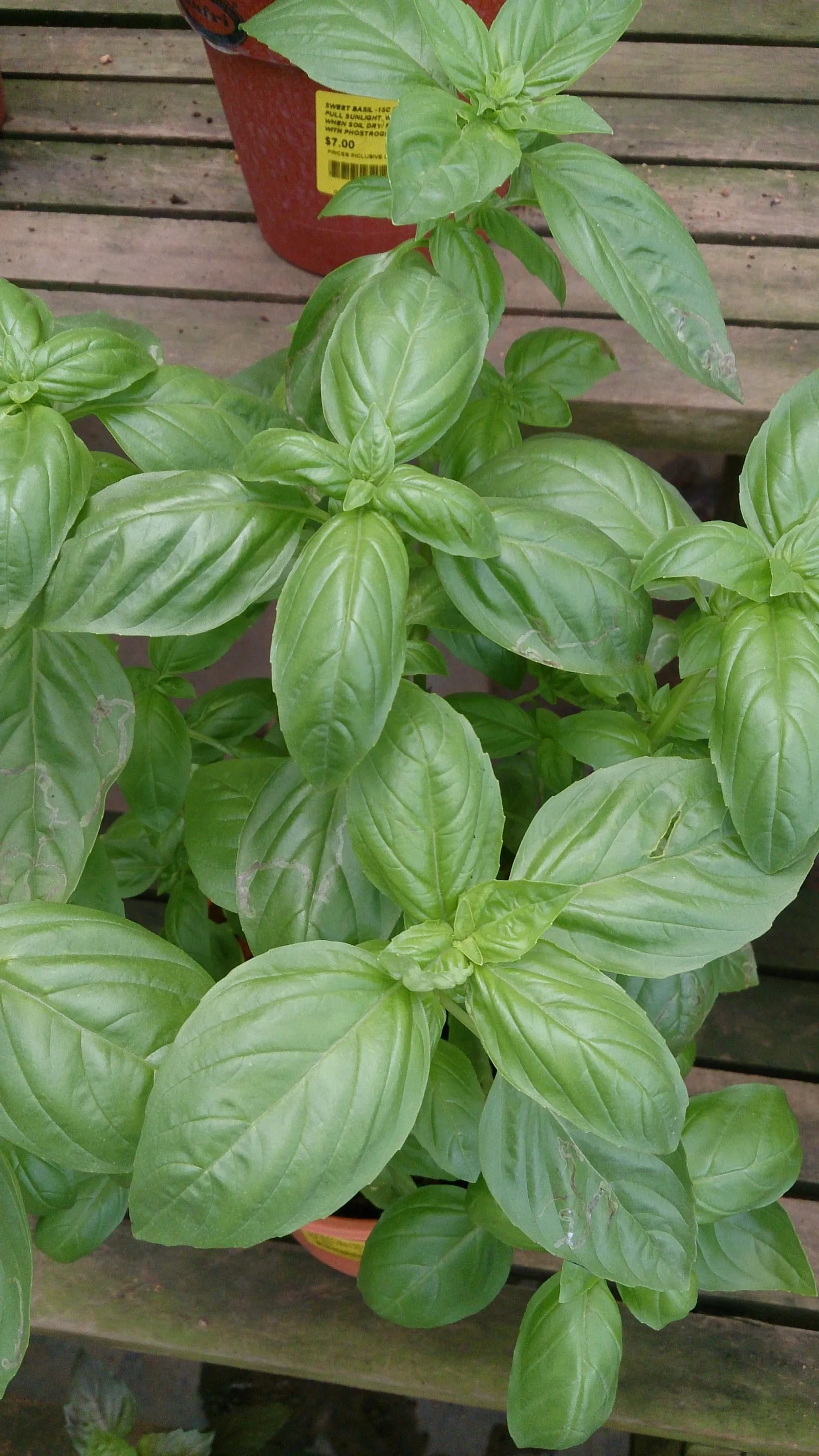
 Basil
Ocimum basilicum
zones 4a–10b
 zone 7a
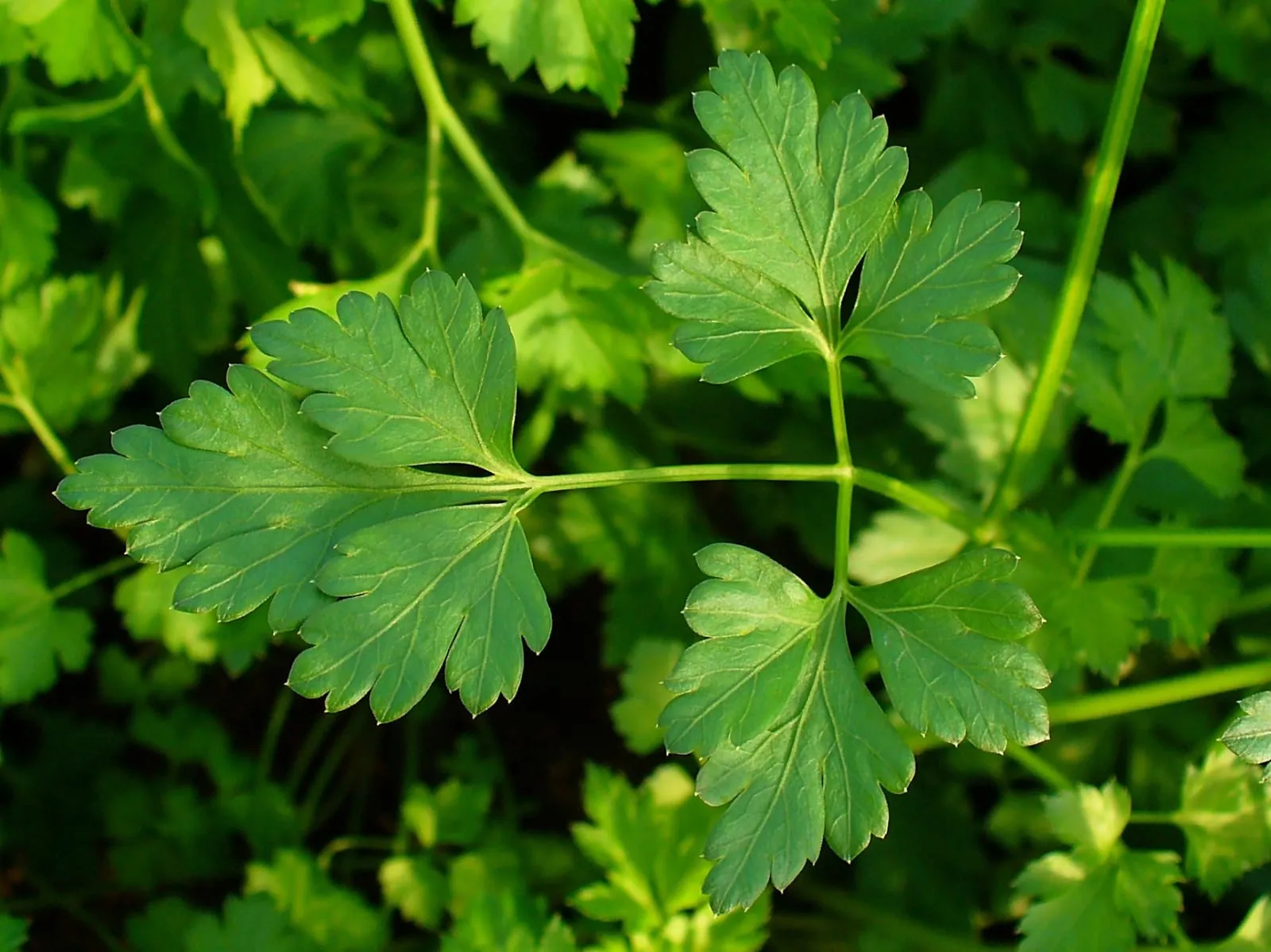
 Parsley
Petroselinum crispum
zones 3b–9b
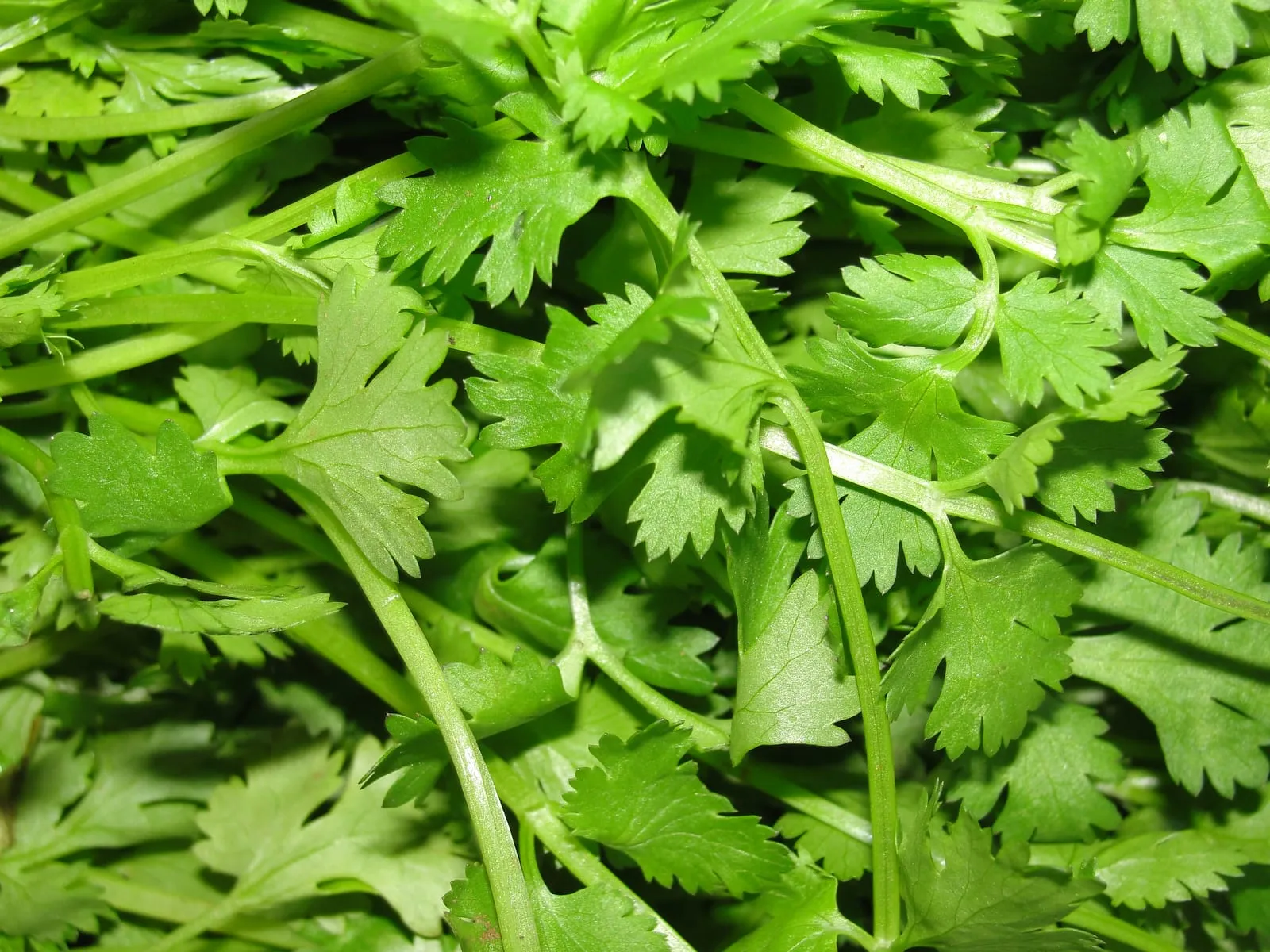 zone 7a
 Cilantro / Coriander
Coriandrum sativum
zones 3b–9b
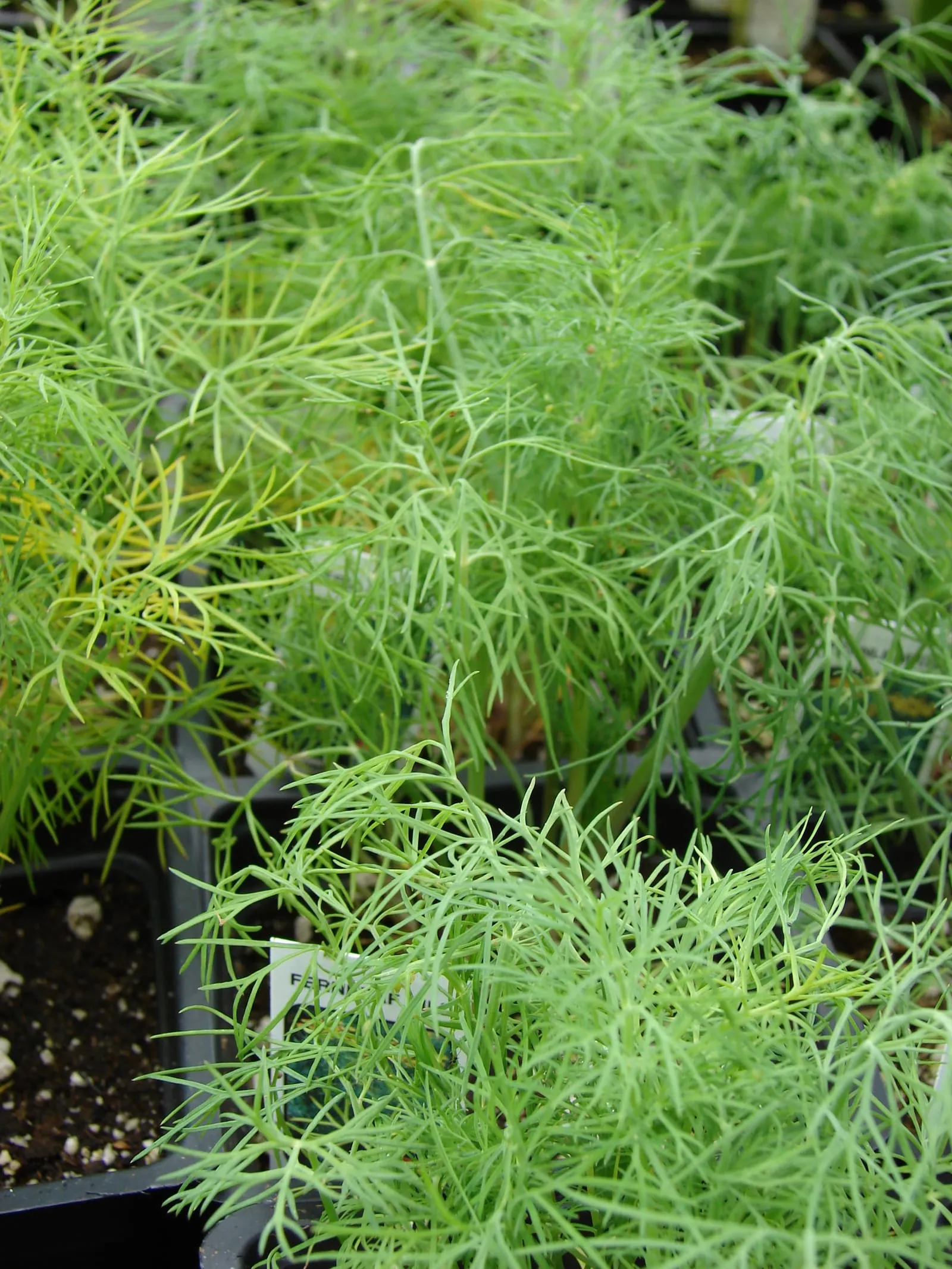 zone 7a
 Dill
Anethum graveolens
zones 3b–9a
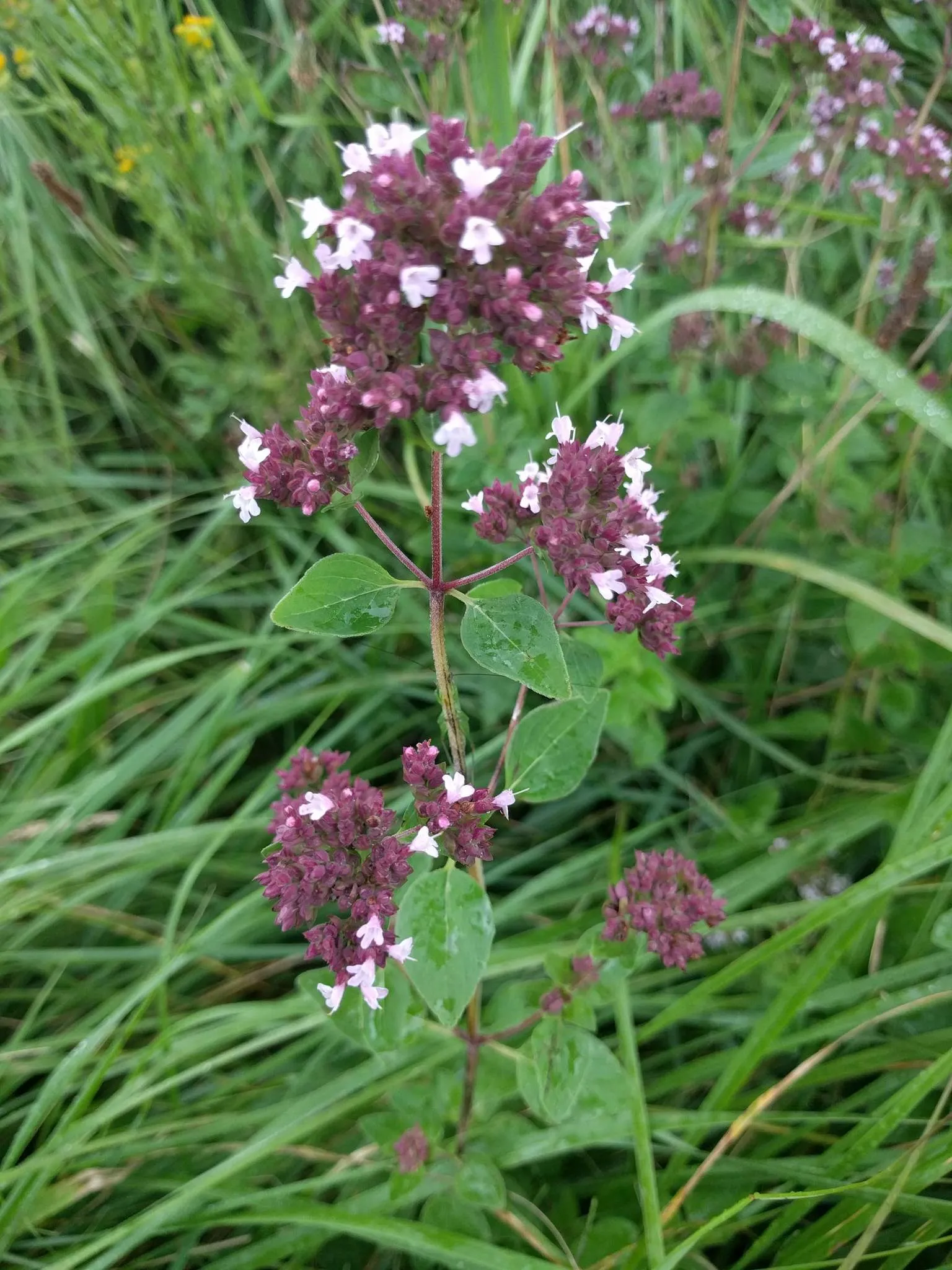 zone 7a
 Oregano
Origanum vulgare
zones 4a–9b
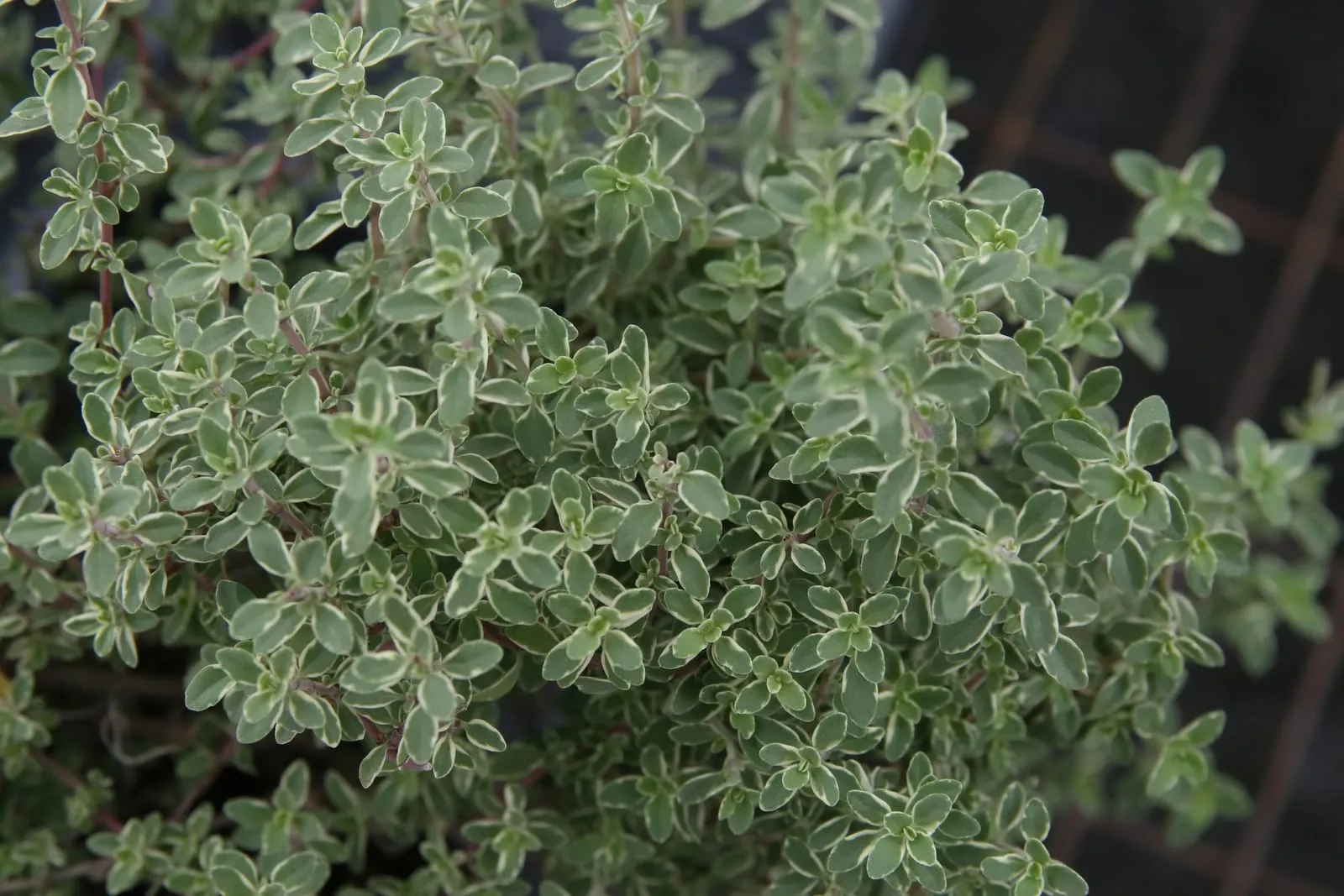 zone 7a
 Thyme
Thymus vulgaris
zones 4a–9a
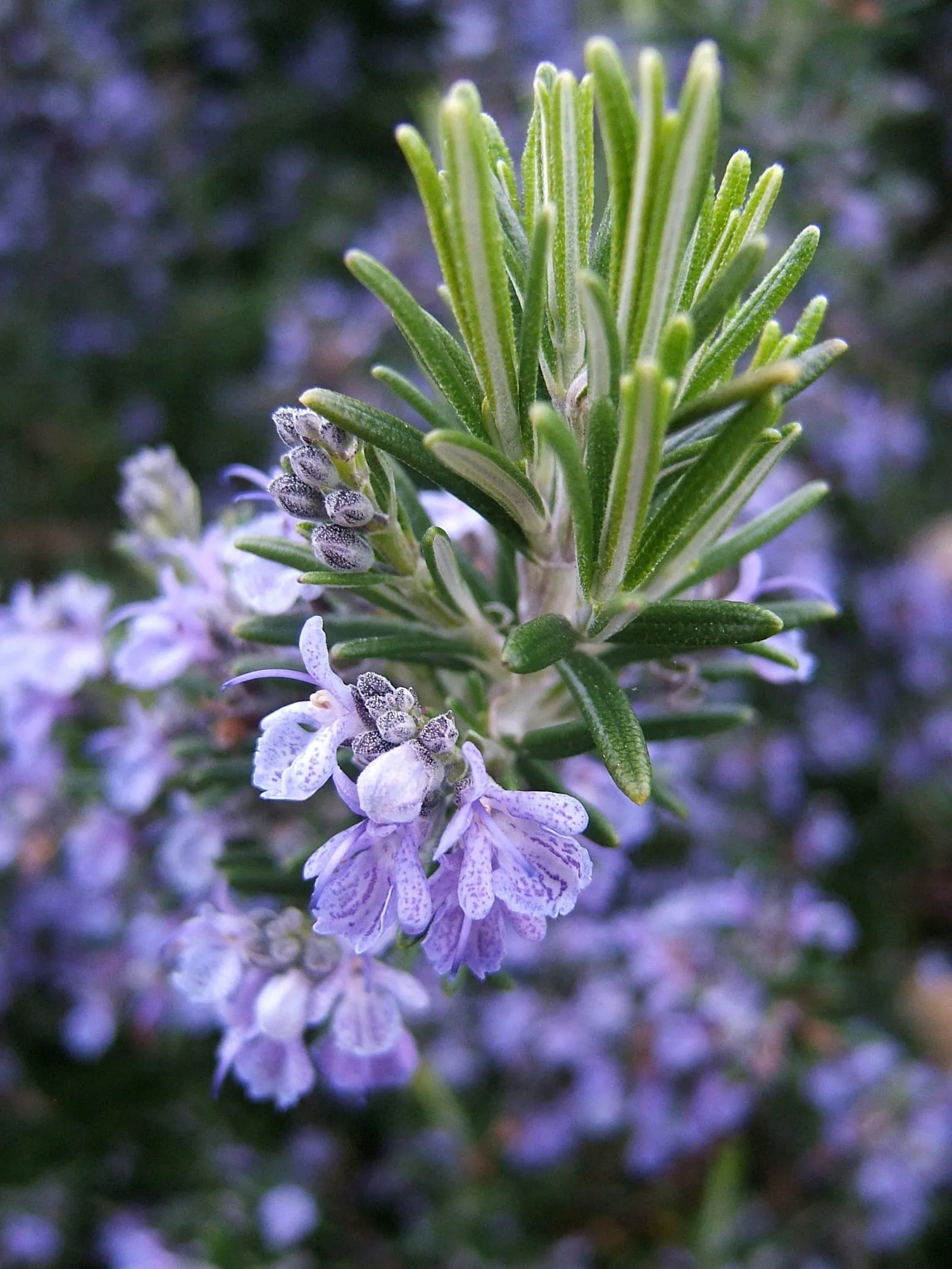 zone 7a
 Rosemary
Salvia rosmarinus
zones 7a–10b
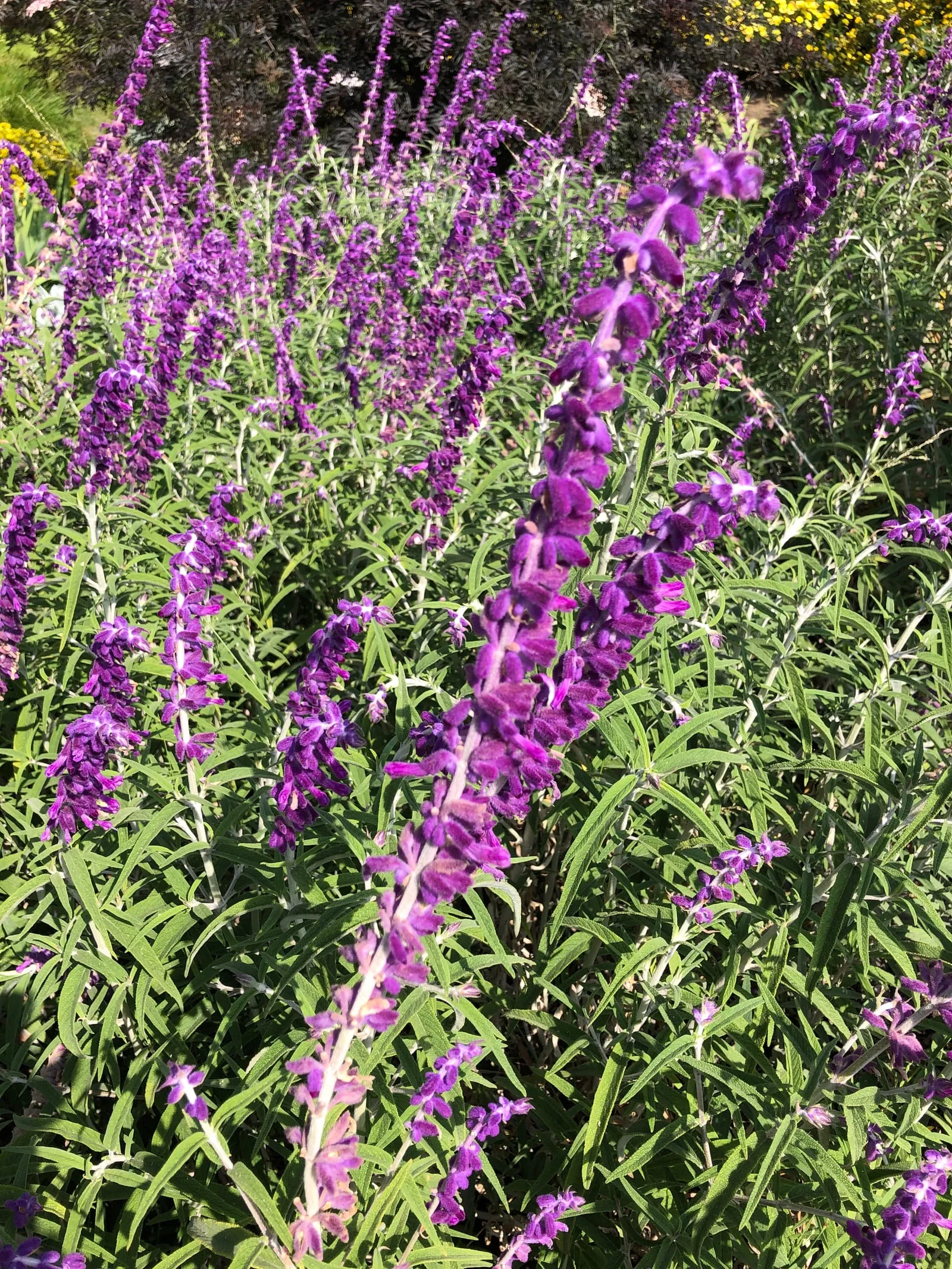 zone 7a
 Sage
Salvia officinalis
zones 4a–9a
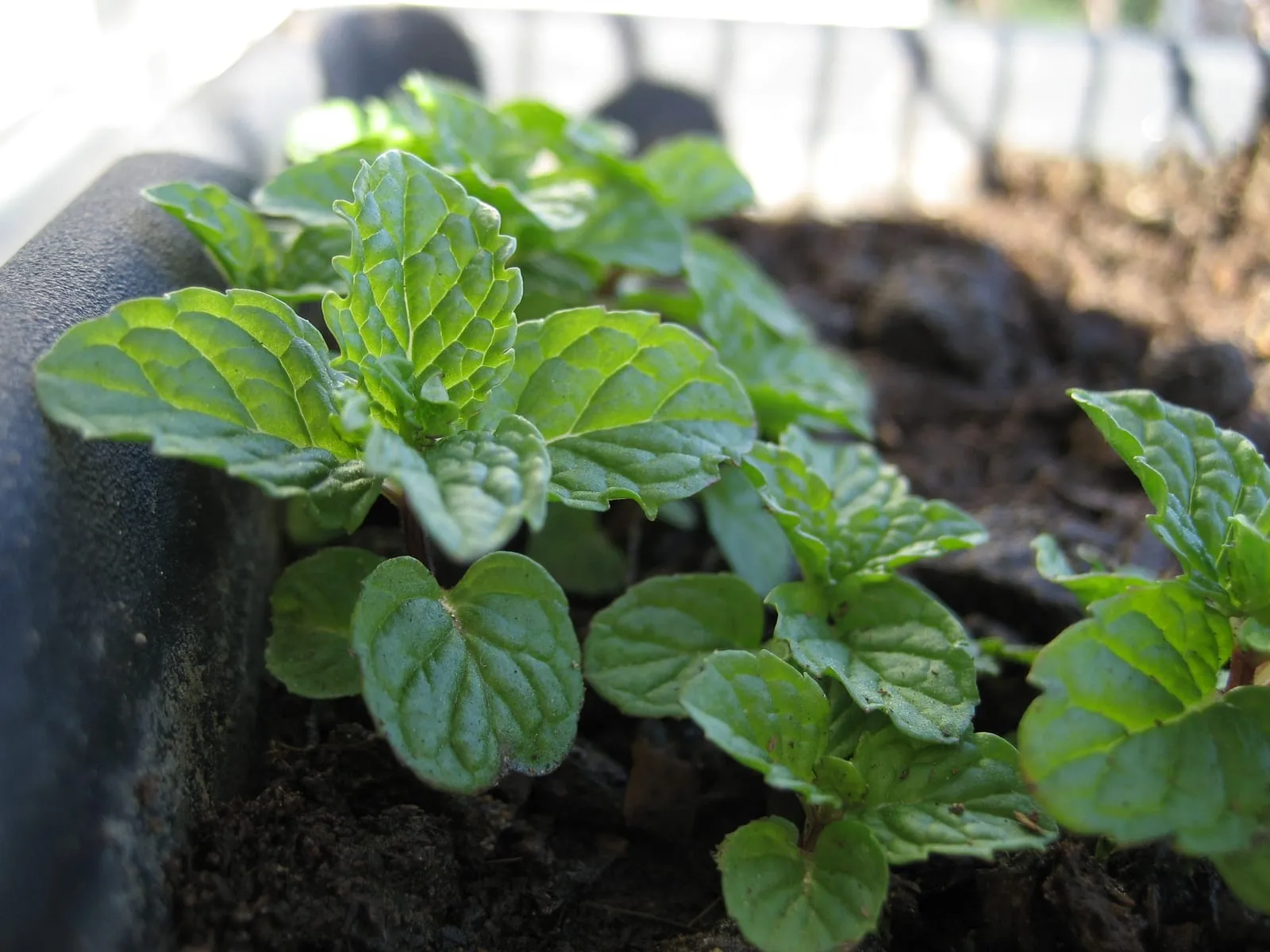 zone 7a
 Mint
Mentha species
zones 3b–9b
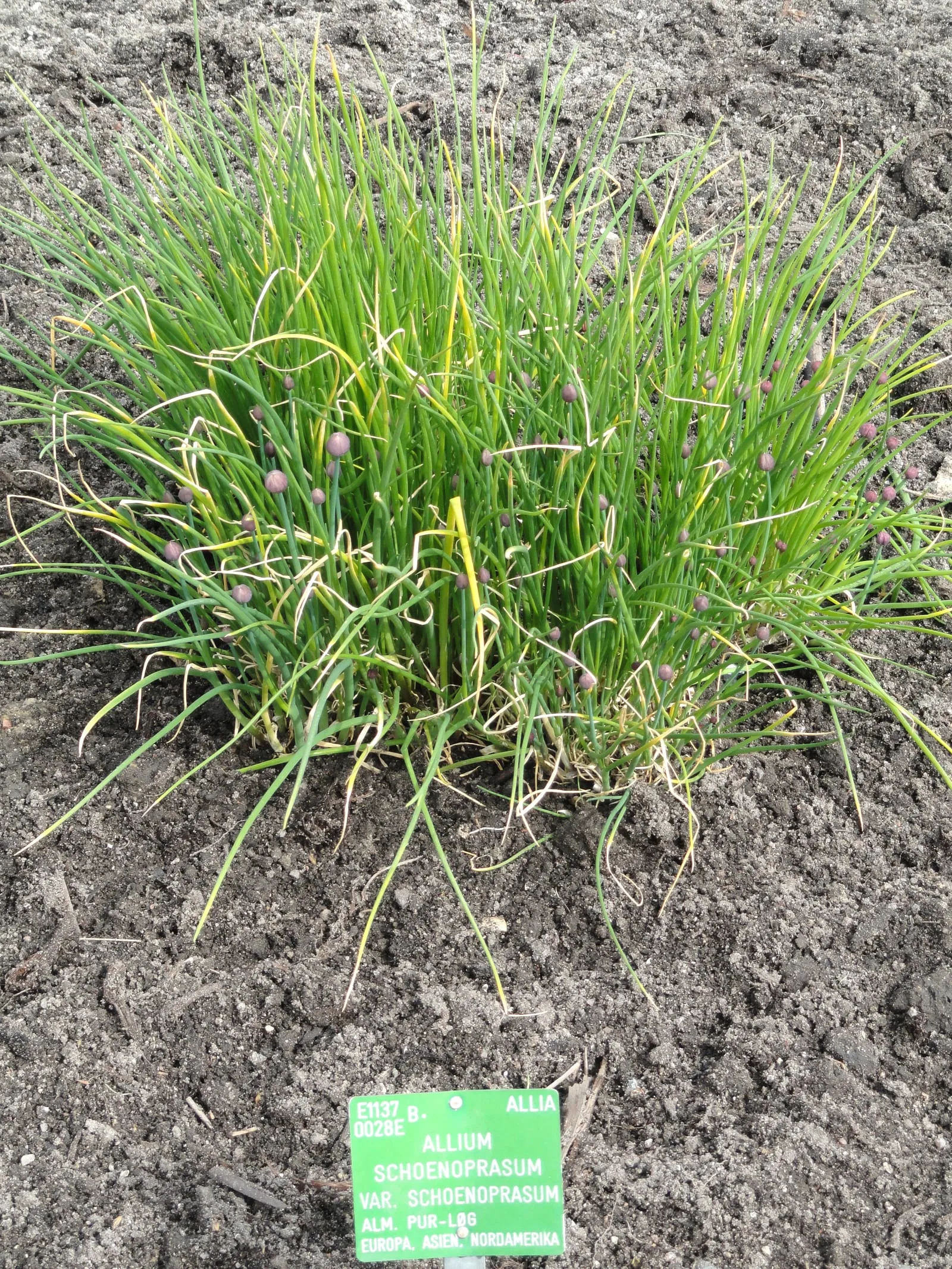 zone 7a
 Chives
Allium schoenoprasum
zones 3a–8b
When to plant
Planting calendar for zone 7a
Year-view of seed starting, transplanting, planting, pruning, fertilizing, harvest, and pest-watch windows based on the average frost timing for zone 7a.
Week ? · loading
This week in zone 7a
Quiet week in zone 7a. this week is a good time to step back and plan ahead.
Nothing critical on the calendar this week.
451 bars · 90 crops
Calendar logic combines NOAA frost normals with crop-specific timing data. Local microclimate and weather always overrules the calendar; use this as a starting point.
Frequently asked questions
- Do sweet cherries produce reliably in zone 7a?
Sweet cherries are possible in zone 7a but inconsistent. The chill-hour requirements for most sweet cherry varieties (800 to 1,200 hours) are met in most zone 7a winters, but late spring frosts frequently damage blooms, and high humidity favors brown rot on ripening fruit. Raincovers or dwarf trees under netting reduce loss significantly. Sour cherries such as Montmorency are a more dependable choice for most zone 7a sites.
- Which apple varieties hold up best against zone 7a disease pressure?
Varieties with resistance to both cedar-apple rust and fire blight perform most consistently: Enterprise, Liberty, Freedom, and Goldrush are commonly recommended in extension publications for the mid-Atlantic and upper South. Honeycrisp is popular but carries moderate fire blight susceptibility and requires attentive pruning and spray timing in zone 7a conditions. Avoid Gala, Fuji, and Jonathan on sites with a history of rust or blight without a full management program in place.
- How do I protect peach trees from late spring frosts in zone 7a?
Peaches bloom 2 to 4 weeks earlier than apples, making late-frost crop loss one of the most common complaints in zone 7a. Practical options include planting on north-facing slopes or positions that delay bloom slightly through reduced solar warming, selecting late-blooming varieties such as Contender or Madison, and using overhead irrigation for frost protection on nights when temps are forecast to drop below 28 degrees Fahrenheit for more than 30 minutes after bloom. Small-scale growers sometimes use frost cloth draped directly over low-trained trees.
- What is causing the orange spots on my apple and cedar trees in spring?
Cedar-apple rust, caused by the fungus Gymnosporangium juniperi-virginianae, requires both a cedar or juniper host and an apple host to complete its life cycle. Orange gelatinous spore masses appear on Eastern red cedar in spring; the spores infect nearby apple foliage and fruit. Removing cedars within a few hundred feet offers limited protection given wind dispersal range. Resistant apple varieties and fungicide applications at tight cluster through petal fall are the more reliable management approach.
- Will figs survive zone 7a winters without protection?
In-ground figs in zone 7a typically die back to the ground in hard winters but re-sprout from the crown. Cold-hardy selections such as Brown Turkey and Hardy Chicago survive most zone 7a winters without protection and fruit on new-season growth. In colder pockets within the zone, mulching the crown heavily in late fall or wrapping the trunk reduces dieback and allows more of the prior year's wood to survive, which increases early-season fruit set.
- Can European pears succeed in zone 7a?
European pears grow well in zone 7a but require fire blight management as a non-negotiable part of the program. Bartlett and Bosc are highly susceptible; Harrow Sweet, Moonglow, and Seckel carry better resistance. Most European pears need a second compatible variety nearby for cross-pollination. Asian pears are also well-suited to zone 7a and generally show better fire blight tolerance than susceptible European selections, though the fruit handling and storage requirements differ significantly.
+−
+−
+−
+−
+−
+−
Related