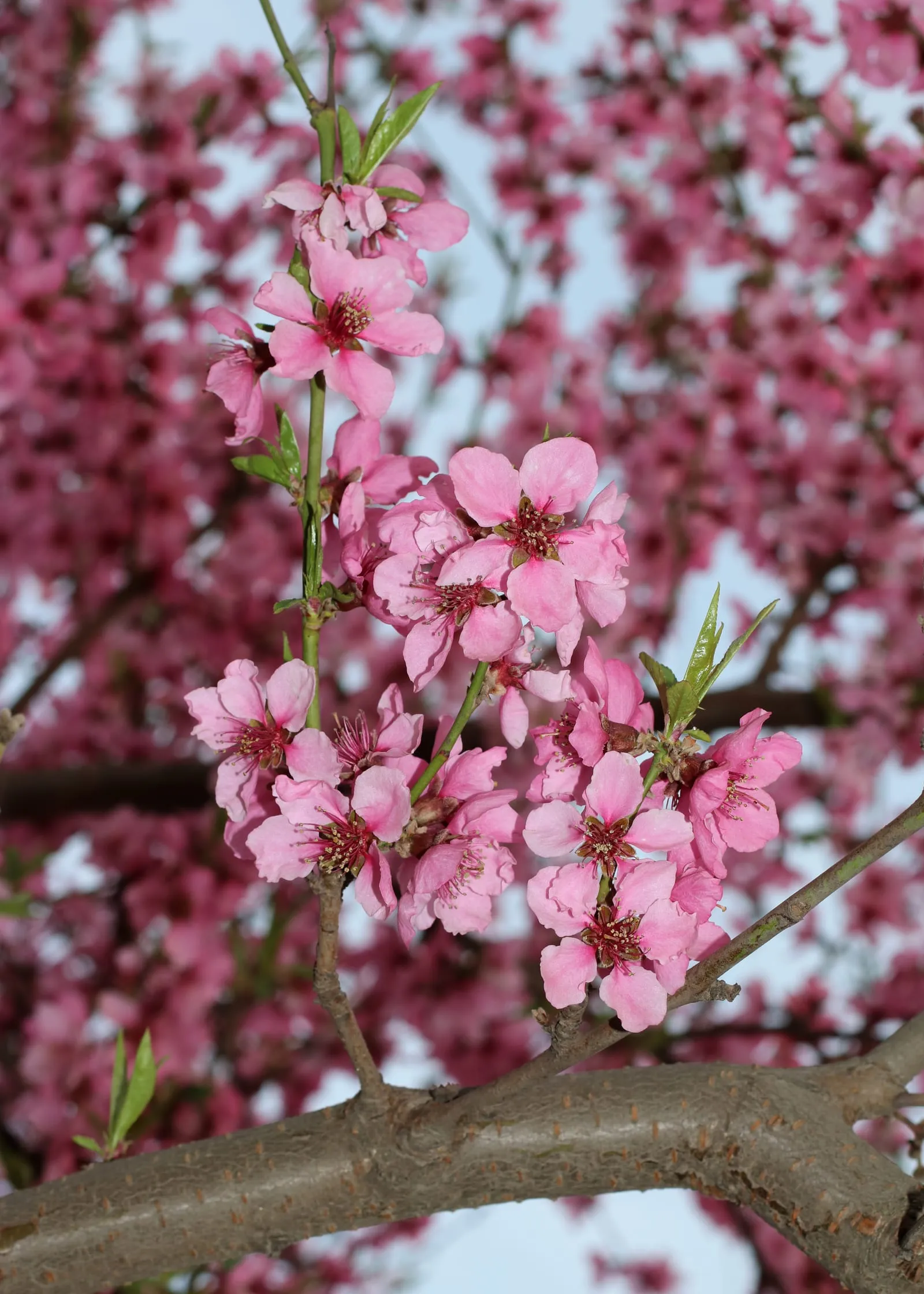
fruit tree in zone 7a
Growing peach in zone 7a
Prunus persica
- Zone
- 7a 0°F to 5°F
- Growing season
- 210 days
- Chill needed
- 600 to 900 below 45°F
- Suitable varieties
- 3
- Days to harvest
- 90 to 150
The verdict
Zone 7a sits within the core of peach country for the eastern and central United States. Winter minimum temperatures of 0 to 5°F fall within the survivable range for most commercial peach varieties, and the zone reliably accumulates enough chill hours through a typical winter to meet the 600 to 900 chill-hour requirement of standard varieties. This is not a marginal fit. Varieties like Contender, Redhaven, and Madison were largely developed with zone 7a conditions in mind and perform predictably here.
The primary constraint is not cold hardiness or chill accumulation but bloom timing. Peaches bloom early, often in March, when hard freezes remain possible across most of zone 7a. A late frost after full bloom will eliminate the crop for that year. Site selection, particularly planting on elevated ground or north-facing slopes to delay bloom slightly, reduces this risk more reliably than variety selection alone.
Recommended varieties for zone 7a
3 cultivars suited to this zone, with disease-resistance and zone-fit annotations.
| Variety | Notes | Zone fit | Disease resistance |
|---|---|---|---|
| Contender fits zone 7a | Sweet, balanced flavor, freestone, firm yellow flesh; fresh, canning, freezing. Late-blooming so it dodges spring frost. Bacterial-spot resistant. | |
|
| Redhaven fits zone 7a | Sweet, juicy, firm, freestone yellow flesh; the industry standard with classic peach flavor. Eats fresh, cans well, freezes well. Most widely planted peach in the US. | | none noted |
| Madison fits zone 7a | Sweet, rich flavor, freestone; cold-hardy and resistant to spring frost. Excellent fresh and for canning. Late-blooming. | | none noted |
Critical timing for zone 7a
Peach bloom in zone 7a typically opens in late February to mid-March depending on specific location and variety. That window overlaps with the period when temperatures below 28°F can still occur across much of the zone, putting full bloom and early petal fall at recurring frost risk. Harvest for early varieties such as Redhaven generally falls in late June to early July; mid-season varieties like Contender run through July into early August; Madison extends into mid-August in favorable years. With a growing season of roughly 210 days, heat accumulation is adequate for all three. The primary calendar risk is spring, not fall.
Common challenges in zone 7a
- ▸ Cedar-apple rust
- ▸ Brown rot
- ▸ Fire blight
- ▸ High humidity disease pressure
Disease pressure to watch for
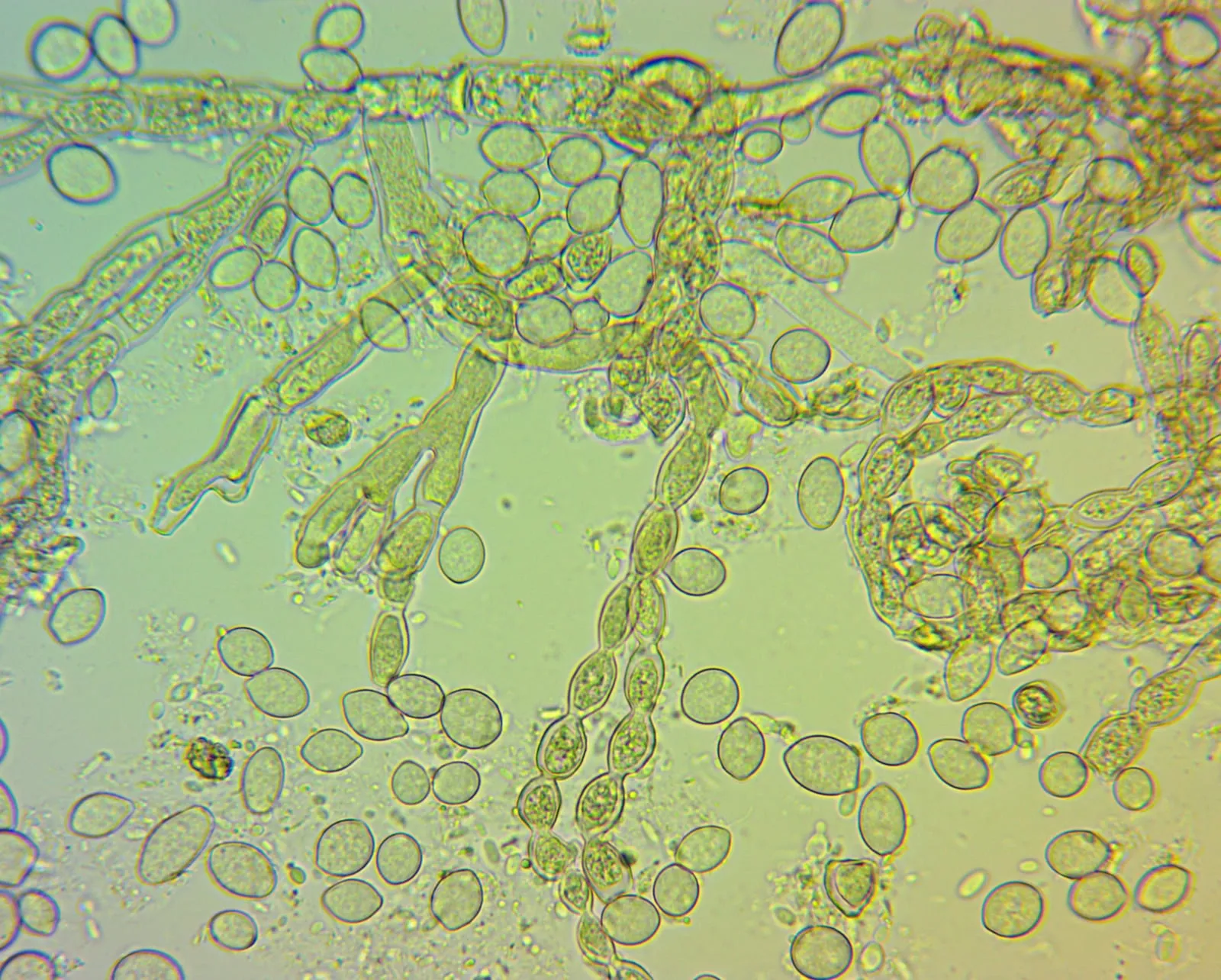
Monilinia fructicola
The most damaging stone-fruit and almond disease, causing blossom blight and fruit rot.
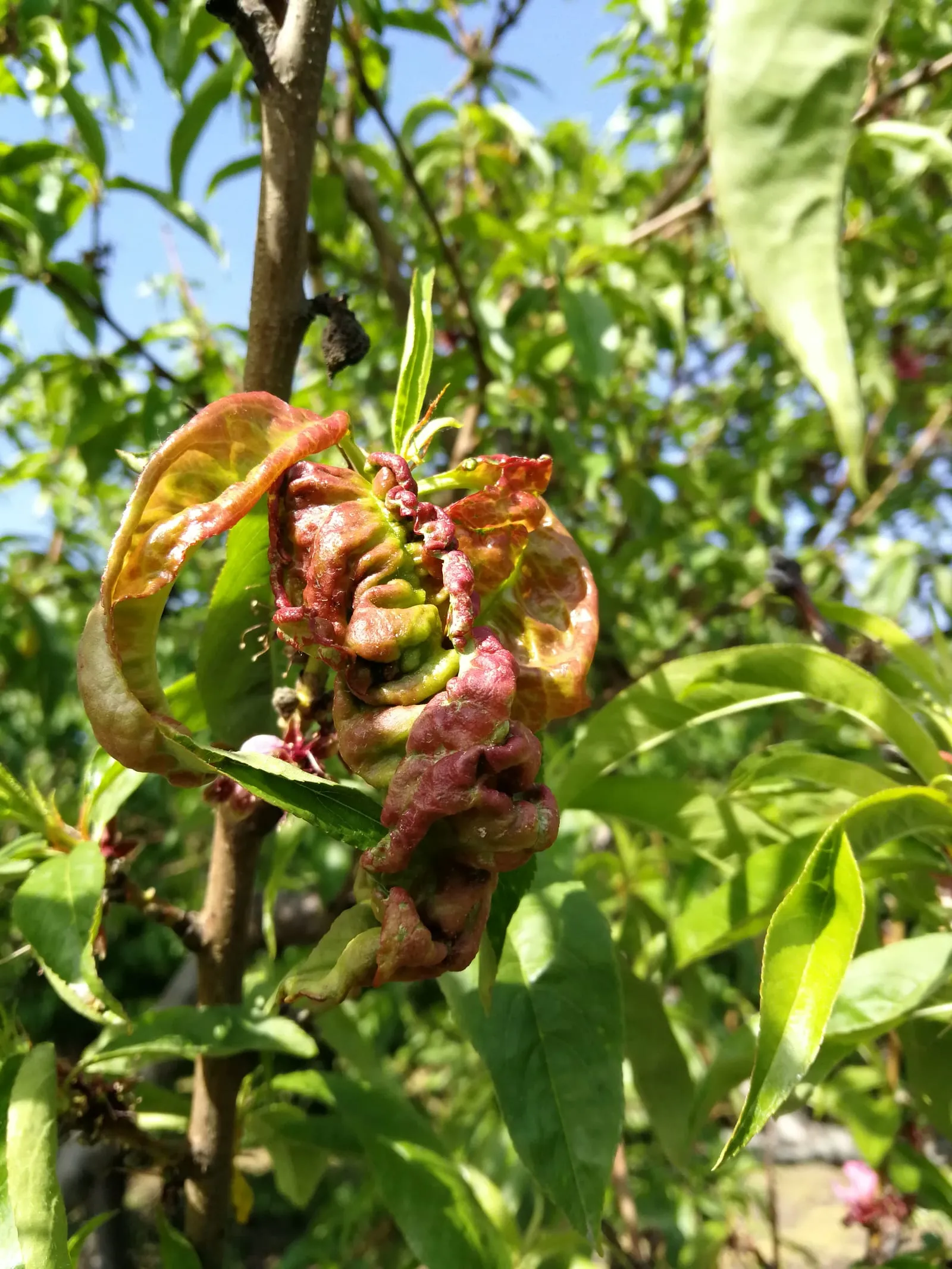
Taphrina deformans
Distinctive springtime disease causing red, puckered leaves. Manageable with one well-timed dormant spray.
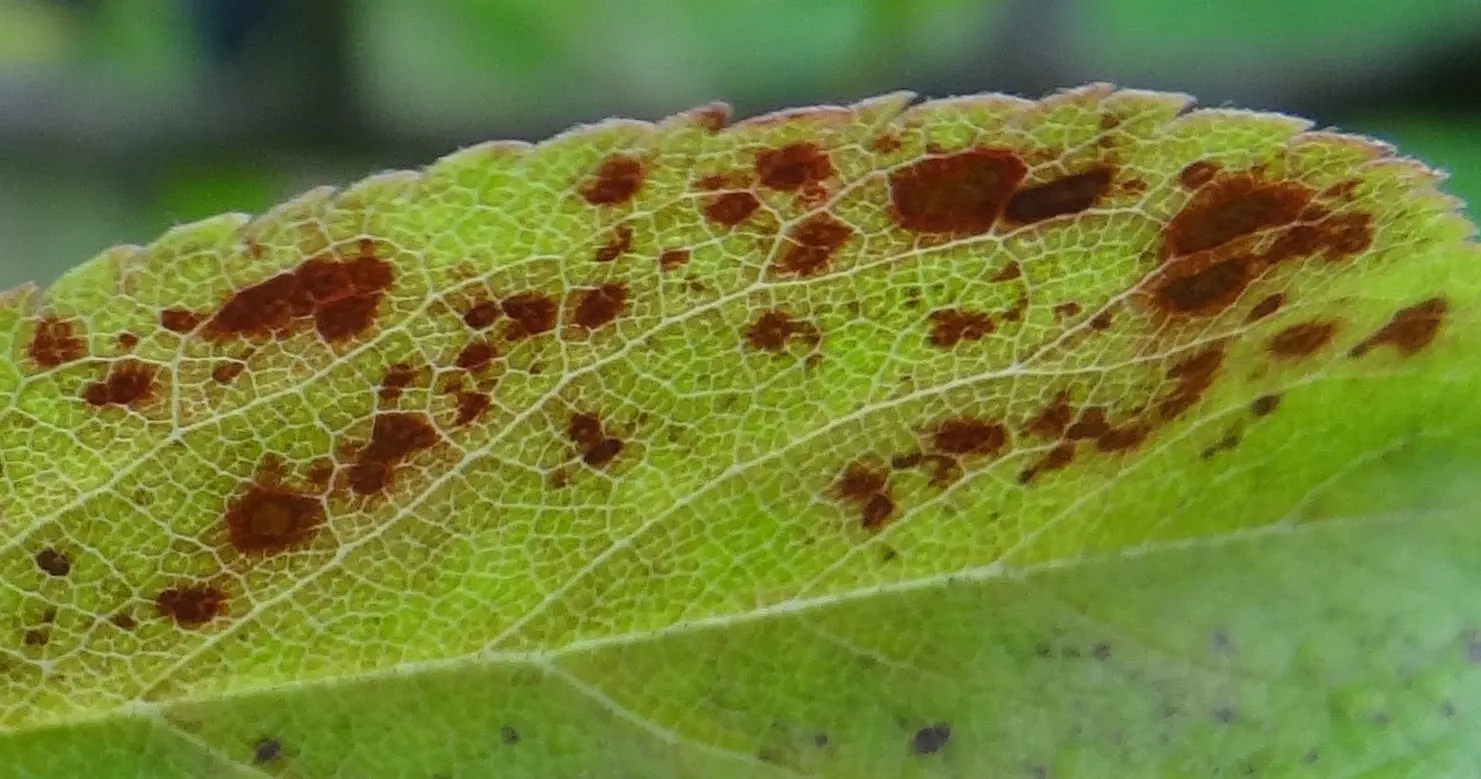
Xanthomonas arboricola pv. pruni
Bacterial disease causing leaf spots and fruit blemishes, severe in warm humid regions.
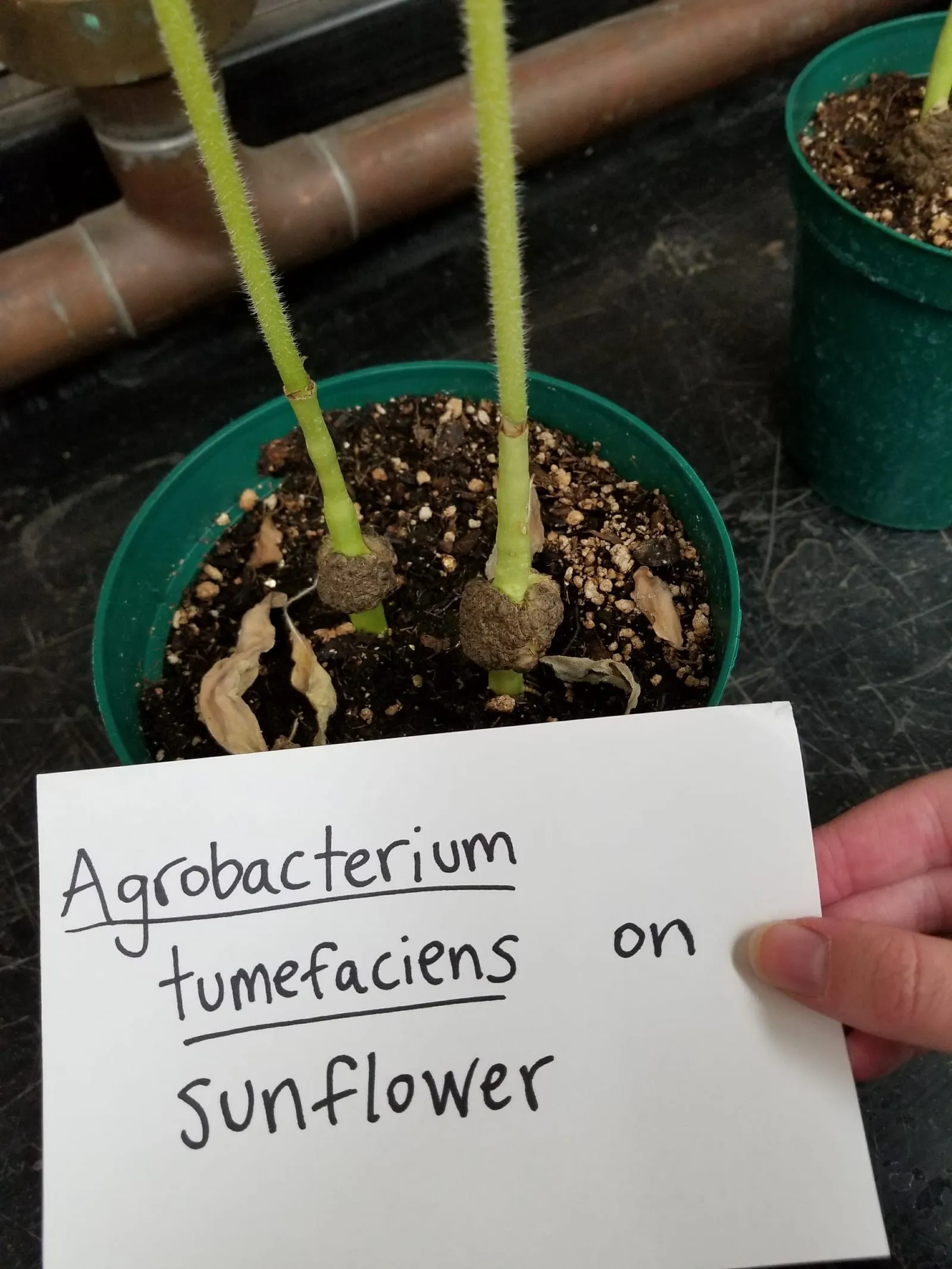
Agrobacterium tumefaciens
Soil-borne bacterium that enters plants through wounds and induces tumor-like galls on roots, crown, and lower stems. Galls reduce vigor and shorten plant lifespan; on Rubus the disease is often fatal.
Modified care for zone 7a
High humidity and extended wet springs in zone 7a drive heavy disease pressure from brown rot, peach leaf curl, and bacterial spot. A preventive fungicide program starting at green tip and continuing through shuck split is not optional in this zone, it is the minimum baseline. Brown rot can destroy a standing crop within days during warm, wet periods near harvest. Thinning fruit to improve air circulation inside the canopy reduces but does not eliminate the problem.
Variety selection influences disease load meaningfully. Contender and Madison both carry moderate resistance to bacterial spot compared to older standards. Site selection matters as well. Avoid low-lying areas where cold air and humidity pool. Peach leaf curl is best addressed with a single dormant copper application before bud swell, before spring rains resume in earnest.
Peach in adjacent zones
Image: "Peach flowers 2020 G1", by George Chernilevsky, via Wikimedia Commons, licensed under CC-BY Source.

Related