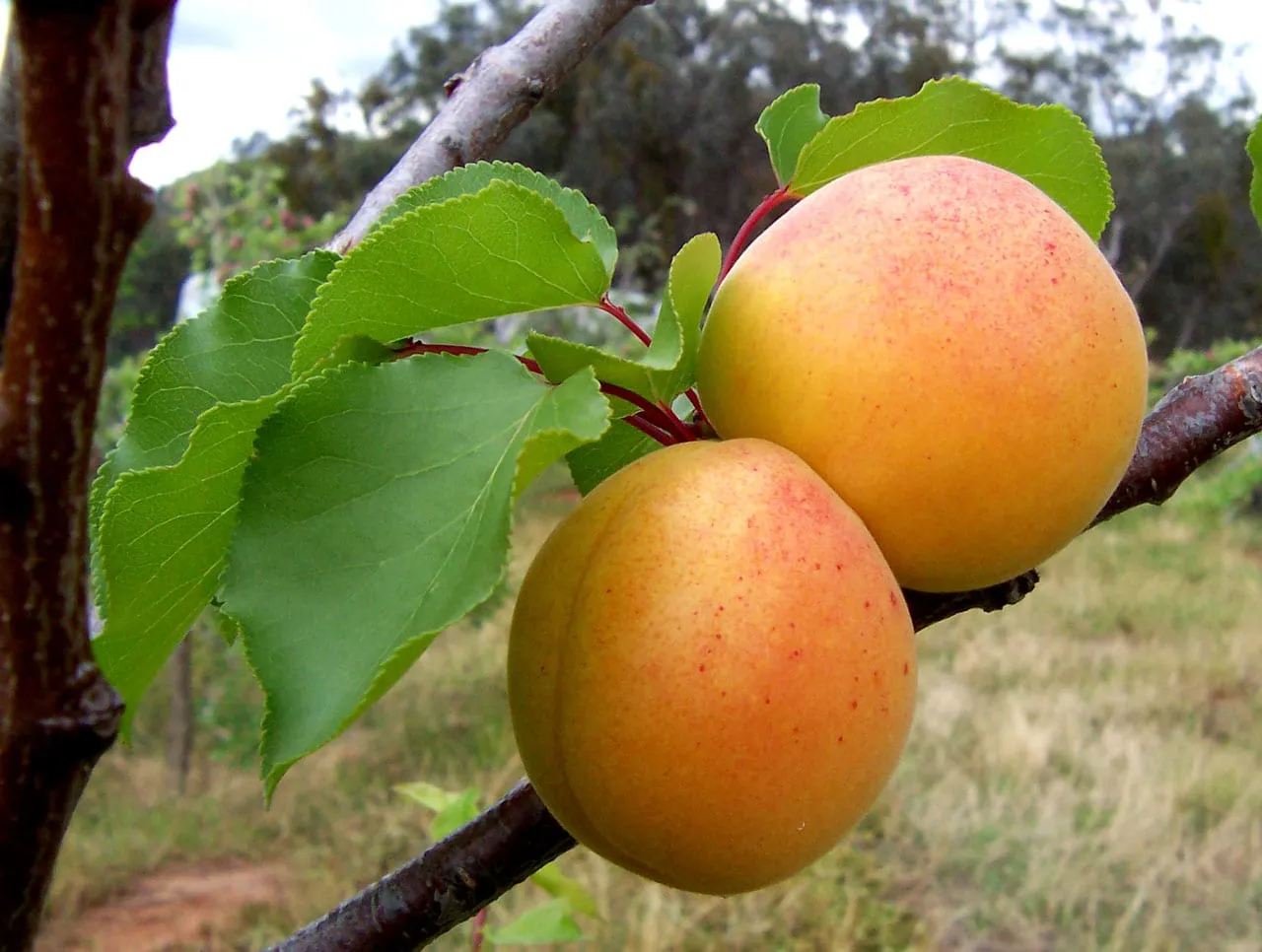
fruit tree
Apricot
Prunus armeniaca
USDA hardiness range
- Zones
- 5a–8a
- Chill hours
- 600 to 900 below 45°F
- Days to harvest
- 110 to 130
- Sun
- Full
- Water
- Moderate
- Lifespan
- 15 to 20 years
Growing apricot
Apricot (Prunus armeniaca) produces fruit reliably in zones 5a through 8a, but success depends less on winter cold tolerance and more on spring frost timing. The tree itself handles temperatures common across most of that range without difficulty. The problem is bloom time: apricots are among the earliest-blooming stone fruits, and their flowers open weeks before the last frost date in much of their range. A single night at 28°F after peak bloom can eliminate an entire season's crop.
Chill hour requirements fall between 600 and 900 hours, which places zone 8a at the lower edge of reliable performance. Growers in zone 5a face the opposite problem: adequate chill hours but a compressed spring where late frosts remain likely well after the tree has bloomed.
The middle of the range, zones 6 and 7, offers the best balance of sufficient winter chilling and a spring warm-up that doesn't lag far behind bloom timing. Even there, crop loss to late frost is common in years with an unusually warm February followed by a cold snap in March.
With 110 to 130 days from bloom to harvest, a well-sited apricot produces fruit from late June through mid-July depending on variety and location. Late-blooming varieties such as Harcot reduce frost exposure without sacrificing flavor, and site selection matters more here than with almost any other stone fruit in this zone range.
Recommended varieties
See all 3 →3 cultivars for home growers, with notes on flavor, ripening, and disease resistance.
| Variety | Notes | Zone fit | Disease resistance |
|---|---|---|---|
| Harcot | Sweet, juicy, classic apricot flavor with bright tang; freestone. Fresh eating, jam, drying. Late blooming protects from spring frost. Brown-rot resistant. | |
|
| Goldcot | Sweet-tart, freestone with firm orange flesh; excellent for fresh eating, canning, drying. Cold-hardy and reliable in zone 5. | | none noted |
| Moorpark | Rich, complex apricot flavor with sweet aromatic flesh; the classic English heirloom variety, considered one of the best-flavored apricots. Fresh eating and drying. | | none noted |
Soil and site requirements
Apricots require excellent drainage above all else. Roots sitting in wet soil over winter are a reliable path to crown rot and early tree death, even with cold-hardy varieties. A loamy soil with a pH between 6.0 and 7.0 is ideal; heavier clay soils are workable only if drainage is actively managed through raised planting or site modification.
Full sun means a minimum of 8 hours of direct light during the growing season. Shaded positions slow canopy drying, extend periods of high humidity around the fruit, and compound brown rot pressure at harvest.
Spacing should accommodate mature spread: standard trees need 20 to 25 feet between plantings; semi-dwarf trees can be placed at 12 to 15 feet. Dense spacing restricts air circulation and increases fungal disease pressure.
Microclimate selection carries more weight with apricots than with most other stone fruits. Low spots, valley bottoms, and areas where structures funnel cold air should be avoided. Cold air drains downhill, and a site on a gentle slope, even a modest rise, can gain several degrees of frost protection compared to flat ground below. A slight slope with good air drainage is often the deciding factor between a tree that crops reliably and one that flowers faithfully but never sets fruit.
Common diseases
Common pests
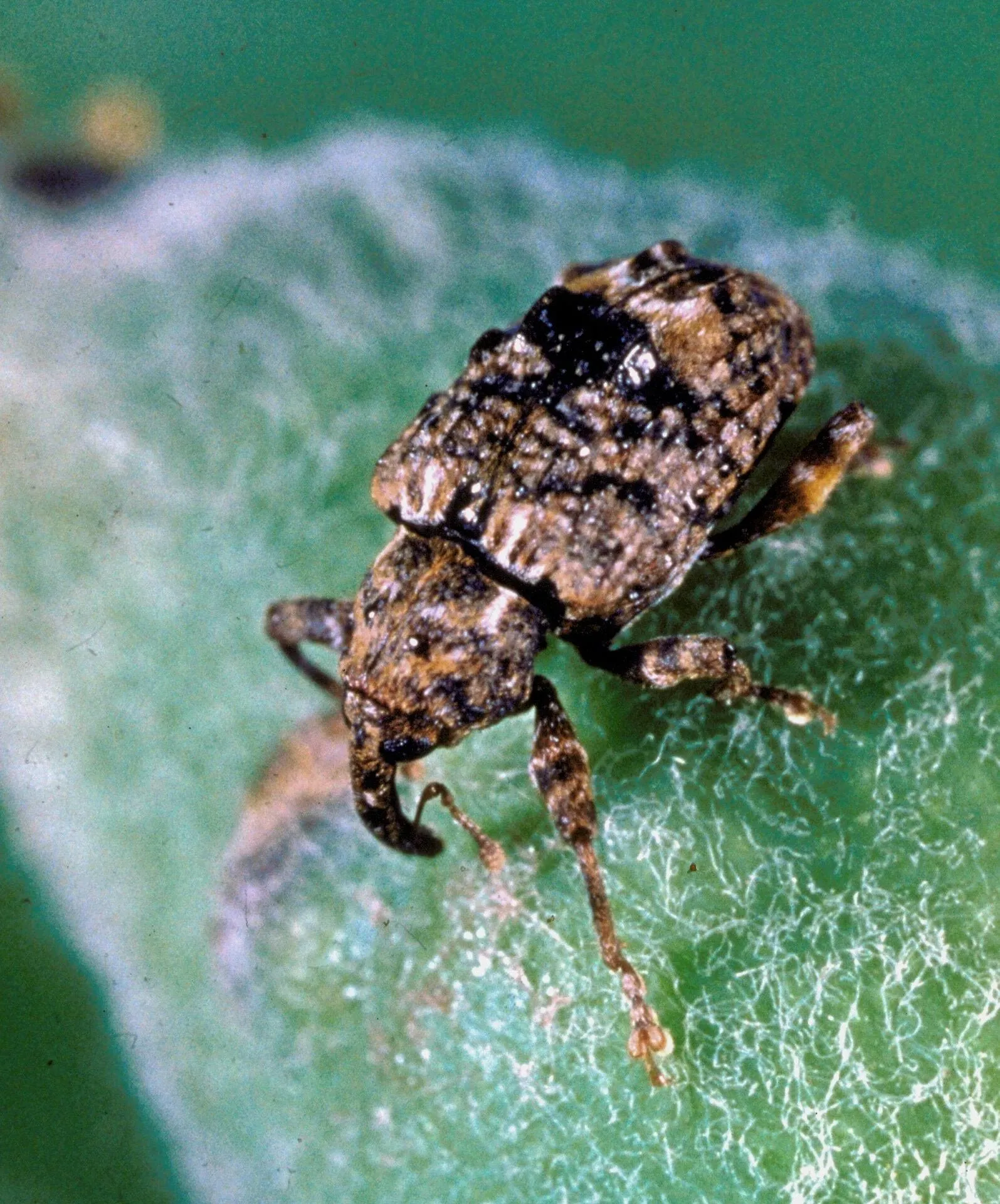
Conotrachelus nenuphar
Native weevil that lays eggs in young stone and pome fruit, causing characteristic crescent-shaped scars.
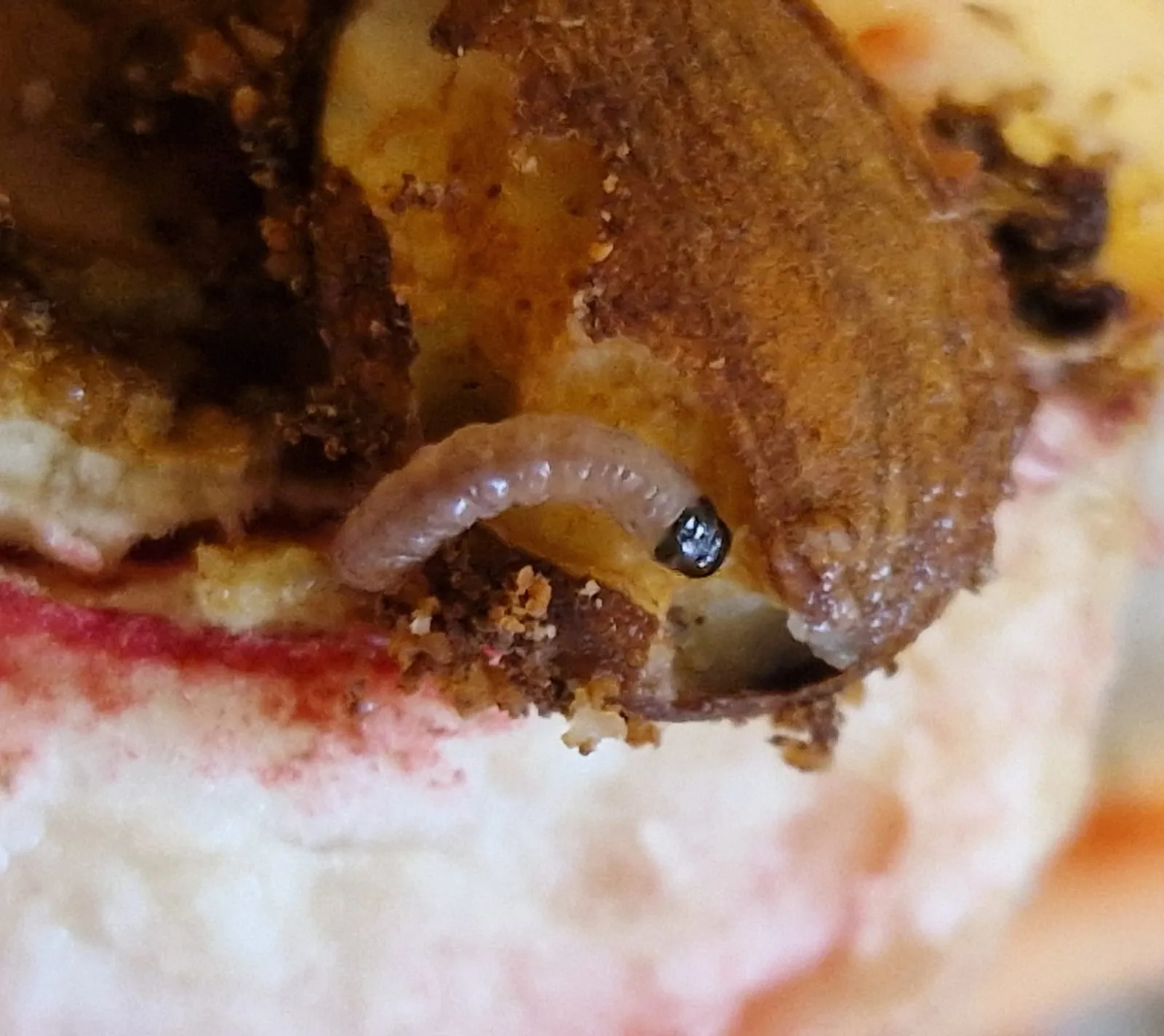
Grapholita molesta
Stone-fruit pest whose larvae tunnel into shoot tips and later into fruit.

Odocoileus species
Whitetail and mule deer browse can devastate orchards and gardens, particularly in winter when food is scarce. Antler rub on young trunks kills saplings outright.
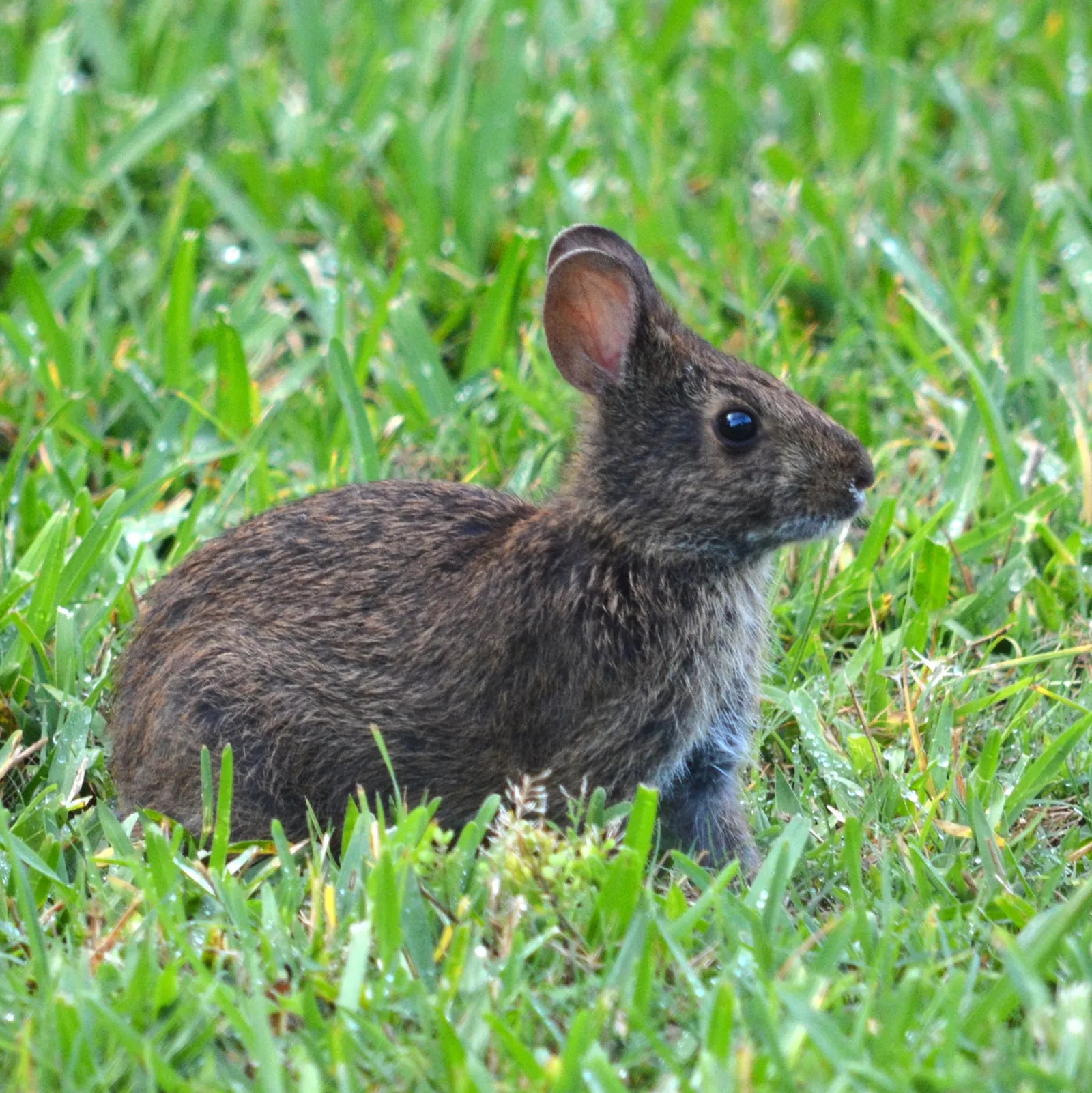
Sylvilagus and Lepus species
Cottontails and jackrabbits strip bark from young fruit trees in winter and graze tender garden vegetables year-round, especially seedlings.
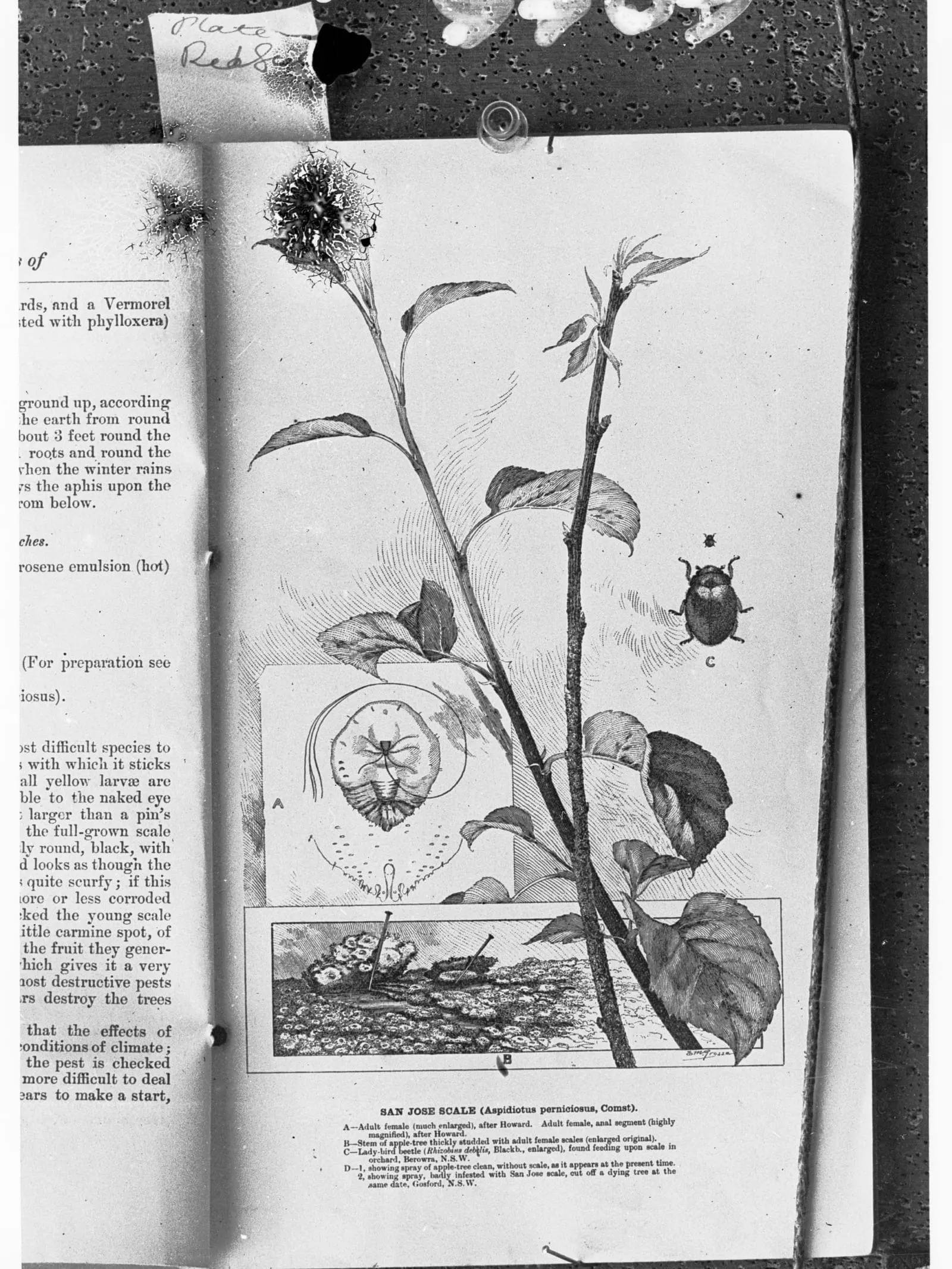
Quadraspidiotus perniciosus
Tiny armored scale insect that encrusts bark, branches, and fruit. Heavy infestations weaken trees and produce red haloed spots on fruit at harvest. Persistent year-over-year if not controlled.
Common challenges
Late spring frost is the most common cause of apricot crop failure. Apricots bloom 2 to 4 weeks earlier than most other stone fruits, and in zones 5 through 7, the last frost date frequently falls after peak bloom. Open flowers die at 28°F; a few hours below that threshold eliminates the year's crop without lasting harm to the tree itself. Late-blooming varieties like Harcot narrow the window of vulnerability, and elevated sites with good cold-air drainage provide meaningful protection.
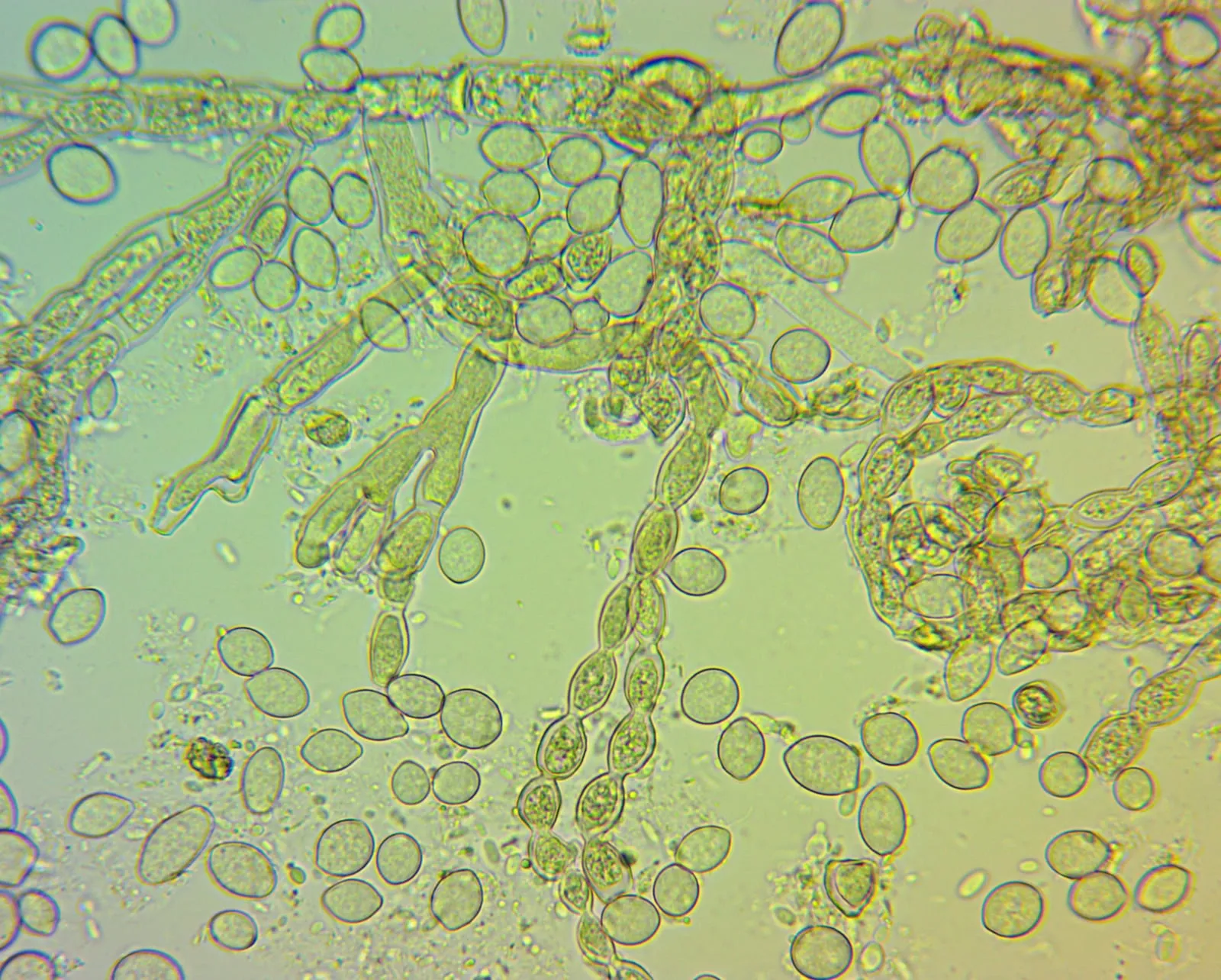
Brown rot (Monilinia spp.) is the most destructive disease across humid regions of the apricot range. It spreads rapidly during warm, wet weather near harvest and can turn sound fruit to mush within days. Management combines cultural controls (removing mummified fruit, improving canopy air circulation through consistent pruning) with fungicide applications timed from petal fall through harvest in high-pressure years. Harcot offers useful resistance; Moorpark and most other common varieties are susceptible when conditions favor infection.
Chill hour mismatch is often overlooked at planting time. A variety requiring 900 hours planted in zone 8a, where many sites accumulate only 600 to 700 hours in an average winter, will produce erratically or fail to break dormancy cleanly. Verify the chill hour requirement of any variety against the 30-year average for the specific planting location, not a zone-wide generalization. Cornell Apricot Production Guide provides detailed variety assessments for the Northeast.
Grafting and rootstocks
Companion plants
Frequently asked questions
- How many chill hours does apricot need?
Most apricot varieties require 600 to 900 hours of temperatures at or below 45°F during dormancy. Lower-chill varieties (around 600 hours) are better suited to zones 7b and 8a; higher-chill varieties (800 to 900 hours) perform more reliably in zones 5 and 6. Always verify the chill requirement of a specific variety against the 30-year average for the planting site.
- How long does it take apricot to produce fruit after bloom?
Apricots ripen 110 to 130 days after full bloom. In zones 6 through 7b, depending on variety and local conditions, that typically means a harvest window from late June through mid-July.
- What USDA zones are suitable for growing apricot?
Apricot is reliably productive in zones 5a through 8a. Zone 5a is marginal because late frost frequently coincides with the early bloom window. Zone 8a is marginal in warmer winters when insufficient chill hours accumulate, leading to erratic bloom and poor fruit set.
- Does apricot need a pollinator tree?
Most apricot varieties, including Harcot, Goldcot, and Moorpark, are self-fertile and will set fruit without a second tree. Planting two compatible varieties often improves yield, but is not required. A small number of cultivars have reduced self-fertility, so confirming the specific variety's pollination requirements before planting is worthwhile.
- What is the most common disease problem with apricot?
Brown rot (Monilinia spp.) is the most frequently encountered apricot disease in home orchards, particularly in humid climates. It attacks flowers, shoots, and ripening fruit, spreading quickly during warm, wet conditions near harvest. Harcot shows meaningful resistance. Consistent removal of mummified fruit and well-timed fungicide applications beginning at petal fall are the primary management tools.
- Why does an apricot tree bloom but never produce fruit?
Late spring frost is the most common explanation. Apricots bloom earlier than other stone fruits, and a temperature of 28°F or below for even a few hours destroys open flowers. The tree itself sustains no damage, so it blooms again the following year. Poor site selection, where cold air pools at low elevations, makes this pattern chronic.
- How long does an apricot tree live?
A well-sited apricot tree typically remains productive for 15 to 20 years. Trees in poorly drained soils or prone to crown rot often decline well before that. Consistent pruning to maintain open canopy structure and reduce disease pressure extends productive life.
+−
+−
+−
+−
+−
+−
+−
Sources
- [1] Cornell Apricot
Image: "Apricots", by Fir0002, via Wikimedia Commons, licensed under CC-BY. Source.

Apricot by zone
Related