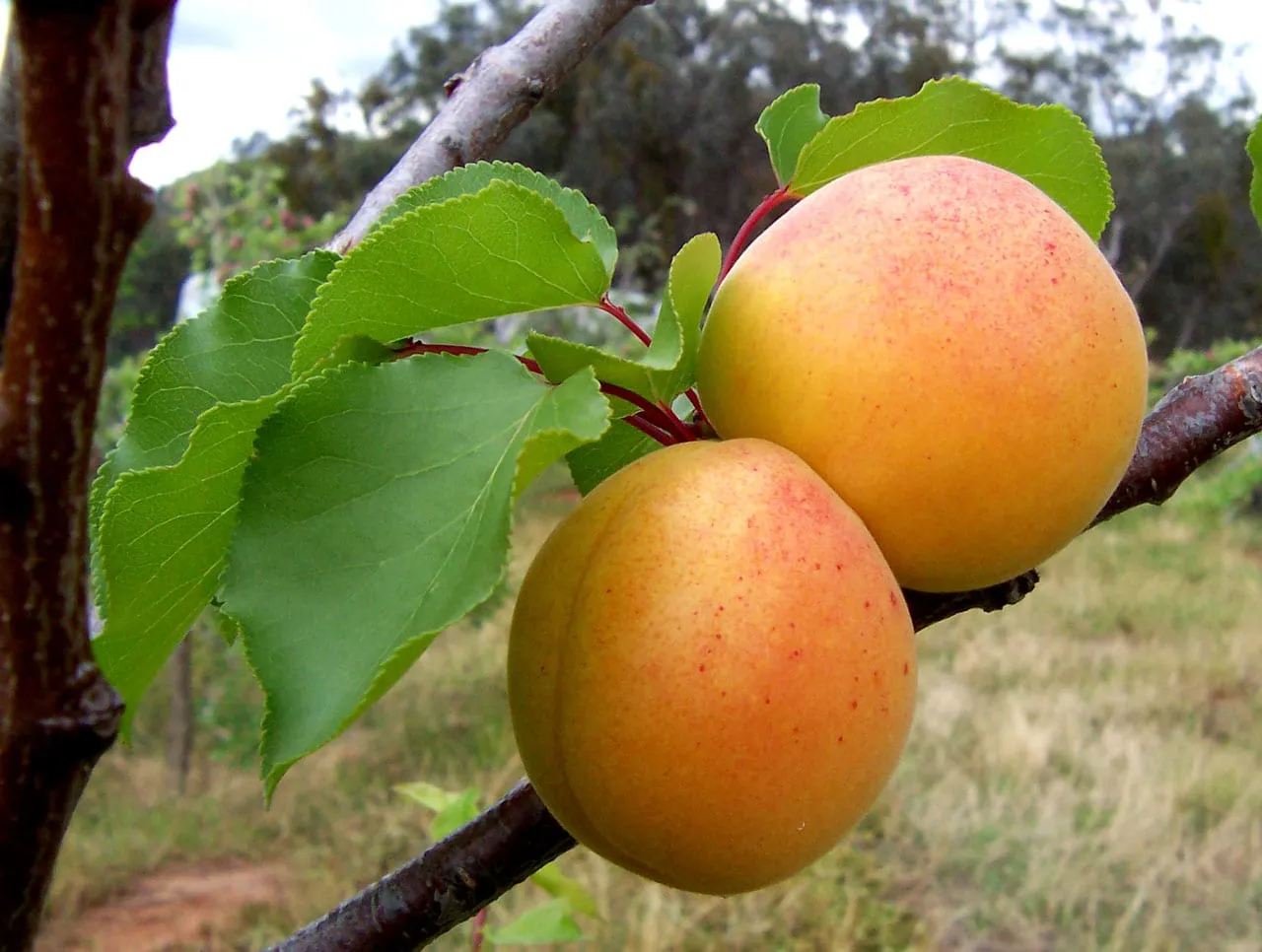
fruit tree in zone 8a
Growing apricot in zone 8a
Prunus armeniaca
- Zone
- 8a 10°F to 15°F
- Growing season
- 240 days
- Chill needed
- 600 to 900 below 45°F
- Suitable varieties
- 0
- Days to harvest
- 110 to 130
The verdict
Zone 8a sits at the warm edge of apricot's reliable range. The crop requires 600 to 900 chill hours (hours below 45°F), and zone 8a winters typically accumulate 600 to 800 hours, with meaningful variation depending on local elevation, urban heat, and year-to-year weather patterns. Varieties targeting the lower end of that range (600 to 700 hours) have the most consistent track record here; selections requiring 800 or more hours are a poor match and will produce erratically or fail to leaf out uniformly.
The 240-day growing season is more than adequate for fruit development, and the minimum winter temperature range of 10 to 15°F poses no hardiness risk to established trees. Cold hardiness is not the constraint. Chill accumulation is. Growers near urban heat islands or in the warmer, lower-elevation portions of zone 8a should verify local average chill accumulation before planting, since regional averages can overstate what a specific site actually receives.
Critical timing for zone 8a
Apricots bloom early, typically late February through mid-March in zone 8a, making them one of the first stone fruits to flower each season. Zone 8a last-frost dates commonly fall between late January and mid-March depending on subregion, which means bloom-time frost events are a recurring risk rather than an occasional one. A single frost during open bloom can eliminate the entire crop for that year.
Harvest in zone 8a generally runs from late May through early July, varying by variety and site. The long growing season provides ample time between bloom and maturity, but the window where open flowers and freezing temperatures overlap is the primary production challenge this zone presents for apricots.
Common challenges in zone 8a
- ▸ Insufficient chill hours for some apple varieties
- ▸ Pierce's disease in grapes
- ▸ Heat stress on cool-season crops
Disease pressure to watch for
Modified care for zone 8a
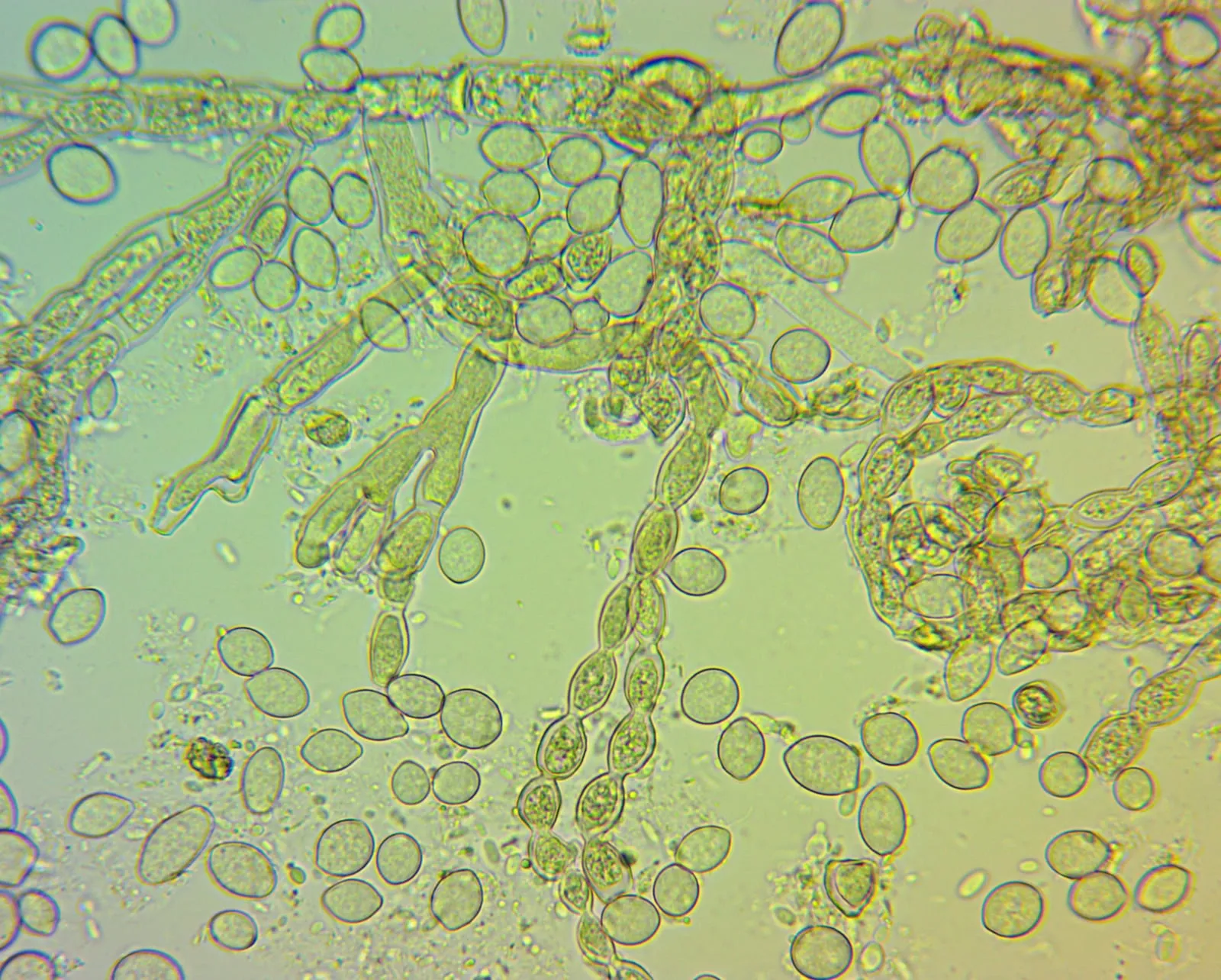
Brown rot pressure is higher in zone 8a than in the drier western regions where apricots are commercially grown. Warm, humid conditions during late spring accelerate fungal spread on developing fruit. Preventive fungicide applications timed to petal fall and early fruit sizing are more important here than in arid climates, and should not be skipped in wet years.
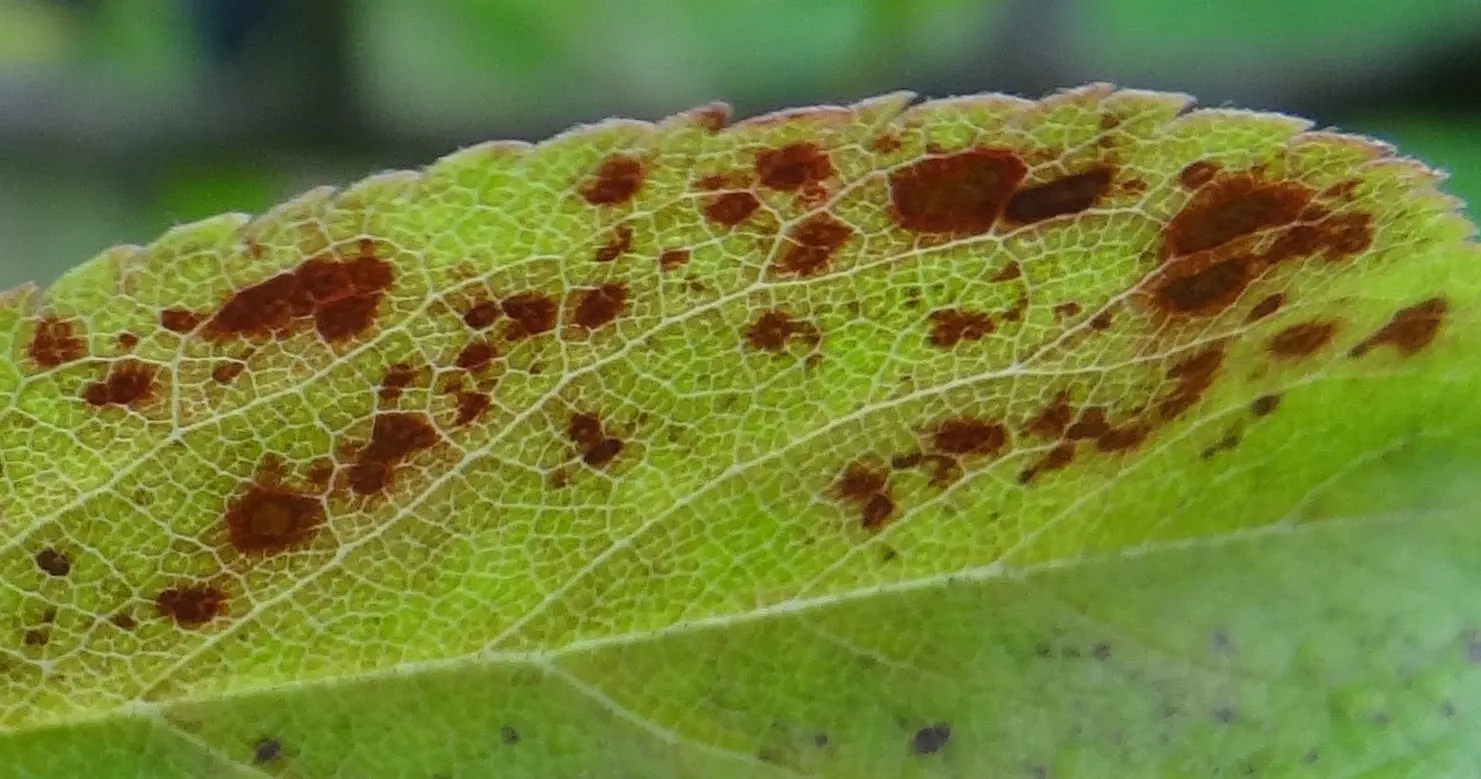
Bacterial spot can cause significant defoliation in wet summers; copper-based dormant sprays help reduce inoculum going into bloom. Summer irrigation is necessary during dry stretches, since heat stress during fruit sizing reduces both yield and quality. On site selection, a north or northeast-facing slope can delay bloom by a week or more, materially lowering the odds of a frost hit without sacrificing the advantages of zone 8a's long season.
Frequently asked questions
- Can apricots grow in zone 8a?
Yes, with variety selection as the key variable. Apricots require 600 to 900 chill hours depending on variety, and zone 8a typically delivers 600 to 800. Low-chill selections at the lower end of that range are the reliable choice; high-chill varieties are a poor fit and will underperform in warm winters.
- What is the biggest risk for apricots in zone 8a?
Late frost hitting open bloom. Apricots flower earlier than most stone fruits, and zone 8a's last frost dates overlap directly with the typical bloom window. A single frost event during peak bloom can eliminate the entire year's crop.
- How do I reduce brown rot pressure on apricots in a humid zone 8a climate?
Time fungicide applications to petal fall and early fruit development rather than waiting for symptoms to appear. Good air circulation through pruning also reduces humidity around developing fruit. Avoid overhead irrigation during the period from bloom through harvest.
+−
+−
+−
Apricot in adjacent zones
Image: "Apricots", by Fir0002, via Wikimedia Commons, licensed under CC-BY Source.

Related