fruit tree in zone 7b
Growing apricot in zone 7b
Prunus armeniaca
- Zone
- 7b 5°F to 10°F
- Growing season
- 220 days
- Chill needed
- 600 to 900 below 45°F
- Suitable varieties
- 1
- Days to harvest
- 110 to 130
The verdict
Zone 7b sits within apricot's chill-hour range (600 to 900 hours required), and most winters in the zone deliver enough cold accumulation to break dormancy reliably. That part works. The harder problem is timing: apricot blooms earlier than almost any other tree fruit, often pushing flowers in late February or early March across zone 7b, while the average last frost date falls in late March to early April. The bloom window and the frost window overlap badly. A single hard freeze at bloom can eliminate the entire crop for the year.
This makes zone 7b a workable zone for apricot production, but not a reliable one. Growers who site trees well (south-facing slope, good cold-air drainage) can harvest most years. Growers in low spots or frost pockets will lose blossoms frequently. Moorpark, the primary compatible variety for this zone, has moderate late-frost tolerance compared to other apricot selections, but no variety fully sidesteps the exposure risk in a zone with variable spring weather.
Recommended varieties for zone 7b
1 cultivar suited to this zone, with disease-resistance and zone-fit annotations.
| Variety | Notes | Zone fit | Disease resistance |
|---|---|---|---|
| Moorpark fits zone 7b | Rich, complex apricot flavor with sweet aromatic flesh; the classic English heirloom variety, considered one of the best-flavored apricots. Fresh eating and drying. | | none noted |
Critical timing for zone 7b
In zone 7b, apricot flowers typically open between late February and mid-March, depending on winter cold accumulation and February temperatures. The 220-day growing season provides ample time for fruit development after a successful pollination, with harvest generally falling in late June through July for most varieties.
The critical vulnerability is the overlap between bloom and the tail end of frost season. Zone 7b's average last frost commonly falls in late March, meaning a two-to-four-week window each spring when open flowers are exposed to freezing temperatures. Individual years vary considerably. An early bloom in a warm February followed by a March cold snap is the most damaging scenario. Growers should track bloom date each year and have frost-protection materials on hand through the end of March.
Common challenges in zone 7b
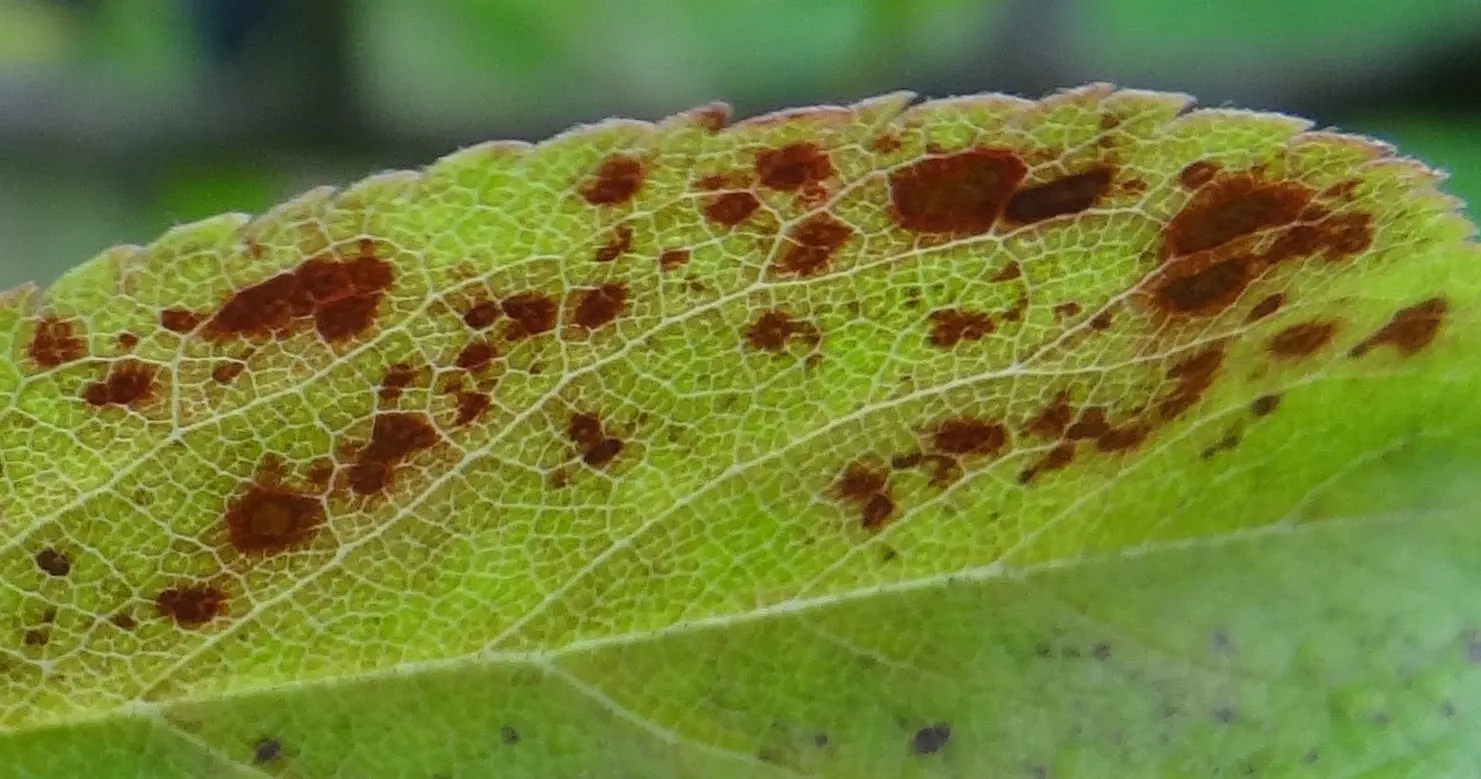
- ▸ Cedar-apple rust pressure heavy in piedmont
- ▸ Japanese beetles
- ▸ Brown marmorated stink bug
- ▸ Late summer disease pressure
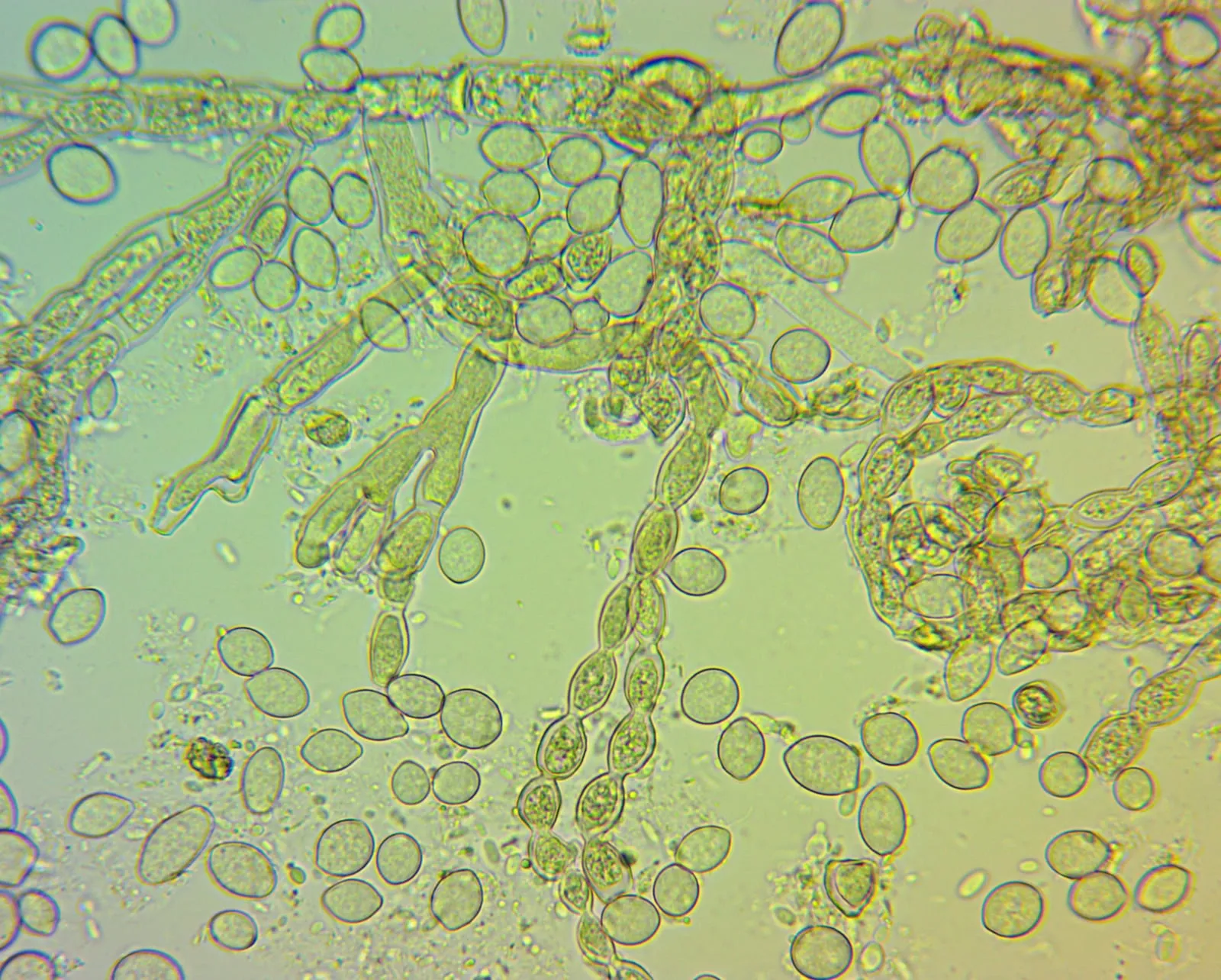
Disease pressure to watch for
Modified care for zone 7b
The most important adaptation in zone 7b is frost protection at bloom. Row covers, orchard heaters, or overhead irrigation can protect flowers when temperatures are forecast to drop below 28°F during the bloom window. Removing covers during the day maintains pollinator access.
Disease pressure is the second major adjustment. Brown rot is aggressive in the humid Southeast, particularly as fruit approaches maturity in June and July. A fungicide program timed to petal fall and continued through harvest is standard practice rather than optional. Bacterial spot affects both fruit and foliage under zone 7b's warm, wet spring conditions; copper-based sprays applied at early leaf emergence offer some suppression.
Japanese beetles and brown marmorated stink bugs both cause direct fruit damage in zone 7b during July and August. Netting individual trees is effective for stink bug exclusion; kaolin clay provides partial deterrence for both pests without compromising the spray program.
Frequently asked questions
- Can apricot trees reliably produce fruit in zone 7b?
Production is possible but not consistent year to year. The main risk is late-frost damage to early-opening blossoms, not cold hardiness or chill-hour deficiency. Growers with favorable microclimates (good cold-air drainage, south-facing exposure) harvest fruit most years; those in frost pockets may lose the crop two or three years out of five.
- Which apricot varieties are best suited to zone 7b?
Moorpark is the most commonly cited variety compatible with zone 7b conditions. It meets the zone's chill-hour range and has adequate cold hardiness. Availability from regional nurseries is the practical limiting factor; not all variety selections marketed for warmer zones perform consistently in zone 7b's spring-frost conditions.
- When does apricot bloom in zone 7b and why does it matter?
Apricot typically blooms in late February to mid-March in zone 7b, earlier than peaches, plums, or cherries. Because zone 7b's last frost date falls in late March on average, open flowers are exposed to potential freeze events for two to four weeks each spring. This timing mismatch is the defining management challenge for apricot in the zone.
- How serious is brown rot on apricots in zone 7b?
Brown rot is a significant threat in zone 7b due to the warm, humid conditions during June and July, when apricot fruit is ripening. Without a spray program, fruit losses can be severe. Fungicide applications beginning at petal fall and continuing on a 10-to-14-day interval through harvest are standard for commercial and serious home orchardists in the region.
+−
+−
+−
+−
Apricot in adjacent zones
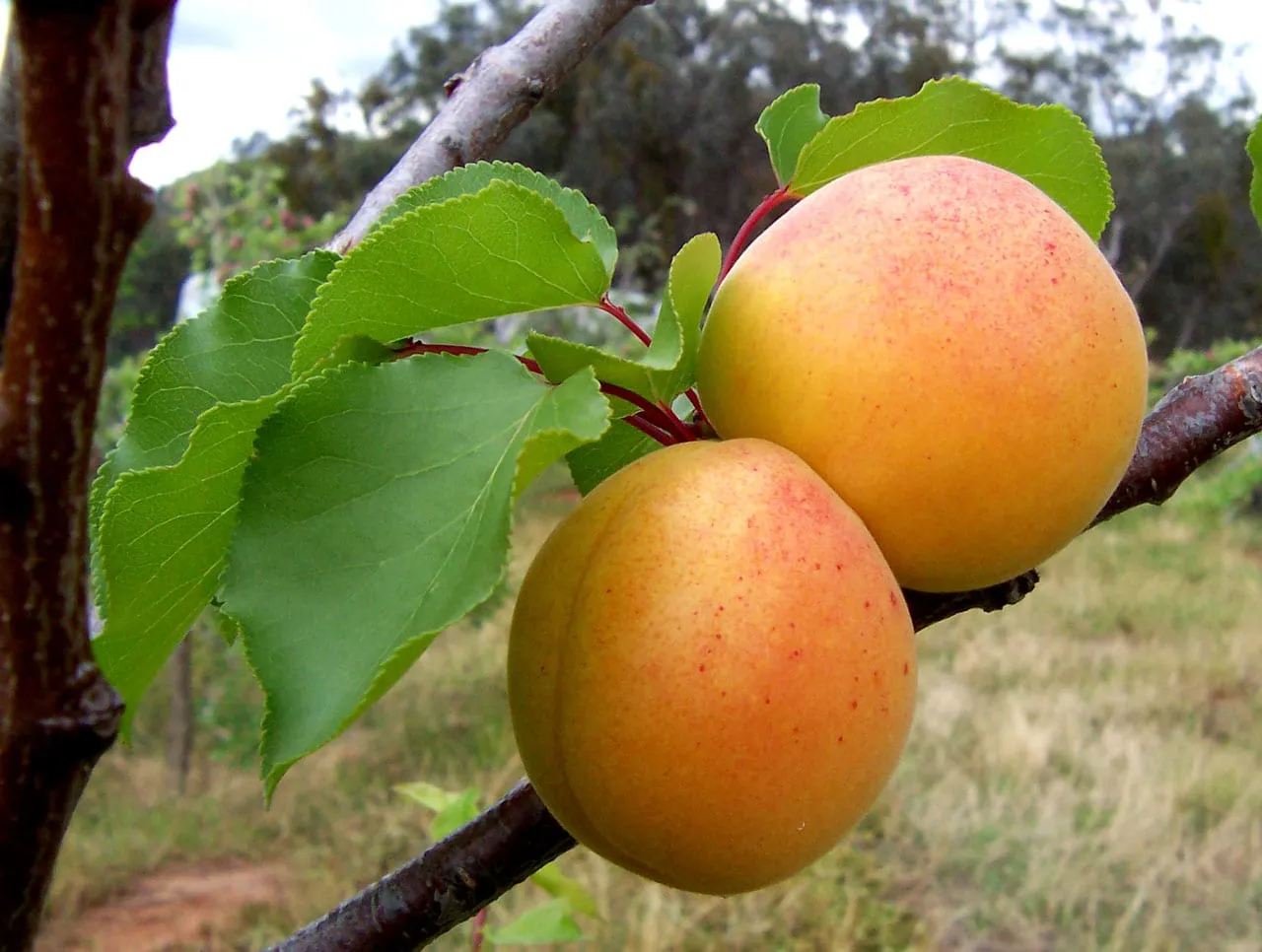
Image: "Apricots", by Fir0002, via Wikimedia Commons, licensed under CC-BY Source.

Related