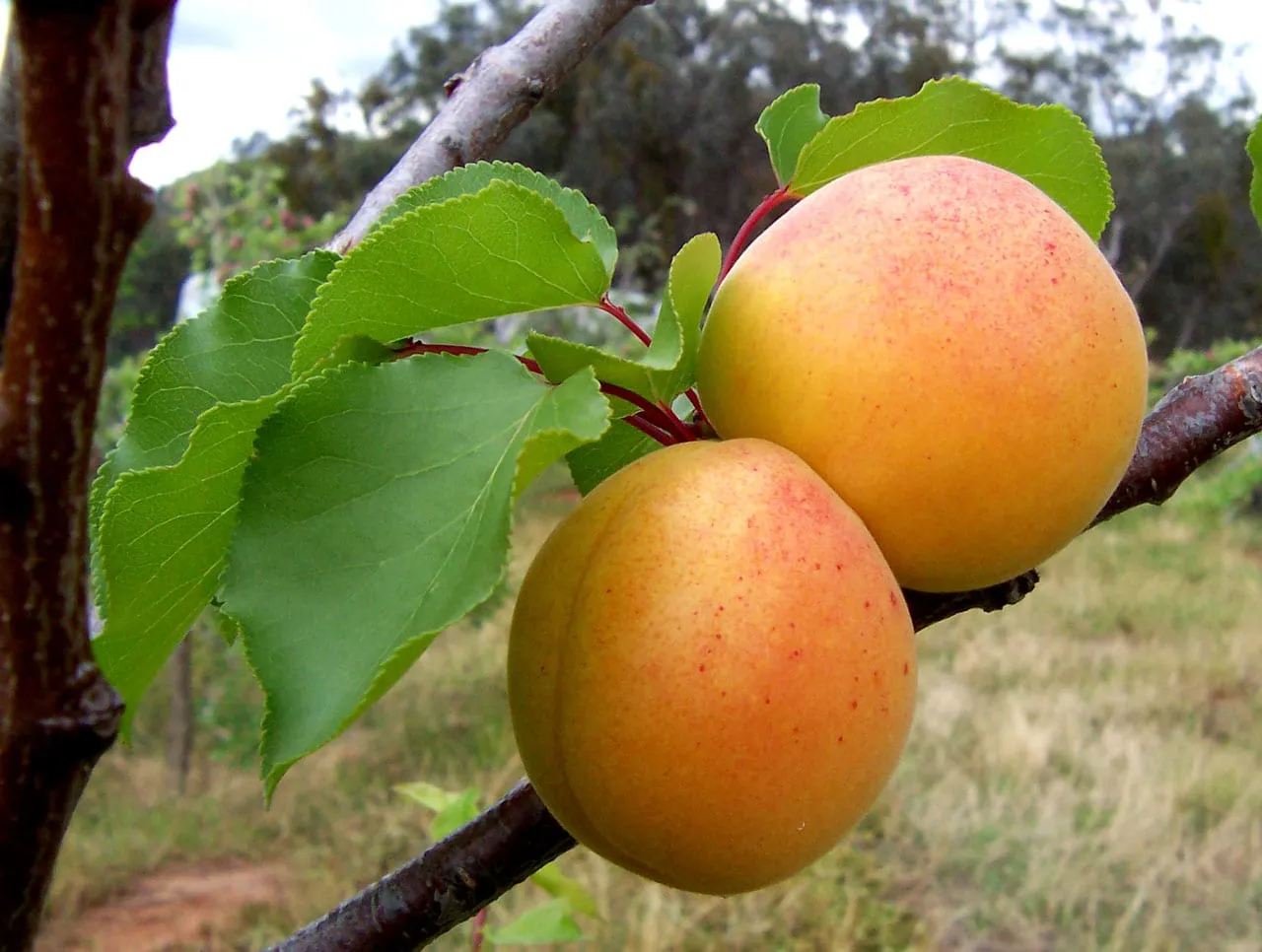
fruit tree in zone 5b
Growing apricot in zone 5b
Prunus armeniaca
- Zone
- 5b -15°F to -10°F
- Growing season
- 165 days
- Chill needed
- 600 to 900 below 45°F
- Suitable varieties
- 2
- Days to harvest
- 110 to 130
The verdict
Apricot can be grown in zone 5b, but the limiting factor is not cold hardiness or chill hours. Zone 5b typically accumulates 1,200 to 1,500 hours below 45°F over winter, which exceeds the crop's 600 to 900 hour requirement with considerable margin. The real constraint is spring frost timing. Apricot blooms earlier than almost any other stone fruit, and zone 5b last-frost dates commonly fall between April 15 and May 1. Bloom and killing frost overlap often enough that crop failure in any given year is a realistic outcome, not a rare event.
Harcot and Goldcot are the two varieties with the strongest track record in northern zones. Both were bred with late-frost exposure in mind and show better tolerance than older commercial varieties. Expect inconsistent harvests across years rather than reliable annual production. Zone 5b is workable for apricot, but it sits at the northern edge of the crop's practical range.
Recommended varieties for zone 5b
2 cultivars suited to this zone, with disease-resistance and zone-fit annotations.
| Variety | Notes | Zone fit | Disease resistance |
|---|---|---|---|
| Harcot fits zone 5b | Sweet, juicy, classic apricot flavor with bright tang; freestone. Fresh eating, jam, drying. Late blooming protects from spring frost. Brown-rot resistant. | |
|
| Goldcot fits zone 5b | Sweet-tart, freestone with firm orange flesh; excellent for fresh eating, canning, drying. Cold-hardy and reliable in zone 5. | | none noted |
Critical timing for zone 5b
In zone 5b, apricot typically breaks dormancy and begins blooming in late March to mid-April, depending on how quickly temperatures rise after winter. The 165-day growing season is sufficient for fruit development once a bloom escapes frost damage, but that escape cannot be assumed. Last frost in zone 5b frequently occurs in late April, sometimes into early May in colder pockets.
For varieties like Harcot and Goldcot, harvest falls in mid-to-late July under normal zone 5b conditions, roughly three to four weeks later than in zones 7 and warmer. The compressed window between bloom risk and first fall frost leaves little margin. A cold snap at petal fall or shuck split can eliminate the crop entirely, which is the central challenge of growing apricot this far north.
Common challenges in zone 5b
- ▸ Plum curculio
- ▸ Codling moth
- ▸ Cedar-apple rust
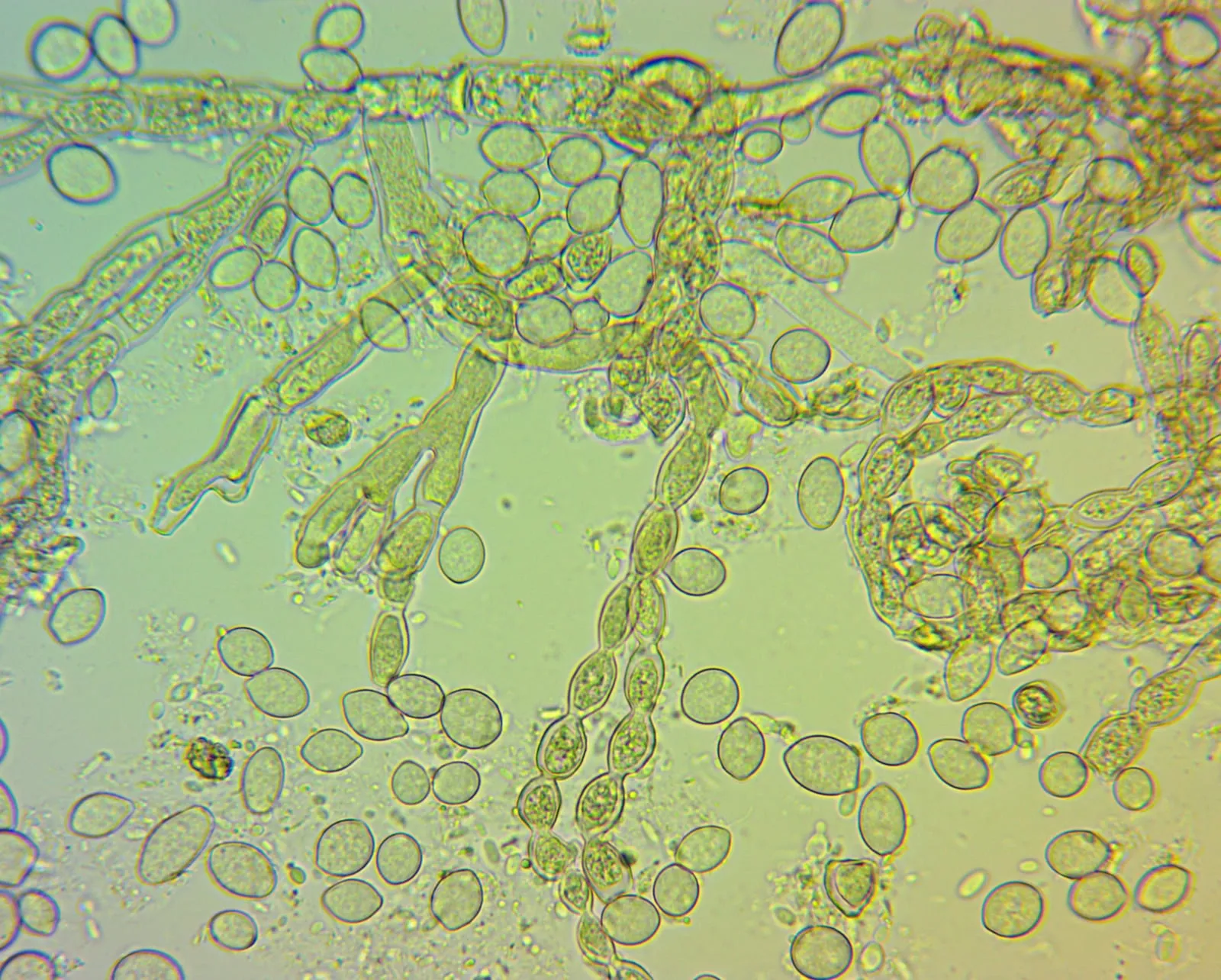
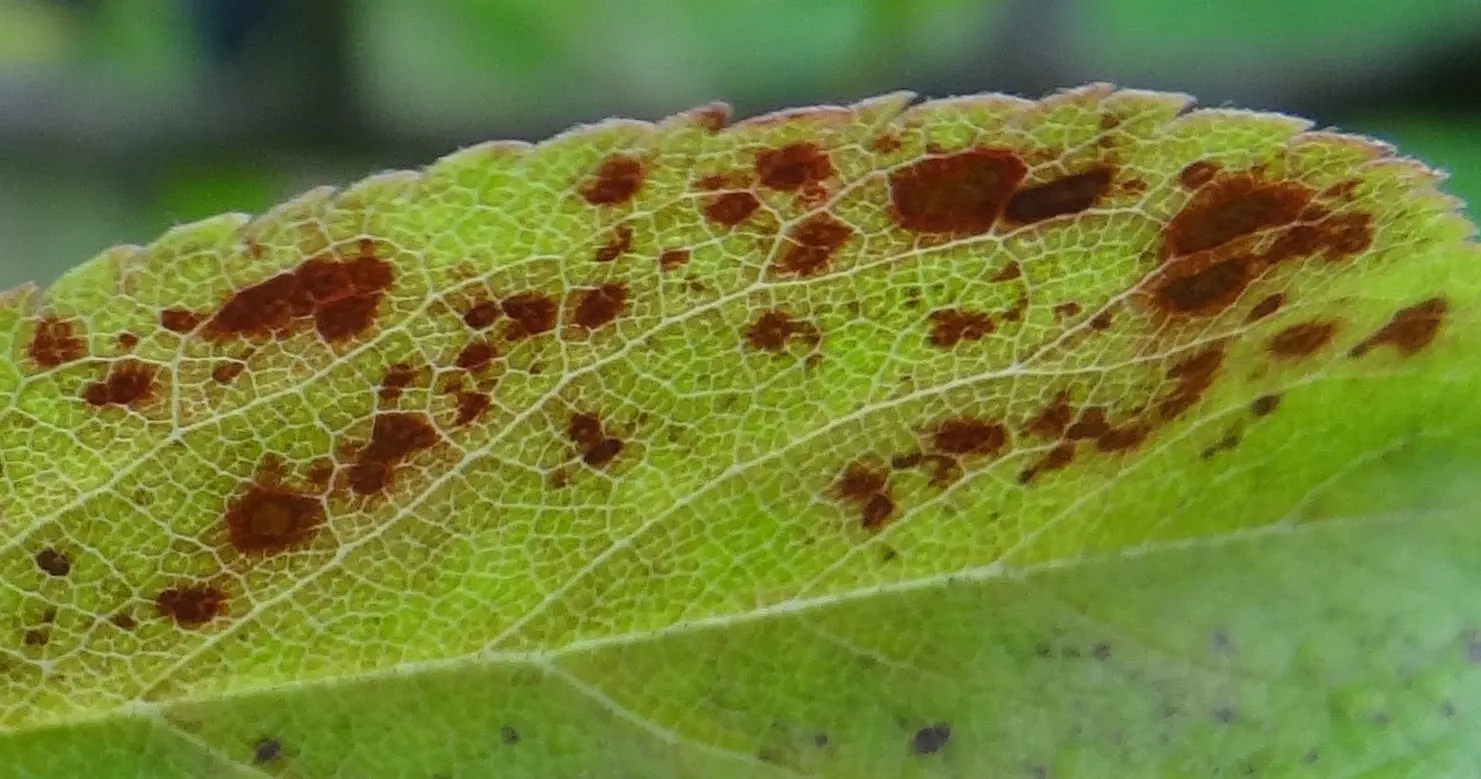
Disease pressure to watch for
Modified care for zone 5b
Site selection matters more for apricot in zone 5b than for most other tree fruits. Planting on a north-facing slope or in a location that receives shade in late winter delays bloom slightly by keeping the tree cooler longer, which reduces bloom-frost overlap. Avoid low-lying frost pockets where cold air settles on clear spring nights.
Brown rot and bacterial spot are the primary disease concerns. Both are favored by the wet, cool spring conditions common in zone 5b. A preventive fungicide program beginning at bud swell and continuing through petal fall addresses both. Bacterial spot pressure increases when spring temperatures oscillate around 50 to 65°F with rain, a pattern zone 5b growers see regularly. Plum curculio requires monitoring from petal fall through early June; it is a consistent pest across the northern stone fruit range and apricot is no exception.
Frequently asked questions
- Why do apricot trees in zone 5b often fail to produce fruit even when the tree looks healthy?
Most apricot crop failures in zone 5b result from late spring frosts killing open flowers or young fruitlets, not from tree damage. The tree survives and leafs out normally, but the fruit crop was already lost. This is a timing problem, not a cultural one, and it recurs in years with warm late-winter spells followed by a hard frost.
- Are Harcot and Goldcot truly more frost-resistant than other apricot varieties?
They are more cold-hardy in terms of wood and bud survival, and Harcot in particular tends to bloom slightly later than older European varieties. Neither is frost-proof during bloom. The advantage is statistical: over a run of years, these varieties produce fruit more often in northern zones than more heat-seeking cultivars.
- Does brown rot require a dedicated spray program or can it be managed with general orchard hygiene?
In zone 5b's wet spring climate, hygiene alone is rarely sufficient. Removing mummified fruit and infected twigs reduces inoculum but does not eliminate it. A fungicide application at pink bud and again at petal fall is the standard approach; skip it in a cool, dry spring if conditions do not favor infection.
+−
+−
+−
Apricot in adjacent zones
Image: "Apricots", by Fir0002, via Wikimedia Commons, licensed under CC-BY Source.

Related