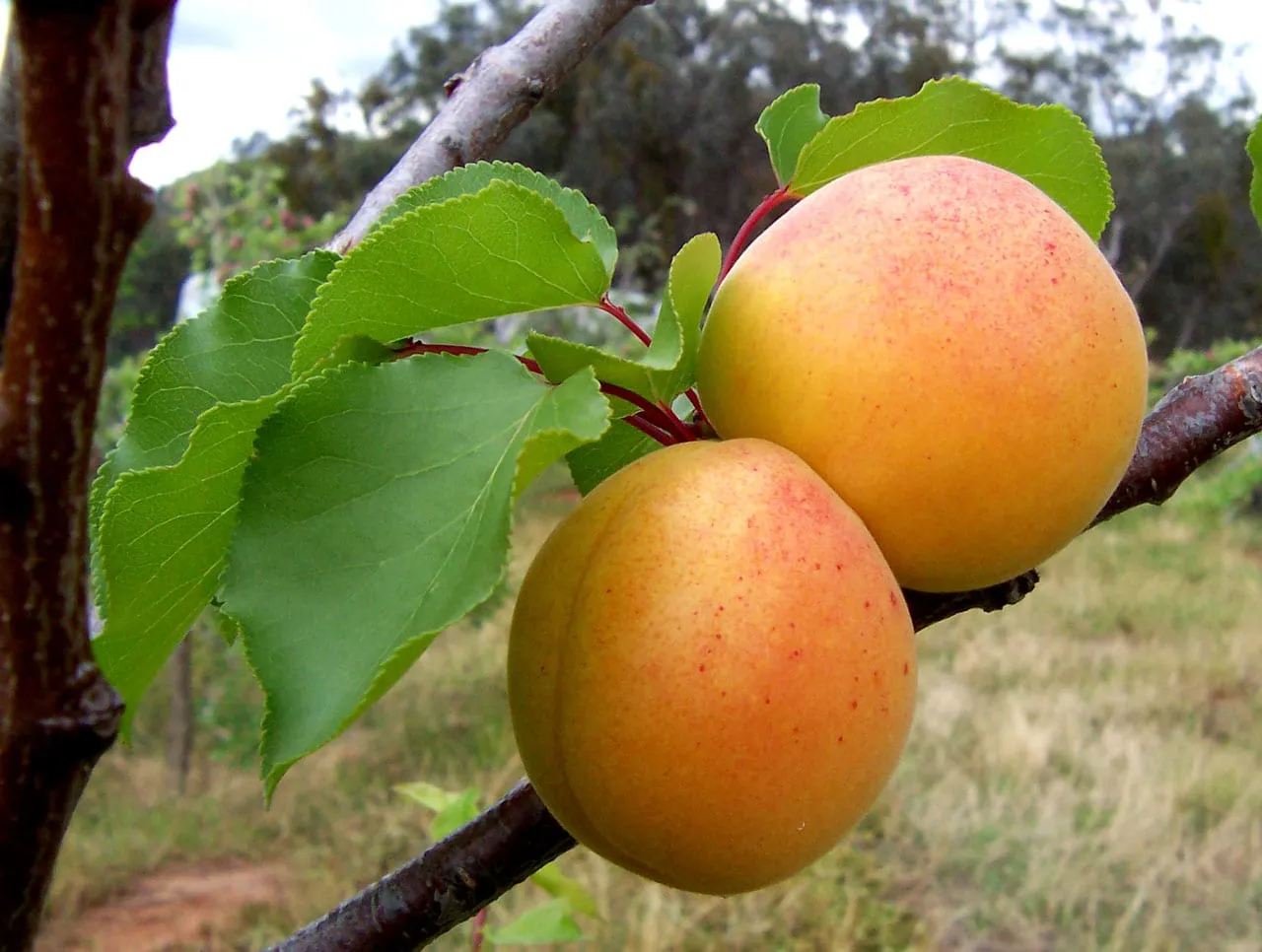
fruit tree in zone 6a
Growing apricot in zone 6a
Prunus armeniaca
- Zone
- 6a -10°F to -5°F
- Growing season
- 180 days
- Chill needed
- 600 to 900 below 45°F
- Suitable varieties
- 3
- Days to harvest
- 110 to 130
The verdict
Zone 6a sits within apricot's workable range, but calling it a sweet spot would be misleading. The chill-hour requirement of 600 to 900 hours is met reliably in most zone 6a winters, so dormancy breaks properly and trees generally survive. The cold hardiness ceiling of -10°F is also manageable for established trees of the right varieties.
The real constraint is spring frost collision with the crop's bloom window. Apricots bloom earlier than almost any other stone fruit, often 2 to 4 weeks ahead of peaches. Zone 6a last-frost dates typically fall in early to mid-April, and that overlap creates a recurring threat to the flower set regardless of how healthy the trees are. Harcot, Goldcot, and Moorpark are the varieties most commonly recommended for this zone. Each offers some tolerance for marginal conditions, though none provides reliable frost immunity. Expect crop losses in roughly 1 out of 3 to 4 springs, particularly in sites with poor cold-air drainage.
Recommended varieties for zone 6a
3 cultivars suited to this zone, with disease-resistance and zone-fit annotations.
| Variety | Notes | Zone fit | Disease resistance |
|---|---|---|---|
| Harcot fits zone 6a | Sweet, juicy, classic apricot flavor with bright tang; freestone. Fresh eating, jam, drying. Late blooming protects from spring frost. Brown-rot resistant. | |
|
| Goldcot fits zone 6a | Sweet-tart, freestone with firm orange flesh; excellent for fresh eating, canning, drying. Cold-hardy and reliable in zone 5. | | none noted |
| Moorpark fits zone 6a | Rich, complex apricot flavor with sweet aromatic flesh; the classic English heirloom variety, considered one of the best-flavored apricots. Fresh eating and drying. | | none noted |
Critical timing for zone 6a
Apricot bloom in zone 6a typically arrives in late March to early April. By that point, zone 6a has not reliably cleared its frost window, which makes the overlap between flowering and late-season cold snaps a persistent management concern.
Harvest falls between late July and mid-August in most zone 6a locations. Goldcot ripens somewhat earlier in that window than Moorpark, so planting both varieties extends the season and hedges against a single frost event wiping out the entire crop. The 180-day growing season provides adequate time to develop and ripen fruit when spring bloom escapes frost damage. Growers should monitor historical last-frost records for their specific location, as elevation and proximity to bodies of water can shift that date by 10 days or more within the same zone.
Common challenges in zone 6a
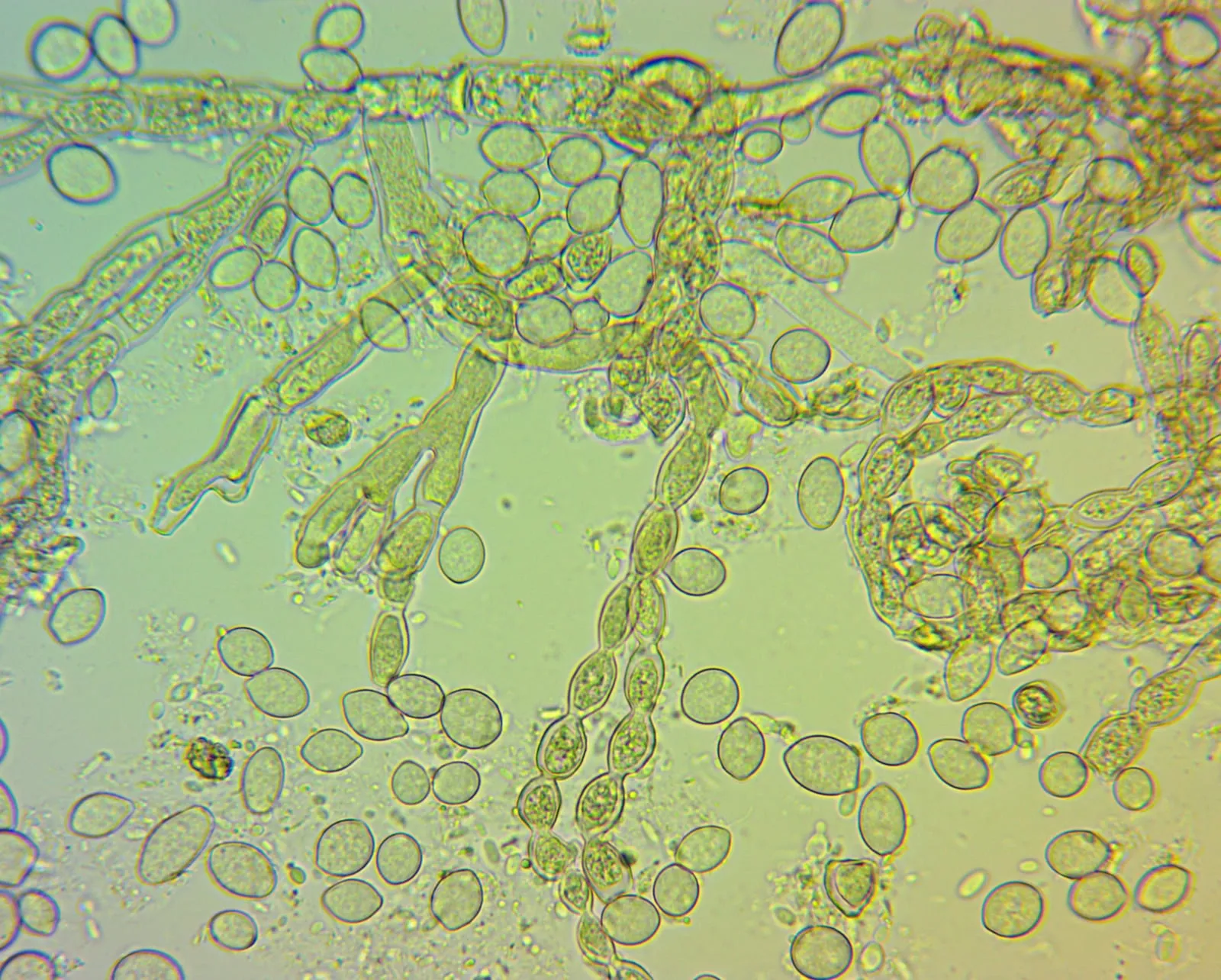
- ▸ Brown rot in stone fruit
- ▸ Japanese beetles
- ▸ Spring frost damage to peach buds
Disease pressure to watch for
Modified care for zone 6a
Frost protection at bloom time is the primary adaptation zone 6a demands. Overhead irrigation during a freeze event can protect open blossoms down to approximately 28°F by coating them in ice. For small trees, row covers applied the evening before a predicted frost offer meaningful protection. Planting on a slope with good cold-air drainage, or positioning trees on a north-facing aspect to slightly delay bloom, can reduce frost exposure in marginal years.
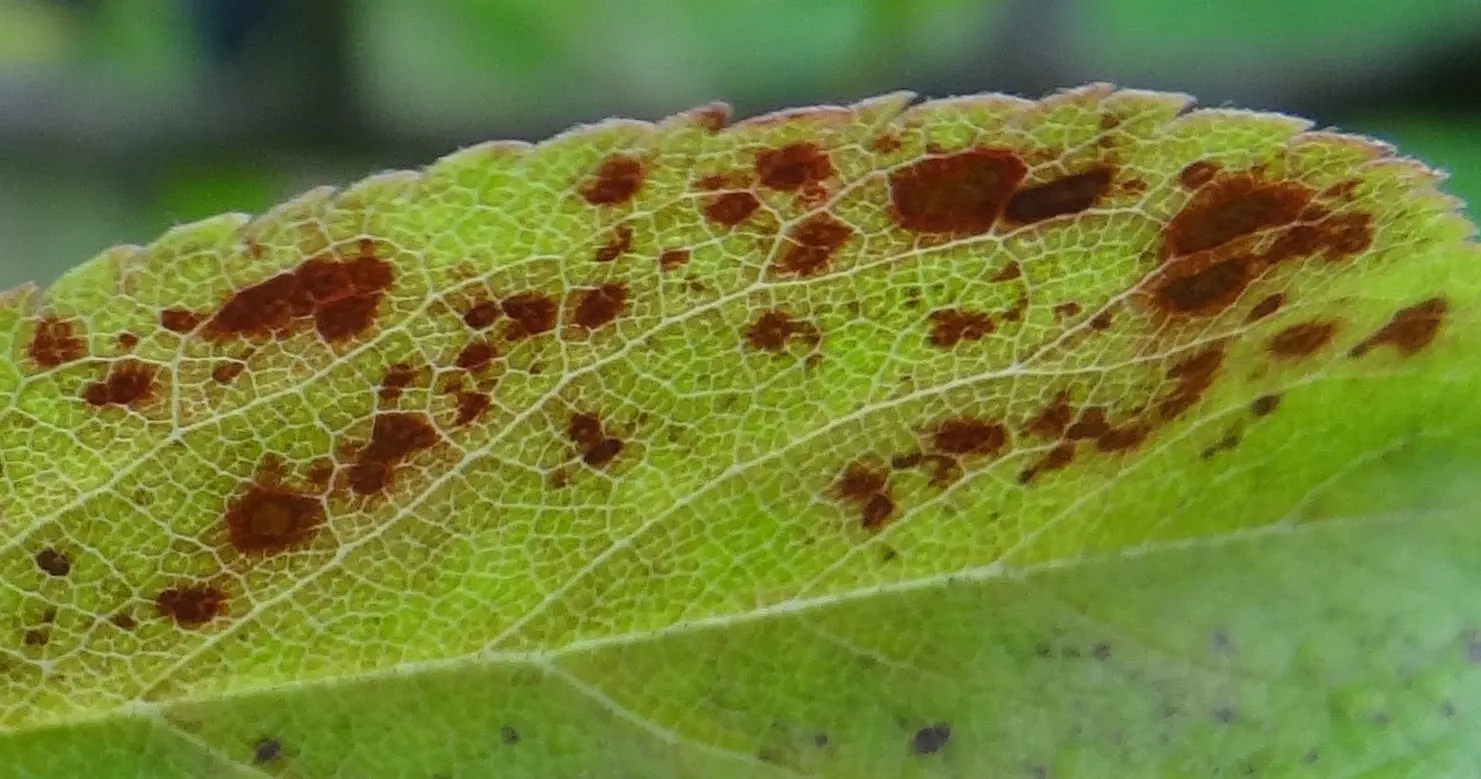
Brown rot pressure intensifies during wet zone 6a springs. Removing mummified fruit from the tree and ground promptly, and pruning to maintain open canopy structure, reduces the fungal load from season to season. Bacterial Spot is harder to manage through cultural practices alone and warrants close monitoring on Moorpark, which tends to be more susceptible. Japanese beetle activity peaks in July and August, coinciding with harvest. Exclusion netting is worth considering if beetle pressure has been consistently heavy in prior seasons.
Frequently asked questions
- Can apricots survive zone 6a winters?
Established apricot trees generally handle the -10 to -5°F temperature range that defines zone 6a. The bigger winter concern is late-spring frost killing the early blooms rather than cold damaging the trees themselves. Selecting cold-adapted varieties such as Harcot or Goldcot improves both winter hardiness and frost tolerance.
- Which apricot varieties perform best in zone 6a?
Harcot, Goldcot, and Moorpark are the most commonly recommended varieties for zone 6a. Harcot and Goldcot have a slight edge in frost resilience. Moorpark produces high-quality fruit but is somewhat more susceptible to Bacterial Spot and late-frost losses.
- How do I protect apricot blossoms from late frost in zone 6a?
Overhead irrigation during a hard freeze can protect open blossoms down to about 28°F. Row covers applied the evening before a predicted frost work well for smaller trees. Siting trees on elevated ground with good cold-air drainage is the most reliable long-term strategy.
- Is brown rot a serious problem for apricots in zone 6a?
Yes. Brown rot is a significant disease pressure for stone fruit in zone 6a, particularly during wet spring and summer periods. Sanitation practices, including removing mummified fruit and pruning for airflow, reduce infection rates. Fungicide applications timed around bloom and before harvest can be warranted in high-pressure years.
+−
+−
+−
+−
Apricot in adjacent zones
Image: "Apricots", by Fir0002, via Wikimedia Commons, licensed under CC-BY Source.

Related