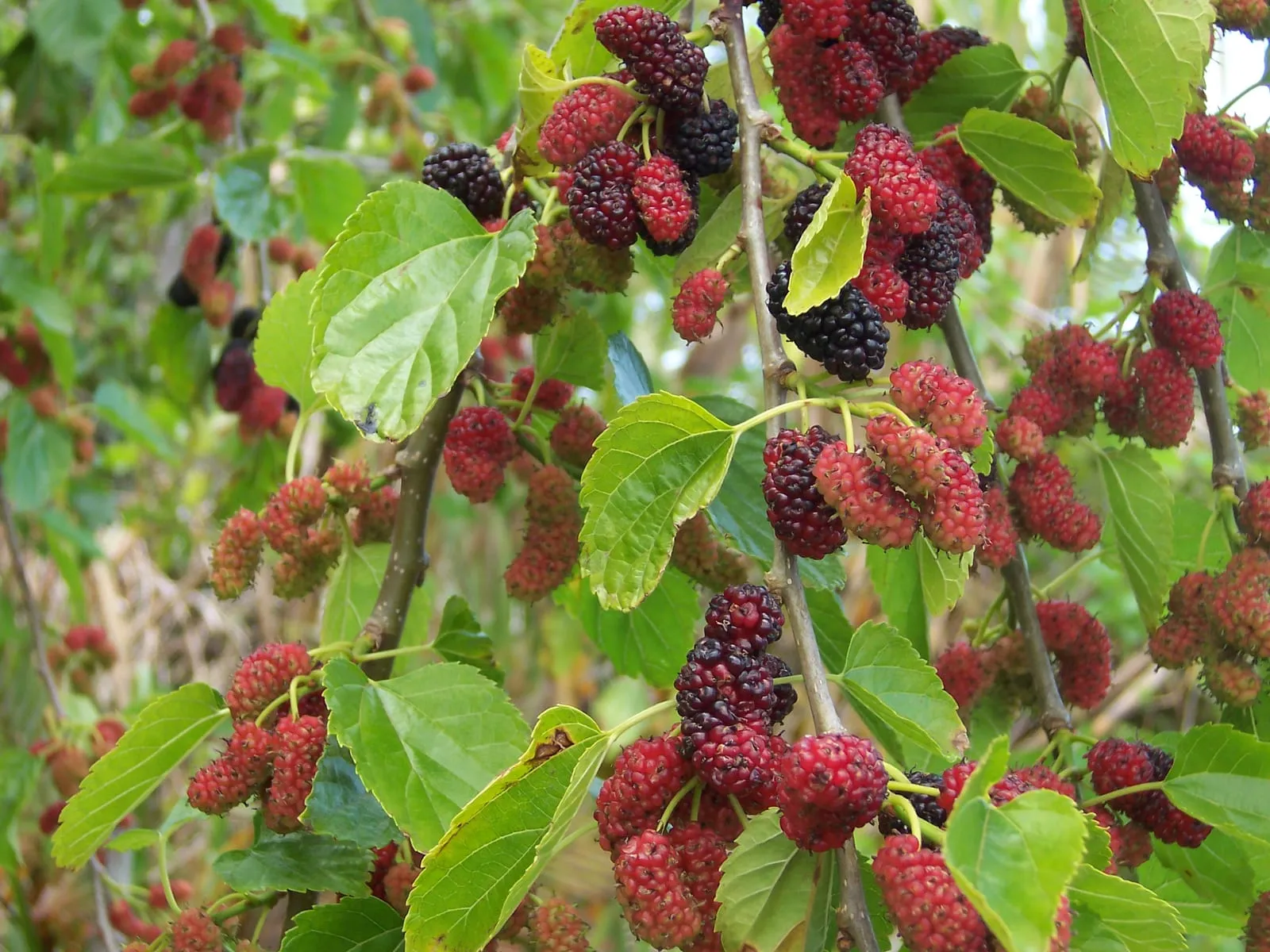
fruit tree in zone 7a
Growing mulberry in zone 7a
Morus species
- Zone
- 7a 0°F to 5°F
- Growing season
- 210 days
- Chill needed
- 400 to 600 below 45°F
- Suitable varieties
- 3
- Days to harvest
- 60 to 90
The verdict
Zone 7a is a comfortable fit for mulberry, not a marginal one. The zone's winter minimum of 0 to 5°F satisfies the crop's 400 to 600 chill-hour requirement with room to spare, and the 210-day growing season easily accommodates the extended harvest window that mulberry produces across late spring and summer.
Variety selection matters here. Illinois Everbearing is the most reliably cold-hardy of the three compatible options and handles zone 7a winters without issue. Black Beauty performs well through this zone too. Pakistan mulberry is the exception: it tolerates zone 7a heat and growing season length but sits close to its cold-hardiness limit when temperatures drop toward 0°F, so planting site and microclimate matter more for that selection.
Overall, zone 7a growers can expect mulberry to establish readily and bear productively without the chill-hour deficits that complicate the crop further south or the winter injury risk that limits it further north.
Recommended varieties for zone 7a
3 cultivars suited to this zone, with disease-resistance and zone-fit annotations.
| Variety | Notes | Zone fit | Disease resistance |
|---|---|---|---|
| Illinois Everbearing fits zone 7a | Sweet with a hint of tart, dark purple-black; rich berry flavor. Fresh eating, jam, baking, smoothies. Long fruiting period (6-8 weeks). Productive hybrid. | | none noted |
| Pakistan fits zone 7a | Very sweet, mild, almost candy-like; long red-black fruit (2-3 inches). Fresh eating standout when ripe. Needs warmth. | | none noted |
| Black Beauty fits zone 7a | Sweet, classic dark mulberry flavor; smaller fruit but high quality. Fresh and dried. Compact tree (15 ft), manageable in small yards. | | none noted |
Critical timing for zone 7a
Mulberry breaks dormancy and begins flowering in zone 7a typically in mid to late April, several weeks after last frost risk has diminished for most of the zone. This late-blooming habit is one of the crop's practical advantages: the catkin-style flowers and subsequent fruit set are rarely caught by a killing frost the way earlier-blooming stone fruits or apples can be.
Harvest begins in late May for early varieties like Illinois Everbearing and extends through June and into July, with ripe fruit dropping or ripening over several weeks rather than in a single concentrated flush. The zone's last spring frost typically falls between late March and early April, meaning bloom and fruit set proceed without significant frost interference in most years. Growers in low-lying frost pockets should note that localized cold air pooling can occasionally affect early flower development.
Common challenges in zone 7a
- ▸ Cedar-apple rust
- ▸ Brown rot
- ▸ Fire blight
- ▸ High humidity disease pressure
Modified care for zone 7a
The main adjustment in zone 7a is managing the disease pressure that comes with the zone's humidity and warm summers. Mulberry is more disease-tolerant than most fruit crops, but fungal issues including leaf spot and popcorn disease (caused by the fungus Ciboria carunculoides) can intensify in wet springs. Thinning the canopy to improve airflow reduces fungal load more effectively than any spray program.
For Pakistan mulberry specifically, selecting a sheltered south or east-facing planting site provides meaningful frost protection during the coldest zone 7a winters. Mulching the root zone with 3 to 4 inches of organic material helps protect roots if temperatures approach the 0°F floor.
The zone challenges listed, including cedar-apple rust and fire blight, primarily affect apple and pear relatives; mulberry is not a significant host for those pathogens. Disease management effort for mulberry in zone 7a is genuinely lower than for most fruit crops grown in the same conditions.
Frequently asked questions
- Does mulberry need a pollinator in zone 7a?
Most mulberry varieties sold for home use, including Illinois Everbearing and Black Beauty, are self-fertile or produce fruit parthenocarpically without pollination. Pakistan mulberry benefits from cross-pollination but can set fruit alone. A single tree is sufficient for most growers.
- Will Pakistan mulberry survive a zone 7a winter?
Pakistan mulberry is rated to zone 7a but sits near its cold limit when temperatures approach 0°F. Established trees on a protected site with good drainage generally survive. Young trees in their first two winters are more vulnerable; mulching the root zone and avoiding late-season nitrogen fertilization reduces injury risk.
- When should mulberry be pruned in zone 7a?
Late winter dormant pruning, from late January through early March before bud break, is the standard timing. Mulberry bleeds sap heavily if pruned after growth begins, so earlier is better. Keep pruning light on mature trees; heavy cuts stimulate excessive regrowth that complicates future management.
- How long does mulberry take to bear fruit after planting in zone 7a?
Container-grown or grafted mulberry typically fruits within 2 to 3 years of planting. Trees grown from rooted cuttings may take an additional year. Illinois Everbearing is known for bearing relatively early compared to some other selections.
+−
+−
+−
+−
Mulberry in adjacent zones
Image: "Morus alba fruits", by B.navez, via Wikimedia Commons, licensed under CC-BY Source.

Related