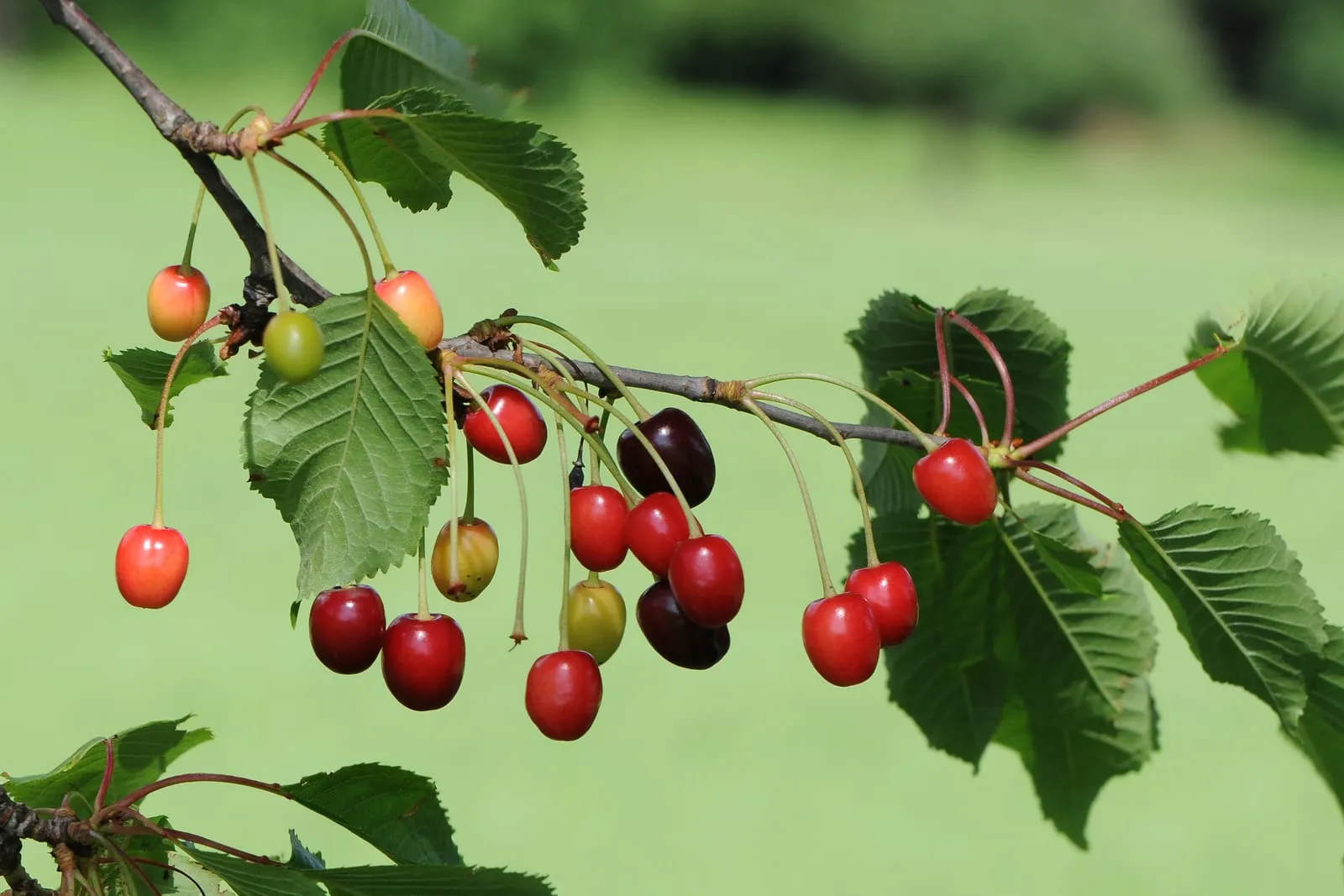
fruit tree in zone 7a
Growing sour cherry in zone 7a
Prunus cerasus
- Zone
- 7a 0°F to 5°F
- Growing season
- 210 days
- Chill needed
- 700 to 1000 below 45°F
- Suitable varieties
- 1
- Days to harvest
- 60 to 75
The verdict
Zone 7a sits at the southern fringe of reliable sour cherry territory, but it is not a lost cause. The crop's chill-hour requirement of 700 to 1,000 hours aligns reasonably with what most zone 7a winters deliver, particularly in inland and upland locations where cold accumulates consistently from November through February. Coastal or urban sites within the zone may fall short in mild winters, pushing chill accumulation toward the lower threshold and risking reduced fruit set or erratic bloom timing.
Montmorency, the workhorse variety for eastern growers, tolerates this range and remains the most practical choice for zone 7a. It is not that zone 7a is a sweet spot for sour cherry, but it is workable with realistic expectations. The greater risk is not cold insufficiency but the zone's warm, humid summers, which create heavy disease pressure that shortens productive tree life compared to zones 5 and 6.
Recommended varieties for zone 7a
1 cultivar suited to this zone, with disease-resistance and zone-fit annotations.
| Variety | Notes | Zone fit | Disease resistance |
|---|---|---|---|
| Montmorency fits zone 7a | Tart, bright red, juicy; the classic American pie cherry, defines the flavor of cherry pie, jam, and juice. Self-fertile, no pollinator needed. | | none noted |
Critical timing for zone 7a
Bloom in zone 7a typically opens in late March to early April, earlier than in zones 5 and 6 by two to four weeks. This early bloom window collides directly with the zone's last frost dates, which commonly fall between March 15 and April 15 depending on specific location and elevation. A late cold snap during open bloom can eliminate the entire crop for that season.
Harvest follows approximately 60 to 70 days after bloom, placing peak fruit maturity in late May through June for most zone 7a sites. That compressed window demands attentive monitoring, since warm temperatures accelerate fruit development and narrow the harvest interval significantly compared to cooler regions.
Common challenges in zone 7a
- ▸ Cedar-apple rust
- ▸ Brown rot
- ▸ Fire blight
- ▸ High humidity disease pressure
Disease pressure to watch for
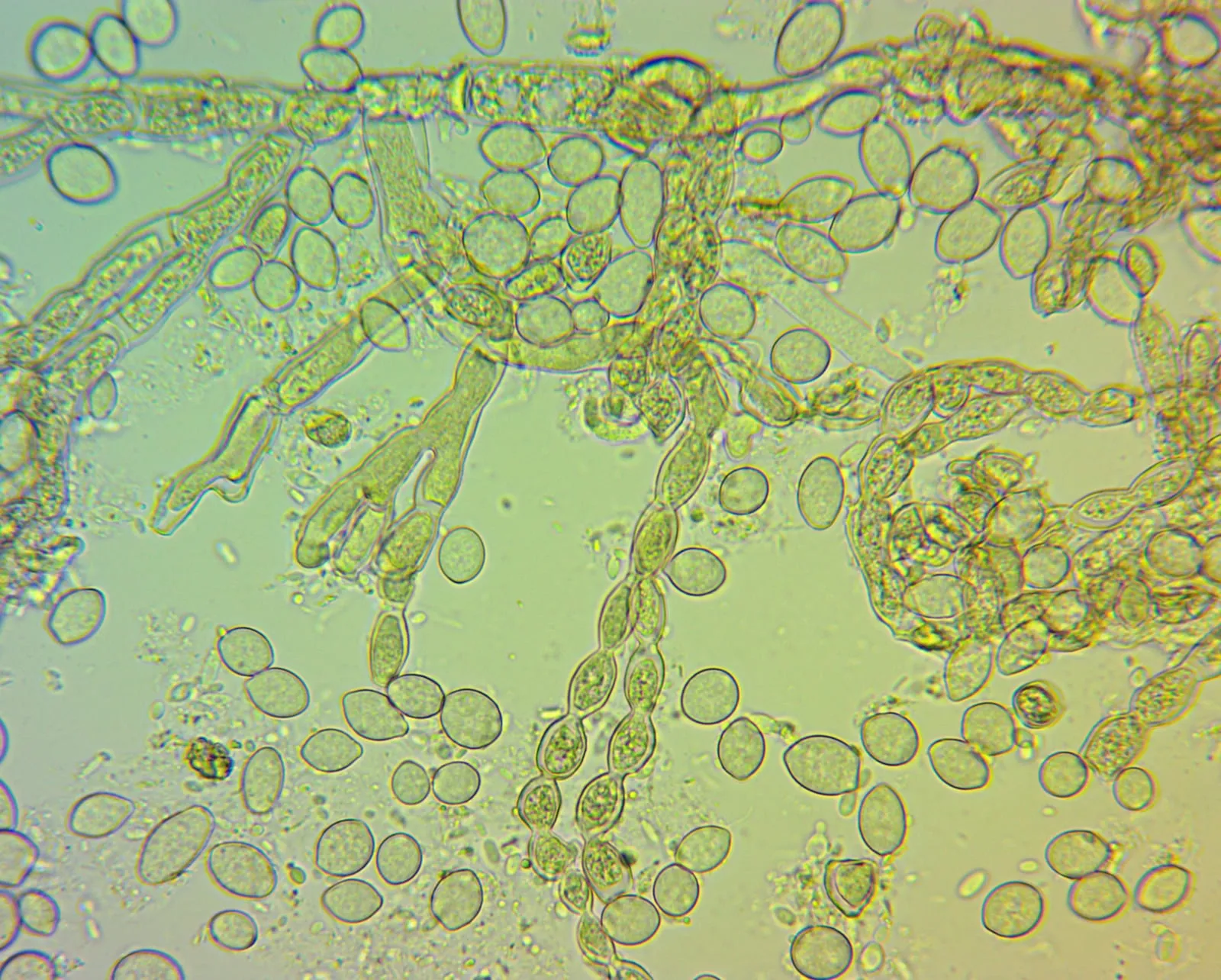
Monilinia fructicola
The most damaging stone-fruit and almond disease, causing blossom blight and fruit rot.
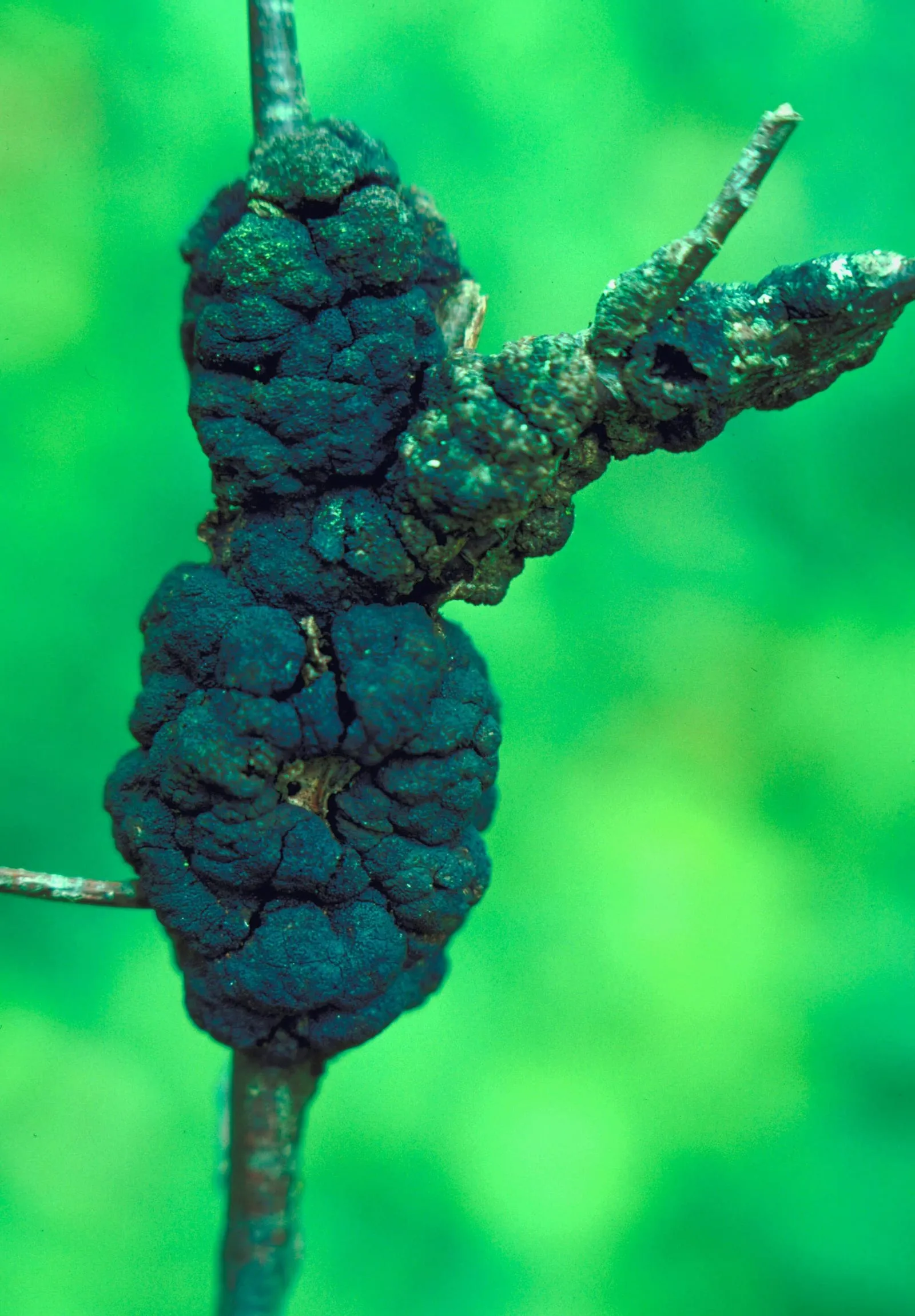
Apiosporina morbosa
Fungal disease producing characteristic black warty galls on plum and cherry branches.
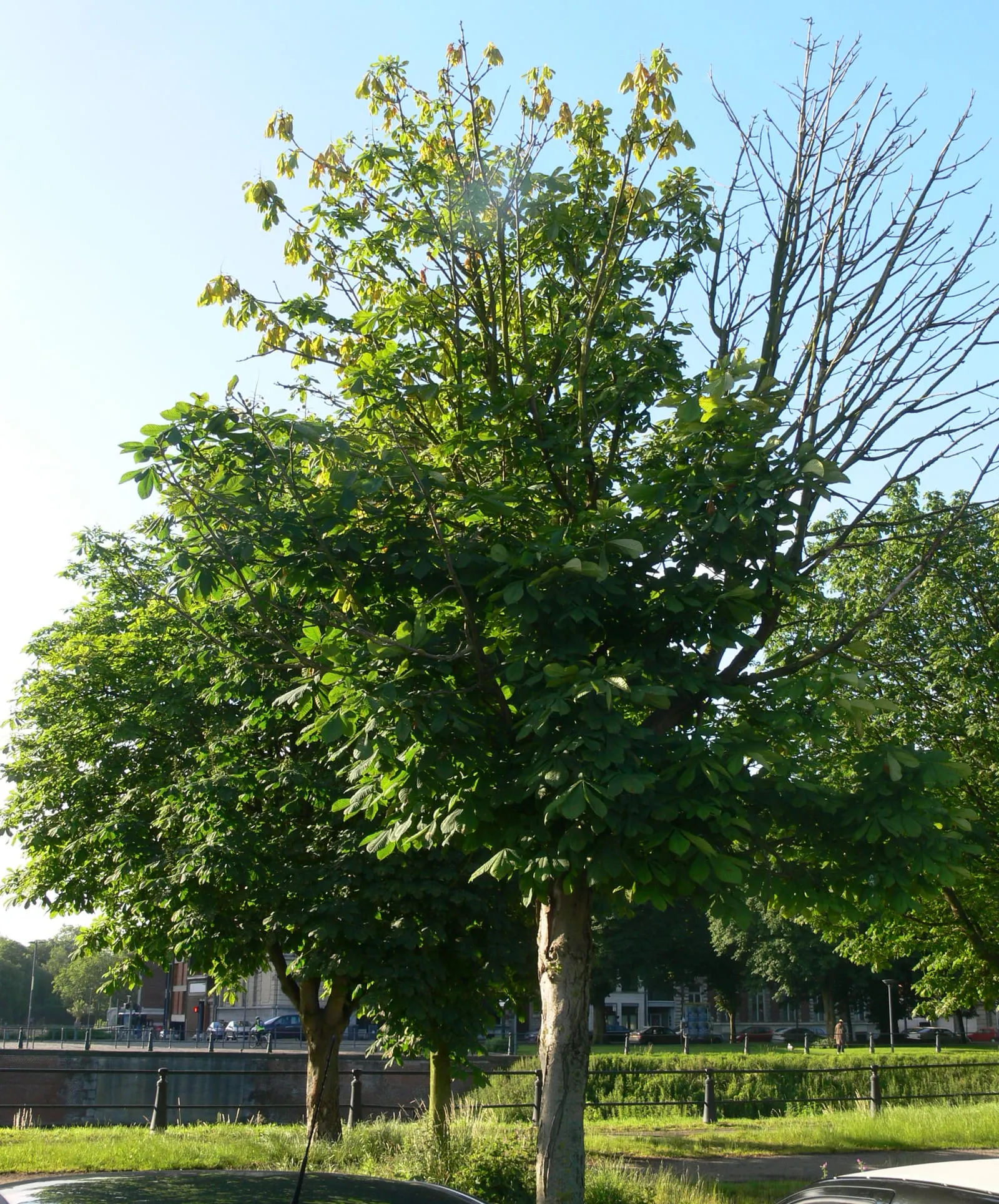
Pseudomonas syringae
Bacterial disease causing limb dieback and gummosis, particularly damaging in wet cool springs.
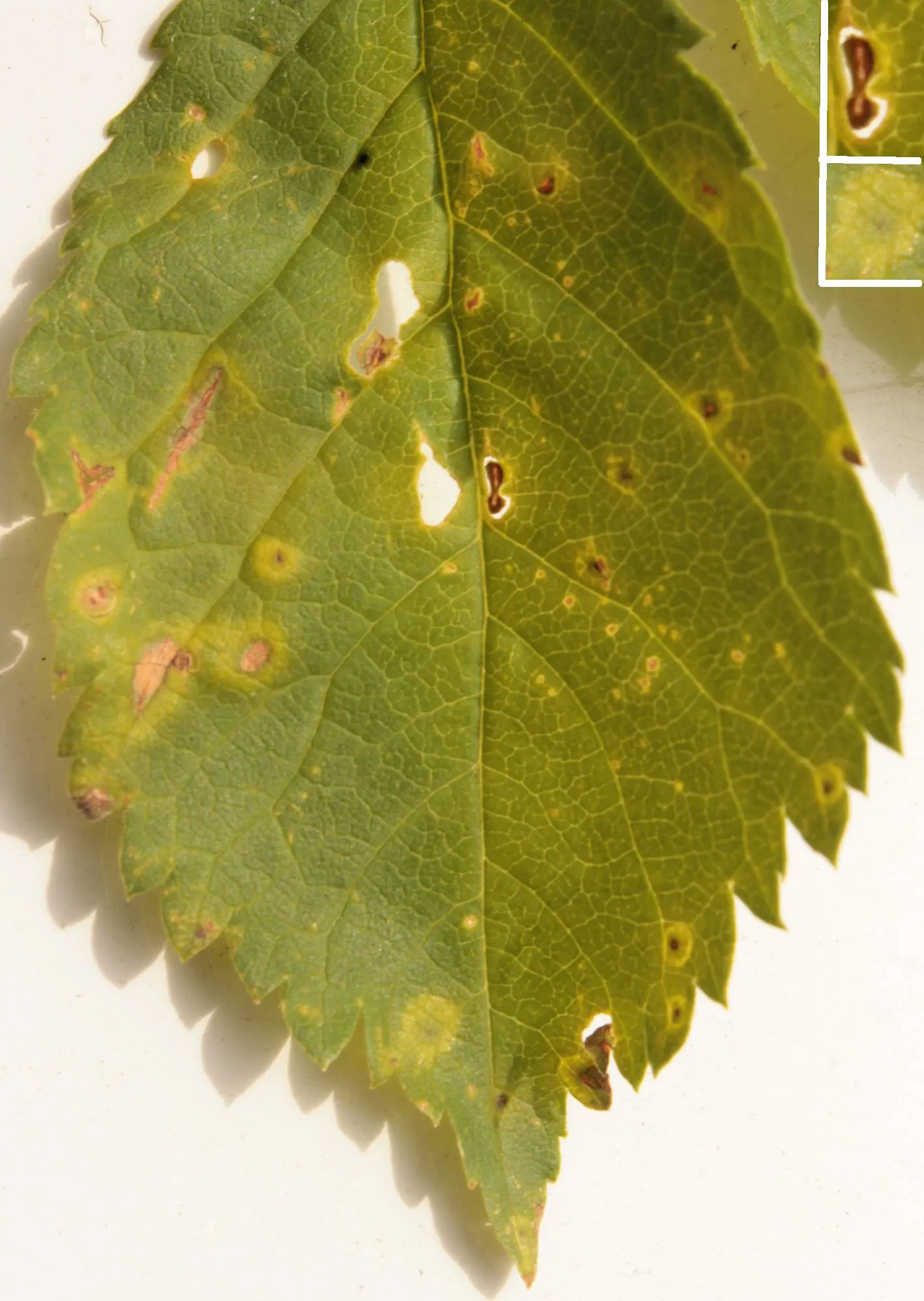
Blumeriella jaapii
Defoliating fungal disease that weakens trees over consecutive seasons.
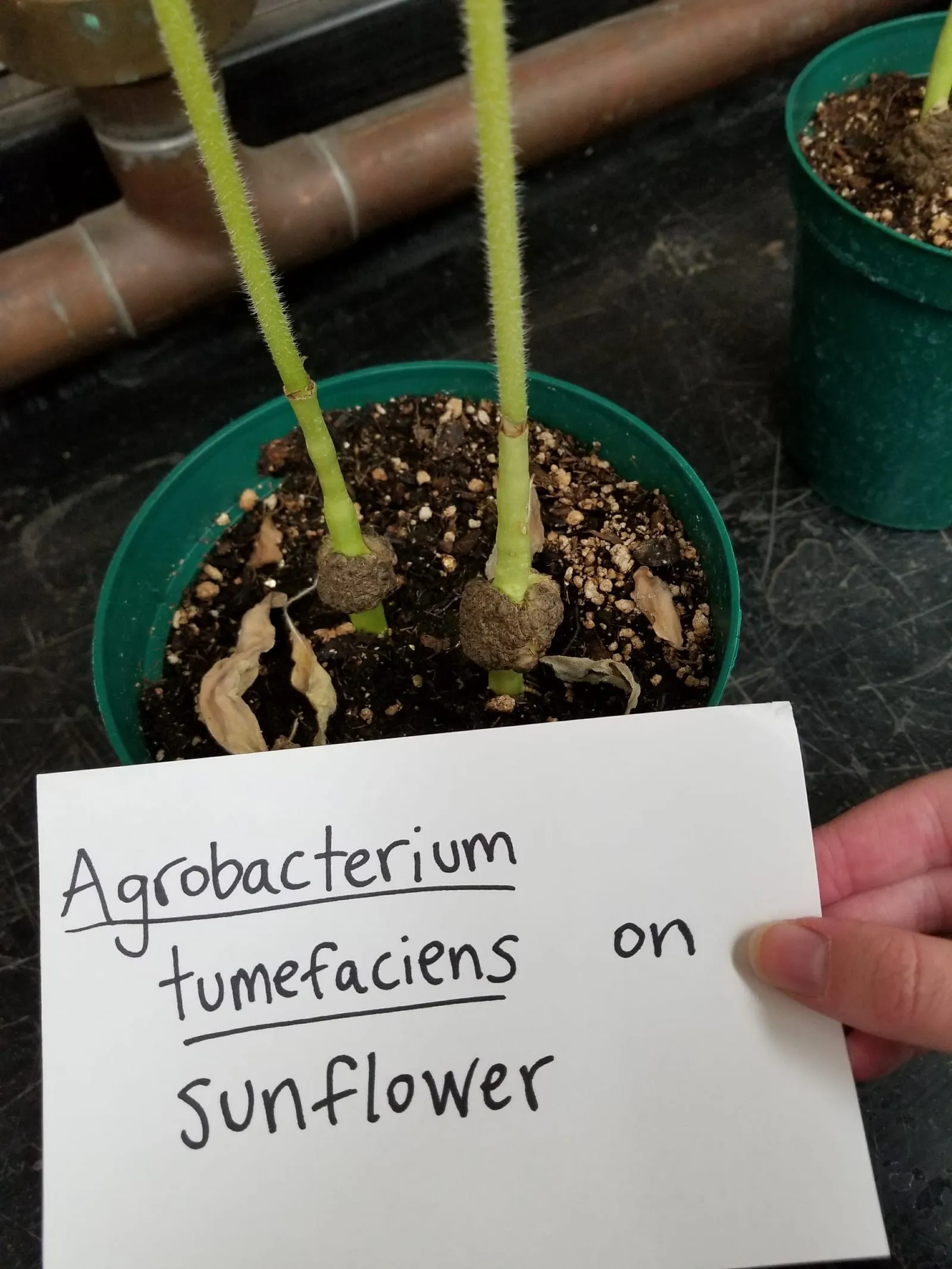
Agrobacterium tumefaciens
Soil-borne bacterium that enters plants through wounds and induces tumor-like galls on roots, crown, and lower stems. Galls reduce vigor and shorten plant lifespan; on Rubus the disease is often fatal.
Modified care for zone 7a
The primary adjustment in zone 7a is a more aggressive fungicide program than growers in cooler zones require. Brown rot and cherry leaf spot both thrive under the zone's combination of warm nights and high summer humidity. Preventive copper or sulfur applications starting at petal fall, followed by rotation through labeled fungicides during fruit development, are not optional here.
Pruning for canopy openness matters more in zone 7a than in the North. Dense canopy slows drying after rain and extends the leaf-wet period that drives cherry leaf spot infection cycles. Removing crossing and interior branches each dormant season keeps air moving through the canopy.
No extraordinary winter protection is needed for Montmorency in zone 7a, since the variety handles the zone's minimum temperatures of 0 to 5°F without difficulty. The productive life of the tree, however, will likely be shorter than in zones 5 or 6 due to cumulative disease stress.
Frequently asked questions
- Does sour cherry get enough chill hours in zone 7a?
Most zone 7a winters accumulate 700 to 1,000 chill hours, which matches Montmorency's requirement. Mild winters in warmer parts of the zone can fall short, leading to delayed or uneven bloom. Inland and higher-elevation sites within zone 7a are more reliable than low-lying or urban locations.
- When does sour cherry bloom in zone 7a?
Bloom typically opens between late March and early April in zone 7a. This overlaps with the zone's frost window, so a late freeze can wipe out a season's crop. Growers should have frost protection plans ready through mid-April.
- What diseases are most serious for sour cherry in zone 7a?
Brown rot and cherry leaf spot are the primary threats. Zone 7a's warm, humid summers create favorable conditions for both diseases throughout the growing season. A consistent fungicide rotation from petal fall through harvest is necessary to maintain tree health and fruit quality.
- Is Montmorency the right variety for zone 7a?
Montmorency is the most proven sour cherry variety for zone 7a. It meets its chill-hour needs in typical winters and handles the zone's minimum temperatures without cold damage. Other varieties exist but have less documented performance in this zone.
+−
+−
+−
+−
Sour Cherry in adjacent zones
Image: "Sauerkirschenfrucht Prunus cerasus 2", by böhringer friedrich, via Wikimedia Commons, licensed under CC-BY Source.

Related