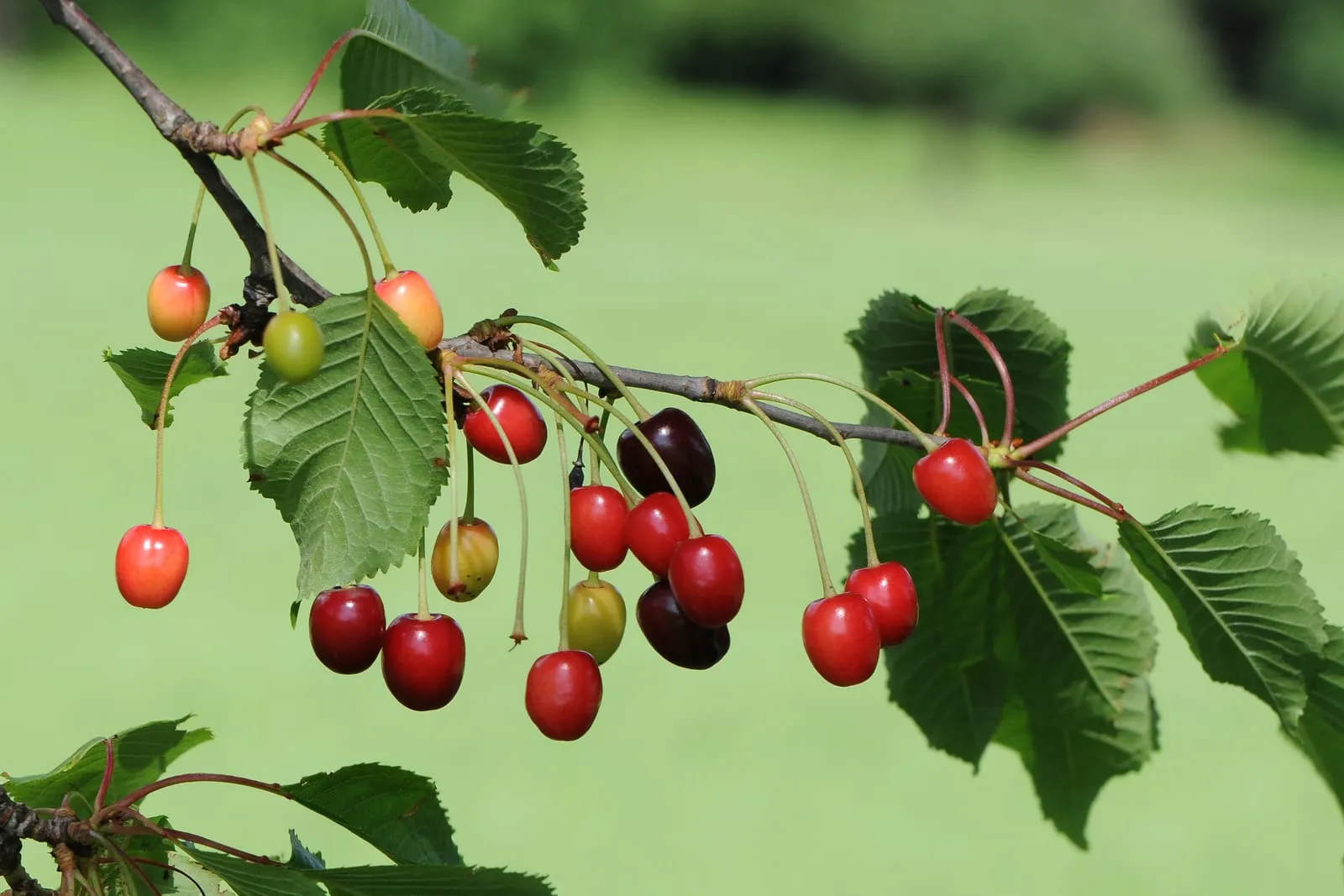
fruit tree in zone 7b
Growing sour cherry in zone 7b
Prunus cerasus
- Zone
- 7b 5°F to 10°F
- Growing season
- 220 days
- Chill needed
- 700 to 1000 below 45°F
- Suitable varieties
- 0
- Days to harvest
- 60 to 75
The verdict
Zone 7b sits at the warm margin of sour cherry's range. The crop requires 700 to 1,000 chill hours, a target that most zone 7b winters meet but warm winters miss. Extended mild spells in December and January, which are common across piedmont and mid-Atlantic locations in this zone, can prevent adequate chill hour accumulation and result in erratic bloom, poor fruit set, and reduced yields.
This is a marginal zone for sour cherry rather than a reliable one. Growers should select varieties toward the lower end of the chill hour spectrum and expect some year-to-year variability in production. The 220-day growing season is not the limiting factor; winter cold is. Within zone 7b, site selection significantly affects outcomes: elevated positions and north-facing slopes stay cooler and accumulate more chill hours than valley floors and south-facing exposures.
Critical timing for zone 7b
Sour cherry blooms early among stone fruits, typically in late March through mid-April in zone 7b. This timing overlaps directly with the zone's late frost risk, which extends into late March and early April across most of its range. An open-flower frost event at or below 28°F can eliminate most of a season's crop in years when cold returns after dormancy breaks.
Harvest follows bloom by roughly 60 to 70 days, placing ripening in late May through June for most locations in this zone. This timing works in the crop's favor: fruit matures before the worst summer heat and humidity arrive, reducing overlap with the conditions that intensify Brown Rot and Cherry Leaf Spot pressure on the fruit.
Common challenges in zone 7b
- ▸ Cedar-apple rust pressure heavy in piedmont
- ▸ Japanese beetles
- ▸ Brown marmorated stink bug
- ▸ Late summer disease pressure
Disease pressure to watch for
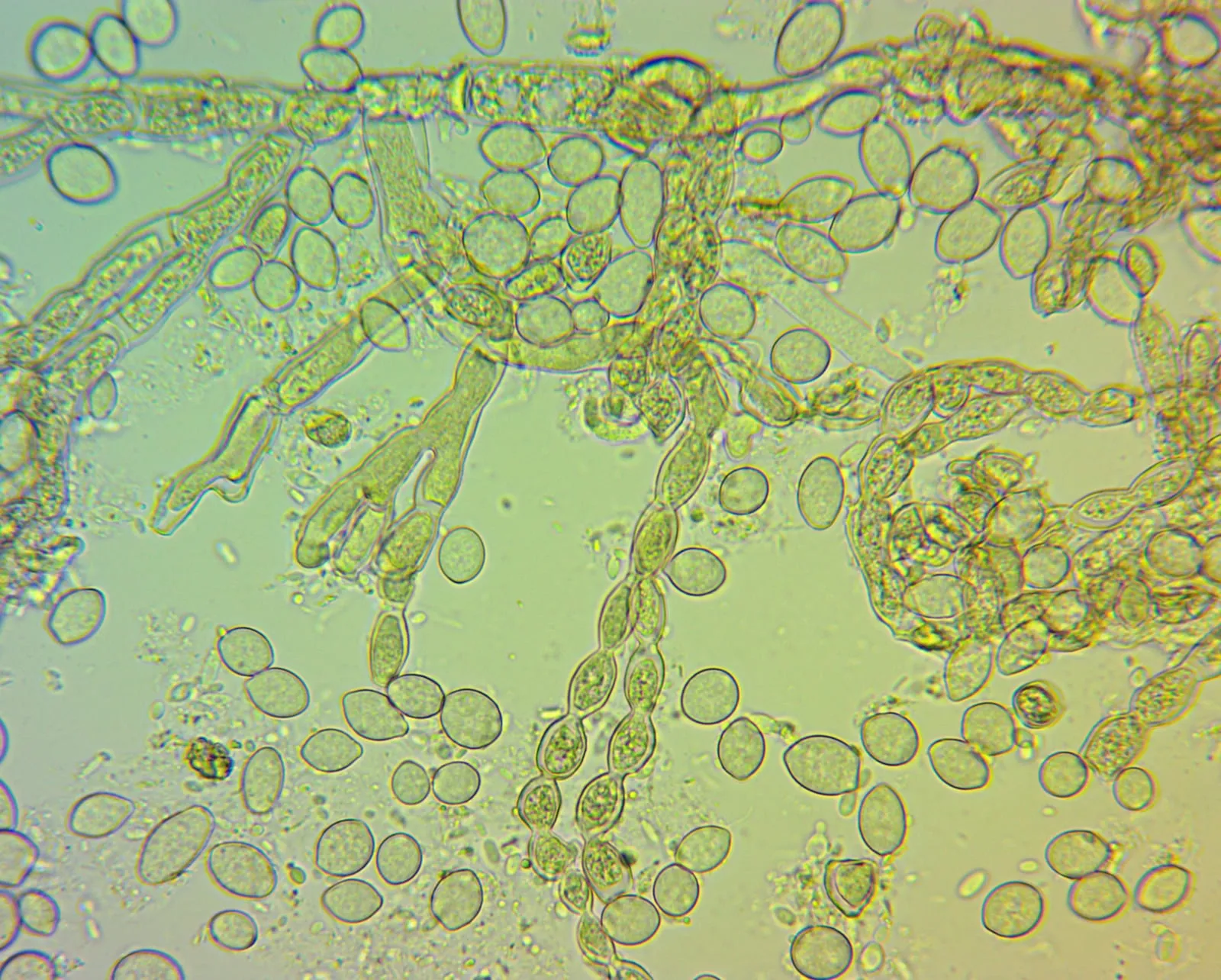
Monilinia fructicola
The most damaging stone-fruit and almond disease, causing blossom blight and fruit rot.
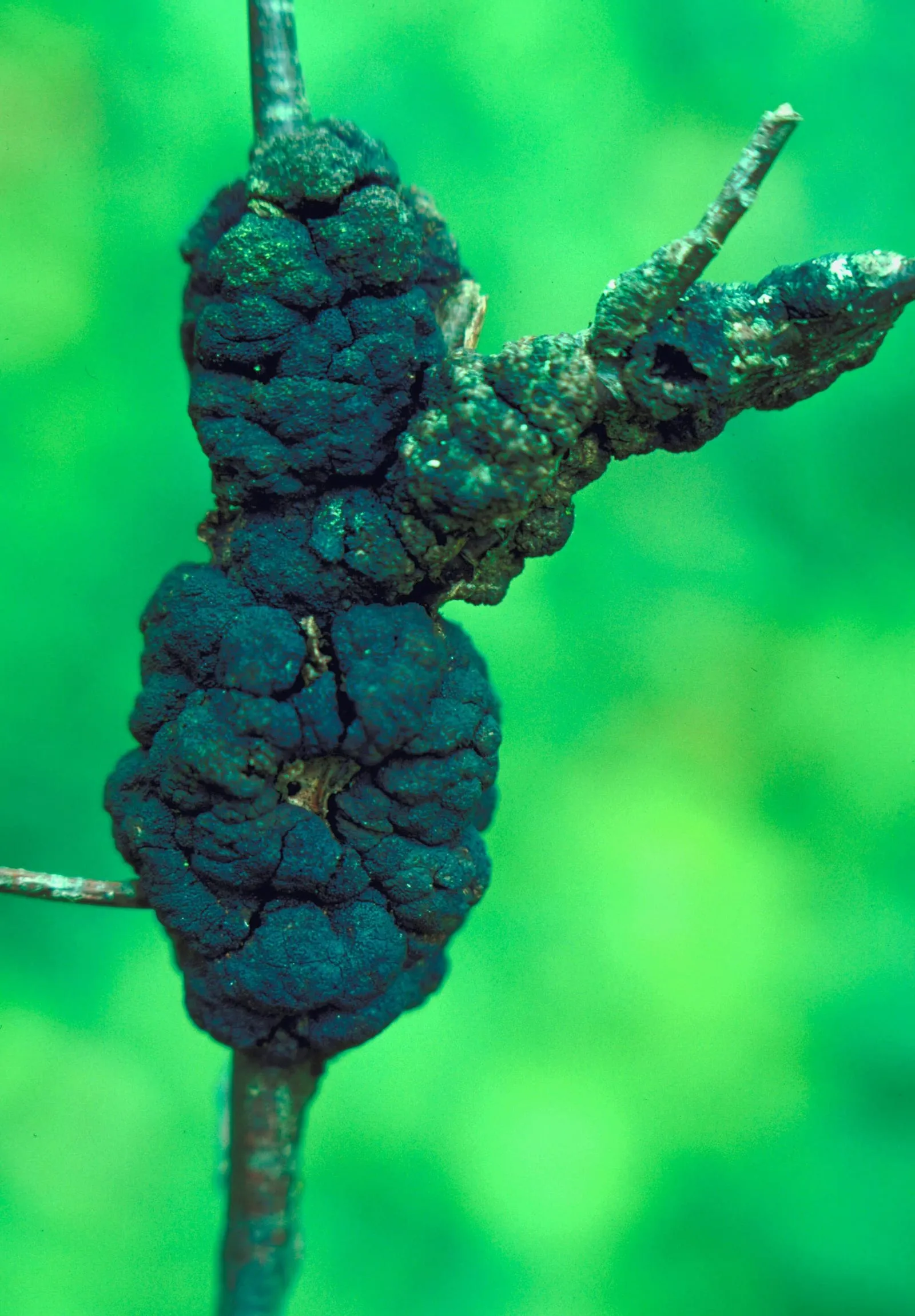
Apiosporina morbosa
Fungal disease producing characteristic black warty galls on plum and cherry branches.
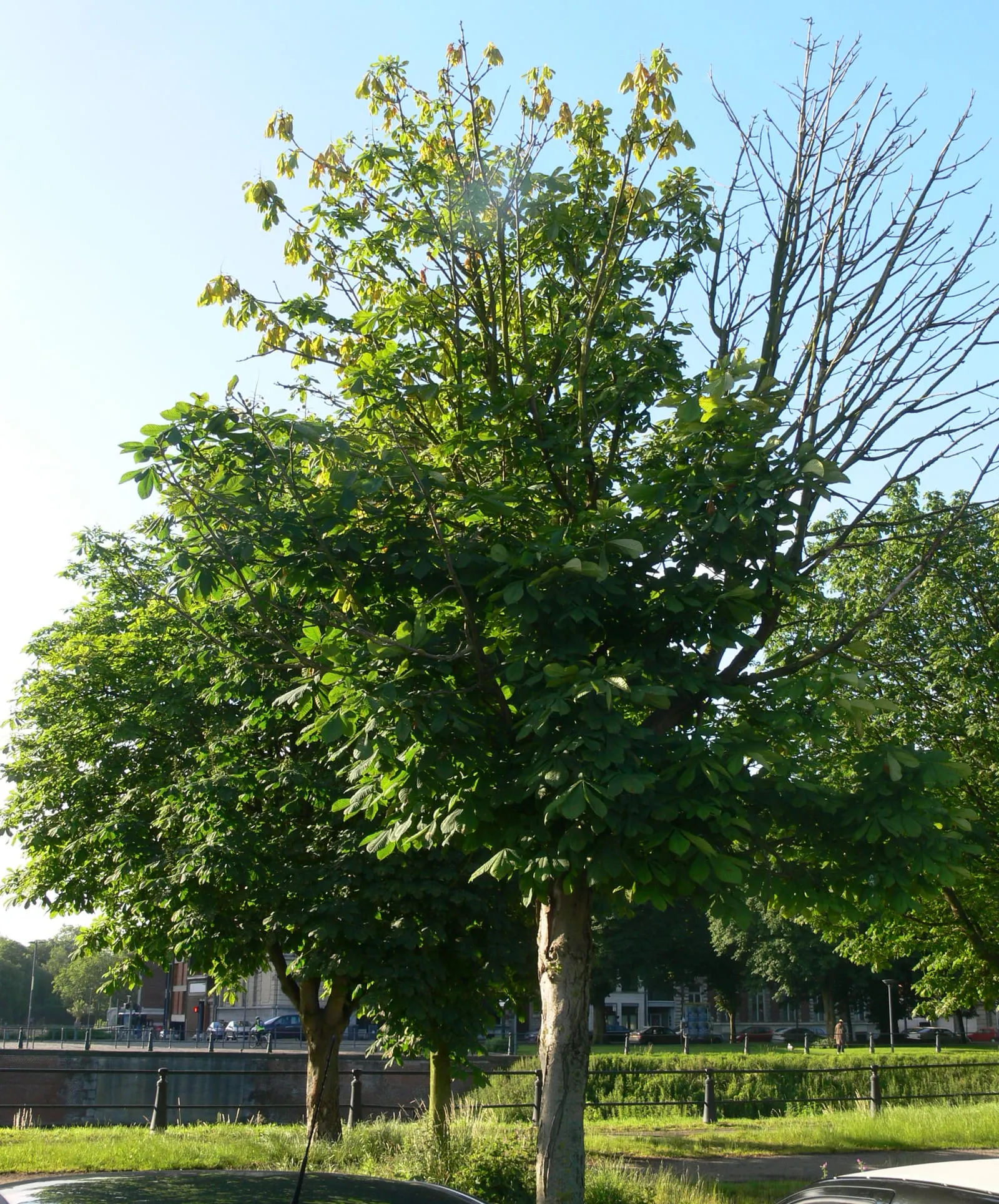
Pseudomonas syringae
Bacterial disease causing limb dieback and gummosis, particularly damaging in wet cool springs.
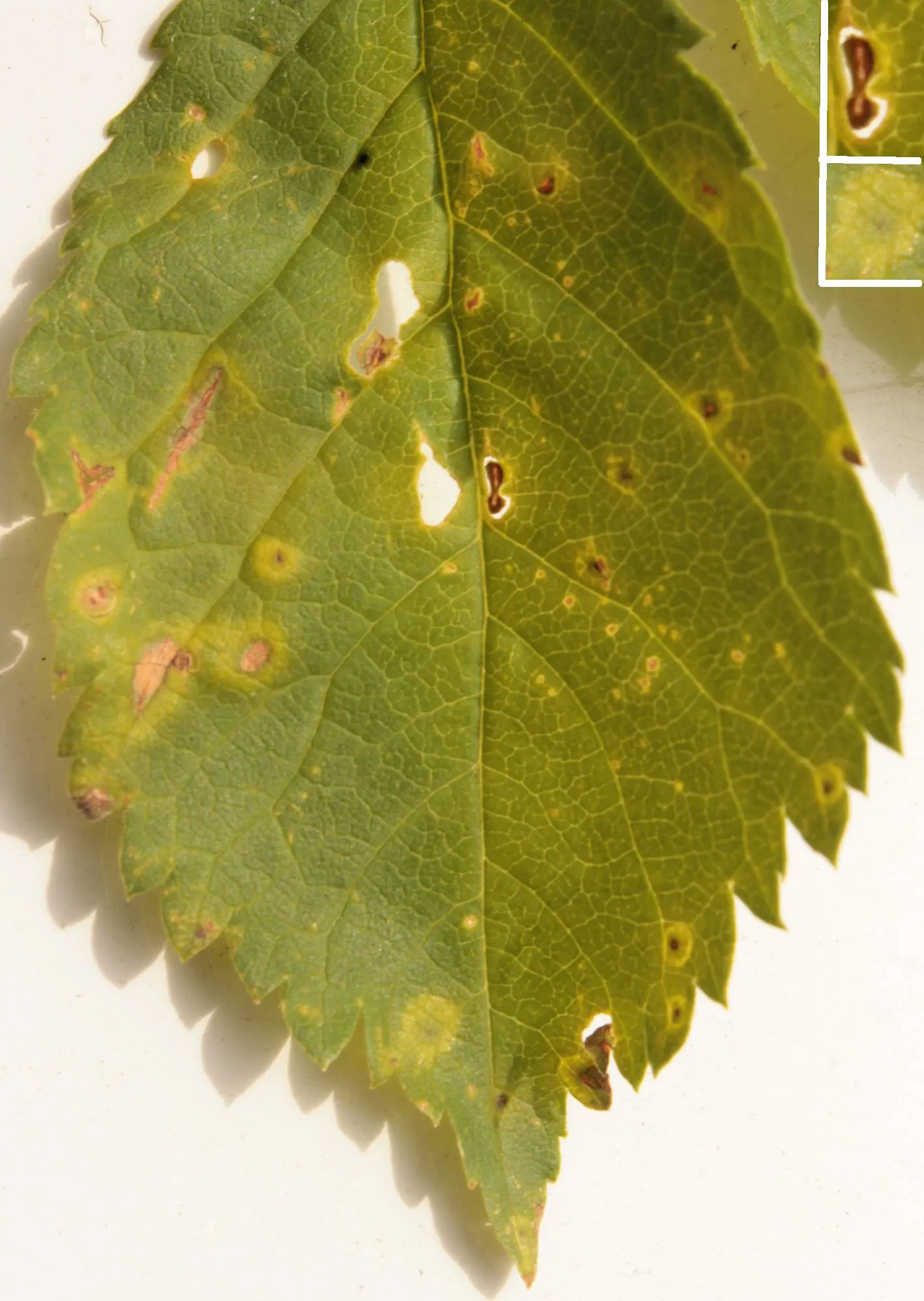
Blumeriella jaapii
Defoliating fungal disease that weakens trees over consecutive seasons.
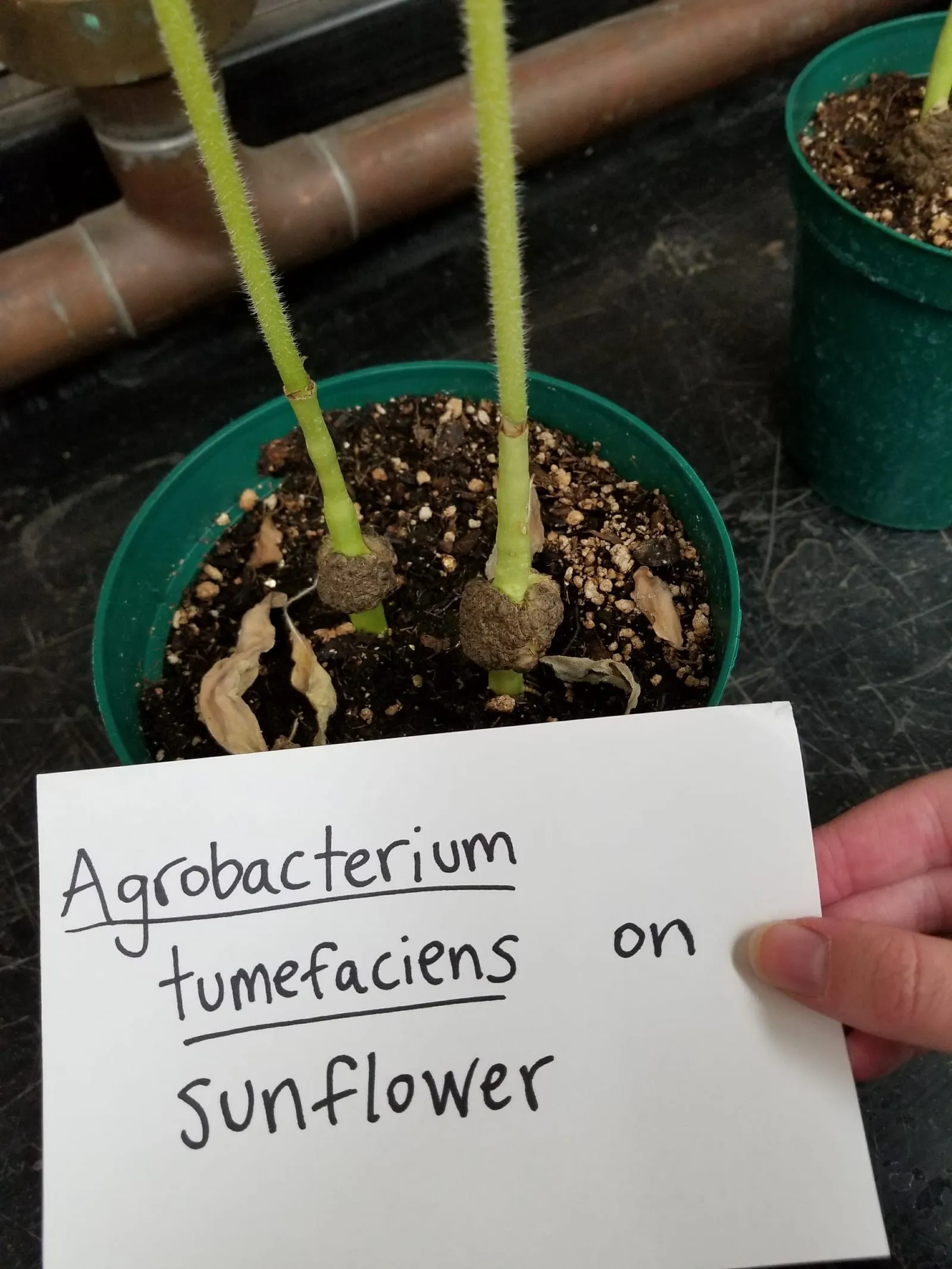
Agrobacterium tumefaciens
Soil-borne bacterium that enters plants through wounds and induces tumor-like galls on roots, crown, and lower stems. Galls reduce vigor and shorten plant lifespan; on Rubus the disease is often fatal.
Modified care for zone 7b
Brown Rot and Cherry Leaf Spot are the dominant disease concerns in zone 7b, where warm, humid summers create favorable conditions for both. A preventive fungicide program beginning at pink bud stage and continuing through harvest is standard practice in this climate. Waiting for visible symptoms before treating is not an effective strategy for either disease here.
Japanese beetle pressure peaks in June and July, coinciding with or immediately following harvest. Monitoring and early intervention on young trees is worthwhile, particularly in the first few seasons when repeated feeding can affect long-term vigor.
Chill hour shortfalls during warm winters are the most common production problem in this zone. Selecting varieties with requirements at the lower end of the 700 to 1,000 hour range reduces exposure to this risk. North-facing slopes and elevated sites provide more reliable chill accumulation and also reduce frost pocket risk during the early bloom window.
Sour Cherry in adjacent zones
Image: "Sauerkirschenfrucht Prunus cerasus 2", by böhringer friedrich, via Wikimedia Commons, licensed under CC-BY Source.

Related