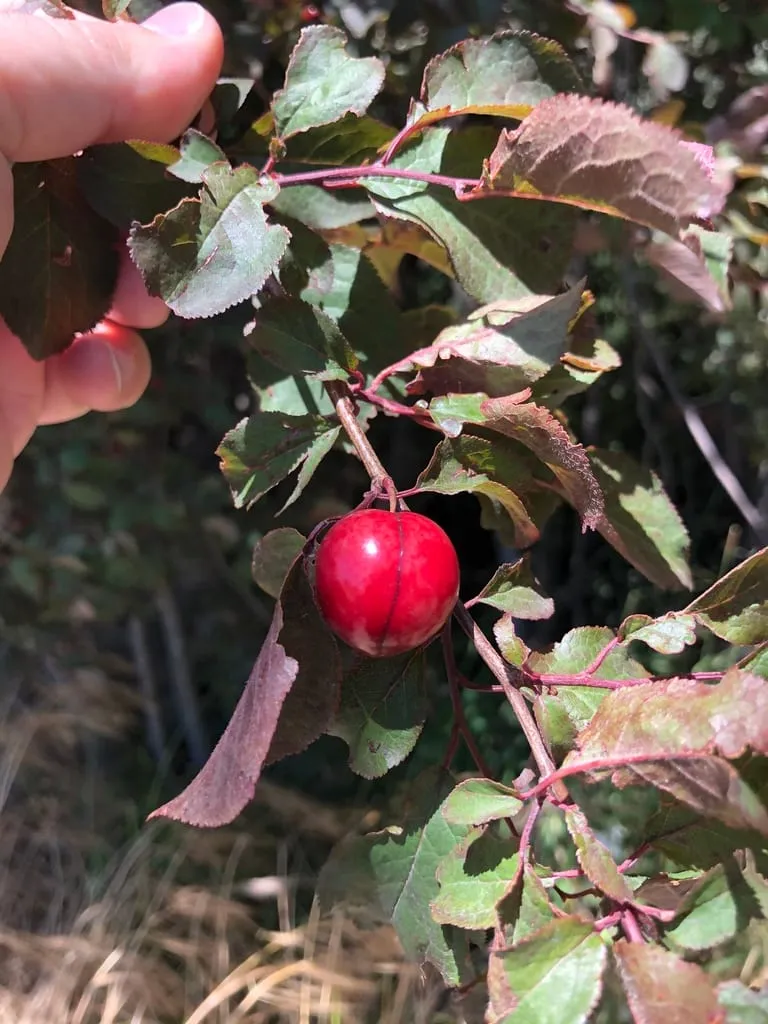
fruit tree in zone 7a
Growing european plum in zone 7a
Prunus domestica
- Zone
- 7a 0°F to 5°F
- Growing season
- 210 days
- Chill needed
- 700 to 1000 below 45°F
- Suitable varieties
- 2
- Days to harvest
- 140 to 170
The verdict
Zone 7a is a reliable fit for European plum, not a marginal one. The zone's minimum winter temperatures (0 to 5°F) are well within the crop's cold-hardiness range, and most zone 7a locations accumulate chill hours that fall squarely within the 700 to 1,000 hour requirement for European plum. Stanley and Italian Prune, both reliable performers across this zone, rarely fall short of chill in a normal winter.
The 210-day growing season gives the crop adequate time to size up and ripen before fall sets in. The real limiting factor in zone 7a is not cold or heat but disease: Brown Rot and Black Knot both find favorable conditions in the humidity that characterizes much of the zone, particularly in the Mid-Atlantic and upper South. Growers who stay ahead of sanitation and fungicide timing will do consistently well here.
Recommended varieties for zone 7a
2 cultivars suited to this zone, with disease-resistance and zone-fit annotations.
| Variety | Notes | Zone fit | Disease resistance |
|---|---|---|---|
| Stanley fits zone 7a | Sweet, dense, freestone purple plum; the all-purpose plum: fresh eating, drying into prunes, baking, canning. Self-fertile and very productive. | | none noted |
| Italian Prune fits zone 7a | Very sweet, dense, freestone purple-blue; the classic drying prune with concentrated flavor. Also excellent fresh and baked. Late-ripening. | | none noted |
Critical timing for zone 7a
European plum blooms in the mid-to-late March window across zone 7a, earlier than many homeowners expect. Last frost dates in zone 7a frequently extend into April, so late frost hitting open bloom is a genuine seasonal risk rather than a remote one. Low-lying sites and frost pockets amplify this exposure considerably.
Harvest for most European plum varieties falls between late July and early September, depending on variety and summer heat accumulation. Stanley typically ripens in late August; Italian Prune follows a similar schedule. The 210-day growing season is more than sufficient to bring both varieties to full ripeness under normal conditions.
Common challenges in zone 7a
- ▸ Cedar-apple rust
- ▸ Brown rot
- ▸ Fire blight
- ▸ High humidity disease pressure
Disease pressure to watch for
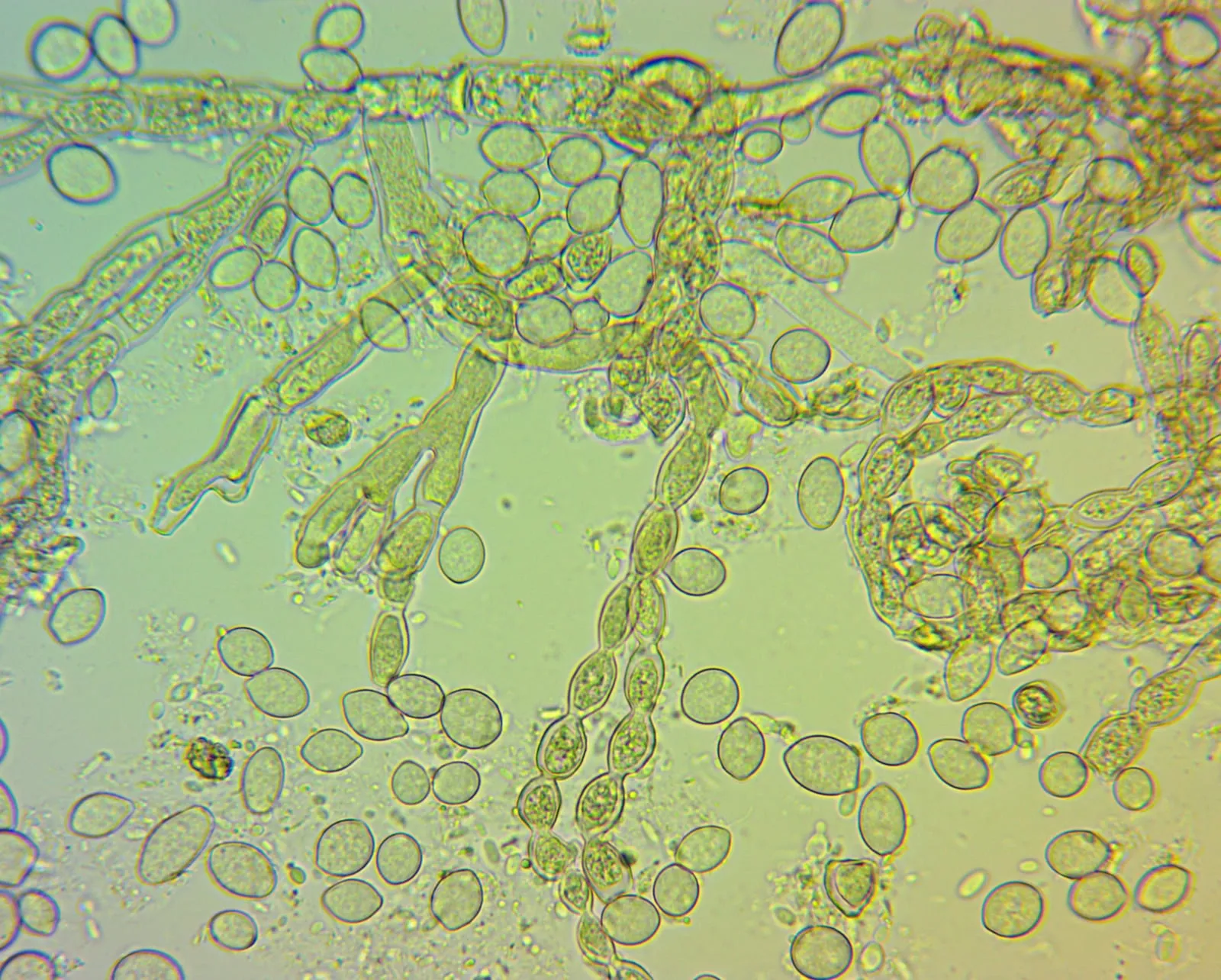
Monilinia fructicola
The most damaging stone-fruit and almond disease, causing blossom blight and fruit rot.
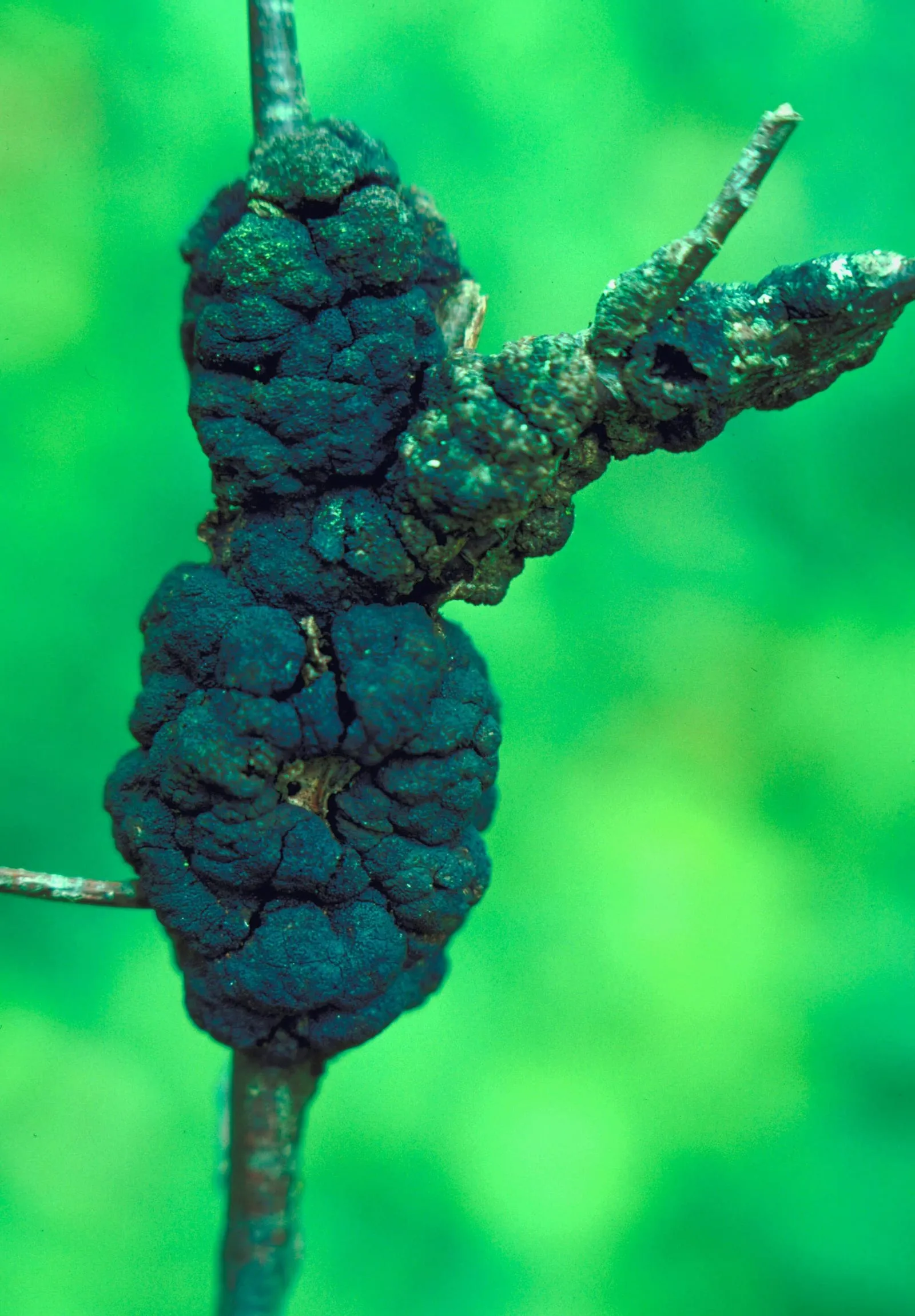
Apiosporina morbosa
Fungal disease producing characteristic black warty galls on plum and cherry branches.
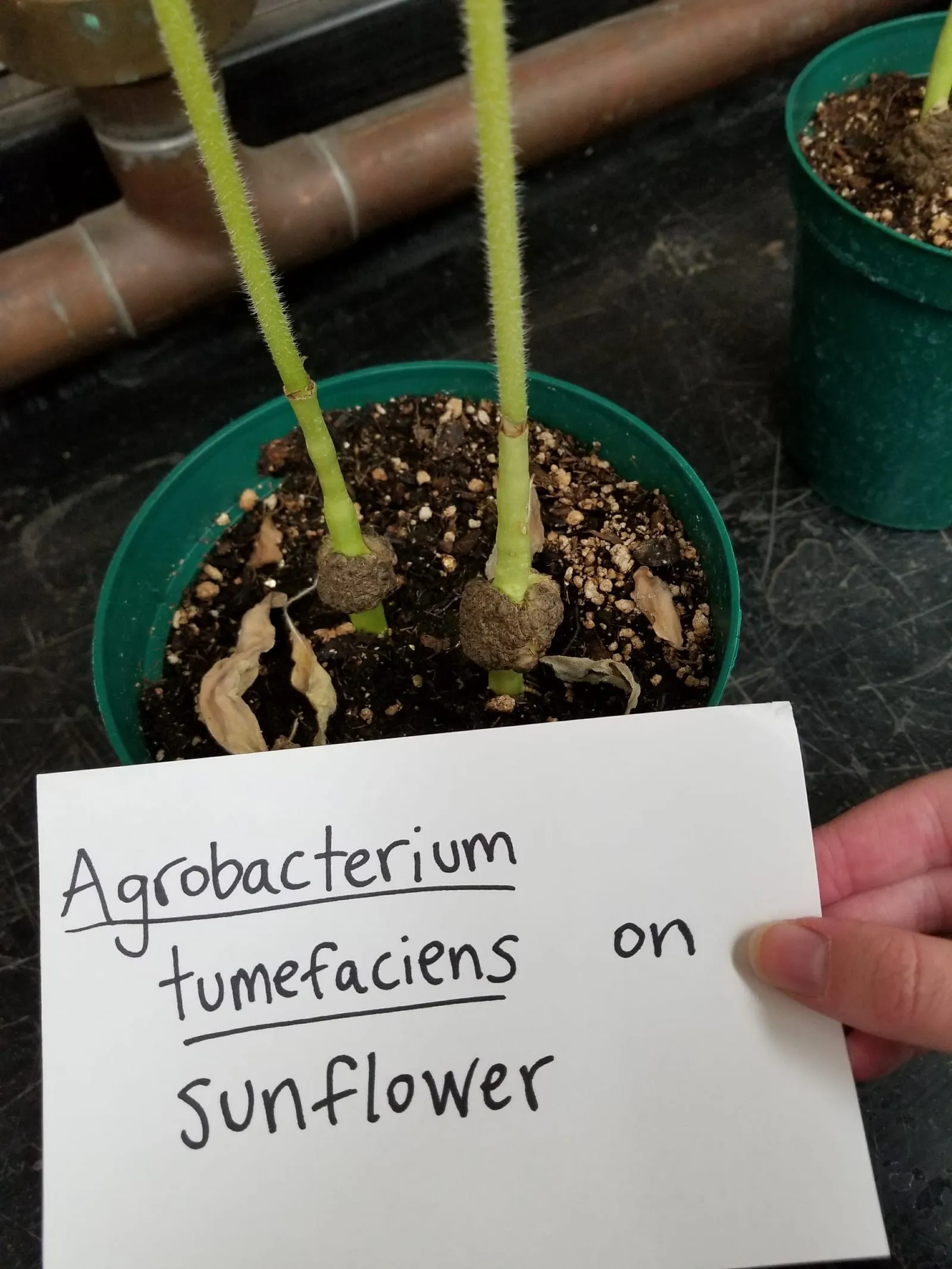
Agrobacterium tumefaciens
Soil-borne bacterium that enters plants through wounds and induces tumor-like galls on roots, crown, and lower stems. Galls reduce vigor and shorten plant lifespan; on Rubus the disease is often fatal.
Modified care for zone 7a
In zone 7a, the primary care adjustment is disease management, not cold protection. Brown Rot is the more immediate threat: it moves fast in wet springs, hitting blossoms and young fruit before most growers notice. A fungicide program starting at petal fall and continuing through harvest in wet years is not optional in this zone.
Black Knot requires a different approach: annual dormant-season pruning to remove infected wood before spores release in spring. Cuts should be made well below visible knot tissue, and infected material burned or bagged rather than left on the ground.
Pruning for an open canopy structure reduces humidity in the interior and slows both diseases. This matters more in zone 7a's humid summers than it would in drier western growing regions.
European Plum in adjacent zones
Image: "Plum", by Nathan Odgers, via iNaturalist, licensed under CC-BY Source.
Related