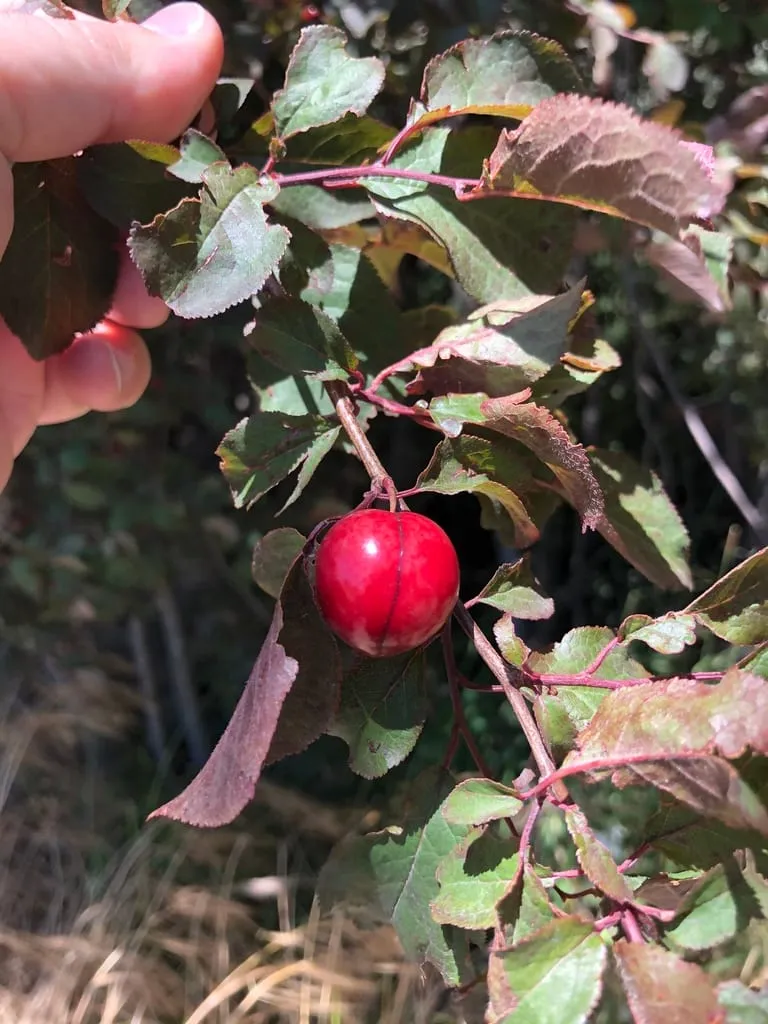
fruit tree in zone 7b
Growing european plum in zone 7b
Prunus domestica
- Zone
- 7b 5°F to 10°F
- Growing season
- 220 days
- Chill needed
- 700 to 1000 below 45°F
- Suitable varieties
- 0
- Days to harvest
- 140 to 170
The verdict
Zone 7b sits near the middle of the European plum's chill-hour range of 700 to 1,000 hours. Most zone 7b locations in the Piedmont and upper South accumulate roughly 800 to 1,000 chill hours in a typical winter, which aligns well with those requirements. This is not a marginal zone for the crop. Minimum winter temperatures of 5 to 10°F are cold enough to satisfy dormancy without posing serious cold damage risk to established trees, and the 220-day growing season provides ample time for fruit to develop and ripen fully before fall.
Growers in warmer urban pockets or sheltered low-lying areas within zone 7b may occasionally fall short on chilling during mild winters, but this is an intermittent concern rather than a structural limitation. European plum is a reasonable fit for zone 7b, neither a stretch nor an obvious slam dunk, with performance varying more by specific microclimate and variety selection than by zone alone.
Critical timing for zone 7b
European plum bloom in zone 7b typically falls in late February to mid-March. Zone 7b last frost dates commonly range from late March to mid-April across the Piedmont and upper South, which means a meaningful overlap between open bloom and frost risk is common in most years. A hard freeze during bloom or petal fall can significantly reduce fruit set, and late-season cold snaps are one of the more consistent yield variables growers face.
Harvest for European plum varieties suited to zone 7b generally runs from late July through early September, depending on variety ripening class. The zone's 220-day growing season comfortably covers fruit maturation, so fall frost before ripening is not a practical concern. The critical window to watch is spring, not fall.
Common challenges in zone 7b
- ▸ Cedar-apple rust pressure heavy in piedmont
- ▸ Japanese beetles
- ▸ Brown marmorated stink bug
- ▸ Late summer disease pressure
Disease pressure to watch for
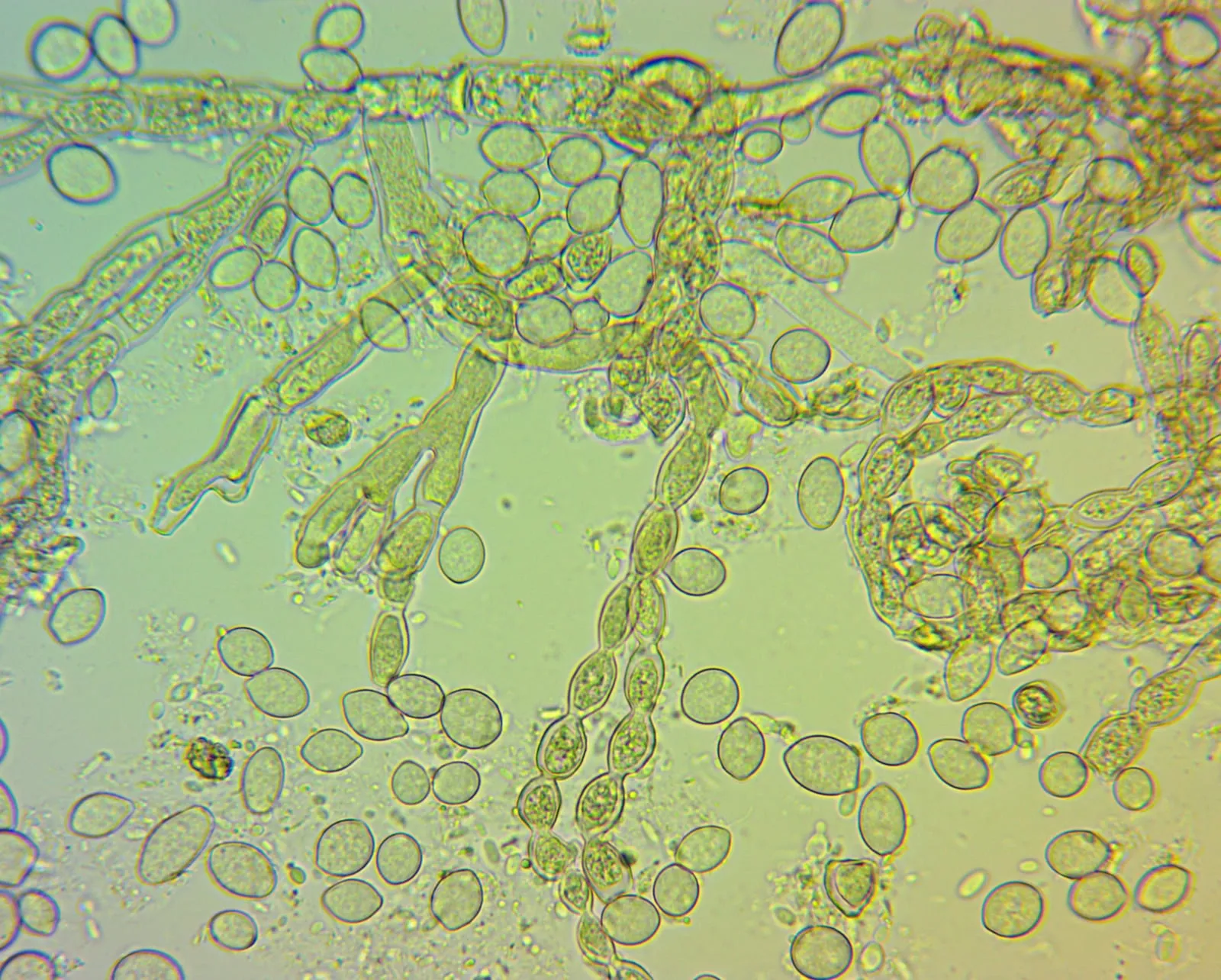
Monilinia fructicola
The most damaging stone-fruit and almond disease, causing blossom blight and fruit rot.
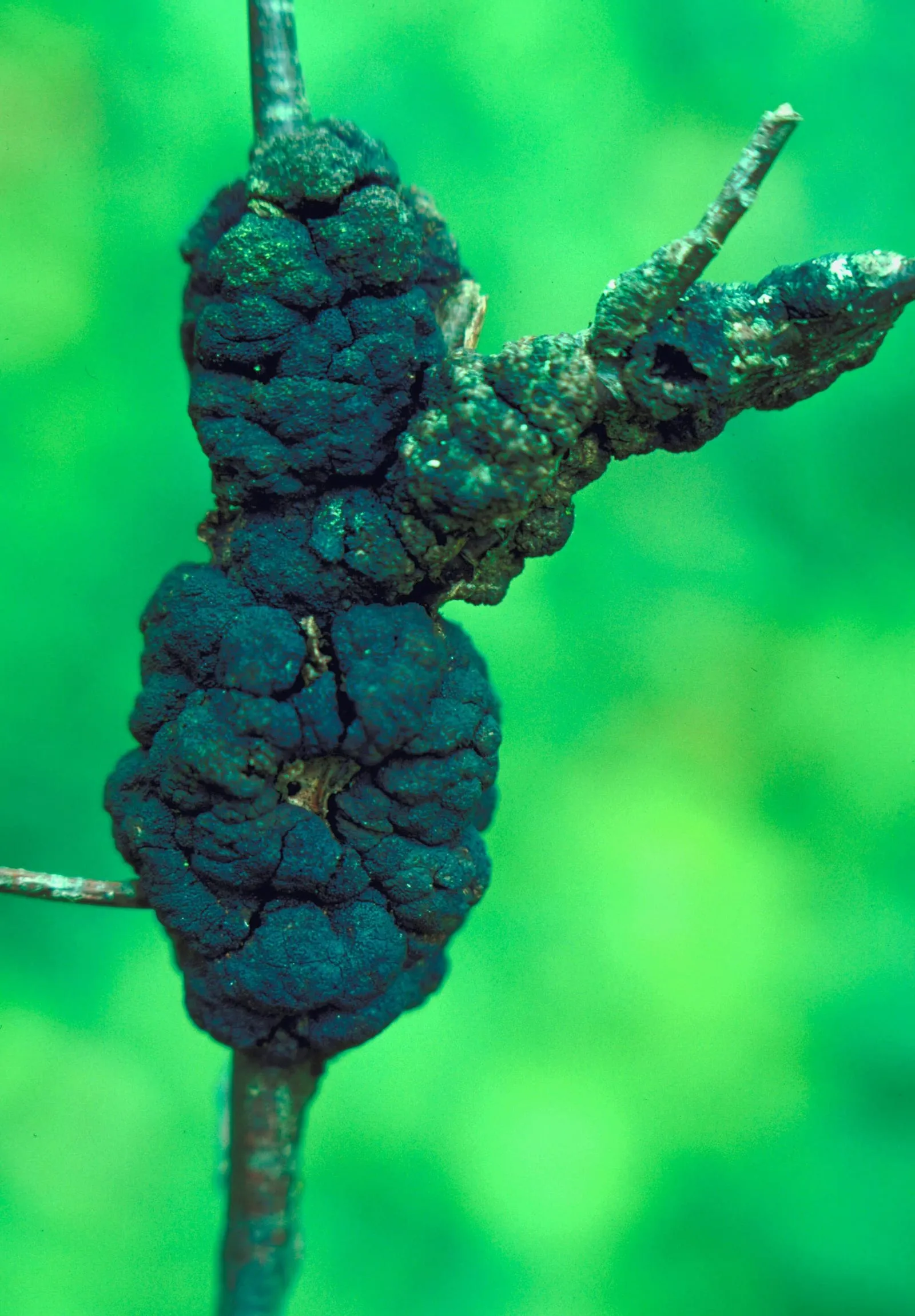
Apiosporina morbosa
Fungal disease producing characteristic black warty galls on plum and cherry branches.
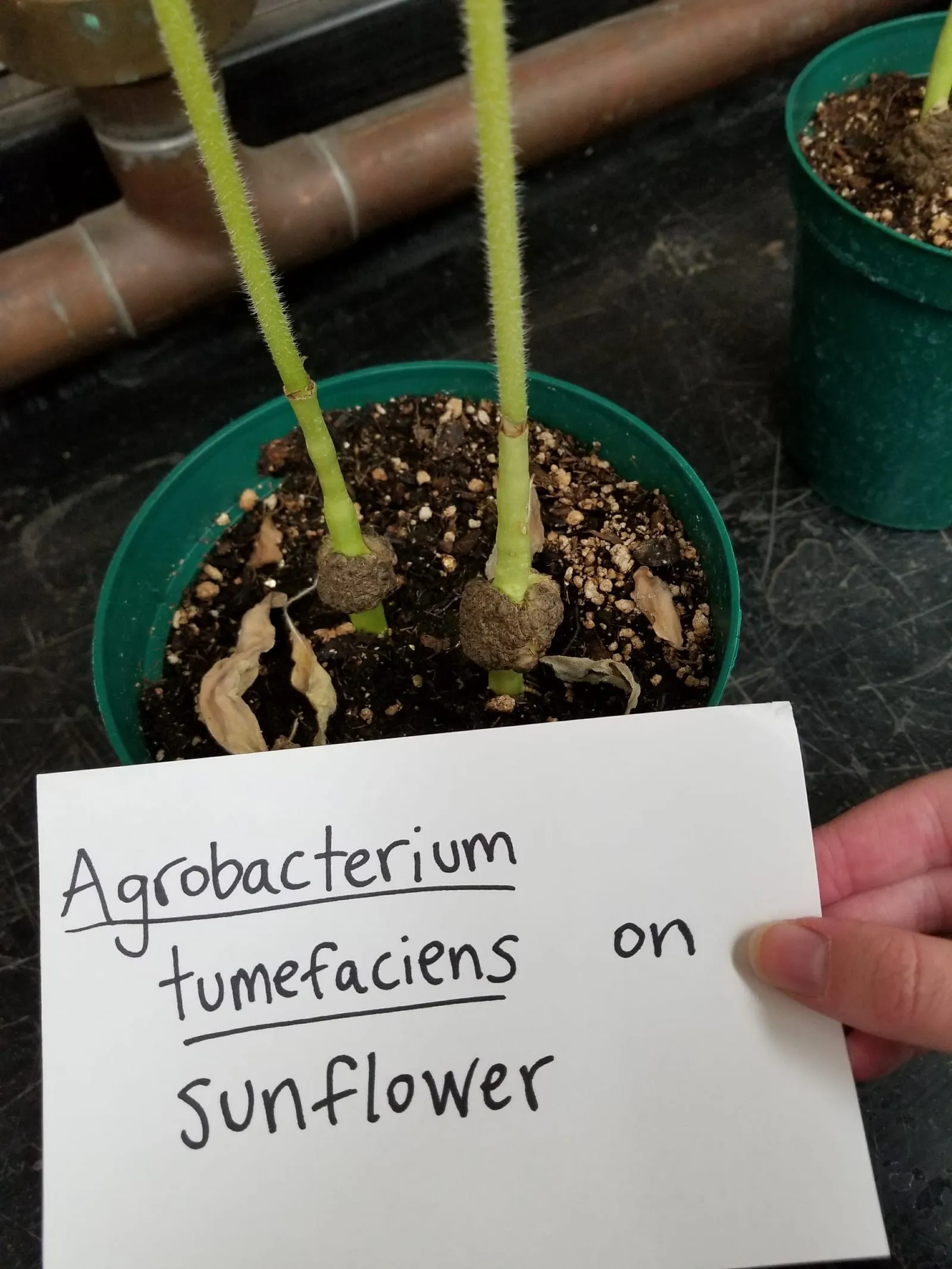
Agrobacterium tumefaciens
Soil-borne bacterium that enters plants through wounds and induces tumor-like galls on roots, crown, and lower stems. Galls reduce vigor and shorten plant lifespan; on Rubus the disease is often fatal.
Modified care for zone 7b
Brown rot is the primary disease management challenge for European plum in zone 7b. The region's humid summers sustain pressure throughout fruit development, and spray intervals for fungicide programs may need to be tighter than those designed for drier climates. Timing applications around rain events is more important here than in drier parts of the crop's range.
Black knot, a fungal disease that produces hard black galls on branches, requires systematic dormant-season pruning. Infected wood should be cut well below the visible margin of the gall and removed from the site. Leaving prunings on the ground extends the inoculum source.
Japanese beetles and brown marmorated stink bug are present throughout zone 7b and can cause direct fruit damage in late summer. No special winter protection is needed for established trees given zone 7b's minimum temperatures.
Frequently asked questions
- Is zone 7b too warm for European plum?
Not in most cases. European plum requires 700 to 1,000 chill hours, and most zone 7b locations accumulate enough in a typical winter. Growers in warmer urban microclimates may see reduced chilling in mild winters, but chronic chilling deficits are uncommon across zone 7b as a whole.
- What is the main disease risk for European plum in zone 7b?
Brown rot is the dominant concern during the humid zone 7b summer. Black knot is a secondary but persistent issue that requires annual dormant pruning to manage. Both diseases are more prevalent here than in drier growing regions, so a spray program timed to rain events is typically necessary for acceptable fruit quality.
- When does European plum bloom in zone 7b, and is late frost a risk?
Bloom typically falls in late February to mid-March in zone 7b, while last frost dates commonly run through late March or into April. This overlap makes late frost a recurring yield variable. Growers with frost-prone sites may want to prioritize later-blooming varieties where options exist.
+−
+−
+−
European Plum in adjacent zones
Image: "Plum", by Nathan Odgers, via iNaturalist, licensed under CC-BY Source.
Related