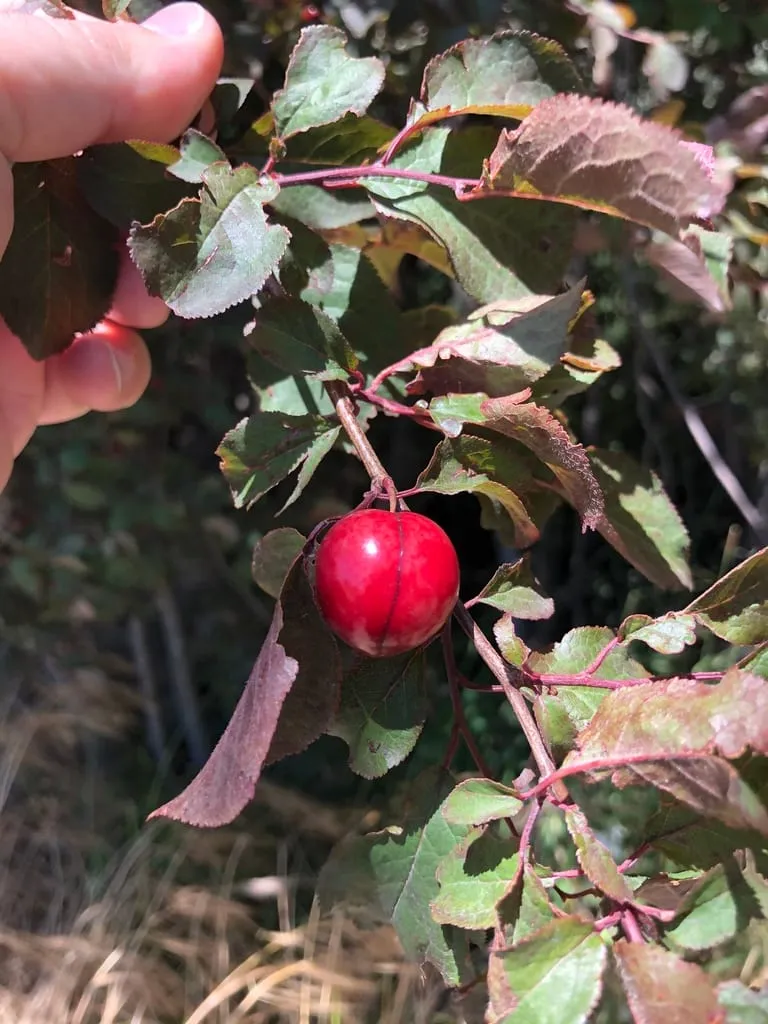
fruit tree in zone 6b
Growing european plum in zone 6b
Prunus domestica
- Zone
- 6b -5°F to 0°F
- Growing season
- 190 days
- Chill needed
- 700 to 1000 below 45°F
- Suitable varieties
- 2
- Days to harvest
- 140 to 170
The verdict
Zone 6b, with winter lows of -5 to 0°F and a 190-day growing season, sits comfortably within the sweet spot for European plums. The crop's chill-hour requirement of 700 to 1,000 hours aligns well with what zone 6b reliably accumulates each winter. Unlike warmer zones where chill-hour deficits cause erratic or suppressed bloom, zone 6b delivers consistent chilling without pushing into the surplus range that can delay dormancy break. Stanley and Italian Prune, the two most widely planted European plum varieties for this region, were developed with this chill-hour band in mind and perform reliably across zone 6b.
The 190-day growing season exceeds what European plums need to mature fruit, so season length is not a limiting factor. The primary risk is a late spring frost intersecting with early bloom, which is possible in zone 6b but not a structural obstacle to growing the crop. Growers who choose late-blooming varieties within the compatible list reduce that exposure.
Recommended varieties for zone 6b
2 cultivars suited to this zone, with disease-resistance and zone-fit annotations.
| Variety | Notes | Zone fit | Disease resistance |
|---|---|---|---|
| Stanley fits zone 6b | Sweet, dense, freestone purple plum; the all-purpose plum: fresh eating, drying into prunes, baking, canning. Self-fertile and very productive. | | none noted |
| Italian Prune fits zone 6b | Very sweet, dense, freestone purple-blue; the classic drying prune with concentrated flavor. Also excellent fresh and baked. Late-ripening. | | none noted |
Critical timing for zone 6b
European plums typically bloom in zone 6b from mid-March to early April, with exact timing varying by variety and the specific pattern of winter warmth. This bloom window falls during a transitional period when late frosts remain possible. Temperatures below 28°F after petal fall can destroy most of a year's fruit set without damaging the tree itself. In zone 6b, the last spring frost can extend into mid-April in many locations, so the overlap with bloom is a real annual variable rather than a rare event.
Harvest timing depends on variety. Stanley typically ripens from late August into September. Italian Prune follows in September. Both finish well within the 190-day growing season, leaving adequate time before the first fall frost.
Common challenges in zone 6b
- ▸ Cedar-apple rust
- ▸ Fire blight
- ▸ Stink bugs
Disease pressure to watch for
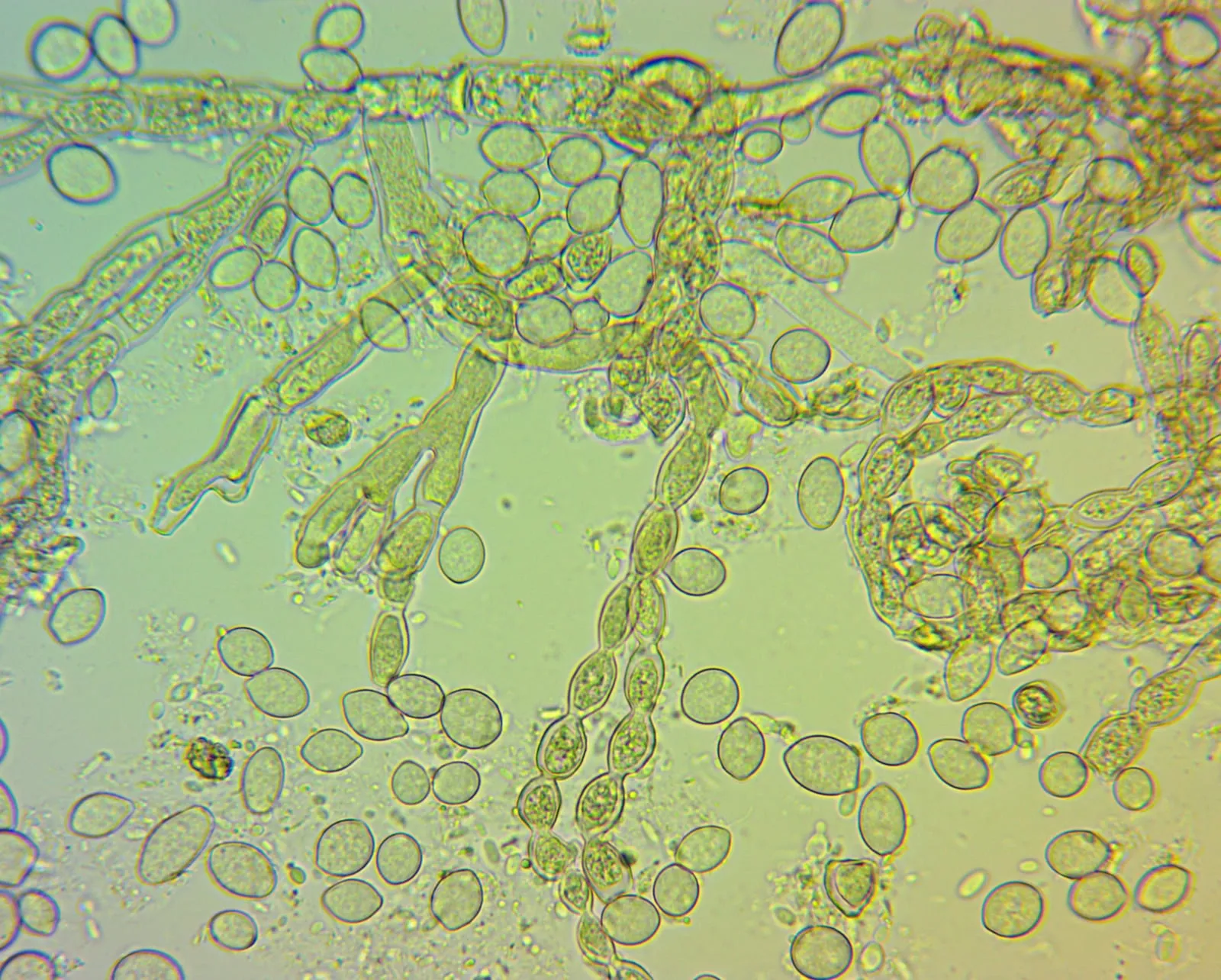
Monilinia fructicola
The most damaging stone-fruit and almond disease, causing blossom blight and fruit rot.
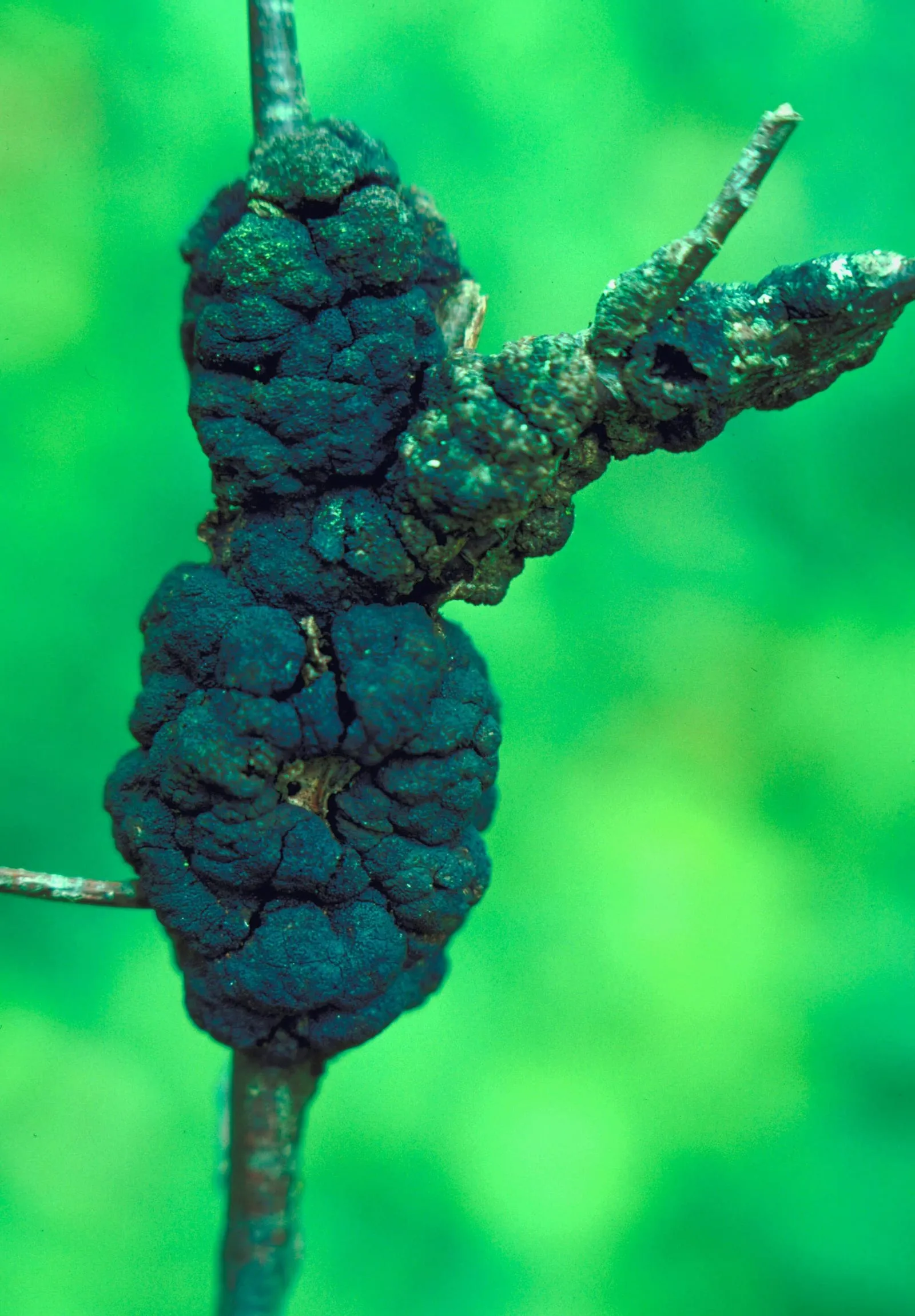
Apiosporina morbosa
Fungal disease producing characteristic black warty galls on plum and cherry branches.
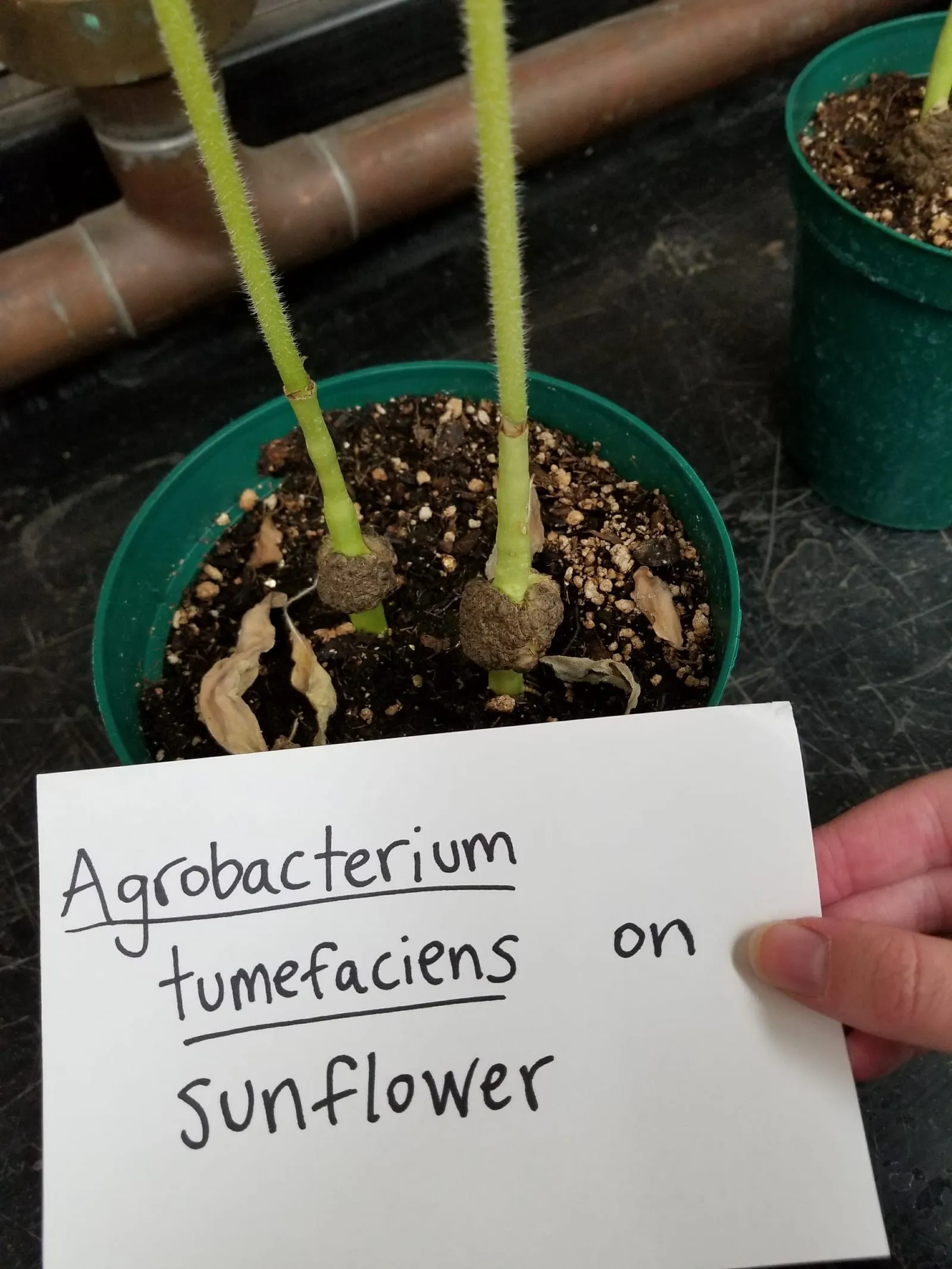
Agrobacterium tumefaciens
Soil-borne bacterium that enters plants through wounds and induces tumor-like galls on roots, crown, and lower stems. Galls reduce vigor and shorten plant lifespan; on Rubus the disease is often fatal.
Modified care for zone 6b
Brown Rot and Black Knot are the two disease threats that demand consistent attention in zone 6b. Brown Rot pressure is highest during bloom and again in the two weeks before harvest when fruit softens. Thinning fruit to open the canopy, removing mummified fruit from the tree and the ground, and timing any fungicide applications around wet weather at bloom all reduce losses. Black Knot forms hard black galls on branches and stems; the most effective management is annual dormant-season scouting with prompt removal and disposal of infected wood, cutting at least 4 inches below visible gall tissue.
Stink bug feeding causes both cosmetic damage and internal browning in ripening plums, and pressure is significant across much of zone 6b, particularly in the mid-Atlantic states. Physical exclusion netting is the most reliable control when populations are high. Chemical options exist but require careful timing, as stink bugs move into orchards during a concentrated window near harvest.
Frequently asked questions
- Are European plums a good choice for zone 6b?
Yes. Zone 6b reliably delivers the 700 to 1,000 chill hours European plums need, and the 190-day growing season is more than enough to mature fruit. The main annual risk is a late frost during the March-to-April bloom window, which can reduce fruit set in some years without threatening the tree.
- Which European plum varieties do well in zone 6b?
Stanley and Italian Prune are the most reliably performing European plums in zone 6b. Both are well-matched to the region's chill-hour accumulation and ripen fully before the first fall frost.
- How serious is Black Knot in zone 6b?
Black Knot is a persistent fungal disease in zone 6b and most of the eastern United States. It does not kill trees quickly but will weaken and disfigure them if left unmanaged. Annual dormant-season inspection and prompt pruning of infected wood, cutting well below visible gall tissue, is the standard control.
- When do European plums typically bloom in zone 6b?
Mid-March to early April is the typical bloom window in zone 6b, though exact timing shifts year to year with winter temperature patterns. Late frosts can occur into mid-April in much of the zone, so there is a real annual risk of bloom-frost overlap.
+−
+−
+−
+−
European Plum in adjacent zones
Image: "Plum", by Nathan Odgers, via iNaturalist, licensed under CC-BY Source.
Related