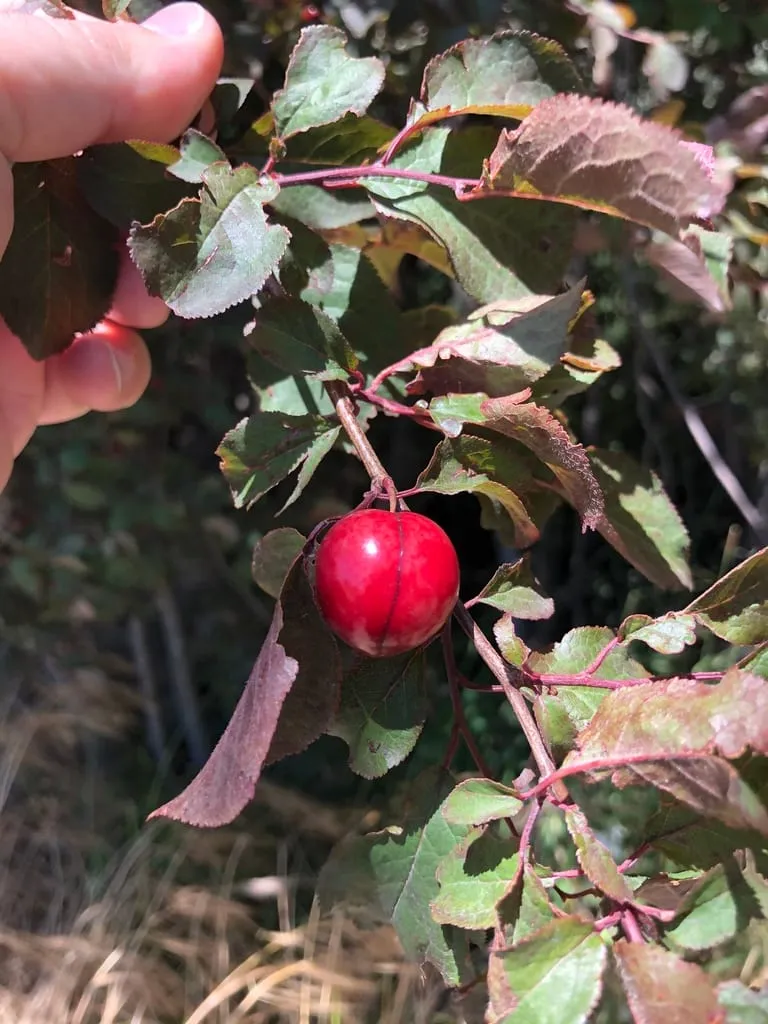
fruit tree in zone 6a
Growing european plum in zone 6a
Prunus domestica
- Zone
- 6a -10°F to -5°F
- Growing season
- 180 days
- Chill needed
- 700 to 1000 below 45°F
- Suitable varieties
- 2
- Days to harvest
- 140 to 170
The verdict
Zone 6a sits near the center of European plum's preferred range, making it one of the more reliable zones for this crop. European plums require 700 to 1,000 chill hours to break dormancy properly and set fruit, and zone 6a winters consistently deliver that accumulation across most of the region. Winter lows between -10°F and -5°F are cold enough to satisfy even high-chill varieties without damaging established trees, which can typically handle temperatures into the -15°F range.
The 180-day growing season is sufficient for mid-season varieties like Stanley and Italian Prune to ripen fully before fall frosts close in. Neither variety demands an unusually long season, which keeps the margin comfortable. Brown rot and black knot are meaningful disease pressures in zone 6a, particularly in humid summers, but they are manageable with standard stone fruit care protocols. This is not a marginal zone for European plum; it is a workable, productive one.
Recommended varieties for zone 6a
2 cultivars suited to this zone, with disease-resistance and zone-fit annotations.
| Variety | Notes | Zone fit | Disease resistance |
|---|---|---|---|
| Stanley fits zone 6a | Sweet, dense, freestone purple plum; the all-purpose plum: fresh eating, drying into prunes, baking, canning. Self-fertile and very productive. | | none noted |
| Italian Prune fits zone 6a | Very sweet, dense, freestone purple-blue; the classic drying prune with concentrated flavor. Also excellent fresh and baked. Late-ripening. | | none noted |
Critical timing for zone 6a
European plum bloom in zone 6a typically falls between late March and mid-April, depending on the winter's end and accumulated growing degree days. That window overlaps with late-season frost risk in many parts of the zone, where last frost dates commonly run into mid-April. Stanley and Italian Prune carry moderate frost tolerance at bud swell, but open flowers are vulnerable to temperatures below 28°F.
Harvest for these varieties lands in late August through mid-September in most zone 6a locations, well within the growing season. Growers in the colder pockets of zone 6a, particularly at elevation, should track local frost patterns rather than relying on zone averages, since a single late frost event during full bloom can cut fruit set significantly.
Common challenges in zone 6a
- ▸ Brown rot in stone fruit
- ▸ Japanese beetles
- ▸ Spring frost damage to peach buds
Disease pressure to watch for
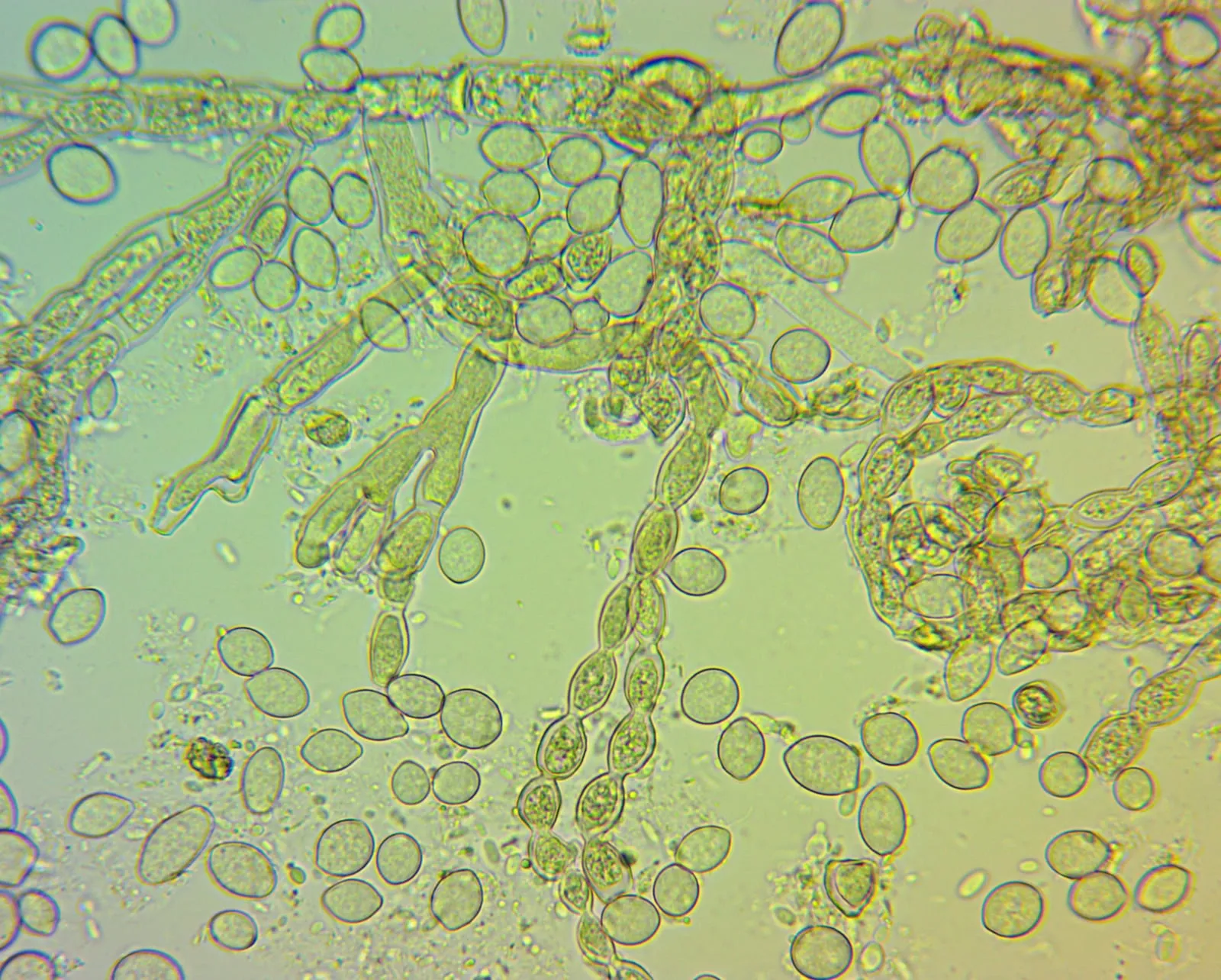
Monilinia fructicola
The most damaging stone-fruit and almond disease, causing blossom blight and fruit rot.
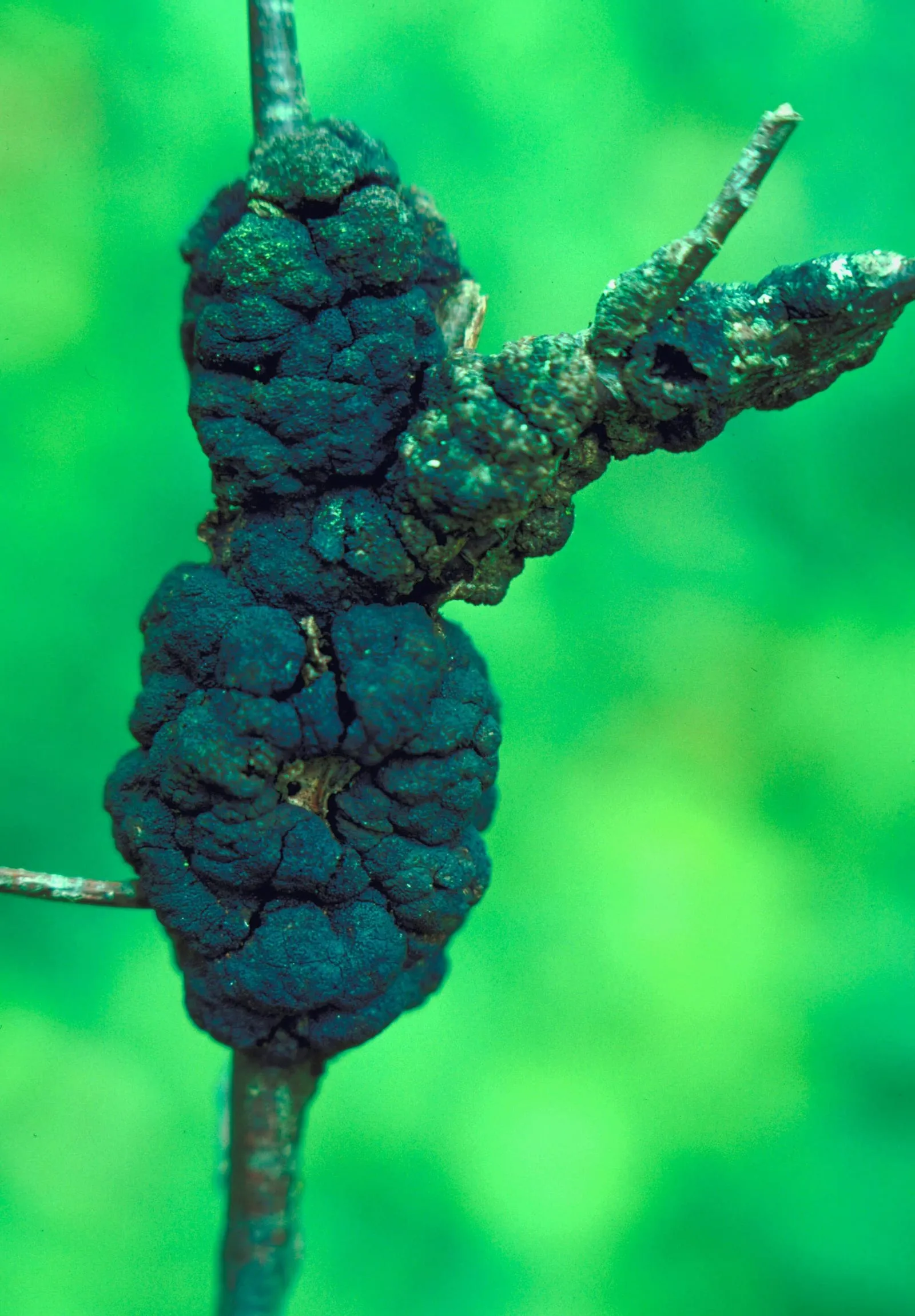
Apiosporina morbosa
Fungal disease producing characteristic black warty galls on plum and cherry branches.
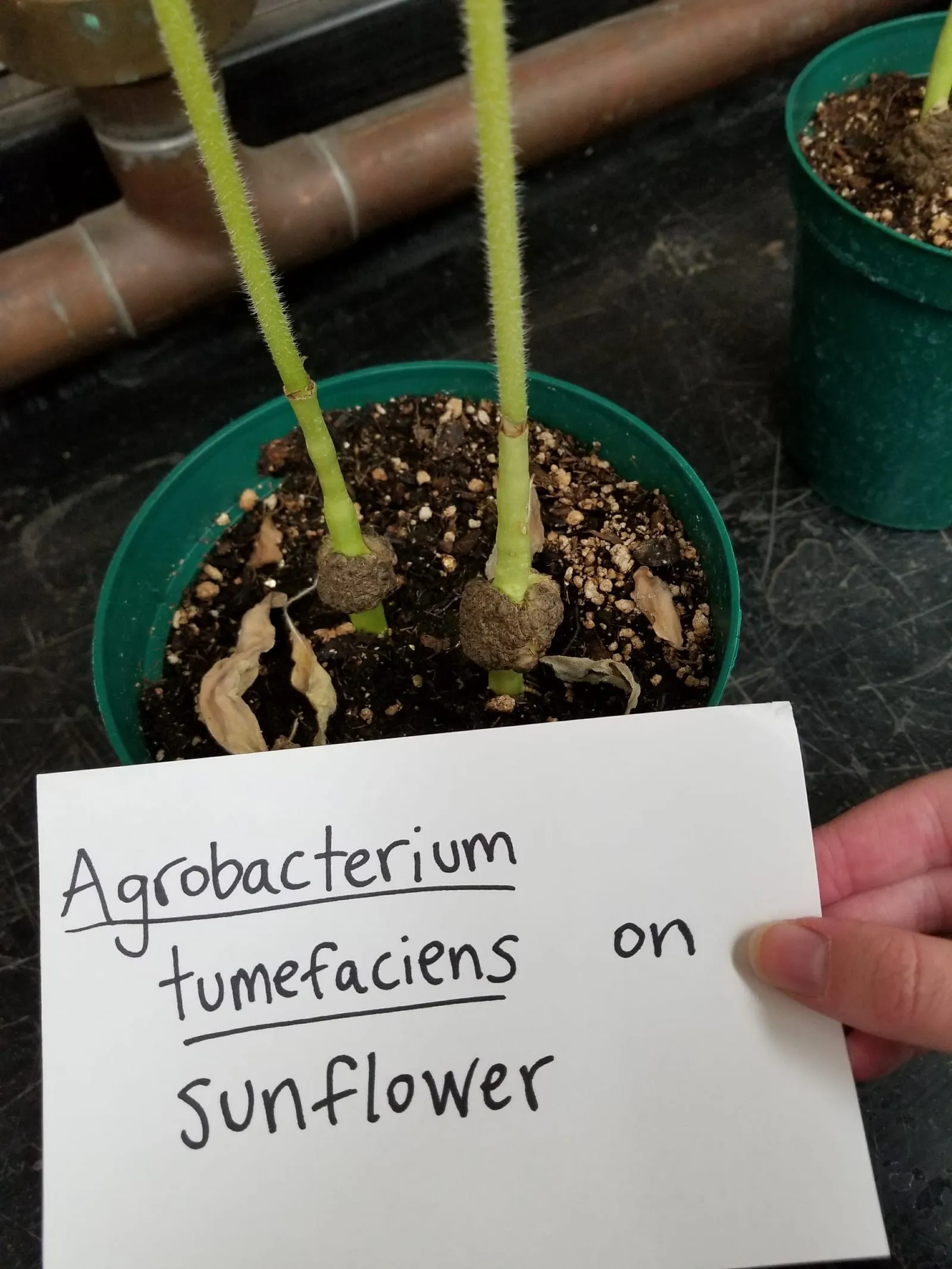
Agrobacterium tumefaciens
Soil-borne bacterium that enters plants through wounds and induces tumor-like galls on roots, crown, and lower stems. Galls reduce vigor and shorten plant lifespan; on Rubus the disease is often fatal.
Modified care for zone 6a
Brown rot pressure is the primary care adjustment in zone 6a, especially in regions with humid summers. Protective fungicide applications timed at bloom and again in the two to three weeks before harvest reduce crop losses meaningfully. Sanitation, removing mummified fruit and pruning debris, limits inoculum from one season to the next.
Black knot, a fungal disease that produces dark, swollen galls on branches, is common in zone 6a and spreads readily in wet springs. Annual inspection and removal of infected wood during the dormant season keeps it from spreading through the canopy. Cut several inches below visible gall tissue and dispose of the material away from the site.
Japanese beetle feeding on foliage and fruit is a summer concern across much of zone 6a. Monitoring and targeted removal or trapping during peak emergence in July reduces pressure without broad-spectrum sprays.
Frequently asked questions
- Do European plums get enough chill hours in zone 6a?
Yes. European plums require 700 to 1,000 chill hours, and zone 6a winters routinely deliver that accumulation. Chill hour deficits are generally not a concern in this zone, unlike warmer zones to the south.
- What European plum varieties perform well in zone 6a?
Stanley and Italian Prune are well-matched to zone 6a. Both are mid-season varieties with chill requirements in the 800 to 900 hour range, good cold hardiness, and established track records in the region.
- How serious is black knot disease in zone 6a?
Black knot is common across much of zone 6a and should be expected rather than treated as a surprise. It spreads most aggressively in wet spring weather. Annual dormant-season pruning to remove infected wood is the primary management strategy.
- When is European plum harvest in zone 6a?
Most European plum varieties, including Stanley and Italian Prune, ripen in late August through mid-September in zone 6a. Exact timing varies by microclimate and seasonal heat accumulation.
+−
+−
+−
+−
European Plum in adjacent zones
Image: "Plum", by Nathan Odgers, via iNaturalist, licensed under CC-BY Source.
Related