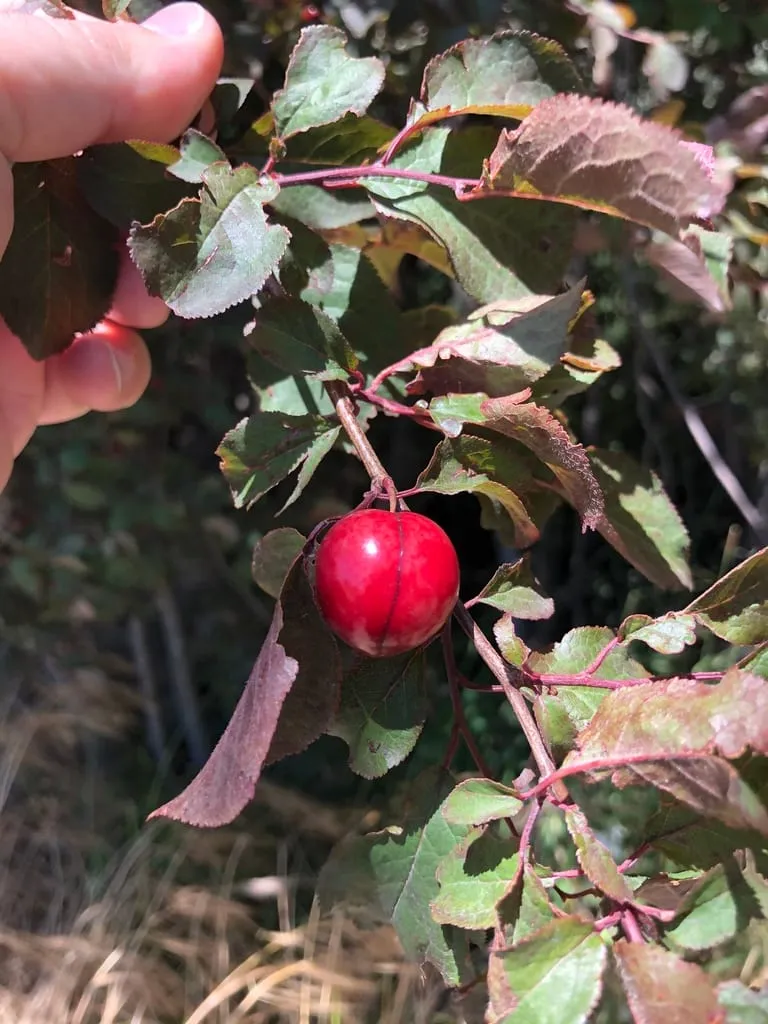
fruit tree in zone 5b
Growing european plum in zone 5b
Prunus domestica
- Zone
- 5b -15°F to -10°F
- Growing season
- 165 days
- Chill needed
- 700 to 1000 below 45°F
- Suitable varieties
- 3
- Days to harvest
- 140 to 170
The verdict
Zone 5b is solidly within the European plum's preferred range, not a marginal case. The crop requires 700 to 1,000 chill hours (hours below 45°F), and zone 5b winters reliably deliver that accumulation most years. The zone's minimum temperatures of -15 to -10°F are cold enough to satisfy dormancy requirements without crossing into the range that causes widespread flower bud damage on established trees.
The 165-day growing season is sufficient for the crop's most reliable varieties. Stanley, Mount Royal, and Italian Prune all ripen before the first fall frost in most zone 5b locations. The main risk is late spring frost intersecting with bloom, not insufficient summer heat or inadequate chilling. Growers choosing site and variety with that frost timing in mind will find European plums generally cooperative in this zone.
Recommended varieties for zone 5b
3 cultivars suited to this zone, with disease-resistance and zone-fit annotations.
| Variety | Notes | Zone fit | Disease resistance |
|---|---|---|---|
| Stanley fits zone 5b | Sweet, dense, freestone purple plum; the all-purpose plum: fresh eating, drying into prunes, baking, canning. Self-fertile and very productive. | | none noted |
| Mount Royal fits zone 5b | Tart-sweet, juicy, blue-purple skin with golden flesh; good fresh and excellent for jam. Cold-hardy where most plums fail. | | none noted |
| Italian Prune fits zone 5b | Very sweet, dense, freestone purple-blue; the classic drying prune with concentrated flavor. Also excellent fresh and baked. Late-ripening. | | none noted |
Critical timing for zone 5b
European plums bloom in mid to late April across most of zone 5b, a window that overlaps with the zone's typical last frost dates (late April through mid-May depending on specific location). This intersection is the primary timing risk: a single hard frost during open bloom can eliminate most of the crop for the season.
Harvest falls between late August and late September depending on variety. Stanley and Italian Prune typically ripen in September; Mount Royal tends to come in a week or two earlier. The 165-day growing season is adequate for all three, though a late spring or cool summer can push ripening close to first fall frost in the northernmost parts of the zone.
Common challenges in zone 5b
- ▸ Plum curculio
- ▸ Codling moth
- ▸ Cedar-apple rust
Disease pressure to watch for
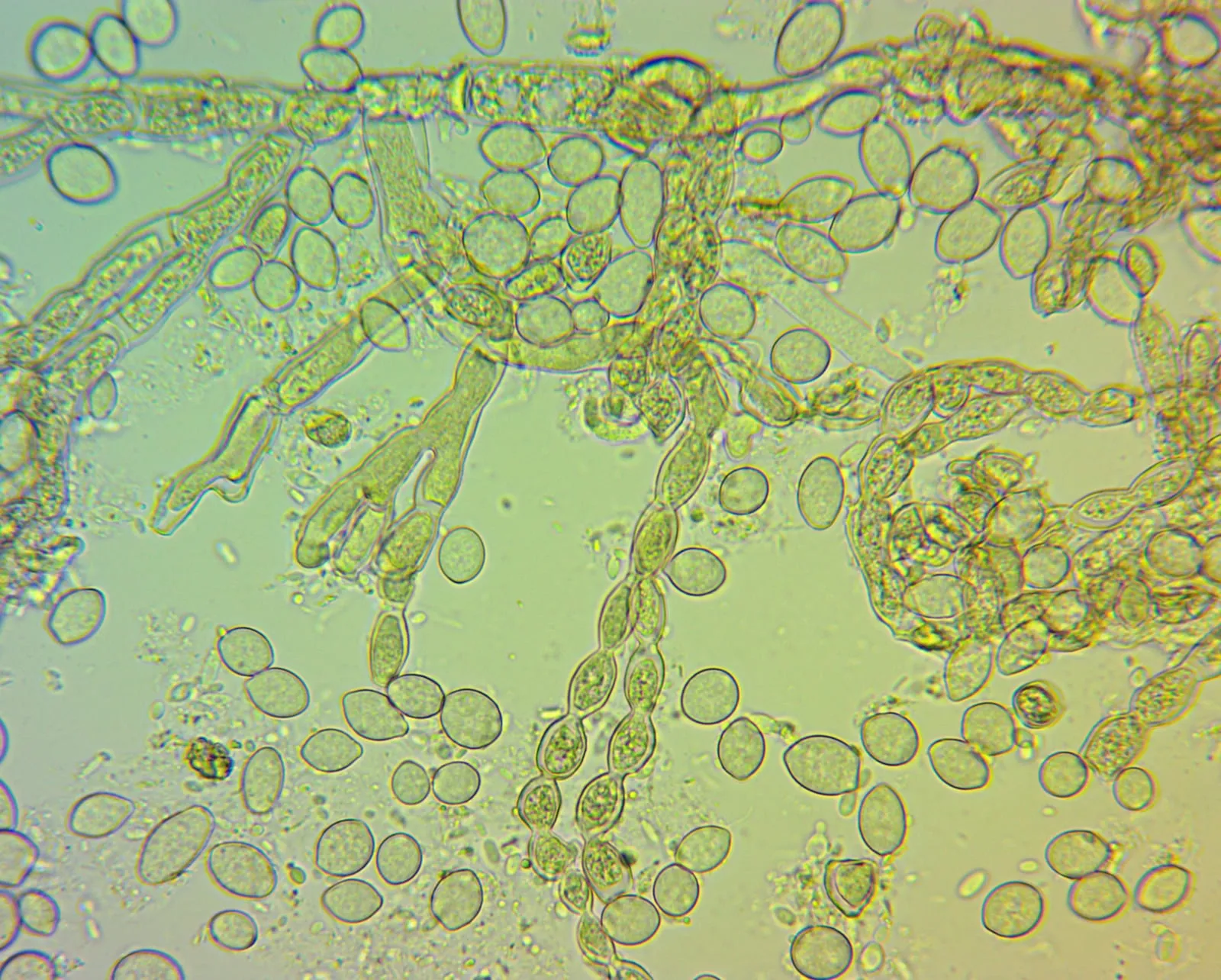
Monilinia fructicola
The most damaging stone-fruit and almond disease, causing blossom blight and fruit rot.
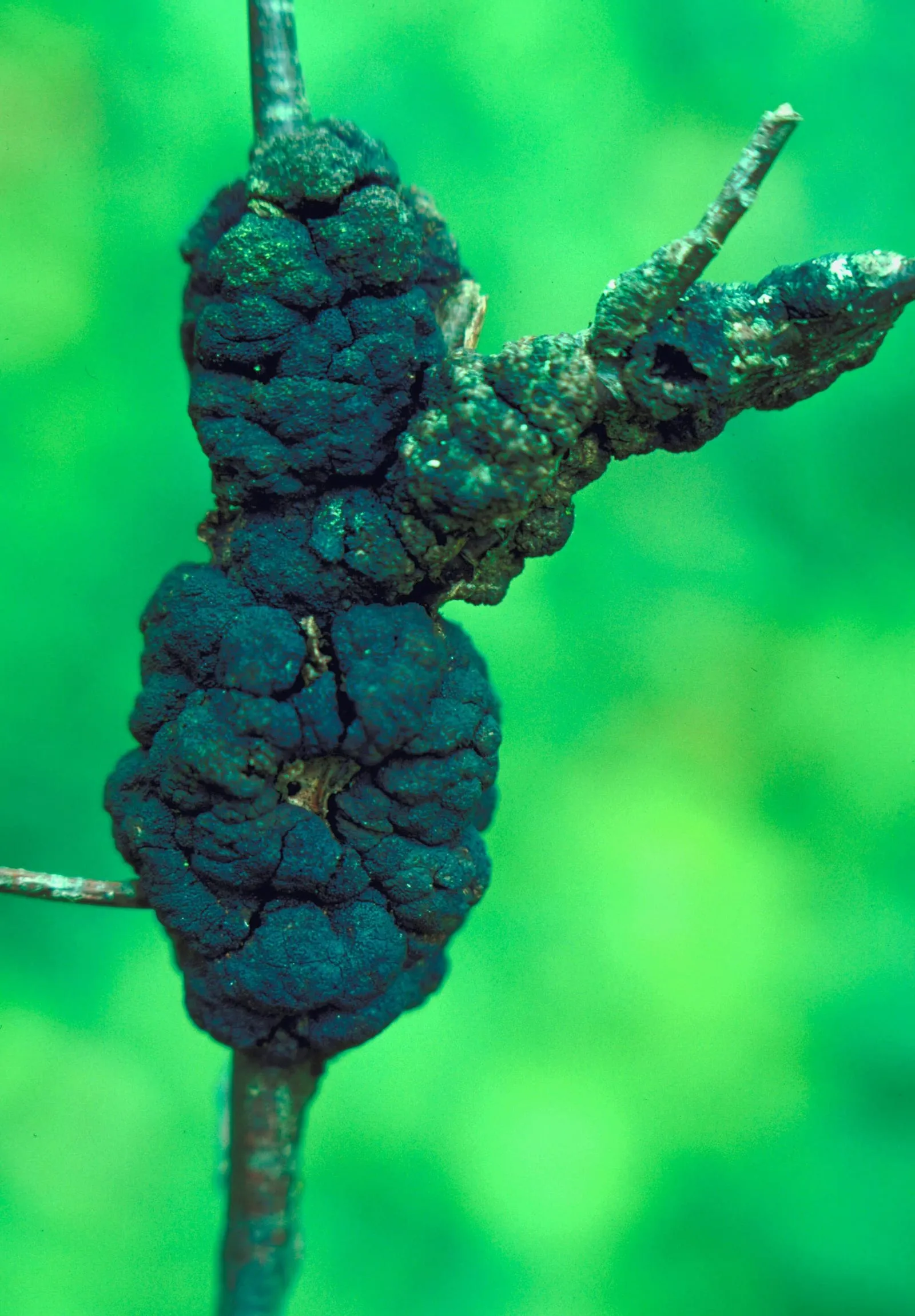
Apiosporina morbosa
Fungal disease producing characteristic black warty galls on plum and cherry branches.
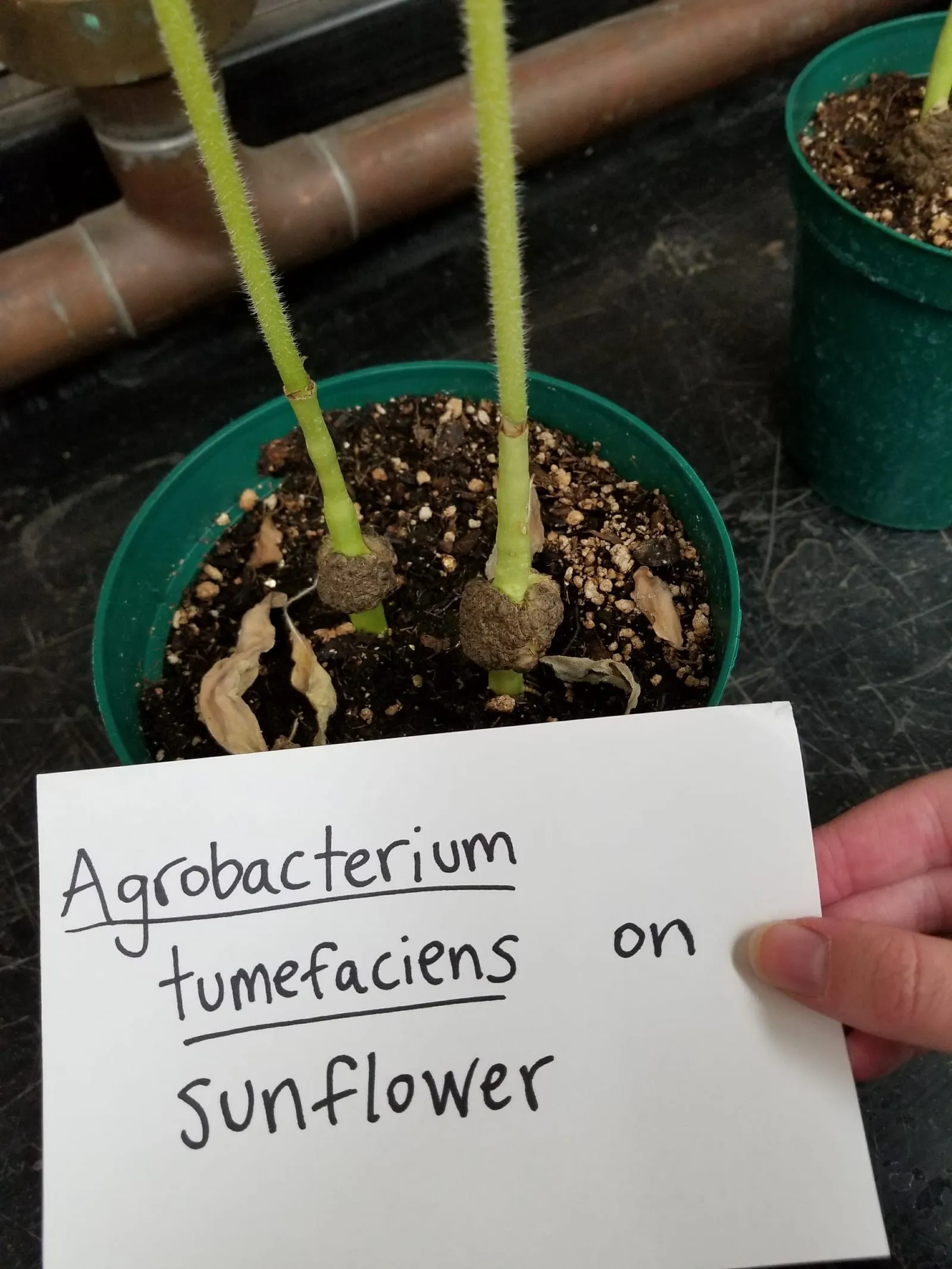
Agrobacterium tumefaciens
Soil-borne bacterium that enters plants through wounds and induces tumor-like galls on roots, crown, and lower stems. Galls reduce vigor and shorten plant lifespan; on Rubus the disease is often fatal.
Modified care for zone 5b
The most important adaptation in zone 5b is site selection to reduce late-frost exposure during bloom. Low spots and valley floors accumulate cold air and see later frosts than slightly elevated or sloped ground. South-facing sites with good air drainage reduce frost risk meaningfully.
Black knot is a serious fungal disease in the humid eastern part of zone 5b and warrants consistent management: pruning out infected wood (cutting at least 4 inches below visible galls) during dry weather, and applying copper-based dormant sprays. Brown rot pressure increases in wet summers, particularly as fruit approaches ripeness.
Plum curculio is the dominant insect pest at this latitude and requires early-season intervention starting at petal fall. Monitoring and timely application of approved controls during the curculio's egg-laying window (roughly petal fall through 2 to 3 weeks post-bloom) is more consequential here than in warmer zones where longer seasons allow recovery from partial crop loss.
Frequently asked questions
- Do European plums get enough chill hours in zone 5b?
Yes, reliably. European plums require 700 to 1,000 chill hours, and zone 5b winters accumulate well above that threshold in a typical year. Insufficient chilling is not a concern at this latitude; the more relevant risk is late spring frost damaging bloom after the tree has already broken dormancy.
- Which European plum varieties perform best in zone 5b?
Stanley, Mount Royal, and Italian Prune are the most proven choices. Mount Royal is notably cold-hardy and tends to recover well after hard winters. Stanley is the most widely grown and ripens reliably within zone 5b's growing season. Italian Prune is valued for drying quality and also matures comfortably before first fall frost.
- How serious is late frost risk for European plums in zone 5b?
It is the primary crop-failure risk in this zone. European plums bloom in mid to late April, and zone 5b's last frost can occur into mid-May in some locations. Site selection on elevated or well-drained ground with good cold-air drainage is the most practical mitigation; row covers or frost cloth help on young trees but become impractical on full-size trees.
- Is black knot fungus a significant problem in zone 5b?
Yes, particularly in the humid eastern portions of the zone. Black knot (caused by the fungus Apiosporina morbosa) spreads readily in wet spring weather and can girdle branches if left unmanaged. Annual pruning of infected wood during dry conditions and preventive copper or lime-sulfur dormant sprays are standard practice in high-pressure areas.
+−
+−
+−
+−
European Plum in adjacent zones
Image: "Plum", by Nathan Odgers, via iNaturalist, licensed under CC-BY Source.
Related