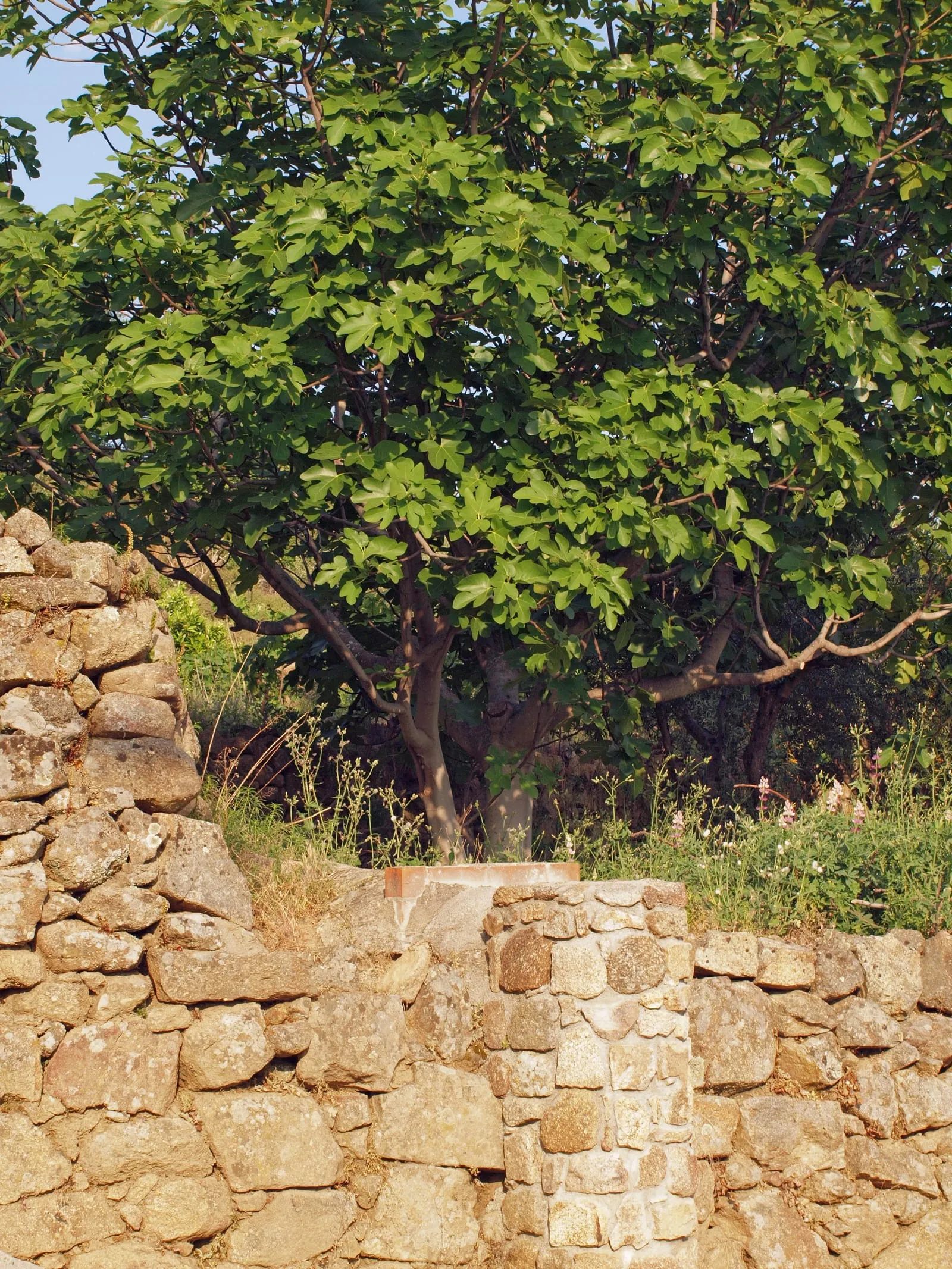
fruit tree
Fig
Ficus carica
USDA hardiness range
- Zones
- 7a–10b
- Chill hours
- 100 to 300 below 45°F
- Days to harvest
- 120 to 180
- Sun
- Full
- Water
- Moderate
- Lifespan
- 30 to 50 years
Growing fig
Fig is the easiest tree fruit to grow successfully in zones 7 through 10. It needs almost no spraying, tolerates poor soil, fruits in year two from a cutting, and produces two crops per year (breba in late spring from the previous year's wood, main crop in late summer on current-year growth) in warm climates.
The limit is cold. Zone 6b growers can succeed with Chicago Hardy, accepting that the tree will die back to the roots in hard winters and resprout each spring as a multi-stemmed shrub. Below zone 6b, fig becomes a container plant overwintered in a garage. The other limit is fruit souring in humid climates, which closed-eye varieties (Celeste) substantially reduce.
Recommended varieties
See all 4 →4 cultivars for home growers, with notes on flavor, ripening, and disease resistance.
| Variety | Notes | Zone fit | Disease resistance |
|---|---|---|---|
| Celeste | Very sweet, honey flavor, small purple-brown fruit with strawberry-pink flesh; the southern favorite. Excellent fresh, dries beautifully. Closed eye prevents souring in humidity. | |
|
| Brown Turkey | Sweet, mild, large brown-purple fruit with red-pink flesh; reliable producer for fresh eating and jam. Less intense flavor than Celeste but heavier yields. | | none noted |
| Chicago Hardy | Sweet, small dark purple fruit with red flesh; good fresh-eating quality. Roots survive zone 6 with mulching, top-killed by hard freezes but resprouts. | | none noted |
| Black Mission | Rich, sweet, complex flavor with hints of berry; the classic California fig. Eats fresh and dries into the dark figs sold in stores. | | none noted |
Soil and site requirements
Fig tolerates almost any well-drained soil, including alkaline soils that struggle with other fruit. pH range 6.0 to 7.5 is comfortable. Fig actually performs better in moderately poor soil than in rich soil; lush nitrogen-fed growth produces fewer fruit and less ripening time before frost.
Full sun, eight hours preferred. Heat is your friend; figs ripen fastest against a south-facing wall in cooler climates. Spacing 12 to 15 feet for trees, closer for hedge or wall planting. In-ground figs benefit from heavy mulch; container figs need annual repotting and root pruning.
Common diseases
Common pests
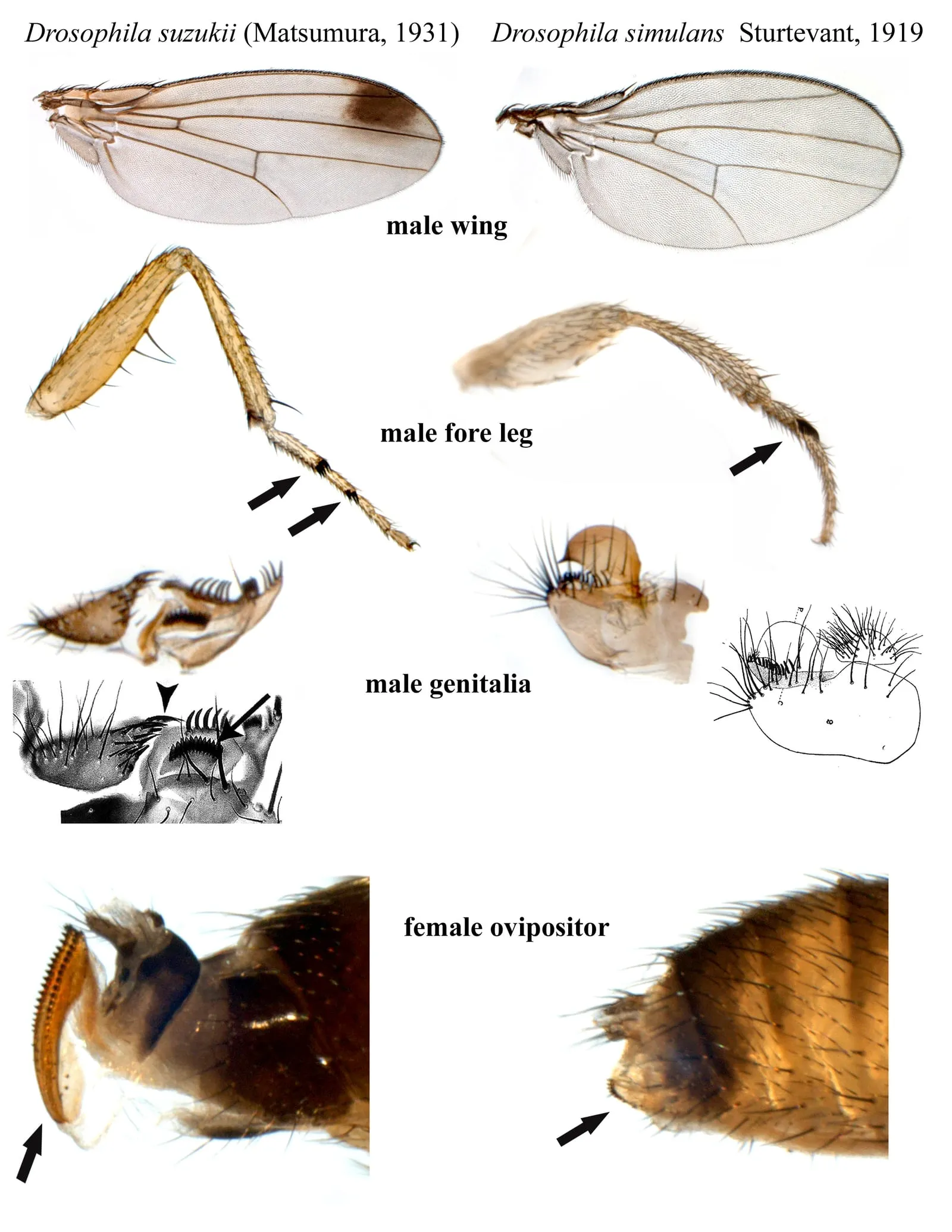
Drosophila suzukii
Invasive vinegar fly that attacks ripening soft fruit, unlike native Drosophila species which target overripe fruit. Now the dominant berry-and-cherry pest across the US.
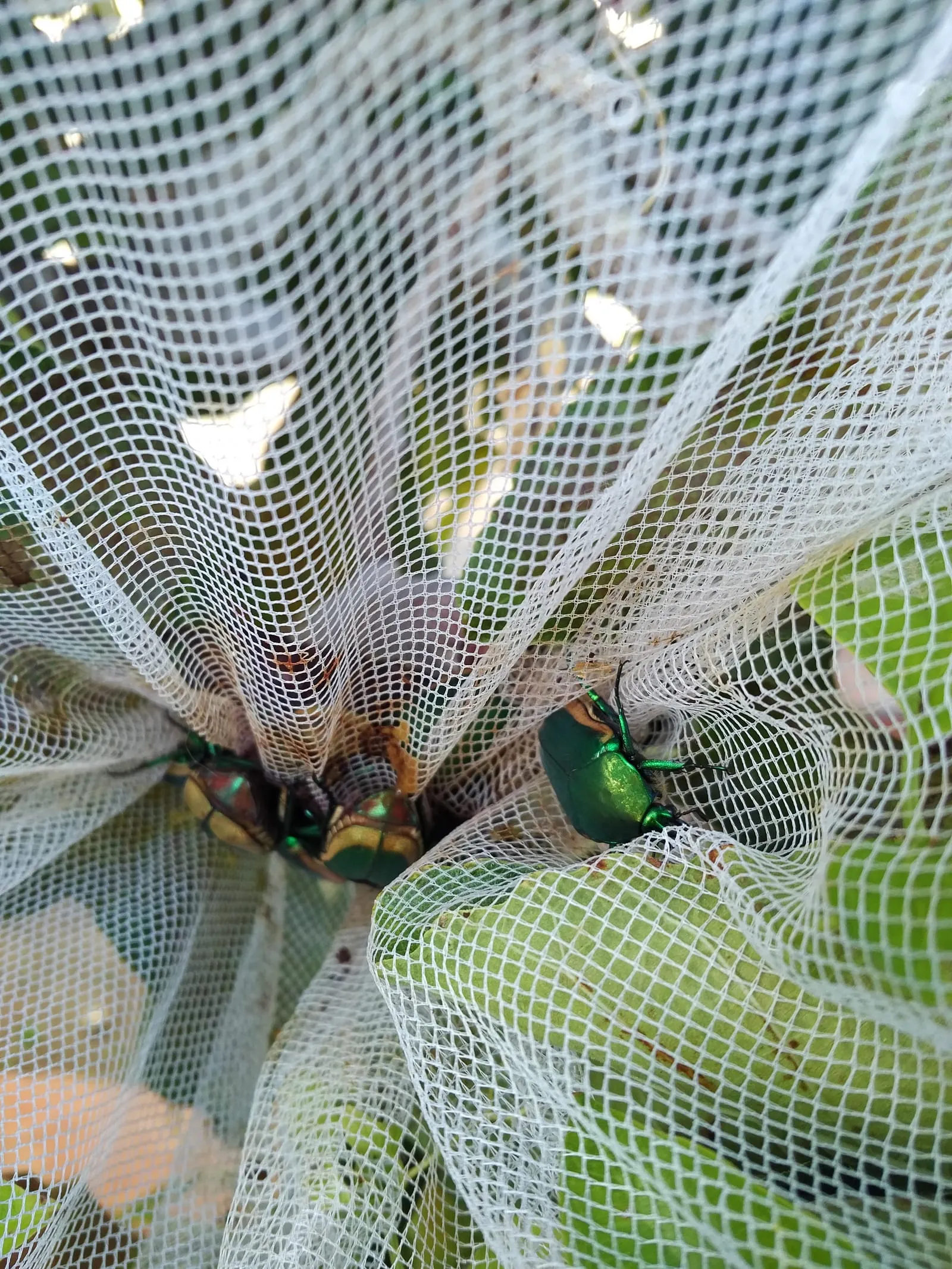
Cotinis mutabilis
Large green scarab beetle that feeds on ripe figs in the western US.
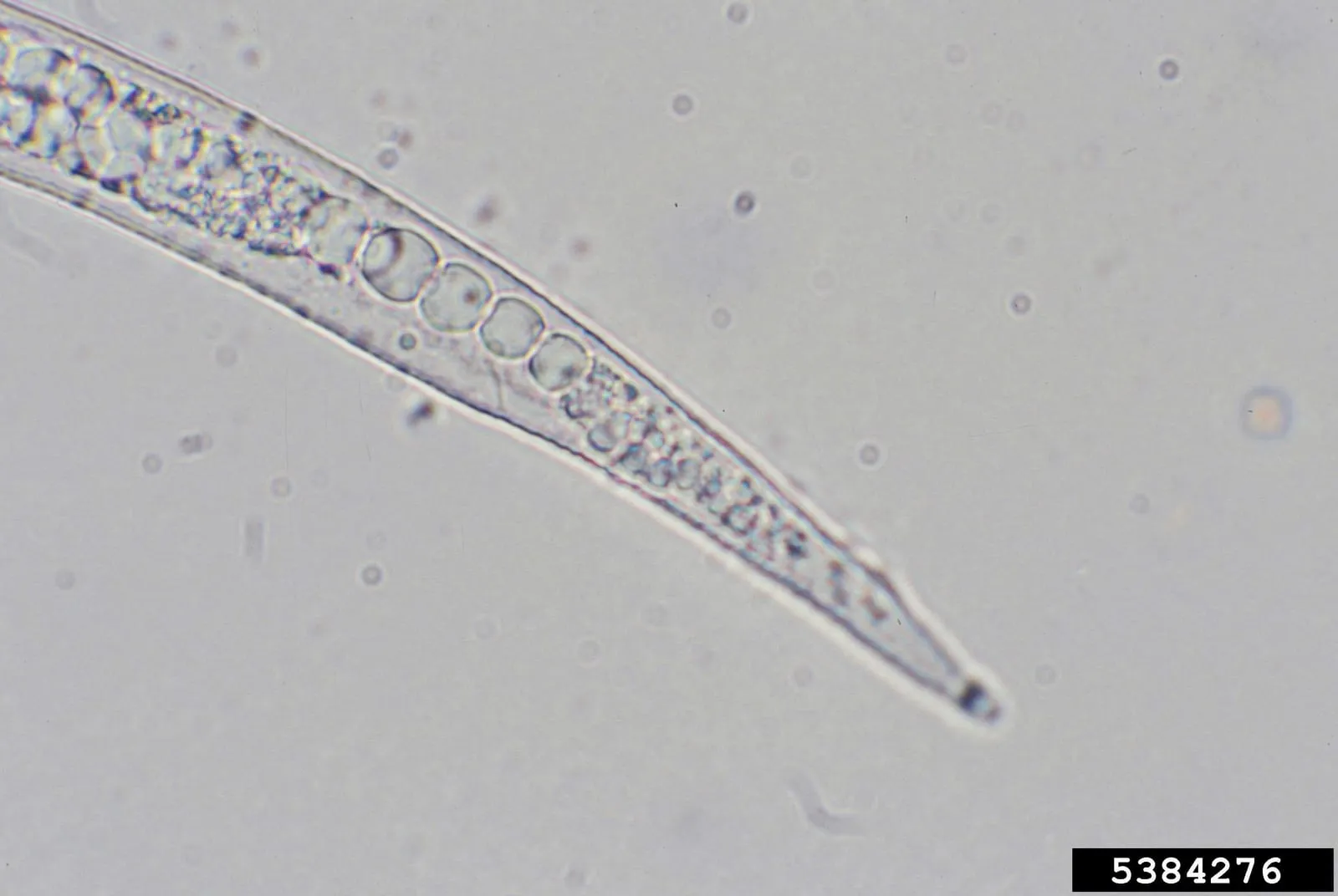
Meloidogyne species
Microscopic soil-dwelling worm that forms galls on roots, reducing vigor and yield.
Multiple species
Robins, catbirds, mockingbirds, starlings, cedar waxwings and other songbirds can strip ripening berry and fruit crops in days. Crows and blackbirds also damage fresh sweet corn ears in milk stage. The single biggest yield-loss factor in unprotected home plantings.
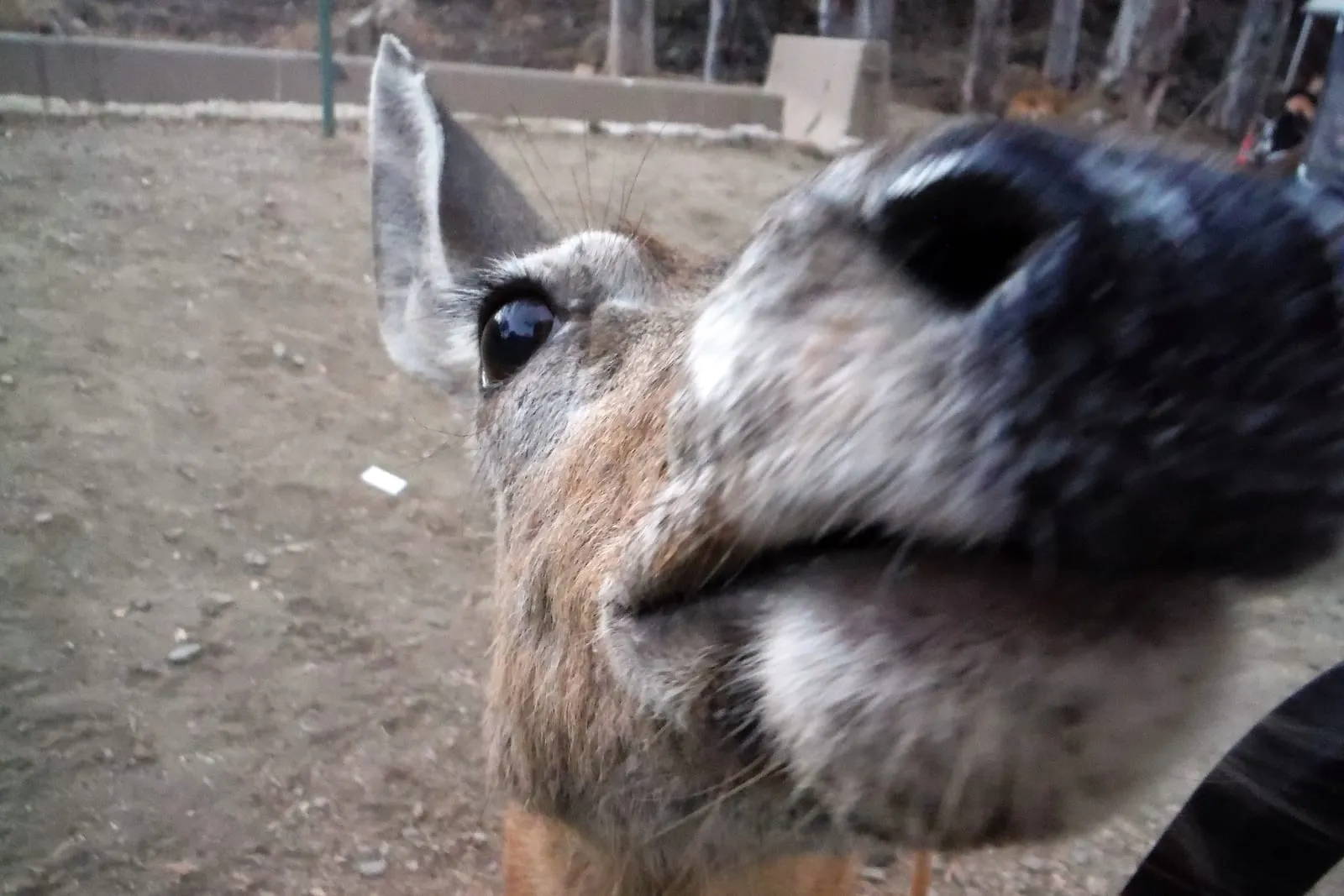
Odocoileus species
Whitetail and mule deer browse can devastate orchards and gardens, particularly in winter when food is scarce. Antler rub on young trunks kills saplings outright.
Common challenges
Three issues affect home figs. First, fruit souring in humid summers, especially in open-eye varieties (Brown Turkey, Mission). Yeast and bacteria enter the open eye of the ripe fig and ferment the interior. Closed-eye varieties (Celeste) resist this almost completely.
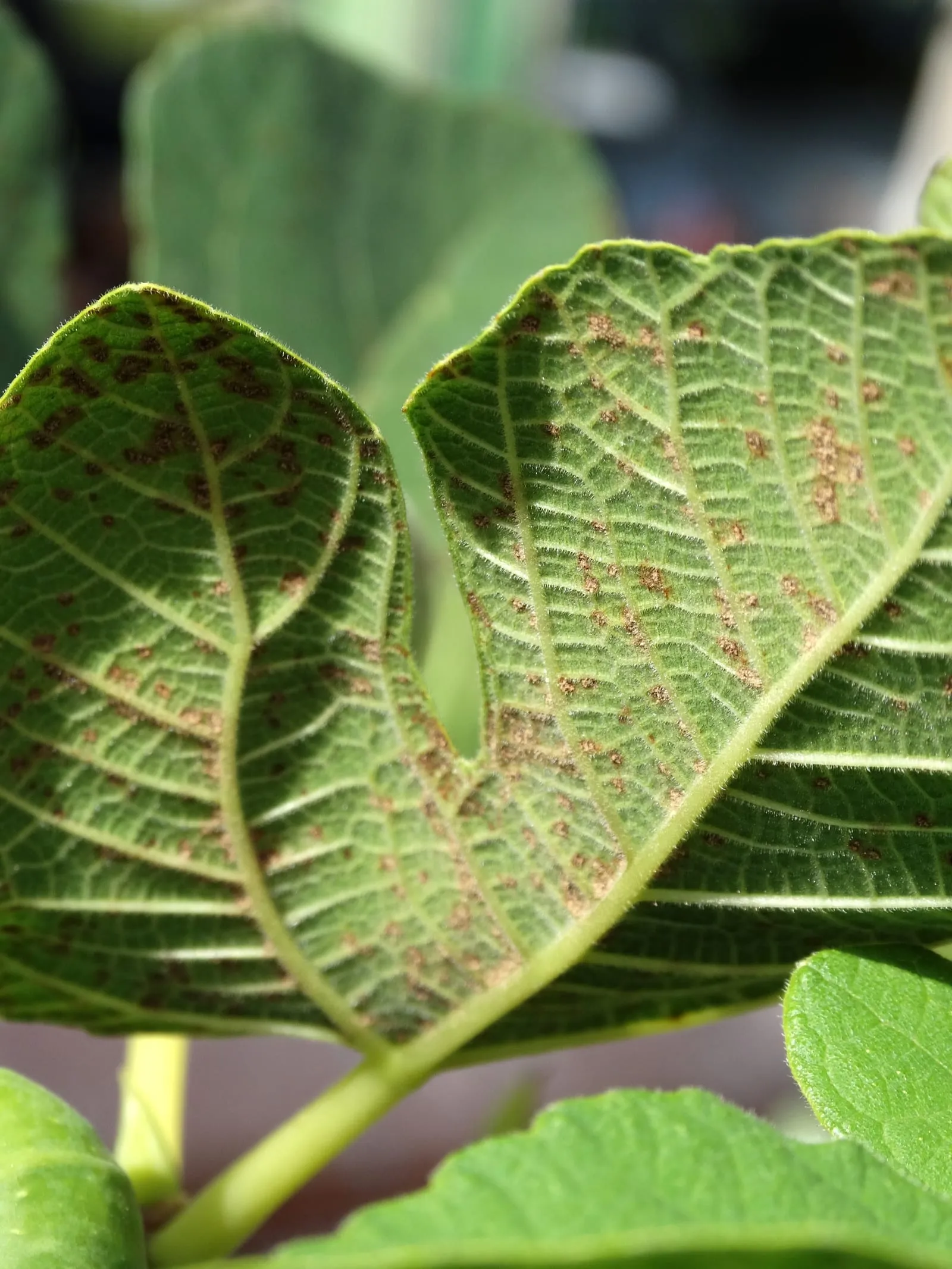
Second, fig rust in late summer in southeastern climates. It defoliates the tree but rarely affects fruit. Sanitation of fallen leaves reduces spore load; copper sprays help in severe cases.
Third, root-knot nematode in sandy southern soils, which reduces vigor and yield over years. French marigold cover crops, soil organic matter, and resistant rootstock approaches all help. Most home growers tolerate light damage without intervention.
Companion plants
Frequently asked questions
- How cold-hardy are fig trees?
Most fig varieties survive 15 to 20°F if mulched well. Chicago Hardy survives root-zone temperatures to about 0°F, regrowing from roots when top growth dies back. Below zone 6b, treat fig as a container plant.
- How long until a fig tree fruits?
Cuttings rooted one year fruit in their second growing season. Container figs are fastest because root restriction encourages fruiting. Expect a light first crop in year 2, full production by year 4.
- Do fig trees need a pollinator?
Common figs (Celeste, Brown Turkey, Chicago Hardy, Mission) produce parthenocarpic fruit without pollination. No pollinator needed. Smyrna-type figs require pollination by the fig wasp and do not grow in most US climates.
- What is the difference between breba and main crop?
Breba is the spring crop on previous year's wood, ripens in early summer. Main crop is on current-year wood, ripens late summer to fall. Most varieties produce both; some are stronger on one or the other.
- Can I grow figs in containers?
Yes, very well. A 15-gallon container holds a productive fig for 5 to 8 years. Root pruning every 2 to 3 years extends container life. Move to an unheated garage when temperatures drop below 20°F.
- What's the best low-maintenance fig variety?
Celeste for the southeast (closed eye, sweet, cold-hardy). Brown Turkey for broad adaptation. Chicago Hardy for cold-zone growers. All three are productive and require minimal management.
+−
+−
+−
+−
+−
+−
Sources
Image: "Ficus-carica - bancal 20110416a", by Luis Fernández García, via Wikimedia Commons, licensed under CC-BY. Source.

Fig by zone
Related