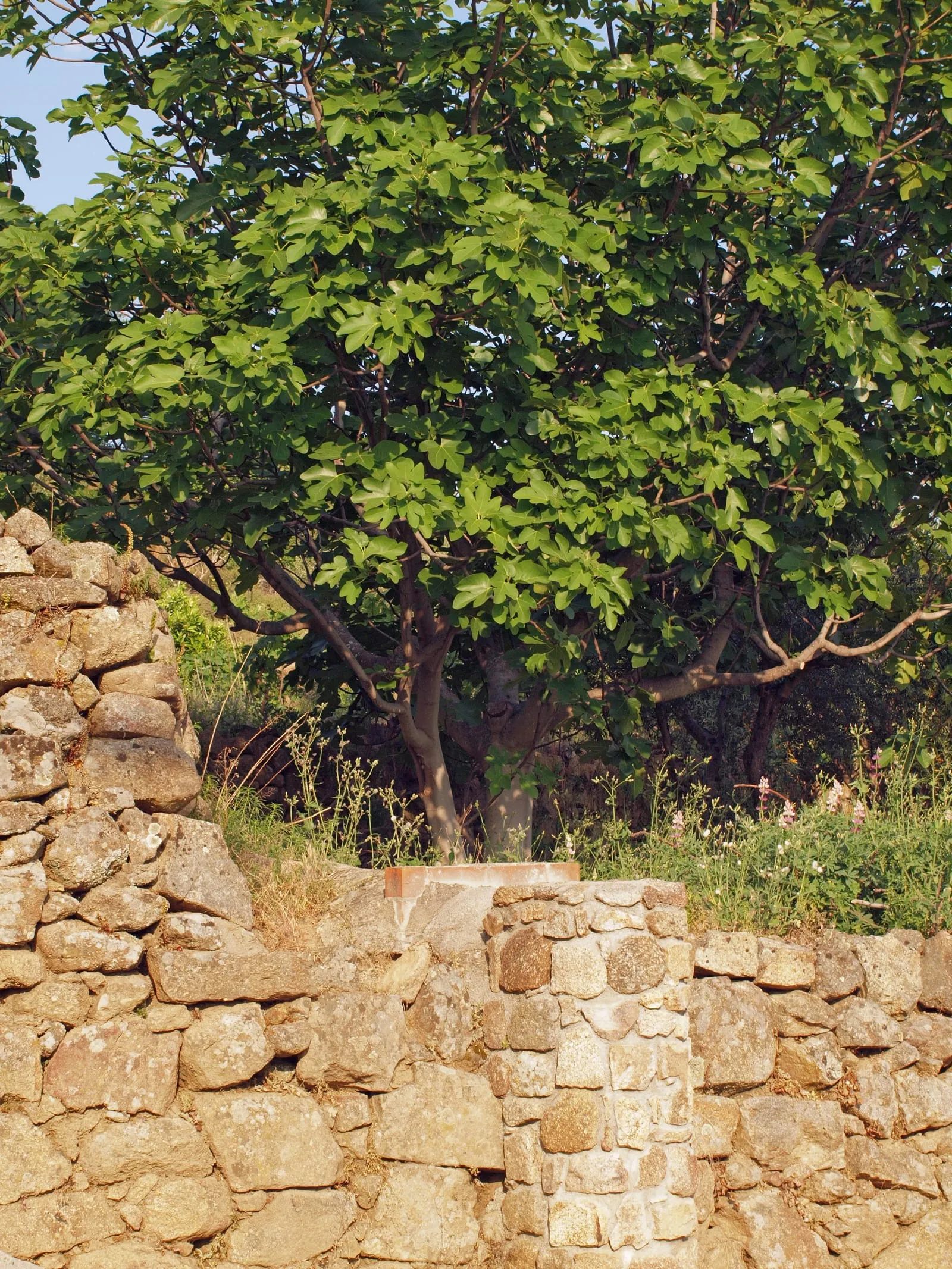
fruit tree in zone 8b
Growing fig in zone 8b
Ficus carica
- Zone
- 8b 15°F to 20°F
- Growing season
- 260 days
- Chill needed
- 100 to 300 below 45°F
- Suitable varieties
- 4
- Days to harvest
- 120 to 180
The verdict
Zone 8b is a reliable sweet spot for fig production, not a marginal one. Figs require 100 to 300 chill hours depending on variety, and zone 8b winters typically accumulate 200 to 400 hours below 45°F across most of the region. That overlap is comfortable, not precarious.
The 260-day growing season is long enough to support two crops in a good year: a breba (early) crop on previous-season wood and a main crop on current-season growth. Most fruit trees in this guide have narrower windows.
The varieties best suited here, Celeste and Brown Turkey in particular, were developed or popularized in climates very similar to zone 8b. They handle the heat, tolerate brief cold snaps into the mid-teens, and set fruit reliably without precise timing.
The one meaningful constraint is soil-borne nematodes. Sandy soils common in parts of the zone 8b South can harbor root-knot nematode populations that stunt fig roots over time. That is a site-selection issue more than a climate issue, but it is worth addressing before planting.
Recommended varieties for zone 8b
4 cultivars suited to this zone, with disease-resistance and zone-fit annotations.
| Variety | Notes | Zone fit | Disease resistance |
|---|---|---|---|
| Celeste fits zone 8b | Very sweet, honey flavor, small purple-brown fruit with strawberry-pink flesh; the southern favorite. Excellent fresh, dries beautifully. Closed eye prevents souring in humidity. | |
|
| Brown Turkey fits zone 8b | Sweet, mild, large brown-purple fruit with red-pink flesh; reliable producer for fresh eating and jam. Less intense flavor than Celeste but heavier yields. | | none noted |
| Chicago Hardy fits zone 8b | Sweet, small dark purple fruit with red flesh; good fresh-eating quality. Roots survive zone 6 with mulching, top-killed by hard freezes but resprouts. | | none noted |
| Black Mission fits zone 8b | Rich, sweet, complex flavor with hints of berry; the classic California fig. Eats fresh and dries into the dark figs sold in stores. | | none noted |
Critical timing for zone 8b
Figs in zone 8b break dormancy in late February to mid-March, depending on that winter's accumulated cold. The breba crop, set on wood from the prior season, typically ripens in May through June. The main crop follows on current-season growth and runs August through October, occasionally into November given the long frost-free window.
The zone's last frost typically falls between mid-February and mid-March, which means a late cold snap can kill emerging branch tips. Fig wood that freezes back to the ground will still regenerate from the roots, but it loses the breba crop for that season. Established trees in protected sites generally push through without meaningful damage. First fall frost rarely arrives before late November in zone 8b, leaving adequate time to ripen the main crop in full.
Common challenges in zone 8b
- ▸ Low chill hours limit apple variety selection
- ▸ Citrus greening risk
- ▸ Nematodes in sandy soils
Disease pressure to watch for
Modified care for zone 8b
Winter protection is rarely necessary for established figs in zone 8b. Young trees in their first winter, especially in the cooler inland parts of the zone where temperatures can briefly touch the low end of the 15 to 20°F range, benefit from a mulch mound over the root zone and loose wrapping on the trunk.
Nematode management deserves more attention in zone 8b than in cooler regions. Root-knot nematodes thrive in warm, sandy soils and can reduce yields significantly over several years. Planting in heavier loam, amending with organic matter before planting, and maintaining thick surface mulch all reduce pressure. Avoid replanting figs in a site where previous figs declined without clear cause.
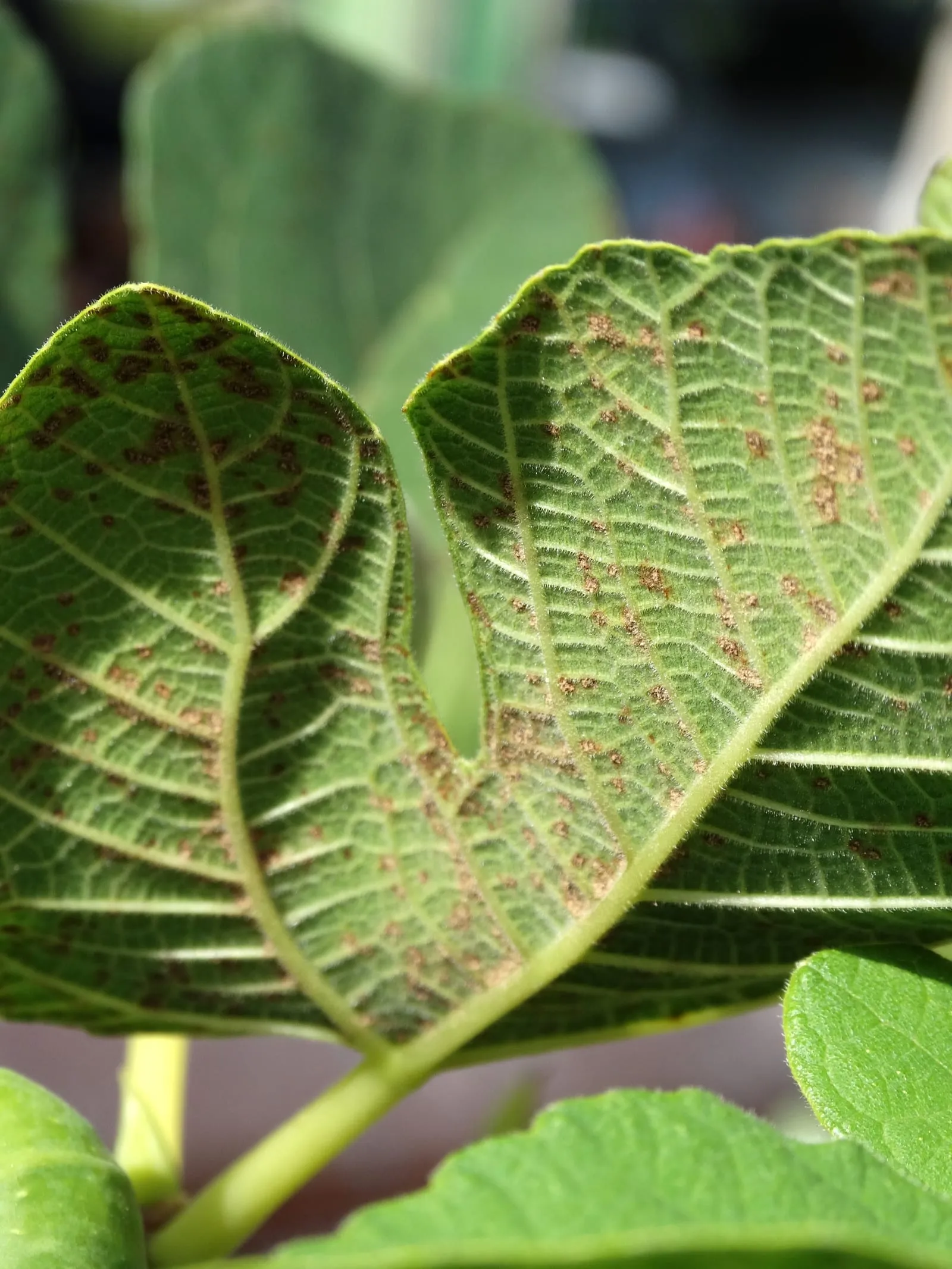
Fig Rust and Fig Fruit Souring both intensify under the humid summer conditions common in much of zone 8b. Improving air circulation through moderate annual pruning and avoiding overhead irrigation are the primary management levers. Neither disease responds well to routine spray programs.
Frequently asked questions
- Can figs produce two crops in zone 8b?
In most years, yes. The breba crop ripens on prior-season wood in May to June, and the main crop follows on new growth from August into October. A severe late frost that kills young wood eliminates the breba crop for that season but typically does not affect the main crop.
- Which fig variety performs best in zone 8b?
Celeste and Brown Turkey are the most proven performers in zone 8b conditions. Both tolerate the heat, require modest chill hours well within what the zone provides, and have a long track record in the Southeast and Gulf Coast. Black Mission suits drier western parts of zone 8b.
- Do figs need winter protection in zone 8b?
Established trees generally do not. Fig roots survive to around 10°F, and zone 8b lows rarely reach the bottom of the 15 to 20°F range for extended periods. First-year trees are more vulnerable and benefit from mulching over the root zone through their first winter.
- Why are my zone 8b figs declining after a few productive years?
Root-knot nematodes are a common culprit in zone 8b, particularly on sandy soils. Symptoms include gradual yield decline, yellowing foliage, and stunted new growth with no obvious above-ground cause. Examine the roots for characteristic galls before replanting in the same location.
+−
+−
+−
+−
Fig in adjacent zones
Image: "Ficus-carica - bancal 20110416a", by Luis Fernández García, via Wikimedia Commons, licensed under CC-BY Source.

Related