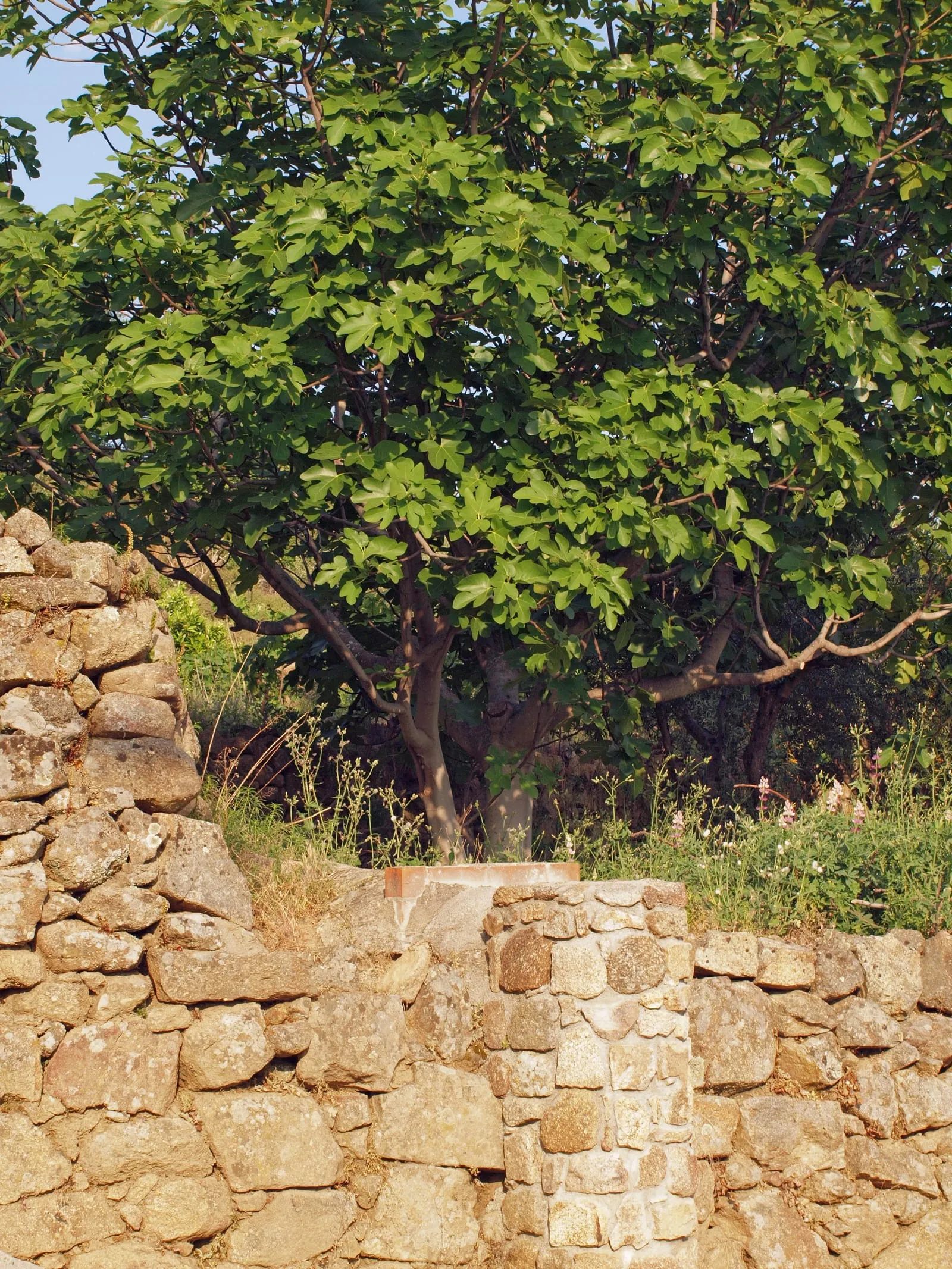
fruit tree in zone 8a
Growing fig in zone 8a
Ficus carica
- Zone
- 8a 10°F to 15°F
- Growing season
- 240 days
- Chill needed
- 100 to 300 below 45°F
- Suitable varieties
- 4
- Days to harvest
- 120 to 180
The verdict
Zone 8a is a sweet spot for figs, not a marginal case. The chill-hour requirement of 100 to 300 hours is easily met across zone 8a, which typically accumulates 400 to 800 chill hours depending on latitude and elevation. There is no deficit risk here. The binding constraint is winter cold, not chill-hour shortfall. Minimum temperatures of 10 to 15°F are within range for established trees, but sustained exposure near 10°F can kill wood back to the crown or roots even on mature specimens.
The 240-day growing season comfortably supports both the breba (early) crop on prior-year wood and the main summer-fall crop. Celeste, Brown Turkey, and Black Mission all produce reliably without supplemental cold protection in most zone 8a winters. Chicago Hardy is essentially redundant at this latitude, though it remains a sound choice for sites with cold-air drainage or unusual exposure. Zone 8a represents the warm-comfortable middle of fig's productive range across the Gulf Coast and much of the mid-Atlantic and Pacific Coast regions.
Recommended varieties for zone 8a
4 cultivars suited to this zone, with disease-resistance and zone-fit annotations.
| Variety | Notes | Zone fit | Disease resistance |
|---|---|---|---|
| Celeste fits zone 8a | Very sweet, honey flavor, small purple-brown fruit with strawberry-pink flesh; the southern favorite. Excellent fresh, dries beautifully. Closed eye prevents souring in humidity. | |
|
| Brown Turkey fits zone 8a | Sweet, mild, large brown-purple fruit with red-pink flesh; reliable producer for fresh eating and jam. Less intense flavor than Celeste but heavier yields. | | none noted |
| Chicago Hardy fits zone 8a | Sweet, small dark purple fruit with red flesh; good fresh-eating quality. Roots survive zone 6 with mulching, top-killed by hard freezes but resprouts. | | none noted |
| Black Mission fits zone 8a | Rich, sweet, complex flavor with hints of berry; the classic California fig. Eats fresh and dries into the dark figs sold in stores. | | none noted |
Critical timing for zone 8a
Figs in zone 8a leaf out in late March to early April once soil temperatures stabilize. The average last frost in zone 8a falls between mid-February and mid-March depending on location, so new growth occasionally encounters a late frost in early spring, which can damage tender shoots without threatening the tree.
The breba crop, developing on wood from the previous season, ripens in June. The main crop begins in late July and runs through September, with peak harvest typically in August. The fig's enclosed flower structure (the syconium) means bloom is not frost-vulnerable the way stone fruit blossoms are. The 240-day growing season provides enough time for both crops to develop fully, which is not a given in colder zones where the main crop can be cut short by early fall frost.
Common challenges in zone 8a
- ▸ Insufficient chill hours for some apple varieties
- ▸ Pierce's disease in grapes
- ▸ Heat stress on cool-season crops
Disease pressure to watch for
Modified care for zone 8a
Winter protection is not a routine requirement in zone 8a, but cold insurance is reasonable. A 4 to 6-inch mulch layer over the root zone provides meaningful protection during unusually cold winters when temperatures approach 10°F. Maintaining a clean crown and avoiding late-season nitrogen, which pushes tender growth into fall, reduces cold injury risk.
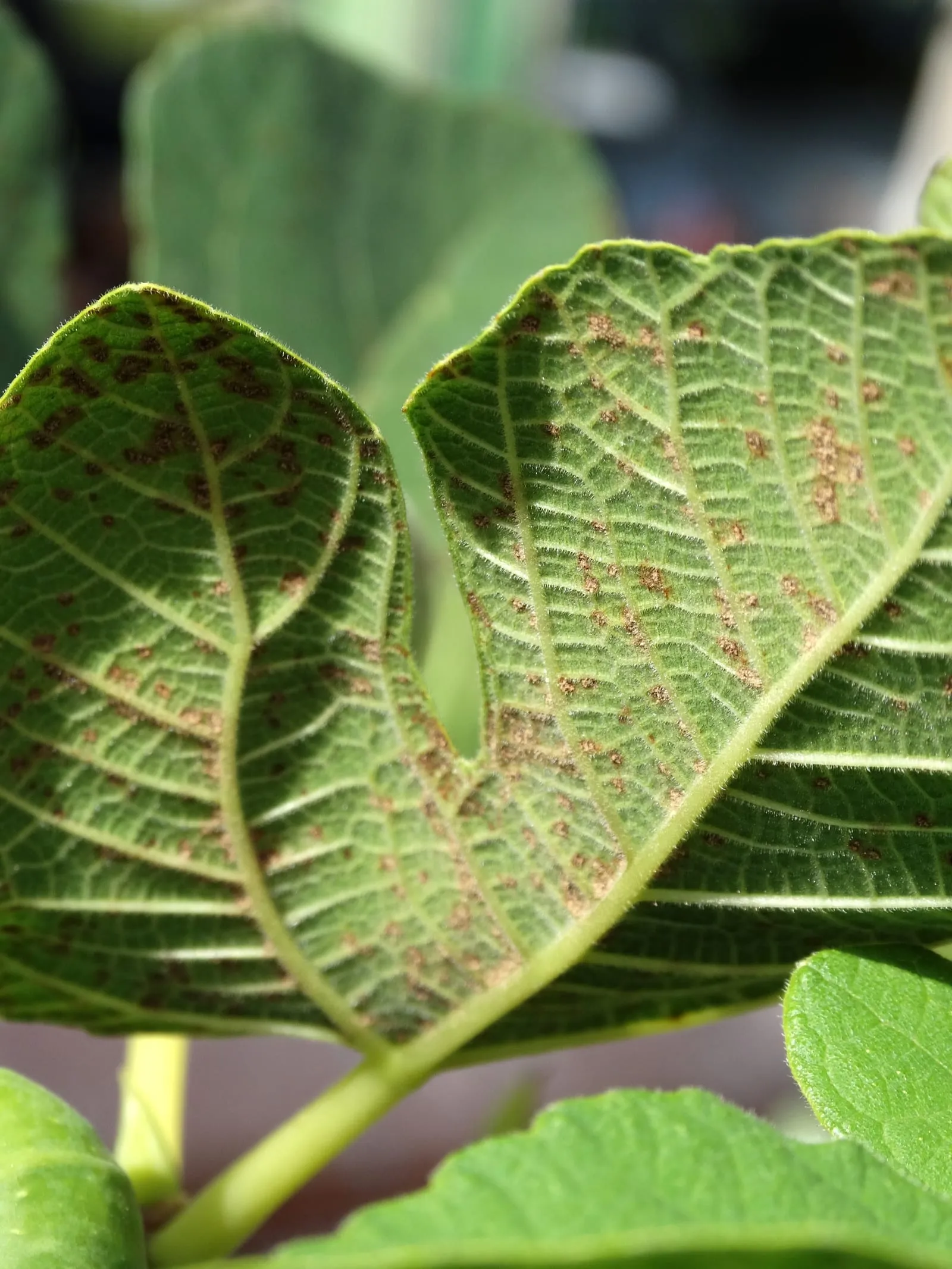
Fig rust can develop on foliage during humid periods in summer and fall, particularly where air circulation is limited. Pruning for an open, vase-shaped canopy reduces humidity inside the tree and lowers disease pressure more effectively than fungicide programs. Fig fruit souring, a complex involving yeasts, bacteria, and nitidulid beetles, intensifies in late summer as fruit splits and overripens. Removing damaged and overripe fruit at each harvest pass is the most effective management step. No summer shading is needed; figs tolerate and benefit from the heat accumulation that stresses other crops in this zone.
Frequently asked questions
- Can figs survive winter in zone 8a without protection?
Most years, yes. Established trees of Celeste, Brown Turkey, and Black Mission typically tolerate zone 8a winters without protection. During unusual cold snaps that reach 10 to 12°F for extended periods, wood dieback is possible. A mulch layer over the root zone adds meaningful insurance at low cost.
- Do figs need a pollinator in zone 8a?
Common fig varieties grown in home gardens, including Celeste, Brown Turkey, and Black Mission, are parthenocarpic and produce fruit without pollination. Smyrna-type figs require fig wasp pollination, but these are rarely grown outside of commercial orchards in California.
- How many crops per year can a fig produce in zone 8a?
Two crops are possible in zone 8a. The breba crop develops on prior-year wood and ripens in June. The main crop follows in late July through September. Not all varieties produce a reliable breba crop; Celeste and Black Mission typically do, while Brown Turkey breba production varies.
- What causes fig fruit to ferment or smell sour before harvest?
Fig fruit souring results from a combination of yeasts, bacteria, and small sap beetles (nitidulids) that enter through the eye of the fig as it ripens. Cracked or overripe fruit on the tree accelerates the problem. Removing damaged and fully ripe fruit at each picking is the primary control.
+−
+−
+−
+−
Fig in adjacent zones
Image: "Ficus-carica - bancal 20110416a", by Luis Fernández García, via Wikimedia Commons, licensed under CC-BY Source.

Related