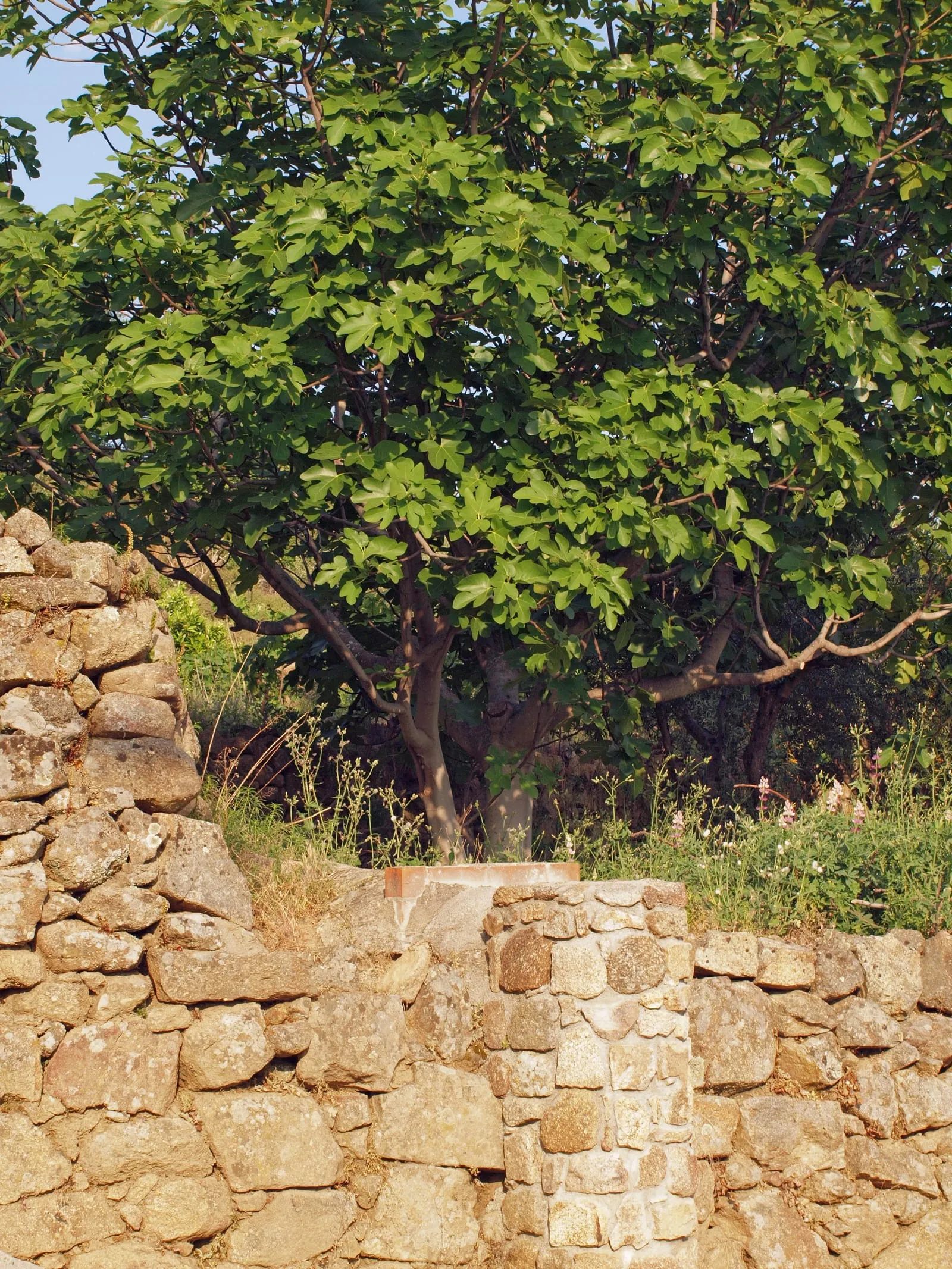
fruit tree in zone 7b
Growing fig in zone 7b
Ficus carica
- Zone
- 7b 5°F to 10°F
- Growing season
- 220 days
- Chill needed
- 100 to 300 below 45°F
- Suitable varieties
- 3
- Days to harvest
- 120 to 180
The verdict
Zone 7b sits at the northern edge of reliable fig production, but it is not a marginal zone in the way zone 6 would be. The chill-hour requirement for common fig varieties (100 to 300 hours) is easily met across zone 7b, and the 220-day growing season provides enough warmth to ripen a full main crop in most years. The real constraint is winter hardiness. Minimum temperatures of 5 to 10°F can kill stems to the ground, and an unusually cold winter pushing below 0°F can damage root systems on poorly sited plants.
Chicago Hardy was developed specifically for this challenge and routinely survives zone 7b winters with minimal dieback. Celeste and Brown Turkey are somewhat less cold-tolerant but establish well in sheltered south-facing microclimates with good thermal mass. Overall, zone 7b is workable for figs with appropriate variety selection and site placement. It is a zone where variety choice matters more than in zone 8 or warmer, but it is not a zone to avoid.
Recommended varieties for zone 7b
3 cultivars suited to this zone, with disease-resistance and zone-fit annotations.
| Variety | Notes | Zone fit | Disease resistance |
|---|---|---|---|
| Celeste fits zone 7b | Very sweet, honey flavor, small purple-brown fruit with strawberry-pink flesh; the southern favorite. Excellent fresh, dries beautifully. Closed eye prevents souring in humidity. | |
|
| Brown Turkey fits zone 7b | Sweet, mild, large brown-purple fruit with red-pink flesh; reliable producer for fresh eating and jam. Less intense flavor than Celeste but heavier yields. | | none noted |
| Chicago Hardy fits zone 7b | Sweet, small dark purple fruit with red flesh; good fresh-eating quality. Roots survive zone 6 with mulching, top-killed by hard freezes but resprouts. | | none noted |
Critical timing for zone 7b
Figs do not produce a traditional visible bloom. The flowers are enclosed inside developing fruit tissue (the syconium). What growers track instead is the breba crop, formed on the previous season's wood, and the main crop, formed on current-season growth. In zone 7b, the breba crop typically ripens in late June to early July, though severe winter stem dieback reduces or eliminates it in cold years. The main crop ripens from mid-August through October.
First fall frost in zone 7b typically arrives in late October to mid-November, giving the main crop sufficient time to mature in most seasons. Cool, wet late summers can slow ripening in the final weeks before frost and increase the risk of fig fruit souring as sugars concentrate in softening fruit.
Common challenges in zone 7b
- ▸ Cedar-apple rust pressure heavy in piedmont
- ▸ Japanese beetles
- ▸ Brown marmorated stink bug
- ▸ Late summer disease pressure
Disease pressure to watch for
Modified care for zone 7b
The primary adaptation for zone 7b is winter protection. Mulching the root zone 6 to 8 inches deep after the first hard frost extends root survival through cold snaps. In the piedmont and mountain-edge areas of zone 7b, wrapping stems with burlap or agricultural fleece after leaf drop reduces stem dieback, which in turn preserves the breba crop the following year.
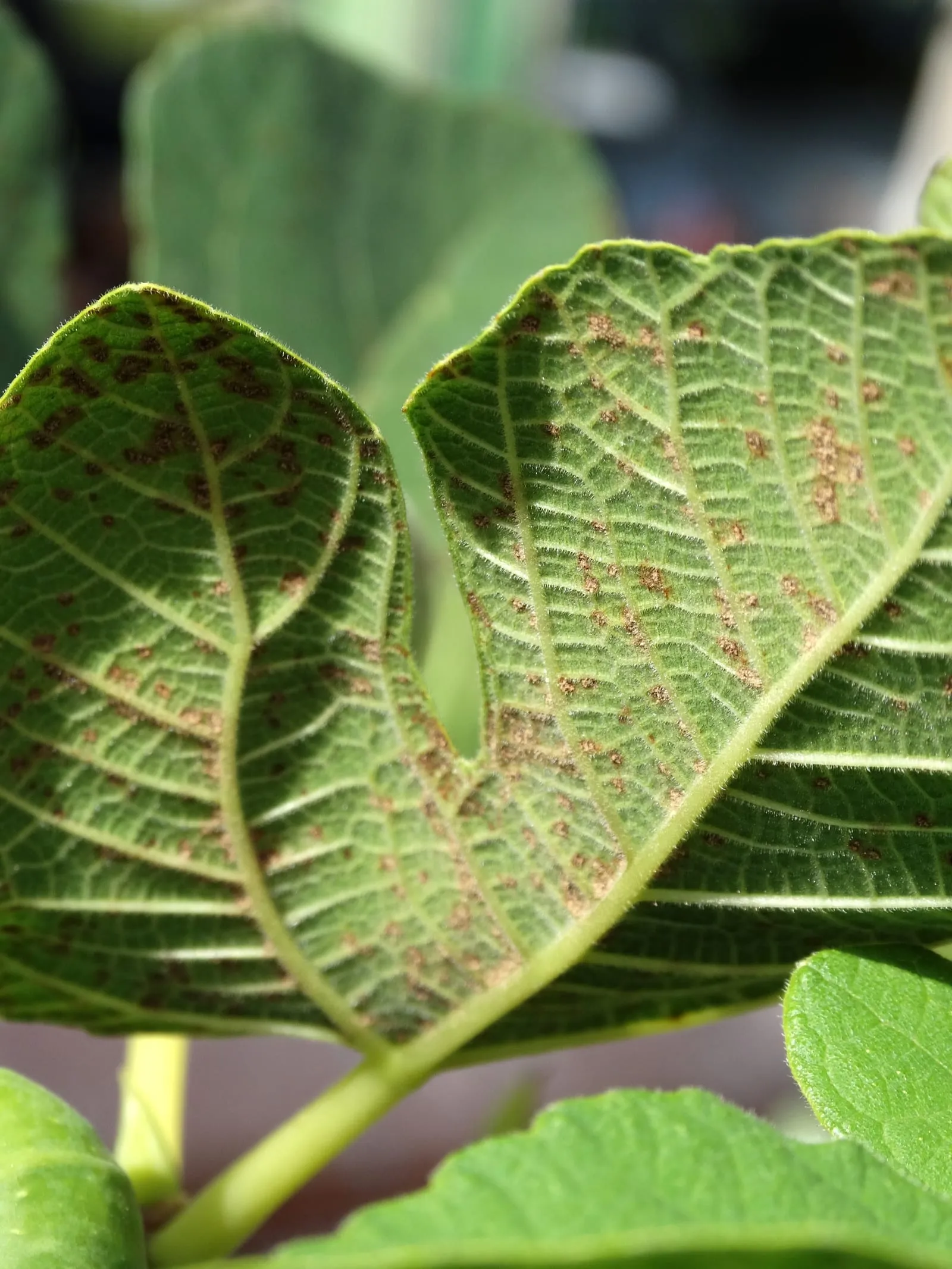
Japanese beetles are a significant defoliator in mid-summer; hand removal or row cover during peak beetle emergence (typically late June through July) limits damage without repeated pesticide applications. Brown marmorated stink bug pressure peaks as figs ripen in late summer, and netting is the most practical management for small plantings. Fig Rust appears primarily during humid, rainy Augusts; spacing plants for airflow and avoiding overhead irrigation reduces incidence. Fig Fruit Souring is harder to prevent and is best managed by harvesting promptly as fruit softens rather than allowing overripe fruit to hang.
Frequently asked questions
- Can figs survive winter in zone 7b without protection?
Chicago Hardy can often survive zone 7b winters unprotected in a sheltered site, though some stem dieback is common. Celeste and Brown Turkey benefit from mulching and stem wrapping in colder parts of the zone, particularly where minimum temperatures approach 5°F. Root systems generally survive even when stems are killed to the ground.
- Will figs produce two crops in zone 7b?
A breba crop (on prior-year wood) is possible in zone 7b but not guaranteed. It depends on whether stems survived winter intact. The main crop (on current-season growth) is the reliable harvest and typically ripens mid-August through October, well within the 220-day growing season.
- Which fig variety is best for zone 7b?
Chicago Hardy is the standard recommendation for zone 7b because of its documented cold hardiness. Celeste is a widely planted alternative with excellent fruit flavor and some cold tolerance. Brown Turkey is productive and adaptable but more prone to winter stem loss than Chicago Hardy in the coldest parts of the zone.
- Is fig rust a serious problem in zone 7b?
Fig Rust (caused by Cerotelium fici) can defoliate plants in humid late summers but rarely kills established trees. It is most prevalent in the southeastern piedmont. Improving airflow through pruning and avoiding overhead irrigation reduces infection pressure. Copper-based fungicides are labeled for management if needed.
+−
+−
+−
+−
Fig in adjacent zones
Image: "Ficus-carica - bancal 20110416a", by Luis Fernández García, via Wikimedia Commons, licensed under CC-BY Source.

Related