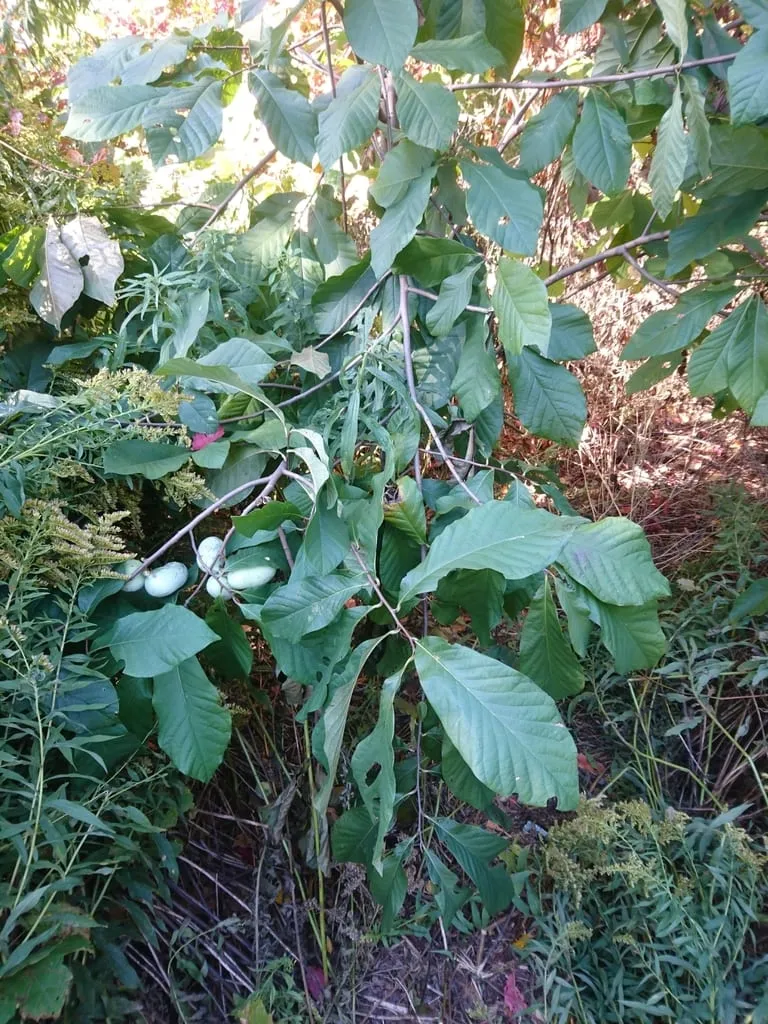
fruit tree
Pawpaw
Asimina triloba
USDA hardiness range
- Zones
- 5a–8b
- Chill hours
- 400 to 500 below 45°F
- Days to harvest
- 150 to 180
- Sun
- Partial
- Water
- Moderate
- Lifespan
- 40 to 60 years
Growing pawpaw
Pawpaw is the largest native fruit in temperate North America and the most underplanted backyard tree in its range. Hardy in zones 5 through 8, it produces tropical-flavored fruit (think mango crossed with banana) that doesn't ship commercially because it ripens fast and bruises easily. That's exactly why home growers should plant them: nobody else will.
The trees are small (15 to 25 feet), tolerate partial shade, and have almost no pest or disease problems. The catch is establishment. Pawpaw seedlings need 2 to 3 years of partial shade before they tolerate full sun, which is the opposite of most fruit trees and confuses new growers.
Recommended varieties
See all 4 →4 cultivars for home growers, with notes on flavor, ripening, and disease resistance.
| Variety | Notes | Zone fit | Disease resistance |
|---|---|---|---|
| Sunflower | Custard texture, tropical mango-banana flavor; eat fresh with a spoon, or freeze pulp for smoothies and baking. Partially self-fertile, large fruit. | | none noted |
| Shenandoah | Mild tropical flavor, less of the funky aftertaste some pawpaws have; smooth custard texture, low seed count. Best entry-level cultivar for new pawpaw growers. | | none noted |
| Susquehanna | Rich, complex flavor with vanilla-pear notes; large fruit, low seed count. Considered one of the best-tasting cultivars. | | none noted |
| NC-1 | Sweet, mild banana-mango flavor; cold-hardy selection from northern stock. Reliable in zone 5. | | none noted |
Soil and site requirements
Pawpaw prefers deep, well-drained, slightly acidic soil (pH 5.5 to 7.0) along bottomlands and floodplains in nature. In cultivation, give them similar conditions: rich loam, consistent moisture, and protection from afternoon sun for the first two seasons.
The taproot makes transplanting tricky. Container-grown plants establish much better than bare-root, and even container plants benefit from minimal root disturbance. After establishment, full sun produces the heaviest crops. Spacing 12 to 15 feet for fruit production; closer for naturalizing in a hedgerow.
Common pests
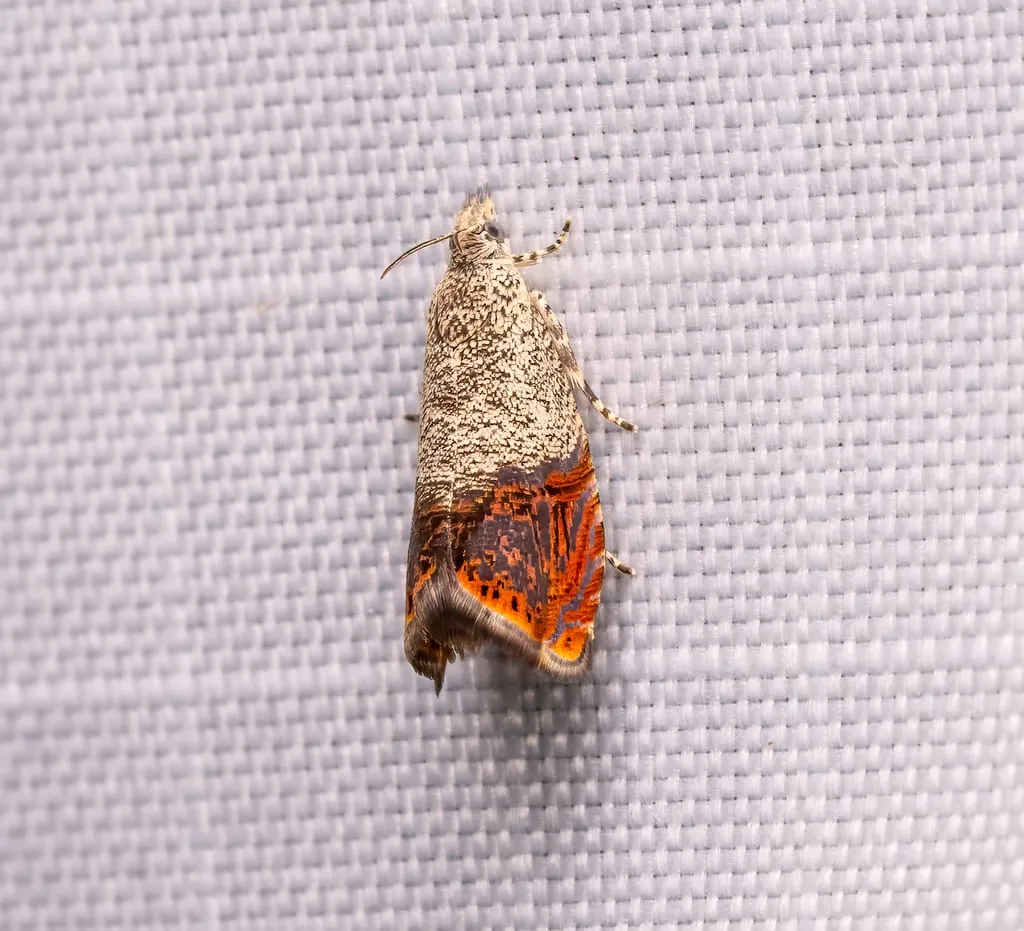
Talponia plummeriana
Tiny moth whose larvae bore into pawpaw flower stems, causing fruit drop.
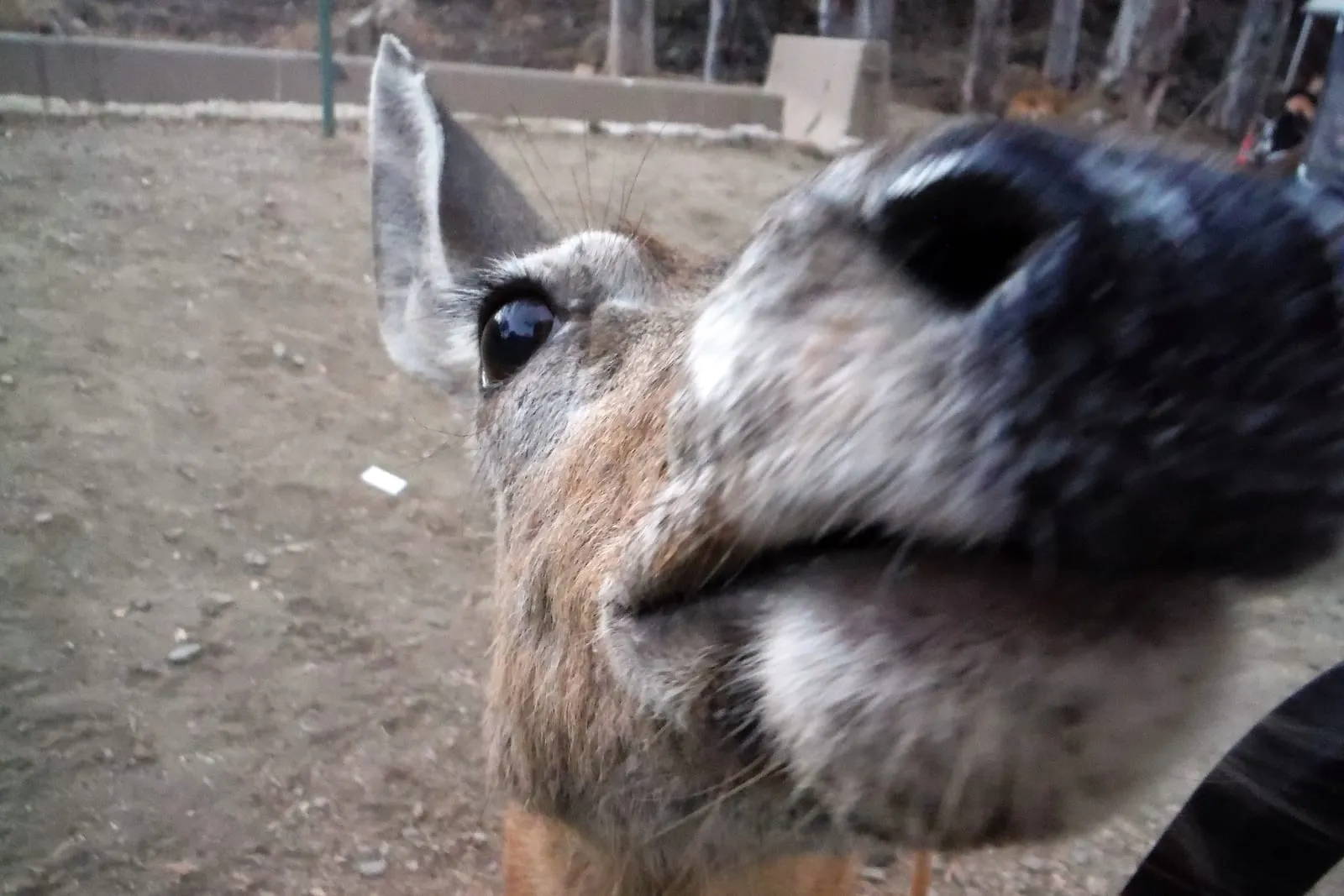
Odocoileus species
Whitetail and mule deer browse can devastate orchards and gardens, particularly in winter when food is scarce. Antler rub on young trunks kills saplings outright.
Common challenges
Pollination is the single biggest issue with pawpaw. Flowers smell faintly of carrion and are pollinated by flies and beetles, not bees. In the absence of pollinators, fruit set is poor. Hand pollination with a small brush boosts yield substantially. Plant two genetically different cultivars (Sunflower with Shenandoah, for example) for cross-pollination.
The second issue is establishment failure. Direct sun on young seedlings causes leaf scorch and stunting. Use shade cloth or interplant with taller crops for the first 2 to 3 years.
Beyond pollination and establishment, pawpaw has essentially no pest or disease problems serious enough to warrant intervention. Pawpaw peduncle borer occasionally affects flower stems; not worth treating.
Companion plants
Frequently asked questions
- How long until pawpaw produces fruit?
Container-grown grafted trees produce light crops in year 3 to 4. Seedlings take 5 to 7 years and produce variable fruit quality. Always plant named cultivars, not seedlings, for predictable fruit.
- Do pawpaws need a pollinator?
Yes, two genetically different cultivars are required. Plant Sunflower with Shenandoah, or Susquehanna with Sunflower. Single-cultivar plantings produce little fruit.
- Can pawpaw grow in shade?
Young pawpaws need partial shade for the first 2 to 3 years. Mature trees produce best in full sun but tolerate partial shade. The understory natives in the wild are partially shaded by canopy trees.
- What zones does pawpaw grow in?
Zone 5 through zone 8. Below zone 5, winter cold limits survival. Above zone 8, insufficient chill hours reduce fruiting. Sweet spot is zones 6 and 7.
+−
+−
+−
+−
Sources
Image: "common pawpaw", by no rights reserved, via iNaturalist, licensed under CC0. Source.
Pawpaw by zone
Related