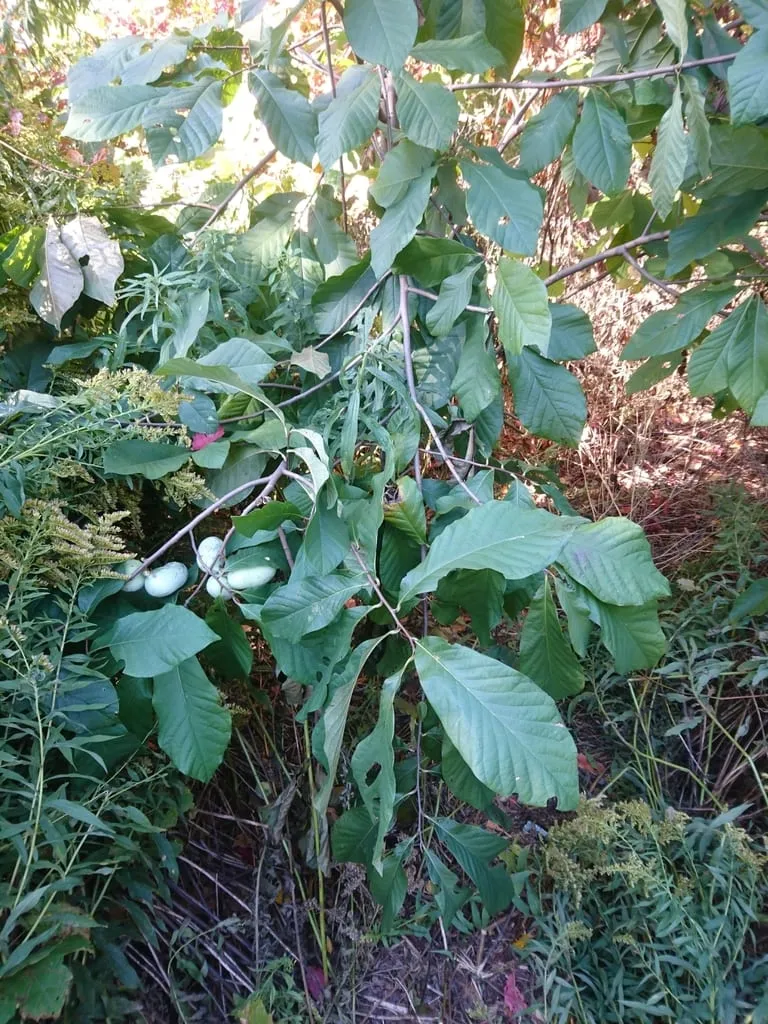
fruit tree in zone 6b
Growing pawpaw in zone 6b
Asimina triloba
- Zone
- 6b -5°F to 0°F
- Growing season
- 190 days
- Chill needed
- 400 to 500 below 45°F
- Suitable varieties
- 4
- Days to harvest
- 150 to 180
The verdict
Zone 6b sits solidly within pawpaw's native range across the eastern United States, and chill-hour accumulation is not a limiting factor here. Zone 6b winters reliably deliver well above the 400 to 500 hours the crop requires, with most locations accumulating chill totals that comfortably exceed that threshold. Winter lows of -5 to 0°F are within the species' cold tolerance, which extends into zone 5 for established trees. The 190-day growing season covers what pawpaw needs to size and ripen fruit across most variety selections.
This is not a marginal zone for pawpaw. The practical reliability concern is not cold tolerance but bloom-time frost exposure: pawpaw flowers emerge in late March to mid-April, before leaf-out, and the flowers are vulnerable to hard freezes. Varieties like Shenandoah and Susquehanna were evaluated extensively in mid-Atlantic and upper South conditions that map closely to zone 6b performance, giving growers reasonably tested options rather than guesswork.
Recommended varieties for zone 6b
4 cultivars suited to this zone, with disease-resistance and zone-fit annotations.
| Variety | Notes | Zone fit | Disease resistance |
|---|---|---|---|
| Sunflower fits zone 6b | Custard texture, tropical mango-banana flavor; eat fresh with a spoon, or freeze pulp for smoothies and baking. Partially self-fertile, large fruit. | | none noted |
| Shenandoah fits zone 6b | Mild tropical flavor, less of the funky aftertaste some pawpaws have; smooth custard texture, low seed count. Best entry-level cultivar for new pawpaw growers. | | none noted |
| Susquehanna fits zone 6b | Rich, complex flavor with vanilla-pear notes; large fruit, low seed count. Considered one of the best-tasting cultivars. | | none noted |
| NC-1 fits zone 6b | Sweet, mild banana-mango flavor; cold-hardy selection from northern stock. Reliable in zone 5. | | none noted |
Critical timing for zone 6b
Pawpaw blooms in zone 6b from late March through mid-April, with the small maroon flowers appearing before the foliage. Zone 6b last frost dates typically fall between mid-April and early May, meaning bloom and frost risk overlap in most years. A hard freeze during peak bloom can eliminate the season's crop entirely, particularly in low-lying sites where cold air pools.
Harvest begins in late August for early-ripening selections and extends through October for later varieties. NC-1 tends to ripen on the earlier end of that window; Susquehanna typically matures in mid-to-late September. Ripe pawpaw fruit softens quickly and does not hold on the tree. Prompt harvest and refrigeration within a week of ripening prevents most post-harvest loss.
Common challenges in zone 6b
- ▸ Cedar-apple rust
- ▸ Fire blight
- ▸ Stink bugs
Modified care for zone 6b
Established pawpaw trees in zone 6b need little adjustment for winter cold, but young trees benefit from mulching over the root zone through their first two winters. The more consequential site decision is microclimate: growers in frost-prone hollows or low spots carry higher bloom-loss risk each spring and should account for that before planting.
Stink bugs, one of the documented pest pressures in zone 6b, are a real concern for pawpaw as fruit approaches ripeness in late summer and early fall. Monitoring begins in August, and harvesting promptly once softening starts limits the window for damage. No significant disease pressure is listed for pawpaw in this zone, which is consistent with the crop's general resistance profile.
Regardless of zone, pawpaw seedlings require partial shade for the first one to two years after transplanting. Once established and putting on vigorous growth, full sun produces better fruit load than shaded positions.
Frequently asked questions
- Is zone 6b cold enough to damage pawpaw trees?
Established pawpaw trees tolerate the -5 to 0°F winter lows typical of zone 6b without significant damage. The cold sensitivity issue is bloom, not dormant wood. Flowers that open in late March or April can be lost to a late frost, which affects that year's fruit set but does not harm the tree.
- Do pawpaws need a pollinator in zone 6b?
Pawpaw flowers are not self-fertile in practice. Planting two or more genetically distinct trees improves fruit set substantially. The four compatible varieties listed for zone 6b (Sunflower, Shenandoah, Susquehanna, NC-1) can cross-pollinate one another. Hand pollination using a small brush is straightforward and worth doing if natural pollinator visits seem low.
- Which pawpaw variety performs best in zone 6b?
Shenandoah and Susquehanna were selected and trialed in conditions similar to zone 6b and have a track record in the mid-Atlantic region. NC-1 is an older selection valued for early ripening and reliability across a range of conditions. Sunflower is noted for large fruit size. Growing more than one variety improves both cross-pollination and your ability to compare performance on your specific site.
- When should pawpaw trees be planted in zone 6b?
Spring planting after last frost risk passes (typically mid-May in zone 6b) works well. Bare-root trees transplant poorly; container-grown stock with an intact root system is the practical choice. Pawpaw taproots are sensitive to disturbance, so minimizing root handling at planting improves establishment.
+−
+−
+−
+−
Pawpaw in adjacent zones
Image: "common pawpaw", by no rights reserved, via iNaturalist, licensed under CC0 Source.
Related