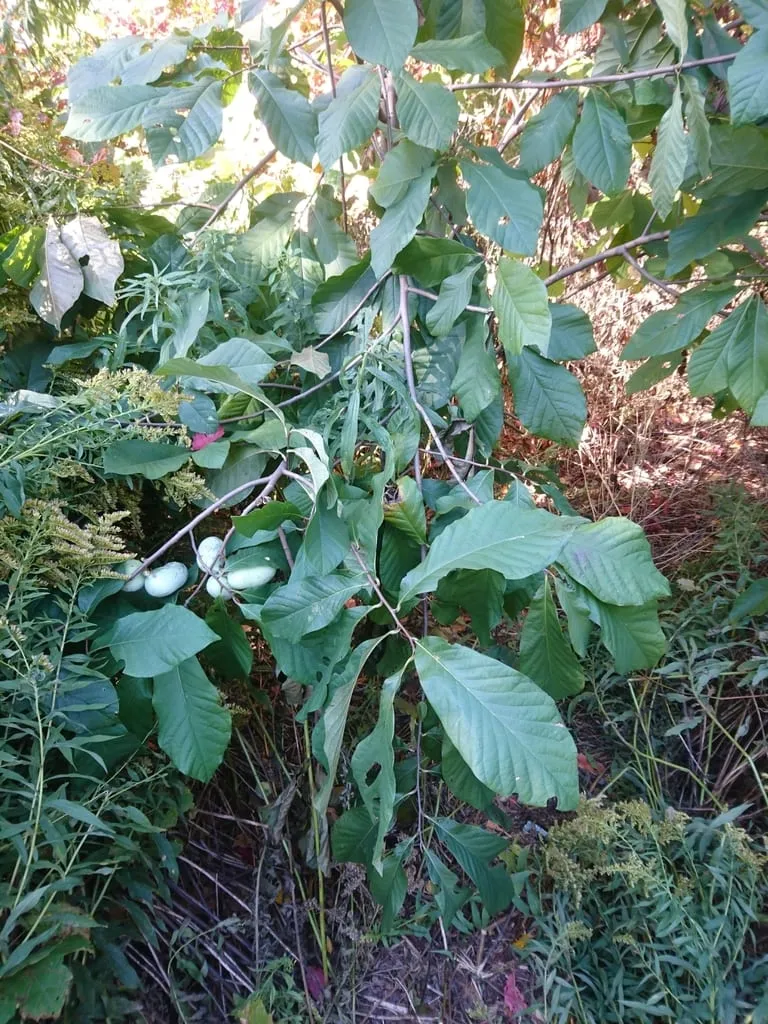
fruit tree in zone 5b
Growing pawpaw in zone 5b
Asimina triloba
- Zone
- 5b -15°F to -10°F
- Growing season
- 165 days
- Chill needed
- 400 to 500 below 45°F
- Suitable varieties
- 4
- Days to harvest
- 150 to 180
The verdict
Zone 5b sits near the northern edge of the pawpaw's natural range, but it is not a marginal zone for the tree itself. Established pawpaws tolerate temperatures well below the -15 to -10°F range typical of zone 5b winters; the root system and woody structure are genuinely cold-hardy. The chill-hour requirement of 400 to 500 hours is met with ease in zone 5b, which typically accumulates 1,200 or more chilling hours in a normal winter. Surplus chilling is not a problem for pawpaw.
The real constraint is spring bloom timing. Pawpaw flowers open in April and are pollinated by flies and beetles that are less active in cool weather. Zone 5b's last frost can arrive as late as early May, overlapping with the bloom window. A hard frost during bloom can eliminate the entire crop for that season. The 165-day growing season is adequate for fruit development, but growers have limited margin if late frost delays pollination or damages developing fruitlets.
Recommended varieties for zone 5b
4 cultivars suited to this zone, with disease-resistance and zone-fit annotations.
| Variety | Notes | Zone fit | Disease resistance |
|---|---|---|---|
| Sunflower fits zone 5b | Custard texture, tropical mango-banana flavor; eat fresh with a spoon, or freeze pulp for smoothies and baking. Partially self-fertile, large fruit. | | none noted |
| Shenandoah fits zone 5b | Mild tropical flavor, less of the funky aftertaste some pawpaws have; smooth custard texture, low seed count. Best entry-level cultivar for new pawpaw growers. | | none noted |
| Susquehanna fits zone 5b | Rich, complex flavor with vanilla-pear notes; large fruit, low seed count. Considered one of the best-tasting cultivars. | | none noted |
| NC-1 fits zone 5b | Sweet, mild banana-mango flavor; cold-hardy selection from northern stock. Reliable in zone 5. | | none noted |
Critical timing for zone 5b
Pawpaw bloom in zone 5b typically falls in late April to early May, depending on the specific microclimate and year. Flowers open before the leaves fully emerge, making them visible but also fully exposed to late cold snaps. Average last frost dates across zone 5b range from April 15 to May 1, placing blooms at genuine risk in years with late frosts.
Harvest runs from late August through early October in zone 5b, roughly 120 to 150 days after bloom. Fruit matures earlier than the first fall frost in most zone 5b locations, though cool August weather can slow ripening. Growers should monitor for ripeness by firmness and scent rather than waiting for a fixed calendar date.
Common challenges in zone 5b
- ▸ Plum curculio
- ▸ Codling moth
- ▸ Cedar-apple rust
Modified care for zone 5b
Site selection matters more in zone 5b than in warmer zones. A south-facing slope with wind protection on the north side extends the effective microclimate and reduces late-frost exposure during bloom. Planting in a low spot invites cold air pooling and should be avoided.
Pawpaw requires cross-pollination from a genetically distinct tree. At least two of the compatible varieties (Sunflower, Shenandoah, Susquehanna, NC-1) should be planted within 50 feet of each other. Hand pollination with a small paintbrush is worth doing when pollinators are sparse in cold springs; transfer pollen between open flowers on different varieties on dry days above 50°F.
Young trees in their first two winters benefit from a deep mulch ring and a windbreak on the north side. Pawpaw is notably resistant to most insect pressure due to compounds in its tissue; plum curculio and codling moth, though present in zone 5b, rarely cause significant damage on pawpaw.
Frequently asked questions
- Can pawpaw survive zone 5b winters?
Yes. Established pawpaw trees are cold-hardy well below the -15 to -10°F range of zone 5b. Young trees in their first one to two winters are more vulnerable and benefit from mulching and windbreak protection, but mature trees handle zone 5b winters without special treatment.
- Why do pawpaws sometimes fail to fruit in colder zones?
The most common cause is late frost during bloom. Pawpaw flowers open in April to early May in zone 5b, when freezing temperatures are still possible. A frost during the bloom window kills the flowers and prevents fruit set for that season. Poor pollinator activity in cold springs has the same result.
- Do I need more than one pawpaw tree?
Yes. Pawpaw requires cross-pollination from a genetically distinct tree. Two named varieties planted within 50 feet of each other will cross-pollinate. Self-pollination produces little to no fruit, even on a healthy, mature tree.
- Which pawpaw varieties perform well in zone 5b?
Sunflower, Shenandoah, Susquehanna, and NC-1 are all documented to perform in zone 5b conditions. Sunflower has been grown successfully in the northern Midwest. Susquehanna and Shenandoah were selected from mid-Atlantic trials and tolerate zone 5b winters, though site microclimate matters.
- Does pawpaw have serious pest or disease problems?
Pawpaw has relatively few pest problems. Natural compounds in the leaves, bark, and unripe fruit deter most insects, including many common orchard pests. Cedar-apple rust and codling moth are present in zone 5b but rarely cause significant damage on pawpaw specifically.
+−
+−
+−
+−
+−
Pawpaw in adjacent zones
Image: "common pawpaw", by no rights reserved, via iNaturalist, licensed under CC0 Source.
Related