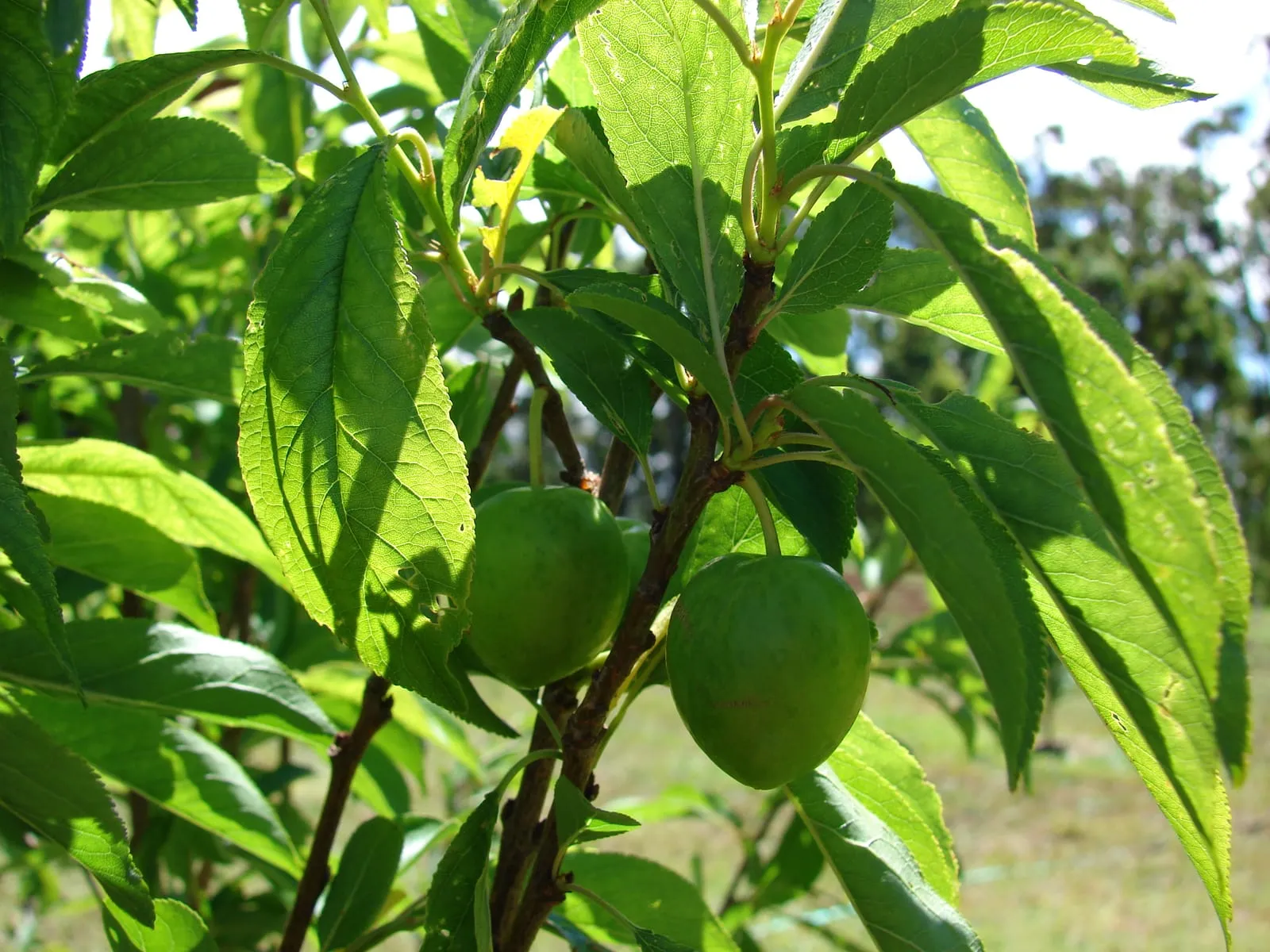
fruit tree in zone 7a
Growing japanese plum in zone 7a
Prunus salicina
- Zone
- 7a 0°F to 5°F
- Growing season
- 210 days
- Chill needed
- 500 to 900 below 45°F
- Suitable varieties
- 3
- Days to harvest
- 120 to 150
The verdict
Zone 7a sits comfortably within the working range for Japanese plum. Winters in zone 7a are reliably cold enough to meet the 500 to 900 chill hours the crop requires, and the minimum temperature range of 0 to 5°F presents no hardiness threat to established trees. This is not a marginal zone.
The three varieties compatible with this zone (Methley, Santa Rosa, Shiro) all perform reliably in zone 7a. Methley, generally considered the lowest in chill-hour requirement of the three, tends to be the most consistent performer in warmer pockets within the zone where chill accumulation may run toward the lower end of the range. The 210-day growing season easily accommodates the full bloom-to-harvest cycle.
Where zone 7a creates challenge is not on the cold side but the disease side. High summer humidity drives brown rot and bacterial spot pressure, and these are the variables that determine how much of a crop actually reaches harvest.
Recommended varieties for zone 7a
3 cultivars suited to this zone, with disease-resistance and zone-fit annotations.
| Variety | Notes | Zone fit | Disease resistance |
|---|---|---|---|
| Methley fits zone 7a | Very sweet, juicy, dark red flesh and skin; outstanding fresh-eating plum, juice runs down your chin. Self-fertile and broadly adapted. | | none noted |
| Santa Rosa fits zone 7a | Sweet-tart with rich complex flavor, juicy, deep red skin and amber flesh; the classic California fresh-eating plum, also excellent for jam. | | none noted |
| Shiro fits zone 7a | Sweet, mild, juicy, yellow skin and flesh; fresh eating and good for cooking. Heavy producer, often the first plum to ripen. | | none noted |
Critical timing for zone 7a
Japanese plum blooms early, in late winter to early spring in zone 7a. Zone 7a last frost risk extends into spring, and the overlap between Japanese plum's early bloom window and potential frost events is a recurring concern each year. Growers in cooler or low-lying parts of zone 7a, where frost lingers longer, face more exposure than those in urban or sheltered pockets.
Harvest timing varies by variety. Methley tends to ripen earliest among the three compatible varieties, typically in early summer. Santa Rosa and Shiro follow in mid-summer. The 210-day growing season in zone 7a comfortably supports the full maturation cycle, with no concern about season length cutting harvest short.
Common challenges in zone 7a
- ▸ Cedar-apple rust
- ▸ Brown rot
- ▸ Fire blight
- ▸ High humidity disease pressure
Disease pressure to watch for
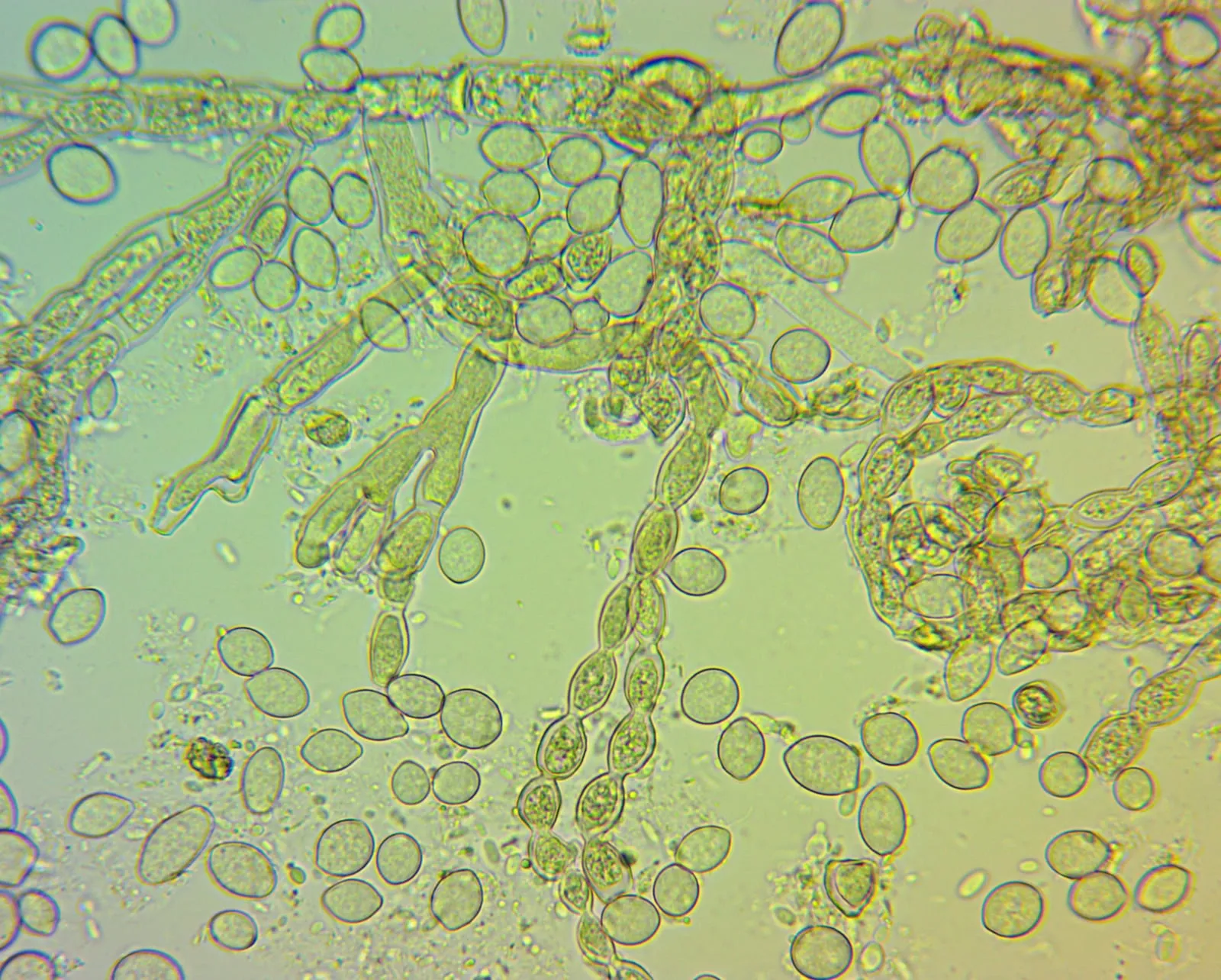
Monilinia fructicola
The most damaging stone-fruit and almond disease, causing blossom blight and fruit rot.
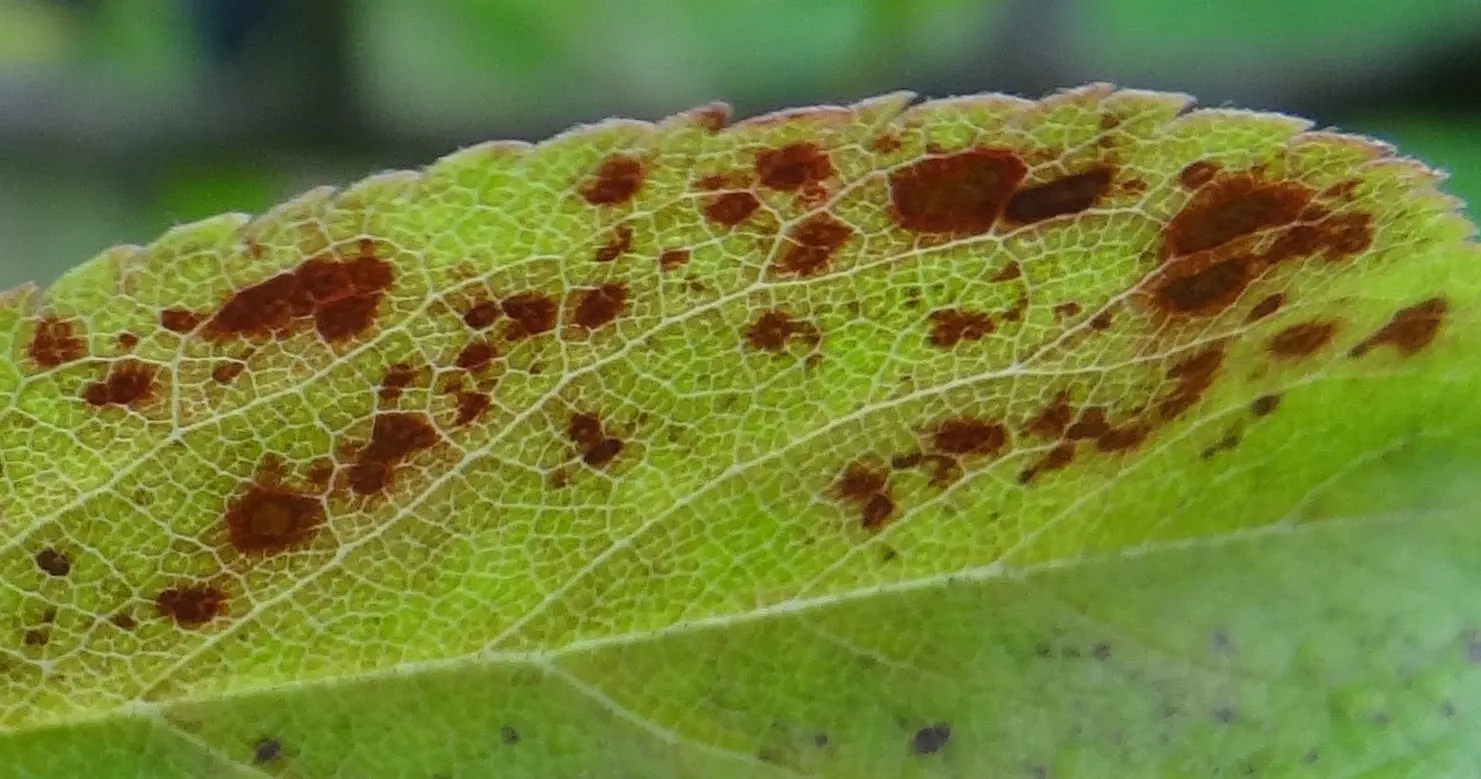
Xanthomonas arboricola pv. pruni
Bacterial disease causing leaf spots and fruit blemishes, severe in warm humid regions.
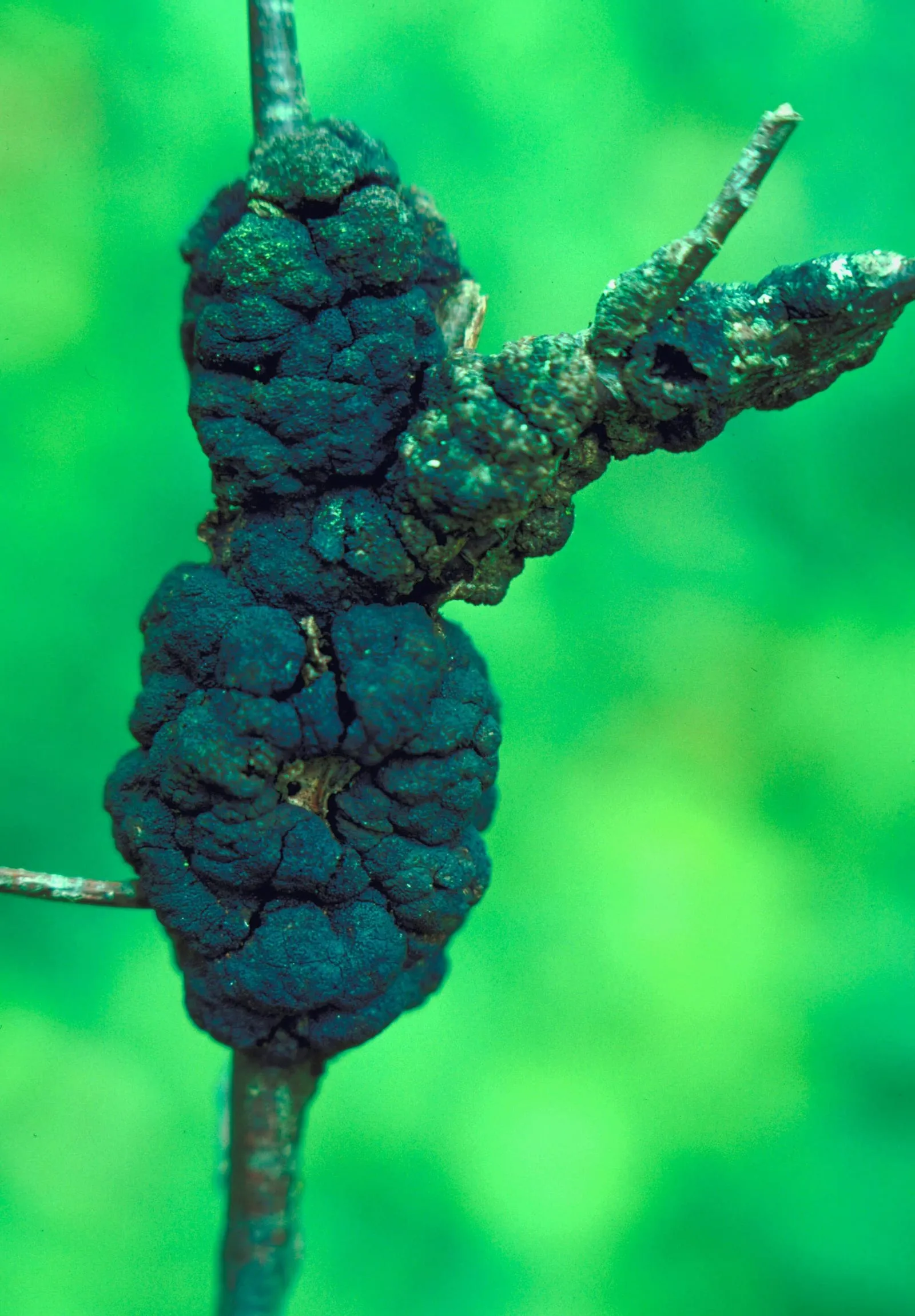
Apiosporina morbosa
Fungal disease producing characteristic black warty galls on plum and cherry branches.
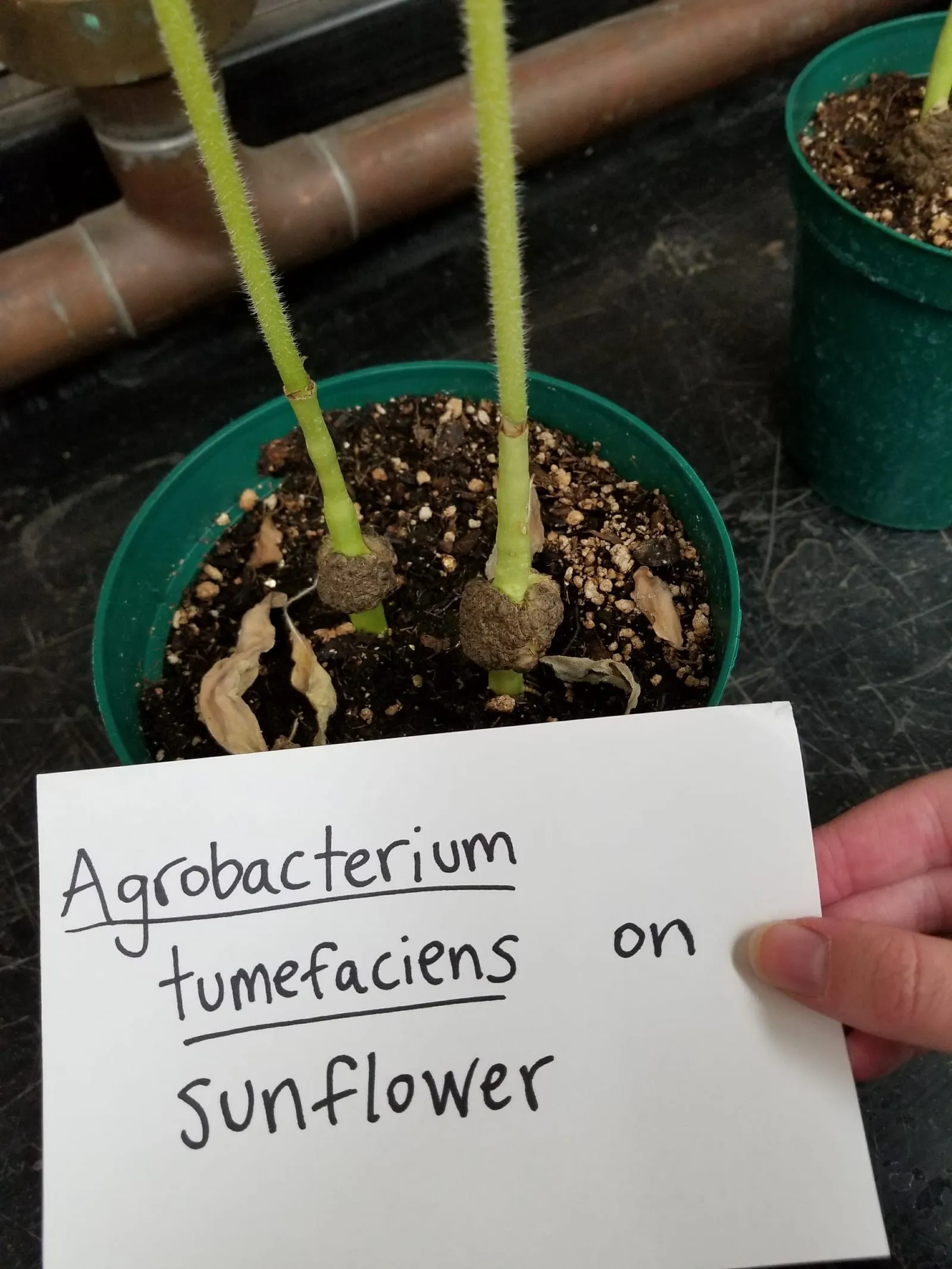
Agrobacterium tumefaciens
Soil-borne bacterium that enters plants through wounds and induces tumor-like galls on roots, crown, and lower stems. Galls reduce vigor and shorten plant lifespan; on Rubus the disease is often fatal.
Modified care for zone 7a
The dominant management adjustment in zone 7a is disease pressure. Brown rot and bacterial spot both thrive under the high humidity typical of zone 7a summers. Preventive fungicide applications at bloom and at petal fall are a baseline expectation in this zone. A single wet spring can deliver significant brown rot losses without a spray program in place.
Canopy management matters more here than in drier climates. Pruning for open-center form and thinning fruit clusters both improve air circulation enough to lower disease incidence meaningfully. Overhead irrigation should be avoided once fruit begins to size.
Early bloom also warrants attention. Site selection favoring air drainage over frost pockets reduces frost damage risk in years when a late cold snap coincides with peak bloom.
Japanese Plum in adjacent zones
Image: "Starr 080405-3957 Prunus salicina", by Forest & Kim Starr, via Wikimedia Commons, licensed under CC-BY Source.

Related