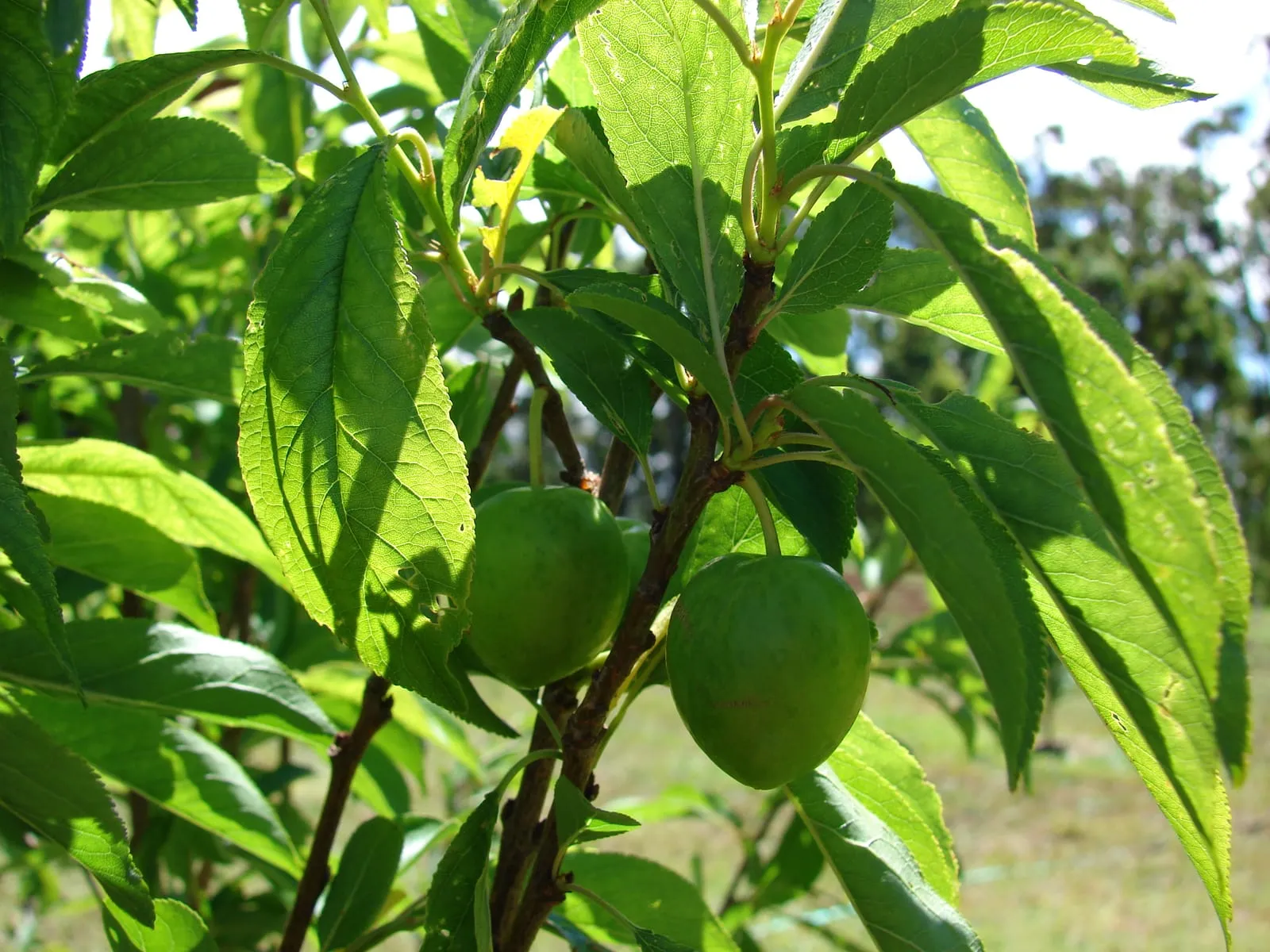
fruit tree in zone 7b
Growing japanese plum in zone 7b
Prunus salicina
- Zone
- 7b 5°F to 10°F
- Growing season
- 220 days
- Chill needed
- 500 to 900 below 45°F
- Suitable varieties
- 3
- Days to harvest
- 120 to 150
The verdict
Zone 7b sits near the center of Japanese plum's productive range, not at its margins. The crop requires 500 to 900 chill hours depending on variety, and piedmont and mid-Atlantic locations in zone 7b typically accumulate 800 to 1,000 hours below 45°F in a normal winter. That puts most standard varieties well within their chilling requirement without the risk of insufficient dormancy that appears in zones 9 and warmer.
The 220-day growing season is more than adequate to ripen even late-season selections. Varieties like Methley, Santa Rosa, and Shiro were bred with climates similar to zone 7b in mind. Methley in particular is widely cited by extension programs across the mid-Atlantic as one of the most reliably productive Japanese plums for this zone.
The main limitation is not cold hardiness or chill accumulation. It is disease pressure during the humid growing season, particularly brown rot in the weeks before and during harvest.
Recommended varieties for zone 7b
3 cultivars suited to this zone, with disease-resistance and zone-fit annotations.
| Variety | Notes | Zone fit | Disease resistance |
|---|---|---|---|
| Methley fits zone 7b | Very sweet, juicy, dark red flesh and skin; outstanding fresh-eating plum, juice runs down your chin. Self-fertile and broadly adapted. | | none noted |
| Santa Rosa fits zone 7b | Sweet-tart with rich complex flavor, juicy, deep red skin and amber flesh; the classic California fresh-eating plum, also excellent for jam. | | none noted |
| Shiro fits zone 7b | Sweet, mild, juicy, yellow skin and flesh; fresh eating and good for cooking. Heavy producer, often the first plum to ripen. | | none noted |
Critical timing for zone 7b
Japanese plum blooms early, typically late February through mid-March in zone 7b. This is earlier than European plums and earlier than most apples, which puts the crop at real risk from late-season frosts. Zone 7b's average last frost falls between late March and early April across most of its range, meaning bloom and frost risk overlap by two to four weeks in most years.
Frost damage to open flowers is the most common cause of crop failure in this zone. Low-lying sites and frost pockets amplify the risk considerably. Harvest for early varieties like Methley typically runs late June into July. Santa Rosa and Shiro follow in July to early August. The full growing season length is not a constraint; it is the early-spring frost intersection that growers need to plan around.
Common challenges in zone 7b
- ▸ Cedar-apple rust pressure heavy in piedmont
- ▸ Japanese beetles
- ▸ Brown marmorated stink bug
- ▸ Late summer disease pressure
Disease pressure to watch for
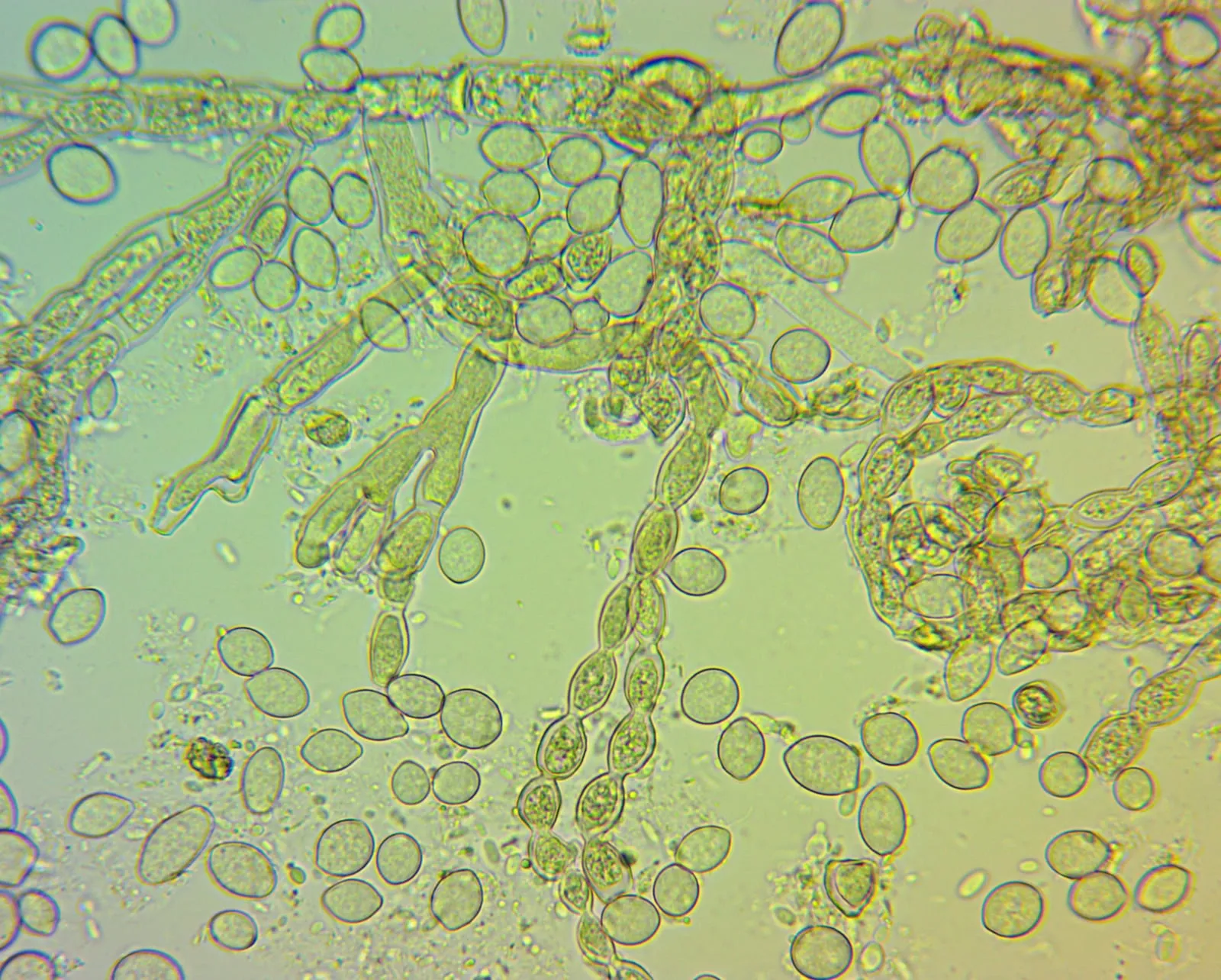
Monilinia fructicola
The most damaging stone-fruit and almond disease, causing blossom blight and fruit rot.
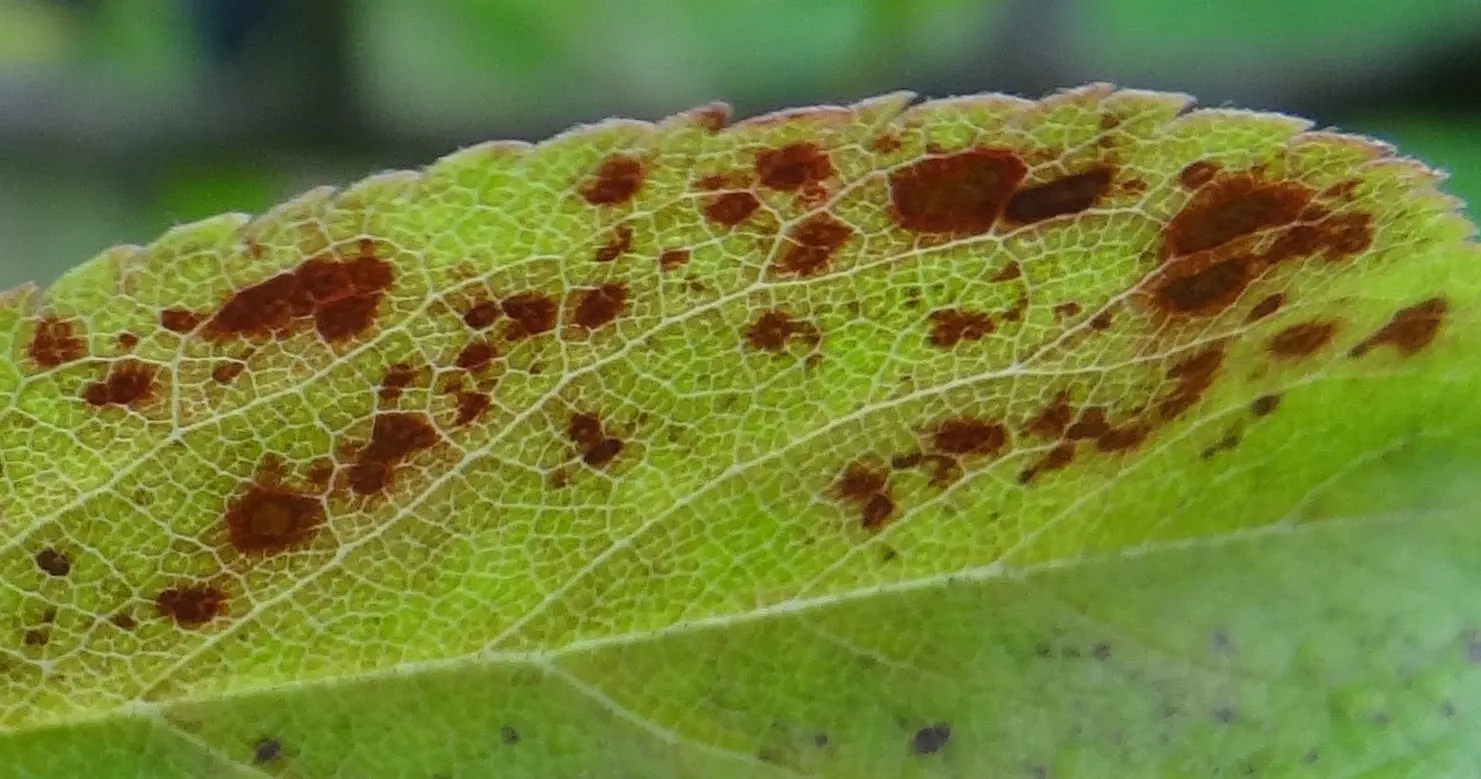
Xanthomonas arboricola pv. pruni
Bacterial disease causing leaf spots and fruit blemishes, severe in warm humid regions.
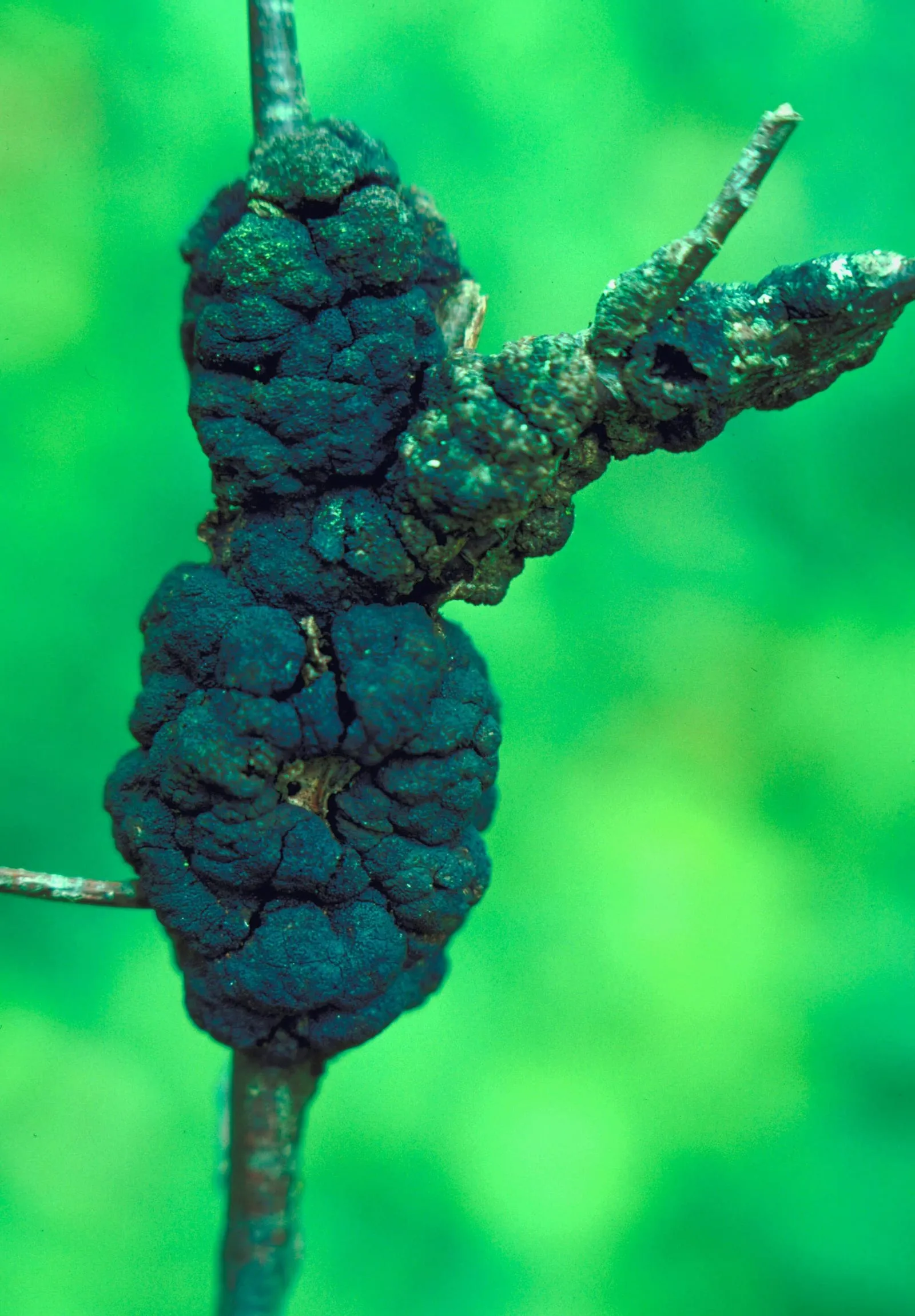
Apiosporina morbosa
Fungal disease producing characteristic black warty galls on plum and cherry branches.
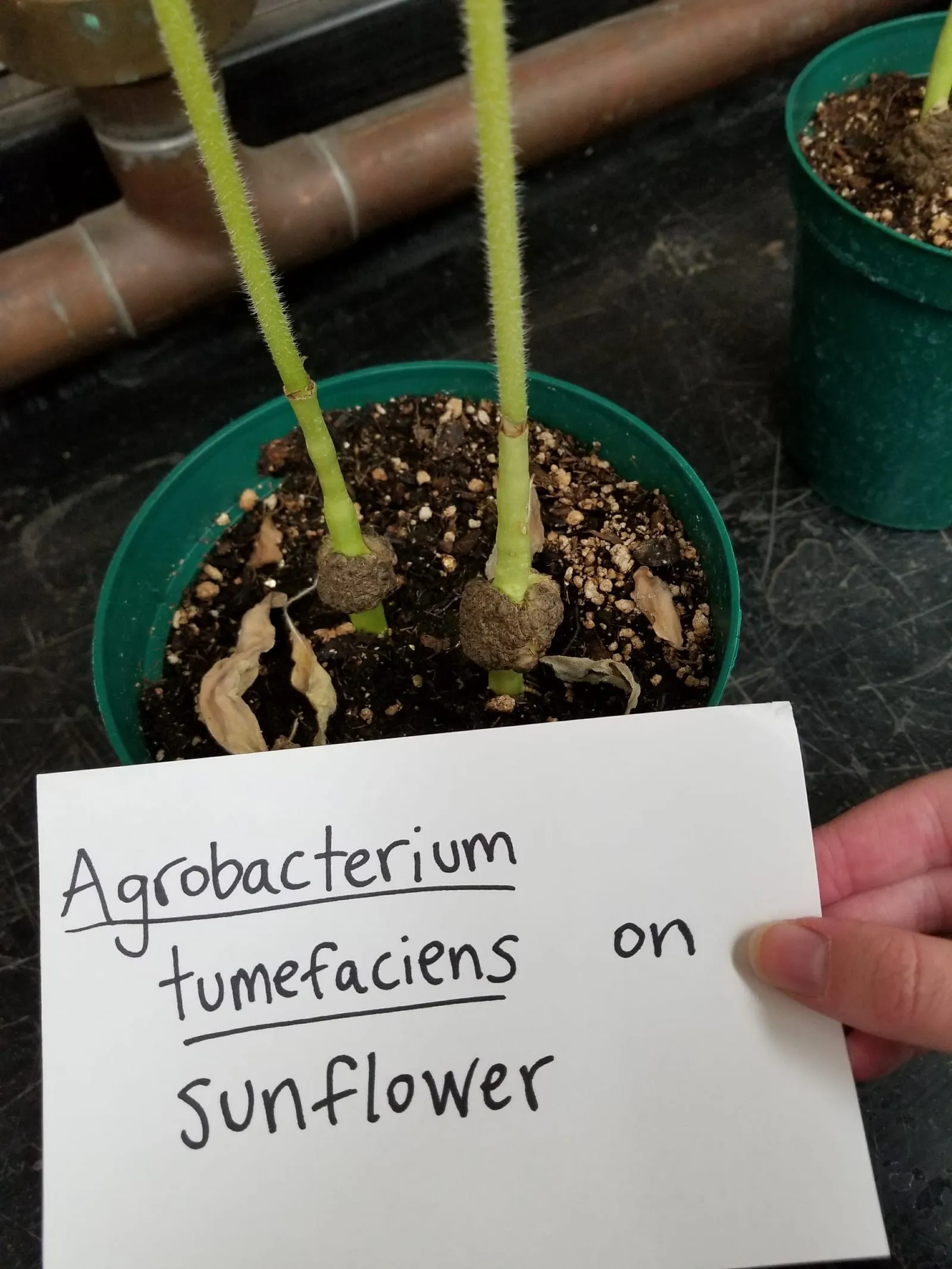
Agrobacterium tumefaciens
Soil-borne bacterium that enters plants through wounds and induces tumor-like galls on roots, crown, and lower stems. Galls reduce vigor and shorten plant lifespan; on Rubus the disease is often fatal.
Modified care for zone 7b
Brown rot is the dominant management challenge in zone 7b's humid summers. Thinning fruit to reduce cluster density and improving canopy airflow through annual pruning both reduce infection opportunity without chemical inputs. Where brown rot pressure is high, a copper-based spray at shuck split and a follow-up at pit hardening are standard recommendations from extension programs in the region.
Bacterial spot favors warm, wet springs and is more severe in some years than others. Variety selection matters here: Methley shows better tolerance than Santa Rosa under consistent bacterial spot pressure.
Japanese beetles and brown marmorated stink bugs cause cosmetic and structural fruit damage from late June onward. Netting is effective for small plantings. Insecticide timing for stink bugs is difficult given their mobility. Planting away from woodland edges reduces stink bug pressure somewhat, though not reliably.
Frequently asked questions
- Do Japanese plums need a pollinator in zone 7b?
Methley is self-fruitful and will set a crop without a second tree. Santa Rosa is partially self-fruitful but produces more reliably with a compatible pollinator nearby. Shiro benefits from cross-pollination. Plant two varieties if space allows.
- How serious is late-frost risk for Japanese plum in zone 7b?
It is the single biggest yield variable in this zone. Japanese plum blooms two to four weeks before the average last frost date. In years with a late hard freeze in March or early April, the entire crop can be lost. Site selection, including avoiding low frost-pocket ground, is the most practical mitigation.
- What is the best Japanese plum variety for zone 7b beginners?
Methley is the most consistently recommended starting point for zone 7b. It is self-fruitful, chill-hour requirements align well with the zone, and it shows reasonable tolerance to bacterial spot compared to some alternatives. Fruit quality is good, not exceptional.
- When should Japanese plum be pruned in zone 7b?
Prune during late dormancy, late January to mid-February, before bud swell. Pruning too early in winter increases cold-injury risk to cut surfaces. Delaying until just before growth begins reduces that risk and allows annual cold-damage assessment before finalizing cuts.
+−
+−
+−
+−
Japanese Plum in adjacent zones
Image: "Starr 080405-3957 Prunus salicina", by Forest & Kim Starr, via Wikimedia Commons, licensed under CC-BY Source.

Related