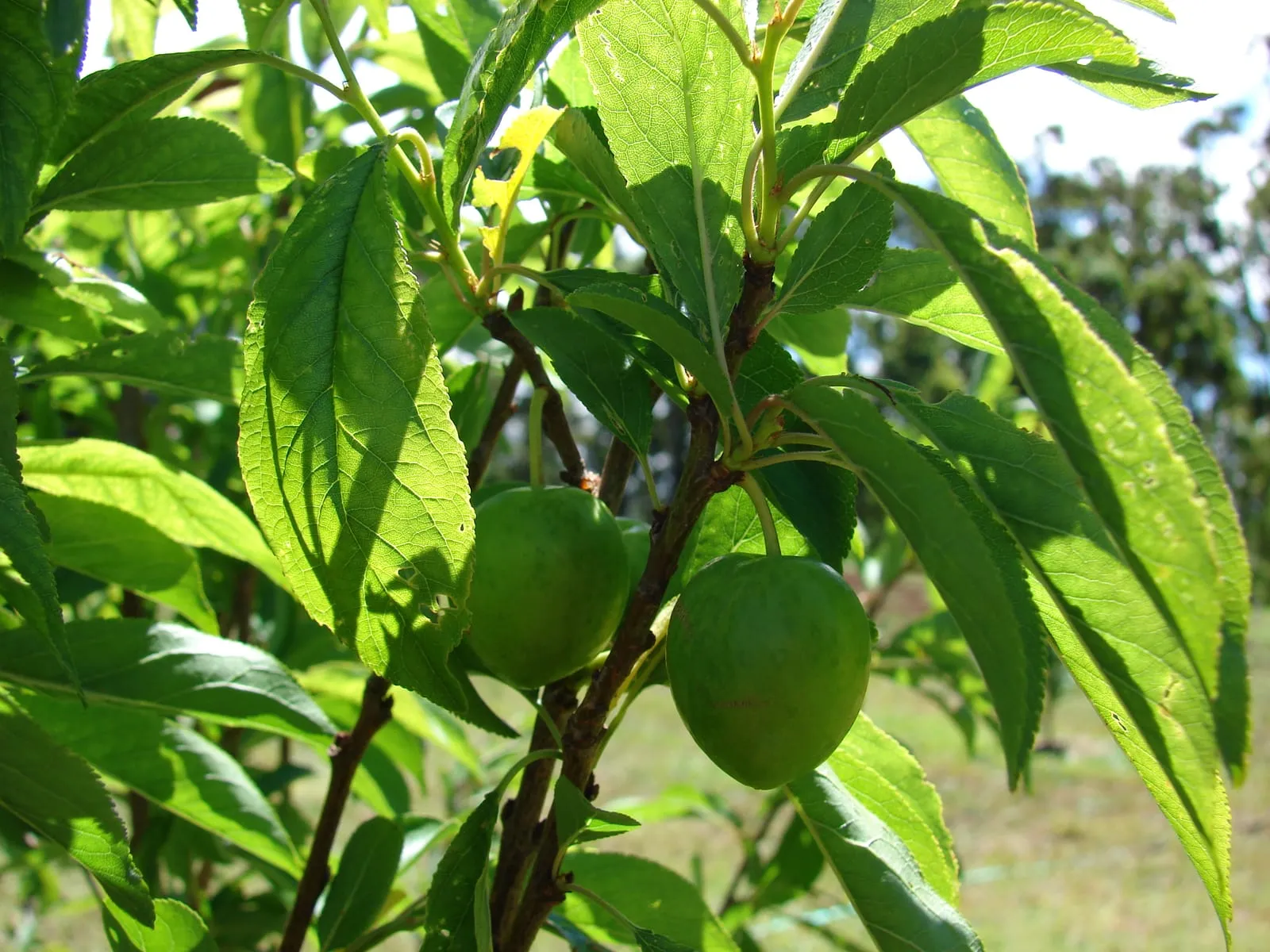
fruit tree in zone 8a
Growing japanese plum in zone 8a
Prunus salicina
- Zone
- 8a 10°F to 15°F
- Growing season
- 240 days
- Chill needed
- 500 to 900 below 45°F
- Suitable varieties
- 2
- Days to harvest
- 120 to 150
The verdict
Zone 8a sits at the warm edge of the Japanese plum's comfortable range, but variety selection largely determines whether this is a sweet spot or a marginal situation. Japanese plum as a group spans a wide chill-hour window (500 to 900 hours), and zone 8a typically accumulates between 400 and 700 chill hours depending on elevation and proximity to the coast. Low-chill selections like Methley (roughly 250 to 300 hours required) and Santa Rosa (300 to 400 hours) will satisfy their dormancy requirements with room to spare in virtually any zone 8a location. Varieties toward the high end of that 500 to 900 hour range are a different story and should be avoided without local chill-hour data in hand. The 240-day growing season creates no constraint for Japanese plum; the limiting factor is always chill accumulation, not season length. For growers willing to stay within the low-chill variety set, zone 8a is a productive environment rather than a compromise.
Recommended varieties for zone 8a
2 cultivars suited to this zone, with disease-resistance and zone-fit annotations.
| Variety | Notes | Zone fit | Disease resistance |
|---|---|---|---|
| Methley fits zone 8a | Very sweet, juicy, dark red flesh and skin; outstanding fresh-eating plum, juice runs down your chin. Self-fertile and broadly adapted. | | none noted |
| Santa Rosa fits zone 8a | Sweet-tart with rich complex flavor, juicy, deep red skin and amber flesh; the classic California fresh-eating plum, also excellent for jam. | | none noted |
Critical timing for zone 8a
Japanese plum blooms early, typically late January through mid-March in zone 8a depending on the variety and winter temperatures in a given year. This creates a recurring frost-exposure problem: zone 8a last-frost dates commonly fall in mid-March to early April, which overlaps directly with peak bloom for early-flowering selections. Methley is among the earliest to bloom, placing it at higher frost risk than later-blooming varieties. Harvest follows bloom by roughly 60 to 90 days. Methley typically ripens in late May to June, while Santa Rosa follows in June to July. The long, warm summer compresses little of the fruit development window but does accelerate brown rot pressure as fruit approaches maturity, so monitoring from color break onward is important.
Common challenges in zone 8a
- ▸ Insufficient chill hours for some apple varieties
- ▸ Pierce's disease in grapes
- ▸ Heat stress on cool-season crops
Disease pressure to watch for
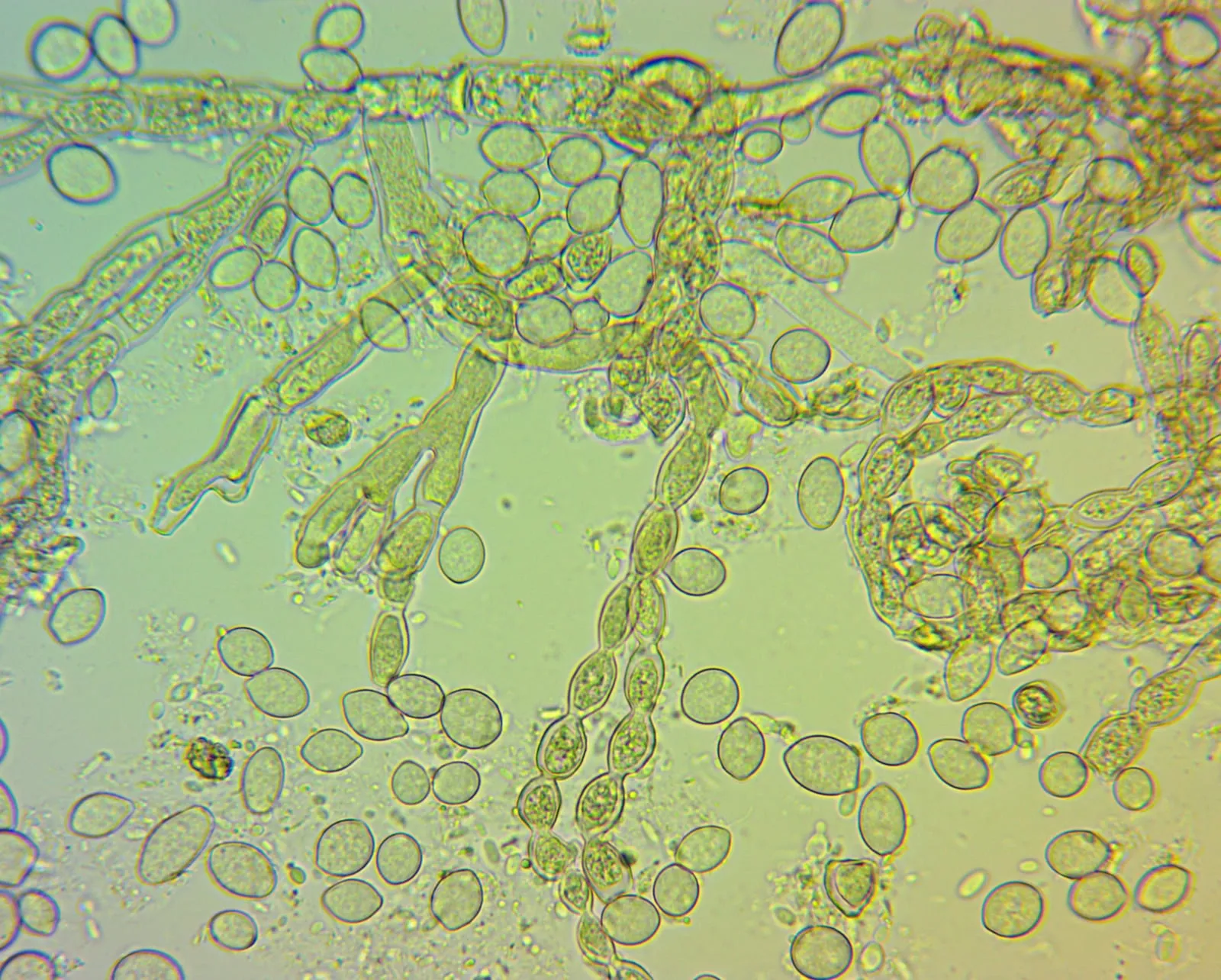
Monilinia fructicola
The most damaging stone-fruit and almond disease, causing blossom blight and fruit rot.
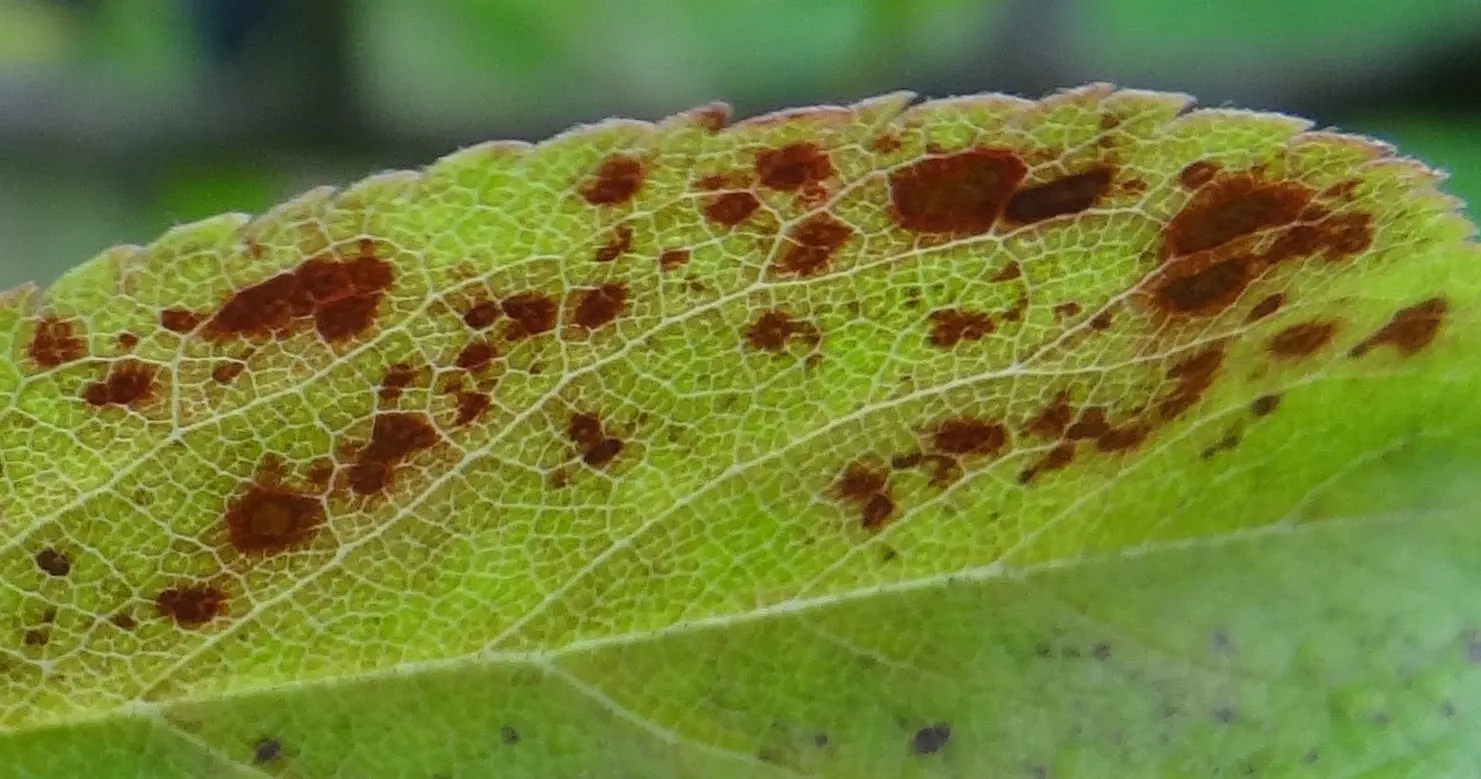
Xanthomonas arboricola pv. pruni
Bacterial disease causing leaf spots and fruit blemishes, severe in warm humid regions.
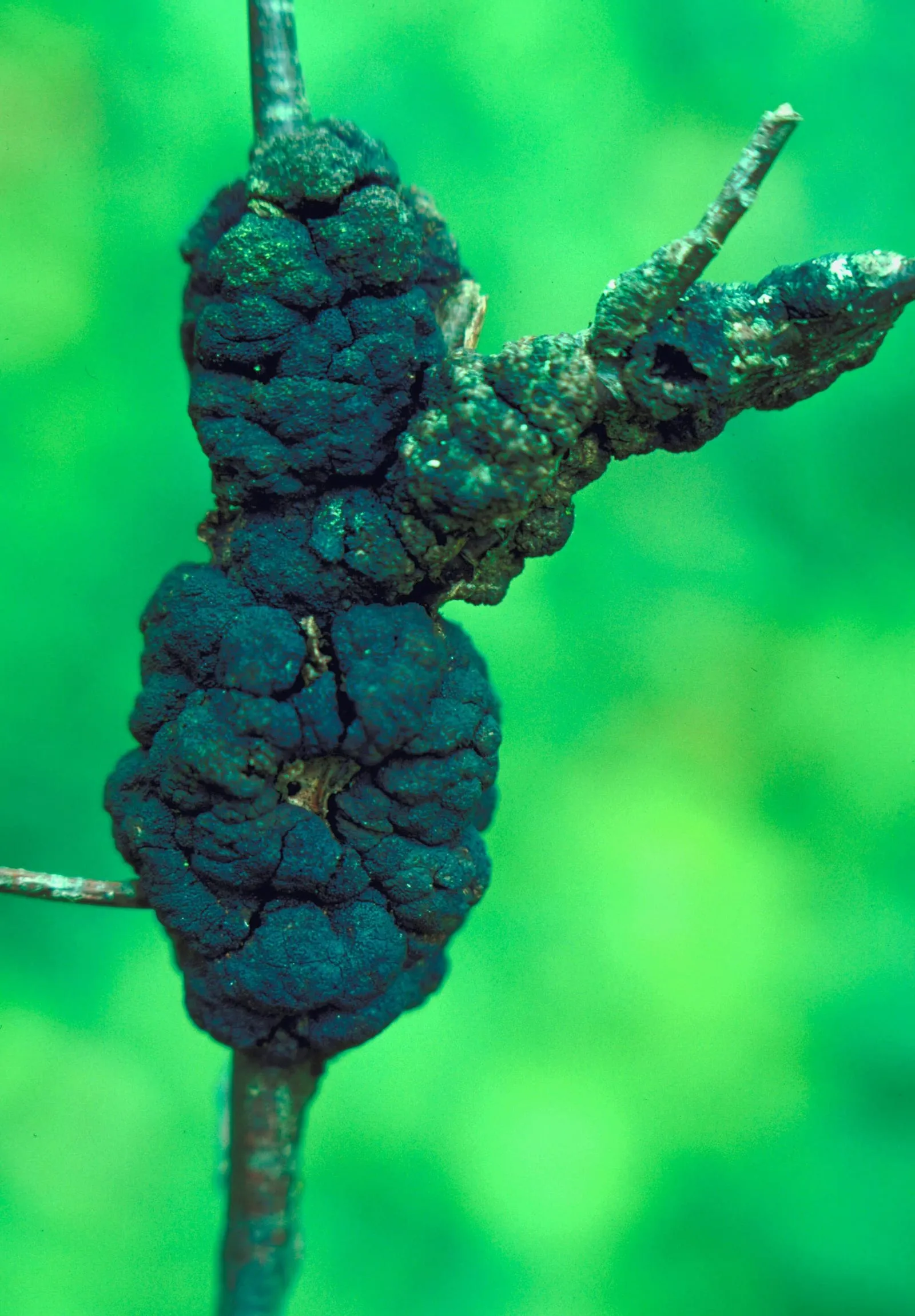
Apiosporina morbosa
Fungal disease producing characteristic black warty galls on plum and cherry branches.
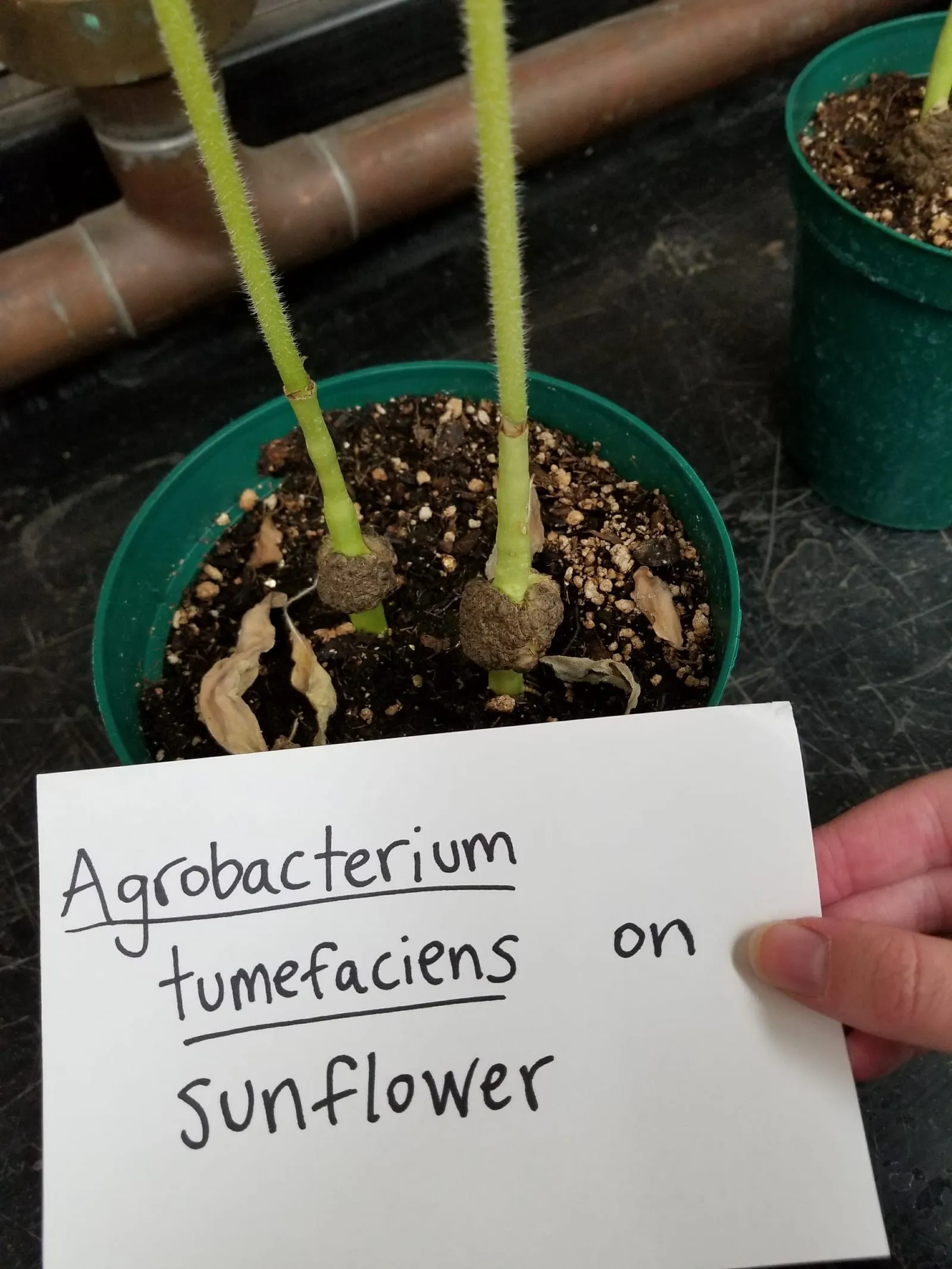
Agrobacterium tumefaciens
Soil-borne bacterium that enters plants through wounds and induces tumor-like galls on roots, crown, and lower stems. Galls reduce vigor and shorten plant lifespan; on Rubus the disease is often fatal.
Modified care for zone 8a
The primary adjustments in zone 8a center on disease management rather than cold protection. Brown rot is the dominant concern: warm, humid conditions from late winter through early summer create repeated infection windows during bloom, shuck fall, and harvest. A fungicide program timed to these windows is not optional in most zone 8a climates, particularly in the Southeast and Gulf Coast portions of the zone. Bacterial spot pressure also increases with summer heat and wet weather; copper applications in late dormancy help reduce inoculum, but resistant varieties are a more durable tool. Winter protection is rarely necessary for the tree itself, though late-frost protection for open blooms (row covers, overhead irrigation, or site selection favoring cold-air drainage) is worth planning for. Fruit thinning is as important here as anywhere in the range and should not be skipped given the ample growing season.
Frequently asked questions
- Do Japanese plums need a pollinator in zone 8a?
Methley is self-fertile and will set fruit without a second tree, making it a common choice for small gardens. Santa Rosa is partially self-fertile but produces more reliably with a compatible pollinizer nearby. Any two Japanese plum varieties that bloom at the same time will cross-pollinate each other.
- Which Japanese plum varieties work best in zone 8a?
Methley and Santa Rosa are the most widely recommended because their chill-hour requirements fall well within what zone 8a reliably delivers. Both have long track records in the Southeast and California's warmer inland valleys. Varieties requiring more than 600 chill hours carry real risk of poor fruit set in low-chill years.
- How serious is brown rot on Japanese plum in zone 8a?
Brown rot (Monilinia fructicola) is the most damaging disease on stone fruit in warm, humid parts of zone 8a. It can devastate a crop during wet bloom periods or humid stretches near harvest. A timed fungicide program, combined with removal of mummified fruit, is the standard management approach.
- When should Japanese plum be pruned in zone 8a?
Late dormancy, typically late January to mid-February in zone 8a, is the preferred window. Pruning before bloom allows clean wound healing and reduces bacterial spot entry points. Summer pruning to open canopy structure can be done after harvest to improve air circulation and reduce disease pressure the following season.
+−
+−
+−
+−
Japanese Plum in adjacent zones
Image: "Starr 080405-3957 Prunus salicina", by Forest & Kim Starr, via Wikimedia Commons, licensed under CC-BY Source.

Related