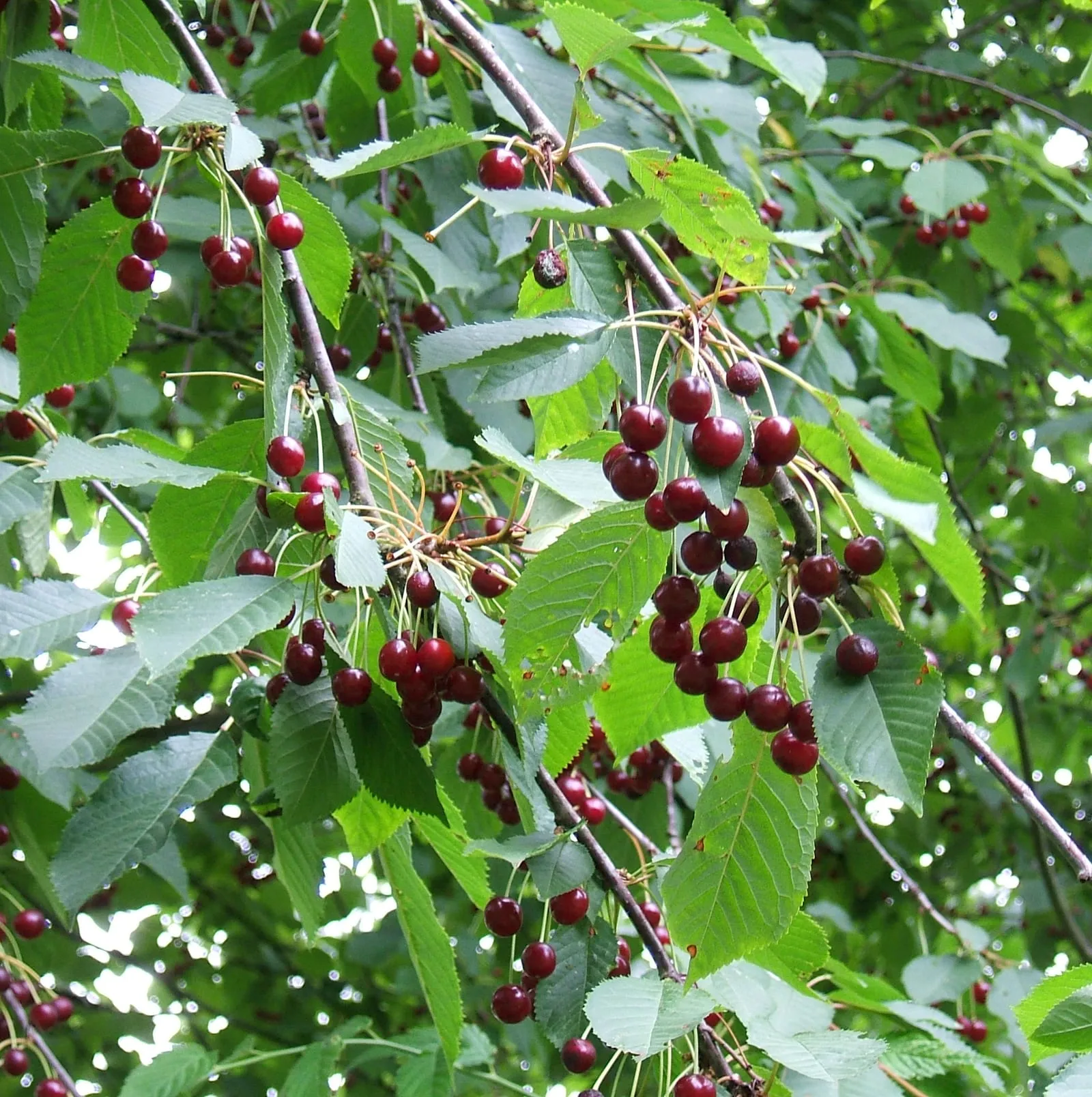
fruit tree in zone 6b
Growing sweet cherry in zone 6b
Prunus avium
- Zone
- 6b -5°F to 0°F
- Growing season
- 190 days
- Chill needed
- 700 to 1100 below 45°F
- Suitable varieties
- 4
- Days to harvest
- 60 to 80
The verdict
Zone 6b is a reliable, not marginal, zone for sweet cherry. The winter minimum of -5°F to 0°F is well within the crop's cold tolerance, and most zone 6b locations accumulate 1,000 to 1,200 chill hours annually, sitting comfortably inside the 700 to 1,100 hour window most sweet cherry varieties require. Underchill is rarely a problem here; in fact, growers closer to the warmer edge of zone 6 sometimes see erratic bloom, but 6b's more consistent winters typically deliver a full dormancy break.
The 190-day growing season provides ample time from bloom through harvest with margin on both ends. The main qualification is that sweet cherry bloom arrives early, often before the last frost date, so late frost interception is a real risk in some years. Site selection matters more than zone suitability for sweet cherry in zone 6b.
Recommended varieties for zone 6b
4 cultivars suited to this zone, with disease-resistance and zone-fit annotations.
| Variety | Notes | Zone fit | Disease resistance |
|---|---|---|---|
| Bing fits zone 6b | Sweet, firm, juicy, deep mahogany-red; the industry standard sweet cherry, classic flavor for fresh eating. Requires a pollinator. | | none noted |
| Stella fits zone 6b | Sweet, firm, dark red; very good fresh-eating quality. Self-fertile so a single tree produces, also a good pollinator for Bing. | | none noted |
| Lapins fits zone 6b | Sweet, large, dark red, crack-resistant in rain; one of the best modern fresh-eating cherries. Self-fertile. | | none noted |
| Rainier fits zone 6b | Very sweet, mild, yellow-pink blushed skin with creamy yellow flesh; premium dessert cherry with a delicate flavor. Beautiful but bird-prone. | | none noted |
Critical timing for zone 6b
Sweet cherry bloom in zone 6b typically falls between late March and mid-April, depending on accumulated heat units after dormancy breaks. This window frequently overlaps with the region's last frost dates, which run from late March into mid-April across much of zone 6b. A single hard frost during full bloom can cut a harvest sharply.
Harvest follows 55 to 70 days after bloom for most varieties, placing fruit maturity in late May through late June. Bing and Lapins typically come in earliest; Rainier tends to trail by 7 to 10 days. The 190-day growing season means the crop completes well before fall frost pressure, so the calendar risk is concentrated entirely at the front end.
Common challenges in zone 6b
- ▸ Cedar-apple rust
- ▸ Fire blight
- ▸ Stink bugs
Disease pressure to watch for
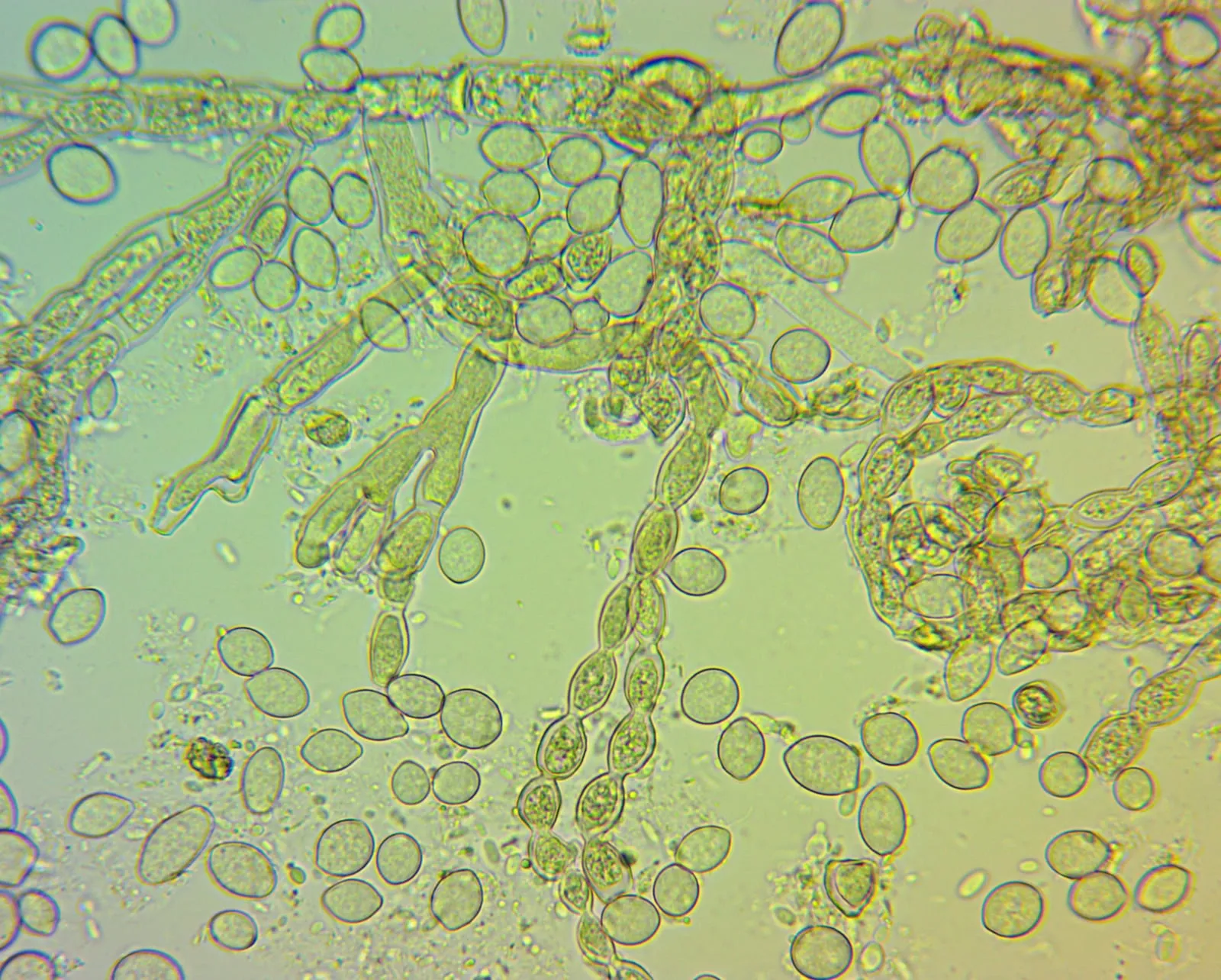
Monilinia fructicola
The most damaging stone-fruit and almond disease, causing blossom blight and fruit rot.
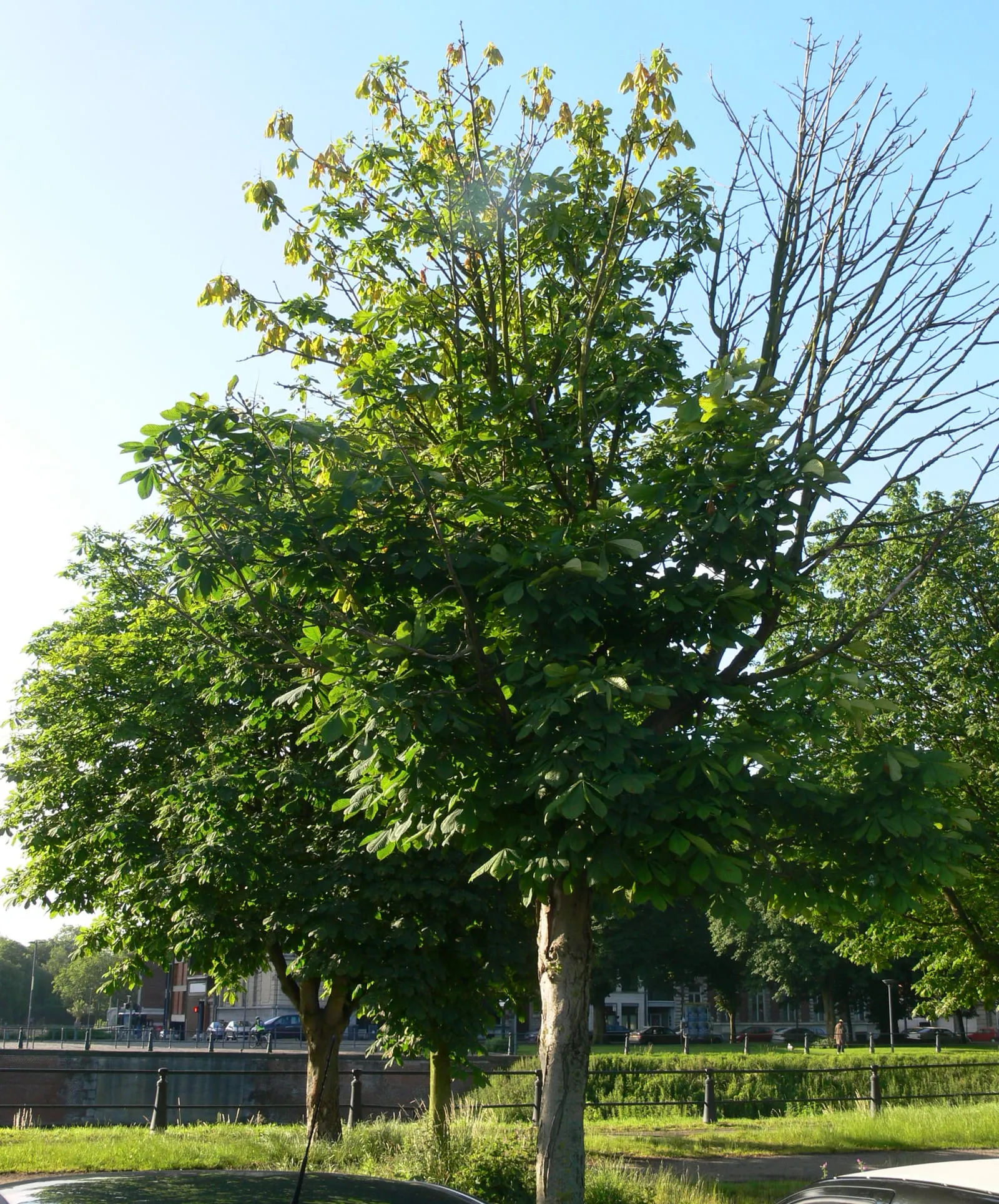
Pseudomonas syringae
Bacterial disease causing limb dieback and gummosis, particularly damaging in wet cool springs.
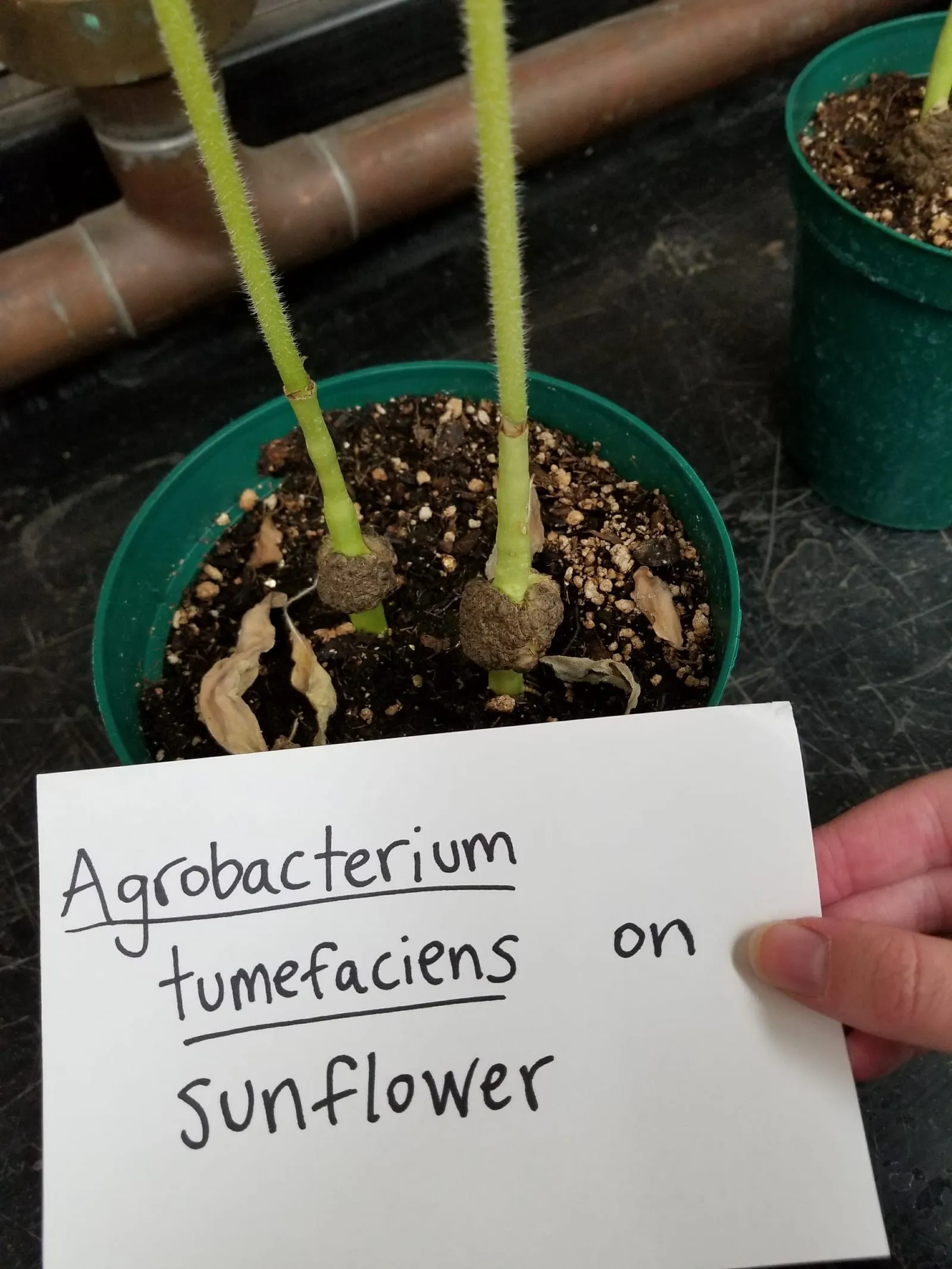
Agrobacterium tumefaciens
Soil-borne bacterium that enters plants through wounds and induces tumor-like galls on roots, crown, and lower stems. Galls reduce vigor and shorten plant lifespan; on Rubus the disease is often fatal.
Modified care for zone 6b
The primary management adjustment in zone 6b is frost protection during bloom. Siting trees on elevated ground or north-facing slopes delays bloom slightly and reduces exposure to the coldest air, which settles in low spots. Overhead microsprinklers can protect open bloom down to about 27°F if run continuously during a freeze event, though this is infrastructure-intensive for a home planting.
Bacterial canker pressure is worth monitoring, particularly after wet winters. Pruning during dry weather in late summer rather than early spring reduces infection windows. Brown rot intensifies in humid zone 6b summers; thinning the canopy for airflow and removing mummified fruit are the two highest-return practices. Stink bug activity peaks at ripening and is one of the harder problems to manage organically in this region.
Frequently asked questions
- Do sweet cherries need a pollinator in zone 6b?
Most sweet cherry varieties are self-incompatible and require a second variety blooming simultaneously. Stella and Lapins are notable exceptions, both are self-fertile. If planting Bing or Rainier, pairing with Lapins covers pollination and adds self-fertile backup.
- Will zone 6b winters ever be too cold for sweet cherry?
Established sweet cherry trees tolerate down to about -15°F to -20°F before significant wood damage. Zone 6b minimums of -5°F to 0°F are well inside that range. Young trees in their first two winters are more vulnerable; trunk wraps and mulching the root zone reduce cold stress until the tree matures.
- What causes sweet cherries to crack in zone 6b?
Fruit cracking happens when rain saturates maturing cherries 10 to 14 days before harvest. Zone 6b's June rainfall pattern puts the crop at moderate cracking risk. Lapins has stronger crack resistance than Bing or Rainier, which is a practical reason to include it in a zone 6b planting.
+−
+−
+−
Sweet Cherry in adjacent zones
Image: "Prunus avium fruit", by MPF, via Wikimedia Commons, licensed under CC-BY Source.

Related