fruit tree in zone 6a
Growing sweet cherry in zone 6a
Prunus avium
- Zone
- 6a -10°F to -5°F
- Growing season
- 180 days
- Chill needed
- 700 to 1100 below 45°F
- Suitable varieties
- 4
- Days to harvest
- 60 to 80
The verdict
Zone 6a sits comfortably within the chill-hour range sweet cherry requires. Winter temperatures regularly reaching -10 to -5°F ensure that the 700 to 1,100 hours below 45°F needed by most sweet cherry varieties accumulate reliably in most seasons. Cold satisfaction is not the limiting factor here.
The real constraint in zone 6a is bloom timing. Sweet cherries break dormancy and flower early, typically in April, and last frost dates across the zone can fall anywhere from mid-April into early May depending on elevation, terrain, and local microclimate. That overlap puts the bloom window directly in the path of late frost events, making frost damage the primary threat to reliable cropping rather than winter cold injury. Zone 6a is not marginal for sweet cherry in the way that zone 8 or 9 would be, but growers should treat spring frost protection as a recurring requirement rather than an occasional concern.
Recommended varieties for zone 6a
4 cultivars suited to this zone, with disease-resistance and zone-fit annotations.
| Variety | Notes | Zone fit | Disease resistance |
|---|---|---|---|
| Bing fits zone 6a | Sweet, firm, juicy, deep mahogany-red; the industry standard sweet cherry, classic flavor for fresh eating. Requires a pollinator. | | none noted |
| Stella fits zone 6a | Sweet, firm, dark red; very good fresh-eating quality. Self-fertile so a single tree produces, also a good pollinator for Bing. | | none noted |
| Lapins fits zone 6a | Sweet, large, dark red, crack-resistant in rain; one of the best modern fresh-eating cherries. Self-fertile. | | none noted |
| Rainier fits zone 6a | Very sweet, mild, yellow-pink blushed skin with creamy yellow flesh; premium dessert cherry with a delicate flavor. Beautiful but bird-prone. | | none noted |
Critical timing for zone 6a
Sweet cherry bloom in zone 6a typically opens in early to mid-April. With last frost dates ranging from mid-April to early May across the zone, the flowering window and frost risk overlap directly. Variety choice shifts the exposure: Bing and Rainier tend to bloom earlier, while Lapins runs approximately one week later, offering some reduction in frost event probability.
Harvest follows roughly 60 to 75 days after bloom, placing peak harvest in June for early varieties and extending into early July for later types. Growers in low-lying areas or cold terrain pockets should expect both elevated frost frequency during bloom and potential compression of the bloom-to-harvest window.
Common challenges in zone 6a
- ▸ Brown rot in stone fruit
- ▸ Japanese beetles
- ▸ Spring frost damage to peach buds
Disease pressure to watch for
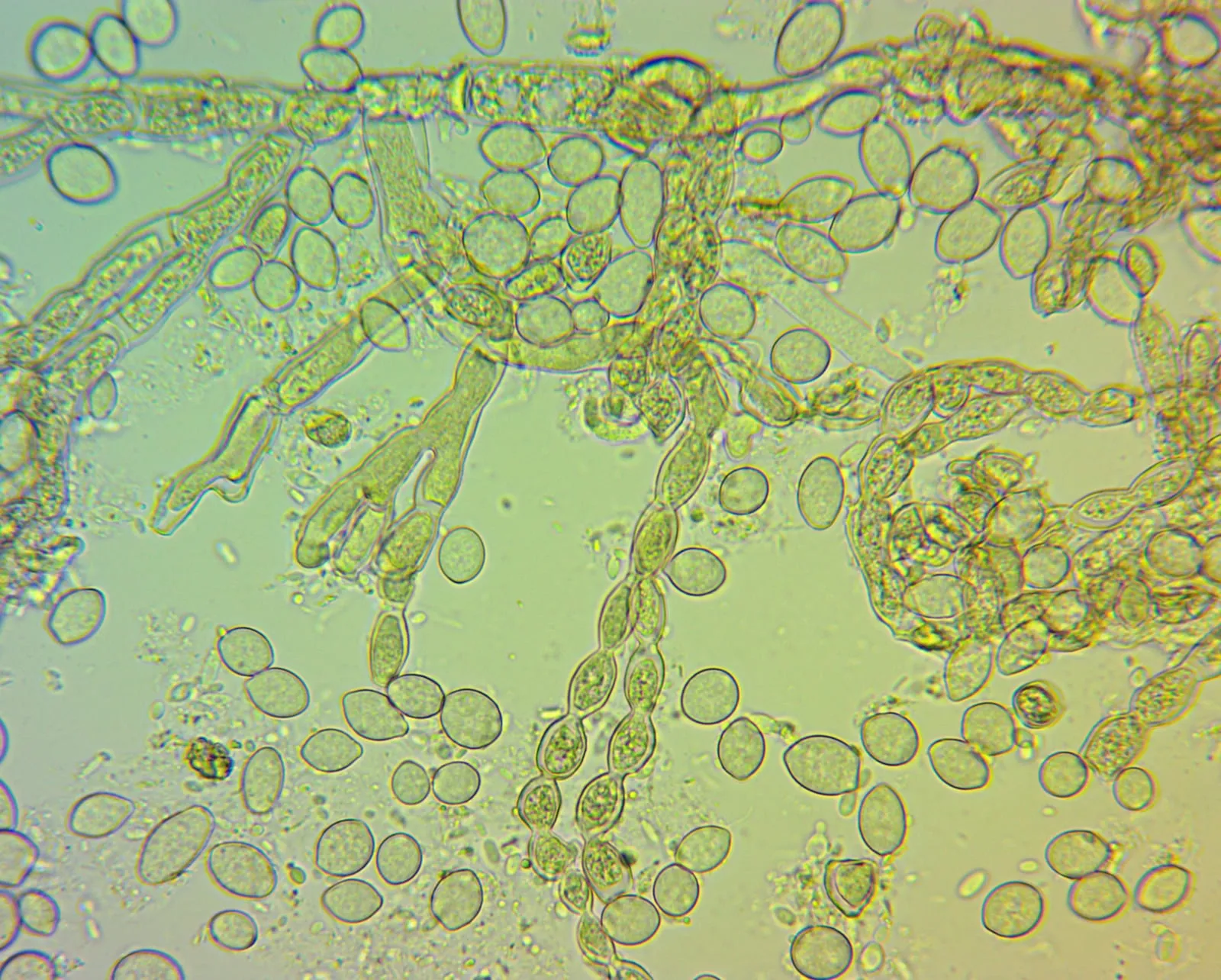
Monilinia fructicola
The most damaging stone-fruit and almond disease, causing blossom blight and fruit rot.
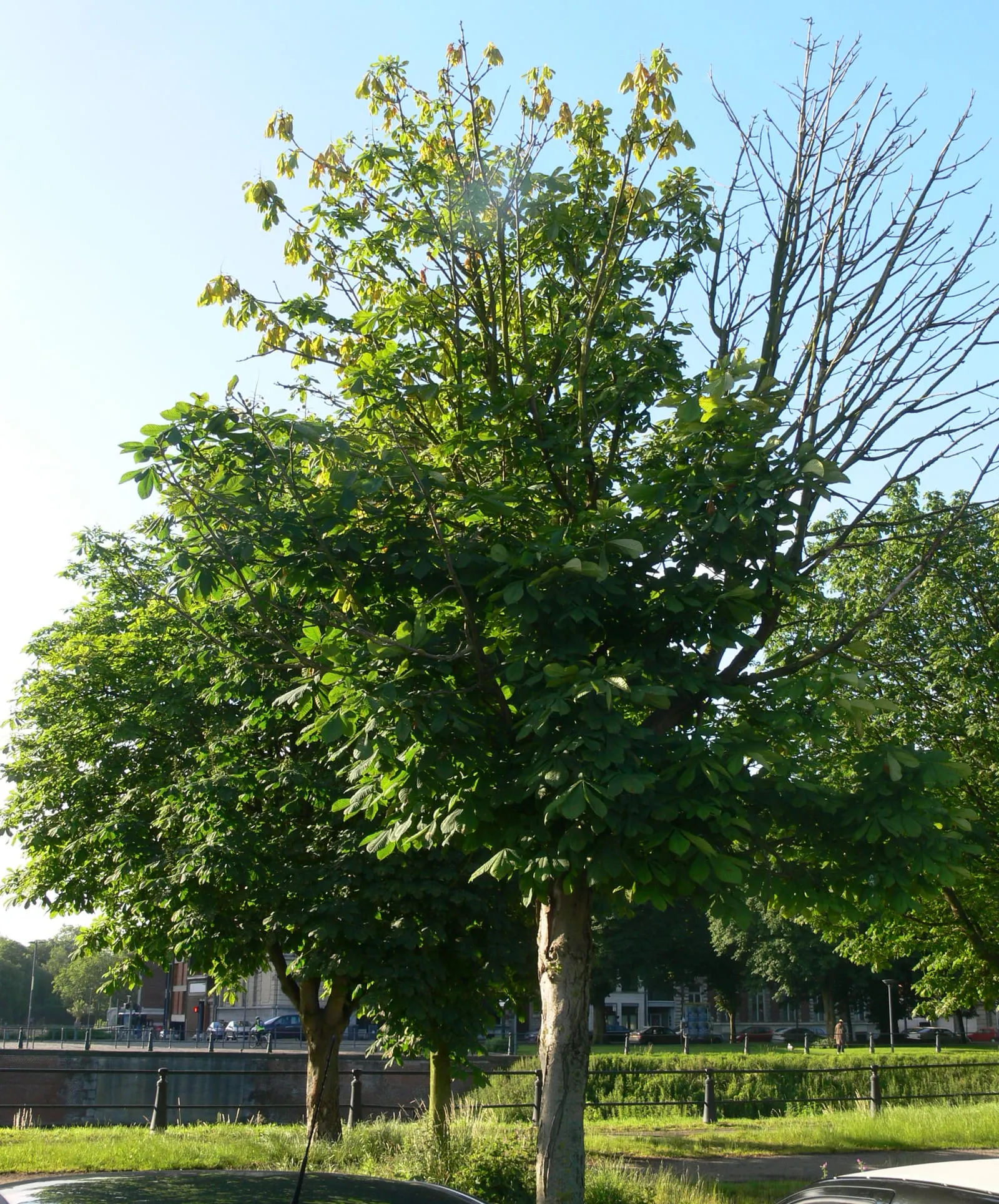
Pseudomonas syringae
Bacterial disease causing limb dieback and gummosis, particularly damaging in wet cool springs.
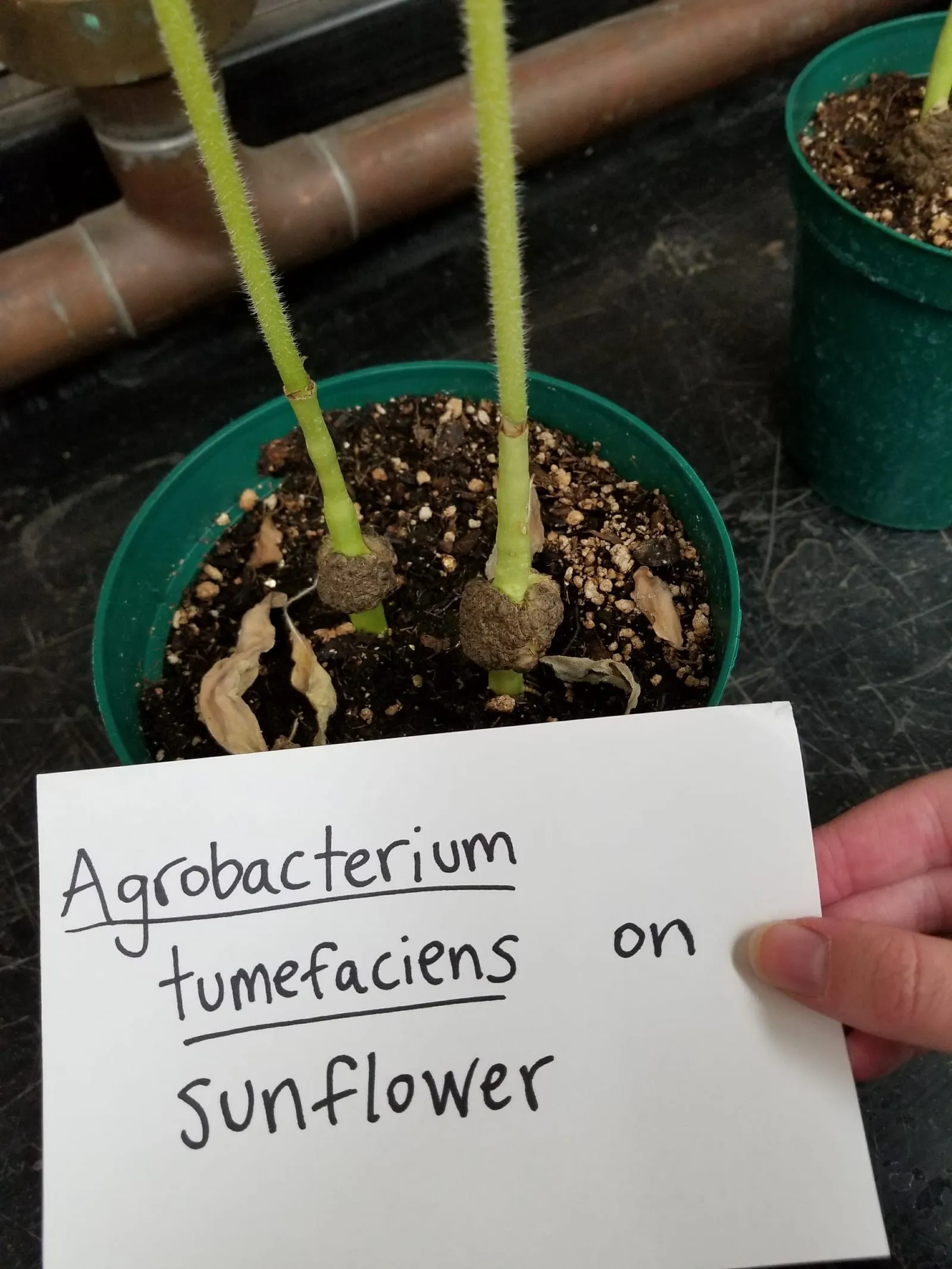
Agrobacterium tumefaciens
Soil-borne bacterium that enters plants through wounds and induces tumor-like galls on roots, crown, and lower stems. Galls reduce vigor and shorten plant lifespan; on Rubus the disease is often fatal.
Modified care for zone 6a
Brown rot pressure on stone fruit is a documented challenge in zone 6a. With sweet cherry, the risk concentrates around bloom and again as fruit approaches maturity during warm, wet periods. Preventive fungicide applications starting at bloom are necessary. Waiting for visible symptoms is not a viable approach.
Bacterial canker management depends heavily on pruning timing. Cuts made during fall or early winter, when trees are entering dormancy and wound closure is slow, carry higher infection risk. Pruning during dry conditions in late winter or early spring reduces exposure.
Japanese beetle pressure in summer can stress trees through defoliation. For small plantings, hand removal or targeted insecticide applications are more reliable than mass trapping.
Site selection has outsized importance in this zone. Planting on a gentle slope above frost-prone low ground can meaningfully reduce the number of damaging bloom-period frost events compared to flat or low-lying sites.
Frequently asked questions
- Is zone 6a cold enough to meet sweet cherry chill-hour requirements?
Yes. Zone 6a winters, with minimum temperatures of -10 to -5°F, reliably accumulate well within the 700 to 1,100 chill hours most sweet cherry varieties need. Insufficient chilling is rarely a problem in this zone.
- Which sweet cherry varieties perform best in zone 6a?
Stella, Lapins, Bing, and Rainier are all adapted to zone 6a. Lapins is self-fertile and blooms slightly later than Bing or Rainier, which can reduce frost damage risk. Bing produces high-quality fruit but requires a pollenizer.
- How serious is spring frost risk for sweet cherry in zone 6a?
It is the primary production risk. Sweet cherry blooms in early to mid-April, which overlaps with the zone's typical last frost window. A single frost event during full bloom can eliminate most or all of a season's crop. Site selection and frost protection measures are both important.
- Does sweet cherry need a pollenizer in zone 6a?
It depends on the variety. Stella and Lapins are self-fertile and can set fruit without a pollenizer. Bing and Rainier require cross-pollination from a compatible variety blooming at the same time. Planting two compatible varieties within 50 feet generally ensures adequate pollination.
+−
+−
+−
+−
Sweet Cherry in adjacent zones
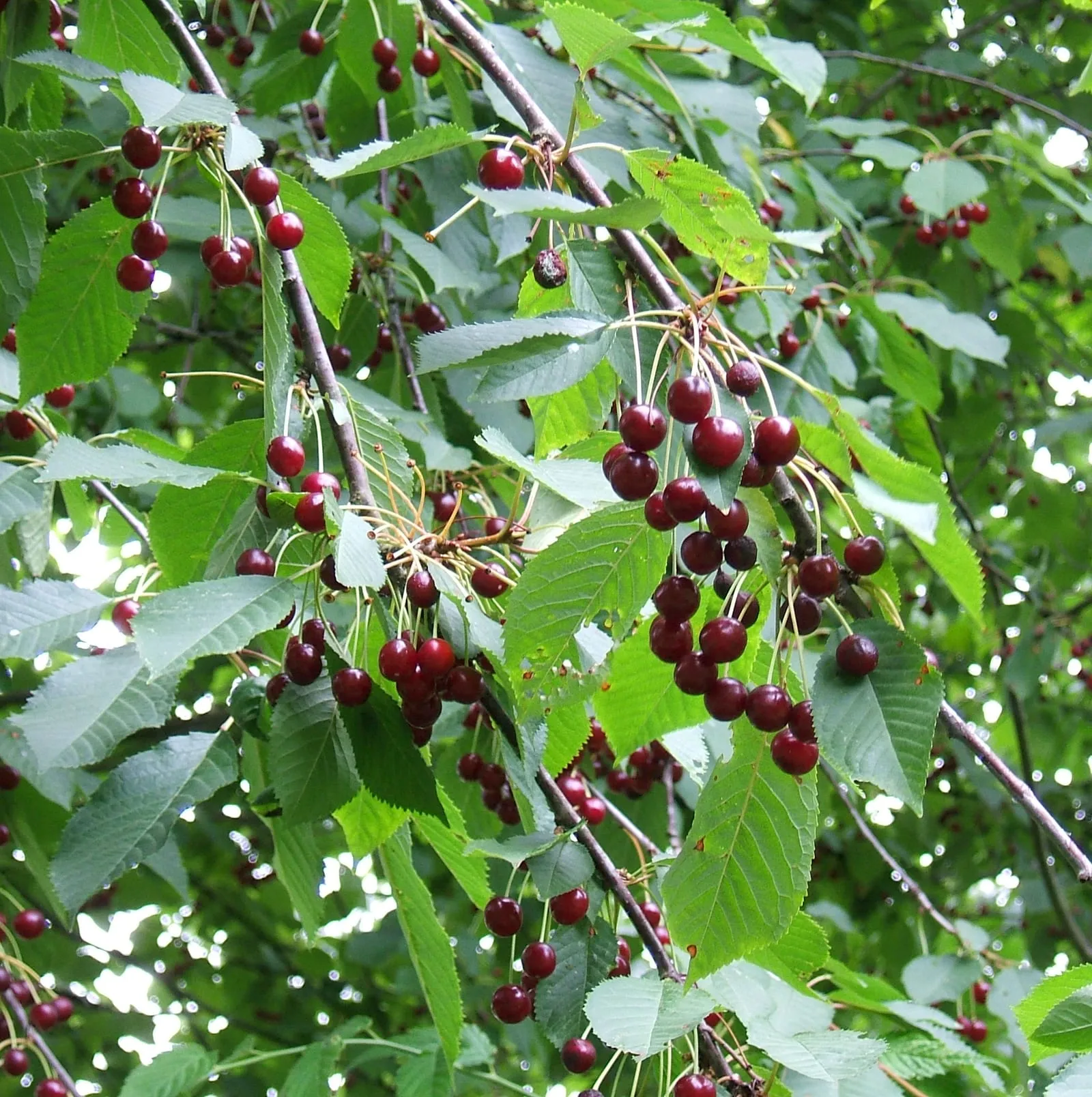
Image: "Prunus avium fruit", by MPF, via Wikimedia Commons, licensed under CC-BY Source.

Related