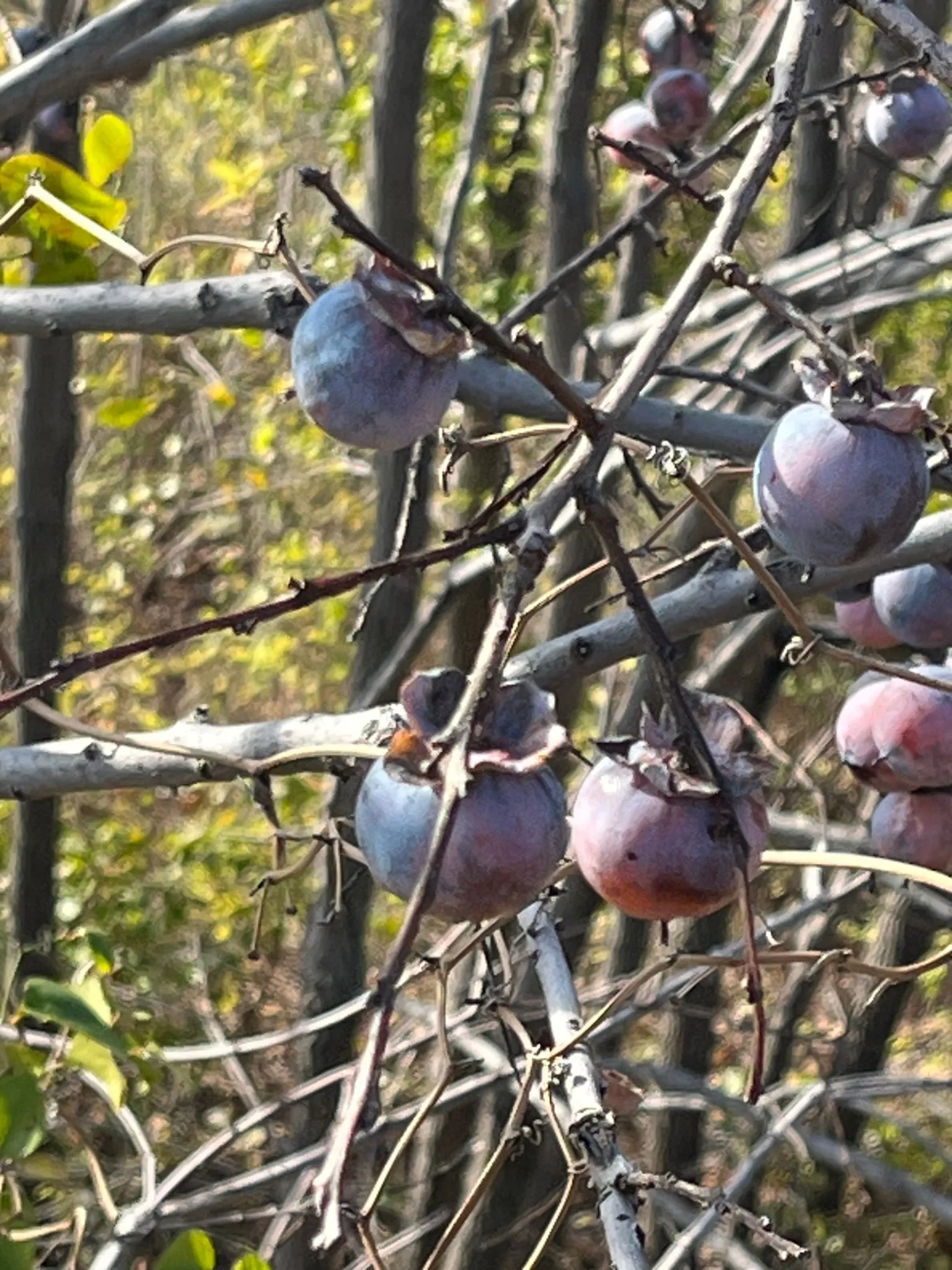
fruit tree in zone 8b
Growing american persimmon in zone 8b
Diospyros virginiana
- Zone
- 8b 15°F to 20°F
- Growing season
- 260 days
- Chill needed
- 100 to 400 below 45°F
- Suitable varieties
- 0
- Days to harvest
- 180 to 240
The verdict
American Persimmon (Diospyros virginiana) is a strong fit for zone 8b, not a marginal one. Its chill-hour requirement of 100 to 400 hours aligns well with what zone 8b reliably accumulates across most winters, even in warmer coastal pockets. The species is native to much of the southeastern United States, so zone 8b represents familiar territory rather than the edge of its range.
The zone's 260-day growing season gives the fruit ample time to develop and fully ripen before the first hard freeze. Unlike Asian persimmons, which can struggle with incomplete dormancy in warmer zones, American Persimmon tolerates both heat and cold with little complaint. The primary concern in zone 8b is not cold tolerance but rather whether a given winter accumulates enough chill hours in unusually warm years. At the lower end of the crop's 100-hour minimum, even a mild winter should be sufficient. Growers closer to the Gulf Coast should monitor chill hour totals during consecutive warm winters.
Critical timing for zone 8b
In zone 8b, American Persimmon typically blooms in late April through May, after the last frost window has closed. Zone 8b's last frost generally falls between late February and mid-March, so bloom timing and frost risk rarely intersect. This makes spring frost damage to flowers uncommon compared to earlier-blooming stone fruits.
Harvest runs September through November, with fruit ripening progressively from the top of the canopy downward. The traditional association between persimmon fruit and frost holds for astringency reduction, but fully ripe fruit in zone 8b often softens on the tree before the first hard freeze, which typically arrives in late November or December. Growers should assess fruit softness and sugar concentration rather than waiting for a frost event that may come late or not at all.
Common challenges in zone 8b
- ▸ Low chill hours limit apple variety selection
- ▸ Citrus greening risk
- ▸ Nematodes in sandy soils
Modified care for zone 8b
Zone 8b's primary soil hazard for American Persimmon is nematode pressure in sandy soils, listed as a regional challenge. American Persimmon seedling rootstocks vary considerably in nematode tolerance, and there is no commercial rootstock selection system for this species the way there is for apple or peach. In sandy, well-drained sites with known nematode history, planting in composted, organic-matter-rich soil and avoiding mechanical root damage during establishment reduces risk.
Summer irrigation management matters more in zone 8b than in cooler parts of the species' range. Established trees are drought-tolerant, but young trees in their first two seasons benefit from consistent moisture during prolonged dry spells. No winter protection is needed; American Persimmon is cold-hardy well below the 15 to 20°F minimum temperatures zone 8b produces. Fruit that drops before fully softening can be collected and allowed to ripen off the tree at room temperature.
Frequently asked questions
- Does American Persimmon need a pollinator tree in zone 8b?
American Persimmon is dioecious, meaning male and female flowers are on separate trees. A male tree within pollinating distance (roughly 50 to 100 feet) is needed for reliable fruit set. Some nurseries sell named female selections without specifying pollinator requirements; confirm before purchasing a single tree.
- Will the fruit taste different in zone 8b compared to cooler zones?
Possibly. In cooler zones, the first hard frost often triggers the softening process that converts astringent tannins. In zone 8b, that frost may arrive late or be mild. Fruit that ripens fully on a warm-fall schedule tends to be equally sweet when soft, but the timing is less predictable. Taste-testing individual fruit for softness is more reliable than waiting for a calendar date.
- Are there named varieties of American Persimmon suited to zone 8b?
A small number of named selections exist, including 'Meader', 'Szukis', and 'Early Golden', though availability varies by region. These selections were developed primarily in cooler zones, and zone 8b performance data is limited. Locally sourced seedlings from trees already fruiting in the region may outperform imported named varieties.
+−
+−
+−
American Persimmon in adjacent zones
Image: "Diospyros virginiana 450936388", by pynklynx, via Wikimedia Commons, licensed under CC0 Source.

Related