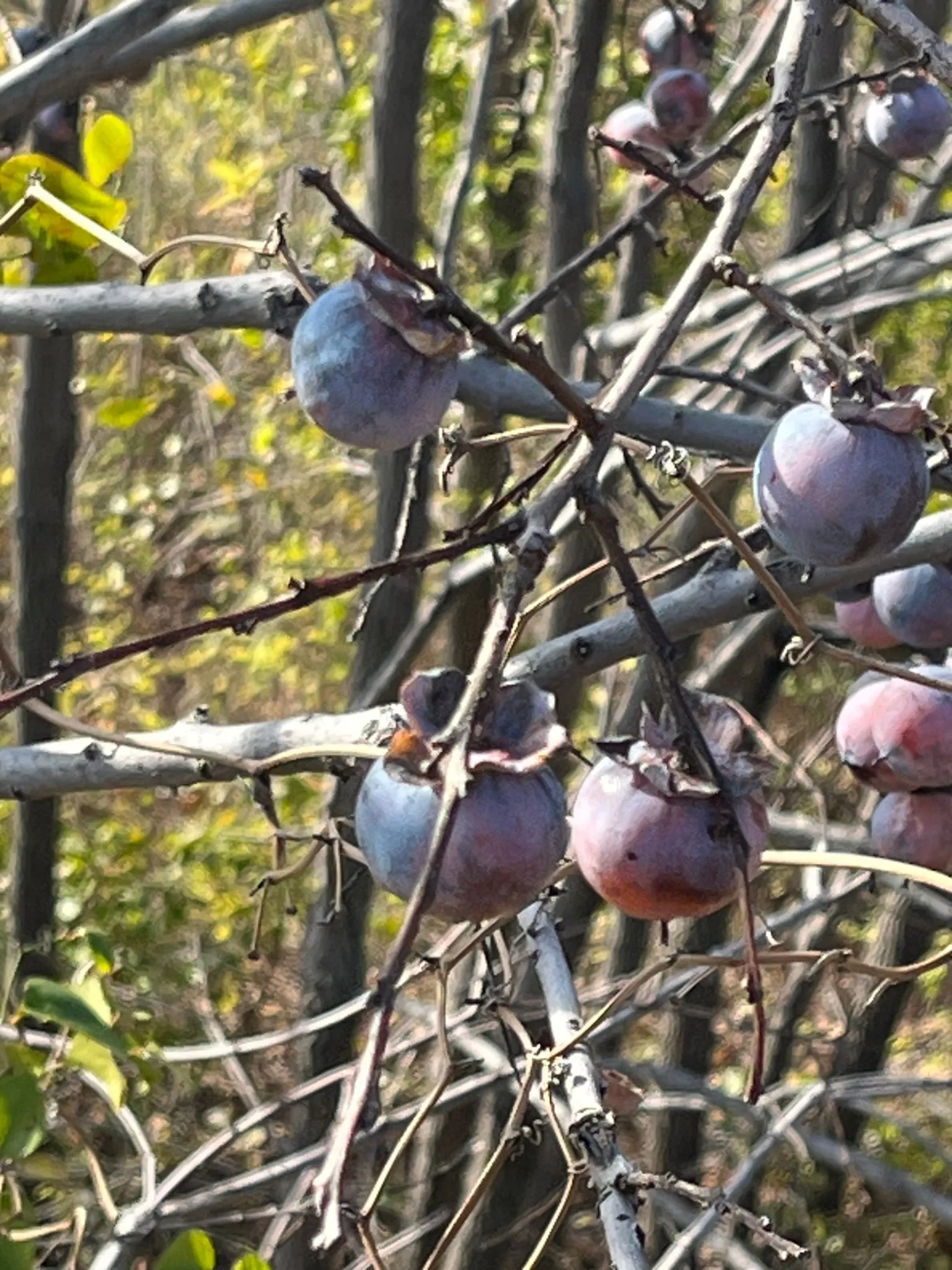
fruit tree in zone 9a
Growing american persimmon in zone 9a
Diospyros virginiana
- Zone
- 9a 20°F to 25°F
- Growing season
- 290 days
- Chill needed
- 100 to 400 below 45°F
- Suitable varieties
- 0
- Days to harvest
- 180 to 240
The verdict
American persimmon is one of the more reliable native fruit trees for zone 9a. Its chill-hour requirement of 100 to 400 hours fits comfortably within what most zone 9a locations accumulate during a typical winter, generally 150 to 350 hours depending on inland versus coastal position. This is not a marginal pairing. Unlike stone fruits, which struggle badly in zone 9a due to insufficient chill, American persimmon is well-suited to the shorter, mild winters characteristic of this zone.
The 290-day growing season is more than adequate for fruit to develop and fully ripen. One practical advantage of this species in warm zones is its late-leafing habit, which reduces the chance of late frost damaging new growth. Growers in the hottest, most inland parts of zone 9a should note that extremely dry summer heat can stress trees during fruit development, but established trees are notably drought-tolerant compared to most fruit species.
Critical timing for zone 9a
In zone 9a, American persimmon typically breaks dormancy and begins leafing out in late February to mid-March. Bloom follows in March through April, later than most fruit trees in the zone. Because zone 9a's last frost date commonly falls in late January to mid-February, the bloom window generally sits safely past frost risk, which reduces flower damage compared to earlier-blooming species.
Harvest depends on whether varieties are astringent or non-astringent, but most American persimmon fruit matures from late September through November. The long growing season ensures fruit reaches full sugar development well before any meaningful cold arrives. In coastal zone 9a locations where tropical storm seasons extend into October, harvest timing may occasionally intersect with storm events.
Common challenges in zone 9a
- ▸ Limited stone fruit options due to insufficient chill
- ▸ Hurricane and tropical storm exposure
- ▸ Citrus disease pressure
Modified care for zone 9a
Zone 9a's primary management adjustment for American persimmon is water during summer fruit development. Native to the eastern US, this species tolerates drought, but consistent soil moisture from fruit set through August produces better fruit size and reduces drop. Mulching heavily around the root zone pays dividends through the dry season.
Hurricane and tropical storm exposure is the main structural concern in coastal zone 9a locations. American persimmon develops a deep taproot and shows reasonable wind resistance, but young trees benefit from staking through their first two to three growing seasons. The citrus disease pressure that dominates zone 9a pest management calendars largely does not affect persimmon, so spray programs used for citrus do not carry over here. Focus instead on monitoring for borers in young tree trunks, which is a more relevant concern in warm climates with year-round pest activity.
Frequently asked questions
- Does American persimmon get enough chill hours in zone 9a?
Yes, for most zone 9a locations. American persimmon requires 100 to 400 chill hours, and zone 9a typically accumulates 150 to 350 hours in a normal winter. Coastal areas at the warm edge of the zone may fall short in mild winters, so tracking actual chill accumulation at your specific location during the first few seasons is worthwhile.
- When does American persimmon fruit ripen in zone 9a?
Most fruit matures from late September through November. The long zone 9a growing season (around 290 days) gives fruit ample time to develop full sugar content before temperatures drop significantly. Astringent types soften and become palatable after the first cool nights of fall or brief frost exposure.
- How does American persimmon handle zone 9a summer heat?
Established trees handle heat and drought better than most fruit species. Young trees benefit from consistent irrigation through the first two summers and heavy mulching to moderate soil temperature. In the hottest inland areas of zone 9a, afternoon shade during establishment can reduce transplant stress.
+−
+−
+−
American Persimmon in adjacent zones
Image: "Diospyros virginiana 450936388", by pynklynx, via Wikimedia Commons, licensed under CC0 Source.

Related