USDA hardiness zone
Zone 9b
Mild zone with strong citrus, avocado, and tropical fruit options.
On the zone ramp
- Lowest winter temp
- 25°F to 30°F USDA boundary
- Growing season
- 310 days
- Avg chill hours
- ~400 below 45°F
- Hardiness rank
- 18 of 26 temperate
- Compatible crops
- 37
- Sample region
- Southern Florida (north)
Growing in zone 9b
Zone 9b sits at the warm edge of what most temperate fruit growers consider viable territory. Winter lows range from 25 to 30°F, which means killing frosts occur but are brief and infrequent. The 310-day growing season is among the longest in the continental United States, and that length is both the zone's greatest asset and the source of its central difficulty: crops that need a distinct winter rest rarely get one.
The zone spans genuinely different climates. Houston's humid Gulf coast summers bear little resemblance to Phoenix's dry desert heat, and northern Florida carries subtropical rainfall patterns unlike either. What these regions share is summer heat that regularly exceeds 95°F and winters mild enough for citrus, avocado, fig, pomegranate, Asian persimmon, and jujube to thrive without winter protection.
The dominant constraint for orchardists is chill-hour accumulation, the tally of hours between roughly 32 and 45°F that most temperate fruit trees require to break dormancy and set fruit reliably. Zone 9b typically accumulates between 150 and 400 chill hours annually depending on location, which eliminates most commercial apple varieties, most European pears, and many stone fruits. Selection matters more here than in any colder zone: a low-chill variety suited to zone 9b is not interchangeable with its cold-climate counterpart, and treating it as such is the most common failure mode.
Frost timing in zone 9b
Frost in zone 9b is measured differently than in colder zones. The last spring frost typically falls between mid-January and late February across most of the zone, with Phoenix and South Texas sites often recording no frost at all in mild years. The first fall frost, when it occurs, usually arrives in December or later, leaving a frost-free window of 10 months or longer in most locations.
For fruit growers, the spring frost date matters less than total chill-hour accumulation through winter. Trees that bloom early after completing their chill requirement may occasionally encounter a brief late frost, but the more common problem in zone 9b is erratic bloom or outright failure to fruit because adequate cold was never reached. Selecting varieties with chill requirements below 300 hours, sometimes as low as 150 hours for the warmest Phoenix or Houston sites, governs variety selection far more than frost-date planning in this zone.
Common challenges
- ▸ Heat stress in summer
- ▸ Insufficient chill for most apples
- ▸ Salt spray near coasts
Best practices
Build variety selection around verified chill-hour data for the specific site, not published zone ranges. Houston-area stations typically accumulate 250 to 350 hours in an average winter; Phoenix's urban core can fall below 200. University extension services in Texas, Arizona, and Florida publish station-level chill-hour data updated annually. Those figures are more actionable than general zone maps when deciding what will fruit reliably.
In inland desert locations, plant heat-sensitive young trees where they receive afternoon shade, and apply diluted whitewash to the west and south faces of trunks during the first two summers. Fig and pomegranate handle Phoenix summers once established, but bark scald on young trees is a genuine risk that minimal preparation prevents.
In coastal sites with salt spray exposure, keep mulch rings tight around root zones to reduce sodium accumulation at the soil surface, and favor salt-tolerant species. Fig, pomegranate, and jujube show better salt tolerance than most stone fruits in exposed coastal conditions.
What to grow in zone 9b
37 crops from our database fit zone 9b, grouped by type. Click through for zone-specific variety recommendations.
Tree fruit
11 crops
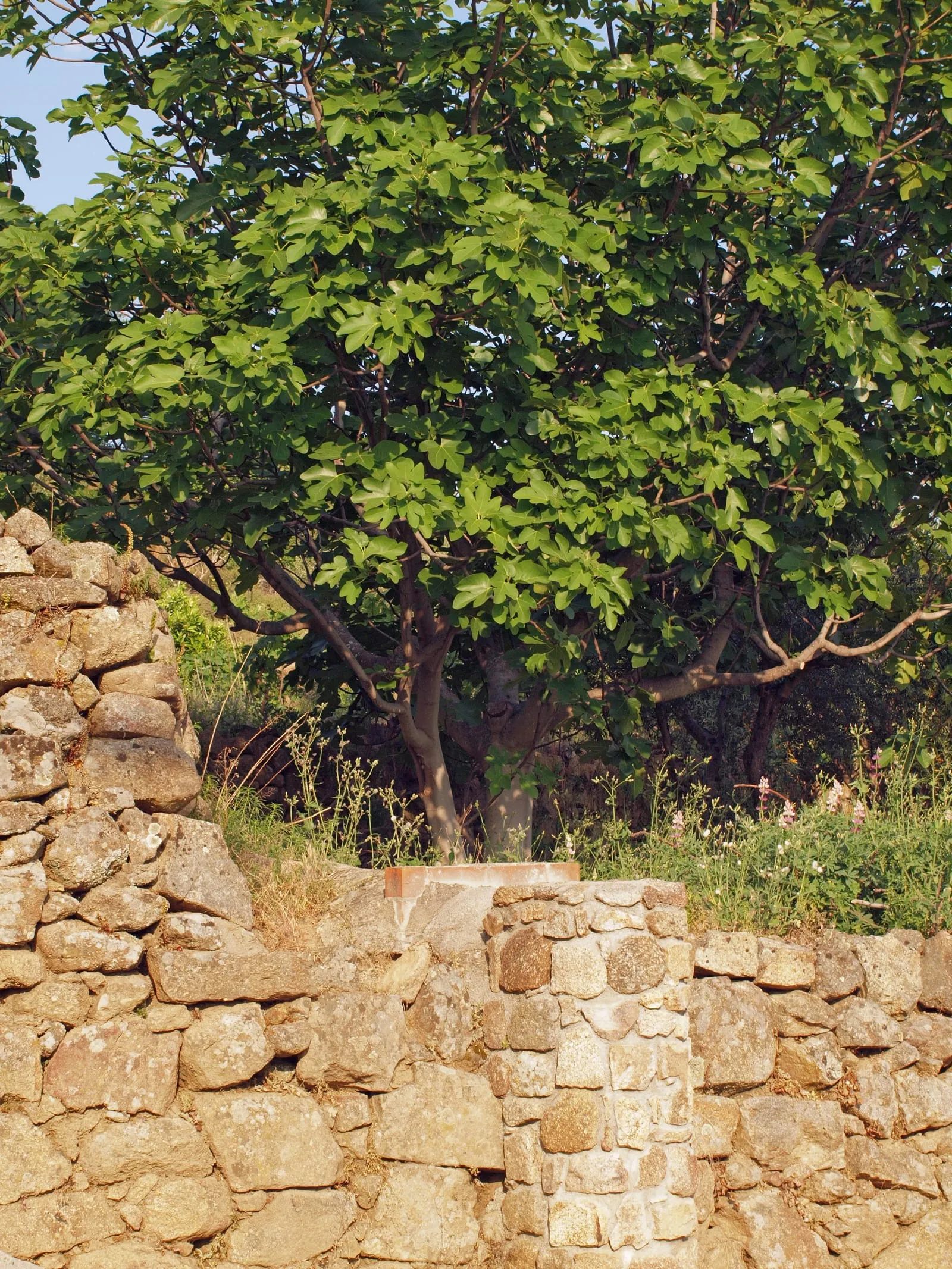 zone 9b
 Fig
Ficus carica
zones 7a–10b
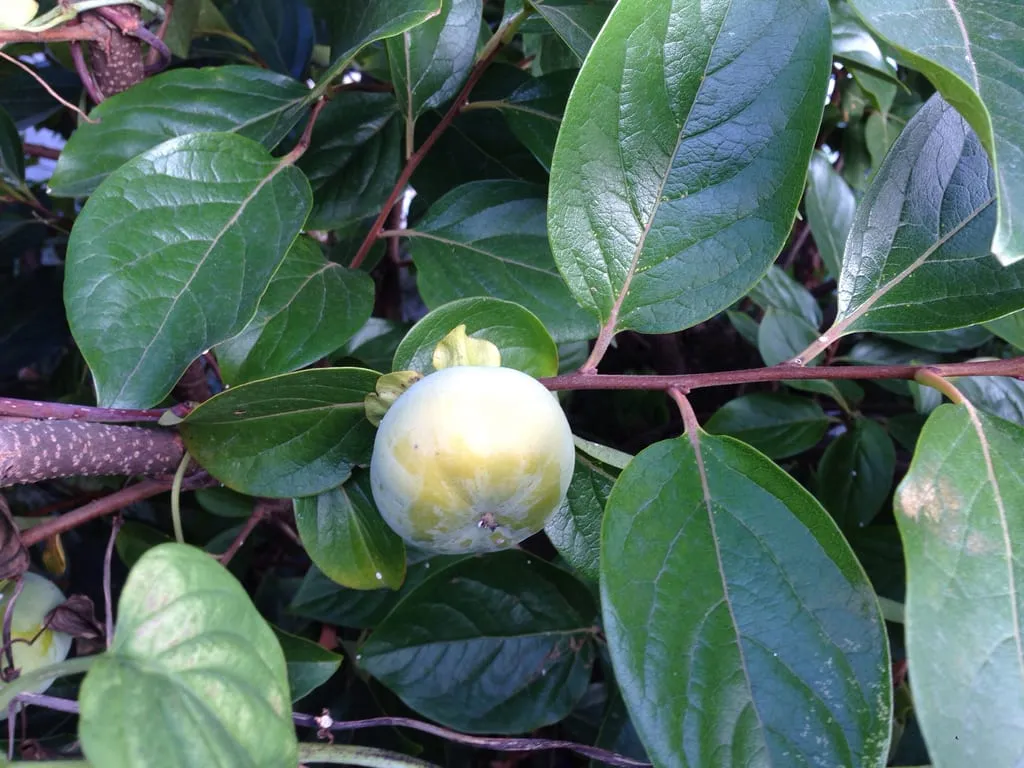 zone 9b
 Asian Persimmon
Diospyros kaki
zones 7a–10a
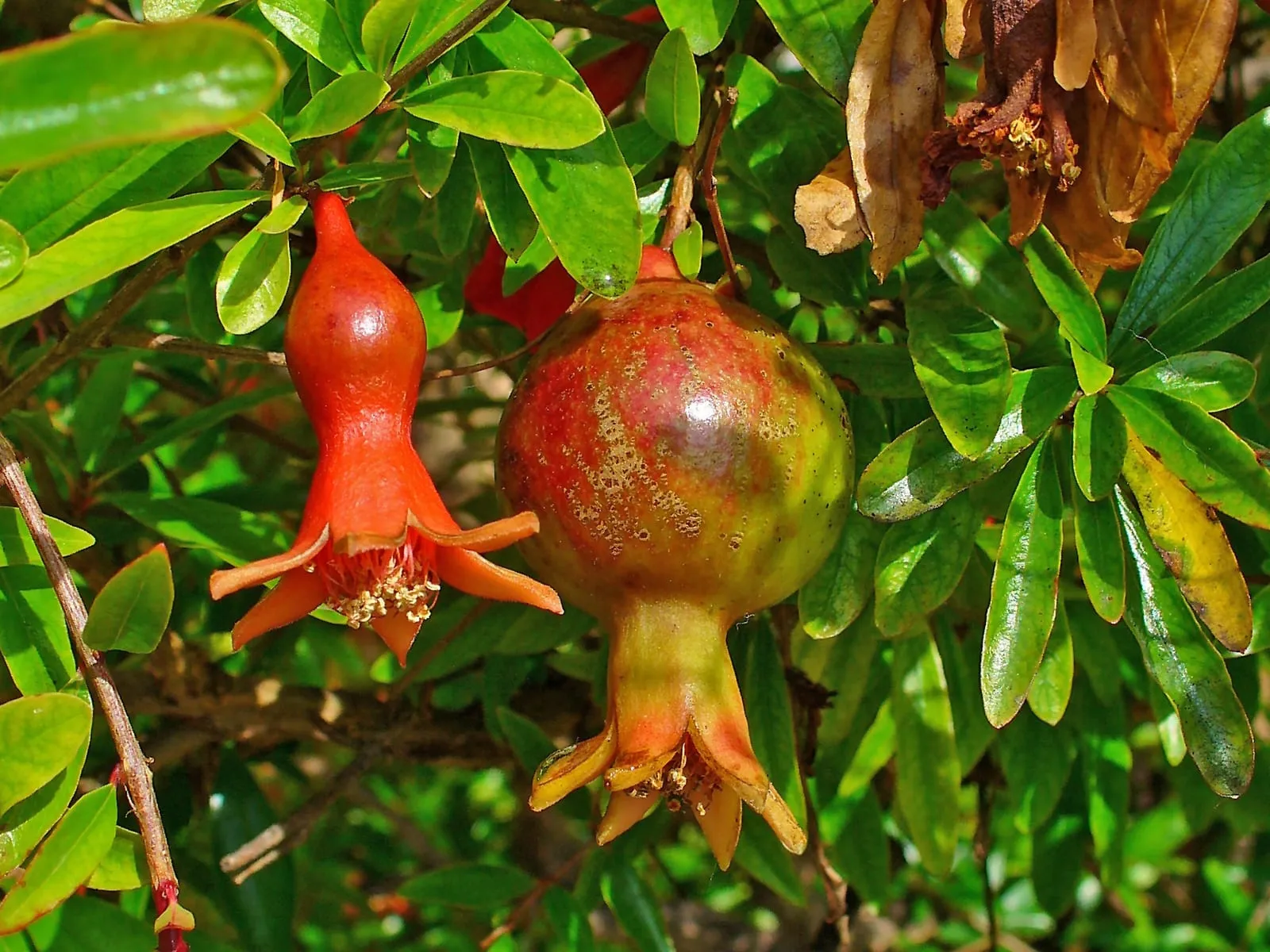 zone 9b
 Pomegranate
Punica granatum
zones 7b–10a
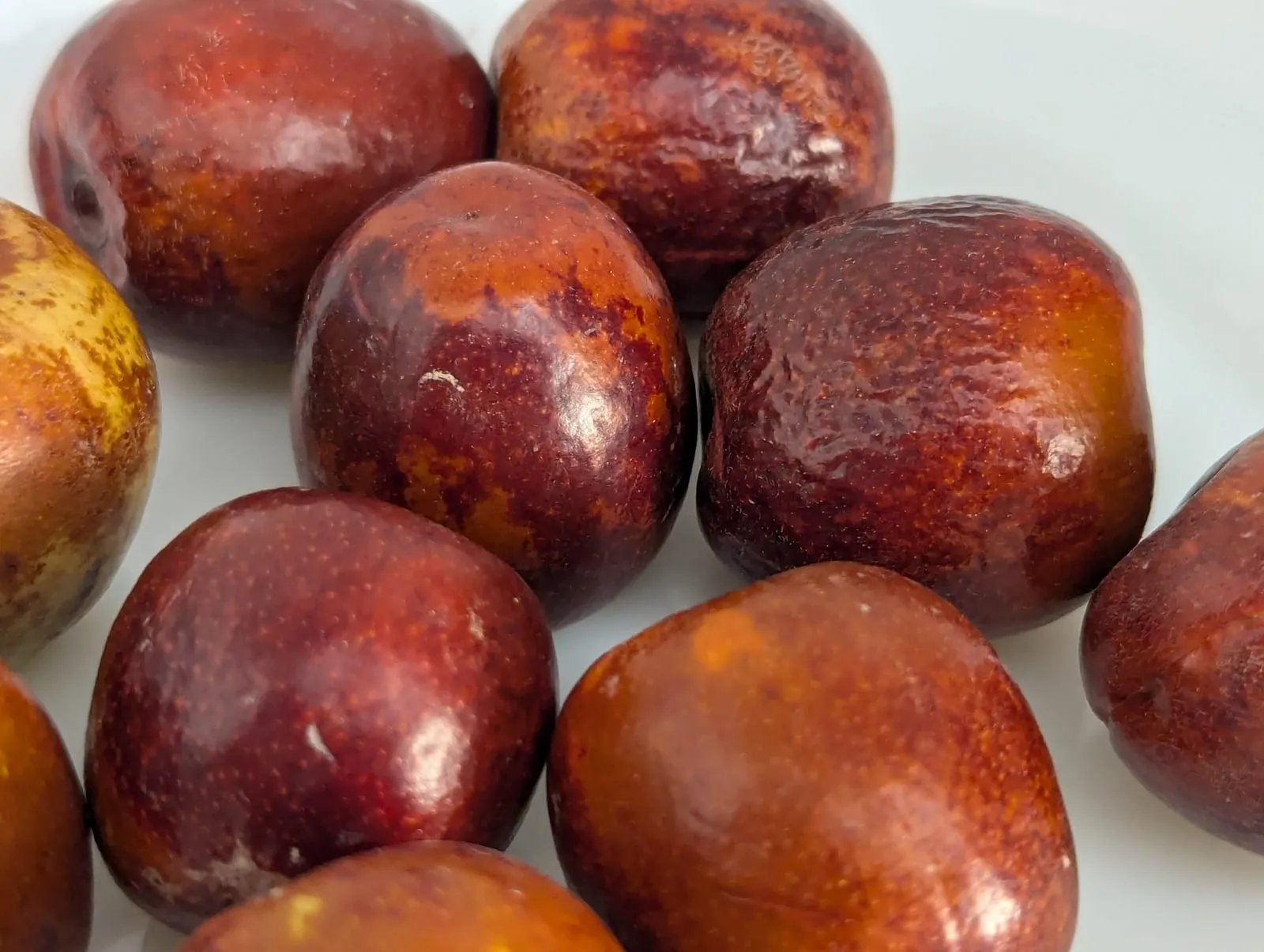 zone 9b
 Jujube
Ziziphus jujuba
zones 6a–9b
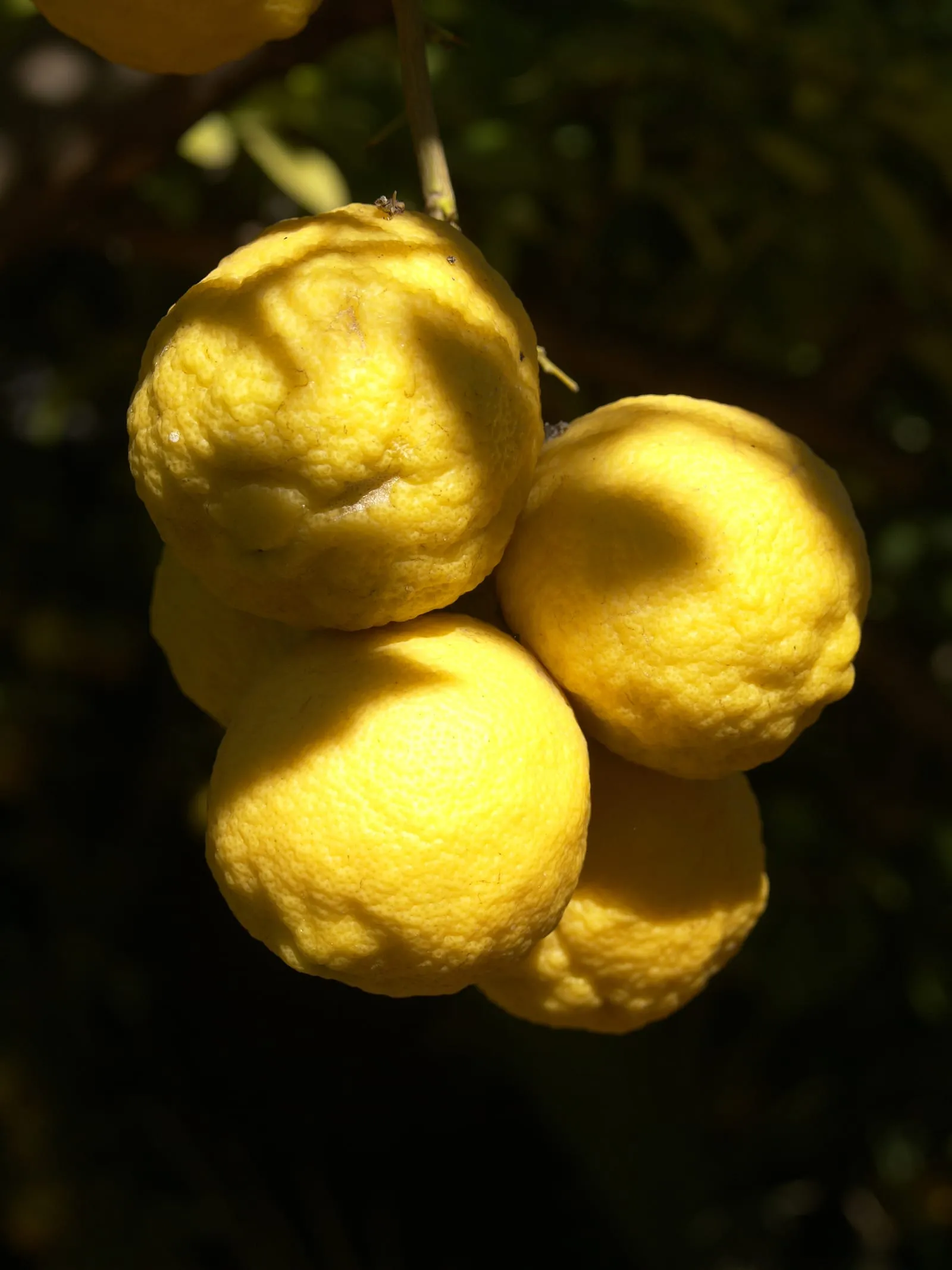 zone 9b
 Lemon
Citrus limon
zones 9a–11b
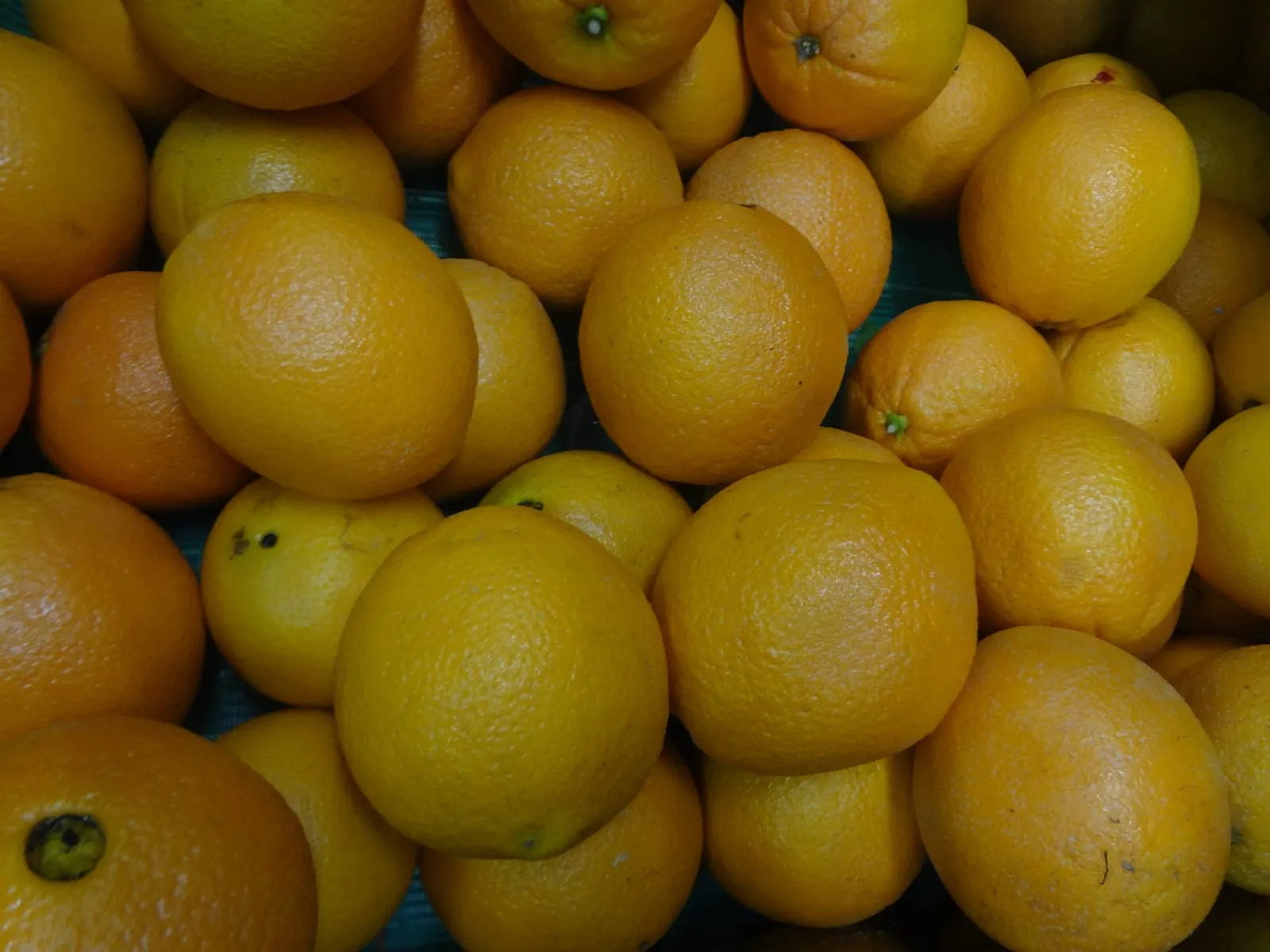 zone 9b
 Orange
Citrus sinensis
zones 9a–11b
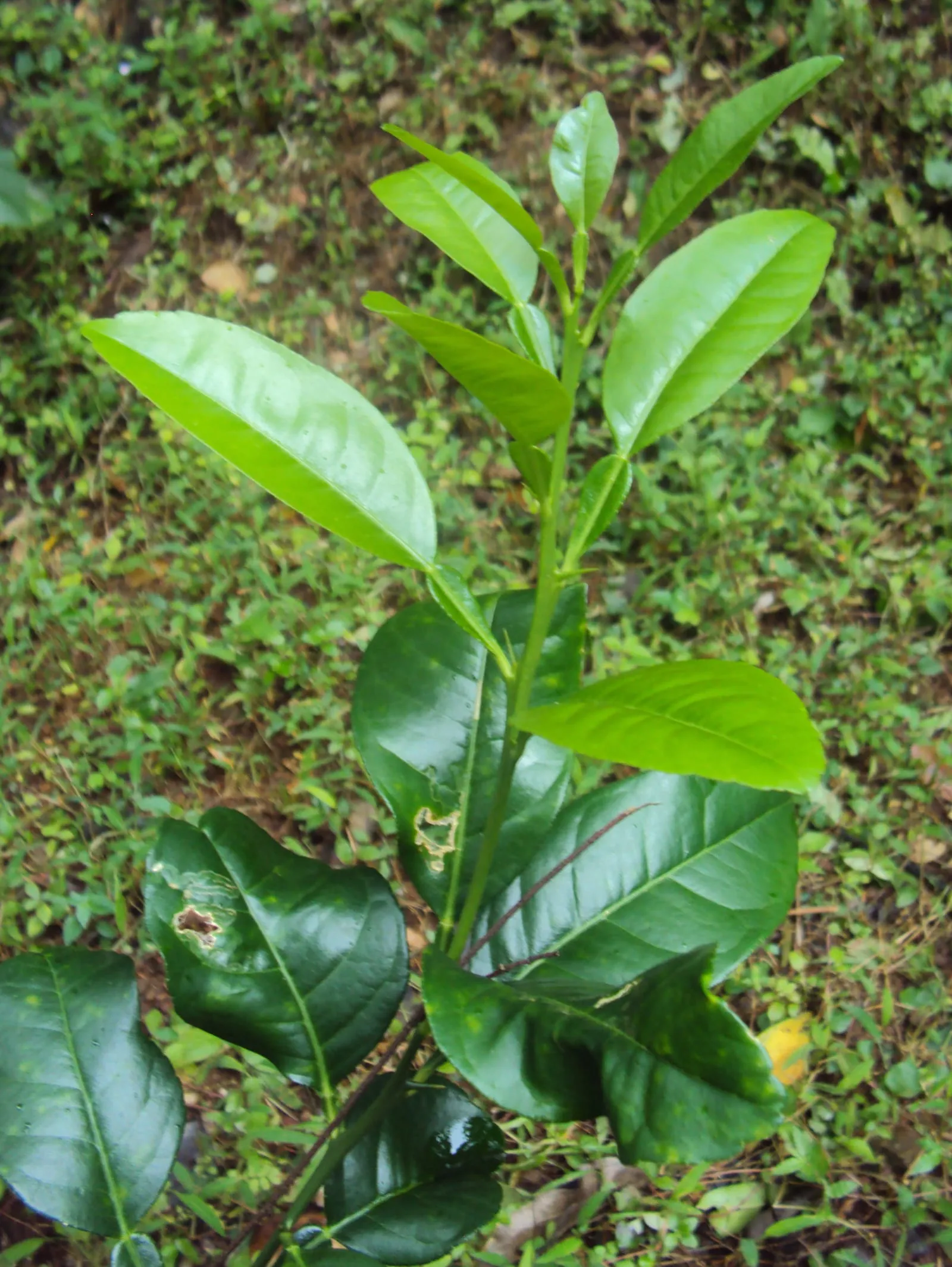 zone 9b
 Lime
Citrus aurantiifolia
zones 9b–11b
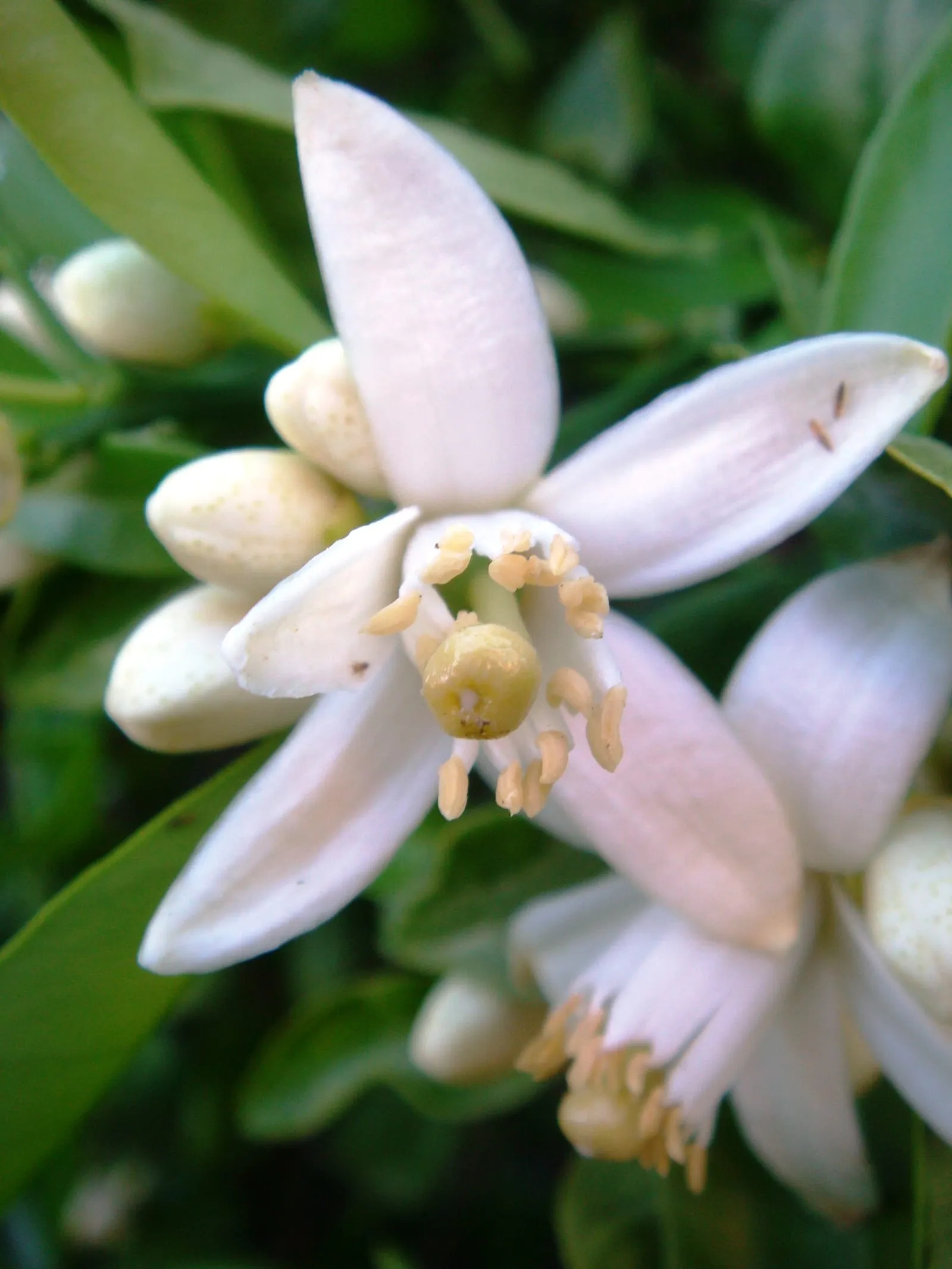 zone 9b
 Grapefruit
Citrus paradisi
zones 9a–11b
 zone 9b
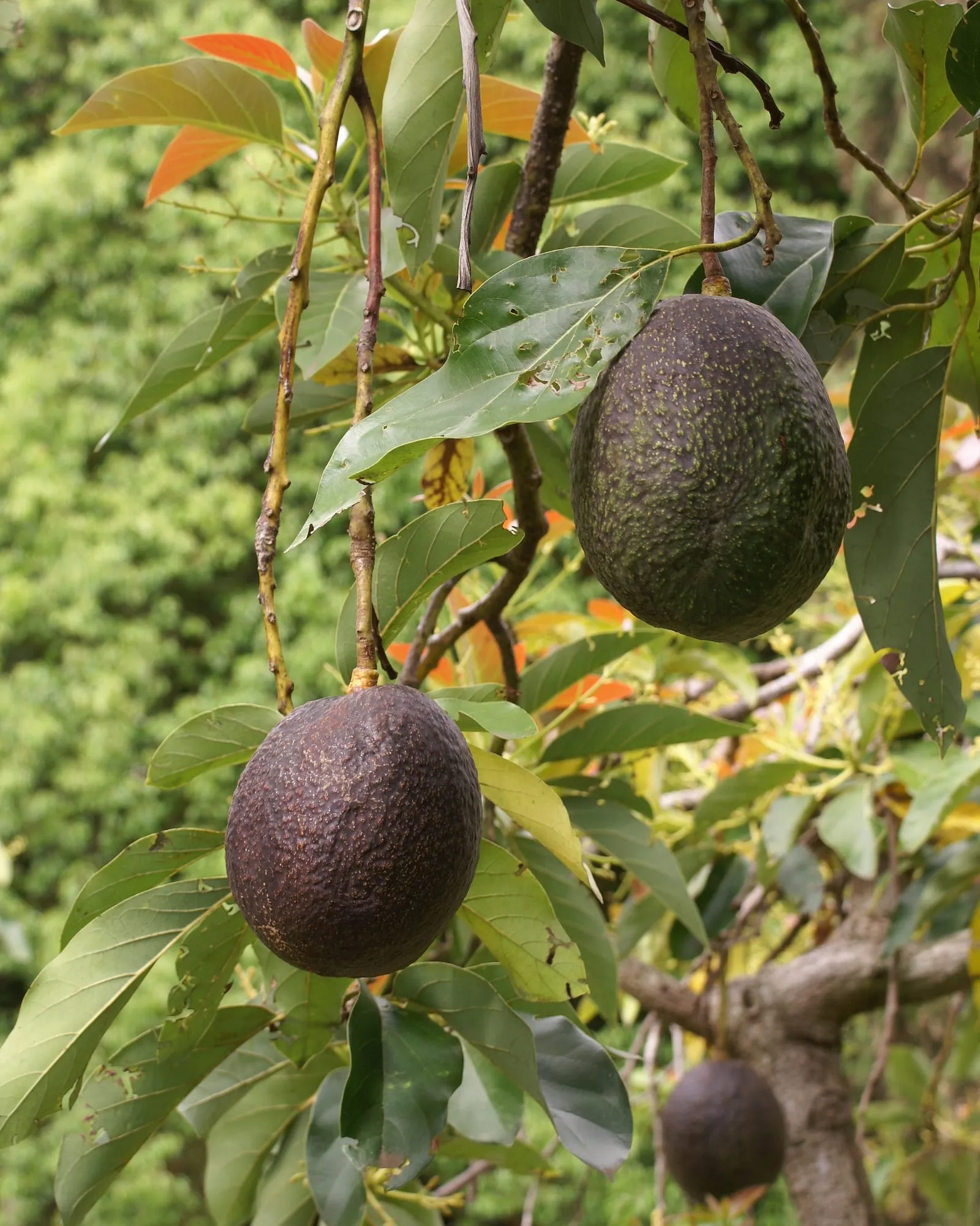
 Avocado
Persea americana
zones 9b–11b
 zone 9b
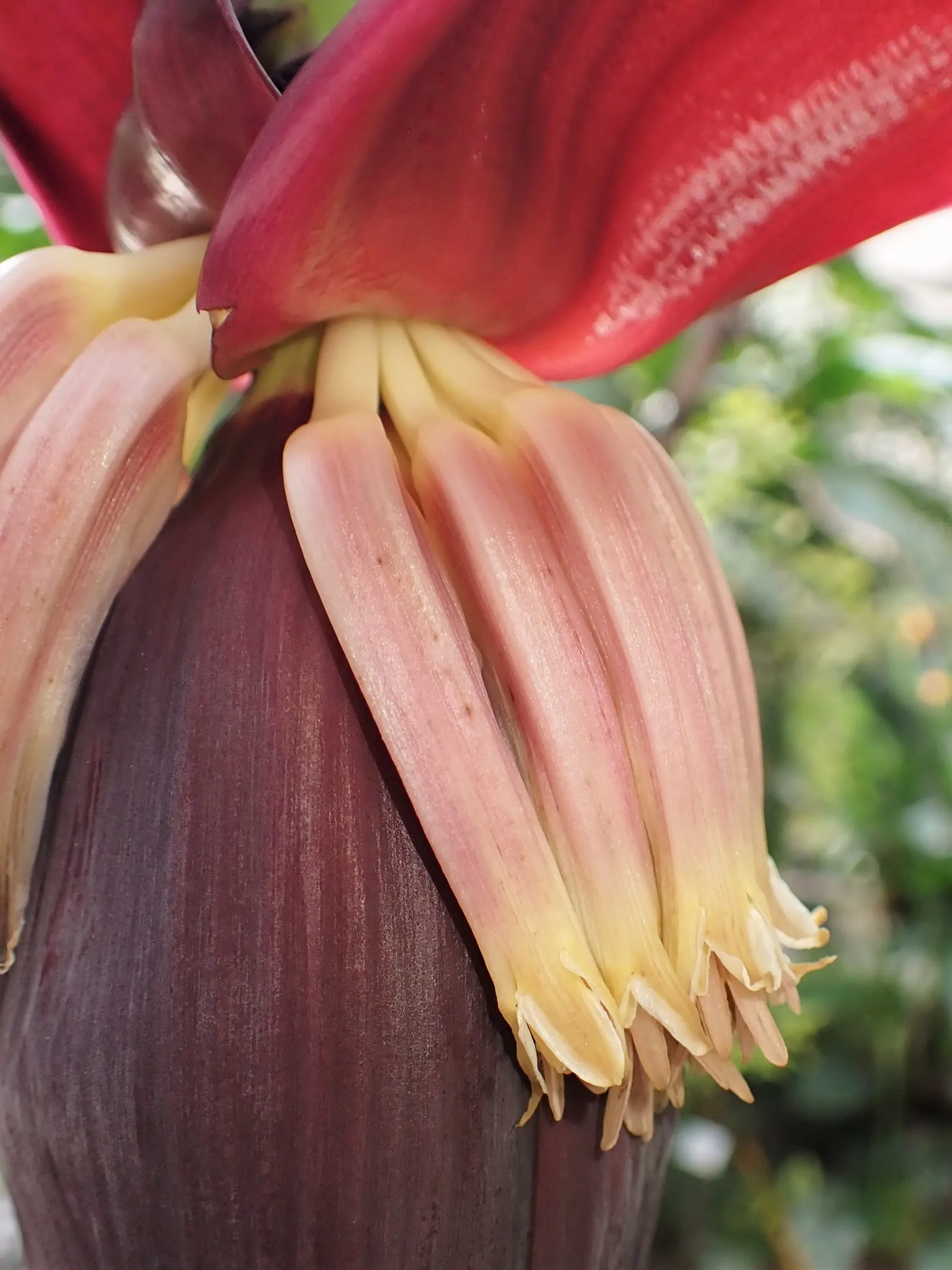
 Banana
Musa acuminata
zones 9b–13b
 zone 9b
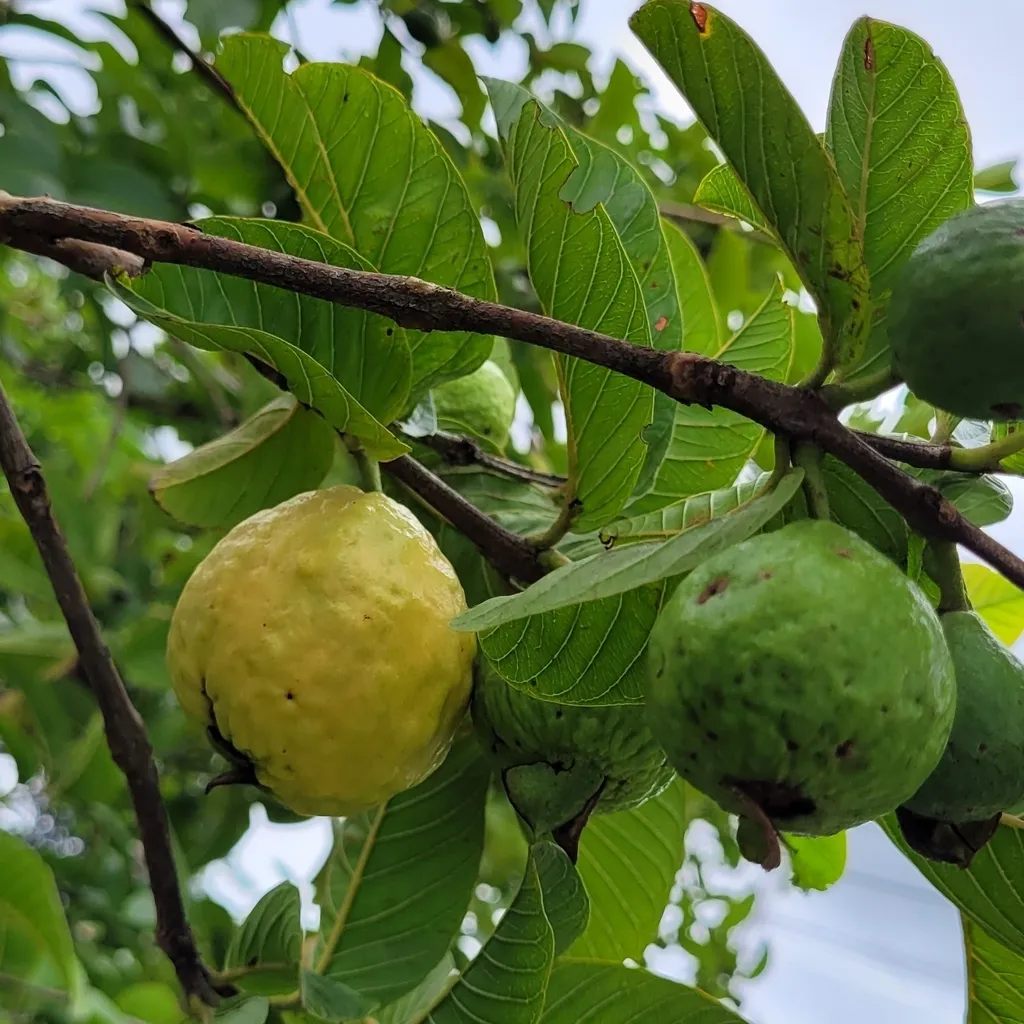
 Guava
Psidium guajava
zones 9b–12b
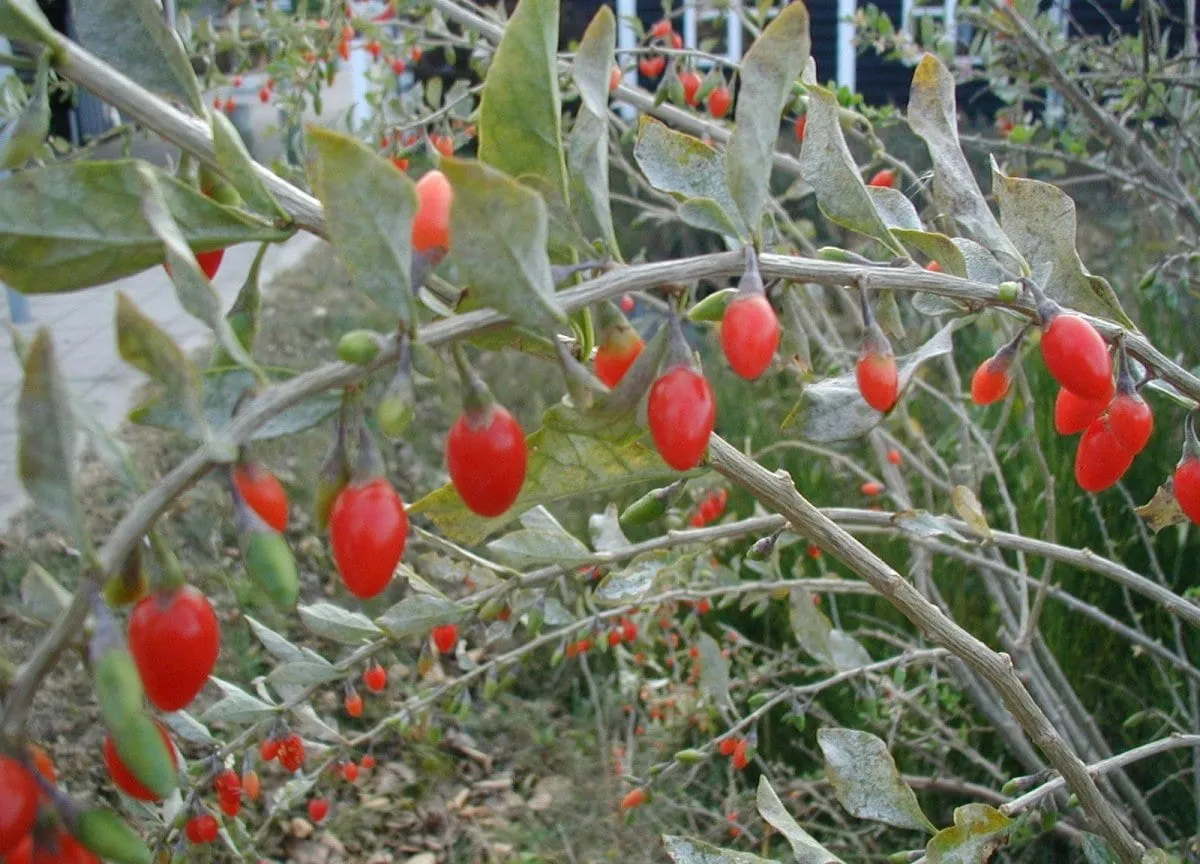
Berries
2 crops
Vegetables
18 crops
 zone 9b
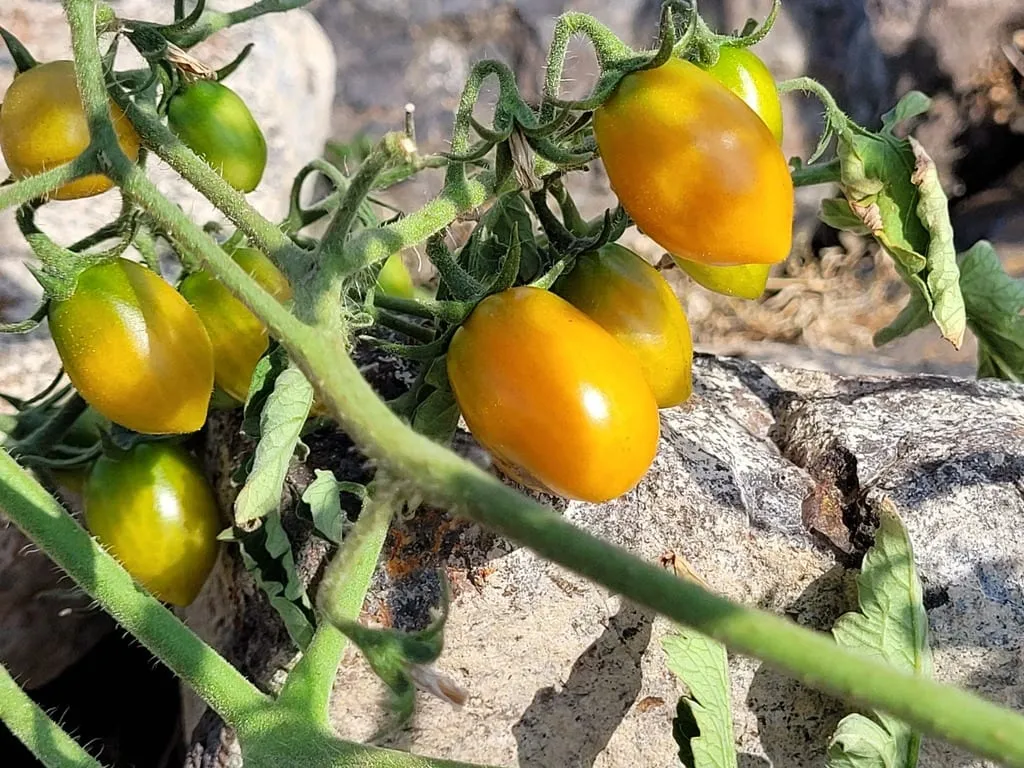
 Tomato
Solanum lycopersicum
zones 3a–10b
 zone 9b
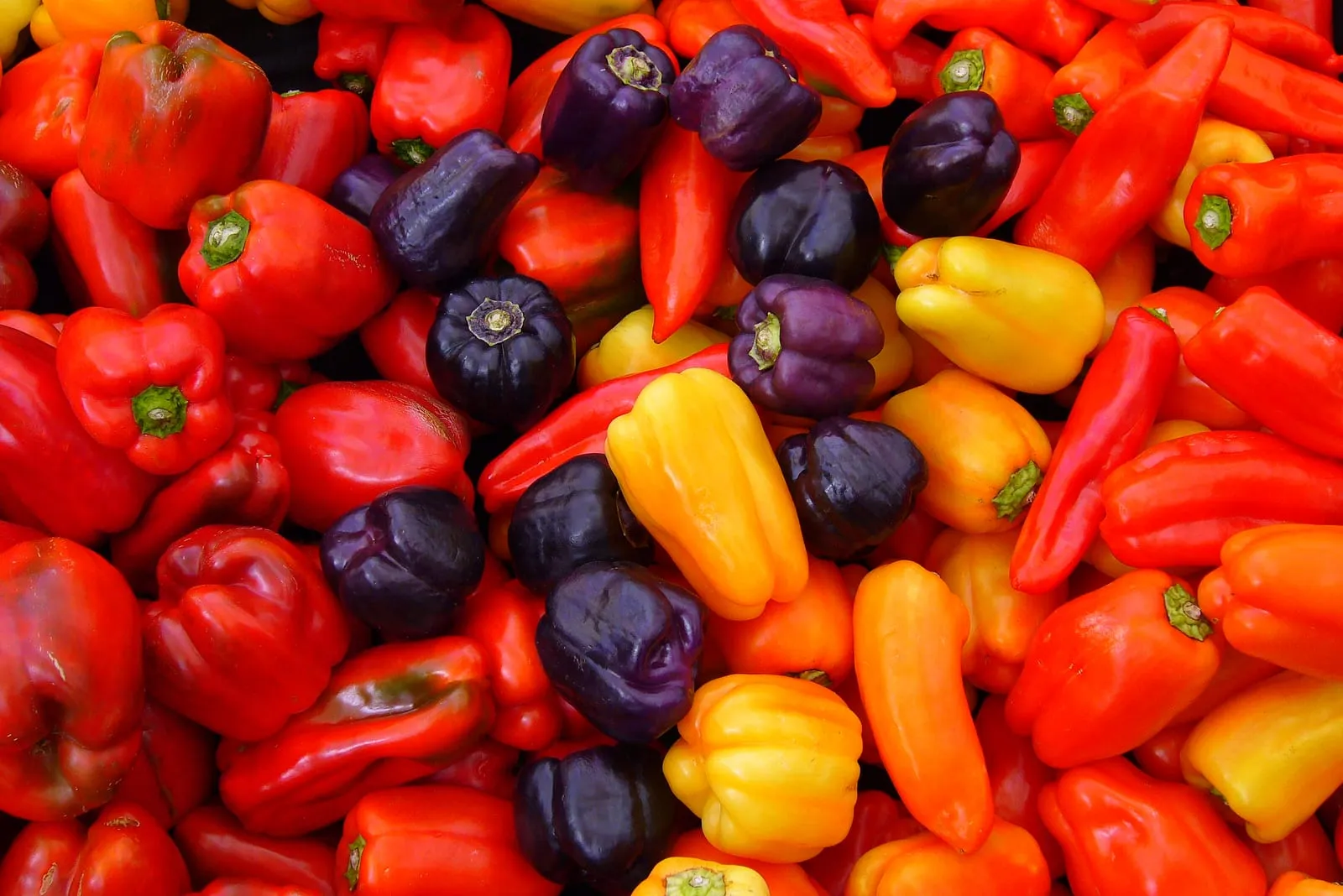
 Sweet Pepper
Capsicum annuum
zones 4a–10b
 zone 9b
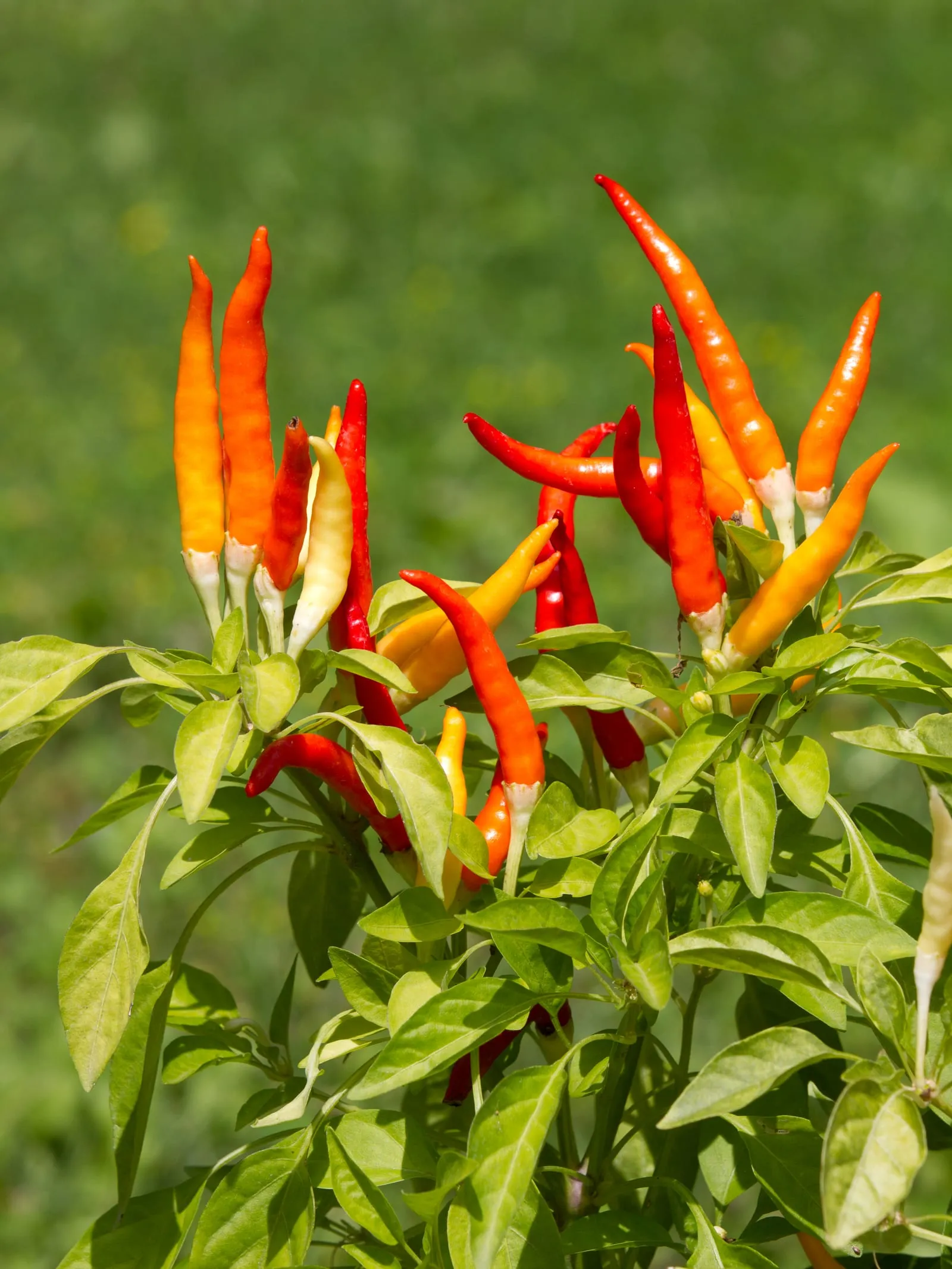
 Hot Pepper
Capsicum species
zones 4a–10b
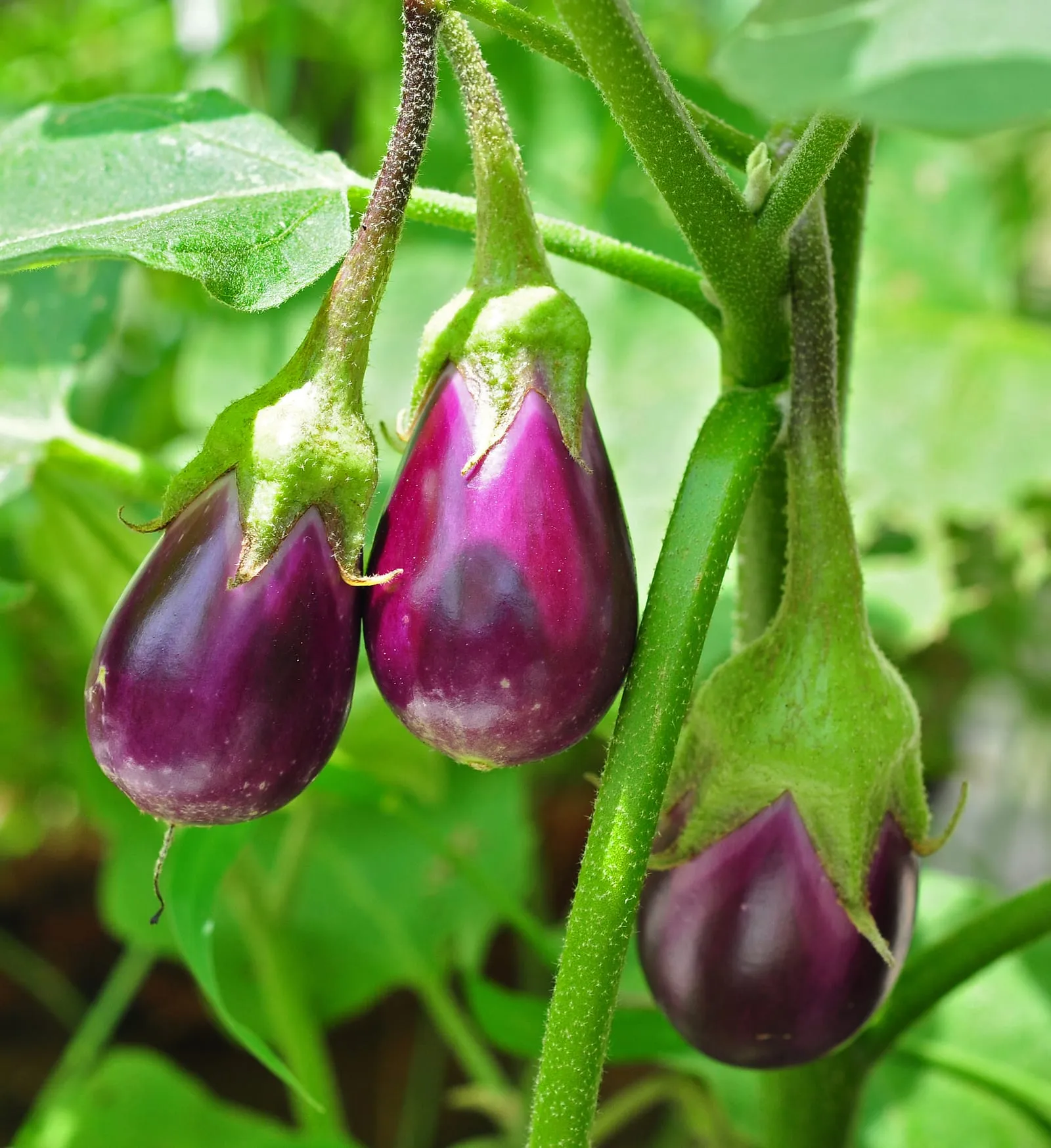 zone 9b
 Eggplant
Solanum melongena
zones 5a–10b
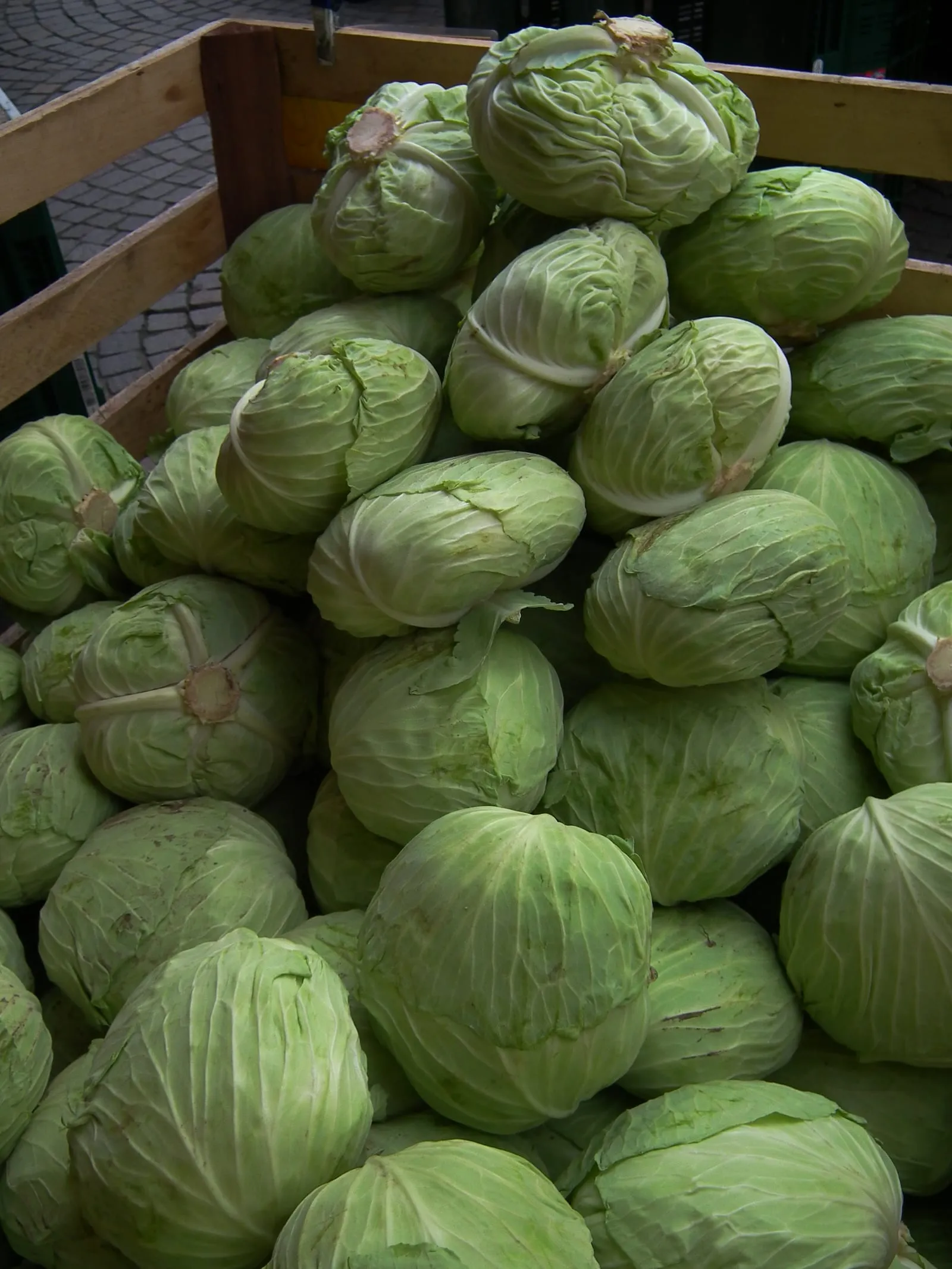 zone 9b
 Cabbage
Brassica oleracea var. capitata
zones 3a–9b
 zone 9b
 Kale
Brassica oleracea var. acephala
zones 3a–9b
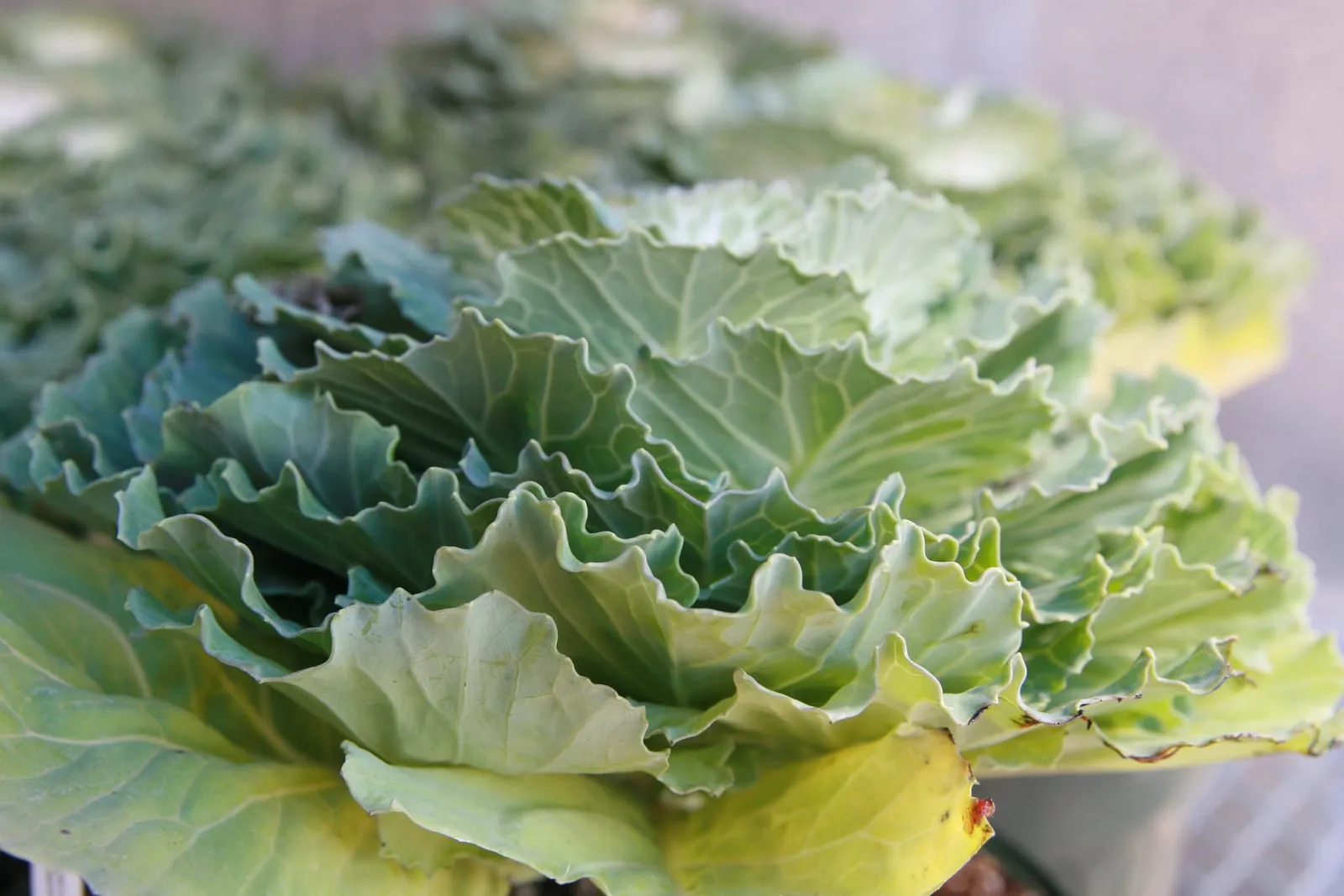 zone 9b
 Collards
Brassica oleracea var. acephala
zones 4a–9b
 zone 9b
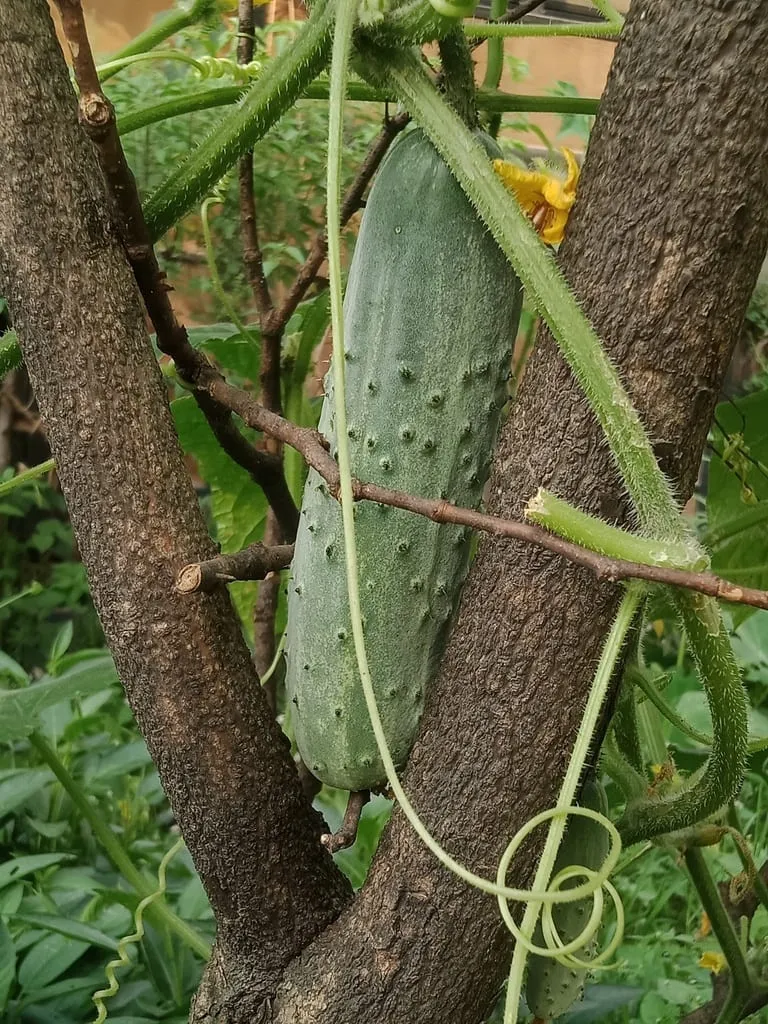
 Cucumber
Cucumis sativus
zones 3b–10a
 zone 9b
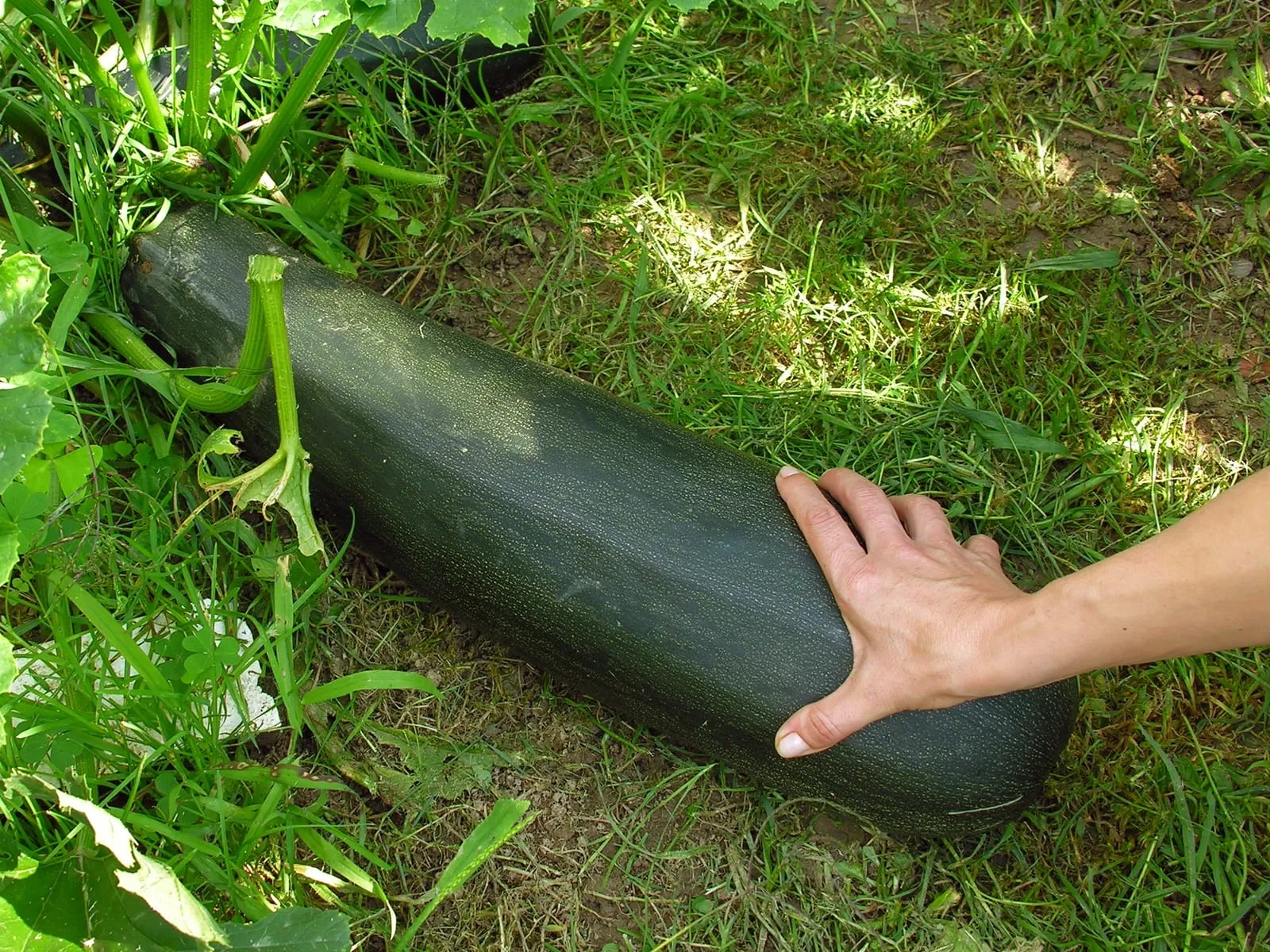
 Summer Squash
Cucurbita pepo
zones 3b–10a
 zone 9b
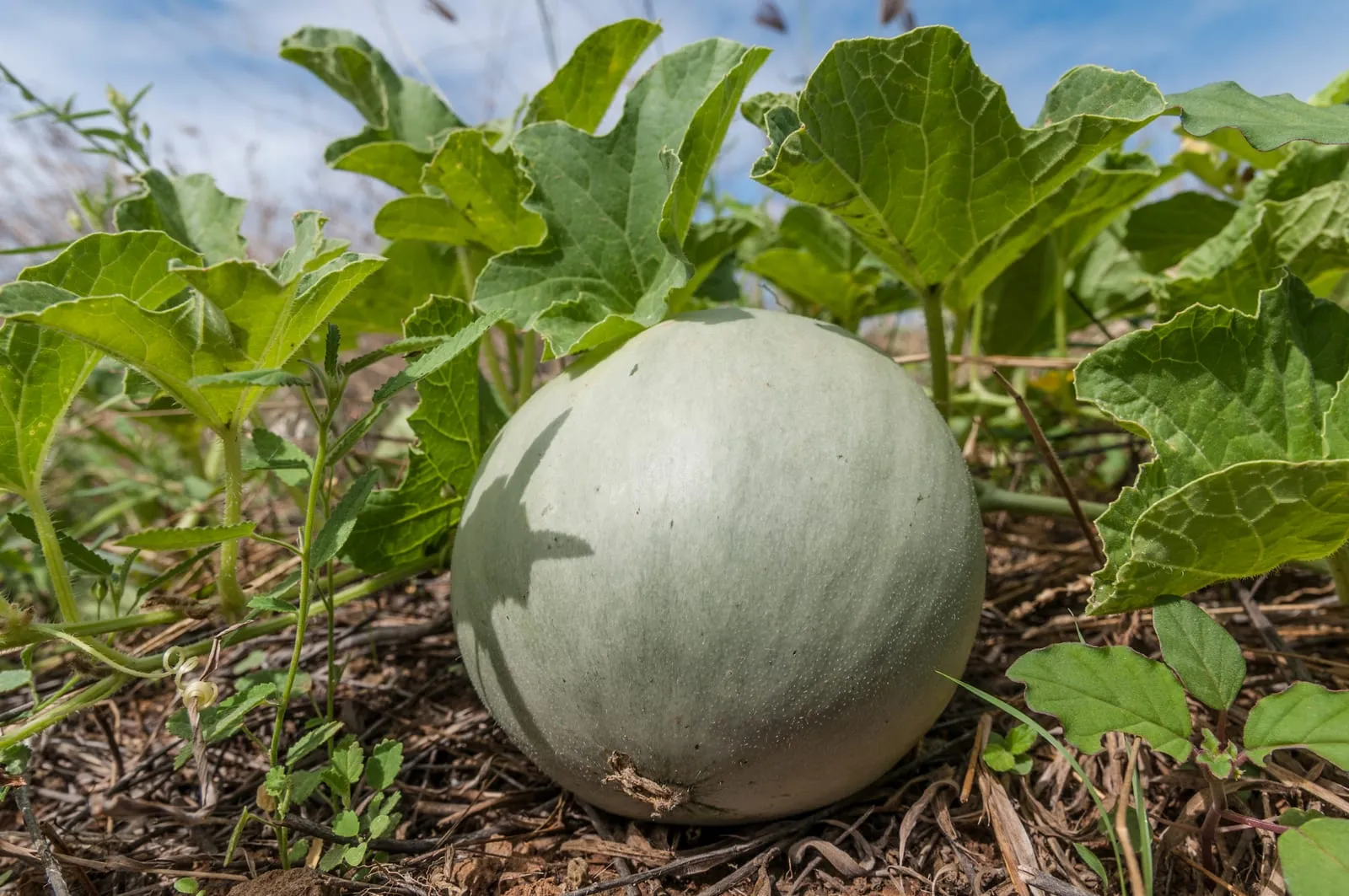
 Melon
Cucumis melo
zones 5a–10a
 zone 9b
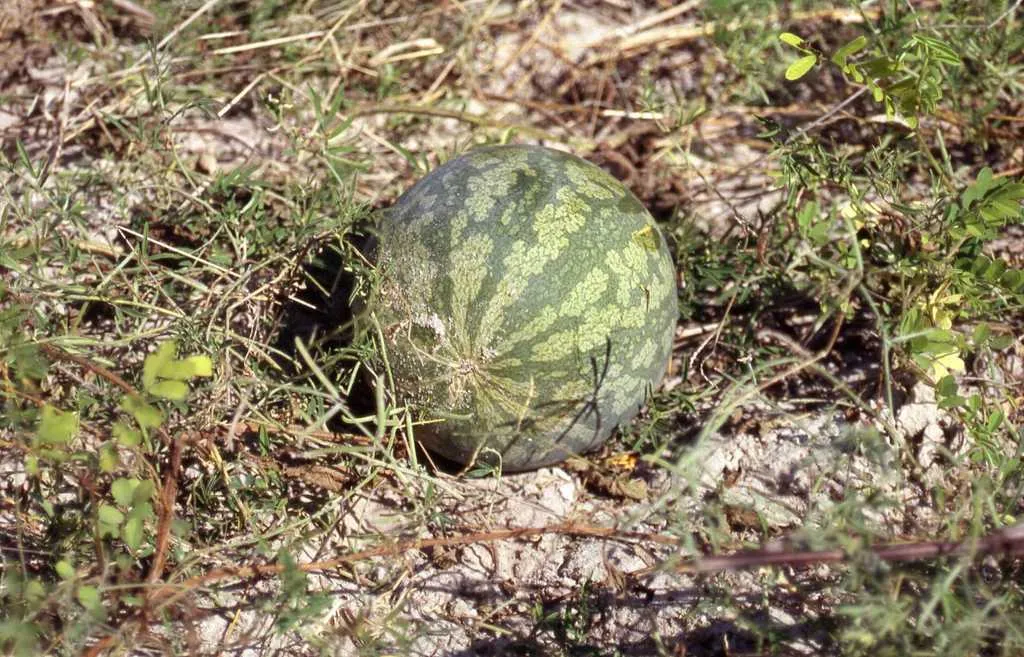
 Watermelon
Citrullus lanatus
zones 5b–10a
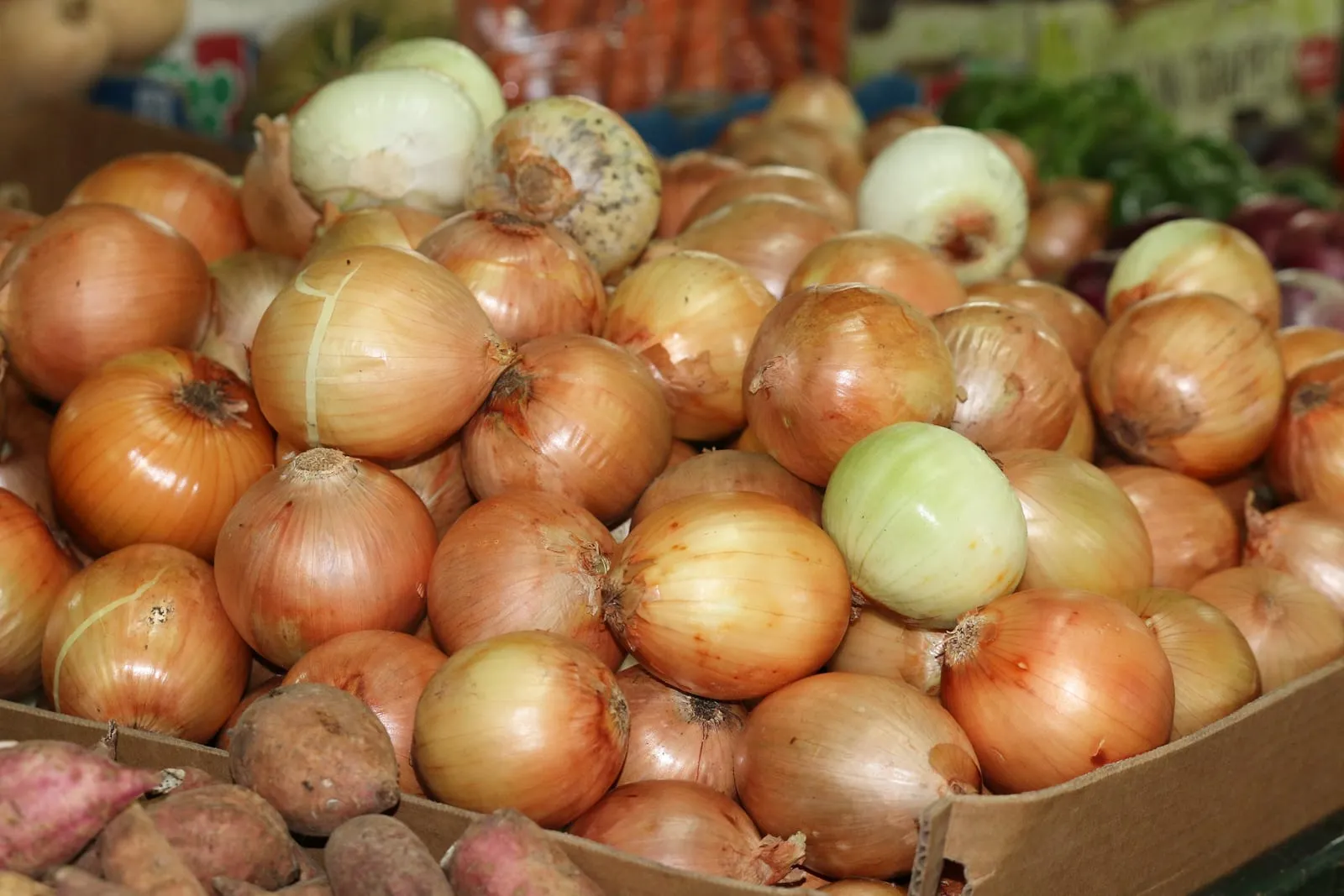 zone 9b
 Onion
Allium cepa
zones 3a–9b
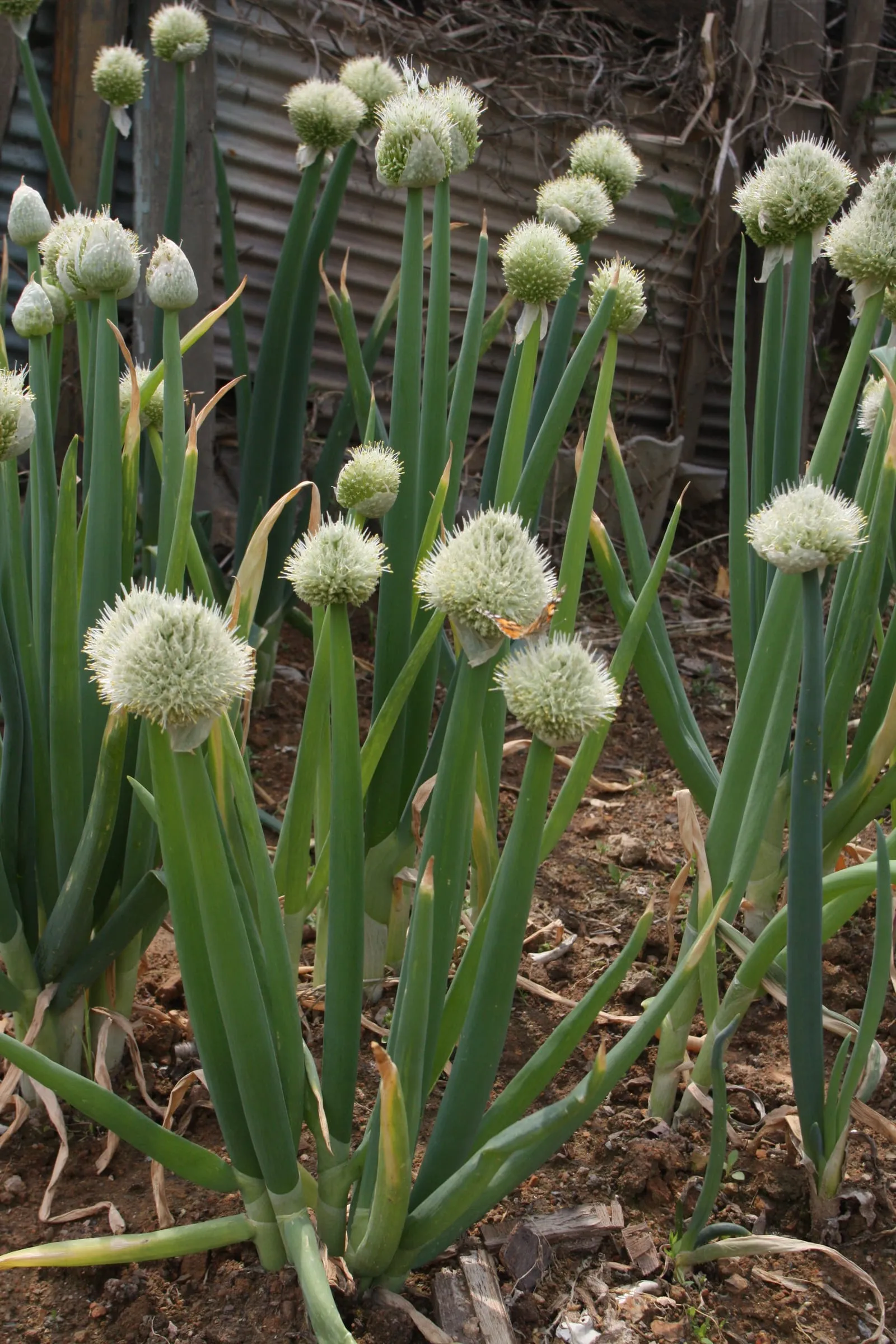 zone 9b
 Scallion (Bunching Onion)
Allium fistulosum
zones 3b–9b
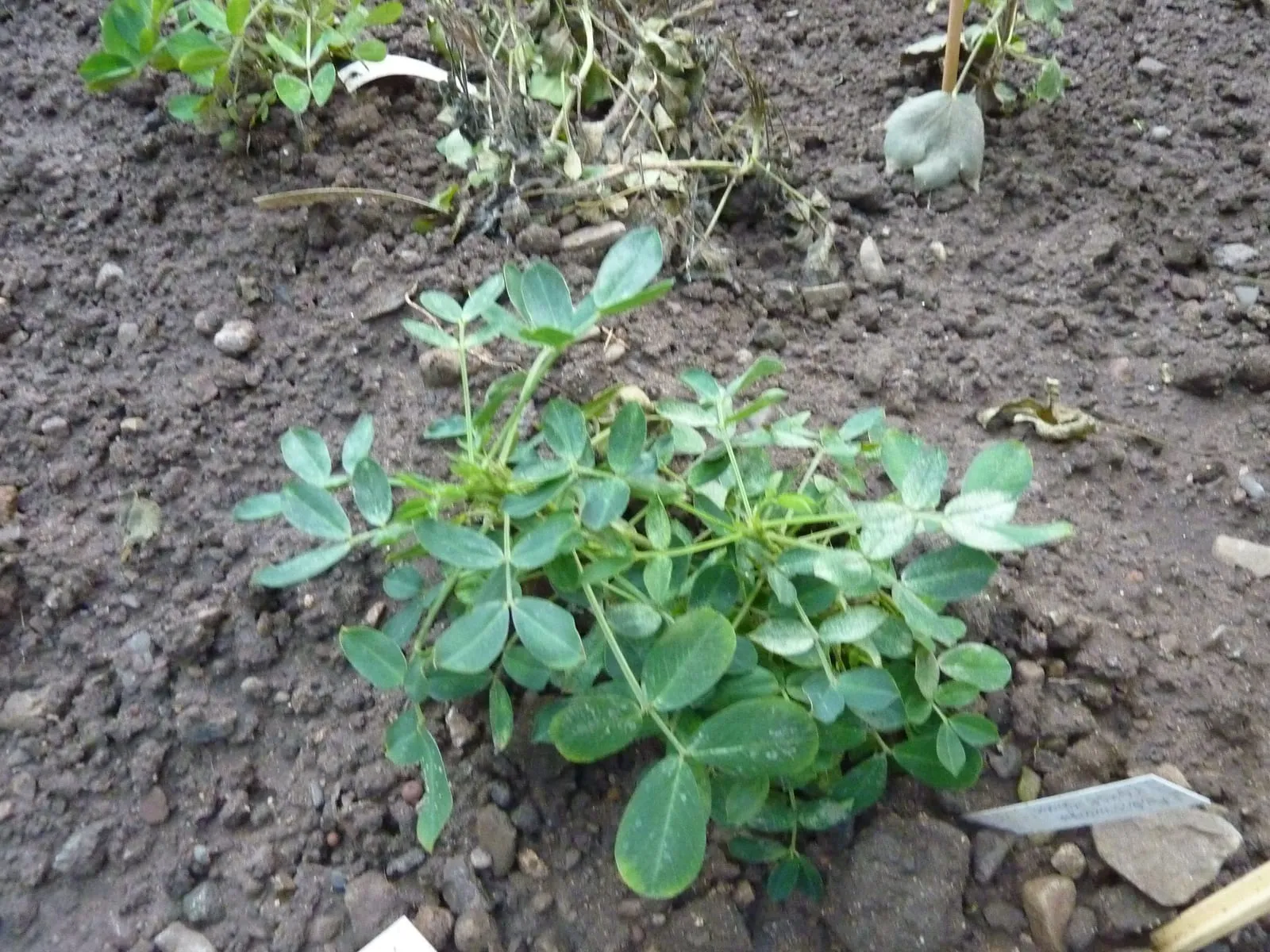 zone 9b
 Peanut
Arachis hypogaea
zones 6a–9b
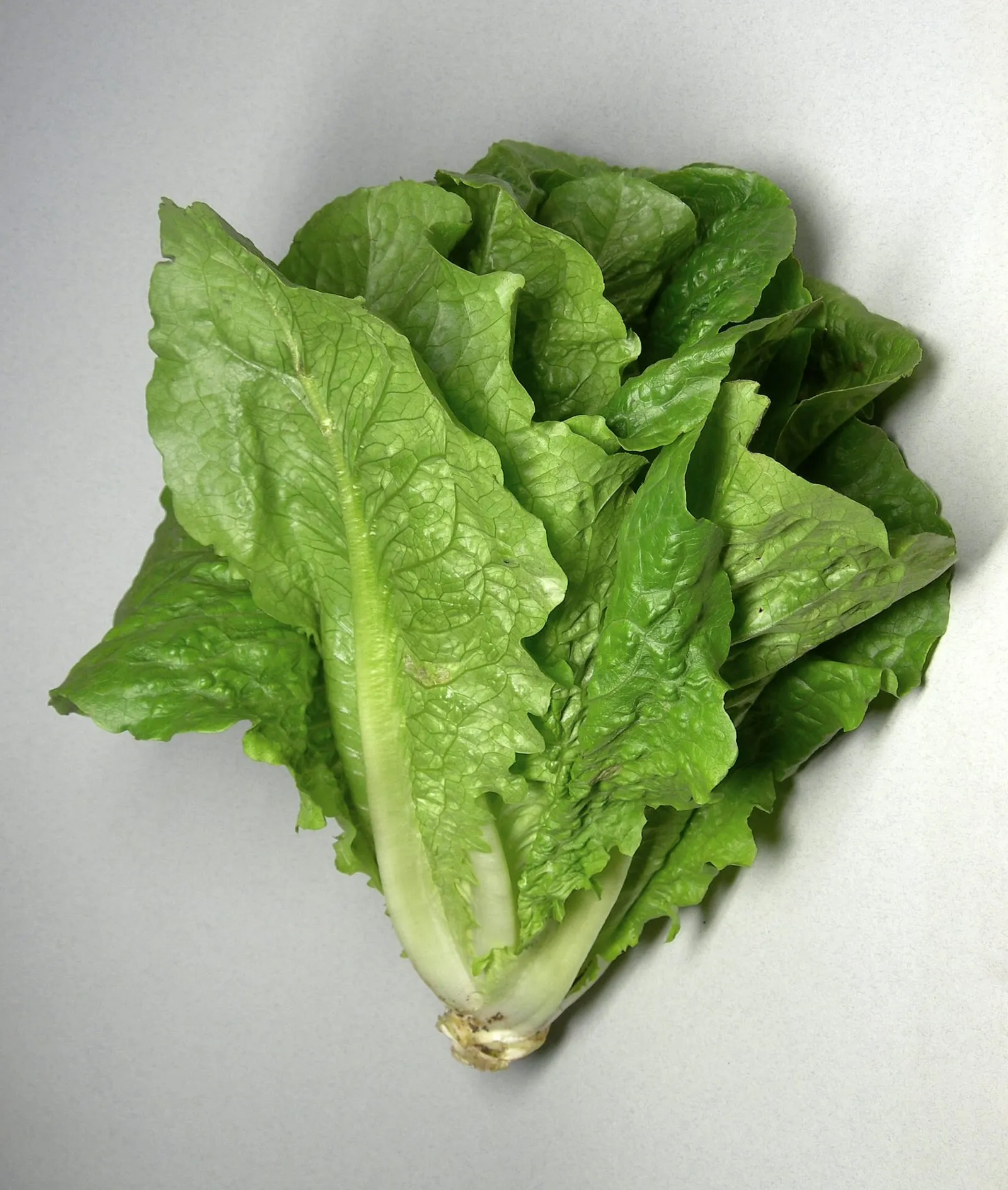 zone 9b
 Lettuce
Lactuca sativa
zones 3a–9b
 zone 9b
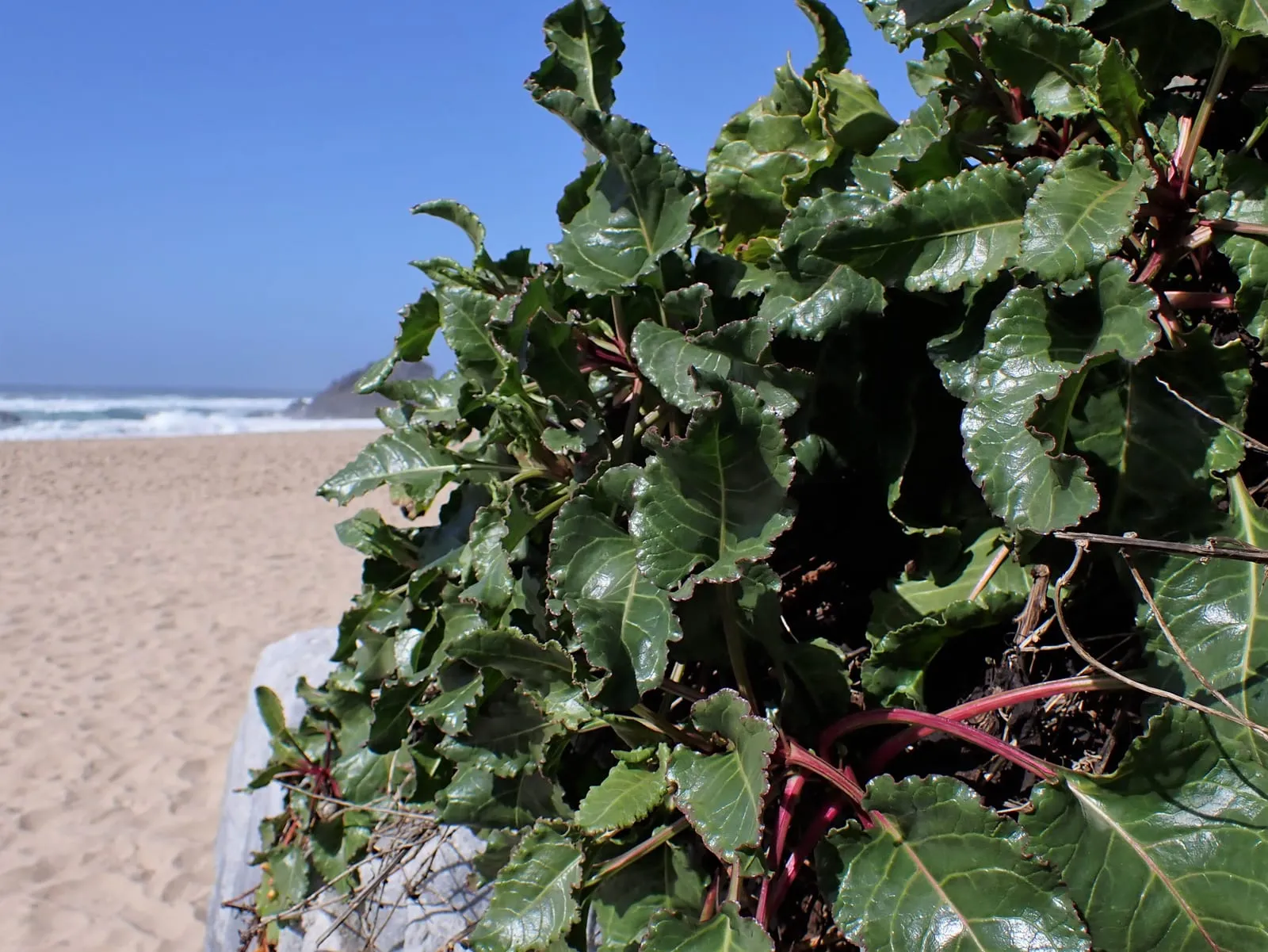
 Swiss Chard
Beta vulgaris subsp. vulgaris
zones 3a–9b
 zone 9b
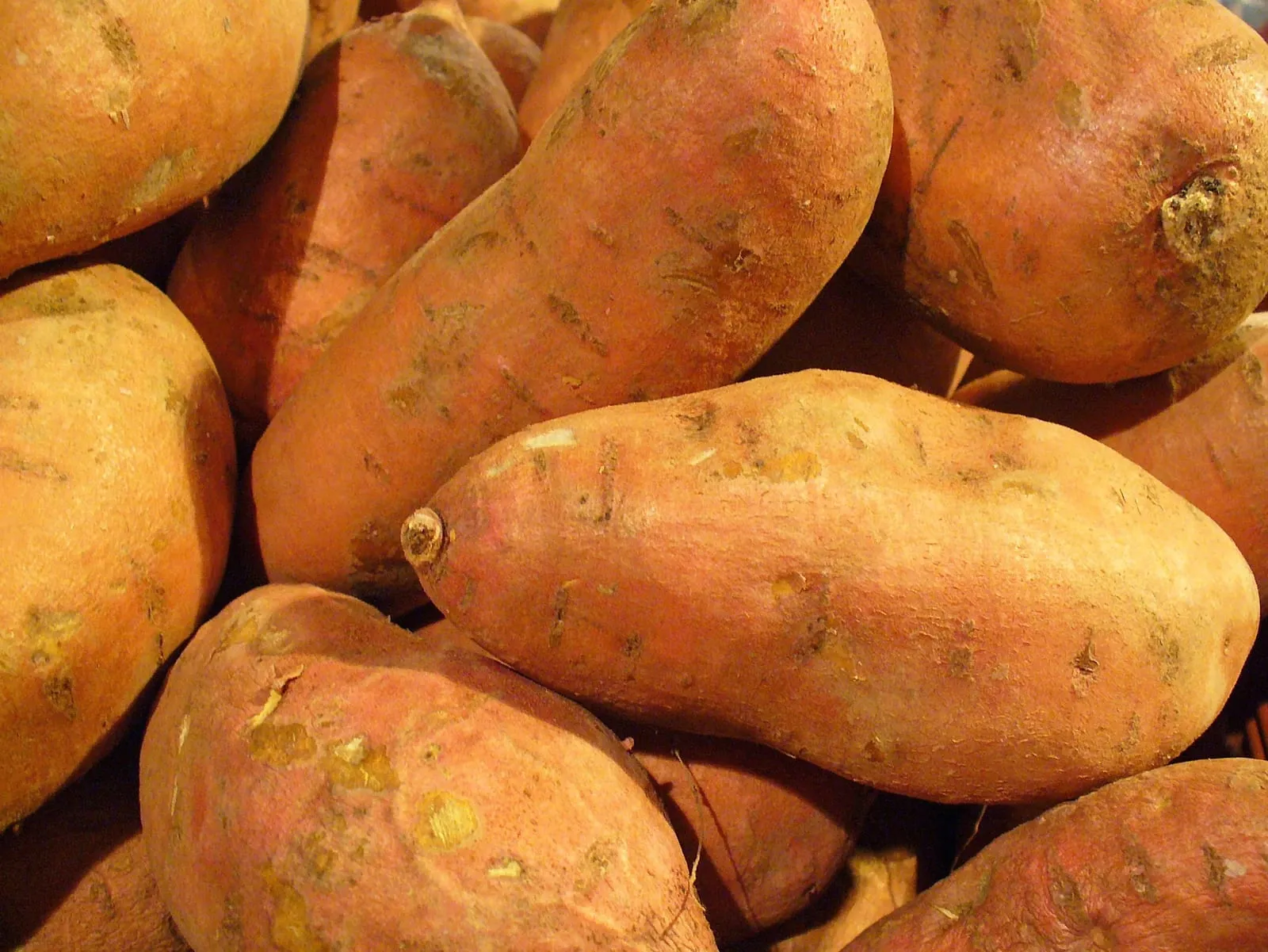
 Sweet Potato
Ipomoea batatas
zones 6a–10b
 zone 9b
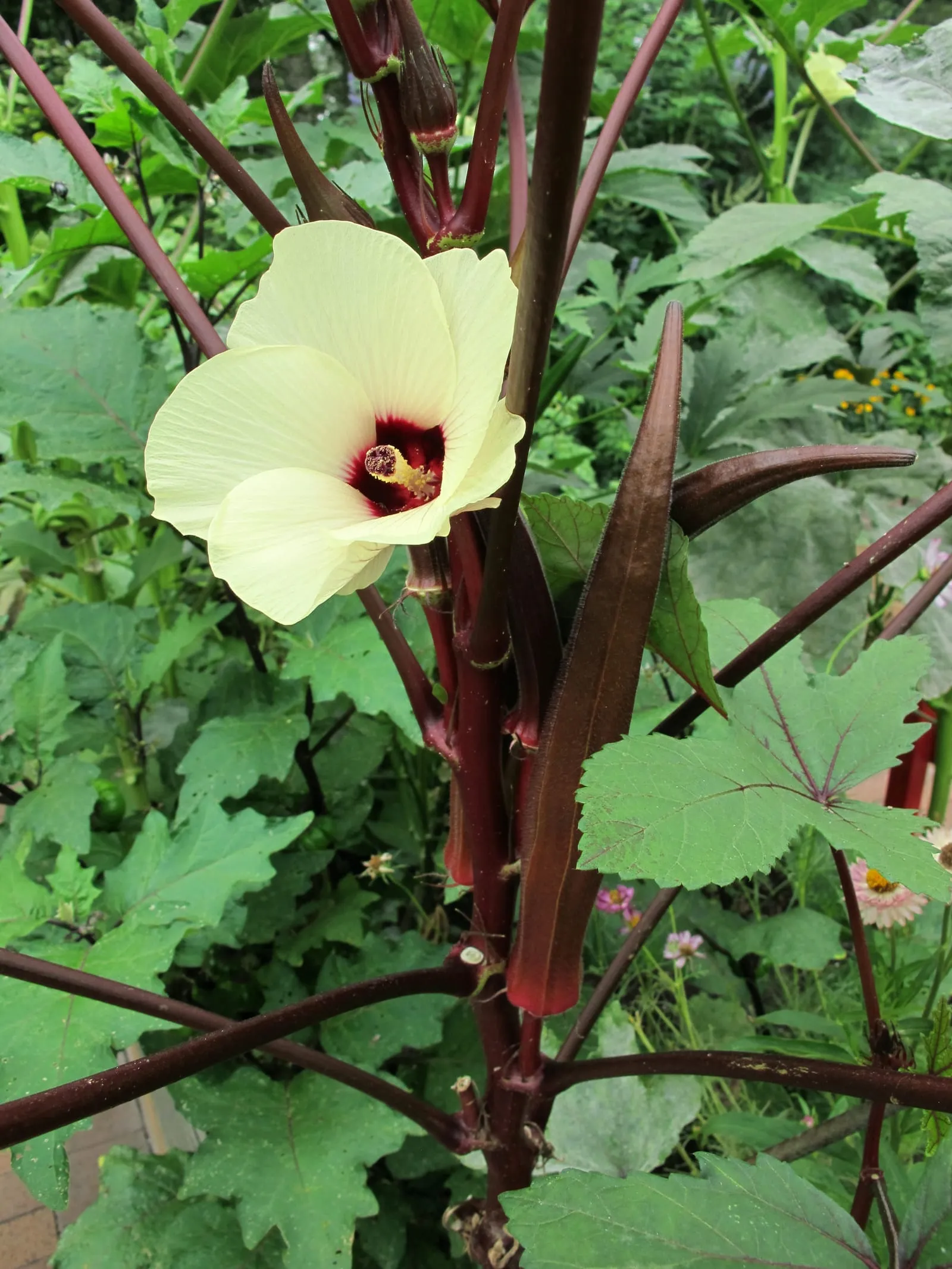
 Okra
Abelmoschus esculentus
zones 6a–10b
When to plant
Planting calendar for zone 9b
Year-view of seed starting, transplanting, planting, pruning, fertilizing, harvest, and pest-watch windows based on the average frost timing for zone 9b.
Week ? · loading
This week in zone 9b
Quiet week in zone 9b. this week is a good time to step back and plan ahead.
Nothing critical on the calendar this week.
187 bars · 37 crops
Calendar logic combines NOAA frost normals with crop-specific timing data. Local microclimate and weather always overrules the calendar; use this as a starting point.
Frequently asked questions
- Can I grow apples in zone 9b?
Most apple varieties require 800 to 1,200 chill hours annually. Zone 9b typically accumulates 150 to 400 depending on location, which eliminates the vast majority of commercial varieties. A small number of low-chill selections bred specifically for warm climates can work in the coolest pockets of the zone, but apple growing in zone 9b is marginal and results are unreliable in warm winters.
- What fruit trees grow most reliably in zone 9b?
Fig, Asian persimmon, pomegranate, and jujube are the most consistently productive choices across the zone. Citrus thrives where hard freezes are rare or brief. Avocado is viable in the most frost-protected locations using cold-hardy Mexican-type varieties. Low-chill peach selections developed through University of Florida and Texas A&M breeding programs perform well where chill hours reach 150 to 250.
- Does zone 9b ever get hard freezes?
Yes. The zone's defined minimum range is 25 to 30°F, so occasional dips into that range should be expected. Temperatures at 25°F can damage or kill frost-sensitive plants including avocado and citrus. Most years the events are brief, but planting tender species in protected microclimates (against south-facing walls or under existing tree canopy) meaningfully reduces damage risk.
- How many chill hours does zone 9b accumulate?
Totals vary significantly within the zone and year to year. Houston-area sites typically average 250 to 350 hours; Phoenix's urban core often falls below 200; northern Florida sits in a similar range. A warm winter can push accumulation 30 to 40 percent below the historical average. Local university extension publications provide the most reliable site-specific estimates.
- How do I manage heat stress on fruit trees during zone 9b summers?
Consistent soil moisture is the primary lever. Deep, infrequent irrigation encourages root systems that buffer temperature extremes better than frequent shallow watering. A 3 to 4 inch organic mulch layer reduces soil surface temperature substantially. For newly planted trees in full-sun desert sites, temporary shade cloth rated at 30 to 40 percent reduction cuts heat load during establishment without stunting growth.
- Can figs grow year-round in zone 9b?
Yes, and zone 9b is genuinely good fig territory. Figs tolerate heat, short droughts, and the zone's mild winters without protection. They are low-chill crops that perform reliably where most temperate fruit trees struggle. In the hottest inland locations, afternoon shade during late summer can improve fruit quality and reduce sunscald on exposed fruit clusters.
+−
+−
+−
+−
+−
+−
Related