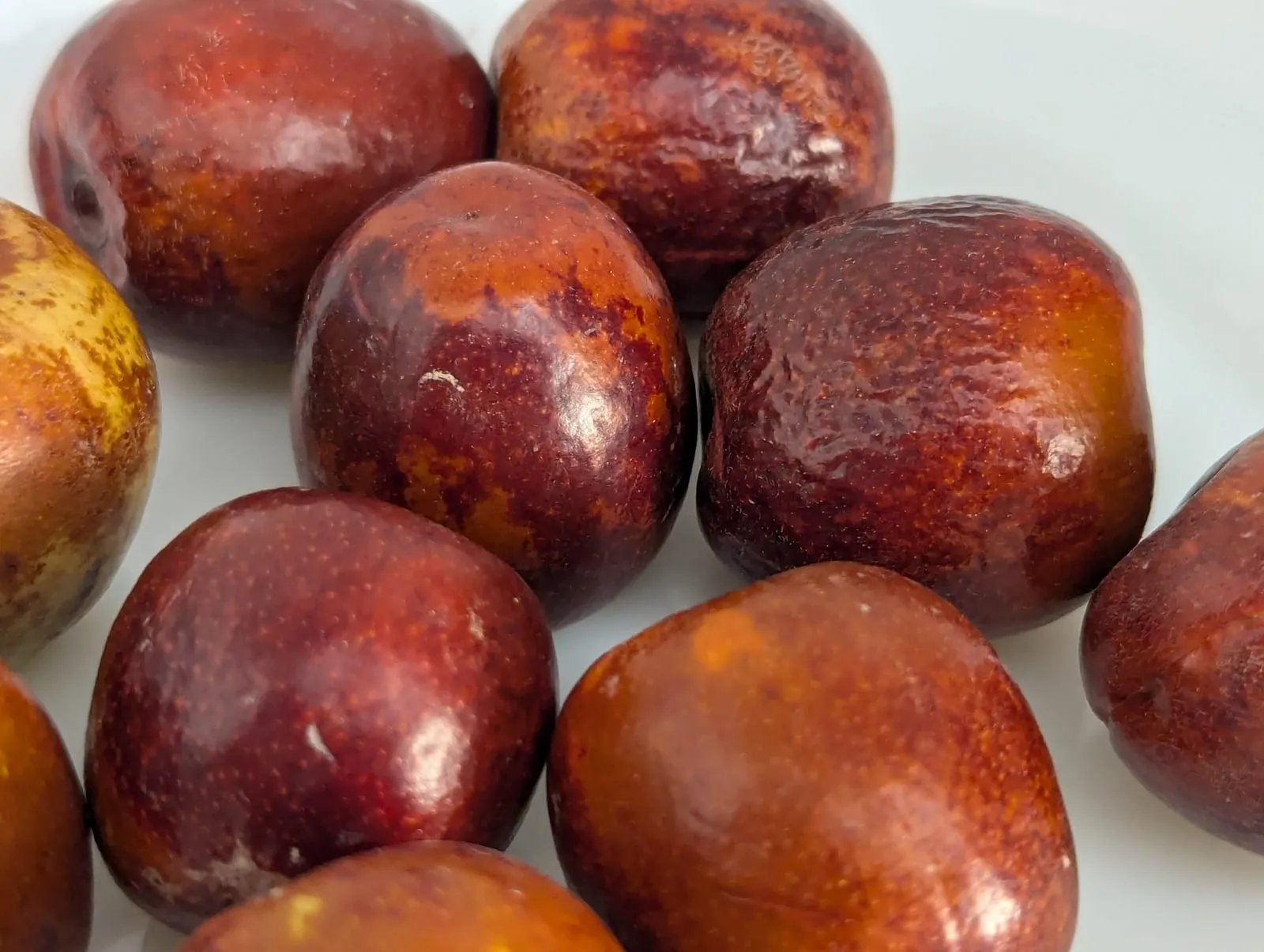
fruit tree in zone 9b
Growing jujube in zone 9b
Ziziphus jujuba
- Zone
- 9b 25°F to 30°F
- Growing season
- 310 days
- Chill needed
- 50 to 200 below 45°F
- Suitable varieties
- 0
- Days to harvest
- 150 to 200
The verdict
Jujube is well matched to zone 9b, and in most respects this is a sweet spot rather than a marginal case. The crop's chill-hour requirement of 50 to 200 hours is comfortably satisfied even in warm winters typical of zone 9b, where accumulation of sub-45°F hours is reliable without requiring an exceptional cold snap. Jujubes are heat-loving by nature, originating from semi-arid regions of northern China, so the long, hot summers of zone 9b present no fundamental obstacle. The 310-day growing season is more than sufficient for fruit to develop and ripen fully before any autumn frost risk.
The zone challenge list for 9b notes insufficient chill for most apples, but jujube sits at the opposite end of the chill-hour spectrum from apples. Growers who have struggled with apple production in this zone often find jujube a practical alternative. Coastal salt spray can affect any woody plant, but jujube tolerates it better than most tree fruits.
Critical timing for zone 9b
In zone 9b, jujube bloom typically begins in late May and extends through June. The tree leafs out later than most deciduous fruit trees, which is a trait, not a flaw: late emergence reduces any risk of frost damage to flowers or tender growth. Zone 9b's last frost dates generally fall in February, leaving a comfortable margin before bloom begins.
Harvest timing depends on variety, but most jujubes in hot climates ripen between late August and October. The long growing season means fruit has ample time to progress from the crisp, apple-like stage through full caramel ripeness on the tree. Growers who prefer the dried date-like texture can leave fruit to wrinkle naturally on the branch.
Common challenges in zone 9b
- ▸ Heat stress in summer
- ▸ Insufficient chill for most apples
- ▸ Salt spray near coasts
Modified care for zone 9b
Jujube requires less adjustment in zone 9b than almost any other tree fruit. It is drought tolerant and heat tolerant, but extended periods above 105°F during fruit set can cause drop, so supplemental irrigation during the hottest weeks of summer is worth considering. Deep, infrequent watering is more effective than frequent shallow irrigation.
No winter protection is needed. Established jujube trees are cold-hardy well below the zone 9b minimum of 25 to 30°F. Growers near the coast should position trees with some shelter from salt-laden wind if possible, as persistent salt spray will eventually cause leaf scorch on any exposed woody plant. Fertilizer needs are modest; excessive nitrogen pushes vegetative growth at the expense of fruit set in hot-summer zones.
Frequently asked questions
- Does jujube need a pollinator in zone 9b?
Most jujube varieties are self-fertile and will set fruit without a second tree. Planting two different varieties nearby can increase yield and fruit size, but a single tree will produce a usable crop in most cases.
- Will jujube fruit dry on the tree in zone 9b?
Yes. The long, dry late-summer conditions in zone 9b are well suited to on-tree drying. Fruit left on the branch after the crisp stage will gradually shrivel into a date-like texture. Remove fruit before winter rains to prevent mold.
- Is zone 9b too hot for jujube?
No. Jujube originates from hot, semi-arid climates and handles zone 9b summer heat better than most tree fruits. Heat stress is possible during extreme heat events above 105°F, but the tree itself is unlikely to suffer lasting damage.
+−
+−
+−
Jujube in adjacent zones
Image: "Ziziphus jujuba (fruit)", by Ismael Olea, via Wikimedia Commons, licensed under CC-BY Source.
.jpg)
Related