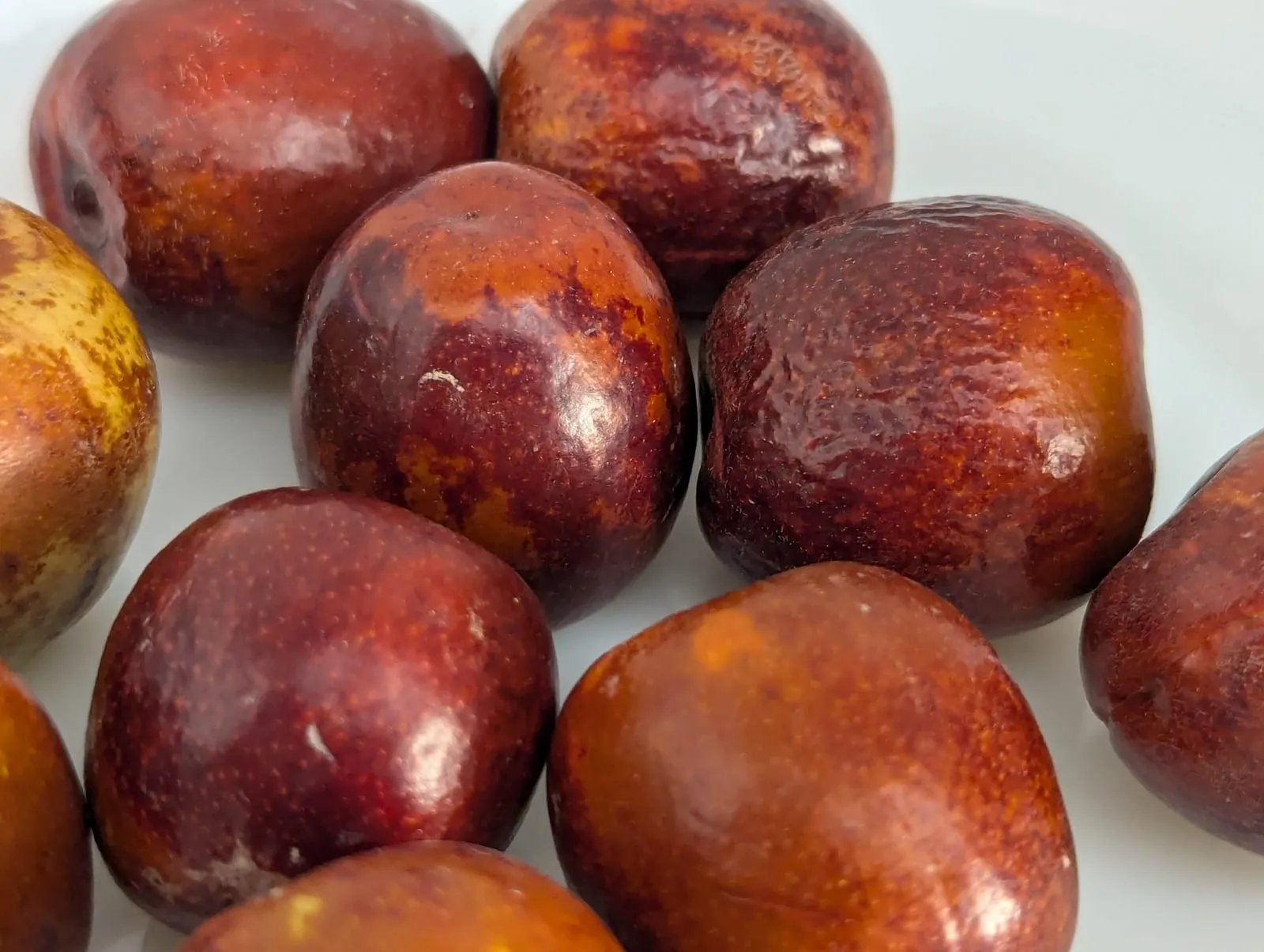
fruit tree in zone 9a
Growing jujube in zone 9a
Ziziphus jujuba
- Zone
- 9a 20°F to 25°F
- Growing season
- 290 days
- Chill needed
- 50 to 200 below 45°F
- Suitable varieties
- 2
- Days to harvest
- 150 to 200
The verdict
Zone 9a is a strong fit for jujube, not a marginal one. Jujube requires only 50 to 200 chill hours to break dormancy and set fruit reliably, a range that zone 9a meets without difficulty across most winters. Compare that to stone fruits such as peaches, which need 600 to 900 hours and often underperform in the same zone, and it becomes clear why jujube is one of the few deciduous fruit trees that genuinely belongs here.
The 290-day growing season gives both Li and Lang ample time to develop fruit fully from late-spring bloom through fall harvest. Neither variety is pushing the zone's limits. The main caveat is that unusually warm winters, with fewer than 50 accumulated chill hours, can cause erratic or delayed leaf-out, but this is a rare event in zone 9a rather than a routine concern. Growers in coastal or urban heat-island locations within the zone should track chill hours in warm years as a precaution.
Recommended varieties for zone 9a
2 cultivars suited to this zone, with disease-resistance and zone-fit annotations.
| Variety | Notes | Zone fit | Disease resistance |
|---|---|---|---|
| Li fits zone 9a | Sweet, crisp like an apple when fresh; large round fruit. Eats out of hand, dries to a date-like sweetness. Most popular fresh-eating jujube. | | none noted |
| Lang fits zone 9a | Sweet, crisp, apple-pear flavor when fresh; pear-shaped fruit. Productive, often the pollinator for Li. Excellent fresh and dried. | | none noted |
Critical timing for zone 9a
Jujube breaks dormancy and leafs out later than most deciduous trees, typically mid-spring in zone 9a, which puts it well past frost risk. Bloom follows in late spring to early summer, generally May through June. This timing is advantageous in zone 9a because spring frost events after late February are uncommon, and the late bloom window largely sidesteps them.
Harvest for Li, which ripens earlier, typically begins in August and extends into September. Lang matures somewhat later, often September into October. With a growing season of 290 days, there is no concern about frost cutting the season short before fruit reaches full maturity. Growers in the inland portions of zone 9a may see slightly earlier ripening due to higher summer heat accumulation.
Common challenges in zone 9a
- ▸ Limited stone fruit options due to insufficient chill
- ▸ Hurricane and tropical storm exposure
- ▸ Citrus disease pressure
Modified care for zone 9a
Jujube's natural drought and heat tolerance makes it a low-intervention crop in zone 9a, but the zone's specific hazards call for a few adjustments. Hurricane and tropical storm exposure is the primary structural concern. Train trees to a central leader or modified central leader form and keep canopy height manageable to reduce wind load. Remove any scaffold branches with narrow crotch angles early, as these are prone to splitting under storm stress.
Citrus disease pressure present in zone 9a does not directly affect jujube, which has no significant fungal or bacterial vulnerabilities listed for this region. Irrigation during extended dry spells in summer improves fruit size and reduces premature drop, even though established trees can survive drought. Mulching to 3 to 4 inches depth moderates soil temperature and retains moisture during the hottest months, which in zone 9a can push well above 95°F for extended stretches.
Frequently asked questions
- Does jujube need a pollinator in zone 9a?
Jujube is largely self-fertile, and a single tree will produce fruit. Planting Li and Lang together, as is common in zone 9a, tends to improve fruit set and size through cross-pollination, but it is not a requirement for a productive harvest.
- Will jujube fruit ripen before fall storms hit in zone 9a?
Li typically finishes in September and Lang by October, which aligns with but does not fully precede the Gulf Coast and Atlantic hurricane season. In years with late tropical activity, harvesting fruit as it reaches the firm-ripe stage (before full brown color) is a reasonable precaution. Jujube at this stage can continue ripening off the tree.
- How much water does jujube need in a zone 9a summer?
Established trees can survive on rainfall alone in zone 9a, but supplemental irrigation during dry stretches of 3 or more weeks improves fruit size and consistency. Young trees in their first two seasons need regular watering until the root system establishes. Avoid waterlogged soils, which jujube tolerates poorly.
+−
+−
+−
Jujube in adjacent zones
Image: "Ziziphus jujuba (fruit)", by Ismael Olea, via Wikimedia Commons, licensed under CC-BY Source.
.jpg)
Related