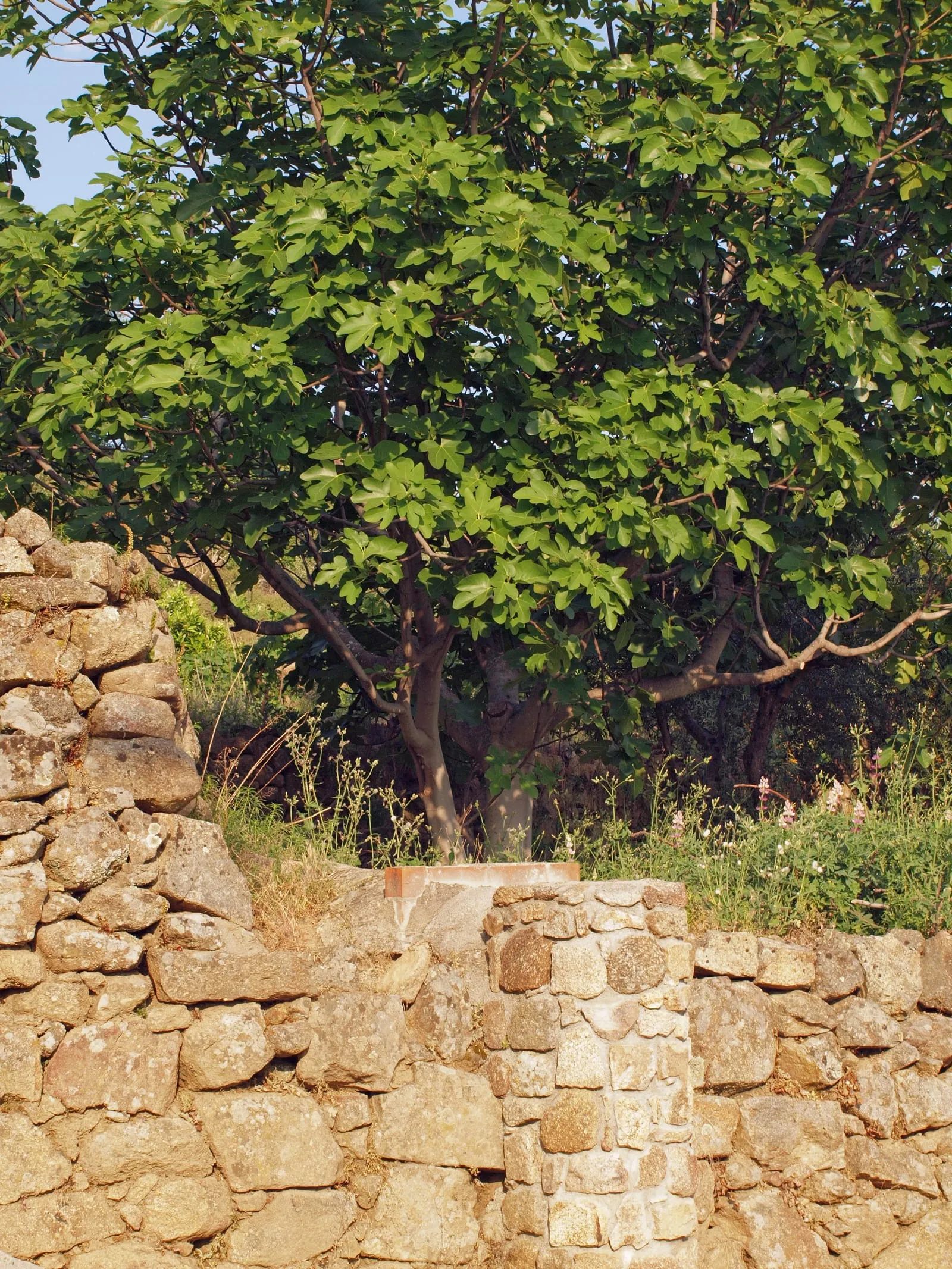
fruit tree in zone 9b
Growing fig in zone 9b
Ficus carica
- Zone
- 9b 25°F to 30°F
- Growing season
- 310 days
- Chill needed
- 100 to 300 below 45°F
- Suitable varieties
- 2
- Days to harvest
- 120 to 180
The verdict
Zone 9b sits squarely in the sweet spot for fig production. Figs require 100 to 300 chill hours to break dormancy reliably, and zone 9b winters deliver that range without pushing into the over-chilling territory that causes erratic leaf-out. Minimum winter temperatures of 25 to 30°F rarely threaten established fig wood, though a hard freeze at the low end of that range can tip-kill young stems on marginally hardy varieties.
With a 310-day growing season, figs have ample time to ripen two flushes of fruit in most years. Brown Turkey and Black Mission, the two varieties with well-documented performance in this zone, both sit at the lower end of the chill-hour range, which makes them consistent producers rather than occasional ones. This is not a marginal zone for figs; it is one of the more reliably productive zones in the continental United States.
Recommended varieties for zone 9b
2 cultivars suited to this zone, with disease-resistance and zone-fit annotations.
| Variety | Notes | Zone fit | Disease resistance |
|---|---|---|---|
| Brown Turkey fits zone 9b | Sweet, mild, large brown-purple fruit with red-pink flesh; reliable producer for fresh eating and jam. Less intense flavor than Celeste but heavier yields. | | none noted |
| Black Mission fits zone 9b | Rich, sweet, complex flavor with hints of berry; the classic California fig. Eats fresh and dries into the dark figs sold in stores. | | none noted |
Critical timing for zone 9b
Fig foliage in zone 9b typically emerges in late February to early March, following winter dormancy. Breba fruit (the first-flush crop that forms on the previous year's wood) ripens from late June through July. Main-crop figs, which develop on current-season growth, ripen from August through October.
Frost risk during active growth is minimal in zone 9b, with last frost dates typically falling in late January or early February. Bloom and early fruit set are rarely interrupted. The long tail of warm weather into November means late-ripening fruit on vigorous shoots generally has enough heat to finish. Heat accumulation is not a limiting factor here; adequate irrigation during summer peaks is.
Common challenges in zone 9b
- ▸ Heat stress in summer
- ▸ Insufficient chill for most apples
- ▸ Salt spray near coasts
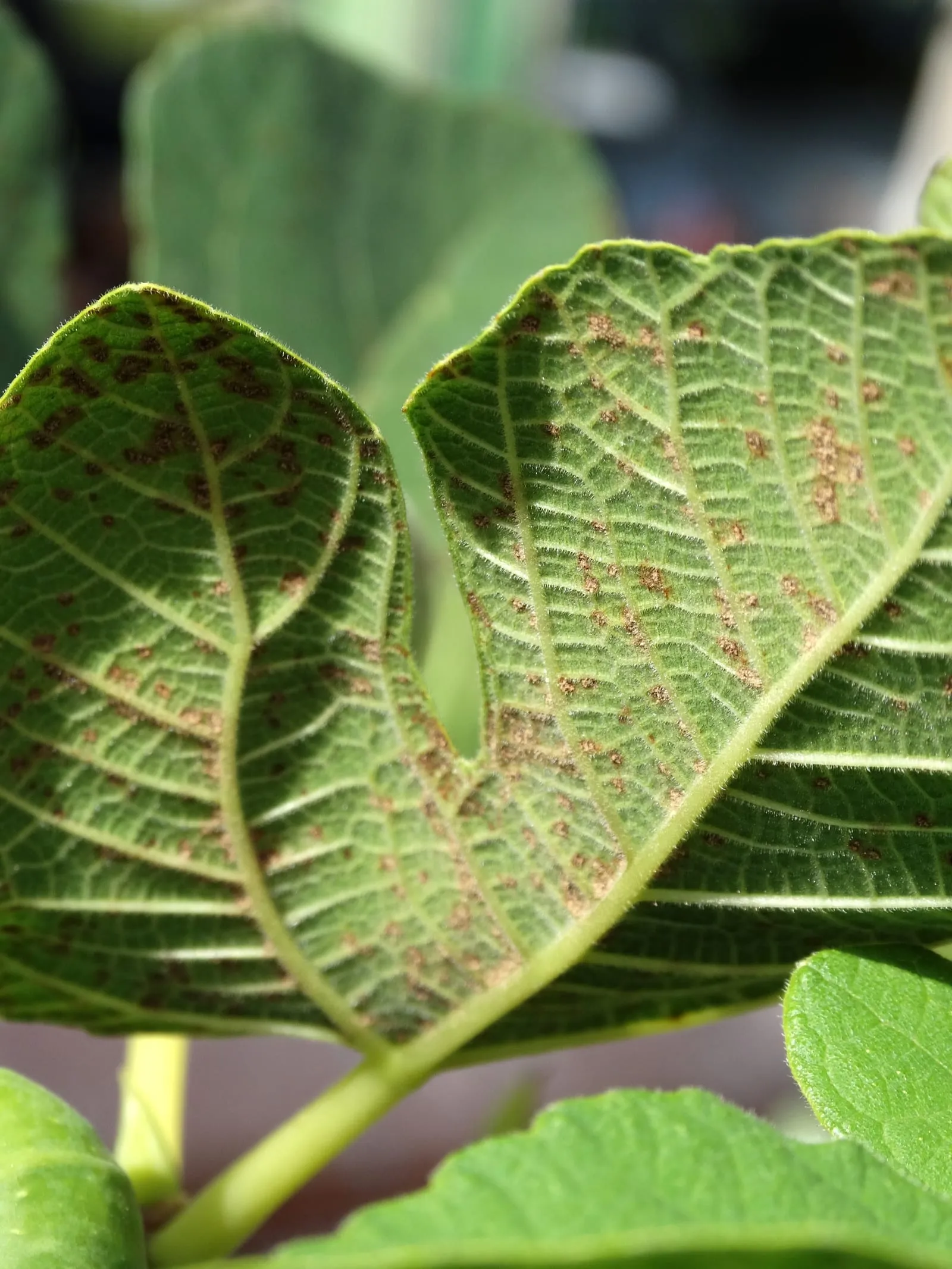
Disease pressure to watch for
Modified care for zone 9b
Heat stress is the primary management challenge in zone 9b, not cold. Figs fruit through summer temperatures that regularly exceed 95°F in inland sites, and drought stress during that window reduces fruit size and can cause premature drop. Deep, infrequent irrigation every 7 to 10 days during the hottest months outperforms shallow daily watering.
Fig Rust becomes a recurring pressure in humid coastal sub-zones, particularly where morning fog persists into midsummer. Removing infected leaves and improving air circulation through selective pruning reduces incidence in most cases without fungicide applications. Fig Fruit Souring is more prevalent in years with late-season rain that splits ripening fruit; harvesting promptly at peak ripeness is the most effective control.
Winter protection is rarely necessary for established trees. Young trees in their first winter benefit from light mulch over the root zone if temperatures are forecast to approach 25°F.
Frequently asked questions
- Do figs need a pollinator in zone 9b?
Brown Turkey and Black Mission are both parthenocarpic, meaning they set fruit without cross-pollination or the fig wasp required by some varieties. No pollinator tree is needed for either variety.
- Can figs produce two crops per year in zone 9b?
Yes. The 310-day growing season in zone 9b is long enough for both a breba crop on the previous year's wood (June to July) and a main crop on new growth (August to October). Breba yields vary by variety; Black Mission produces a reliable breba, Brown Turkey less consistently so.
- How do I manage Fig Rust in a coastal zone 9b garden?
Fig Rust spreads most aggressively in humid conditions with restricted airflow. Prune to open the canopy, remove and dispose of infected leaves rather than composting them, and avoid overhead irrigation. In most zone 9b sites these cultural steps are sufficient to keep rust from causing significant fruit loss.
- Will a fig tree survive near the coast in zone 9b?
Figs tolerate mild salt spray better than many fruit trees, but persistent exposure causes leaf scorch and stunted growth. A windbreak or placement on the sheltered side of a structure reduces salt load meaningfully. Both Brown Turkey and Black Mission have been grown successfully in coastal California and Gulf Coast sites with moderate salt exposure.
+−
+−
+−
+−
Fig in adjacent zones
Image: "Ficus-carica - bancal 20110416a", by Luis Fernández García, via Wikimedia Commons, licensed under CC-BY Source.

Related