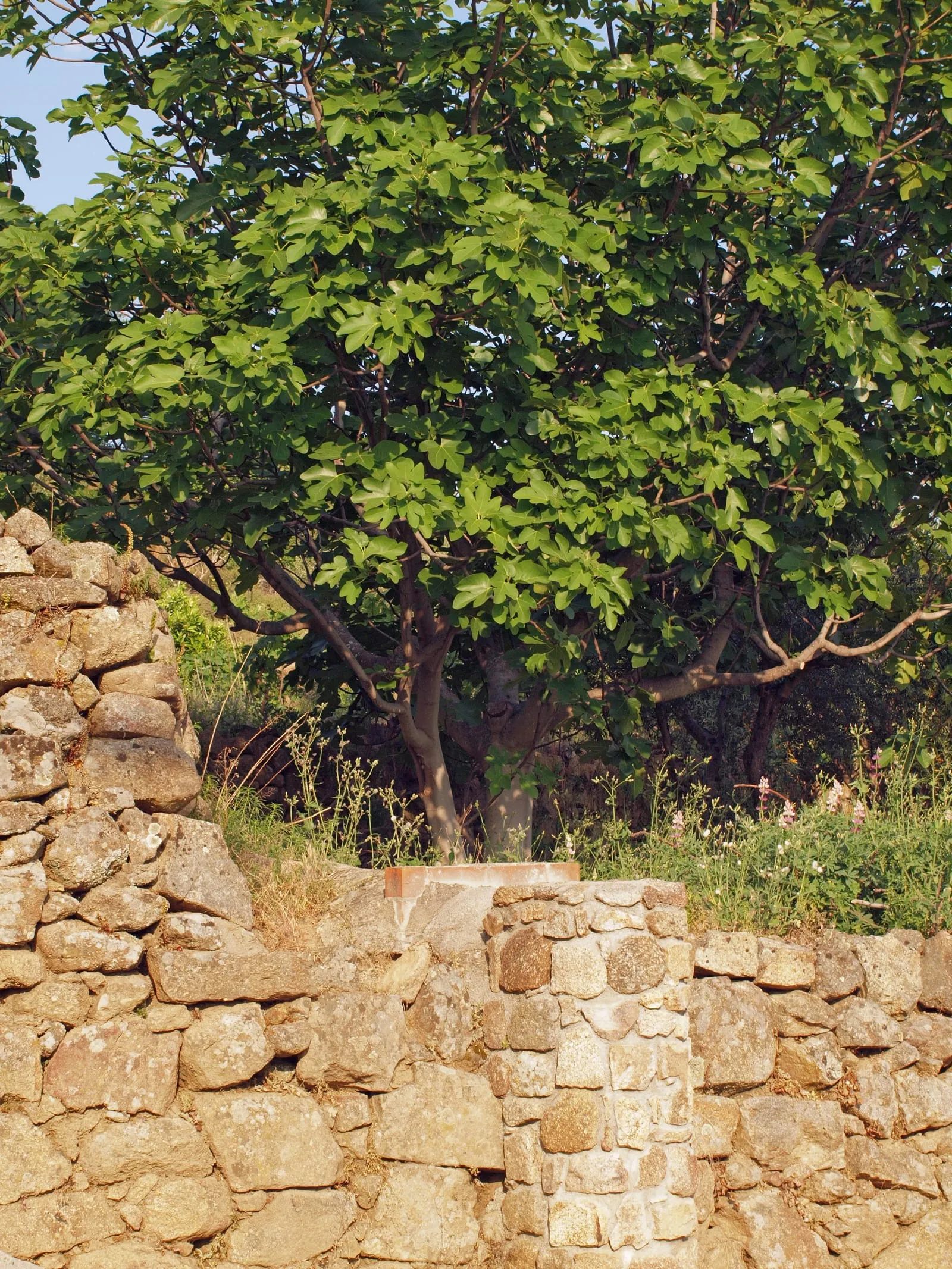
fruit tree in zone 10a
Growing fig in zone 10a
Ficus carica
- Zone
- 10a 30°F to 35°F
- Growing season
- 340 days
- Chill needed
- 100 to 300 below 45°F
- Suitable varieties
- 1
- Days to harvest
- 120 to 180
The verdict
Zone 10a sits at the warm edge of fig's viable range. With minimum winter temperatures between 30 and 35°F, the zone rarely delivers meaningful chilling, and figs require 100 to 300 chill hours depending on variety. Most winters in zone 10a accumulate fewer than 100 hours below 45°F, which puts the crop in marginal territory for reliable annual cropping.
Black Mission tolerates low-chill conditions better than most cultivars and is the practical choice here. It can produce a main crop on new wood even when chilling is insufficient for a full breba (first) crop. The 340-day growing season eliminates nearly all frost risk to developing fruit, which removes one of the bigger failure modes for figs in cooler zones.
Growers in coastal zone 10a with persistent heat and humidity should weigh disease pressure carefully before planting a large block. Inland sites with lower humidity tend to perform better.
Recommended varieties for zone 10a
1 cultivar suited to this zone, with disease-resistance and zone-fit annotations.
| Variety | Notes | Zone fit | Disease resistance |
|---|---|---|---|
| Black Mission fits zone 10a | Rich, sweet, complex flavor with hints of berry; the classic California fig. Eats fresh and dries into the dark figs sold in stores. | | none noted |
Critical timing for zone 10a
In zone 10a, fig foliage typically breaks dormancy in late January to February as temperatures climb following the mild winter. The breba crop, which forms on prior-year wood, ripens from late May through June. The main crop develops on current-season growth and ripens from August through October, sometimes extending into November given the long growing season.
The near-absence of late frost events means bloom rarely faces the cold damage that limits production in zones 7 and 8. The greater risk in zone 10a is heat-stress during fruit set in midsummer, particularly during periods above 100°F, which can cause fruit drop before the main crop matures.
Common challenges in zone 10a
- ▸ No chilling for traditional temperate fruit
- ▸ Hurricane exposure
- ▸ Heat-tolerant cultivars only
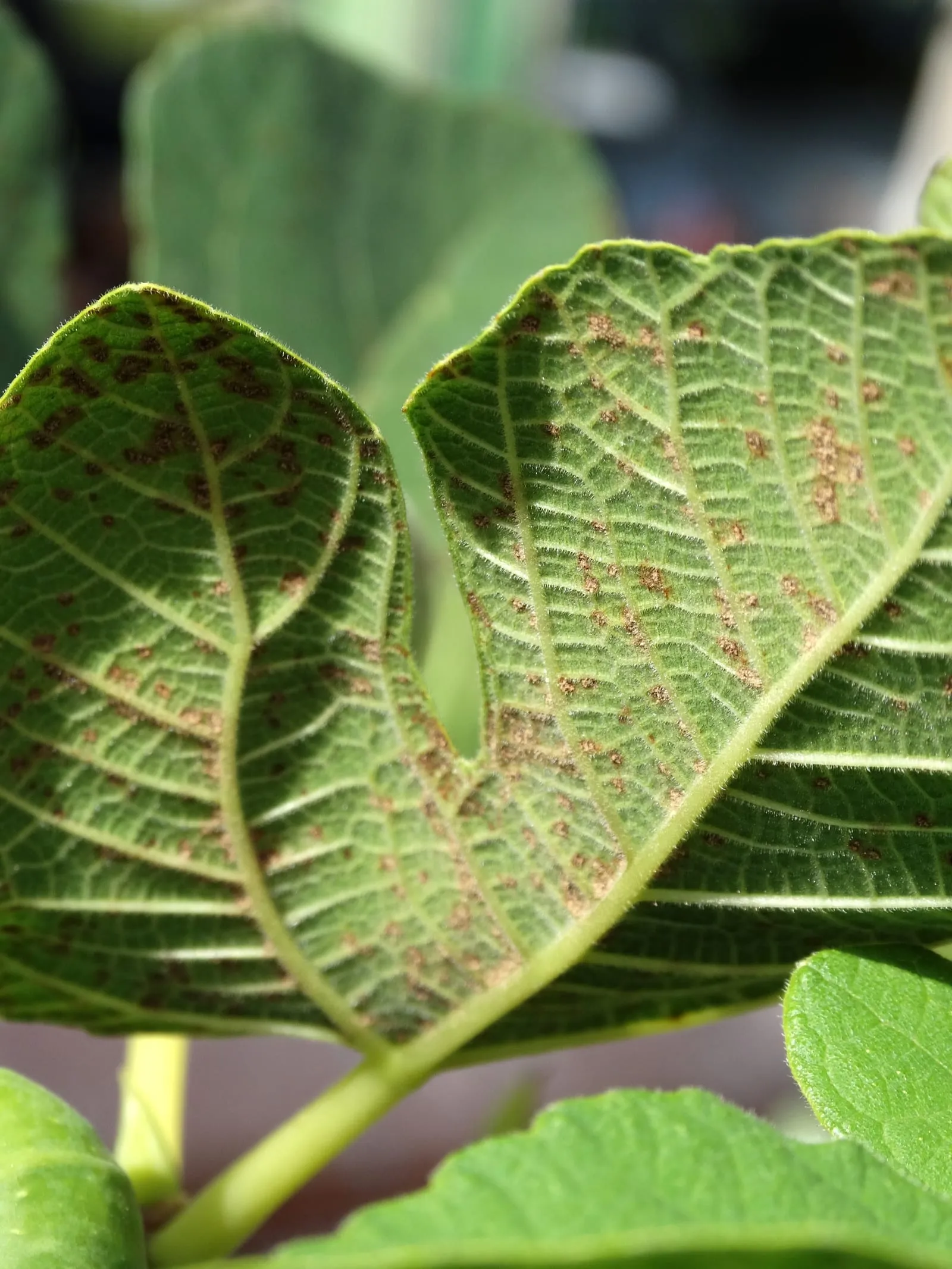
Disease pressure to watch for
Modified care for zone 10a
Standard fig culture changes in two important ways in zone 10a: summer heat management becomes the priority rather than winter protection, and disease vigilance increases year-round due to the extended warm season.
Fig rust and fig fruit souring are the two main threats. Rust pressure rises in humid coastal locations during late summer; removing infected leaves and improving airflow through selective pruning reduces incidence. Fruit souring, caused by a complex of yeasts and bacteria introduced by insects, is more likely when fruit cracks after irregular watering. Consistent irrigation through the dry season limits cracking.
In hurricane-prone parts of zone 10a, site selection matters. Figs have brittle branch junctions and do not tolerate wind loading well. Training to a multi-stem bush rather than a standard tree reduces the profile and the risk of structural failure during storms.
Frequently asked questions
- Can figs fruit reliably in zone 10a without enough chill hours?
Low-chill varieties like Black Mission can produce a main crop on current-season wood even when winter chilling is insufficient. The breba crop, which depends on prior-year wood and adequate chilling, may be sparse or absent in warm winters. Most growers in zone 10a plan around the main crop only.
- What is the biggest disease risk for figs in zone 10a?
Fig rust is the most common foliage problem in warm, humid climates. It rarely kills a tree but weakens it over successive seasons if left unmanaged. Fig fruit souring is a separate concern that causes fruit to ferment on the tree; maintaining consistent soil moisture and managing insect pressure reduces its occurrence.
- Do figs need any winter protection in zone 10a?
No. Zone 10a minimum temperatures of 30 to 35°F rarely threaten fig wood, which is damaged below approximately 15°F. Winter protection measures used in zones 6 and 7 (wrapping, mulching heavily, or container growing) are unnecessary here.
+−
+−
+−
Fig in adjacent zones
Image: "Ficus-carica - bancal 20110416a", by Luis Fernández García, via Wikimedia Commons, licensed under CC-BY Source.

Related