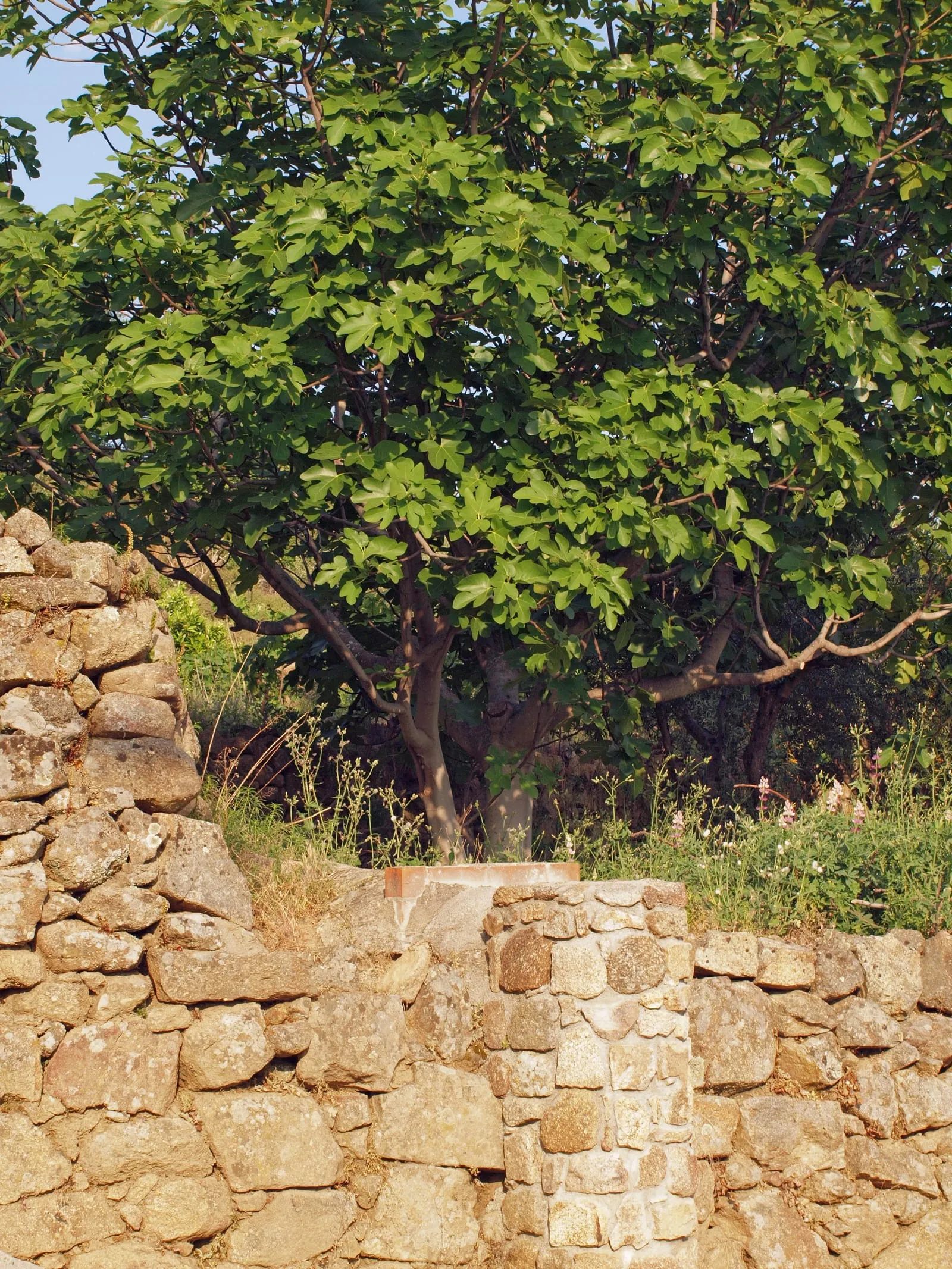
fruit tree in zone 10b
Growing fig in zone 10b
Ficus carica
- Zone
- 10b 35°F to 40°F
- Growing season
- 365 days
- Chill needed
- 100 to 300 below 45°F
- Suitable varieties
- 0
- Days to harvest
- 120 to 180
The verdict
Fig is among the lowest-chill fruit crops, with most varieties requiring 100 to 300 hours below 45°F to break dormancy and set fruit reliably. Zone 10b presents a genuine challenge: minimum winter temperatures of 35 to 40°F mean that chilling accumulation is irregular and often insufficient, particularly in years with warm winters. The zone challenge listed as "No winter chill" is accurate and significant.
This puts zone 10b at the marginal end of the fig's range, not a sweet spot. Trees will likely leaf out and grow vigorously, but fruit production can be erratic or absent in years when dormancy is incomplete. Coastal areas with saltwater intrusion in the soil add a second stressor. Growers in this zone should set expectations accordingly: figs are possible but not reliably productive here in the way they are in zones 7b through 9b, where chill accumulation is consistent.
Critical timing for zone 10b
With a 365-day growing season and no meaningful frost risk, zone 10b figs are not constrained by frost timing. The bloom-to-harvest window that matters most is whether the tree achieved adequate dormancy in the preceding winter. When it does, the first (breba) crop typically ripens in late spring to early summer, and the main crop follows in late summer through fall.
In practice, incomplete dormancy compresses or eliminates the breba crop. The main crop may still develop, but timing shifts unpredictably. Growers should watch for leaf drop as a signal of adequate dormancy rather than relying on calendar dates. In warm years when trees never fully drop their leaves, fruit set is unlikely.
Common challenges in zone 10b
- ▸ No winter chill
- ▸ Tropical pest and disease pressure
- ▸ Saltwater intrusion in coastal soils
Disease pressure to watch for
Modified care for zone 10b
The primary management challenge in zone 10b is encouraging dormancy, not protecting against cold. Withholding irrigation in late fall and early winter, beginning around October, can help push the tree toward dormancy even when temperatures stay warm. Some growers in similar climates manually defoliate trees to force a rest period, though results vary.
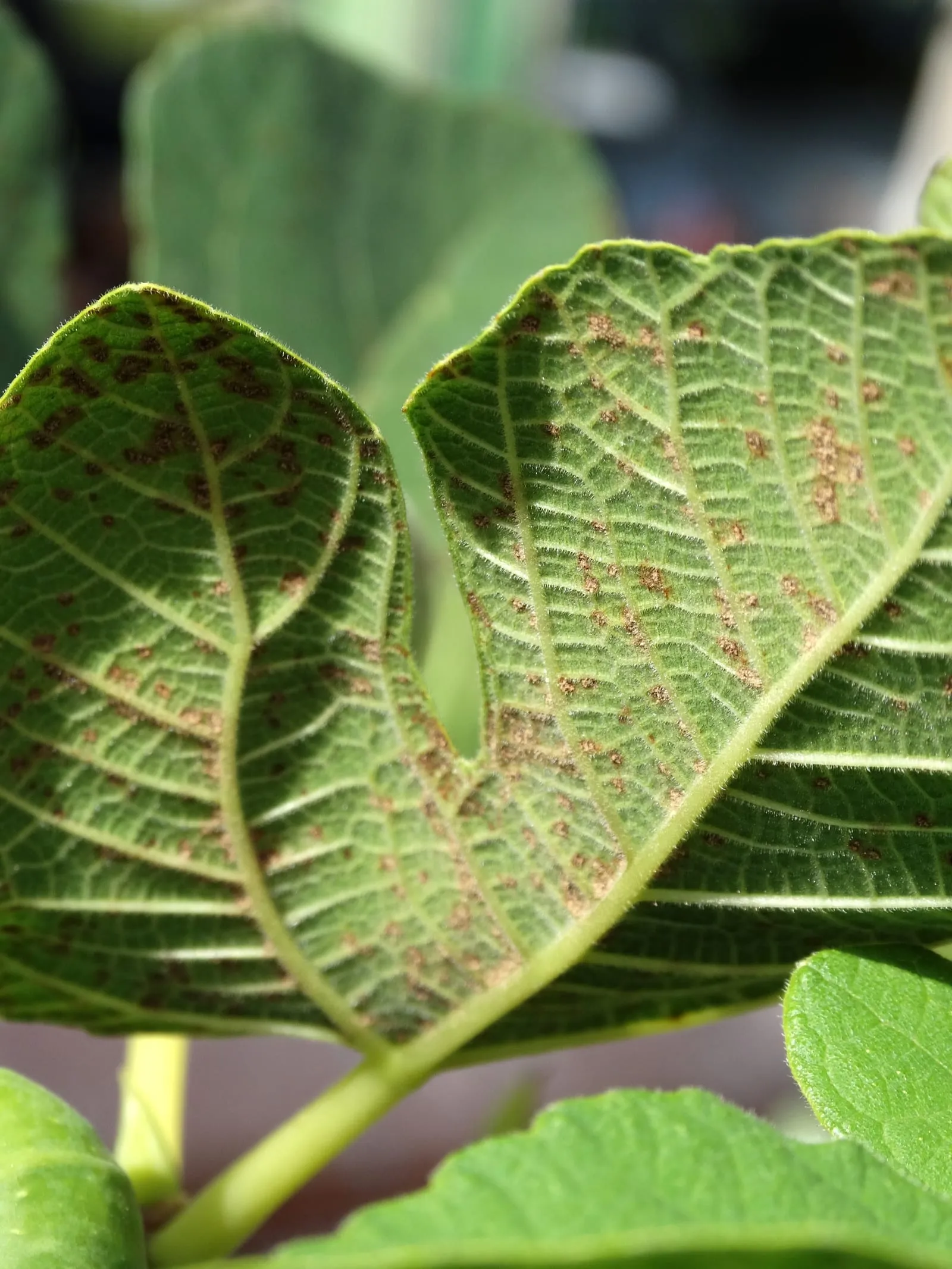
Fig Rust and Fig Fruit Souring are both elevated concerns in the humid, warm conditions typical of zone 10b. Fig Rust spreads through wet foliage; spacing trees for airflow and avoiding overhead irrigation reduces pressure. Fruit Souring, caused by a complex of yeasts and insects, is harder to prevent but worsens when fruit lingers on the tree in humid heat. Prompt harvest at peak ripeness is the most reliable mitigation. Coastal soils with salt intrusion should be amended with organic matter and monitored for elevated sodium levels.
Frequently asked questions
- Can figs fruit at all in zone 10b?
Yes, but production is inconsistent. Figs need 100 to 300 chill hours to break dormancy reliably, and zone 10b frequently falls short of that threshold. In cooler winters, fruiting can be good; in warm winters, it may be minimal or absent.
- Does zone 10b ever get enough chill hours for figs?
Occasionally. Chill hour accumulation varies year to year even within a zone. Zone 10b growers in inland locations or at elevation may accumulate 100 or more hours in a cool winter, enough for low-chill varieties. Coastal and low-elevation sites are less likely to reach that threshold.
- What is Fig Fruit Souring and how is it managed?
Fig Fruit Souring is a fermentation-related disorder caused by yeasts, bacteria, and nitidulid beetles entering the fruit through the eye. Warm, humid conditions accelerate it. Harvesting fruit promptly when ripe, removing split or overripe fruit immediately, and choosing varieties with a small or closed eye all reduce incidence.
+−
+−
+−
Fig in adjacent zones
Image: "Ficus-carica - bancal 20110416a", by Luis Fernández García, via Wikimedia Commons, licensed under CC-BY Source.

Related