USDA hardiness zone
Zone 10a
Subtropical zone where mango, avocado, and tropical fruits thrive.
On the zone ramp
- Lowest winter temp
- 30°F to 35°F USDA boundary
- Growing season
- 340 days
- Avg chill hours
- ~200 below 45°F
- Hardiness rank
- 19 of 26 warm side
- Compatible crops
- 28
- Sample region
- South Florida
Growing in zone 10a
Zone 10a spans the subtropical fringe of the continental United States, covering most of South Florida and the warmest pockets of Coastal Southern California. Winter lows hold between 30 and 35°F, and the growing season stretches to roughly 340 days. Frost is a marginal concern; heat management and humidity are not.
The defining constraint for fruit growers in zone 10a is chilling hours, not cold injury. Most temperate tree fruits (apples, pears, peaches, plums, cherries) require 400 to 1,200 hours below 45°F to break dormancy and set fruit. Zone 10a accumulates far fewer than that in most winters. Planting a standard apple or peach tree here almost always ends in failure, regardless of how carefully it is tended.
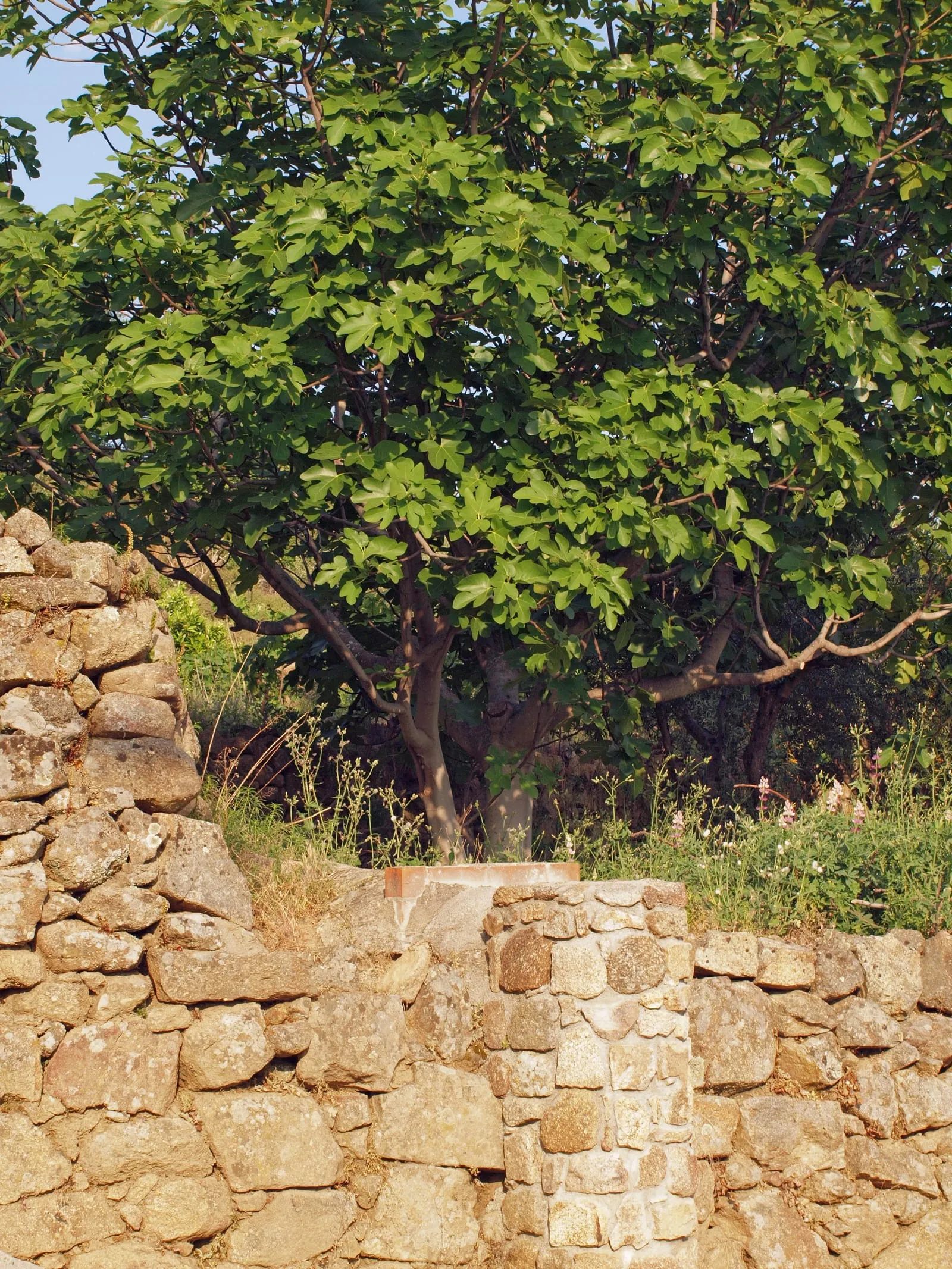
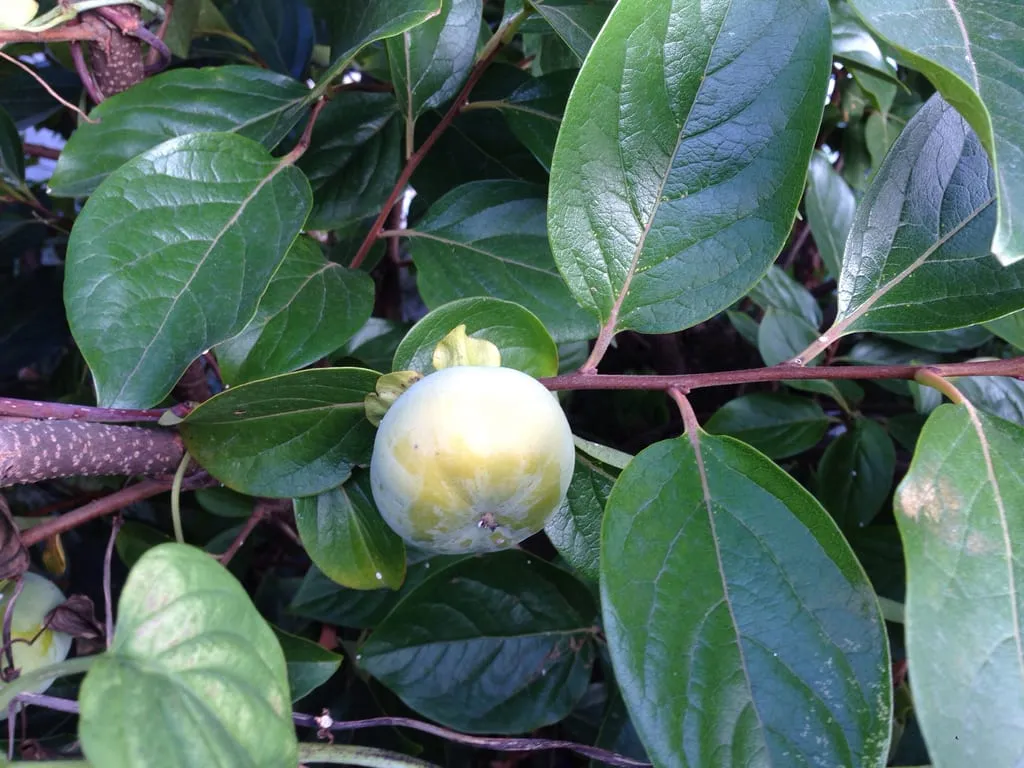
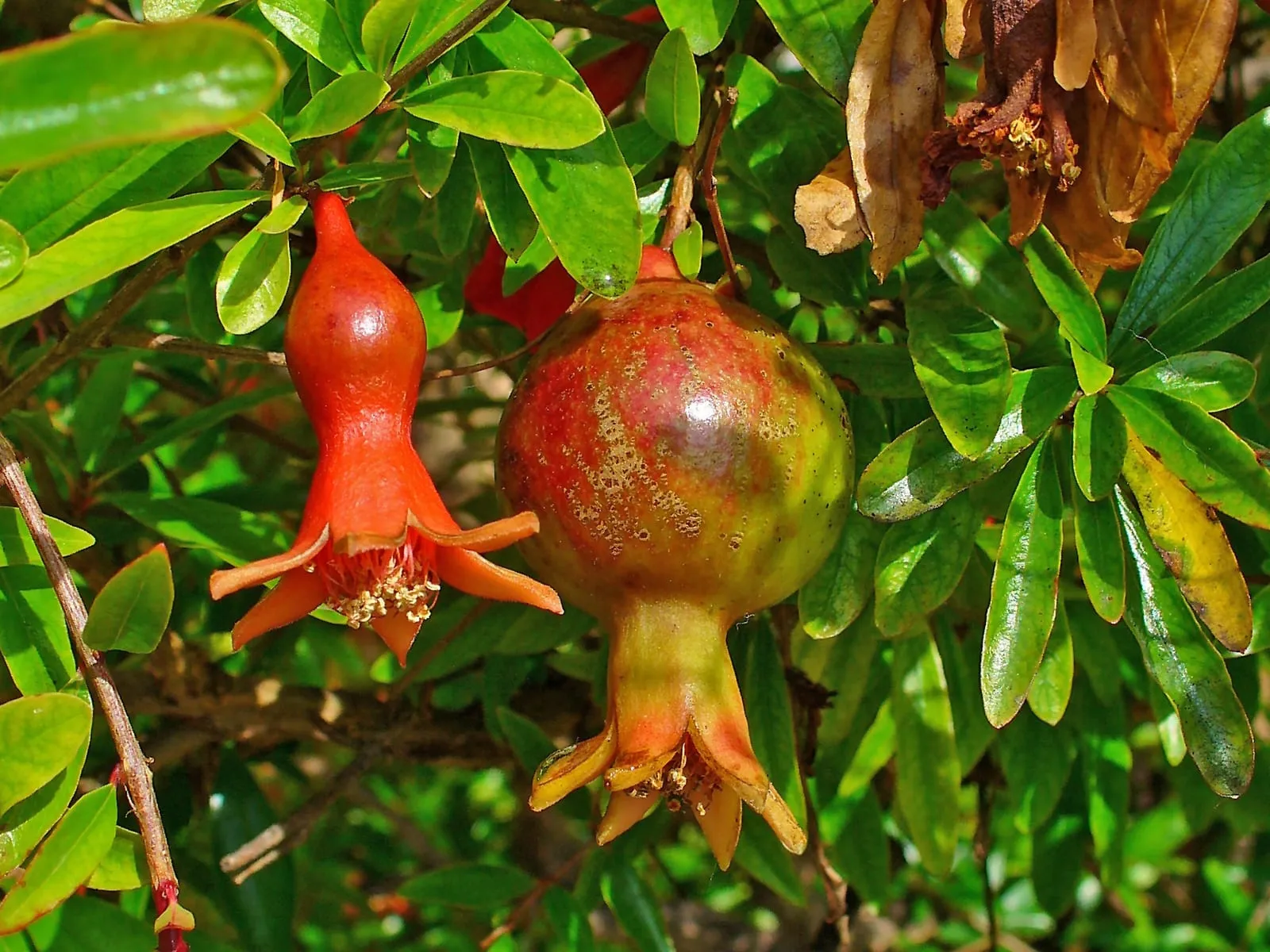
What does thrive: tropical and subtropical fruits, including mango, avocado, papaya, guava, and longan. Among the crops covered on ZonePlant, figs, low-chill Asian persimmons, and pomegranates are the primary options for growers accustomed to temperate fruit. These three tolerate or actively prefer the long, warm seasons that define 10a.
South Florida gardeners also contend with hurricane season (June through November), alkaline soils in many coastal areas, and persistent root-knot nematode pressure. Coastal Southern California presents different conditions: summer marine layer, occasional salt spray near the shoreline, and near-zero rainfall from May through October. Zone 10a is not well suited to a traditional orchard, but it is excellent territory for a very different kind of one.
Frost timing in zone 10a
Frost in zone 10a is rare enough to be treated as an exception rather than an annual planning factor. Minimum temperatures average between 30 and 35°F, and in most years they do not reach freezing at all. South Florida records frost events a few times per decade in inland locations; the coastline sees them less frequently still.
The growing season of roughly 340 days means fruit trees in this zone never fully enter the deep dormancy that most temperate crops depend on. For growers in colder zones, the last spring frost date sets the start of the growing calendar. In zone 10a, that date is largely irrelevant as a planning anchor.
The real constraint on fruit selection here is low chilling-hour accumulation. Without a sustained cold period, temperate trees either fail to leaf out normally, produce minimal fruit, or cycle through erratic bloom patterns that exhaust stored energy. Varieties marketed as low-chill typically require 100 to 300 hours, and they represent the only workable option in this zone for crops like figs and persimmons that bridge the temperate and subtropical worlds.
Common challenges
- ▸ No chilling for traditional temperate fruit
- ▸ Hurricane exposure
- ▸ Heat-tolerant cultivars only
Best practices
Select cultivars rated explicitly for low-chill environments before purchasing. The difference between a standard variety and a low-chill selection is not subtle, and catalog descriptions do not always make it obvious. For figs and pomegranates, most commercially available cultivars perform reasonably well in zone 10a. For Asian persimmons, confirming the chill-hour rating against realistic local accumulation (typically 100 to 200 hours in this zone) is worth doing before committing to a planting.
In South Florida, account for hurricane exposure when choosing planting sites and staking young trees. Trees in their first three years are most vulnerable. Flexible ties with sturdy stakes allow some trunk movement, which builds structural taper; rigid attachment points can create a fulcrum that snaps the trunk under wind load. Trees planted in obvious wind corridors or on exposed south and east faces take disproportionate storm damage.
Manage soil heat with mulch. During summer months, zone 10a soils can reach temperatures that stress feeder roots and reduce water uptake. A 3-to-4-inch layer of wood chip mulch, kept clear of the trunk, moderates soil temperature and significantly extends the interval between irrigation events during dry periods.
What to grow in zone 10a
28 crops from our database fit zone 10a, grouped by type. Click through for zone-specific variety recommendations.
Tree fruit
12 crops
 zone 10a
 Fig
Ficus carica
zones 7a–10b
 zone 10a
 Asian Persimmon
Diospyros kaki
zones 7a–10a
 zone 10a
 Pomegranate
Punica granatum
zones 7b–10a
 zone 10a
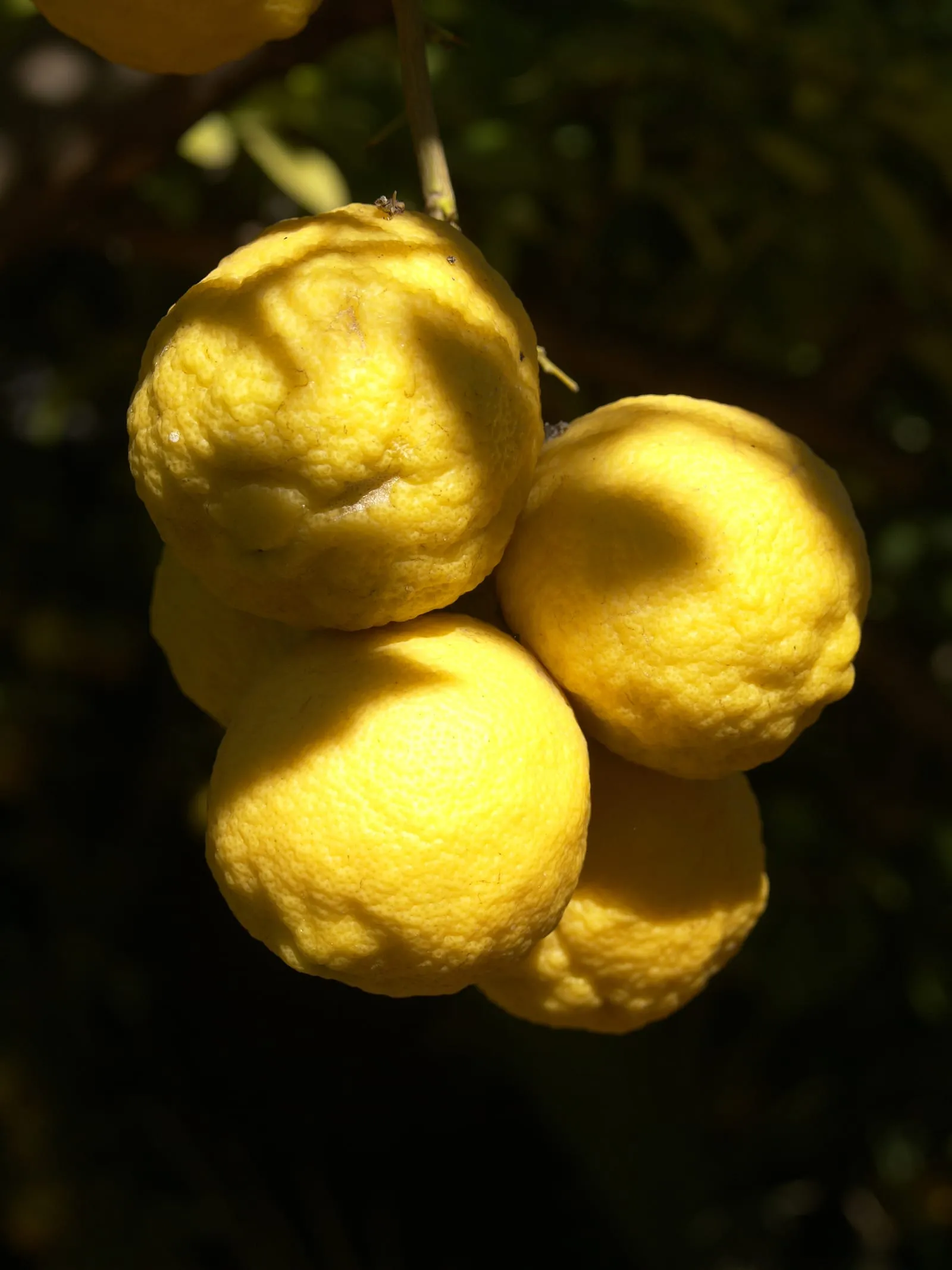
 Lemon
Citrus limon
zones 9a–11b
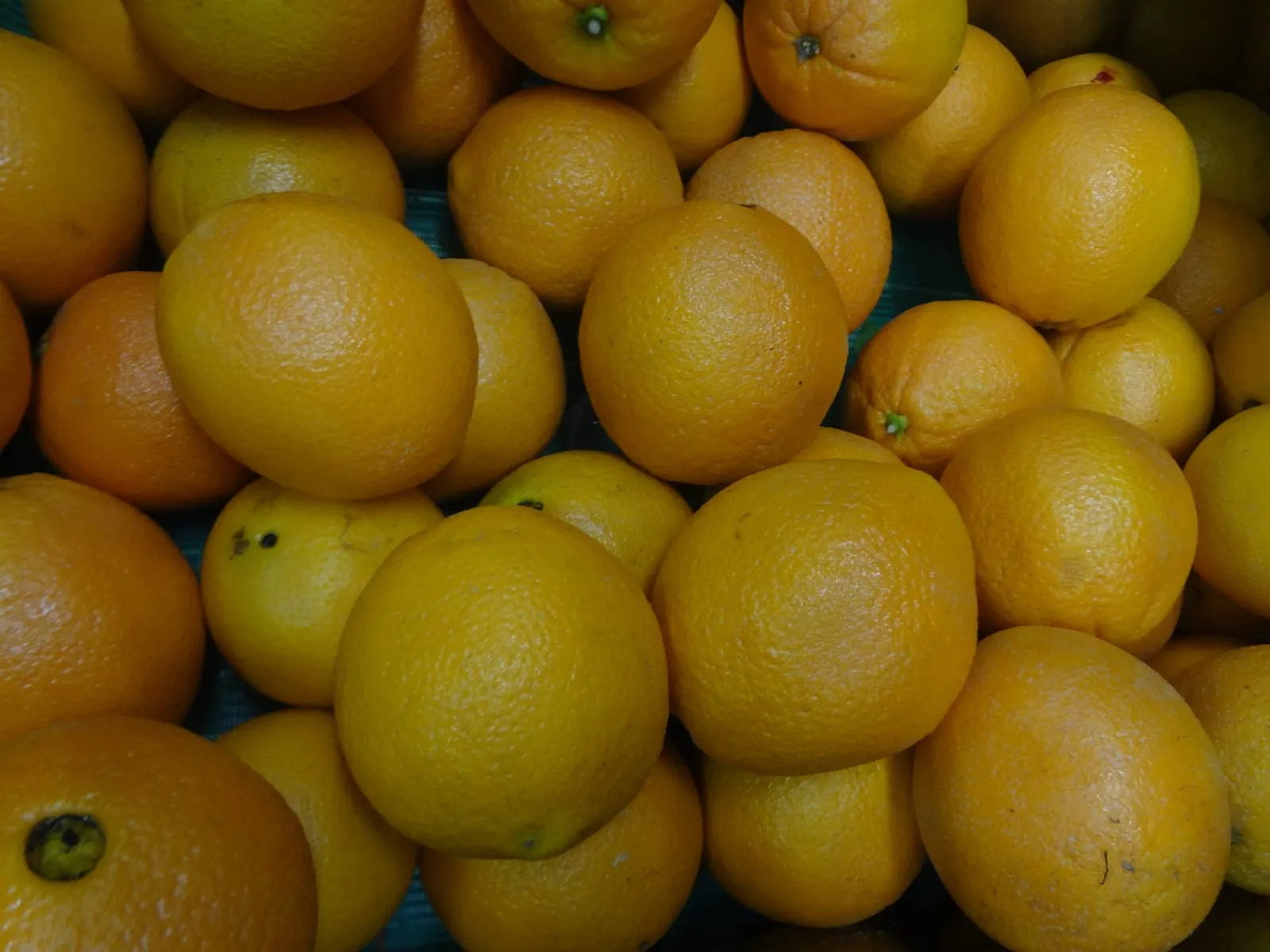 zone 10a
 Orange
Citrus sinensis
zones 9a–11b
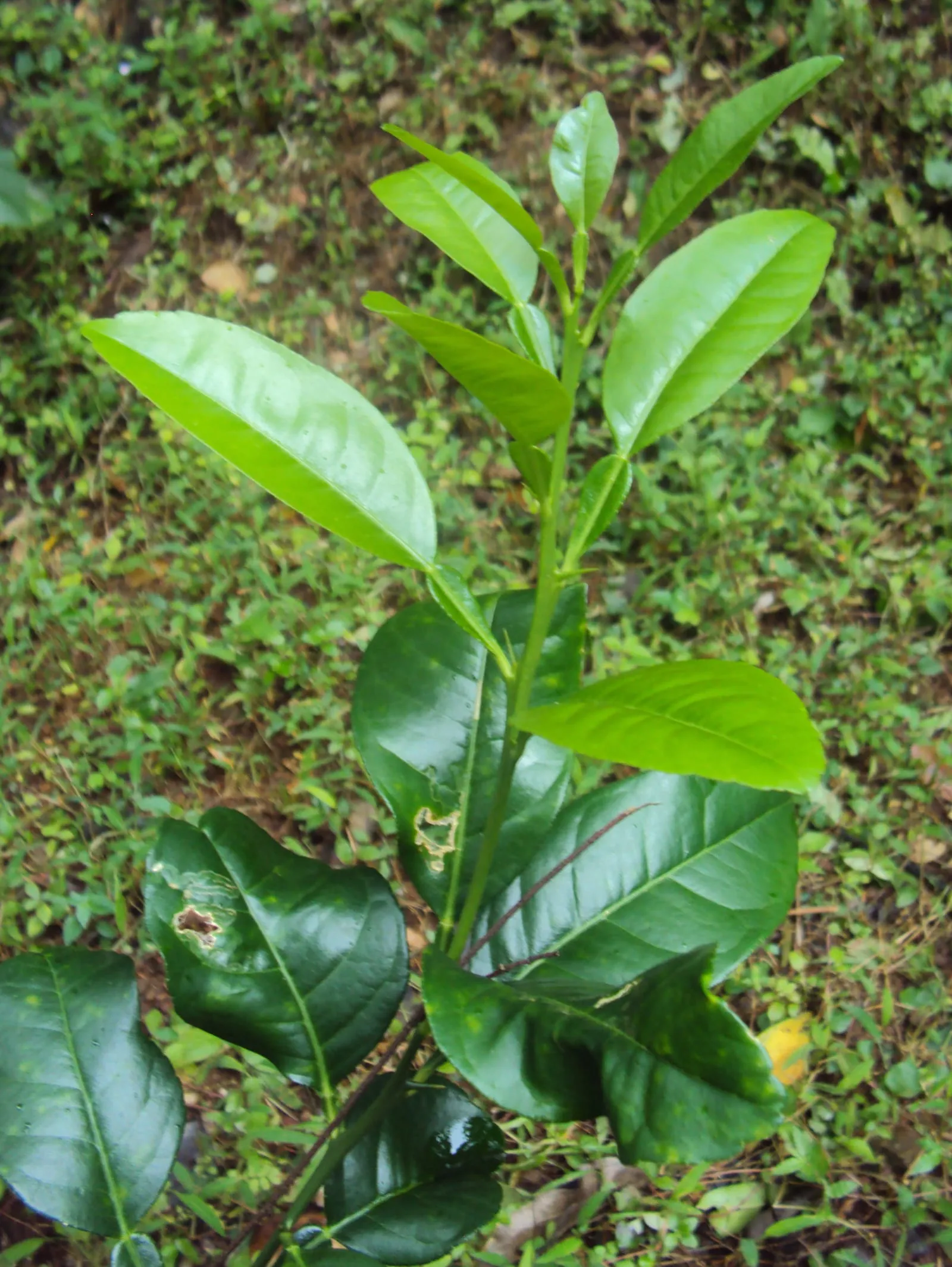 zone 10a
 Lime
Citrus aurantiifolia
zones 9b–11b
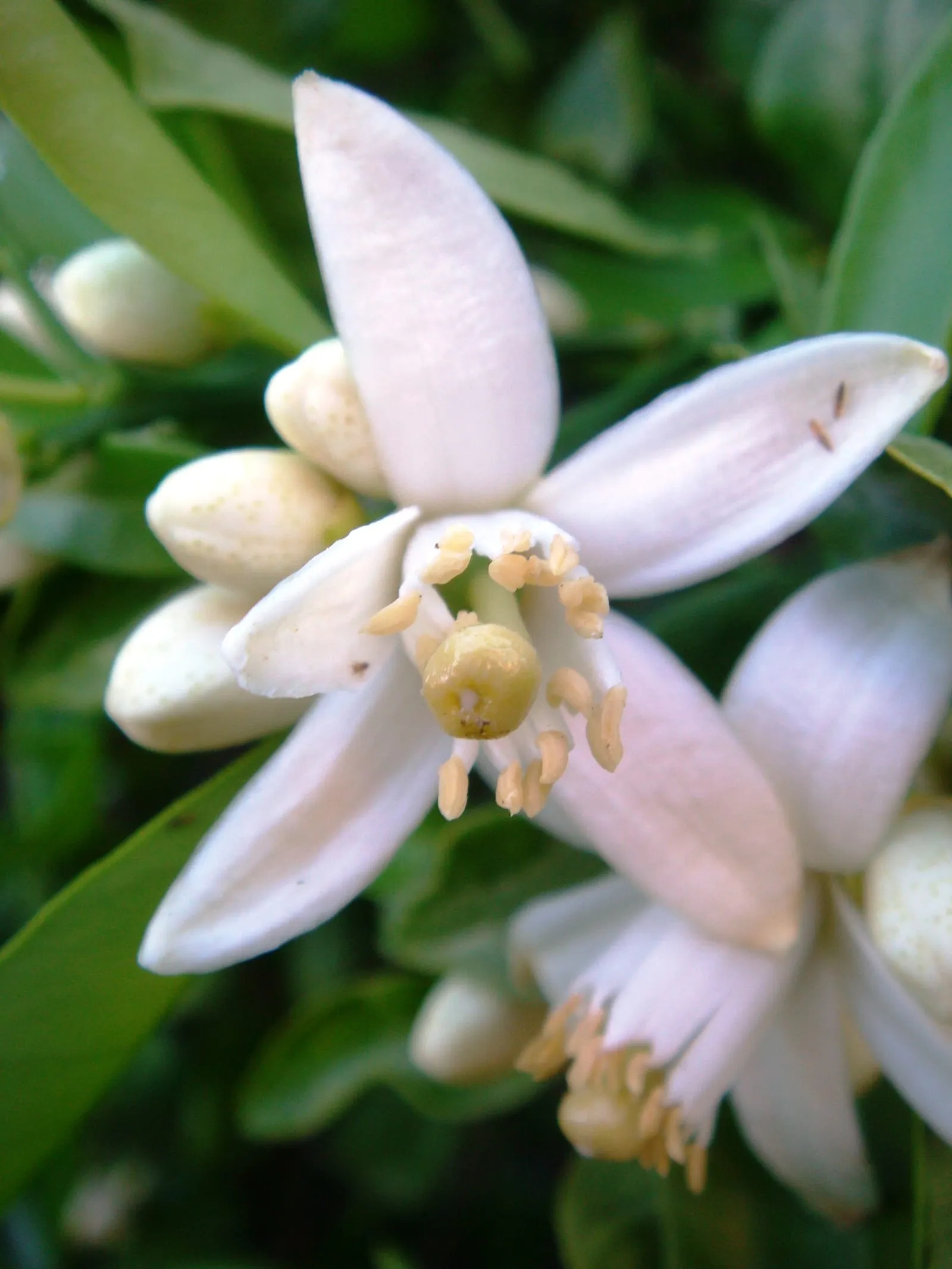 zone 10a
 Grapefruit
Citrus paradisi
zones 9a–11b
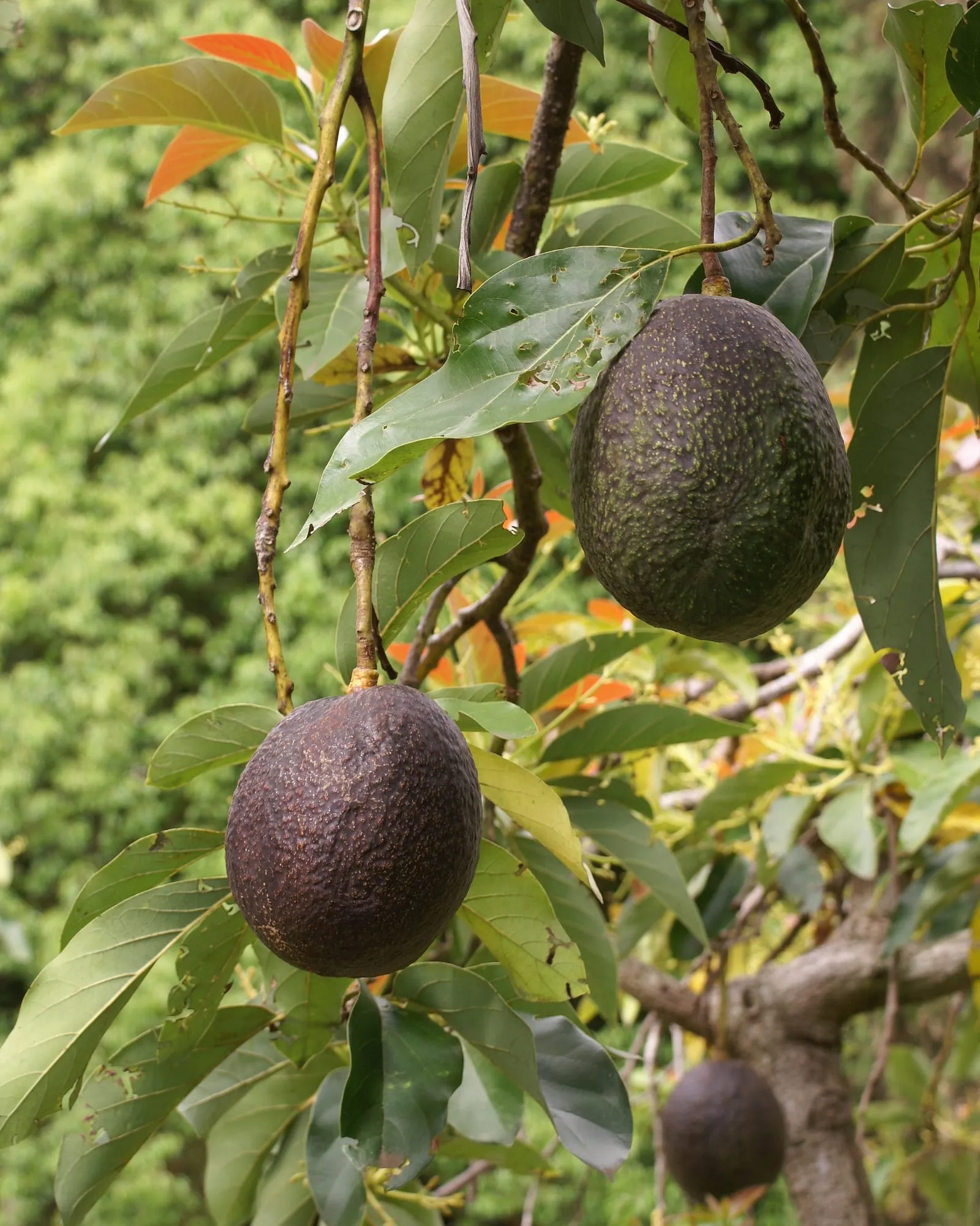 zone 10a
 Avocado
Persea americana
zones 9b–11b
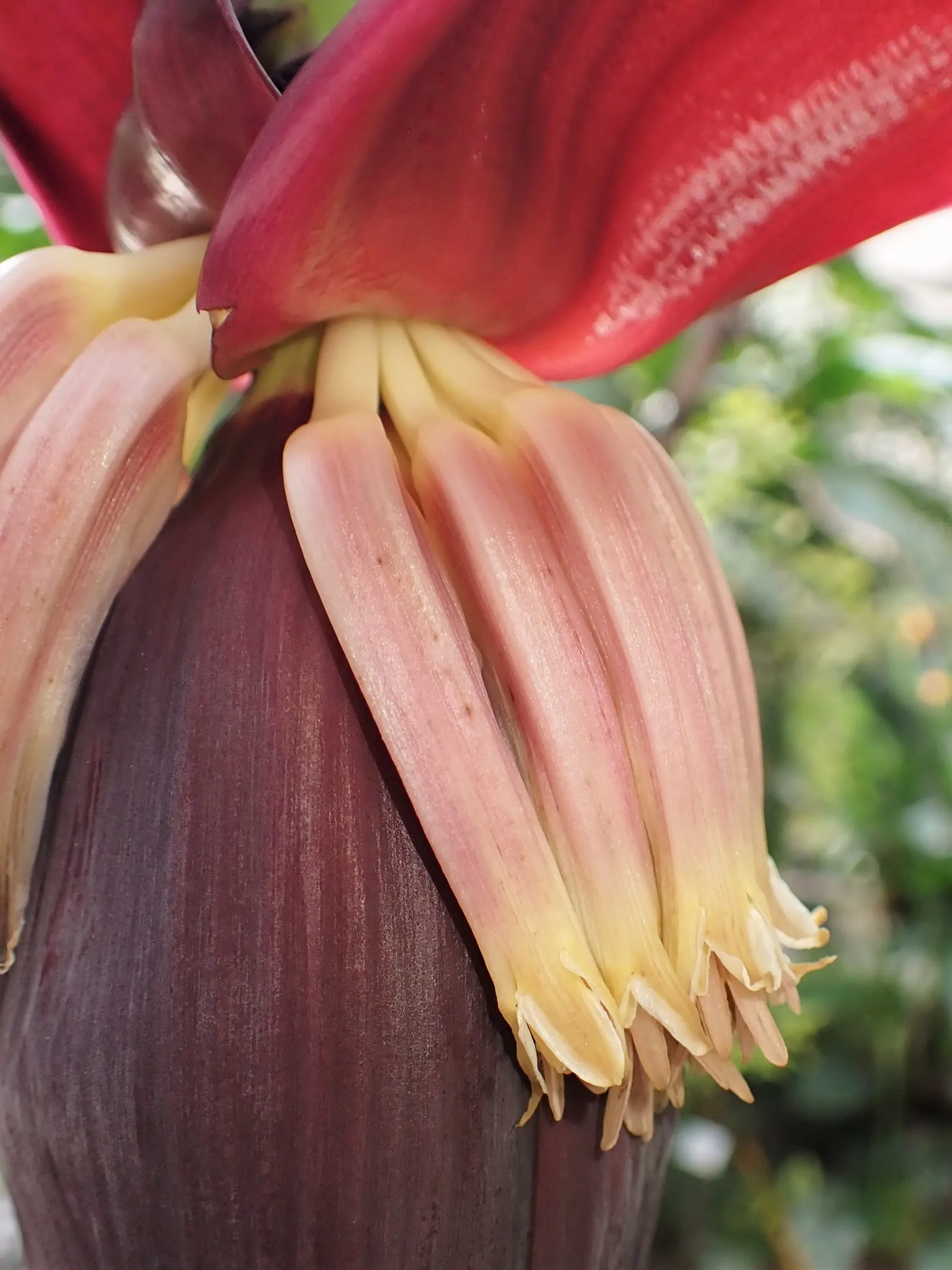 zone 10a
 Banana
Musa acuminata
zones 9b–13b
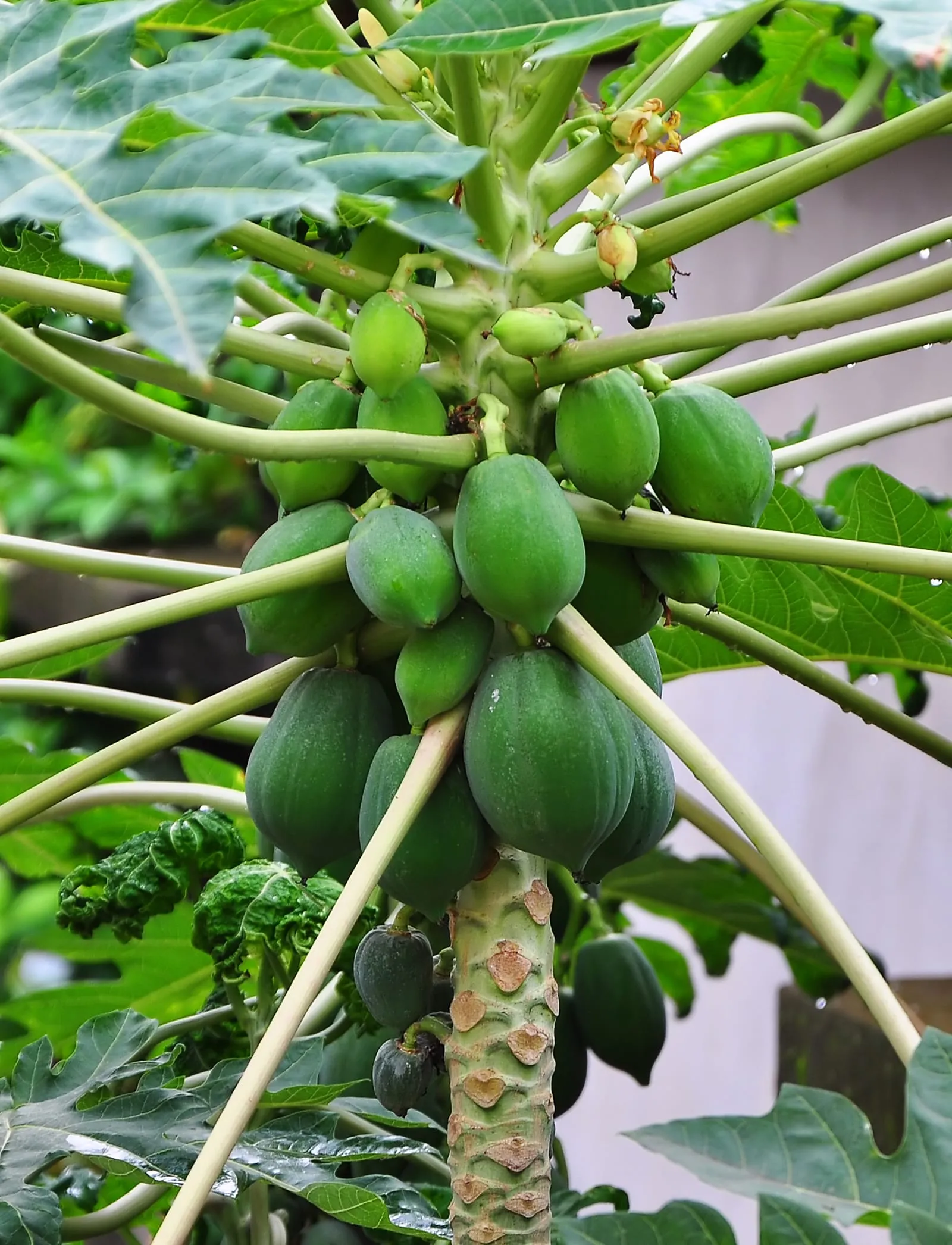 zone 10a
 Papaya
Carica papaya
zones 10a–13b
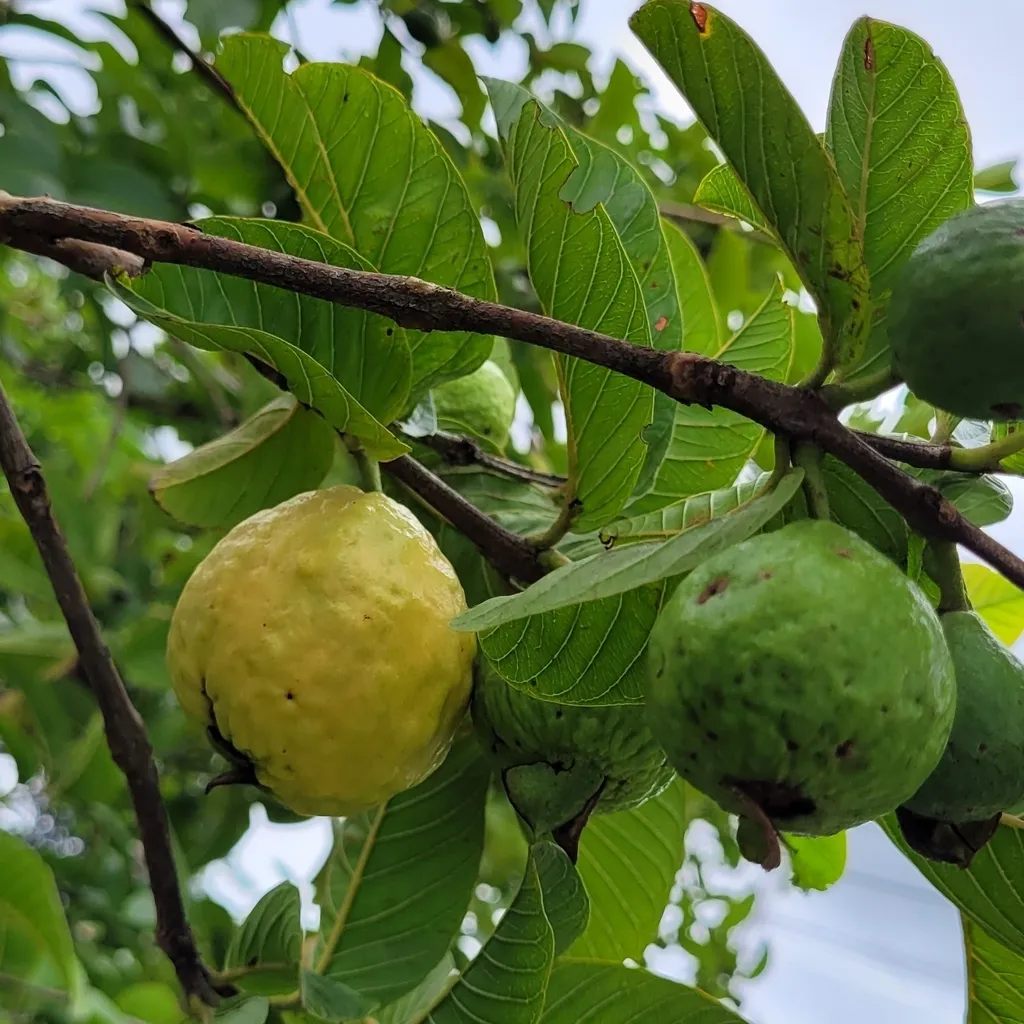 zone 10a
 Guava
Psidium guajava
zones 9b–12b
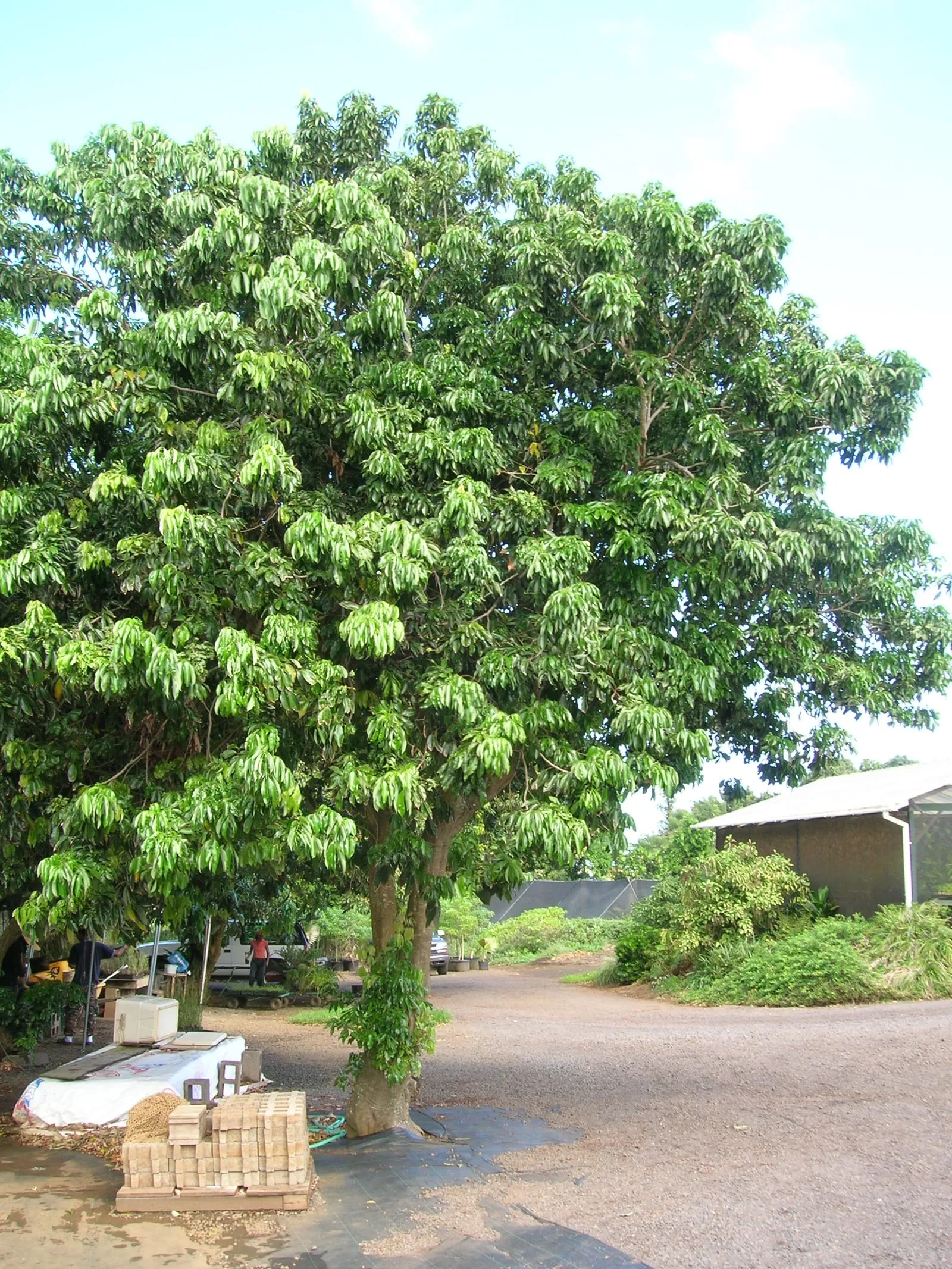 zone 10a
 Lychee
Litchi chinensis
zones 10a–12b
Berries
3 crops
Vegetables
10 crops
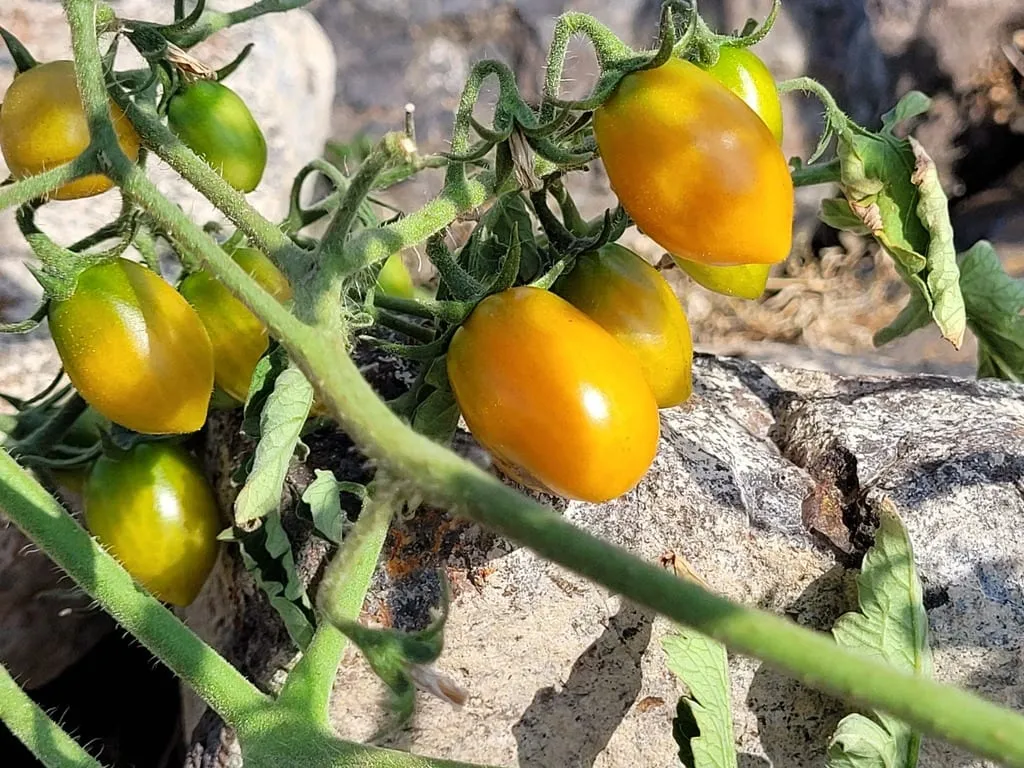 zone 10a
 Tomato
Solanum lycopersicum
zones 3a–10b
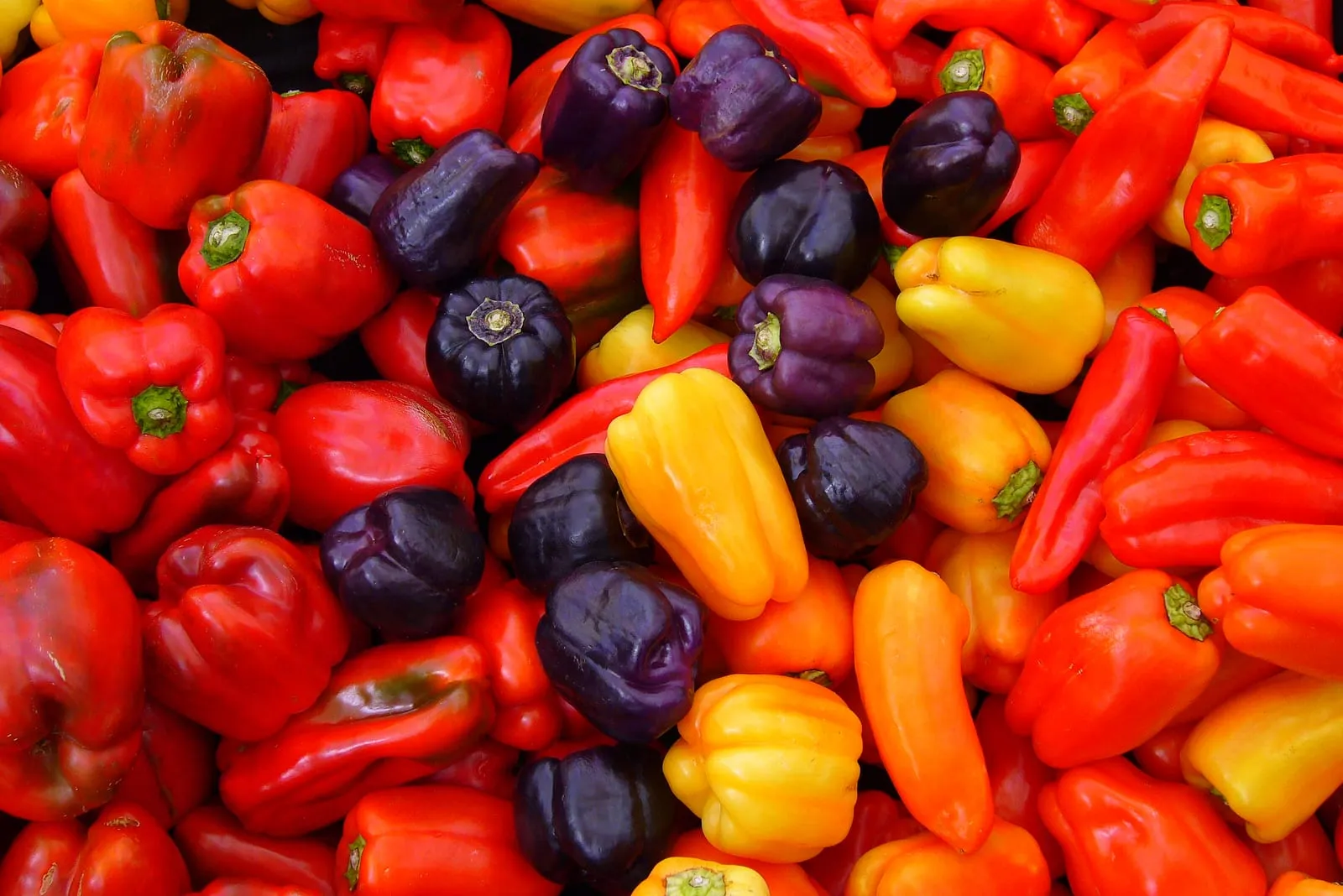 zone 10a
 Sweet Pepper
Capsicum annuum
zones 4a–10b
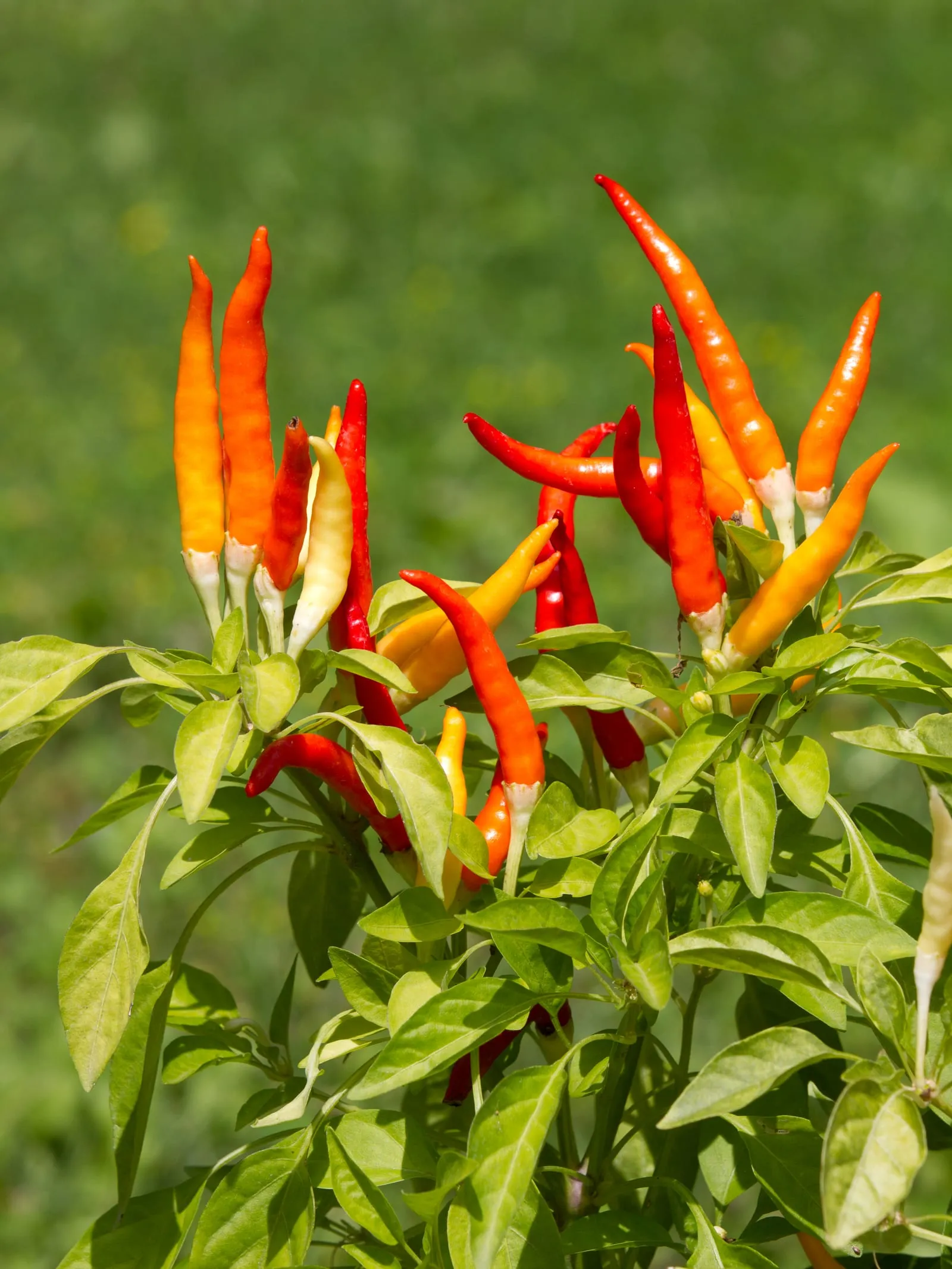 zone 10a
 Hot Pepper
Capsicum species
zones 4a–10b
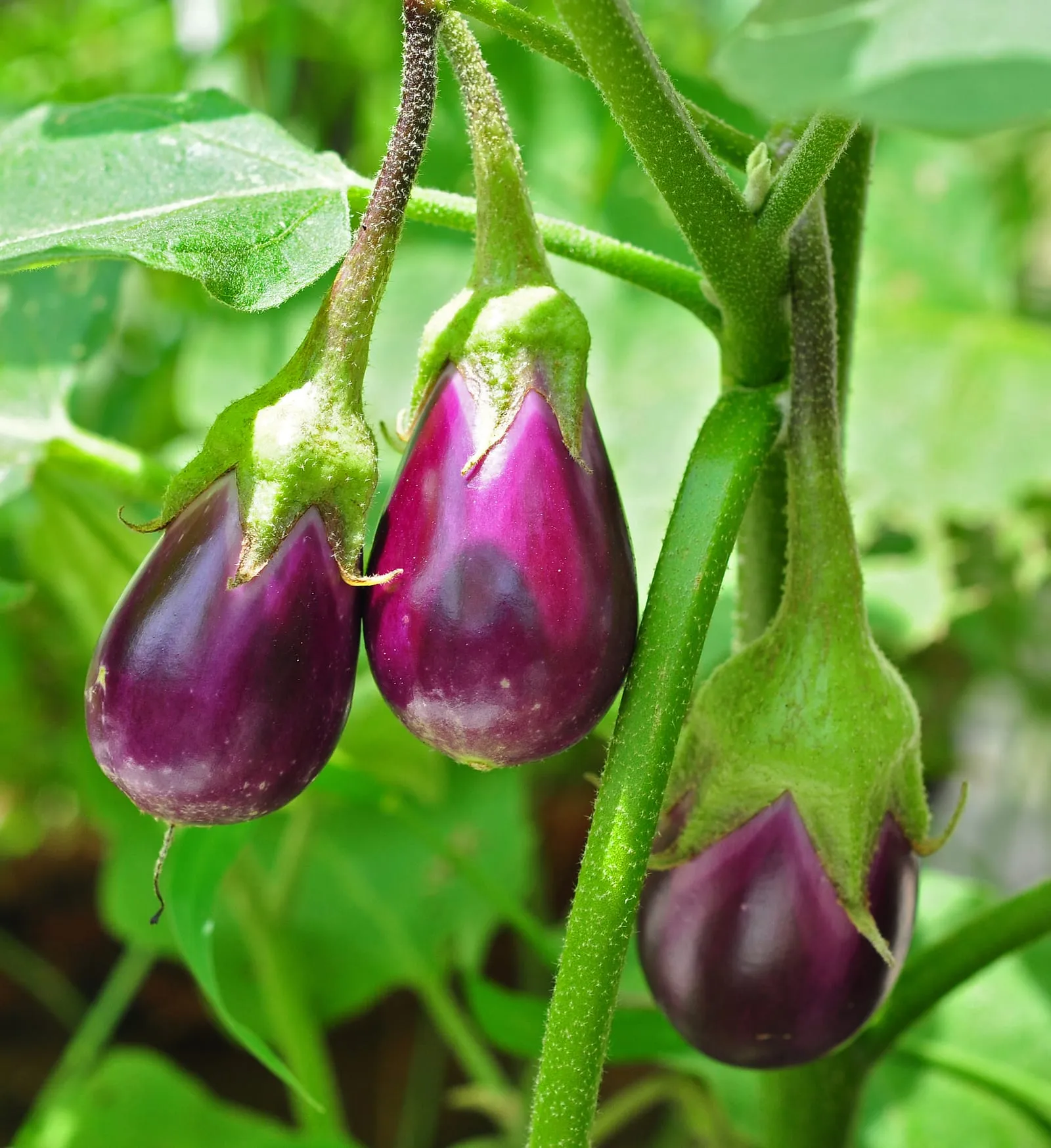 zone 10a
 Eggplant
Solanum melongena
zones 5a–10b
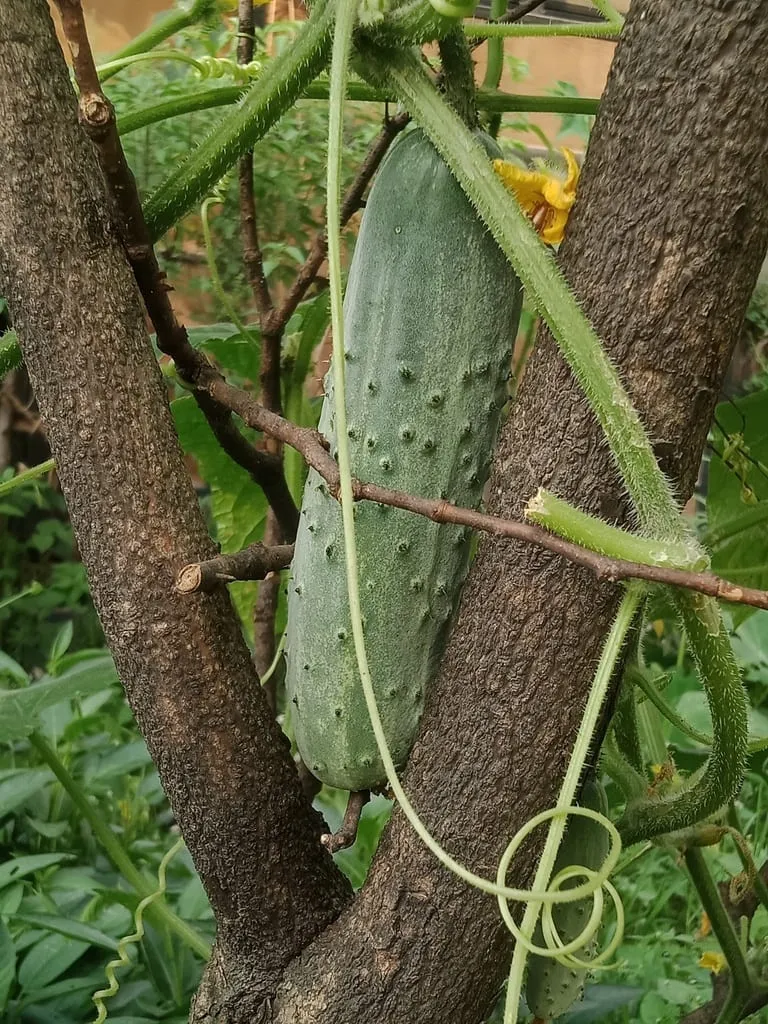 zone 10a
 Cucumber
Cucumis sativus
zones 3b–10a
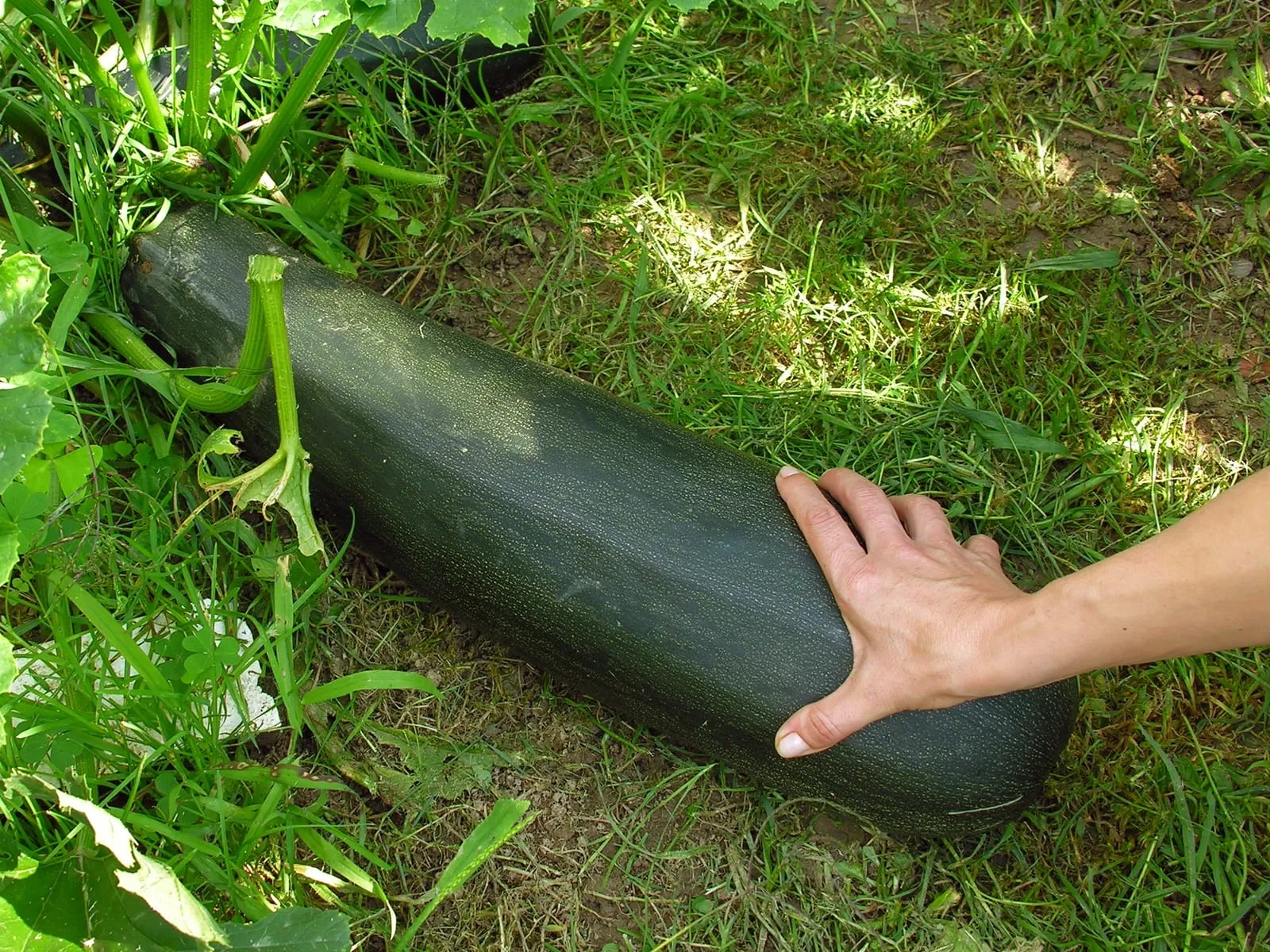 zone 10a
 Summer Squash
Cucurbita pepo
zones 3b–10a
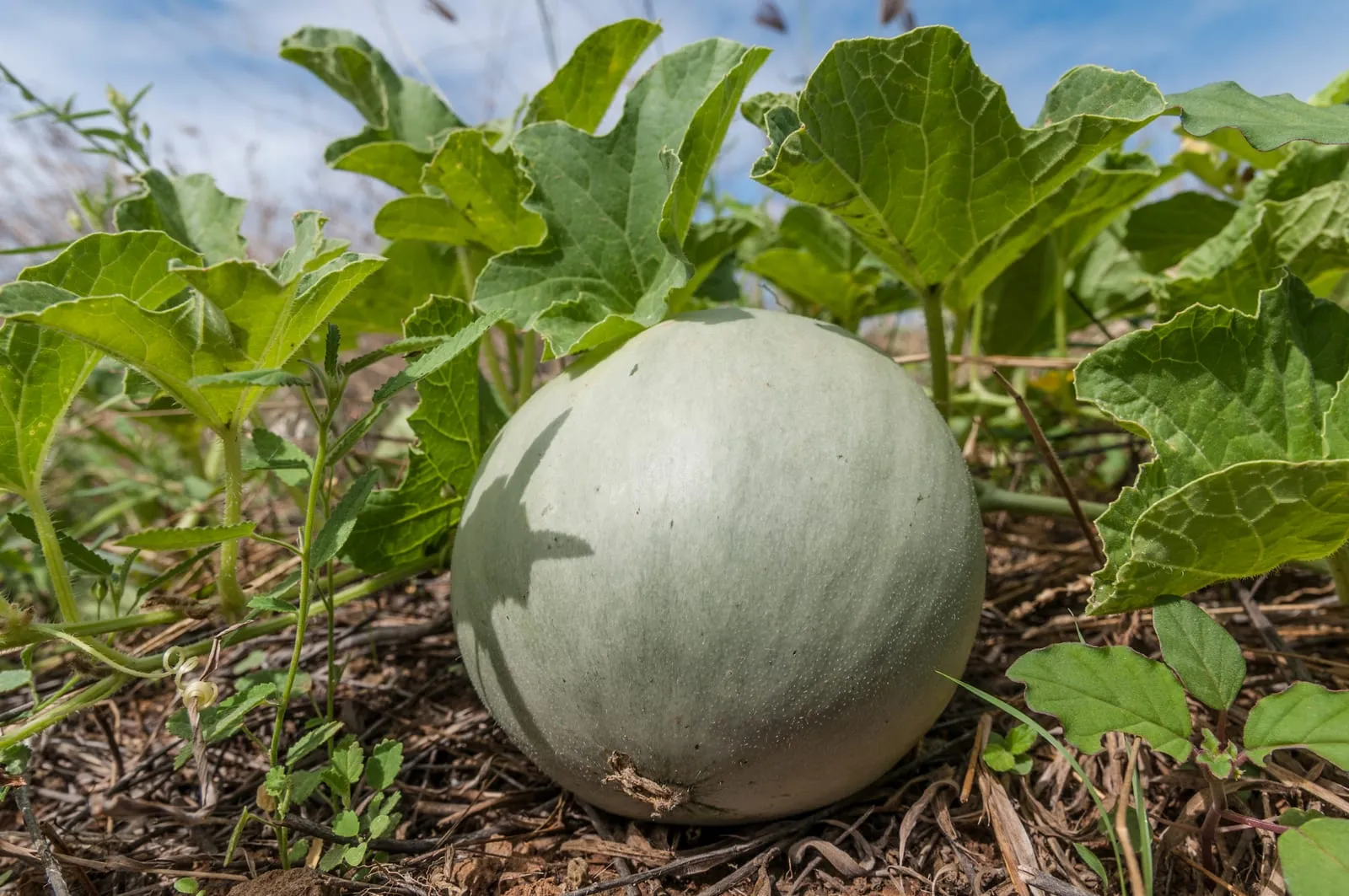 zone 10a
 Melon
Cucumis melo
zones 5a–10a
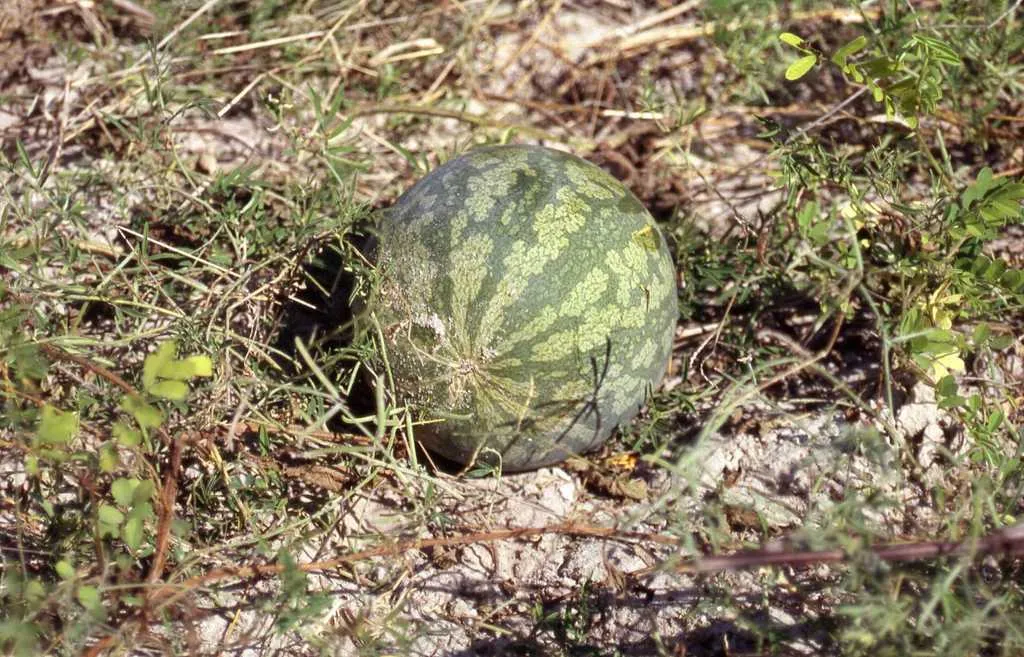 zone 10a
 Watermelon
Citrullus lanatus
zones 5b–10a
 zone 10a
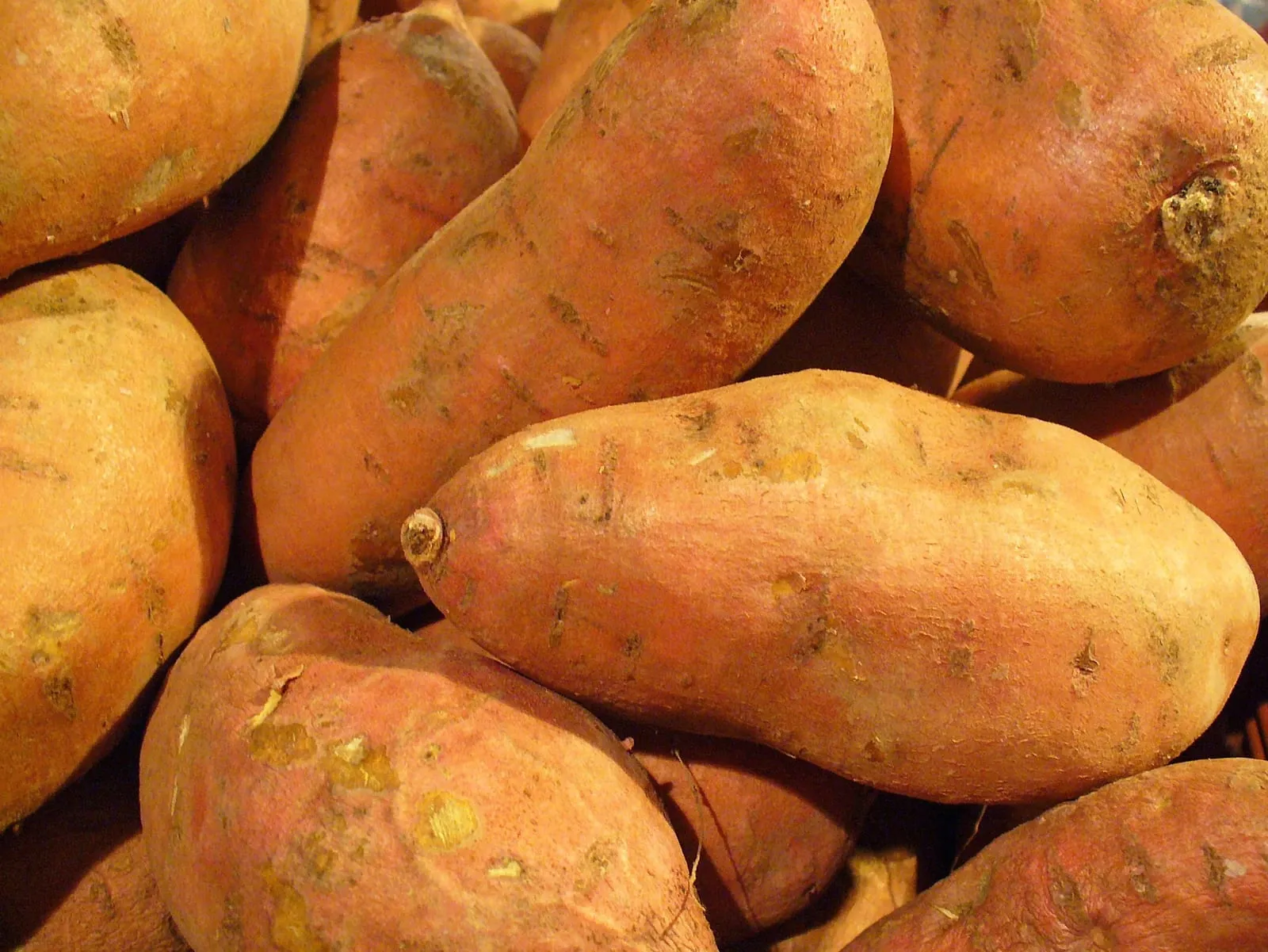
 Sweet Potato
Ipomoea batatas
zones 6a–10b
 zone 10a
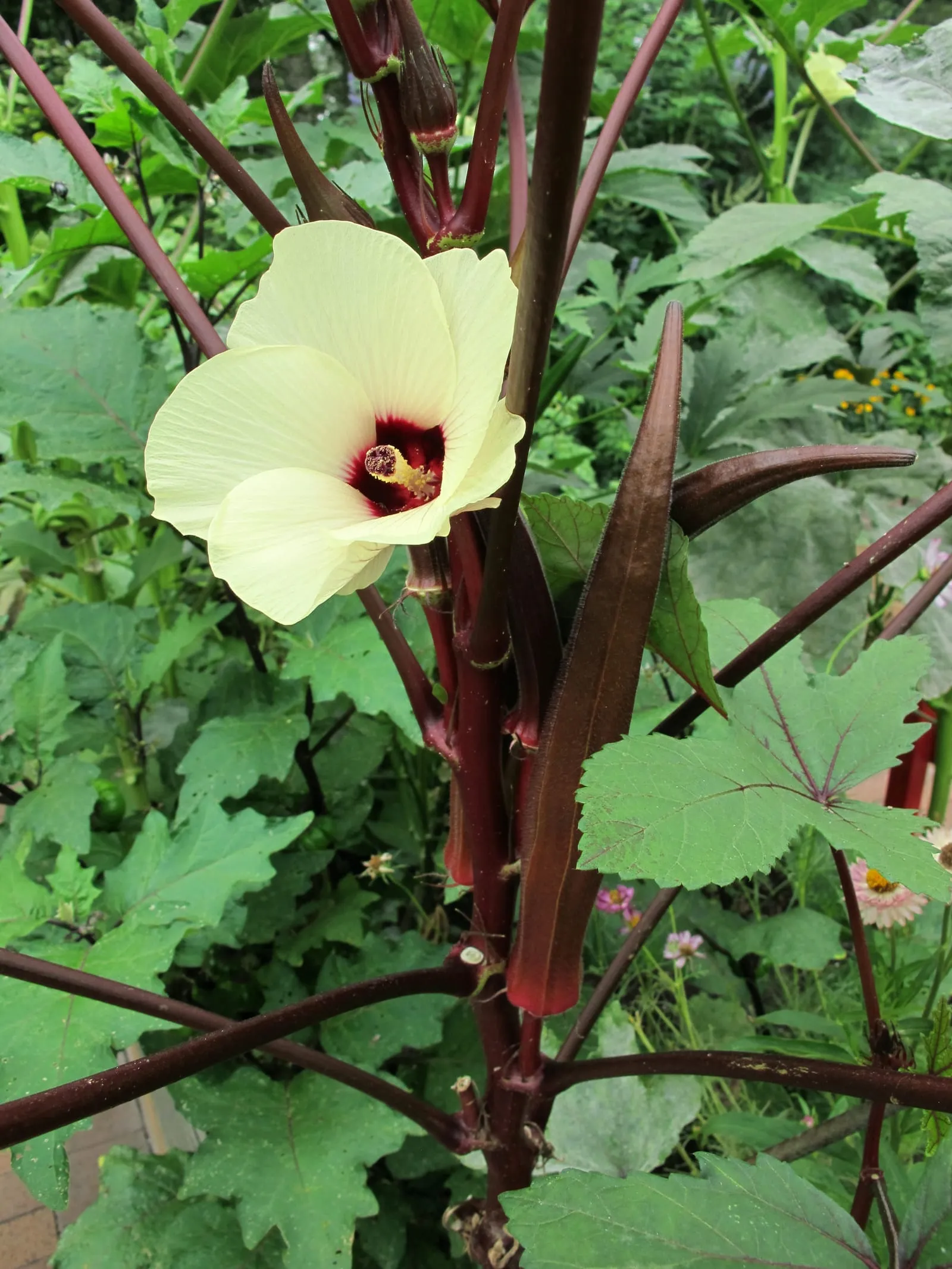
 Okra
Abelmoschus esculentus
zones 6a–10b
When to plant
Planting calendar for zone 10a
Year-view of seed starting, transplanting, planting, pruning, fertilizing, harvest, and pest-watch windows based on the average frost timing for zone 10a.
Week ? · loading
This week in zone 10a
Quiet week in zone 10a. this week is a good time to step back and plan ahead.
Nothing critical on the calendar this week.
147 bars · 28 crops
Calendar logic combines NOAA frost normals with crop-specific timing data. Local microclimate and weather always overrules the calendar; use this as a starting point.
Frequently asked questions
- Can apple or peach trees grow in zone 10a?
Standard varieties of apples and peaches require 800 to 1,200 chill hours and will not produce reliably in zone 10a. A small number of ultra-low-chill selections bred specifically for South Florida and Southern California have been developed, but performance varies considerably depending on how cold each individual winter actually gets. Most growers in this zone find the results disappointing compared to tropical alternatives.
- What fruit trees are most reliable in zone 10a?
Tropical and subtropical species are the primary option: mango, avocado, guava, papaya, longan, lychee, and starfruit all perform well. Among crops more commonly associated with temperate orchards, figs, low-chill Asian persimmons, and pomegranates are the most consistent choices. These three have modest chilling requirements that zone 10a can typically meet in a normal winter.
- What is a chill hour and why does it matter in zone 10a?
A chill hour is one hour of exposure to temperatures between roughly 32 and 45°F. Temperate fruit trees accumulate these hours during winter to break dormancy correctly in spring. Zone 10a accumulates very few, which is why most apples, pears, peaches, and cherries fail here regardless of soil quality or irrigation. The chilling deficit, not frost risk, is the binding constraint on crop selection in this zone.
- Does zone 10a ever get frost?
Rarely, and not every year in most locations. Zone 10a minimum temperatures range from 30 to 35°F, but actual freezing events are infrequent, particularly along coastlines. Inland areas of South Florida see frost somewhat more often than coastal ones. For the crops that can grow here, cold injury is generally not the primary planning concern.
- How should trees be prepared for hurricane season in zone 10a?
Site selection matters most. Trees planted in wind corridors or on exposed south and east faces take the worst of a storm. For young trees, flexible ties with sturdy stakes provide support without creating a rigid attachment point that increases trunk damage. Deep-rooted trees in well-drained soil handle wind significantly better than shallow-rooted ones in waterlogged ground.
- Do pomegranates grow well in zone 10a?
Pomegranates are generally well suited to zone 10a. They tolerate heat, drought, and the alkaline soils common in parts of South Florida and Southern California. Most standard cultivars have low chill-hour requirements in the range of 100 to 200 hours, which zone 10a can typically satisfy. They are among the more forgiving choices for growers in this zone looking for a familiar orchard crop.
+−
+−
+−
+−
+−
+−
Related