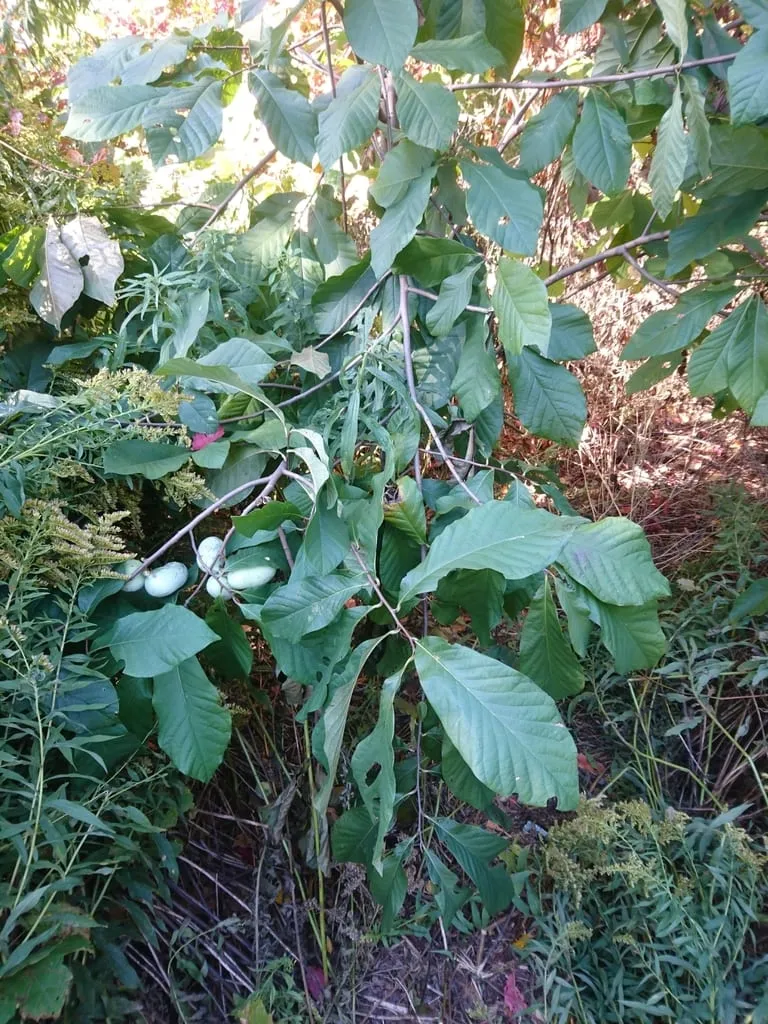
fruit tree in zone 8b
Growing pawpaw in zone 8b
Asimina triloba
- Zone
- 8b 15°F to 20°F
- Growing season
- 260 days
- Chill needed
- 400 to 500 below 45°F
- Suitable varieties
- 0
- Days to harvest
- 150 to 180
The verdict
Zone 8b sits at the southern fringe of pawpaw's natural range, and chill-hour accumulation is the limiting factor. Pawpaw requires 400 to 500 chill hours (hours below 45°F), and zone 8b inland locations, particularly in the Carolinas, Georgia piedmont, and central Texas, typically accumulate 400 to 600 hours in an average winter. That puts chill-hour fulfillment in marginal-to-adequate territory, not a sweet spot.
Coastal and Gulf-facing areas within zone 8b are more problematic. Winters there often deliver 200 to 350 chill hours, which falls short of what pawpaw needs for reliable flowering and fruit set. In those locations, fruiting will be inconsistent year to year, and some seasons may see leaf-out without fruit.
For inland zone 8b growers with adequate winter cold, pawpaw can perform reasonably well. Site selection within the zone matters more than the zone designation itself.
Critical timing for zone 8b
In zone 8b, pawpaw typically blooms from late February through late March, depending on how quickly temperatures warm after winter dormancy. The flowers open before the leaves and are pollinated primarily by flies and beetles, not bees. That early bloom window creates frost risk: a hard freeze below 28°F after buds break can damage flowers and reduce or eliminate fruit set for that season.
Zone 8b's 260-day growing season is more than sufficient for pawpaw fruit to develop fully. Fruit typically ripens from late August through October, roughly 120 to 150 days after pollination. The long, warm summer accelerates ripening compared to northern plantings, so growers should watch fruit closely in late August rather than waiting for September.
Common challenges in zone 8b
- ▸ Low chill hours limit apple variety selection
- ▸ Citrus greening risk
- ▸ Nematodes in sandy soils
Modified care for zone 8b
In zone 8b, two adjustments matter most compared to the crop's core range in zones 5 through 7.
First, site selection must account for chill accumulation. A north-facing slope or low spot that holds cold air longer in winter will accumulate more chill hours than a south-facing exposure. Growers in marginal chill areas should avoid sites that warm early in the season, since premature dormancy-break followed by a late freeze is the most common cause of crop failure here.
Second, sandy soils, which are common across much of zone 8b, present a nematode pressure that pawpaw roots are not particularly resistant to. Adding organic matter at planting and keeping the root zone mulched reduces nematode activity and maintains the moisture that pawpaw prefers. Young trees also benefit from afternoon shade during their first two summers; mature trees handle zone 8b heat well once established.
Frequently asked questions
- Can pawpaw reliably fruit in zone 8b?
In inland zone 8b areas that accumulate 400 or more chill hours, fruiting is reasonably consistent. In coastal and Gulf-adjacent locations within zone 8b, where winter cold is milder, chill-hour shortfalls make fruiting unreliable in warm winters.
- Does pawpaw need a pollination partner in zone 8b?
Pawpaw is not self-fertile in practice. At least two genetically distinct trees are needed for reliable fruit set. Since pollinators are flies and beetles rather than bees, planting trees within 50 feet of each other and avoiding pesticide applications during bloom improves pollination rates.
- How does zone 8b summer heat affect pawpaw fruit quality?
Pawpaw fruit can ripen unevenly and soften very quickly in zone 8b's summer heat. Fruit may be ready to harvest a week or two earlier than published timelines suggest, and the harvest window is short. Check fruit daily once it begins to give slightly to pressure.
+−
+−
+−
Pawpaw in adjacent zones
Image: "common pawpaw", by no rights reserved, via iNaturalist, licensed under CC0 Source.
Related