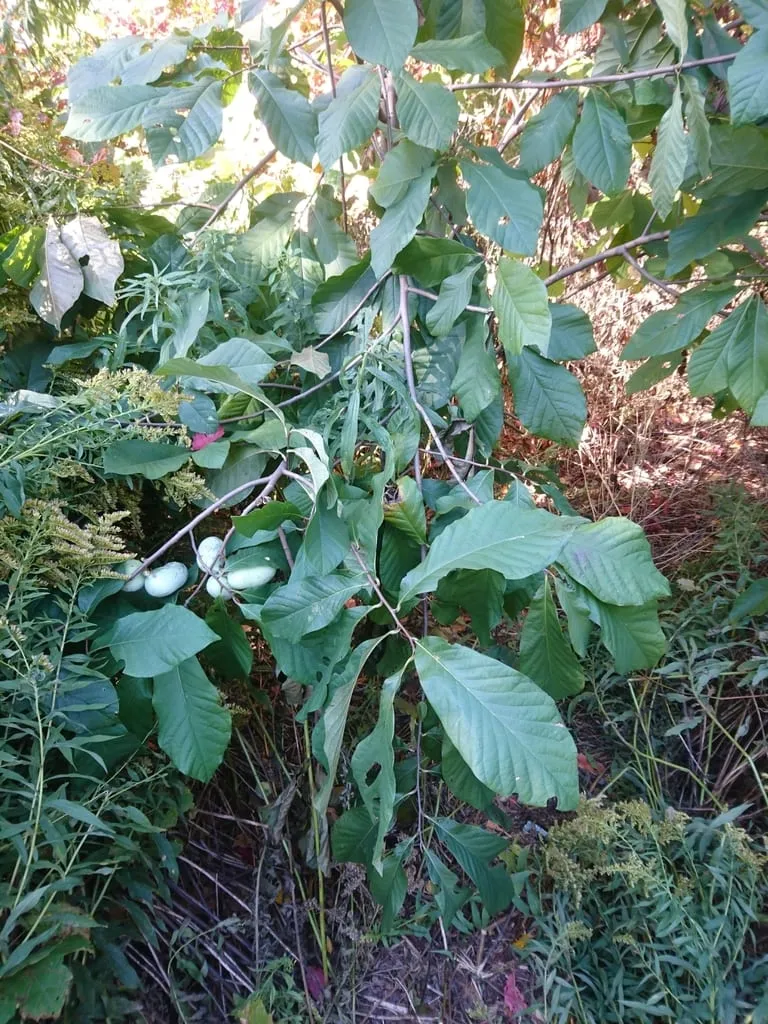
fruit tree in zone 8a
Growing pawpaw in zone 8a
Asimina triloba
- Zone
- 8a 10°F to 15°F
- Growing season
- 240 days
- Chill needed
- 400 to 500 below 45°F
- Suitable varieties
- 3
- Days to harvest
- 150 to 180
The verdict
Zone 8a sits at the warm fringe of pawpaw's viable range. The crop requires 400 to 500 chill hours below 45°F annually, and zone 8a winters are inconsistent enough that some years may fall short, particularly in urban heat islands or coastal-influenced microclimates. In a year with a mild winter, fruiting can be reduced or absent on varieties with the higher end of the chill requirement.
That said, pawpaw is native to portions of the southeastern United States that overlap with zone 8a conditions, so it is not an impossible fit. The 240-day growing season more than covers the crop's needs, and the minimum winter temperatures of 10 to 15°F pose no threat to established trees. Of the compatible varieties, Sunflower is typically the most forgiving under warm-winter conditions and is the practical starting point for zone 8a plantings. Shenandoah and Susquehanna, both higher-quality selections, may perform inconsistently depending on whether winter chill hours are met in a given year.
Recommended varieties for zone 8a
3 cultivars suited to this zone, with disease-resistance and zone-fit annotations.
| Variety | Notes | Zone fit | Disease resistance |
|---|---|---|---|
| Sunflower fits zone 8a | Custard texture, tropical mango-banana flavor; eat fresh with a spoon, or freeze pulp for smoothies and baking. Partially self-fertile, large fruit. | | none noted |
| Shenandoah fits zone 8a | Mild tropical flavor, less of the funky aftertaste some pawpaws have; smooth custard texture, low seed count. Best entry-level cultivar for new pawpaw growers. | | none noted |
| Susquehanna fits zone 8a | Rich, complex flavor with vanilla-pear notes; large fruit, low seed count. Considered one of the best-tasting cultivars. | | none noted |
Critical timing for zone 8a
Pawpaw blooms unusually early for a deciduous fruit tree, typically in March in zone 8a, sometimes extending into early April depending on winter duration. This timing creates some vulnerability: a late cold snap after bloom can damage flowers, which are not frost-hardy. Zone 8a last frost dates generally fall between mid-February and mid-March, meaning bloom and frost risk overlap.
Harvest lands in September, occasionally stretching into early October. The fruit does not ripen all at once and does not hold long on the tree before softening, so the harvest window is short and requires daily attention. The zone's long, warm summer accelerates sugar development, though excessive heat in August can stress trees and reduce fruit set in some years.
Common challenges in zone 8a
- ▸ Insufficient chill hours for some apple varieties
- ▸ Pierce's disease in grapes
- ▸ Heat stress on cool-season crops
Modified care for zone 8a
The primary adjustment in zone 8a is site selection with chill hours in mind. Lower elevations in western portions of zone 8a (inland areas of Alabama, Georgia, northern Florida) accumulate chill hours more reliably than coastal locations. Choosing a site with cold air drainage and northern or eastern aspect can add meaningful chill accumulation over a winter.
Young pawpaw trees also benefit from partial shade in their first two or three years, especially in zone 8a summers where afternoon temperatures regularly exceed 95°F. This is true across most of the crop's range, but the heat intensity in zone 8a makes it more consequential. Mature trees handle full sun better. Consistent soil moisture during fruit development in July and August reduces the risk of premature drop, which becomes more likely under heat stress.
Frequently asked questions
- Will pawpaw produce fruit reliably in zone 8a?
Reliability depends heavily on winter chill accumulation, which varies year to year in zone 8a. In winters with 400 or more hours below 45°F, production can be solid. In mild winters, fruiting may be reduced. Selecting Sunflower, which tolerates lower chill conditions better than most named varieties, improves consistency.
- Do pawpaws need a pollinator in zone 8a?
Yes. Pawpaw flowers are not self-fertile in practice, and cross-pollination between at least two genetically distinct trees is necessary for good fruit set. Plant two or more named varieties rather than seedlings. Pollinators in zone 8a are often scarce during the early bloom period, so hand-pollination is worth the effort if fruit set is poor.
- How much water does pawpaw need during zone 8a summers?
Established trees are reasonably drought-tolerant but perform better with consistent moisture during fruit development, roughly June through September. In zone 8a, where summer temperatures and evaporation rates are high, supplemental irrigation every one to two weeks during dry periods reduces fruit drop and improves size at harvest.
+−
+−
+−
Pawpaw in adjacent zones
Image: "common pawpaw", by no rights reserved, via iNaturalist, licensed under CC0 Source.
Related