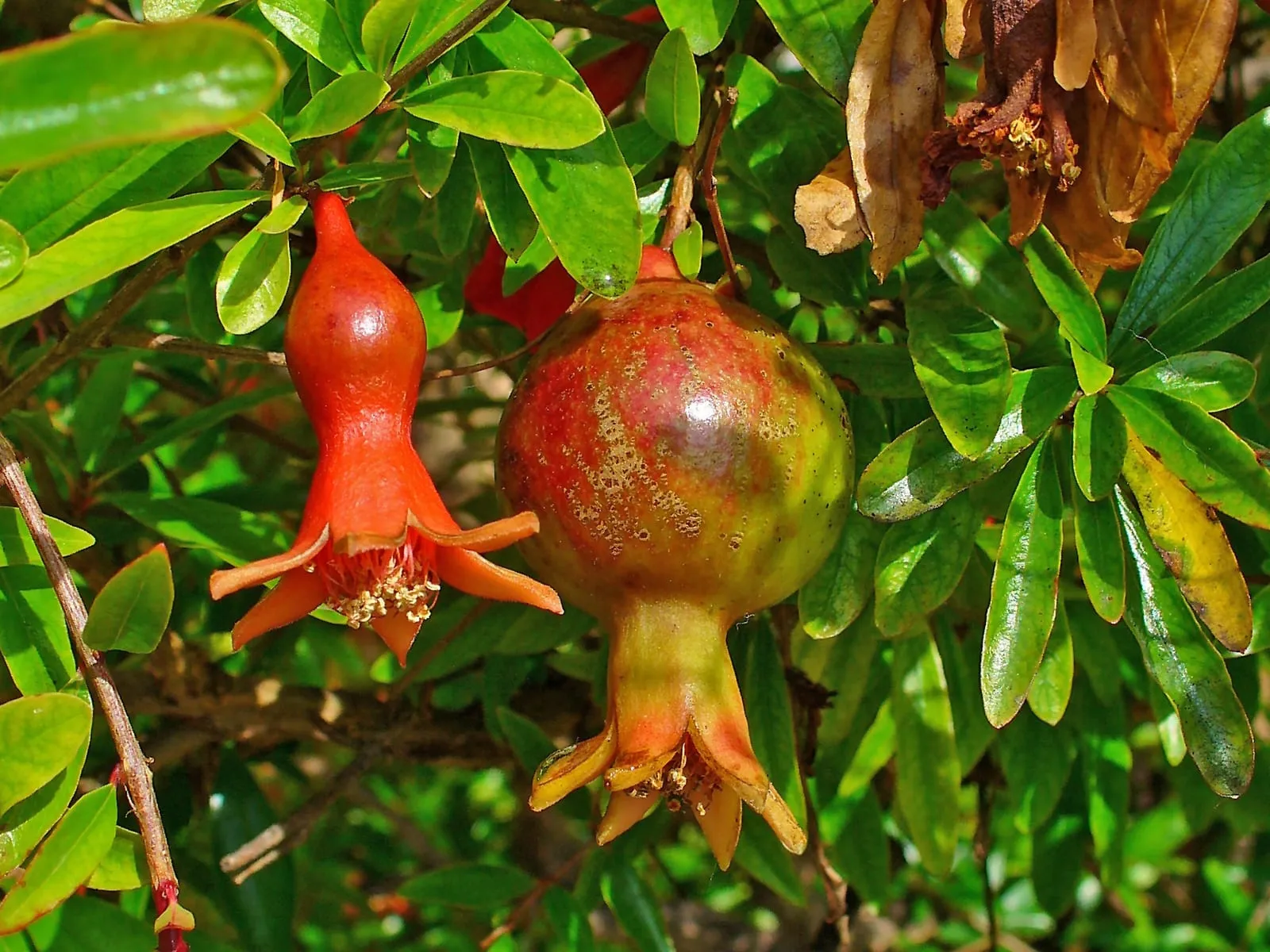
fruit tree in zone 8a
Growing pomegranate in zone 8a
Punica granatum
- Zone
- 8a 10°F to 15°F
- Growing season
- 240 days
- Chill needed
- 100 to 200 below 45°F
- Suitable varieties
- 4
- Days to harvest
- 150 to 215
The verdict
Zone 8a sits squarely in pomegranate's preferred range. With minimum winter temperatures of 10 to 15°F and a 240-day growing season, the zone provides the warm summers pomegranate needs to ripen fruit fully while delivering well above the crop's modest chill requirement of 100 to 200 hours. Most zone 8a locations accumulate 400 to 600 chill hours in a typical winter, so chill-hour shortfall is not a concern here.
This is not a marginal zone. Pomegranate is suited to zone 8a in the same way citrus is suited to 9b: the climate fits the crop rather than the grower working around the climate. Varieties Wonderful, Salavatski, Kazake, and Parfianka are all reliable performers. The one cold-hardiness caveat is for young plants: pomegranate's cold tolerance improves significantly with age, and first- and second-year trees can sustain damage at temperatures that established specimens handle without issue.
Recommended varieties for zone 8a
4 cultivars suited to this zone, with disease-resistance and zone-fit annotations.
| Variety | Notes | Zone fit | Disease resistance |
|---|---|---|---|
| Wonderful fits zone 8a | Sweet-tart, bright red juicy arils with classic pomegranate flavor; the standard commercial cultivar. Fresh eating, juice, garnish, salads. | | none noted |
| Salavatski fits zone 8a | Sweet-tart, large pink-red arils with a softer seed than Wonderful; fresh, juice. Cold-hardy Russian variety extends pomegranate to zone 7b. | | none noted |
| Kazake fits zone 8a | Sweet, soft seeds, pink arils; pleasant fresh eating. Cold-hardy Russian heirloom; less commercial appeal but good for backyard growers in cooler zones. | | none noted |
| Parfianka fits zone 8a | Sweet, complex wine-like flavor, soft edible seeds; fresh eating, juice. Considered one of the best-tasting pomegranates by enthusiasts. | | none noted |
Critical timing for zone 8a
Pomegranate leafs out in late March to early April in zone 8a and begins blooming in May, extending through June or even July. Because bloom opens well after the average last frost date for zone 8a (typically mid-February to early March depending on location), frost damage to flowers is uncommon. The long 240-day season is a genuine advantage: most varieties need 5 to 7 months from bloom to ripe fruit, and zone 8a provides that window comfortably. Harvest runs September through November depending on variety, with Wonderful typically finishing in October and Salavatski and Parfianka often running into November.
Common challenges in zone 8a
- ▸ Insufficient chill hours for some apple varieties
- ▸ Pierce's disease in grapes
- ▸ Heat stress on cool-season crops
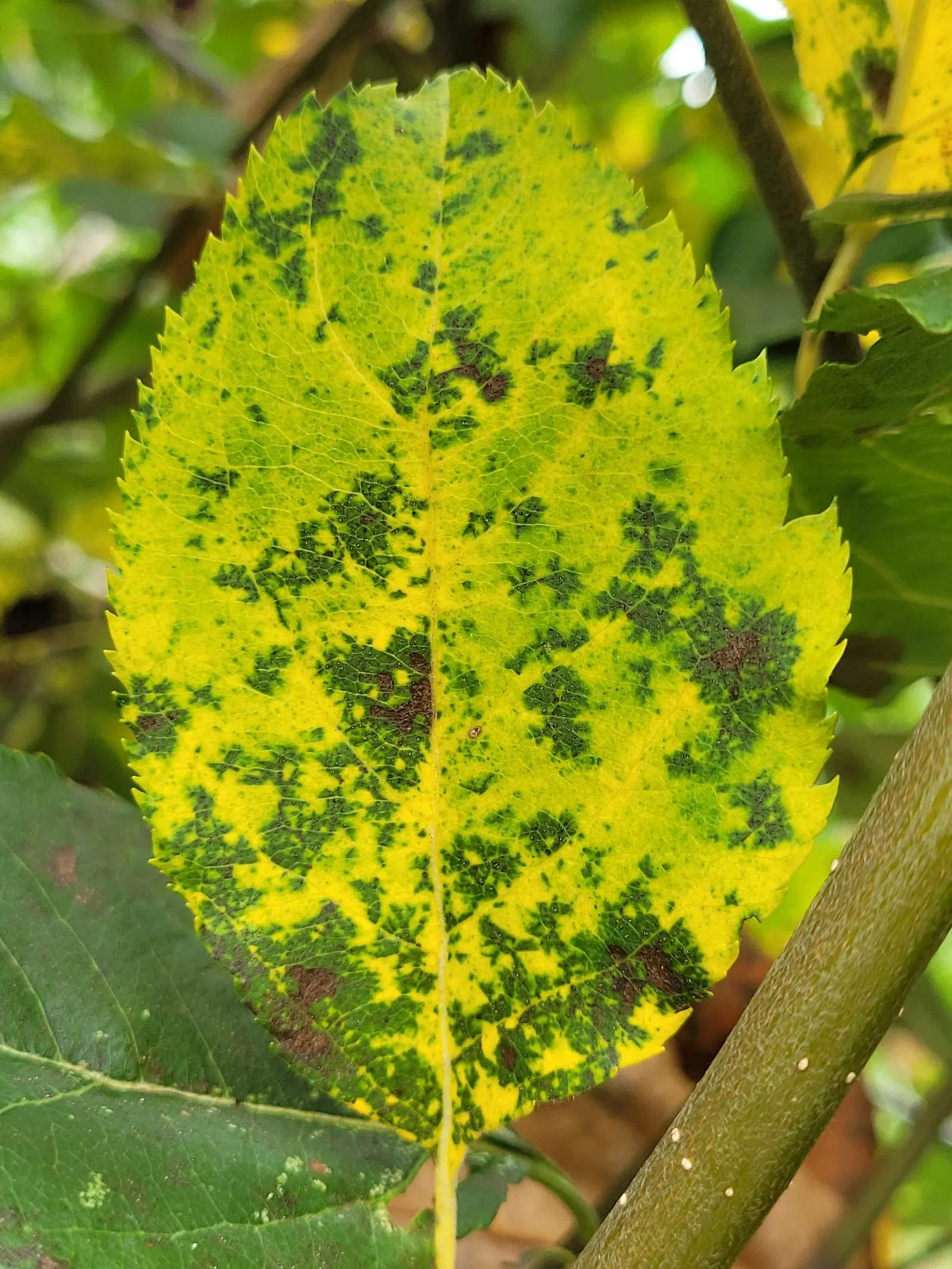
Disease pressure to watch for
Modified care for zone 8a
Established pomegranates in zone 8a need little adjustment to standard care. The primary modification worth noting is protection for new plantings: during the first two winters, mulch the root zone heavily and consider wrapping the trunk if temperatures below 15°F are forecast, since young wood is noticeably less cold-hardy than mature wood.
Pomegranate Leaf Blotch warrants attention in humid parts of zone 8a, particularly across the southeastern United States. The disease thrives in wet spring conditions and causes premature defoliation in severe cases. Improving air circulation through selective pruning and avoiding overhead irrigation during the growing season reduce disease pressure meaningfully. In drier zone 8a climates (inland California, parts of the Southwest), Leaf Blotch is rarely a serious concern.
Frequently asked questions
- Is zone 8a too cold for pomegranate?
No. Pomegranate is reliably cold-hardy to about 10°F once established, which aligns with zone 8a's minimum temperature range of 10 to 15°F. Young plants are more vulnerable and benefit from mulching and trunk protection in their first two winters.
- Which pomegranate varieties perform best in zone 8a?
Wonderful is the most widely grown and performs consistently in zone 8a. Salavatski and Parfianka offer softer seeds and are worth trialing if you prefer eating fresh fruit rather than juicing. Kazake is a reliable producer as well. All four varieties suit the zone's chill hour accumulation and growing season length.
- When should pomegranate be planted in zone 8a?
Spring planting, after the last frost risk has passed, is preferable. A late February or March planting gives new roots the entire growing season to establish before the first frost. Fall planting is possible but gives less establishment time before cold stress.
- What is Pomegranate Leaf Blotch and how serious is it in zone 8a?
Pomegranate Leaf Blotch is a fungal disease that causes dark spots on leaves and can cause early leaf drop in severe cases. In humid parts of zone 8a, particularly in the Southeast, wet spring weather creates favorable conditions for the pathogen. Better airflow through pruning and drip irrigation instead of overhead watering reduce incidence significantly.
+−
+−
+−
+−
Pomegranate in adjacent zones
Image: "Punica granatum 004", by H. Zell, via Wikimedia Commons, licensed under CC-BY Source.

Related